Soil Conditioner for Vegetable Gardens: How to Use It
Improve a vegetable garden with the right soil conditioner. Get label-reading tips, application rates, timing, soil-test checks, and common mistakes to avoid.
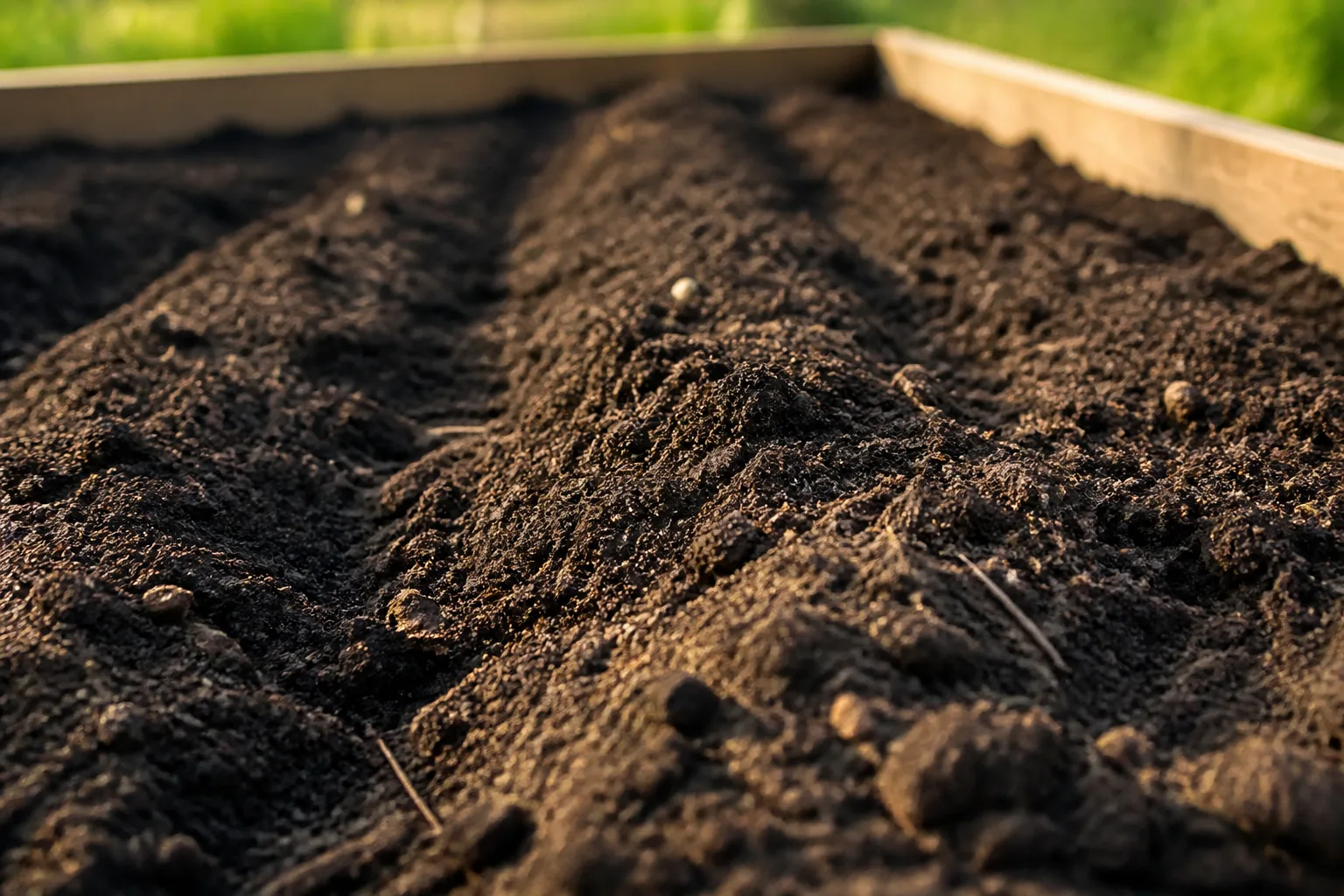
A good soil conditioner can make a vegetable bed easier for roots to occupy, easier for you to water, and more resilient through a long season. It cannot, by itself, compensate for too little sun, irregular irrigation, disease, poor pollination, or a soil test that already shows excessive nutrients.
The useful question is not “Will this bag make my harvest bigger?” It is “What is wrong with this bed, what does the product actually contain, and how much can I add without creating a new problem?” Once you answer those three questions, a soil conditioner becomes a practical tool rather than a seasonal lucky charm.
What soil conditioner actually does
Soil conditioner is a broad label for material added to soil to improve the root environment. Organic conditioners commonly add decomposed or partly decomposed plant material, animal by-products, or other organic matter. As that material breaks down, it can help soil hold water and nutrients, form stable aggregates, and maintain air spaces for roots and soil organisms.
That definition matters because “conditioner” describes a job more than a fixed recipe. One bag may be mostly finished compost; another may contain bark, manure, worm castings, minerals, or fertilizer. Two products sold in the same aisle can therefore behave differently in a raised bed, and neither should be applied by a universal calendar rule.
Conditioner, compost, fertilizer, and mulch have different jobs
Compost is decomposed organic matter and is one of the most common soil amendments. Fertilizer is a product supplied to provide one or more plant nutrients at a stated analysis. Mulch stays on the surface to reduce evaporation, suppress weeds, moderate soil temperature, and protect the soil from rain impact. A conditioner may overlap with all three, but it is not automatically a substitute for any of them.
Colorado State University Extension defines an amendment by what it improves in soil—water movement, aeration, structure, and related physical properties—while noting that organic amendments may also provide slow-release nutrients. That is why a conditioner can improve a root zone without feeding a heavy fruiting crop as predictably as a labeled vegetable fertilizer. Read the explanation from Colorado State University Extension on choosing a soil amendment before treating the word “organic” as a rate instruction.
The simplest division of labor is this: use a conditioner or finished compost to improve the soil’s physical and biological setting, use fertilizer when a crop and soil test indicate a nutrient need, and use mulch to protect the surface after planting. Combining them can be useful, but adding all three at full strength just because the plants are growing is how small beds accumulate salts and excess nutrients.
Why organic matter helps clay and sandy beds
Clay soil has many tiny particles that can pack tightly, shed water from the surface, and leave roots with too little oxygen after rain. Well-decomposed organic matter helps those particles form larger aggregates, creating a more workable mix of pores. The improvement is gradual; one heavy application may change the feel of a bed, but repeated moderate additions and less foot traffic usually matter more over time.
Sandy soil has the opposite weakness. Large spaces drain quickly, taking water and dissolved nutrients beyond the shallow root zone. Organic matter gives some of that water and nutrient supply more surfaces to cling to, so irrigation lasts longer. It does not turn sand into clay or make a poorly drained site drain faster; the result depends on the material, the existing soil, and how deeply it is mixed.
Utah State University Extension emphasizes that organic materials differ in their effects and risks. Composts and manures can add nutrients and support soil aggregation, while woody material that has not finished decomposing can temporarily compete with plants for nitrogen. Its overview of organic-matter soil amendments is a useful reminder that “organic” is a source category, not a promise that every product suits every bed.
Read the label before buying a bag
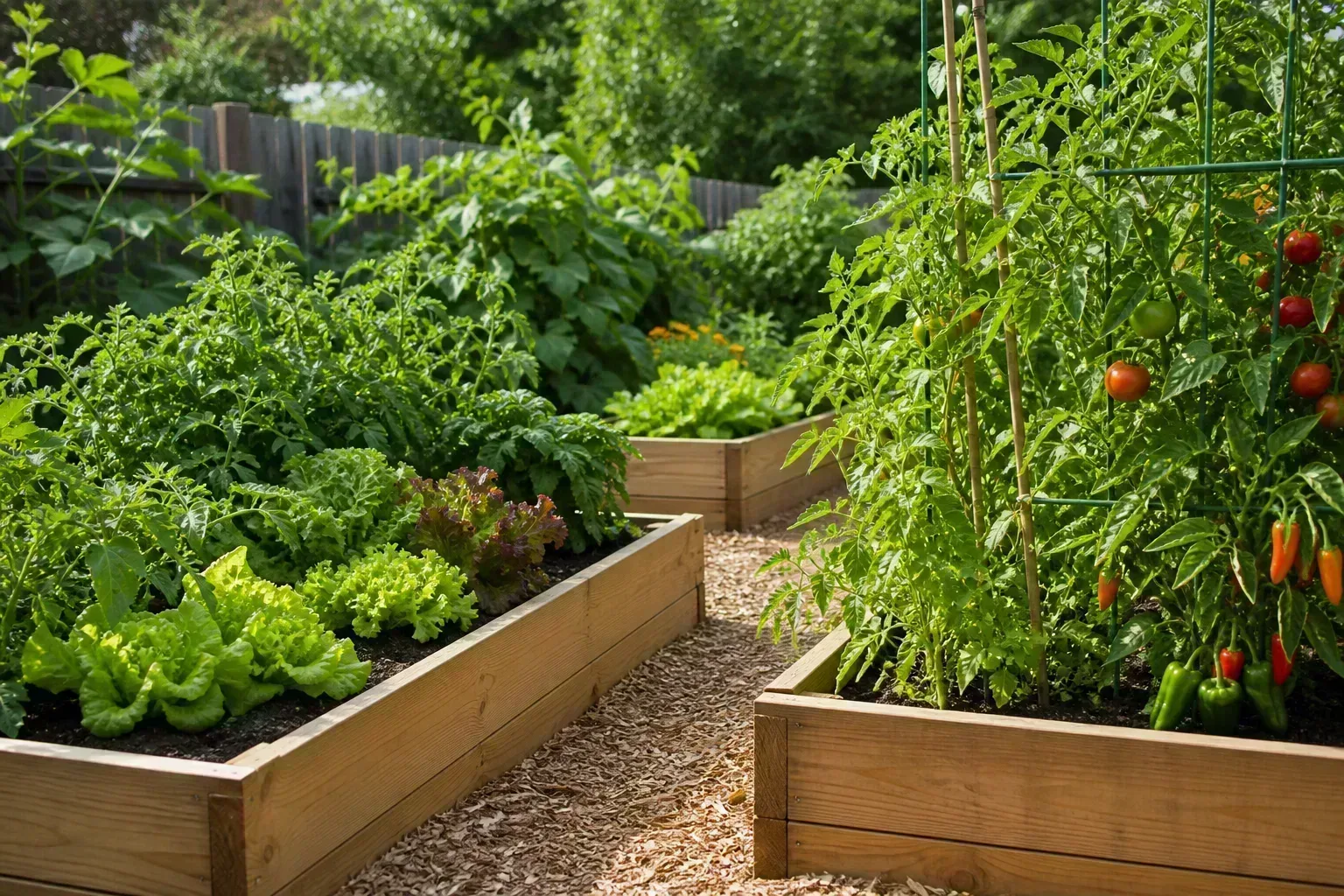
Start with the ingredient list, not the front-of-bag promise. Look for the source of organic matter, whether the product is intended for in-ground beds or containers, the recommended incorporation method, the coverage volume, and any analysis or caution about salts. If the package is vague about what went into it, choose a product with clearer sourcing or ask the supplier for a test report.
The texture and smell are useful secondary checks. Finished or well-aged material should be dark and crumbly with an earthy odor. A sharp ammonia smell, visible heat, slimy patches, or large amounts of recognizable waste suggests that the material needs more time or more information before it goes around food crops.
What Happy Frog Soil Conditioner contains
Happy Frog Soil Conditioner is a good case study because its manufacturer discloses a specific blend rather than calling it anonymous “black soil.” FoxFarm says the product contains finely screened aged forest products, earthworm castings, bat guano, soil microbes, and humic acids. The company says the humic acids may increase uptake of important micronutrients, and it recommends a separate Happy Frog fertilizer when additional nutrition is needed. Those are manufacturer statements, not independent proof that every garden will produce a larger harvest; see the current Happy Frog Soil Conditioner product directions.
The mix makes sense as an organic-matter amendment for an established vegetable bed: aged forest products can contribute structure, castings add decomposed organic material, and animal-derived ingredients can contribute nutrients. The trade-off is that a product with several nutrient-bearing ingredients is not nutritionally neutral. If your bed already tests high in phosphorus or soluble salts, “more biological activity” is not a sufficient reason to add another layer.
What the label cannot guarantee
No bag can tell you whether your particular bed needs more organic matter, nitrogen, phosphorus, or water-holding capacity. A conditioner also cannot certify that the site drains well, that your soil pH suits the crop, or that a plant’s roots are healthy. Even a reputable product should be evaluated in the context of the soil it is entering.
Be especially cautious with materials containing manure or biosolids. Extension guidance warns that salts can be high in some organic amendments, and fresh or incompletely composted manure can introduce pathogens or burn roots. This does not make all animal-based products unusable; it means the source, processing, label, and application rate matter.
When soil conditioner is worth using
A conditioner is most useful when the bed is low in organic matter, crusts or compacts, dries too quickly, or has a lumpy structure that makes roots and water move unevenly. It is also convenient when you are preparing a new raised bed, refreshing an empty row between crops, or adding a measured amount of organic matter to a garden where you do not have enough homemade compost.
It is less likely to be the right first move when plants are pale but the soil structure is already good, the bed stays waterlogged, the soil test shows high phosphorus, or you are trying to rescue a container vegetable by adding dense outdoor material. In those situations, diagnose the limiting factor first. A drainage correction, a measured fertilizer, or a lighter container mix may be more useful than a conditioner.
Use a soil test as the gatekeeper
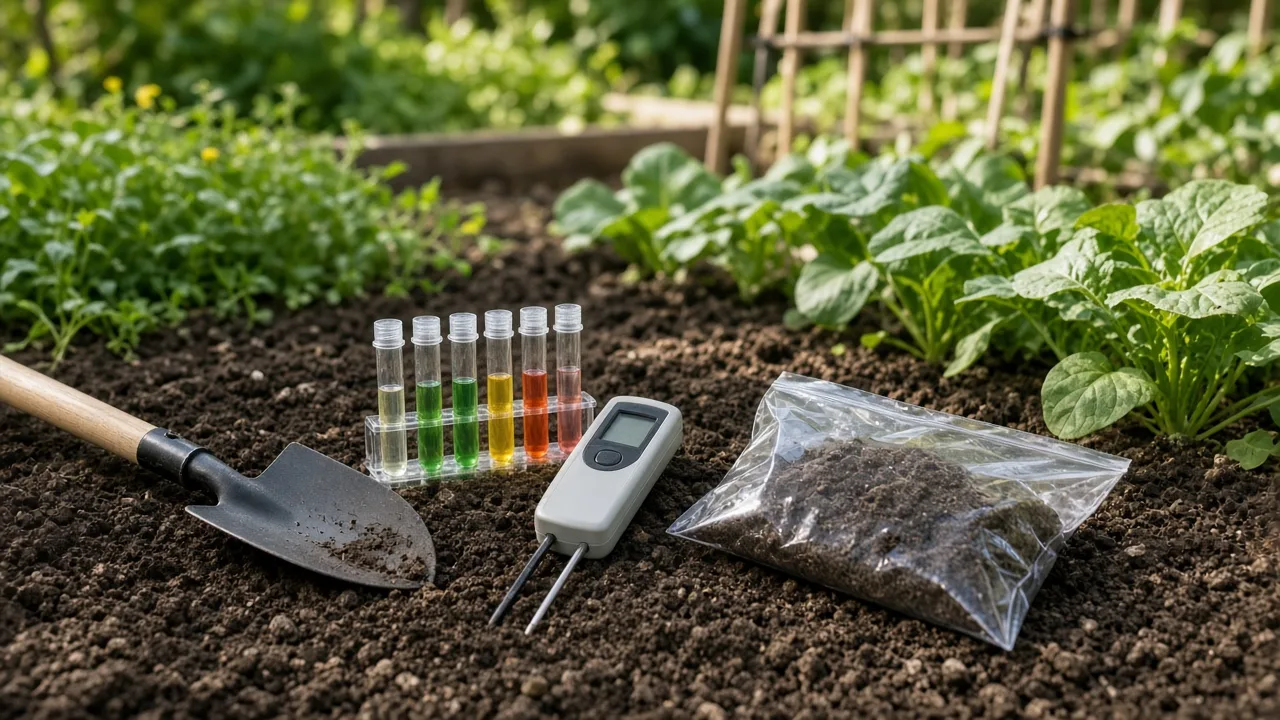
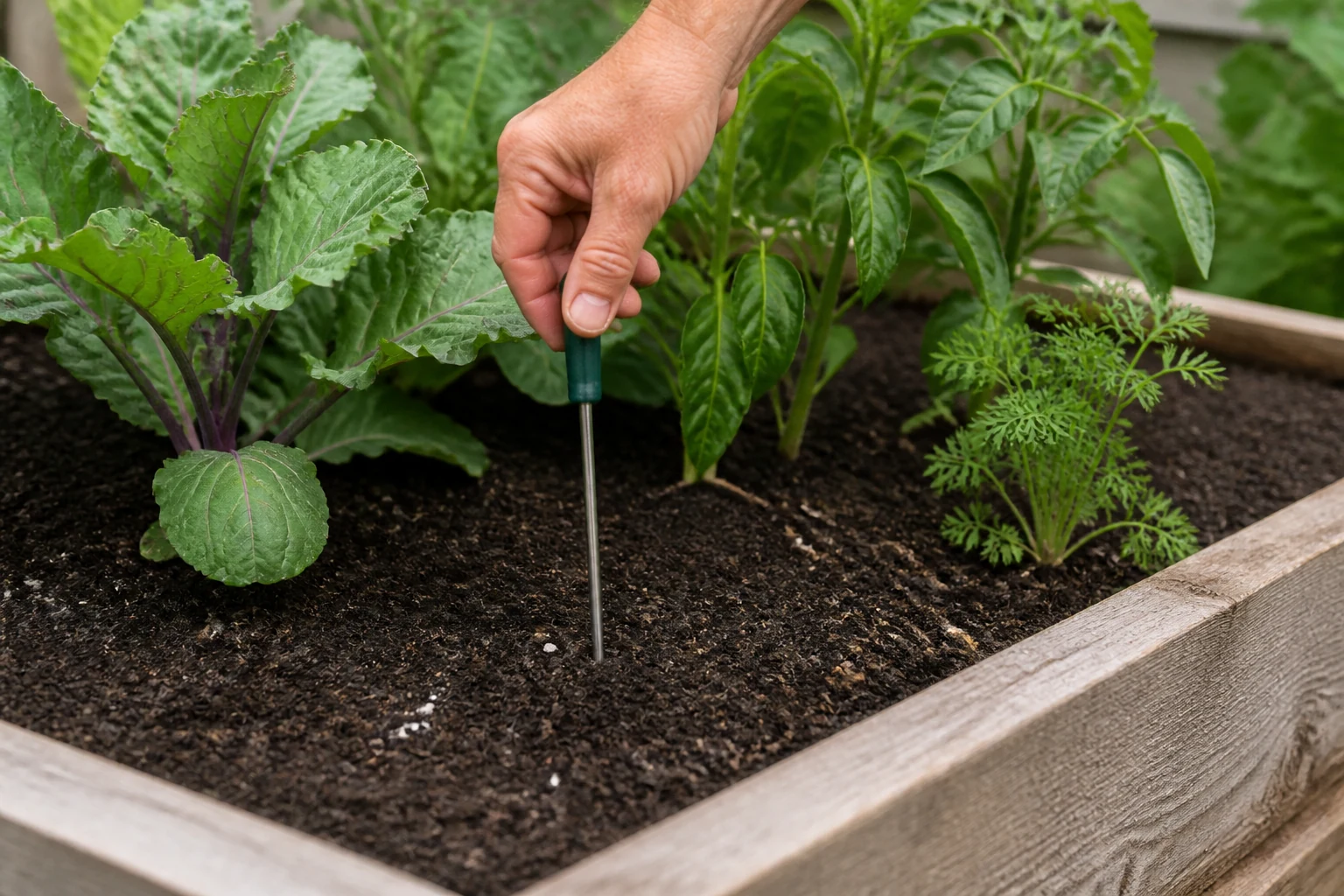
Before a large application, test the outdoor bed for pH, organic matter, phosphorus, potassium, and other nutrients included by your local laboratory. A soil test is not busywork: it tells you whether the proposed addition is likely to fill a gap or pile more of the same material on top of an already-supplied root zone.
Take several cores from the area where roots grow, mix them in a clean bucket, and send a representative sample according to the lab’s instructions. Keep compost piles, fertilizer spills, paths, and separate beds out of the sample. If you have a new raised bed and do not yet know its source mix, sample that bed rather than assuming every bed in the yard is identical.
Penn State Extension recommends testing compost because nutrient concentrations vary, and it advises using soil tests to avoid applying nutrients beyond crop needs. Its current compost guidance also makes the important point that incorporation helps the mineralization process and reduces runoff and erosion losses.
Use the test as a gate, not a single-number verdict. Low organic matter with compacted structure may support an amendment; high phosphorus should make you cautious about manure-heavy products; adequate nutrients with poor drainage calls for site correction; and a high pH may rule out amendments that push the soil more alkaline.
Match the amendment to texture and drainage
For clay or compacted loam, choose a finished, fibrous organic amendment and mix it through the root zone rather than leaving a dense layer on top. Avoid walking on the bed when it is wet, because compaction can undo the structural improvement you just paid for. If water already pools after rain, solve the grade, bed design, or drainage problem before adding more water-holding material.
For sandy soil, a stable compost or conditioner can improve moisture and nutrient retention. Add it in moderate amounts, water thoroughly, and watch the bed between irrigations. If the surface dries but the deeper root zone remains damp, do not keep adding material; change the watering pattern instead.
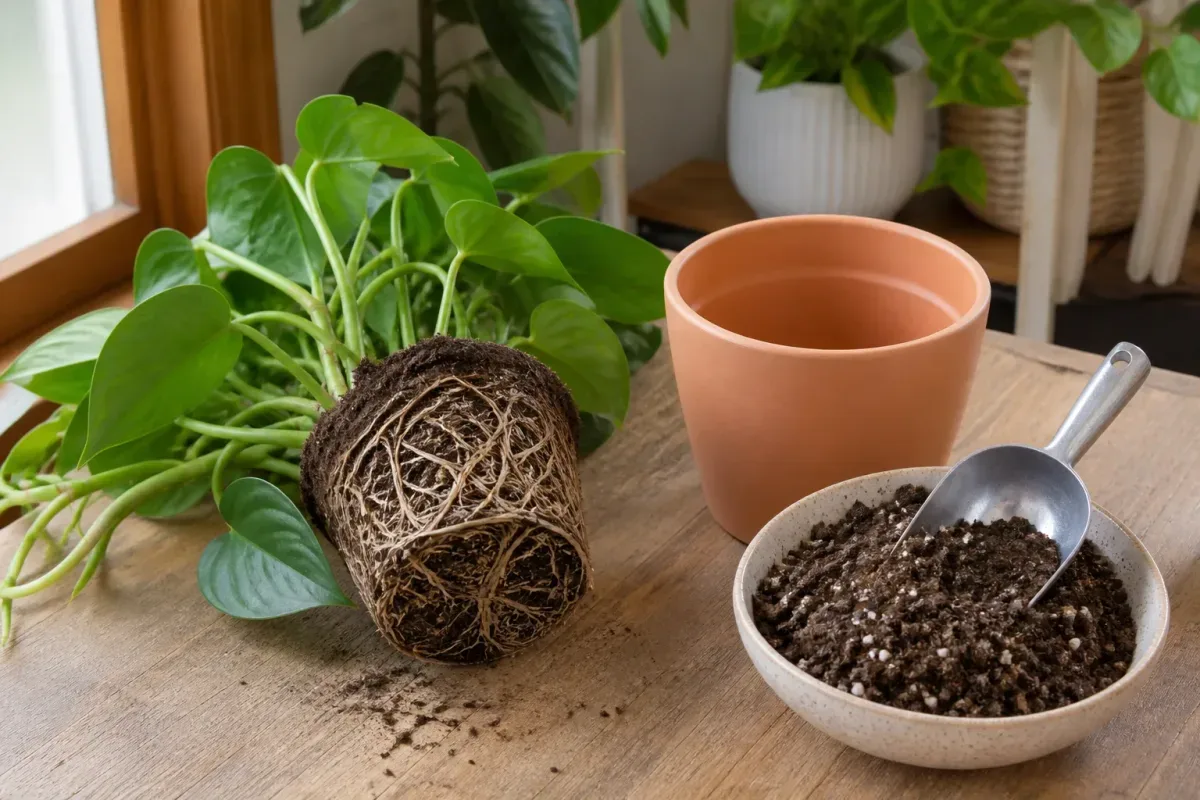
For a new raised bed, decide whether you are filling volume or amending existing soil. A bed filled with a manufactured soil mix may need only a light annual top-up, while a shallow in-ground bed with compacted native soil may benefit from more substantial incorporation. For containers, use a purpose-built potting mix and treat garden conditioner as an ingredient only when the product specifically allows it and the proportions are appropriate.
How to apply soil conditioner without overdoing it
The safe sequence is test, choose, calculate, spread, mix, water, and observe. Loosen soil only when it is workable, distribute the material evenly, and keep it away from stems and crowns. If you are working around existing roots, use a hand fork or shallow rake rather than deep tilling that cuts feeder roots.
New bed or empty row
For an empty bed, spread the amount called for by the product label or your soil-test recommendation, then mix it through the intended root zone. Colorado State University Extension notes that an amendment works best when thoroughly mixed into soil; simply burying a layer or leaving it in chunks can interfere with water, air, and root movement.
Happy Frog’s product directions say to add 3 inches to vegetable beds every spring, while its coverage table says a 1.5-cubic-foot bag covers 18 square feet at 1 inch deep. Treat those numbers as label-specific information, not a universal prescription for every vegetable bed. A 4-by-8-foot bed is 32 square feet; a 3-inch layer over it is 8 cubic feet, which is roughly six 1.5-cubic-foot bags. That calculation can reveal why a soil test and an honest look at the existing bed matter before you buy enough product to bury it.
If the bed already has good structure and receives annual compost, a thinner maintenance layer may be enough. In a depleted or newly built bed, more material may be justified, but mix it into the soil and leave room for mulch, roots, and irrigation. Do not create a perched, sharply different layer between conditioner and native soil.
Existing plants and succession crops
For established vegetables, work gently between rows or apply a thin layer to the soil surface where roots will encounter it as you water. Keep the material several inches away from stems. Do not pile conditioner against tomato, pepper, squash, or bean stems in the hope that more contact means more nutrition; the wet collar can encourage rot and hide insect damage.
Between successive crops, remove spent plants, pull obvious diseased debris according to local disease guidance, loosen the surface, and add a measured amount before replanting. This is one of the most sensible uses for a conditioner because the bed is accessible, the next crop can benefit from the refreshed structure, and you can adjust the amount by what the soil test and the previous crop indicate. Savvy Gardening’s practical amendment guide also identifies spring, between-crop, and fall windows as useful moments to improve a vegetable bed, provided the material and rate match the soil.
For a living bed during a heat wave, postpone deep disturbance. Water the root zone correctly, harvest what is ready, and wait for a cooler planting window if spreading and mixing would damage roots. A product that improves soil over time is rarely worth sacrificing the existing root system to apply it on an arbitrary date.
Transplanting a vegetable
When transplanting, dig a hole wide enough for the root ball and set the plant at the correct depth. Mix conditioner with the excavated native soil if the label allows that use; do not make a small pocket of rich material surrounded by hard soil, because roots may circle in the pocket and water may behave differently at the interface.
The product label for Happy Frog recommends a hole two to three times the root-ball size, a layer of conditioner at the bottom, and a backfill made from half native soil and half conditioner. That is a manufacturer-specific method. For a sensitive seedling, a smaller amount blended evenly with surrounding soil may be gentler than a concentrated layer, especially when the bed is already fertile.
Water the transplant thoroughly after backfilling, then let the soil drain. The goal is close contact between roots and soil, not a permanently saturated planting hole. Mulch only after the soil has settled, and leave a bare space around the stem.
Pair it with mulch and fertilizer strategically
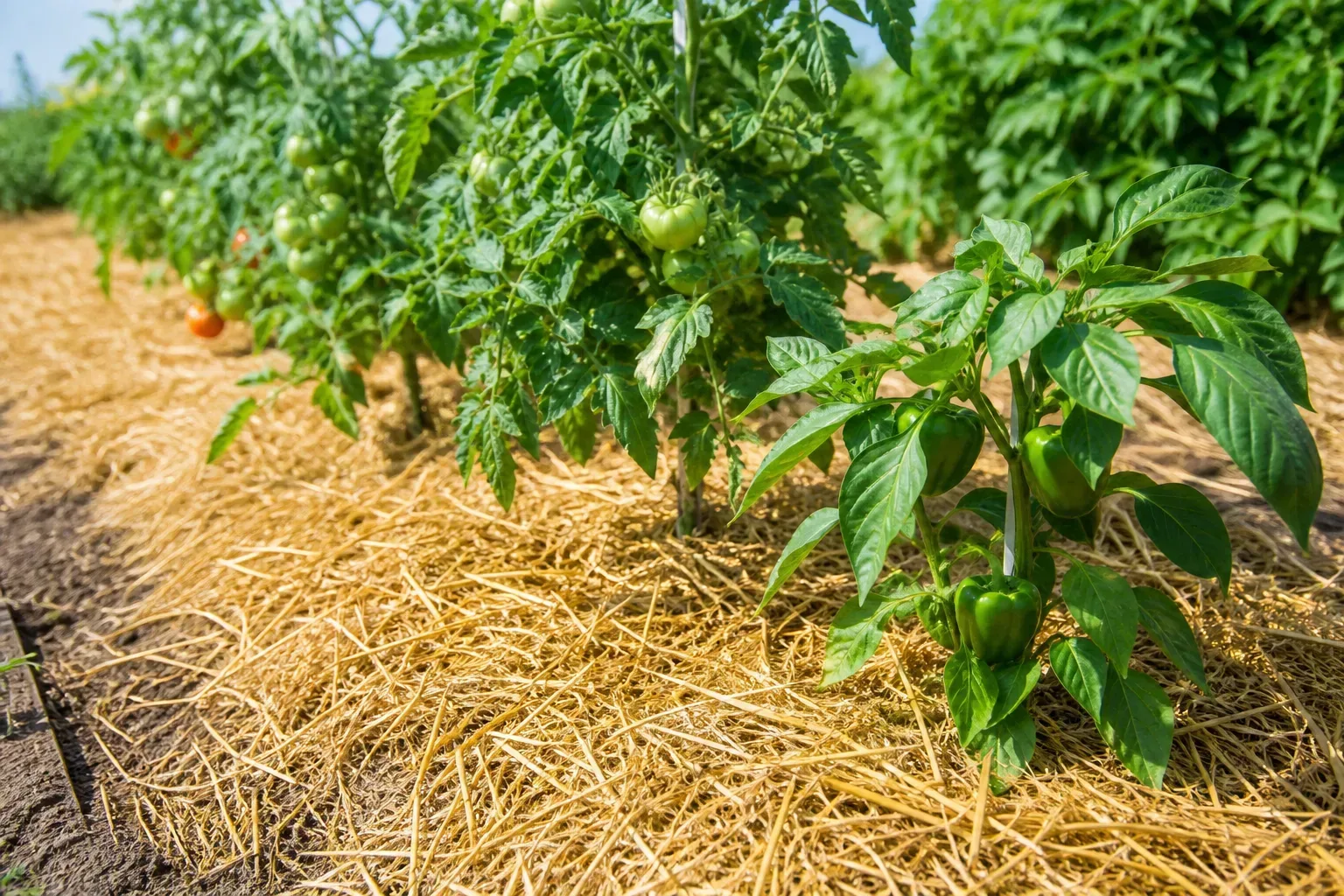
Mulch and conditioner complement each other because they work in different places. Conditioner is incorporated into soil; mulch remains on the surface. A layer of clean straw, shredded leaves, or another suitable mulch can slow evaporation, reduce splash, suppress weeds, and keep the root zone from swinging between hot and dry.
Do not confuse a mulch layer with a conditioner application. If you spread a dense organic material on top and call it “soil improvement,” it may decompose slowly, repel water when dry, or hold too much moisture at the crown. Keep mulch off stems and check the soil below before watering again.
Fertilizer is a separate decision. Organic matter releases nutrients gradually as microbes process it, so a conditioner may not supply enough immediately available nitrogen for heavy-feeding tomatoes, corn, squash, or leafy greens. Conversely, a bed rich in organic matter may need less nitrogen than a depleted bed. Apply fertilizer from the soil test, the crop’s needs, and the product label rather than automatically repeating a weekly or monthly schedule.
Penn State Extension recommends using a variety of nutrient sources instead of continuously applying one nutrient-rich organic input. That principle is especially relevant when a conditioner contains animal-derived ingredients: if you add conditioner, manure compost, and a high-phosphorus fertilizer in the same season, you may be feeding the soil more than the vegetables can use.
Common mistakes that turn an amendment into a problem
Adding it without knowing the soil. “The bed looks tired” is a reasonable observation, but it is not enough to choose a manure-heavy, alkaline, or salty product. Test first when the application is substantial, especially in a small raised bed where a few bags can change the whole root zone.
Assuming conditioner equals fertilizer. A product can contain nutrients and still be a poor replacement for a fertilizer selected for a specific crop deficiency. Pale leaves may come from nitrogen shortage, root damage, cold soil, waterlogging, or pH-related lockout. Treat the symptom as a prompt to inspect roots, moisture, and test results, not as an instruction to pour on more conditioner.
Over-amending. Too much organic material can raise soluble salts, add excess nitrogen, phosphorus, or potassium, hold too much water, or create a nutrient imbalance. Colorado State University Extension specifically lists high and low nitrogen, high salts, excess moisture, and high ammonia among the problems associated with over-amending.
Mixing fresh woody material into the bed. Fresh sawdust and other high-carbon wood products can temporarily tie up nitrogen while microbes decompose them. Aged forest products in a labeled commercial blend are not the same as a truckload of fresh chips, but the distinction is a reason to inspect texture and source instead of assuming every brown material is ready.
Using unfinished manure or compost around food crops. A dark color is not proof that material is finished. Sour, swampy, or ammonia-like odors, visible undecomposed material, and unexplained plant injury are reasons to stop using the batch and ask the supplier how it was processed. Fresh manure also carries food-safety and plant-burn risks.
Putting garden conditioner in a small pot. Containers have little soil volume and limited drainage. A dense outdoor amendment can compact, hold too much water, or concentrate salts around roots. Use a quality potting mix for container vegetables unless the conditioner label explicitly supports the use and you have a reason to include it.
Tilling wet soil. Even a good amendment will not rescue a bed that is repeatedly worked when saturated. If a handful of soil smears into a shiny ribbon, wait. Work when it crumbles rather than smearing, and use paths or boards to keep feet out of the growing area.
What results to expect this season
The most believable early result is not a dramatic harvest statistic. It is a bed that crumbles more easily, accepts water more evenly, stays workable after rain, or holds moisture for longer between irrigations. Those changes can support healthier roots, but the crop still needs adequate light, temperature, pollination, spacing, pest management, and consistent watering.
Some benefits are slower. Organic matter decomposes in stages, and the soil food web processes nutrients over time. A spring application may help a succession crop later in the season, while a fall application may improve the bed’s starting point next spring. Do not judge a conditioner solely by whether the first tomato or cucumber appears sooner.
Monitor the bed instead of applying on autopilot. Note how quickly the soil dries, whether water ponds, whether leaves show salt burn, and how the next crop performs. If growth is lush but fruiting is poor, more nitrogen-rich conditioner is unlikely to be the answer. If plants are stunted and the soil stays wet, investigate roots and drainage. The best soil amendment is the one that addresses the limiting factor without creating another.
Conclusion
Soil conditioner can be a smart upgrade for a vegetable garden when it adds the kind of organic matter the bed lacks and is mixed at a sensible rate. Happy Frog Soil Conditioner is one clearly labeled example, with aged forest products, worm castings, bat guano, microbes, and humic acids listed by the manufacturer, but the ingredient list does not replace a soil test or guarantee a bigger harvest.
Use a simple decision sequence: test the bed, identify the physical or nutrient problem, read the product label, calculate the volume, mix it through workable soil, water deeply, protect the surface with mulch, and monitor the crop before adding more. That approach gives roots a better environment while keeping fertilizer, drainage, and food-garden safety decisions in their proper place.