6 Common Summer Garden Watering Mistakes to Watch For
Spot six summer garden watering mistakes before heat stress sets in. Use root-zone checks, smarter timing, and methods that fit each bed, not a fixed schedule.
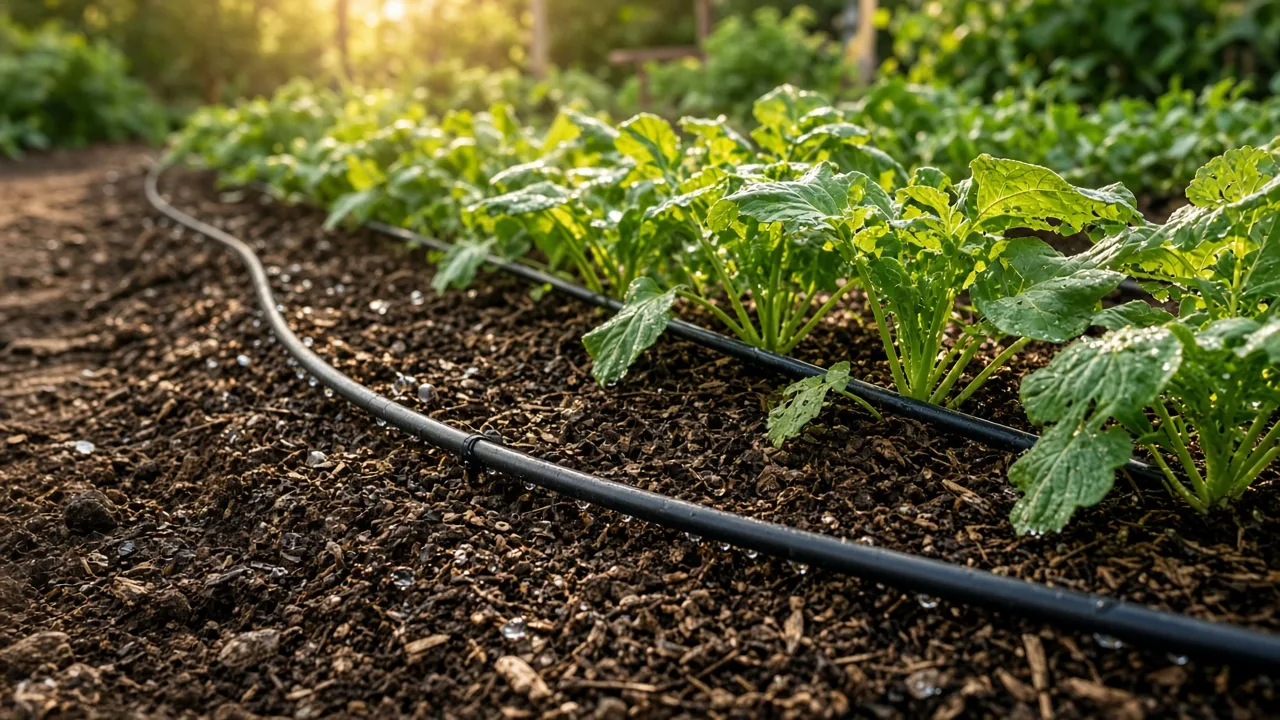
A garden can look thirsty at 2 p.m. and still have damp soil around its roots. It can also look perfectly fine while a newly planted shrub dries out below a mulch layer. In summer, the useful question is not “Did I water today?” but “Is the active root zone getting the right amount of water for this plant and this site?”
That distinction prevents two common losses: letting roots dry between quick surface splashes, and repeatedly soaking soil that has not had time to drain. These six summer garden watering mistakes are easy to correct once you check the soil, the weather, and how water moves through each part of the garden.
Start with a root-zone check, not a watering timer
Before turning on a hose, check soil moisture where the plant is actually drawing water. In a vegetable bed, Colorado State University Extension suggests checking the top 2 to 4 inches and watering when that layer has dried; for many established border plants, the Royal Horticultural Society recommends watering slowly enough to moisten soil to about 6 inches. Those are useful checkpoints, not one depth that suits every crop, root system, or climate. Colorado State University Extension’s vegetable irrigation guidance and RHS watering advice both emphasize checking the soil instead of following an unchanging weekly routine.
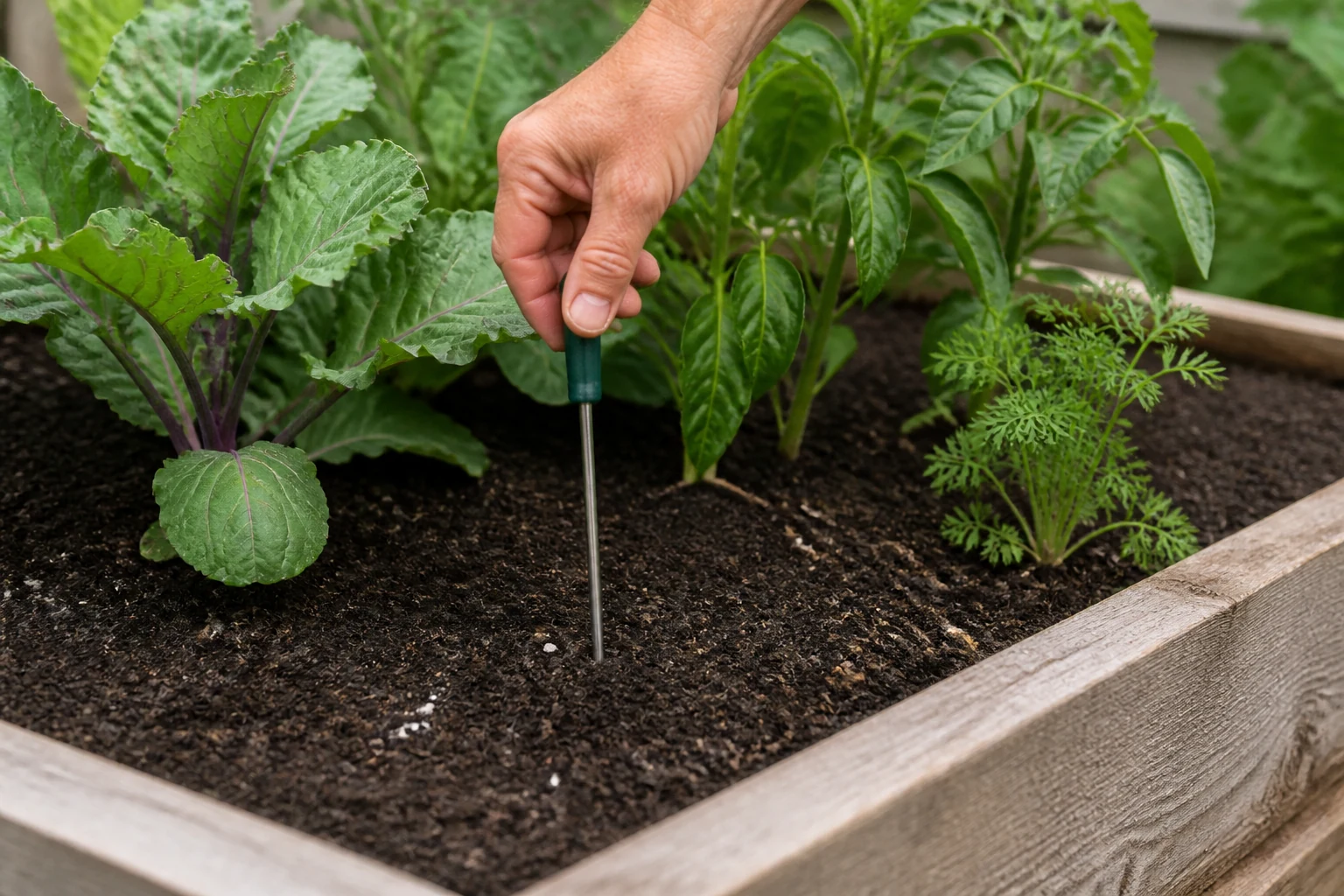
Pull mulch aside and test in two or three spots: near a plant’s root zone, at the bed edge, and in any area that wilts first. A finger is enough for shallow checks; a trowel or narrow probe helps you inspect deeper soil without digging up roots. If one spot is wet and another is powder-dry, the issue may be uneven delivery or soil structure rather than the total run time.
Treat leaves as clues, not a watering gauge. Drooping, yellowing, curling, or crisp edges can follow drought, waterlogged roots, heat, transplant shock, root damage, or disease. Moisture at the roots plus the plant’s recovery pattern gives you a much better diagnosis than color alone.
Mistake 1: Watering by the calendar instead of the soil
A “water every day” or “water every Sunday” rule ignores the variables that change how quickly a bed dries. A week with cloudy weather and steady rain is not the same as a week with high temperatures, wind, and no rain, even if the calendar says it is time for the hose. Colorado State University Extension notes that vegetable water needs vary with crop and weather; Savvy Gardening also identifies soil texture, organic matter, rainfall, and microclimate as factors in garden watering frequency.
The same yard can contain several different dry-down rates. Sandy soil drains quickly; compacted or fine-textured soil may absorb water slowly and hold it longer, while a slope can shed water before it reaches roots. A raised bed, south-facing wall, exposed corner, or container may dry faster than a shaded border a few steps away.
A schedule is still useful as a reminder to inspect, especially when you are busy. Make it a check schedule, not an automatic watering command: look at the soil, review recent rain, and water only the zones that need it. In a heat wave you may need to check more often, but that does not mean every plant needs water every time you look.
Make the schedule respond to weather and plant stage
Keep a simple note of rainfall and watering for a few weeks. A rain gauge is more informative than a forecast icon because a brief shower may wet leaves and the topsoil without reaching roots, while a steady rain can soak the bed. Savvy Gardening’s guide to garden watering explains how rain, soil, wind exposure, and plant type affect the interval between waterings.
After a useful rain, check beneath mulch rather than assuming the soil is wet. Roof overhangs, dense tree canopies, and wind-driven rain can leave sheltered strips surprisingly dry. If the soil remains moist below the surface, skip the planned watering and check again later; if it is dry at root depth, water that area even if the rest of the bed can wait.
Mistake 2: Giving shallow sips too often
A quick sprinkle can darken the surface without replenishing the soil around most roots. The top layer then dries in the sun, prompting another brief watering the next day, while the lower root zone remains dry. Repeating that pattern trains your routine around surface appearance rather than plant needs and can waste water through evaporation.
For an established bed, apply water slowly enough to soak into the active root zone, then allow the surface to dry somewhat before watering again. A useful depth depends on the plant: leafy greens and new seedlings use shallower roots than an established shrub, and a recently planted tree needs moisture around its original root ball as well as the surrounding backfill. “Deep and less often” is a starting principle for established plants, not a rule for germinating seeds or every container.
Watch for runoff before you extend the session. If water flows across the bed, puddles in one low spot, or runs off a slope, a longer uninterrupted soak may send more water away rather than deeper. Pause for a few minutes, let the soil absorb what it can, then resume at a gentler flow; on clay or compacted ground, several short cycles can work better than one heavy application.
Confirm that the water reached active roots
Check a few inches below the surface after irrigation, not just while the hose is running. In a vegetable row, confirm that the soil is moist several inches down; for a border perennial, compare the damp depth with the roots rather than trying to wet the entire bed profile. If the root zone is still dry, slow the flow, move the hose or emitter closer to the roots, and recheck before adding another long session.
For sprinklers, place straight-sided cups in different parts of the pattern and run the system for a set time. Uneven cup depths reveal coverage problems: a head may be blocked, misdirected, or failing to overlap the next spray. For drip lines and soaker hoses, check the far end and the soil below several emitters; a timer can run perfectly while clogged or poorly spaced outlets leave plants dry.
Mistake 3: Treating afternoon wilt as an automatic water alarm
Leaves can droop in intense heat because water is leaving them faster than roots can replace it at that moment. Some plants recover by evening or the next morning when temperatures ease. If the root zone is still moist, adding more water may leave roots in saturated soil without solving the heat stress.
Check first. If foliage perks up after sunset and the soil is damp below the surface, improve the plant’s conditions—such as temporary afternoon shade for a heat-sensitive container—rather than adding water immediately. If the plant is wilted in the cool morning and the root zone feels dry, drought is more likely and a thorough watering is appropriate.
Heat, wind, and dry soil can occur together, so do not assume that every afternoon wilt is harmless. Newly planted vegetables, shallow-rooted annuals, and plants in containers have less room to draw moisture from; they can need water even when established shrubs nearby do not. Read the plant, test its soil, and compare the same plant at different times of day.
Choose a safer watering window without delaying rescue
Early morning is a dependable time to water: cooler conditions generally reduce evaporation, and foliage has the day to dry if it gets splashed. The RHS calls morning the best time and says evening watering can be acceptable, while cautioning against regularly leaving leaves wet overnight. For drip lines, soaker hoses, and careful hand watering at the soil, evening can be a practical alternative when morning is impossible.
Avoid making “never water in midday” an absolute. If a plant’s root zone is truly dry and it is under stress, water it rather than postponing help for several hours; direct the water to the soil, apply it gently, and avoid wetting foliage unnecessarily. The larger mistake is routinely using the hottest part of the day as the only watering window, especially with a high spray that evaporates or blows off target.
Mistake 4: Wetting foliage while leaving the root zone dry
A hose spray that washes over leaves can make plants look refreshed without delivering enough moisture to roots. Overhead watering also wets the soil between plants and can splash soil onto foliage; in dense plantings, wet leaves that stay damp into the night may increase disease risk. CSU Extension notes that sprinklers are less efficient for vegetable beds and that splashing water on leaves can help spread disease.
That does not make every sprinkler wrong. Gentle overhead watering can be useful for a newly seeded bed that must stay evenly moist near the surface, and a broad sprinkler may be the practical option for a large area when it is adjusted and measured. For established vegetables, perennials, and shrubs, a watering wand aimed at the base, a soaker hose, or drip irrigation usually puts water closer to the roots and keeps more foliage dry.
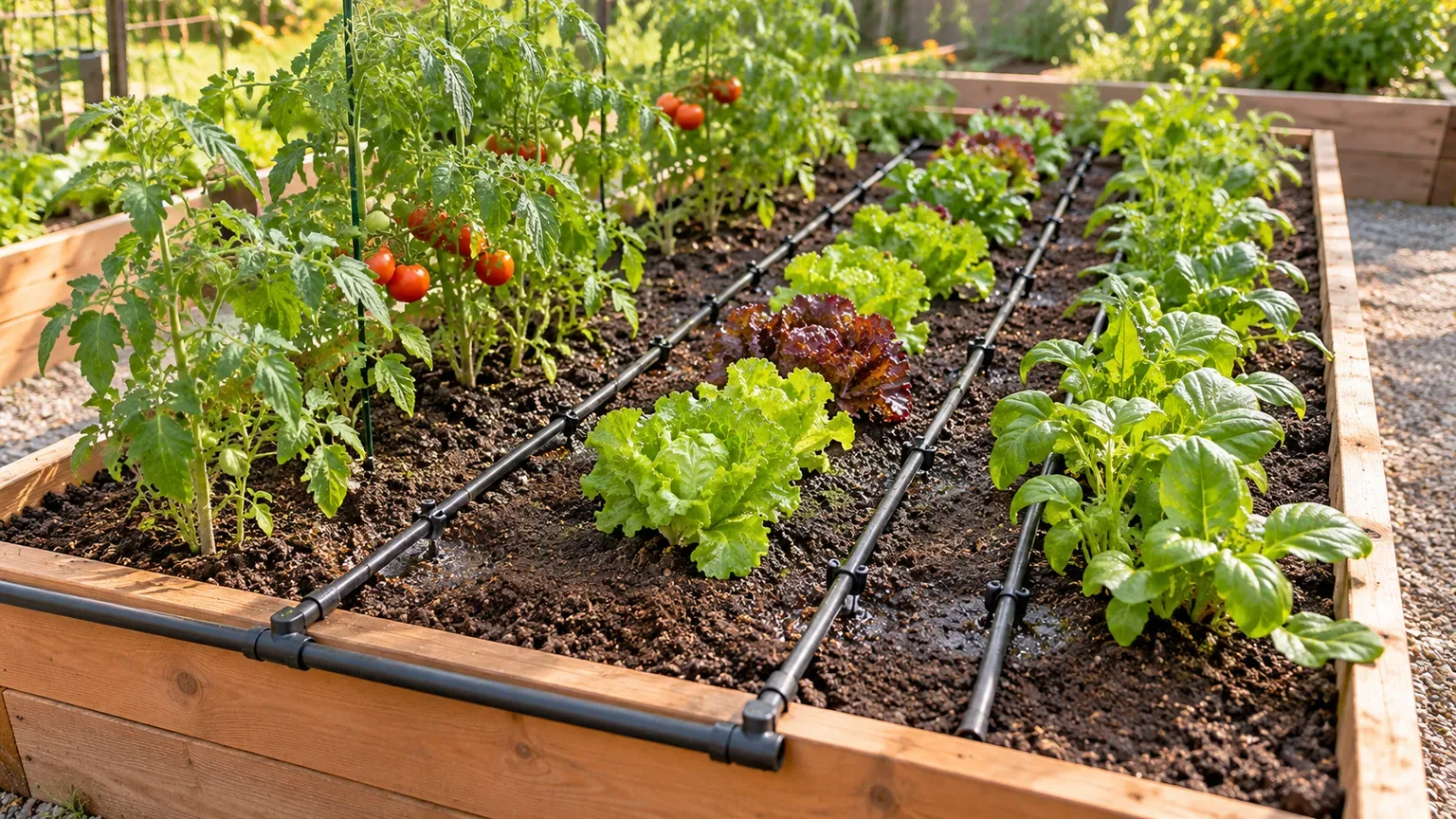
Drip irrigation is not a set-and-forget guarantee. Emitters clog, tubing can shift, pressure can vary, and one emitter may not wet enough soil for a larger plant. Run the system, look for actual flow, and dig a small check hole in a few places. Colorado State Extension describes drip as a targeted method but notes that setup and maintenance take time; choose it because it suits the bed, not because the word “drip” eliminates monitoring.
Match the delivery method to the bed
Use a watering can or wand for small beds and isolated thirsty plants, a soaker hose for rows or closely spaced plants, and adjustable drip emitters where plants have different spacing or water needs. Keep hoses and lines close enough to the root zone that water does not spend the session wetting paths. If you must use a sprinkler, water early, check several catch cups, and adjust the pattern so it covers the bed without soaking nearby pavement.
Avoid spraying leaves simply because they look dusty or hot. A quick splash does not cool a plant for long, and some disease-prone crops benefit from foliage drying quickly. When a plant is dusty, has pest residue, or needs a specific foliar treatment, that is a different task from replacing root-zone water.
Mistake 5: Treating the whole garden as one watering zone
A single timer setting cannot account for the vegetable bed, a sunny row of pots, a shaded perennial border, and a newly planted shrub. Plant type matters, but so do soil and position: lettuce and spinach usually prefer steadier moisture than established drought-tolerant ornamentals; a windy raised bed may dry faster than a protected in-ground bed; clay and sandy soils take water at different rates. If all of them share one schedule, the plants with the greatest need can still be thirsty while the rest stay too wet.
Look for the pattern before changing irrigation. If every plant in one row is stressed, the zone may be too dry; if only the plants beside a wall wilt, reflected heat and poor coverage may be the cause. A wet patch beside a dry patch can point to runoff, an emitter problem, a low spot, or compacted soil—not simply the wrong total watering time.
Group plants by similar water needs when you can. If the garden is already planted, use separate valves, move a soaker hose, hand-water individual containers, or give one bed a different check interval. You do not need a perfect landscape plan to improve the system; a pencil sketch marking sun, slope, soil texture, hose reach, and wet or dry spots can expose a mismatched zone quickly.
Map sun, soil, slope, and wind before changing a timer
Mark areas that receive full afternoon sun, strong wind, shade, runoff, or rain shadow. Then check a representative spot in each zone after irrigation. A narrow strip beside a foundation can stay dry even when the rest of the bed received rain, while a low point may remain wet long after the surrounding soil has dried.
Do not “fix” one thirsty patch by extending watering for the entire garden. First confirm that water is reaching the patch; then improve the delivery, break up a crusted surface gently, or amend soil with organic matter over time if the bed drains or dries too quickly. If the root zone remains soggy, stop watering and address drainage before adding another irrigation cycle.
Mistake 6: Using an established-plant routine for new plantings
A drought-tolerant label describes a plant’s performance after its roots are established; it does not mean a new transplant can survive a hot month without attention. A small root ball may dry quickly even when the surrounding bed looks moist. Newly planted trees and shrubs, recent vegetable transplants, and divided perennials need closer checks during dry spells while they extend roots into surrounding soil.
Timing also affects how much follow-up watering a new planting needs. When local conditions allow, many gardeners plant trees, shrubs, and perennials during cooler, less stressful seasons so roots can grow before the next hot stretch. But no single season fits every climate or species: in cold regions, a late planting may face frozen ground before roots establish, while warm-climate planting windows can differ. Use regional planting advice, and if summer planting cannot wait, plan to check the root ball often rather than assuming the routine for established plants will work.
Give seedlings, transplants, trees, and pots their own checks
Seeds and newly sown beds need the surface kept evenly moist until germination, so frequent light applications may be correct for a short period. Once seedlings develop roots, shift toward watering that wets more of the root zone. A newly planted tree generally needs slow water around the root ball and surrounding soil; the RHS advises regular watering during dry spells in the first year and longer for large specimens.
Containers dry faster than in-ground beds because their root volume is limited and sides are exposed to heat and wind. Check pots at least daily during hot, dry weather, but water only when the mix is drying at the plant’s root depth; a large, shaded pot behaves differently from a small dark pot in full sun. Confirm drainage holes are open and do not leave a pot sitting in a filled saucer unless the plant’s growing method specifically calls for it.
Use mulch and soil structure to make each watering last
Mulch cannot replace irrigation, but it can reduce evaporation from bare soil and soften temperature swings between waterings. A few inches of suitable organic mulch—such as clean straw around vegetables or finished compost in a bed—shades the soil while still allowing water to reach it. CSU Extension recommends mulch as part of water-wise vegetable irrigation, and RHS guidance also points to mulch and organic matter as ways to conserve moisture.
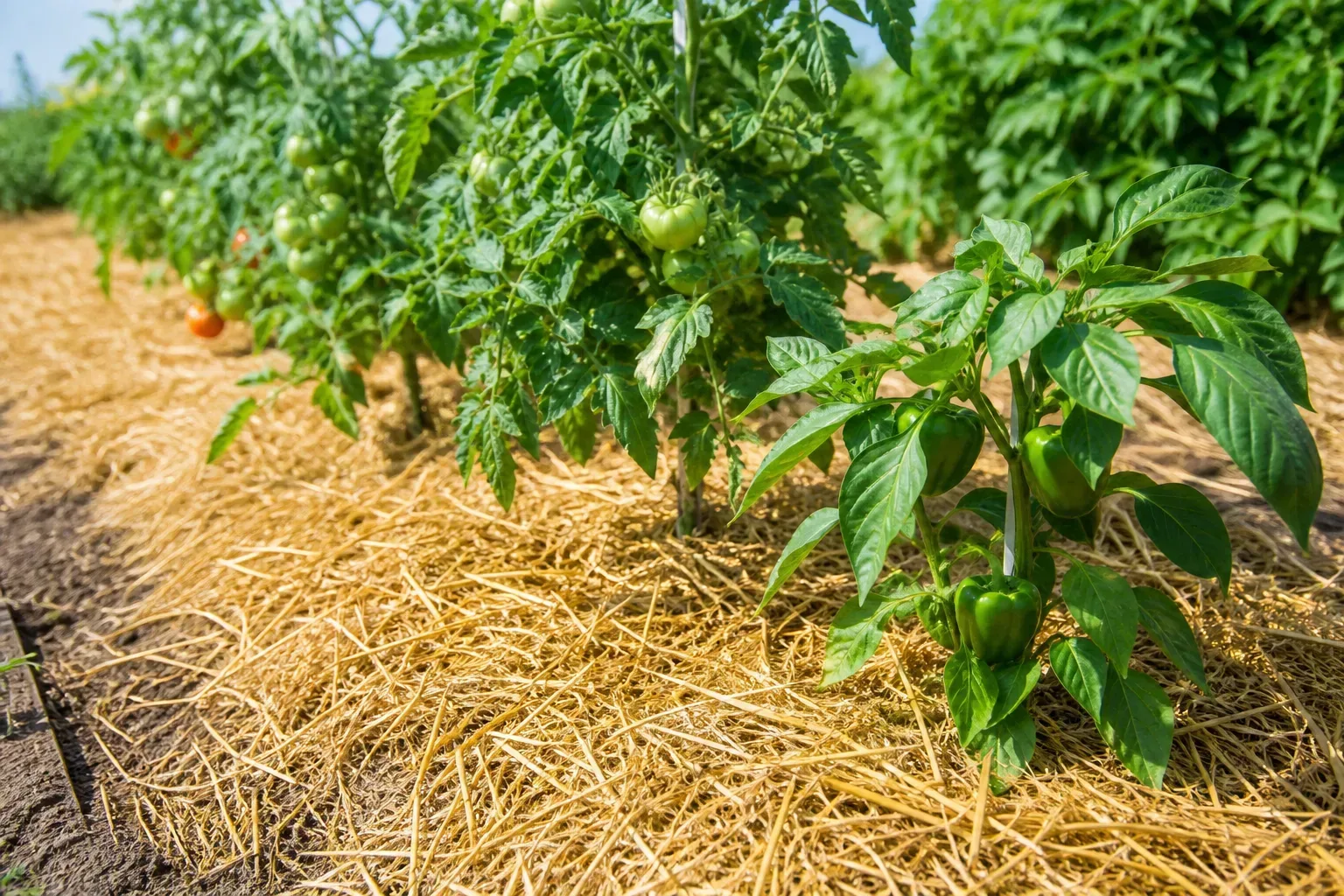
Water the soil before applying a dry mulch layer, then check beneath it instead of judging moisture from the mulch’s color. Keep material pulled back from stems and crowns so air can circulate and plant tissue does not sit against a wet layer. If water beads on the mulch or runs away, rake it lightly and apply water in a slower, lower flow so it can soak through.
Improving soil is a longer-term adjustment, not a quick fix for a plant that is wilting today. Organic matter can help soil structure and moisture retention, but adding a thick amendment to one hole or planting pocket can create a sharp boundary between the amended pocket and surrounding soil. For a whole bed, improve the soil broadly over time and keep watching how it absorbs water; adding compost does not make poor drainage disappear.
A three-pass summer watering check
Use this sequence whenever a bed looks thirsty or a timer is due to run:
- Check the plant and soil. Look at the plant in the morning as well as the afternoon, then inspect moisture several inches down in two or three places. Pull mulch aside, and include the spot that wilts first.
- Check the delivery. Review rain-gauge readings, inspect drippers or hose placement, and use catch cups if a sprinkler waters unevenly. Water slowly enough to prevent runoff, then wait for the soil to absorb it.
- Recheck before changing the routine. Confirm that moisture reached the roots and that the bed is not still soggy. If water missed one zone, correct its coverage; if the soil is wet, pause and investigate drainage instead of lengthening the timer.
A simple garden note can make the next decision easier: record the date, rain, which zone you watered, and whether the soil was dry or moist at root depth afterward. After a few rounds, you will have a local watering rhythm that reflects your beds rather than a generic number of days. Recheck it when temperatures, wind, plant size, mulch, or the season changes.
Conclusion
The most useful fix for summer garden watering mistakes is to replace a habit with an observation. Check the root zone, deliver water slowly where roots can use it, and adjust the next session to the plant’s stage, soil, weather, and exposure.
If a plant wilts, test before you pour. If the soil is dry, water thoroughly and confirm the depth; if it is wet, stop and look for heat stress, poor drainage, or uneven delivery. That short pause protects roots, saves water, and turns summer watering from guesswork into a routine you can refine.