Are Hydrangeas Perennials? Zone-by-Zone Guide
Are hydrangeas perennials? Learn which types return, how winter zones affect survival, and what to do for in-ground and potted plants.
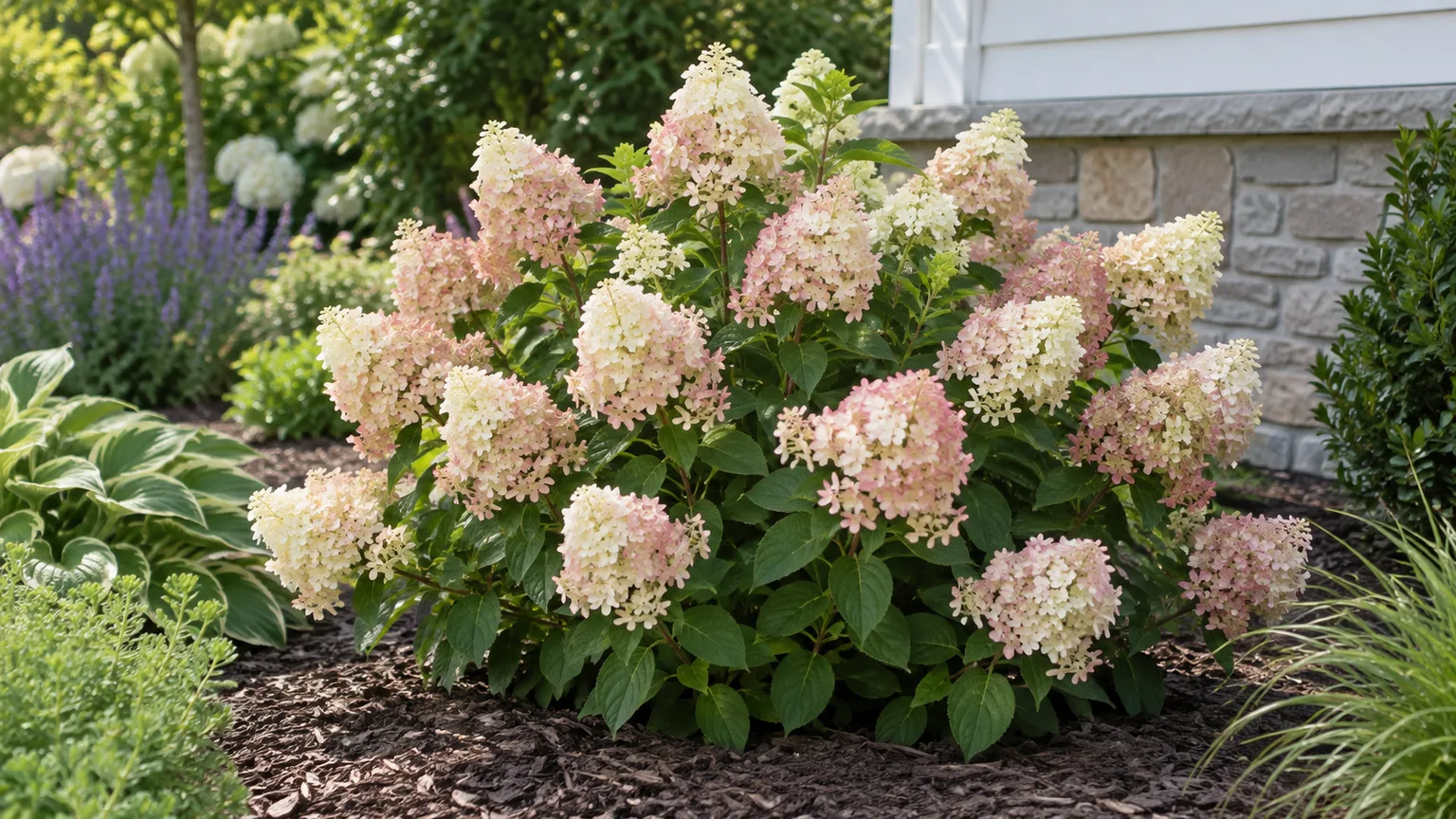
If a hydrangea drops every leaf in fall, that does not mean it has died. Most landscape hydrangeas are deciduous perennial shrubs: their roots and crown remain alive through dormancy, then send up new growth in spring. The harder question is whether your plant’s stems and flower buds can survive your winter, and that answer depends on the hydrangea type, cultivar, exposure, and whether it is in the ground or a pot.
The short version is reassuring: a correctly matched landscape hydrangea can live for years and return each spring. But a florist hydrangea forced into bloom, a bigleaf shrub in an exposed cold site, or a potted plant left above frozen ground may fail even when a similar hydrangea thrives a few miles away. Use the tests and decision rules below before you cut, cover, or replace it.
The Short Answer: Roots, Stems, and Flower Buds Are Different
“Did it come back?” can mean three different things. The roots and crown may survive, the woody stems may die back, and the flower buds may be killed while the plant still produces healthy leaves. Those outcomes look similar in winter but require different expectations in spring.
A plant that leafs out from the base after a harsh winter is alive, even if last year’s stems are brown. It may recover and flower later if it blooms on new wood, but an old-wood hydrangea that loses its upper stems may produce foliage without flowers for the season. Penn State Extension explains that a florist hydrangea can have hardy roots while its stems and flower buds are repeatedly destroyed by cold; the result is a living plant that still does not perform like the gift pot did.
That distinction is the most useful answer to the question “are hydrangeas perennials?” Most landscape hydrangeas are perennials, but perennial does not mean every stem, bud, or bloom survives every winter.
First Identify What You Bought
Before judging winter survival, identify the plant’s origin. A hydrangea sold as a landscape shrub at a nursery has a very different starting point from a small, foil-wrapped plant sold in full bloom for a holiday or Mother’s Day display.
Florist or Gift Hydrangeas
Florist hydrangeas are usually bigleaf types, especially Hydrangea macrophylla, raised in a greenhouse and pushed into flower ahead of their natural schedule. They are bred and managed for a dense, colorful display in a pot, not necessarily for the winter conditions in your garden. The label may omit a hardiness range, and the plant may have a small root system compared with its top growth.
That does not make the plant worthless. In a mild climate, a gift hydrangea may settle into the garden, and in a protected site it may survive for years. In a cold or windy climate, however, it is safer to treat it as a rescue project with uncertain flowers rather than as a guaranteed perennial. If you want a reliable landscape plant, buy a named cultivar with a stated hardiness range from a nursery that grows plants outdoors in your region.
Landscape Hydrangeas
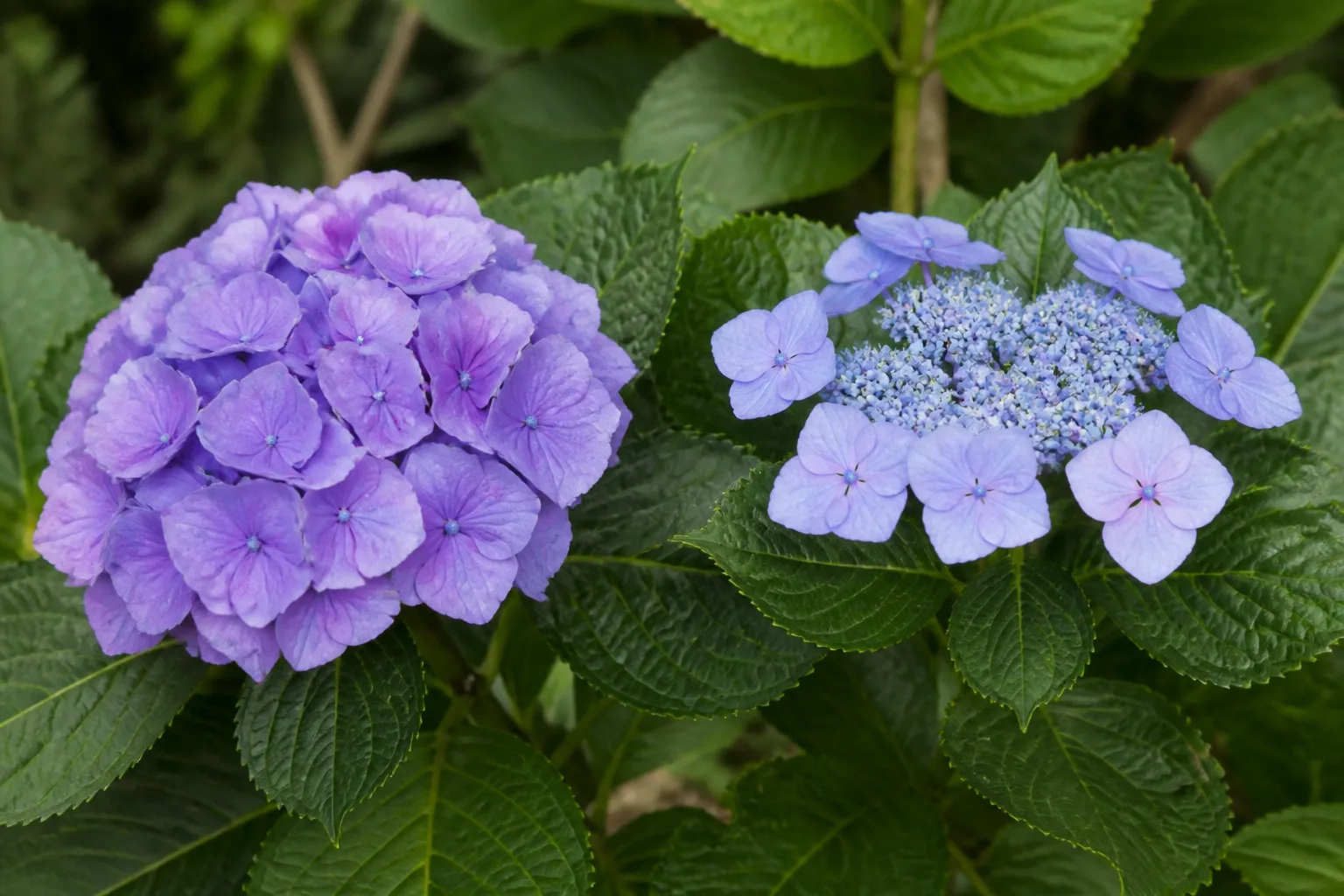
Landscape hydrangeas are selected for outdoor growth, but “hydrangea” is still too broad a label to predict survival. Smooth, panicle, bigleaf, oakleaf, mountain, and climbing hydrangeas differ in cold tolerance and in where they form flower buds.
Read the full tag for the species or cultivar, not only the flower color. A panicle hydrangea may be a better fit for a cold, sunny yard than a blue mophead; an oakleaf may be hardy in its range but still lose flowers after a late freeze; and a reblooming bigleaf can produce a second flush on new growth without guaranteeing that its old-wood crop survived. The plant’s name is more useful than the size or color of the flowers at purchase.
Match the Hydrangea Type to Your Winter
Published hardiness ranges are a starting point, not a promise. Gardening Know How summarizes a useful broad pattern: smooth and panicle hydrangeas can reach into very cold zones, while mophead/bigleaf and oakleaf types are commonly grown in milder ranges; mountain and climbing hydrangeas have their own narrower limits. Cultivar ratings can be different from the species, so check the tag and local extension guidance before relying on a generic number.
Smooth and Panicle: Best Bets for Cold Climates
If your main goal is dependable return rather than a particular blue or pink bloom, start with smooth hydrangea (Hydrangea arborescens) or panicle hydrangea (Hydrangea paniculata). NC State’s smooth hydrangea profile describes it as very cold-hardy and notes that it blooms on new wood. Its flowers form on shoots produced in spring, so winter can kill old stems without removing the season’s entire flower supply.
Panicle hydrangea is another strong choice where winters are severe. NC State’s panicle hydrangea profile calls it cold hardy, tolerant of harsh winters, and a useful substitute for bigleaf hydrangea where bigleaf is not winter hardy. It also flowers on current-season growth, which makes late-winter pruning possible and reduces the risk that a normal winter will remove every flower bud.
These types are not maintenance-free. New growth still needs moisture, full sun can increase water demand, and large flower heads can bend stems. Their advantage is biological: next summer’s buds are not sitting exposed on last year’s branches through the coldest months.
Bigleaf, Mountain, Oakleaf, and Climbing: What Winter Can Cost
Bigleaf hydrangeas, including mopheads and lacecaps, commonly flower on old wood. NC State’s bigleaf profile explains that they make the next season’s flower buds on last year’s stems, then carry those buds through winter. A plant can survive the cold at the root while losing the buds to a deep freeze, drying wind, or a warm spell followed by a hard frost.
Oakleaf and mountain hydrangeas also need more careful timing. NC State’s oakleaf profile says it flowers on old wood and should be pruned after flowering, while winter-damaged stems can be removed in early spring. That is a small window with a big payoff: leave healthy old stems alone, remove only what is dead or broken, and preserve the wood carrying next season’s buds.
Climbing hydrangeas are another old-wood group and usually need little pruning beyond training or removing damaged growth. They may survive well in a suitable climate but can be slow to recover if winter, wind, or a poor planting site damages the framework they use to climb.
Why a Warm Zone Can Still Be a Bad Fit
Hardiness is not only about the lowest temperature on a map. A hydrangea beside a cold, windy north wall can be less successful than one in a slightly colder zone planted near a sheltered foundation. Soil that stays waterlogged, a pot that freezes solid, reflected afternoon heat, drought before winter, and a sudden late frost can all change the outcome.
Gardening Know How makes the same practical point: a zone does not capture every garden’s microclimate, unusual cold snap, or drought history. Use the rating to reject obviously tender choices, then look at the exposure. Morning sun and afternoon shade, protection from drying wind, and evenly moist but well-drained soil often matter as much as a one-zone difference on paper.
Use the “Alive or Dead?” Test in Spring
Spring diagnosis is where many gardeners make an expensive mistake: they remove a plant that was merely late. Deciduous hydrangeas do not all wake at the same time, and a cold spring can delay leaf emergence well beyond the first warm week.
Wait Before Declaring Failure
Look at nearby plants of the same type before making a decision. If other hydrangeas in your area are still dormant, give yours more time. A late-leafing plant may be protecting its buds from another frost, especially in a sheltered or cold pocket of the yard.
If the stems are flexible and the buds are firm, do not cut them down just because they look bare. Remove winter protection gradually on warm days, keep the root zone lightly moist, and wait for the plant’s normal leaf-out period. A hydrangea that looks dead in March may be green in May; a hydrangea that is brown in June deserves closer inspection.
Scratch-Test Stems and Check the Crown
Use a clean fingernail or knife to make a shallow scratch on a small stem. Green tissue just below the bark means that section is alive; tan or brown tissue is dead. Work from the tip toward the base because winter damage often stops partway down a branch.
Do not treat the scratch test as a license to strip every branch. If a stem is alive above a healthy bud, leave it. If it is dead all the way to the crown, wait until you can see where new shoots emerge, then cut the dead stem back to living tissue with clean pruners.
Finally, inspect the base. Firm crown tissue and new shoots from the soil line indicate that the root system survived. No green tissue in the stems, no basal shoots, and a soft or rotting crown point to a true plant failure rather than simple dormancy.
Protect an In-Ground Hydrangea Without Smothering It
Most correctly sited in-ground hydrangeas do not need an elaborate winter house. Start with water: give the plant a deep soak before the ground freezes if autumn has been dry, then stop watering when the soil is frozen or saturated. Water stress going into winter makes cold damage more likely, but soggy soil around dormant roots can cause rot.
Apply a loose layer of organic mulch over the root zone after the soil has cooled. Keep the mulch a few inches away from the stems so moisture and rodents do not collect against the crown. In a marginal climate, a simple cage with burlap on the windward side can protect stems and buds; do not seal the plant in plastic or wrap branches tightly so air cannot move.
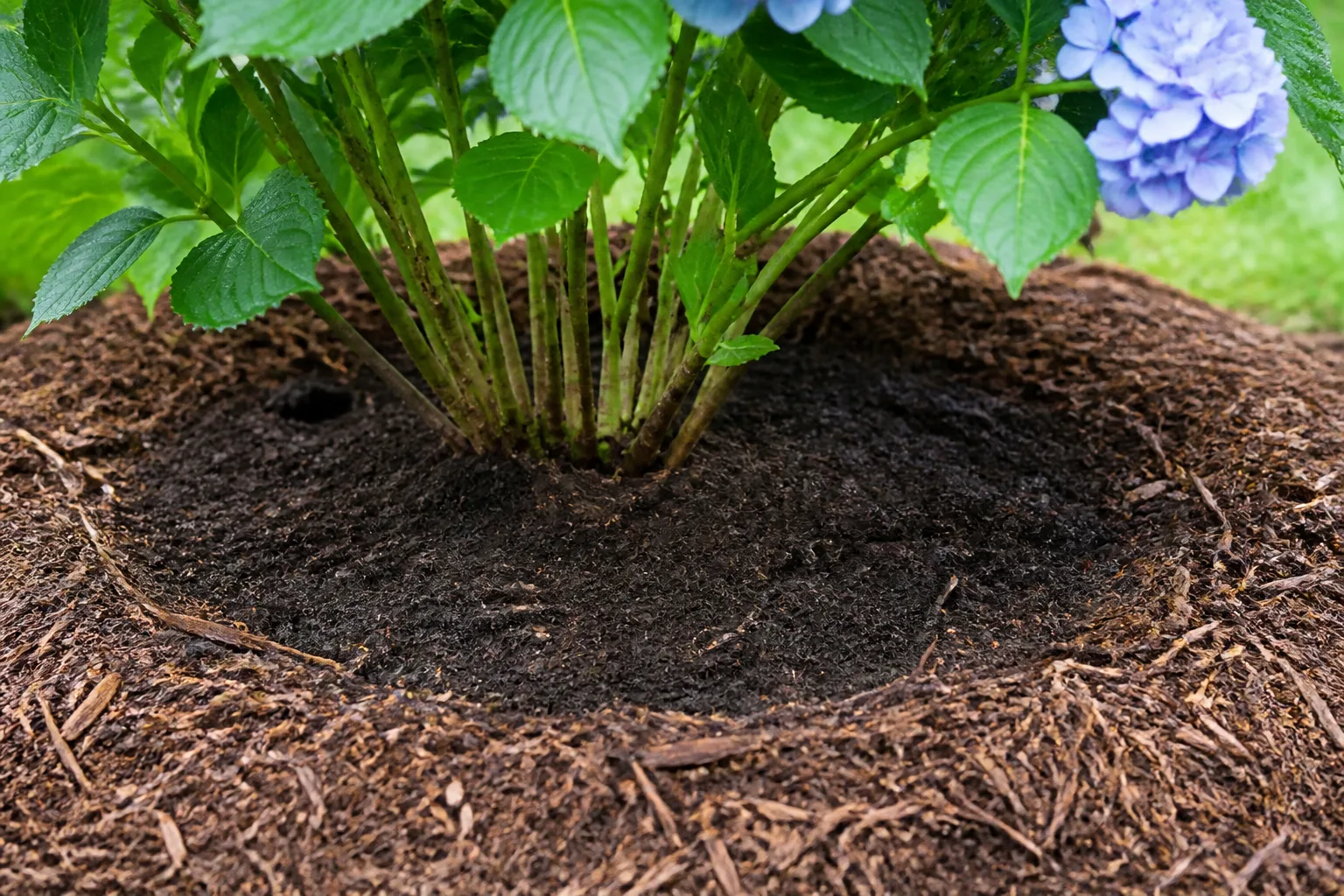
Leave old flower heads in place if they help shield buds from wind, or remove them only when you can do so without cutting into old wood. Heavy snow should be brushed off gently after it accumulates, but do not shake frozen branches. Remove cages and excess mulch in spring once sustained freezing weather has passed so the plant can dry and leaf out normally.
Potted Hydrangeas Need a Different Winter Plan
A hydrangea in a pot is less hardy than the same plant in the ground because its roots are surrounded by a small volume of soil exposed to air on every side. The container can freeze to the root ball’s temperature, and freeze-thaw cycles can crack ceramic or terracotta pots and lift roots away from moisture.
Before a hard freeze, move the pot to a sheltered, unheated space such as a garage, shed, or cold basement that stays above freezing. The plant needs dormancy, not a warm living room. Keep it out of direct heat and bright, active-growth conditions, remove decorative wraps that block drainage, and water sparingly—just enough to keep the root ball from turning bone dry.
For a large container that cannot be moved, place it in the most protected spot available and insulate the pot, not the foliage, with a larger container, straw, leaves, or breathable wrap. Check the soil periodically; frozen soil cannot be watered effectively, and a dormant plant uses far less water than it did in summer. Container hydrangeas should return outdoors gradually in spring after the worst freezes, because tender new growth can be damaged by a sudden cold night.
Pruning Determines Whether Next Year’s Flowers Exist
Pruning is the step most likely to turn a living hydrangea into a flowerless one. The question is not “should I cut it back?” but “where does this plant make its buds?” Southern Living’s comparison of old-wood and new-wood hydrangeas provides the useful split: old-wood types carry buds through winter, while new-wood types make them on spring growth.
Old-Wood Bloomers
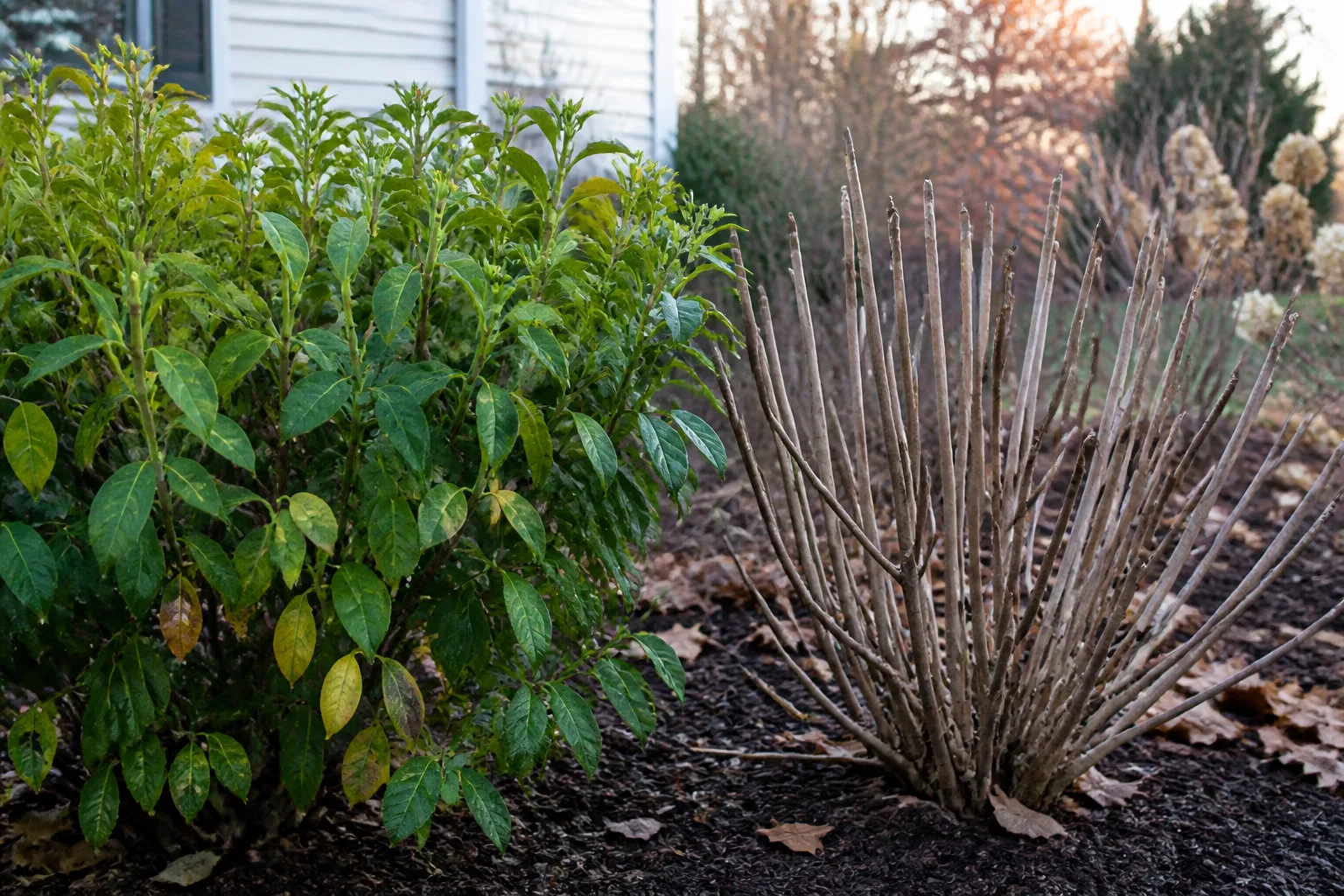
Bigleaf, mountain, oakleaf, and climbing hydrangeas generally form flower buds on stems made the previous season. Prune them immediately after flowering, and keep the work light: remove dead, damaged, crossing, or weak stems, then shorten only what is necessary to shape the plant. Fall and late-winter shearing can remove the buds you are waiting to see next summer.
Reblooming bigleaf cultivars can flower on both old and new wood, which gives them a second chance after some bud loss. It does not make them immune to cold, and it does not mean you can prune them like a panicle hydrangea. Preserve healthy stems first; use the new-wood bloom as insurance, not as permission for a hard cut.
New-Wood Bloomers
Smooth and panicle hydrangeas form flower buds on shoots that emerge in spring. They can be pruned in late winter or early spring before new growth begins, although hard pruning is not required for every cultivar or garden. A selective cut that removes the weakest stems and leaves a sturdy framework often gives better support than cutting every stem to the same low height.
The practical advantage is timing. A new-wood hydrangea may lose last year’s branches to a harsh winter and still flower on new shoots. Leave the plant alone until the worst damage is clear, then remove dead wood and shape it before vigorous spring growth begins.
Avoid These Return-Killing Mistakes
Several habits repeatedly cause gardeners to misread or worsen winter damage:
- Buying by bloom color alone. A spectacular blue mophead is not proof that it is hardy in your yard. Identify the species and cultivar first.
- Pruning every hydrangea in fall. That is especially risky for old-wood types, which may already be carrying next year’s buds.
- Fertilizing late. A flush of tender new growth late in the season is more vulnerable to cold. Feed according to the cultivar’s normal schedule and stop pushing growth before winter.
- Using an airtight cover. Plastic touching stems traps moisture, increases breakage, and can create temperature swings. Use breathable protection with space around the plant.
- Overwatering dormant containers. Cold, wet potting mix is a root problem waiting to happen. Dormant roots need less water, not a daily summer schedule.
- Calling the plant dead in early spring. Wait for the normal leaf-out window, then scratch-test stems and inspect the crown before replacing it.
- Assuming protection guarantees flowers. Mulch protects roots; it cannot promise that every old-wood bud will survive a severe freeze or late frost.
A Simple Next-Year Decision Tree
Use this sequence when deciding what to do with your hydrangea:
- Is it a florist or gift plant with no hardiness information? If yes, move it to a suitable outdoor site only if your climate is mild, and expect uncertain long-term flowering. For cold climates, replace it with a zone-appropriate landscape cultivar.
- Is it in a pot? Move it to a cool, protected place before the root ball freezes, or insulate the container and shield it from wind.
- What species is it? Choose smooth or panicle for the widest cold-climate margin; treat bigleaf, mountain, oakleaf, and climbing types according to their specific tag and local conditions.
- When does it bloom? Old-wood plants need their stems and buds protected and should be pruned after flowering. New-wood plants can be cleaned up in late winter or early spring.
- Is it bare in spring? Wait, scratch-test, and inspect the crown. Green tissue or basal shoots mean recovery is possible; dead tissue to the crown means the plant may need replacement.
- Did it survive but fail to flower? Think buds, pruning, deer browsing, light, or late frost before assuming the roots failed.
This decision tree also helps with future purchases. If you garden in a cold or exposed location and want reliable flowers, select a new-wood hydrangea with a clear hardiness range, buy from a local nursery, and plant it early enough to establish roots before winter. If you love a cold-sensitive bigleaf, give it a protected microclimate and accept that some years may bring foliage without flowers.
Conclusion
So, are hydrangeas perennials? Most landscape hydrangeas are, but “perennial” describes the plant’s ability to live through seasons—not a guarantee that every stem and flower bud will survive your winter. A florist hydrangea, a potted plant, and a hardy in-ground panicle hydrangea face three different risks.
Identify the species, compare its hardiness with your actual exposure, protect roots and containers, and prune according to old-wood or new-wood flowering. Then give a bare plant time to prove itself in spring. If you want the highest odds of flowers next year, choose a zone-appropriate smooth or panicle hydrangea; if you keep a bigleaf or another old-wood type, preserve its stems and treat winter protection as a way to improve the odds, not a promise.