14 Best Places to Buy Fake Plants Online
Compare 14 online stores for realistic fake plants—from Target and Ikea to Nearly Natural and Afloral. Learn materials, UV ratings, and return rules before checkout.
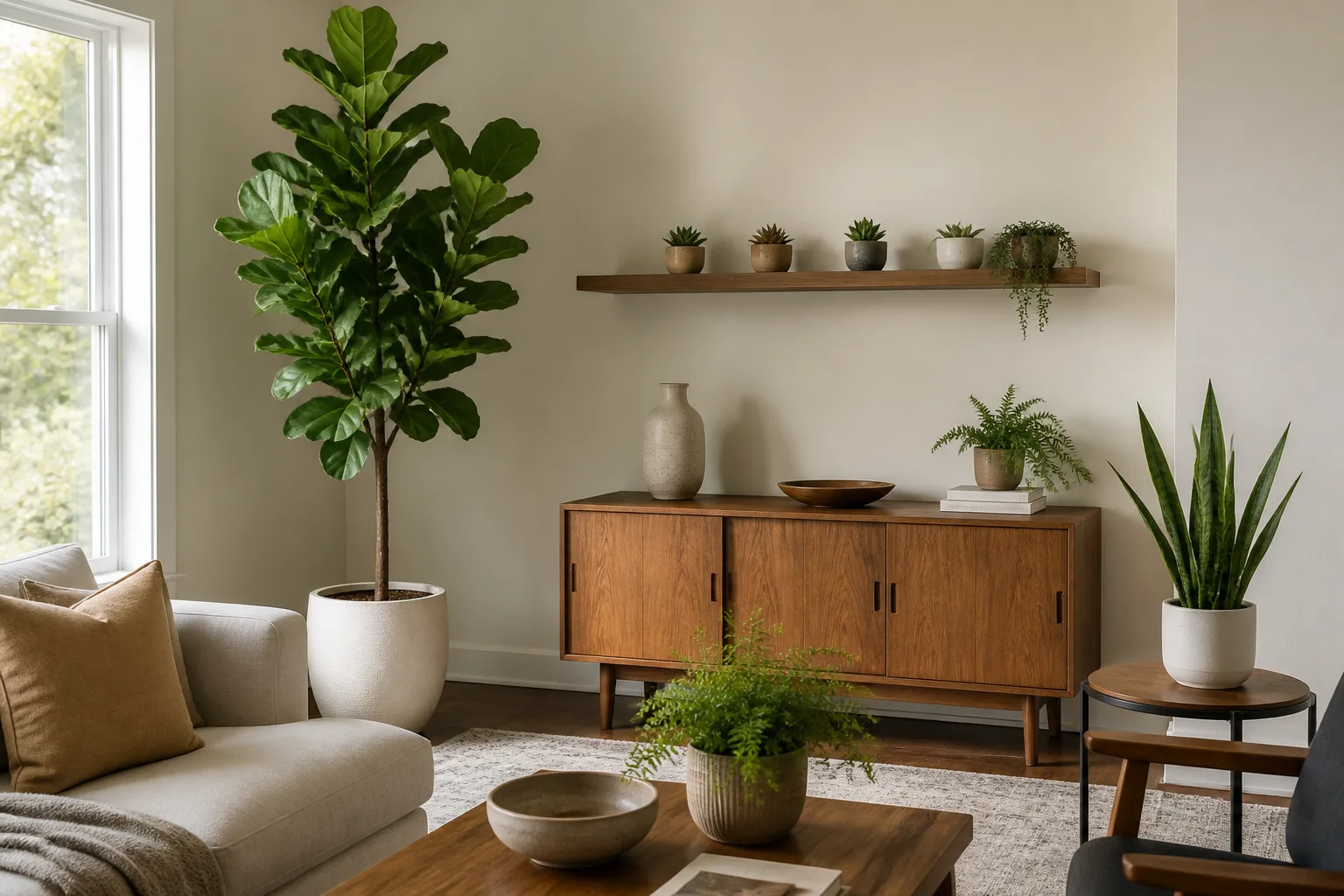
The best place to buy fake plants online is not the store with the prettiest lifestyle photo—it is the retailer whose product category, material, and return policy match what you are actually trying to solve. A $6 desk succulent from a big-box filter page faces a completely different quality bar than a seven-foot silk fiddle leaf staged in a corporate lobby or a UV-rated boxwood hedge meant to survive a south-facing patio.
This guide compares 14 retailers Americans actually shop for faux greenery: mass-market chains, décor boutiques, craft stores, and specialty silk brands. Before the store-by-store breakdown, you get a practical filter—how to read listings, when preserved moss beats plastic leaves, and what return windows really mean once you unwrap the shipping box. If you are still on the fence about live greenery, start with our best places to buy plants online guide and our living room plant picks for species that survive real rooms.
Quick Picks: Match the Store to Your Job
Use this table to narrow the field, then read the full write-up for stores that fit your order.
| Retailer | Best for | Typical return window | Watch before checkout |
|---|---|---|---|
| Target | Budget tabletop faux + in-store pickup | 90 days on most decor | Threshold quality varies by SKU |
| Amazon | Fast delivery + review volume | Seller-dependent | Third-party counterfeits on brand names |
| Wayfair | Silk trees + décor-style filters | 30 days | Navigation splits plants across categories |
| The Sill | Curated faux + preserved moss | Damage-only on many SKUs | Limited selection vs big boxes |
| World Market | Unique small pots + frequent sales | 60 days | Not every SKU ships nationwide |
| Terrain | Preserved, dried, and iron botanicals | Check listing | Shipping can exceed item cost |
| The Home Depot | Outdoor hedges, topiaries, large trees | Standard HD policy | Overwhelming catalog without filters |
| Michaels | Craft-grade stems + MakersPlace finds | Michaels return policy | Brand depth thinner than floral specialists |
| Ikea | Under-$20 fillers + room visualization | Ikea standard returns | Botanical names buried in Swedish product codes |
| West Elm | Mid-century faux bundles + dried stems | West Elm policy | Pots not always included; shipping scales with cart |
| Afloral | Stems, UV outdoor ferns, clearance silk | 30 days; clearance final | Weak sitewide filters |
| Ashley Furniture | Silk arrangements with ceramic pots | Ashley policy | Category hidden under home accents |
| Nearly Natural | Large silk trees + outdoor living walls | 30 days; 48 states only | Alaska and Hawaii excluded |
| Joss & Main | Modern faux trees + holiday wreaths | Wayfair-family 30 days | Section buried under decor navigation |
How to Shop for Fake Plants Online Without Buying Plastic Trash
Online faux plant shopping fails when buyers sort by price alone. A glossy product photo with a white background tells you almost nothing about whether leaves will look waxy under your actual pendant light or whether stems can be bent to hide a visible plastic joint.
Faux, Preserved, and Dried: Pick the Right Category First
Faux plants are manufactured leaves, stems, and trunks—usually plastic, fabric, or silk composites—built to imitate living plants. Preserved plants are real botanical material treated to hold shape and color without soil or water; think preserved moss boxes and kokedama. Dried plants are dehydrated stems and flowers used as décor; they read natural but are brittle and not meant to be wiped down like plastic.
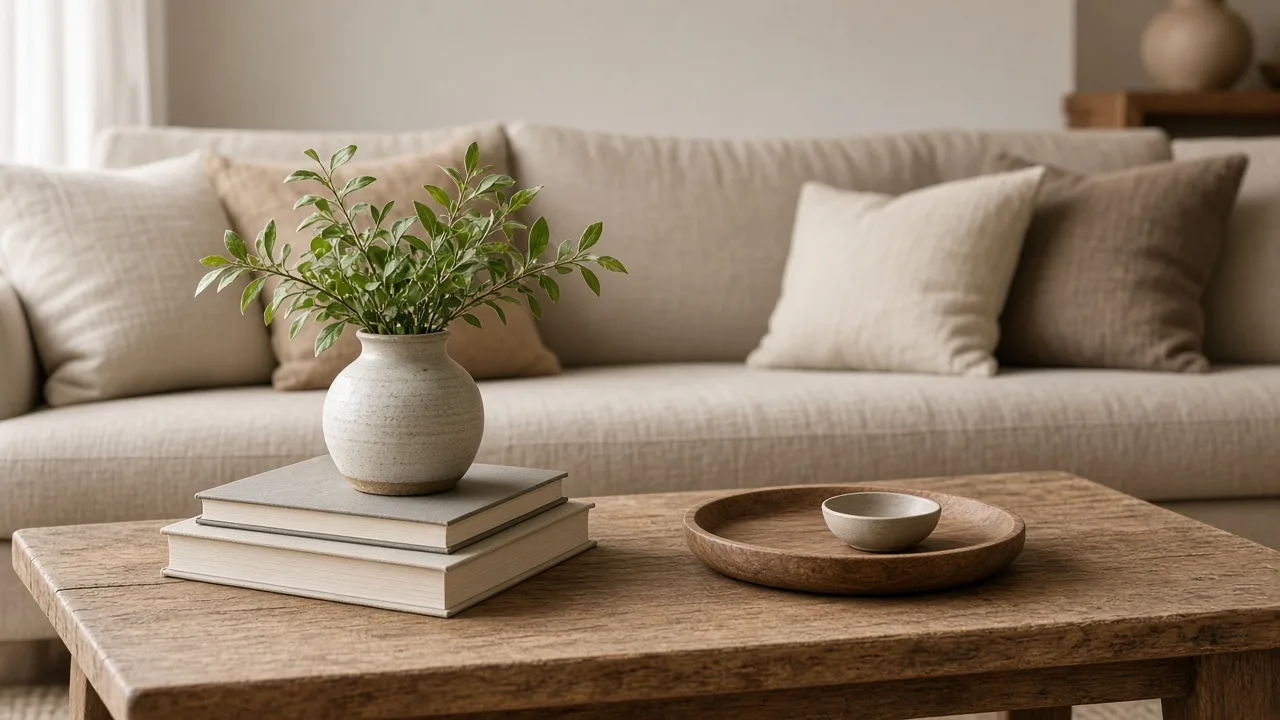
Pick faux when you need durability in high-traffic spots, kid zones, or dim corners where live plants would rot. Pick preserved or dried when you want texture that plastic still struggles to copy—especially in moody, layered shelf styling. The RHS notes that successful room planting depends on scale, repetition, and contrast; those design rules apply whether the leaf is live or manufactured.
Materials That Actually Look Real at Arm’s Length
Polyethylene (PE) and PVC leaves dominate budget faux plants. They are durable and UV-treatable, but cheap versions reflect light uniformly and look shiny from across a room. Silk and polyester blends soften edges and drape more naturally—Nearly Natural and Ashley Furniture lean here for statement trees. Real Touch and similar coatings add a slightly waxy, pliable feel that helps desk-scale plants pass a casual glance.
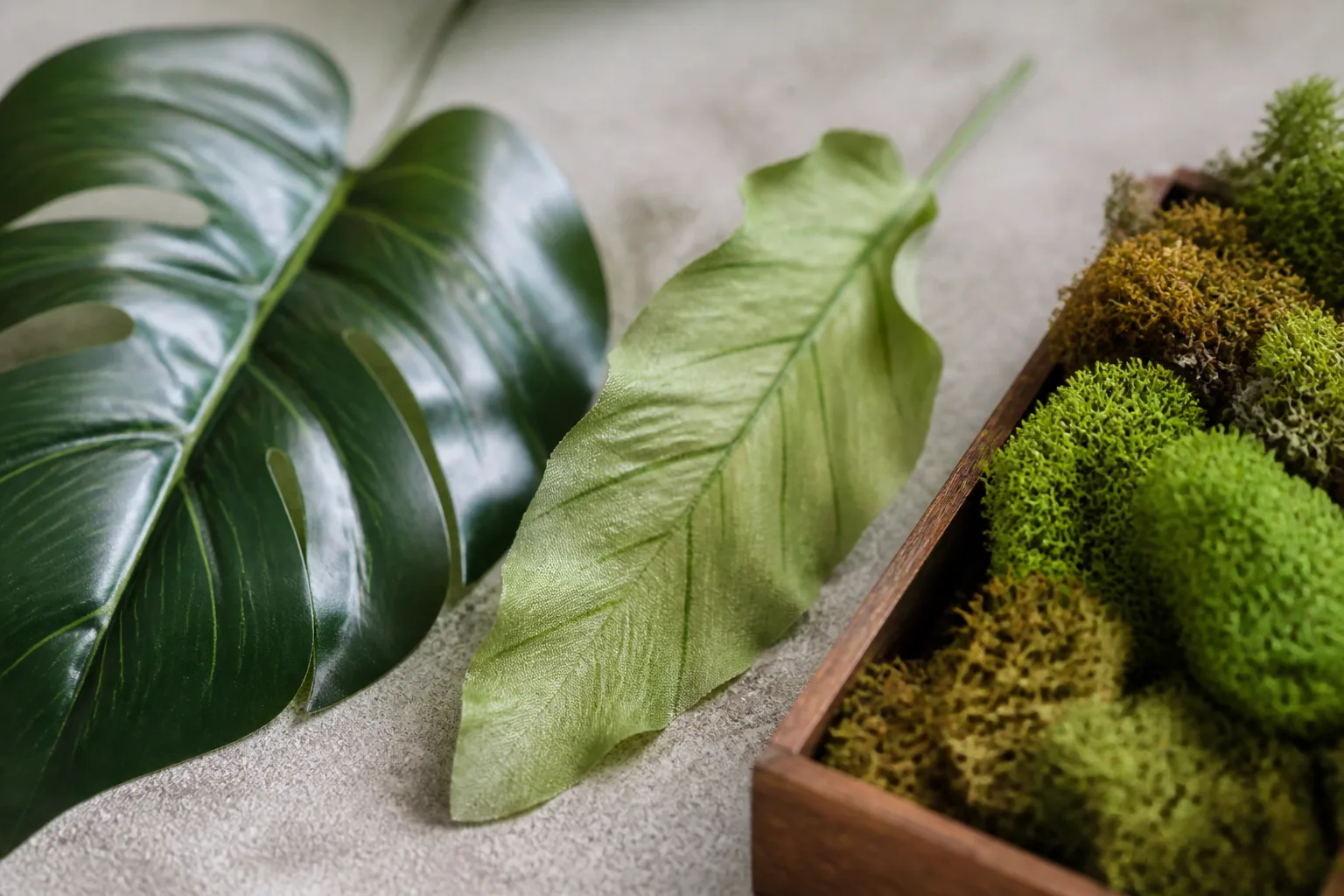
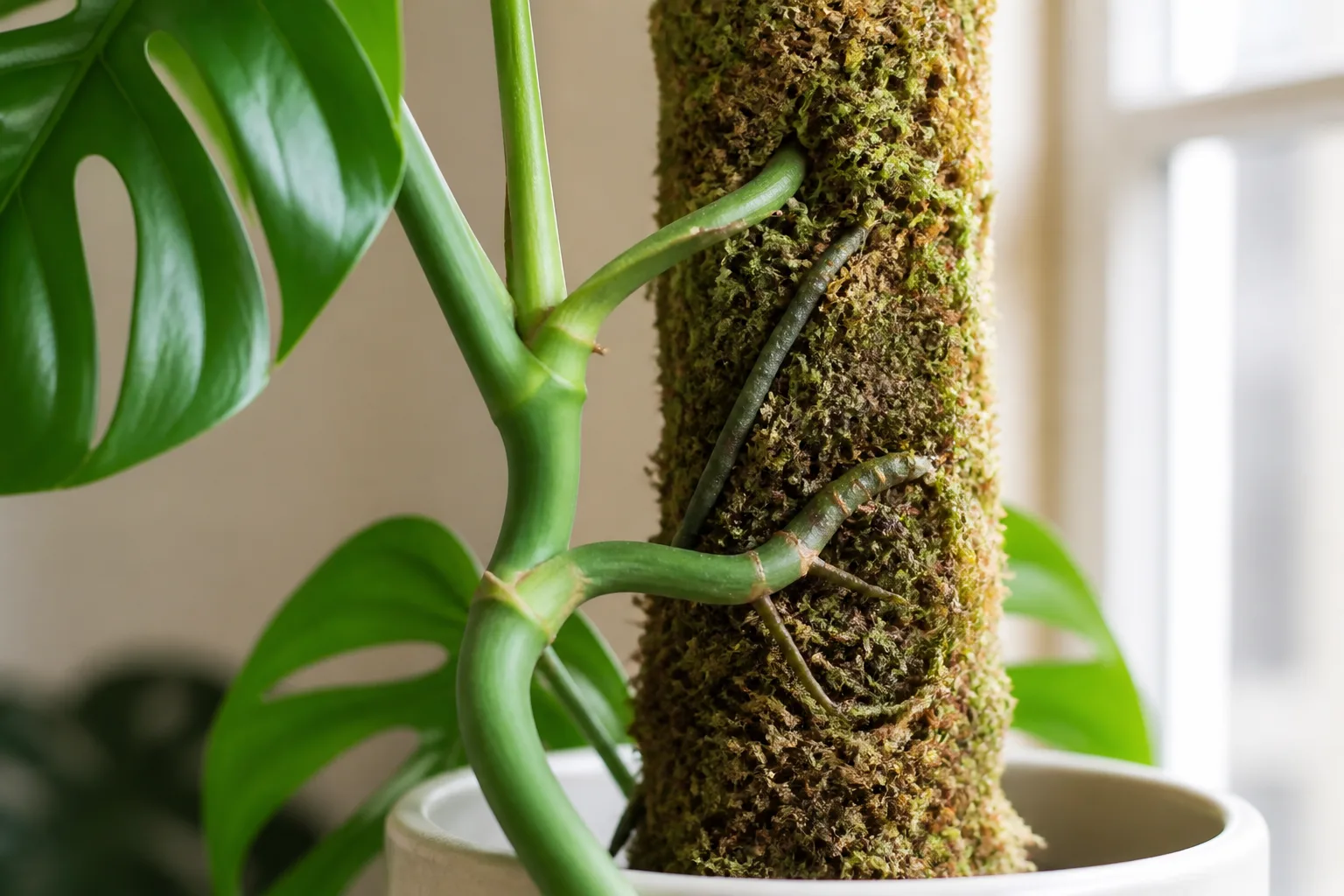
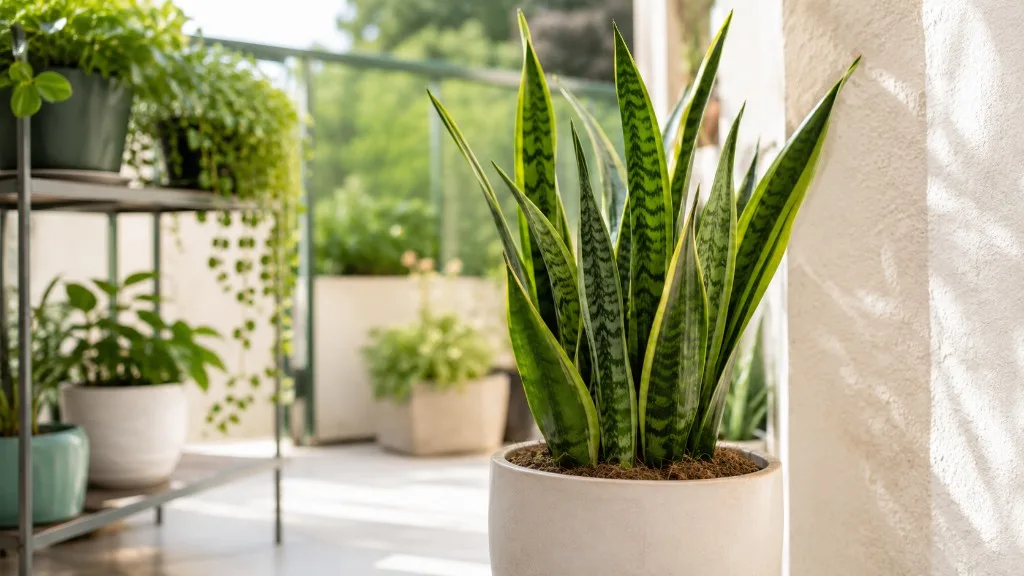
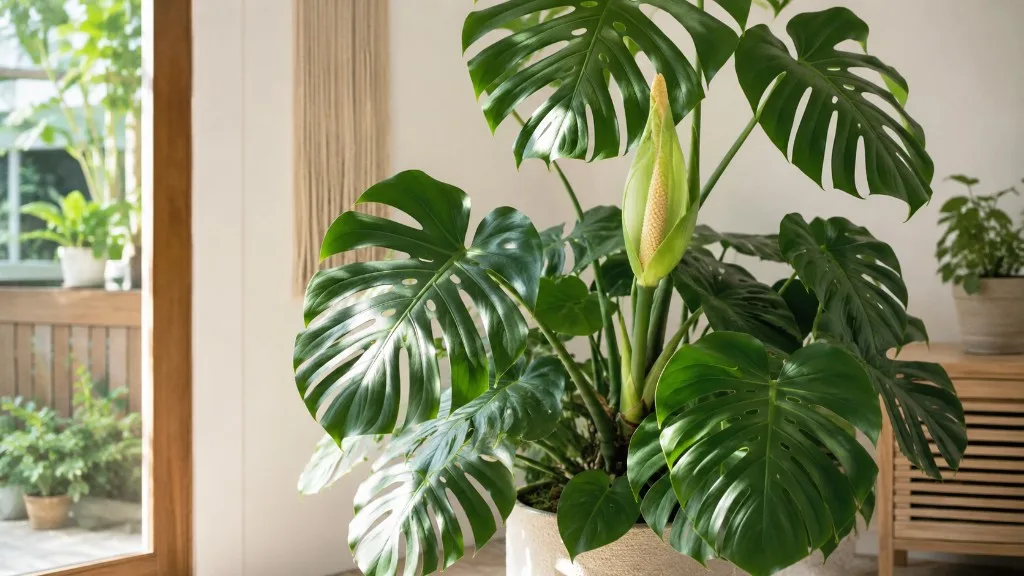
When vetting listings, zoom into customer photos—not studio shots. Look for color gradients on leaves (dark base, lighter tip), imperfect leaf counts (real plants are not perfectly symmetrical), and visible stem thickness that matches the species. If every leaf is identical and neon-green, pass. For species you might buy live later, compare against real reference photos on LeafyPixels hubs like snake plant or Monstera deliciosa.
UV Rating, Outdoor Use, and Return Windows
Outdoor faux plants need UV-treated or UV-resistant labeling. Untreated plastic fades to chalky blue-green within one sunny season. Afloral and Nearly Natural both market outdoor-rated ferns and living-wall panels; confirm the listing explicitly says indoor/outdoor or UV-treated—not merely “patio photo in lifestyle image.”
Return windows matter because faux plants are bulky. Target and World Market offer the most forgiving mass-market windows at 60–90 days. Wayfair, Nearly Natural, Afloral, and Joss & Main commonly sit at 30 days. The Sill often restricts returns to shipping damage, which is reasonable for preserved goods but risky for impulse faux buys. Clearance and final-sale SKUs—common at Afloral—should be treated as non-returnable even if the price is tempting.
Target
Target’s artificial plants category is the best first stop when you need small-format fillers under $30 and want the option to pick up in store the same afternoon. The Threshold line covers peperomia, snake plant miniatures, fiddle leaf figs around two feet, and moss bowls that work on coffee tables without dominating the room.
What Target wins on is review volume with room photos. Filter listings to four stars and above, then open customer images to see how leaves look beside real furniture—not beside a gray studio backdrop. Quality is inconsistent across SKUs because Target carries multiple manufacturers under one house brand umbrella, so treat each product page as its own decision rather than trusting the brand name alone.
The 90-day return window on most home decor makes Target a low-risk place to test whether faux greenery fits your aesthetic before you invest in a $200 silk tree elsewhere.
Amazon
Amazon is unbeatable for selection depth and filter granularity: room placement, plant type, height buckets, and price caps are all one click away. Brands like Nearly Natural, CG Hunter, Kazeila, and Der Rose maintain official storefronts, which reduces—but does not eliminate—counterfeit risk.
Shop Amazon like a marketplace, not a curator. Prefer “Ships from and sold by Amazon.com” or the brand’s authorized seller. Read reviews dated within the last six months, and search those reviews for words like shiny, smell, and lopsided. Third-party sellers repackage the same wholesale PE trees under different brand names; two listings with identical leaf counts at wildly different prices are often the same factory stock.
Amazon’s standard return policy helps on many items, but live-plant and some décor categories are flagged non-returnable once opened. Photograph the unboxing if you plan to dispute quality.
Wayfair
Wayfair is where you go when you want silk-forward trees and décor-style filtering—coastal, farmhouse, glam, industrial—without clicking through five separate site sections. Primrue, Birch Lane, and Ebern Designs cover everything from eucalyptus pairs in ceramic pots to six-foot ficus trees in earthenware planters.
Wayfair’s silk options often beat mass-market PE trees on leaf drape and pot styling, which matters when the plant sits in an open floor plan sight line. The trade-off is navigation: artificial flowers, trees, and garlands live in different silos, so start from the faux-plants hub rather than the homepage search bar.
Customer chat is genuinely useful when you need help distinguishing potted vs stem-only listings. Returns typically land at 30 days, shorter than Target but still enough time to stage the tree and decide if scale works.
The Sill
The Sill’s faux and preserved collection is small compared to Amazon, but the curation angle is real. You will find faux tradescantia, cactus forms, and preserved fern kokedama that target the “I killed three real versions” buyer who still wants the silhouette.
Plant experts are available during business hours—not because faux needs watering advice, but because The Sill sells pot sizing, placement, and mixing preserved with live as a single styling problem. They also publish donation guidance for retiring old faux plants, which is more useful than most retailers offer.
Returns are the main drawback: many items are damage-in-transit only, so treat The Sill as a deliberate purchase, not a try-five-trees experiment. Pair preserved moss boxes with a live low-light species from our dark apartment plant guide if you want one real anchor plant in the room.
World Market
World Market stocks personality-forward small faux—variegated ficus in porcelain pots, eyebrow-leaf plants, succulent arrangements under $20—that read boutique without boutique pricing. Frequent sales and a 60-day return policy make it a smart place to buy multiples for shelf layering.
Not every SKU ships to every ZIP code, which surprises buyers who assume nationwide delivery like Target. With 240+ U.S. stores, in-store pickup or browse-first shopping offsets shipping gaps. World Market is weaker on towering trees; shop here for accent pots and tabletops, then buy your seven-foot olive tree elsewhere.
Terrain
Terrain is owned by Urban Outfitters but feels like a garden shop. Its strength is preserved and dried botanicals—moss, ferns, lavender stems, iron flower bunches—not mass-produced PE floor trees. If you want greenery that reads organic in a moody dining room, start here before you default to plastic.
Faux sprays and small iron botanicals are styled beautifully but are accent pieces, not room-filling trees. The seven-foot faux fiddle listing exists, but four-figure pricing plus shipping pushes Terrain into design-statement territory rather than budget filler.
Budget for shipping that can rival product cost on large items. Terrain shines when you are building a vignette—tray, stems, preserved moss—rather than furnishing an empty corner cheaply.
The Home Depot
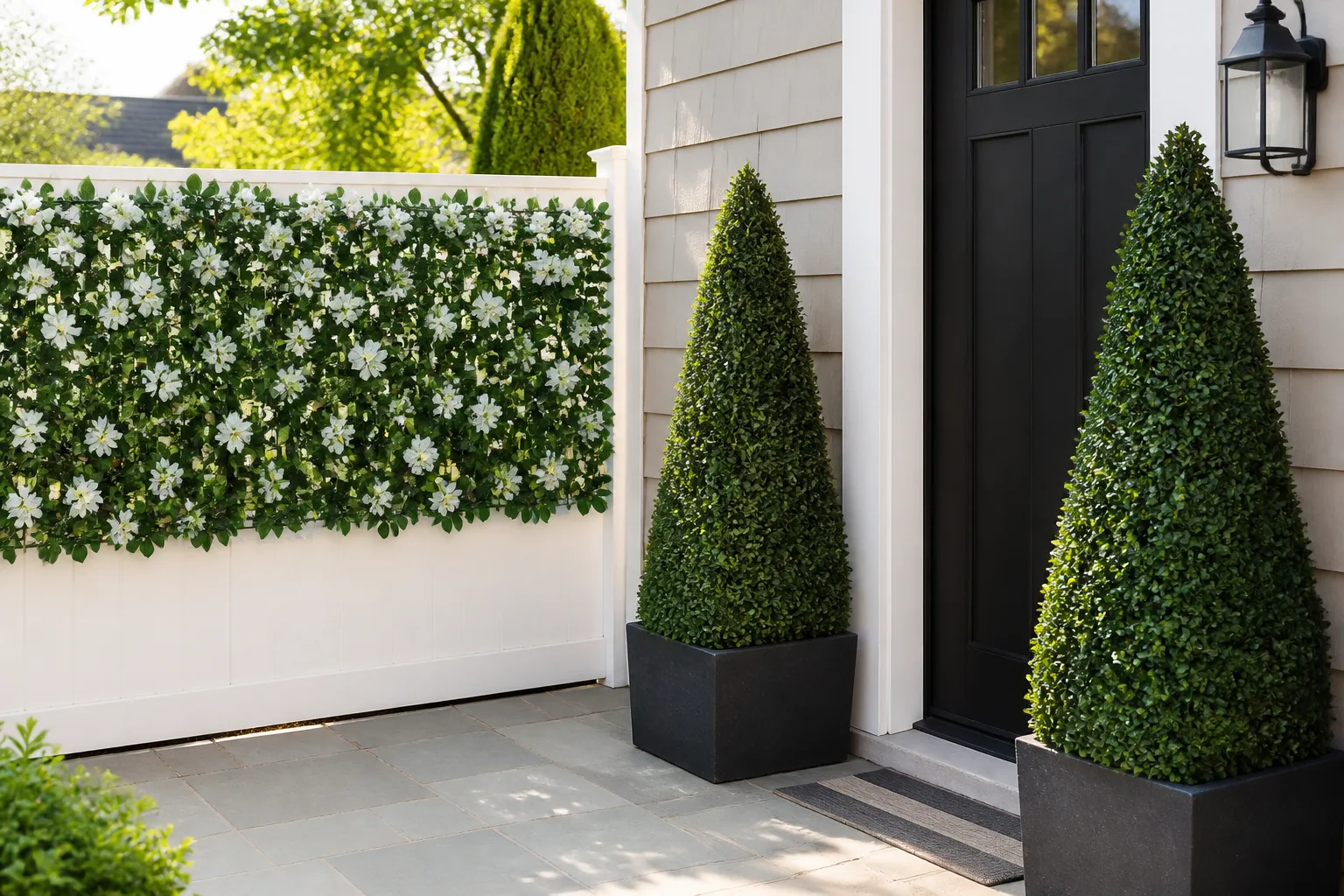
The Home Depot’s artificial plant hub is the practical pick for outdoor-rated hedges, expandable trellis panels, and oversized topiaries that would be awkward to return through a silk specialist. StyleWell olive trees, Naturae Decor expandable gardenia hedges, and Vevor boxwood pairs target patio privacy and entryway framing.
Indoor options exist, but Home Depot optimizes for scale and utility more than Instagram-perfect leaf realism. Use brand filters if you already trust Nearly Natural or another label sold through HD. Live chat and 2,000+ stores help when you need to eyeball leaf stiffness before hauling a box home.
Year-round promotions make HD competitive for outdoor installs where UV rating matters more than silk drape. Confirm “indoor/outdoor” in specs, not just in the hero image.
Michaels
Michaels is underrated for craft-grade stems, colored floral trends, and bulk bundles when you are styling a event backdrop or filling a wide mantel. Nearly Natural and Glitzhome appear frequently, alongside Floral Home and Ashland house brands.
The MakersPlace marketplace surfaces small-batch faux arrangements—useful when you want something that does not look like every other Amazon olive tree. Coupons and free shipping thresholds over $49 are routine, which matters when you are buying six matching stems.
Brand depth is narrower than Wayfair or Amazon, and realism varies by aisle: silk orchids here may be prettier than realistic. Shop Michaels for color and arrangement, not for a single hero tree.
Ikea
Ikea’s FEJKA artificial line is the honest budget baseline. Many SKUs sit under $20, with hanging monstera cuttings at pocket-change prices. Realism is not the selling point—consistency and scale are. FEJKA works for bookshelves, bathroom corners, and office desks where a live plant would die quietly.
The Kreativ room planner lets you drop FEJKA products into a virtual room photo, which is genuinely helpful when you are unsure whether a 33-inch eucalyptus reads too small against your sofa. Product names favor Ikea codes over botanical Latin; read the full description for species clues.
Buy Ikea when you need volume and replaceability. Upgrade to silk or preserved once you know the exact spot and size your room demands.
West Elm
West Elm targets mid-century and modern interiors with faux trailing monstera, amaranthus bundles, thistle branches, and dried lavender bunches that mix live and manufactured styling. Sub-$50 stems coexist with larger potted faux, so you can build layers without one giant ticket item.
Free one-hour design consultations—virtual or in-store—matter when faux is part of a whole-room plan rather than a single corner fix. Ask whether listed plants are potted or stem-only; West Elm separates them inconsistently across SKUs.
Shipping fees scale with order size and can hit 10% on larger carts, painful when you are buying a cluster of stems for one shelf. West Elm is a décor store first; leaf botany second.
Afloral
Afloral is a faux specialist with stems, garlands, UV outdoor ferns, and clearance silk at sharp discounts. Sustainability messaging focuses on reduced plastic packaging and vendor standards—useful if you are buying volume for an office install or rental staging.
Sitewide filtering is weak; navigate by category tabs (outdoor ferns, blooming branches, hanging tradescantia) instead of hoping the search bar understands “real touch peony.” Reviews live on individual product pages, so budget time to open several listings.
Clearance sales are final sale—no returns—while standard stock usually carries a 30-day window. Afloral is ideal when you know the stem length and material you need and want florist-grade inventory without a florist markup.
Ashley Furniture
Ashley Furniture’s artificial plant section hides under home accents, but the silk arrangements in glass and ceramic pots are the draw. Many listings include the container, which saves a second shopping trip and avoids the undersized plastic liner pot problem common on Amazon trees.
Filters by color, décor style, and review score work well once you are in the category. Peony arrangements, eucalyptus trees in sandstone planters, and palm baskets target traditional and transitional rooms where shiny PE reads cheap.
Navigation is the pain point—you will not find this section from the homepage in two clicks. Bookmark the artificial plants URL if you are comparison shopping silk options against Wayfair and Nearly Natural.
Nearly Natural
Nearly Natural has been in the artificial plant business since 2002 and remains the default for large silk trees, golden cane palms, pothos in rope planters, and outdoor living-wall panels. Horticulturist-informed design shows up in leaf counts and branch spacing that mass-market clones skip.
The catalog is huge: trees, flowers, holiday greenery, and dedicated outdoor collections. Shipping is limited to the 48 contiguous states—plan alternate retailers if you are in Alaska or Hawaii. Returns run 30 days with prepaid labels on many orders, but original shipping is often non-refundable.
If one faux purchase defines the room—tall foyer palm, conference-room ficus—start here or on Nearly Natural’s authorized Amazon listings. For live alternatives that might beat faux in the same spot, compare light requirements on our Monstera care hub before you commit to plastic.
Joss & Main
Joss & Main shares DNA with Wayfair but leans modern and occasion-driven: olive trees in pots, snake plants, zamifolia bushes, and seasonal wreaths. Filters by holiday, occasion, placement, and species are among the most detailed on this list.
The faux section is buried under decor, similar to Ashley. Once found, the species-level filters save time if you already know you want olive vs ficus vs sansevieria. Pricing swings with sales—olive trees can drop sharply during promotions.
Returns follow the Wayfair-family 30-day pattern. Joss & Main is a strong second stop after Wayfair when you want a more curated modern aesthetic without Terrain’s preserved-plants price tag.
Cleaning, Storage, and When Faux Plants Fail You
Faux plants do not need water, but they do need dust control. Gardening Know How recommends treating decorative plants as part of the room’s cleaning rhythm, not as permanent background noise. Wipe leaves with a dry microfiber cloth weekly in dusty homes; monthly deeper cleaning with lukewarm water and mild soap on PE and silk works for most finishes—avoid soaking fabric stems.
Store seasonal faux in tissue or bubble wrap with stems supported so bent leaves do not crease permanently. Compressed storage bags save space but crush delicate silk; use them only for flexible PE garlands.
Faux fails when you need air-quality benefits, changing seasonal growth, or believable imperfection in a bright plant-lover’s home. Penn State Extension emphasizes light, watering, and humidity for living houseplants—signals faux cannot replicate. In dark rentals, faux wins; in east-facing living rooms where a real fiddle leaf fig would thrive, plastic is a compromise you will notice daily.
When you retire faux, donate clean items to thrift stores or list locally. Repurpose weighted pots for live plants, or contact specialty retailers like The Sill for donation pointers in your area.
Conclusion
The best place to buy fake plants online depends on the job: Target and Ikea for cheap fillers and easy returns, Amazon for depth if you vet sellers carefully, Wayfair and Joss & Main for modern silk trees, Nearly Natural and Afloral for specialist stems and outdoor panels, Terrain and West Elm for preserved and dried layers, Home Depot for patio scale, and Ashley Furniture for silk arrangements that already include quality pots. Read materials and UV labels before checkout, trust customer room photos over studio renders, and keep return windows in mind the moment the box arrives.
If you still have light and patience for living greenery, compare our online live-plant retailer guide and plant delivery service breakdown before you default to plastic. Faux is a tool—not a moral failure—and the right store match makes it look intentional instead of obvious.