How to Treat Brown Patch Fungus in Your Lawn
Brown patch fungus thrives in warm, wet lawns. Use this diagnosis-first guide to reduce leaf wetness, treat serious outbreaks, and prevent a repeat.
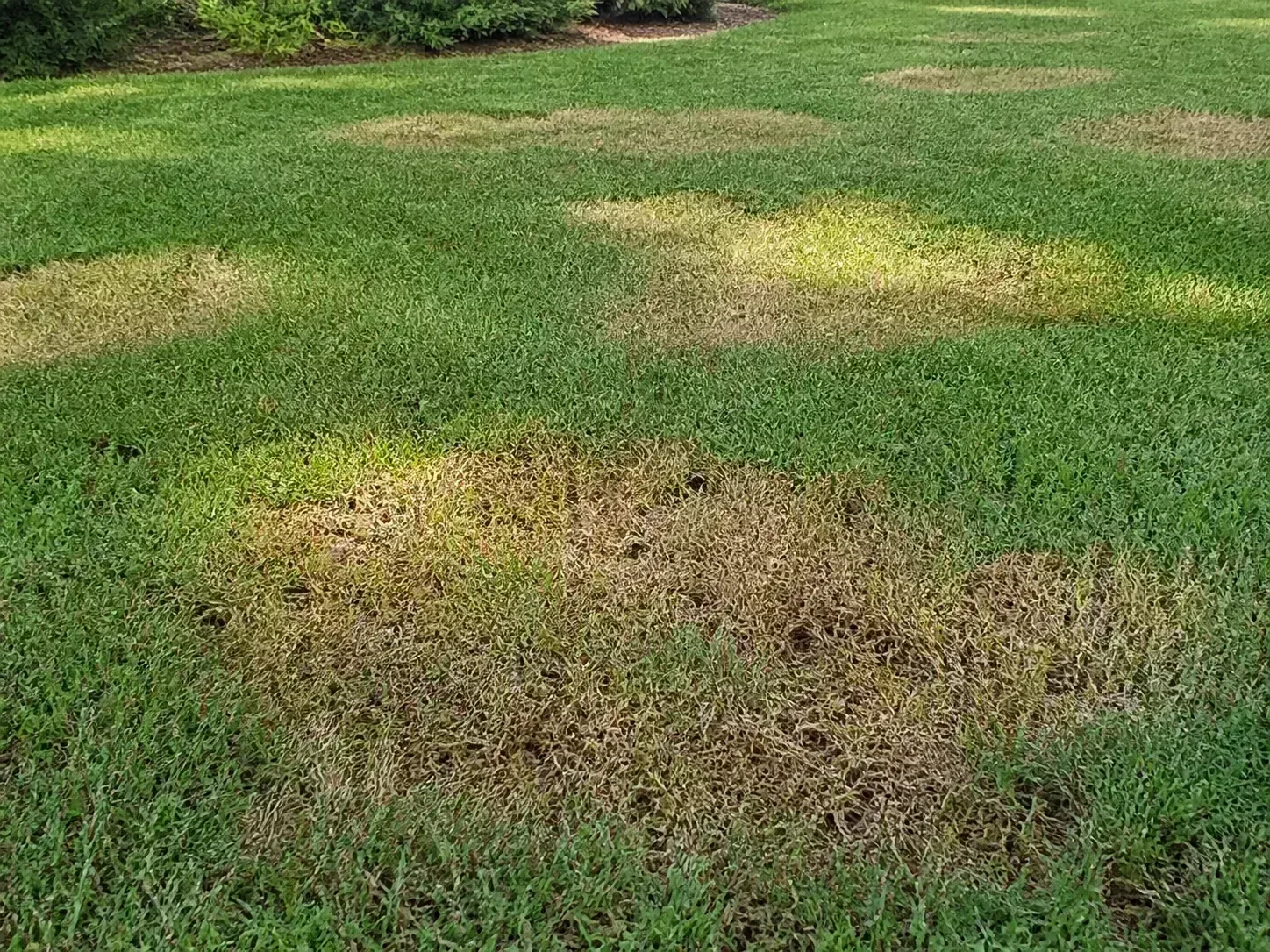
Brown patch fungus is best treated by changing the conditions that keep grass wet and lush, then using a labeled turf fungicide only when the diagnosis and severity justify it. The disease rarely responds to a single dramatic fix. It slows when leaves dry sooner, nitrogen is moderated, mowing is less stressful, and the turf has enough airflow to recover.
That first sentence is important because brown grass is a symptom, not a diagnosis. A dry sprinkler arc, dog-urine spot, grub-damaged root zone, chemical spill, dollar spot, and brown patch can look similar from the sidewalk. Treating the wrong one with more water or fungicide delays recovery and can make the real problem worse.
The short answer: diagnose before you spray
For a likely brown patch outbreak, take these actions in order:
- Photograph the patch in the morning and note the grass type, recent weather, irrigation, and fertilizer applications.
- Check individual blades and the crown at the soil line rather than judging color alone.
- Stop evening irrigation and avoid quick-release nitrogen while the disease is active.
- Mow only when the foliage is dry, keep the blade sharp, and avoid spreading wet clippings from the affected area.
- Wait long enough to see whether the patch stops expanding. If it continues to spread through warm, humid weather, consider a product labeled for brown patch on your grass species.
Brown patch is a foliar disease caused by Rhizoctonia solani. It attacks leaves and sheaths more readily than roots, so the prognosis can be better than the color suggests when the crown remains firm and alive. Penn State Extension describes the disease as a midsummer problem of turf such as perennial ryegrass, tall fescue, and bentgrass, with symptoms intensified by hot, humid conditions.
Is the brown patch actually a fungal disease?
The most useful diagnosis combines shape, timing, blade symptoms, and the condition of the soil. No single clue proves brown patch, and a large lawn can have more than one problem at the same time.
Match the pattern to weather and turf type
Brown patch often starts as tan or light-brown circular patches that range from a few inches to several feet across. Neighboring circles can merge into irregular areas, and the center may look thinner or begin to recover while the edge continues to expand. The disease can also appear as a diffuse blight without a neat ring, especially in dense or poorly ventilated turf.
The weather should fit. A new outbreak after several nights of heavy dew, rain, fog, or evening irrigation is more suspicious than a patch that appeared along a dry curb during a week without rain. On susceptible cool-season turf, disease pressure rises when warm days meet humid nights and leaves stay wet for long stretches.
Grass type changes the interpretation. Tall fescue, perennial ryegrass, bentgrass, and, under the right conditions, Kentucky bluegrass are common cool-season hosts. On zoysiagrass, centipedegrass, and St. Augustinegrass, a related problem is often called large patch, with a different seasonal pattern. Clemson Cooperative Extension notes that brown patch is associated with cool-season grasses while large patch is more common on warm-season turf; the two are caused by different strains of Rhizoctonia solani and should not be put on the same calendar. Clemson’s lawn disease factsheet is especially useful for comparing the two.
Inspect leaves, dew, and crowns
Visit the lawn early, before sunlight and wind erase the evidence. On a dewy morning, look for a thin white, cottony growth between blades at the patch edge. That is mycelium, not a permanent white coating, so its absence later in the day does not rule out disease.
Pull several blades from the advancing edge and inspect them in good light. Cool-season grass may show irregular tan lesions with dark borders. A dark, smoky perimeter can be visible on some turf, but it is easier to spot on closely mowed grass than on a tall home lawn. Warm-season large patch is more likely to show damaged sheaths near the soil line; blades at the perimeter may pull free with a gentle tug.
Finally, check the crown—the short growing point where blades meet the soil. A firm crown with attached roots can send out new leaves after the disease slows. If the crown is black, mushy, missing, or the turf lifts easily because roots are gone, fungicide cannot rebuild it; plan to repair that area after the cause is under control.
If the diagnosis is still uncertain, take a close photograph of the whole patch, the margin, and individual blades. A local Cooperative Extension office or turf diagnostic service can be more useful than guessing from a single web photograph. A practical home-lawn overview from Lawn Love’s brown-spot guide also recommends using local Extension expertise when several lawn problems overlap.
Why brown patch appears and spreads
The fungus may persist in infected plant material or soil as resting structures, then become active when a susceptible lawn is warm, humid, and wet at the leaf surface. You do not need to remove every grain of soil to control it. The realistic goal is to make the lawn less favorable to infection and to keep a small outbreak from becoming a season-long cycle.
Heat, humidity, and long leaf-wetness periods
Warm days alone do not create brown patch. The greater risk comes from warm days paired with humid nights, dense turf, poor air movement, and water that remains on the foliage into the next day. Penn State’s disease-development guidance identifies night temperatures above about 68°F and daytime averages around 80°F or higher as a common midsummer pattern, with rainy weather and saturated air accelerating disease.
That temperature range is a useful warning signal, not a universal on/off switch. A shaded lawn may stay wet and develop trouble at different temperatures, while a breezy, well-drained lawn may escape an outbreak under similar weather. Track the number of humid nights and the time it takes for dew to disappear instead of relying on the calendar alone.
Nitrogen, irrigation, thatch, and compaction
High nitrogen creates soft, fast-growing foliage that is more vulnerable during disease weather. Overfeeding is especially risky when the lawn is already irrigated and growing vigorously. The answer is not to starve the turf forever; it is to avoid pushing lush top growth during an active outbreak and return to a soil-test-based program when weather and symptoms improve.
Watering can help drought-stressed grass but also lengthen the exact wet period brown patch needs. Lightly misting every evening is a poor compromise: it wets the blades without reliably soaking the root zone. Thick thatch and compacted soil compound the problem by holding moisture near the surface, slowing drainage, and restricting roots.
Use a screwdriver or soil probe in both a green area and the patch edge. If the tool enters easily but the surface is wet, more irrigation is not the answer. If the soil is dry several inches down, correct the drought stress with a measured, early watering cycle. Gardening Know How recommends confirming soil need before irrigating, then using a rain gauge or similar measurement rather than guessing by sprinkler runtime.
The treatment sequence that gives turf its best chance
Treat brown patch as a moisture-and-stress management problem first. These changes protect living turf, reduce the chance of new infections, and make any later fungicide application more useful.
Change watering so leaves dry sooner
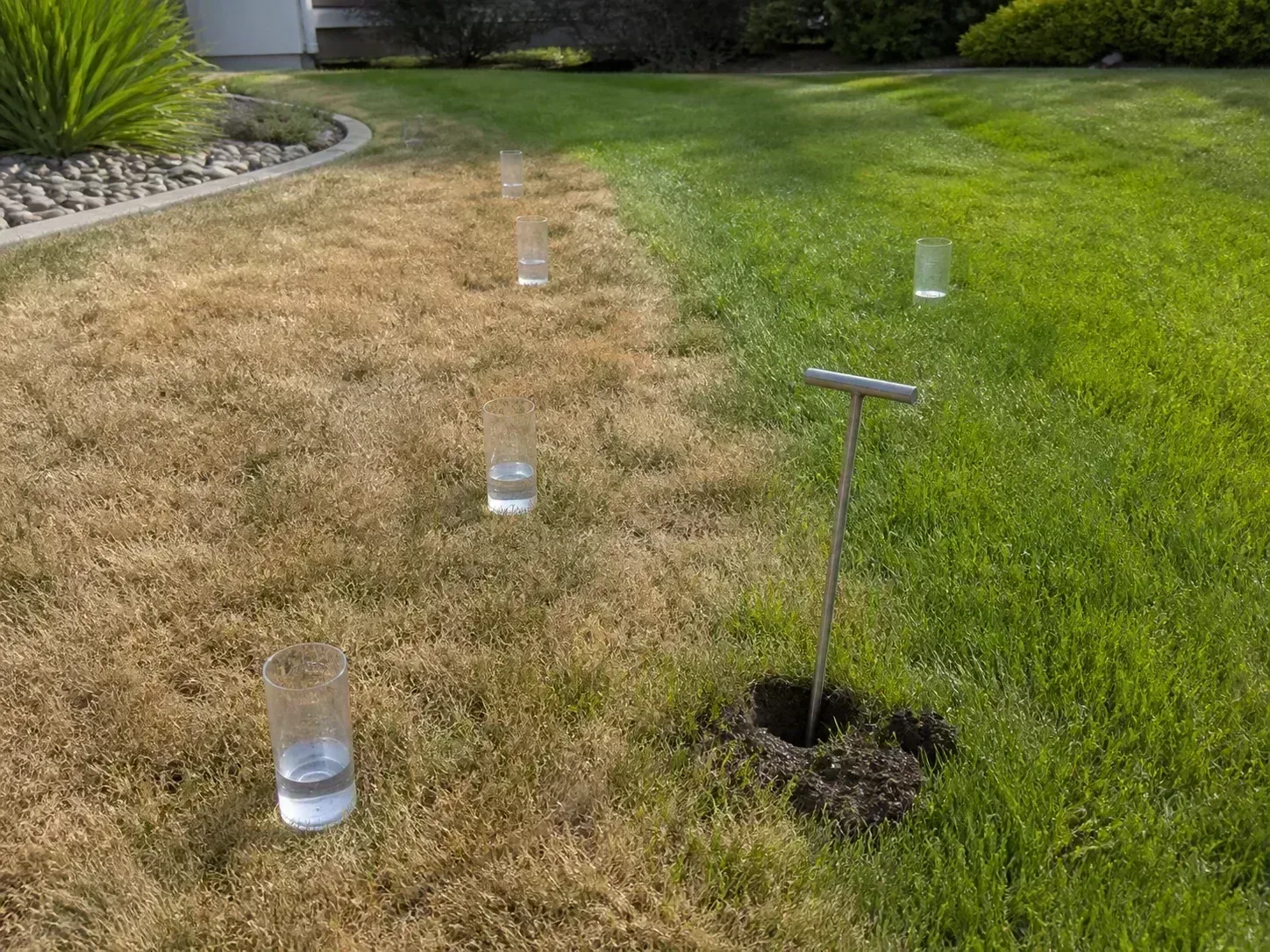
Water in the early morning, when the root zone needs it and the foliage has the rest of the day to dry. Avoid watering at night during hot, humid weather. If your irrigation system runs after dark, move the schedule before changing the total amount of water.
Do not use a fixed “one inch every week” rule as a substitute for observation. Soil texture, rainfall, grass type, shade, slope, and local restrictions all change the correct amount. As a starting check, place catch cups in the zone and measure the output; then push a probe 4 to 6 inches into the soil after irrigation to confirm that water reached the root zone without creating runoff or puddles.
If water runs off compacted soil, pause long enough for it to soak in and finish the cycle later. If the lawn has received substantial rain, skip irrigation until the root zone begins to dry. The goal is deep enough for roots, early enough for leaves, not a permanently damp surface.
Pause high-nitrogen feeding during active disease
Do not try to outgrow brown patch with fertilizer. Stop high-rate or quick-release nitrogen while patches are actively enlarging, especially during humid heat. Clemson Extension specifically recommends avoiding high nitrogen rates during the disease-prone seasons and using soil-test guidance for fertility instead.
When the weather cools and the disease stops advancing, reassess the lawn rather than automatically applying a strong recovery feeding. If crowns are alive, normal growth may fill thin areas. If soil testing shows a real nutrient need, use the rate and timing appropriate to your grass and region. A lush green flush is not the same as durable recovery.
Mow dry and manage clippings
Wait until dew has dried before mowing. Wet foliage clumps under the deck, increases the time leaves stay wet, and makes it easier to carry infected plant material into healthy turf. Mow the affected area last, clean the deck and wheels afterward, and bag clippings when the weather is warm and moist or when the disease is clearly spreading.
Keep the blade sharp and remove no more than about one-third of the blade height in one cut. Scalping exposes crowns to heat and drought, while an overly tall, wet canopy dries slowly. Use the height recommended for your grass rather than copying a neighbor’s setting; the right height for tall fescue is not the right height for centipedegrass or bermudagrass.
Do not mow to “trim out” the brown patch. Cutting lower does not remove the fungus from soil and can turn a recoverable lawn into a stressed one. If the grass is too tall, take it down gradually over multiple dry mowing days.
Should you aerate or dethatch during an outbreak?
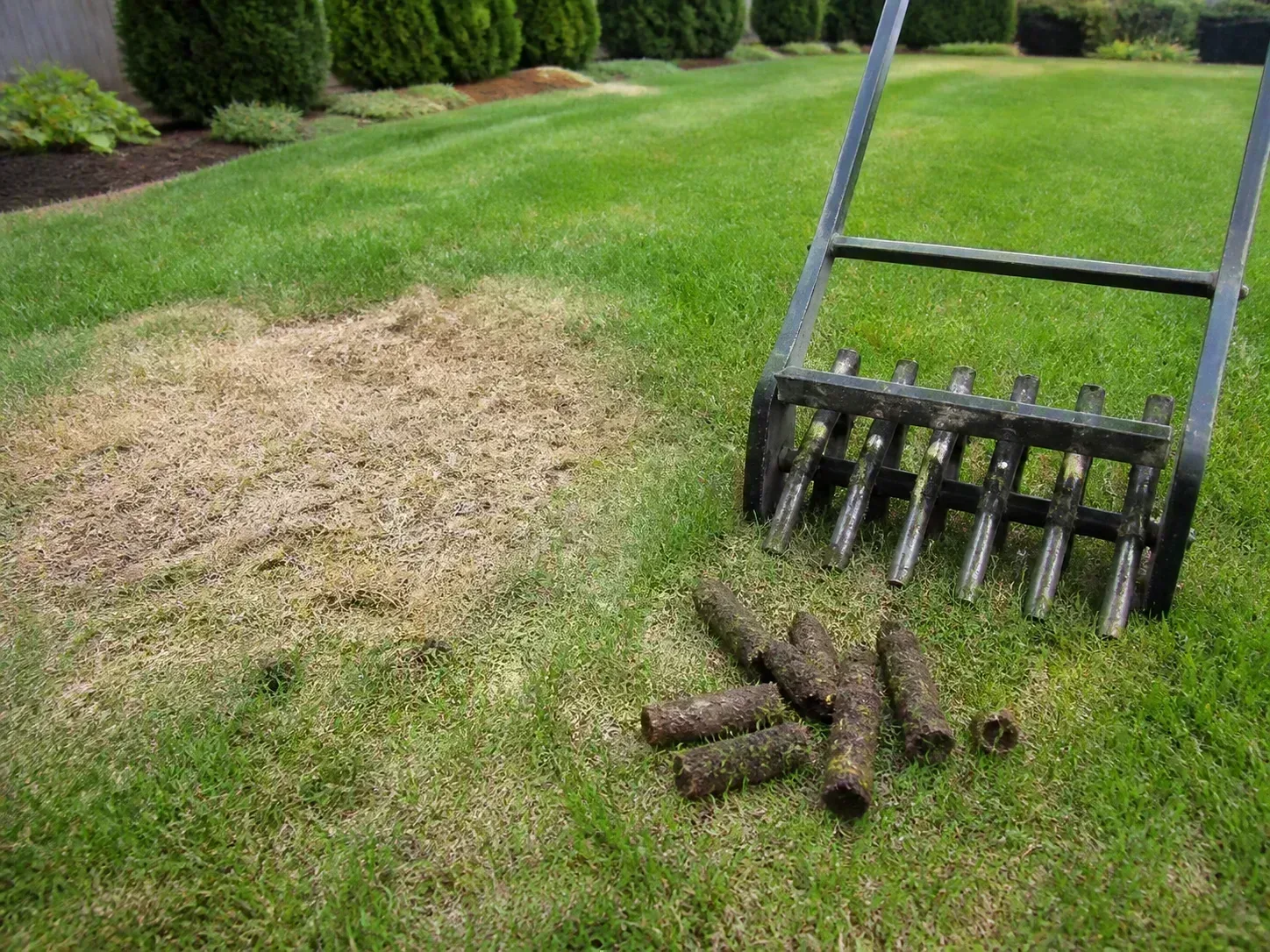
Aeration and thatch management can improve the lawn’s long-term drainage and airflow, but timing matters. Core aeration is useful when compaction is verified and the grass is in a season when it can recover. It is a poor emergency response during extreme heat, drought, or an actively expanding outbreak if the treatment will tear up already-stressed turf.
Check the thatch layer by cutting a small wedge through the lawn and measuring the dense, spongy layer between green blades and soil. A thin layer is normal and helpful; a thick layer that blocks water movement deserves a planned renovation. Do not aggressively power-dethatch simply because a patch is brown. First determine whether the layer is actually excessive and whether your grass is ready to regrow.
For a compacted lawn, schedule core aeration in the recommended active-growth window for your turf type, then address the cause of compaction—repeated traffic, heavy equipment, poor soil structure, or grading. Clemson Extension’s recommendations put drainage, compaction, and thatch in the prevention category, not as a reason to disturb a lawn blindly during the worst disease weather.
When a fungicide is worth considering
Fungicide is most defensible when the disease pattern is convincing, patches are still spreading, the turf is valuable or difficult to replace, and hot, humid weather is likely to continue. A mild outbreak in established turf may slow when foliage dries and temperatures moderate, making chemical treatment unnecessary.
Choose a product by label, not a brand list
Start with the label on the product available in your state. It must list the grass species or site, brown patch or the relevant Rhizoctonia disease, application rate, timing, re-entry interval, personal protective equipment, and any watering instructions. Product registrations and formulations change, so an active ingredient named in an old article is not a universal recommendation for every lawn.
Do not assume a broad “fungus control” product treats brown patch. Do not spray a dog-urine spot, dry irrigation stripe, grub injury, or chemical burn because it is brown. Those problems require dilution, irrigation repair, pest confirmation, or removal of the contaminant—not a fungicide.
If you have children, pets, ponds, edible beds, or a private well nearby, follow the label’s restrictions exactly and keep people and animals out for the stated interval. A local Extension office can help identify a suitable product and whether chemical treatment is warranted for your grass and climate.
Understand curative, preventive, and resistance trade-offs
Preventive applications are used when a lawn has a reliable history of disease and conditions predictably favor it. Curative applications are made after symptoms begin, but they work best early; they protect or stabilize living tissue rather than repainting dead grass. Neither type is a license to ignore wet foliage, nitrogen, or mowing stress.
Repeatedly using the same fungicide mode of action can select for resistant fungal populations. Penn State’s treatment guidance explains the role of FRAC resistance groups and recommends avoiding excessive use within one group. In practical terms, read the FRAC code when it is provided, follow the label’s maximum applications, and do not shorten the interval because the lawn has not greened up yet.
Granular and liquid products may have different label directions, including whether a granular application must be watered in. Apply only to the area and rate the label permits. More product will not bring dead crowns back faster, and off-label use can injure turf, contaminate water, or violate local pesticide rules.
Help the lawn recover and repair bare areas
First judge whether the patch is still expanding. A stable tan patch with firm crowns can begin producing new blades as disease pressure falls, while a bare patch with dead crowns needs repair. Photograph the same area every few days from the same angle; color changes can be misleading, but an advancing edge and new green growth are easier to compare.
When the cause is controlled and the grass is in its recommended establishment season, rake out loose dead material, lightly loosen the surface, and match seed or sod to the existing turf. Keep new seed evenly moist through germination without creating a wet mat. Do not bury seed under a thick layer of compost or feed a summer patch with heavy nitrogen in the hope of forcing immediate cover.
Cool-season lawns are often repaired in late summer or early fall when temperatures are easing and young grass can establish before cold weather. Warm-season lawns need a regional active-growth window; a spring or early-summer repair may be more appropriate than fall seeding. Local Extension recommendations should overrule a generic calendar, especially in transition zones.
If the same areas fail every year, map them. Recurring circles may signal a predictable leaf-wetness pocket, a shaded drainage problem, a susceptible grass blend, or an untreated disease cycle. Replacing turf without correcting that driver is an expensive reset, not a solution.
Prevent brown patch from returning next season
Prevention is a short list of repeatable habits, not a promise that disease can be eliminated from every lawn:
- Irrigate only when the root zone needs it, and run the system early enough for blades to dry.
- Measure sprinkler output with catch cups or a rain gauge instead of copying a timer schedule.
- Fertilize from a soil test and avoid high-rate, quick-release nitrogen during disease-favorable weather.
- Mow at the correct height with a sharp blade, and never remove more than one-third of the blade at a time.
- Improve drainage and correct compaction during the grass’s recovery season.
- Manage a thick thatch layer deliberately; do not dethatch by reflex.
- Reduce shade or prune back dense edges where air cannot move across the turf.
- Clean mowing equipment after diseased areas and avoid mowing while dew or rain is still on the lawn.
- If reseeding, choose a locally recommended blend with better tolerance rather than assuming one species is immune.
No turfgrass is completely protected from every Rhizoctonia strain. A resistant or tolerant cultivar can reduce risk, but it still needs sensible irrigation, mowing, and fertility. The best prevention plan is the one you can repeat before the first humid stretch, not the one that depends on rescuing a lawn after the circles appear.
Common treatment mistakes to avoid
Adding water because the grass is brown. Brown patch and drought stress need opposite first responses. Probe the soil and inspect the pattern before increasing irrigation.
Feeding a spreading patch. Nitrogen can make foliage lush and visually greener for a moment while increasing disease pressure. Wait for the active outbreak to stop and fertilize from evidence.
Spraying every brown area. Fungicide cannot fix pet urine, salt, grubs, chemical burn, scalping, or failed irrigation. Misdiagnosis is the fastest way to waste a treatment window.
Aerating in the worst heat. Compaction is a real risk factor, but aggressive cultivation can add stress when crowns are already struggling. Schedule the work for a recovery window.
Mowing wet or mowing too short. Wet mowing spreads clippings and prolongs leaf wetness; scalping injures crowns and slows regrowth. Let the canopy dry and make smaller height changes.
Expecting instant green after fungicide. A successful application can slow new infections while old tissue stays tan. Judge success by whether the edge stops expanding and whether living crowns produce new blades.
Repeating one fungicide without checking the label. Product labels, legal uses, and resistance groups matter. Follow the current label and obtain local advice when the disease returns despite correct cultural care.
Conclusion: remove the conditions before chasing the color
Treat brown patch fungus by making the lawn drier at the leaf surface, less overfed, and less stressed by mowing. Confirm the pattern on the right grass, check whether the crown is alive, move irrigation to the morning, pause high-nitrogen feeding during active spread, and use a labeled fungicide only when the disease and conditions justify it.
The brown color will not disappear on a fixed schedule. Living crowns may refill as weather improves; dead crowns will need seed or sod in the right season. If you diagnose before spraying and correct the wetness cycle that allowed the disease to spread, you give the lawn its best chance to recover—and make next year’s outbreak less likely.



