How to Grow and Care for Cardamom Indoors or Outdoors
Learn how to grow cardamom in a pot or tropical garden, with practical advice on filtered light, steady moisture, propagation, overwintering, and pod harvest.
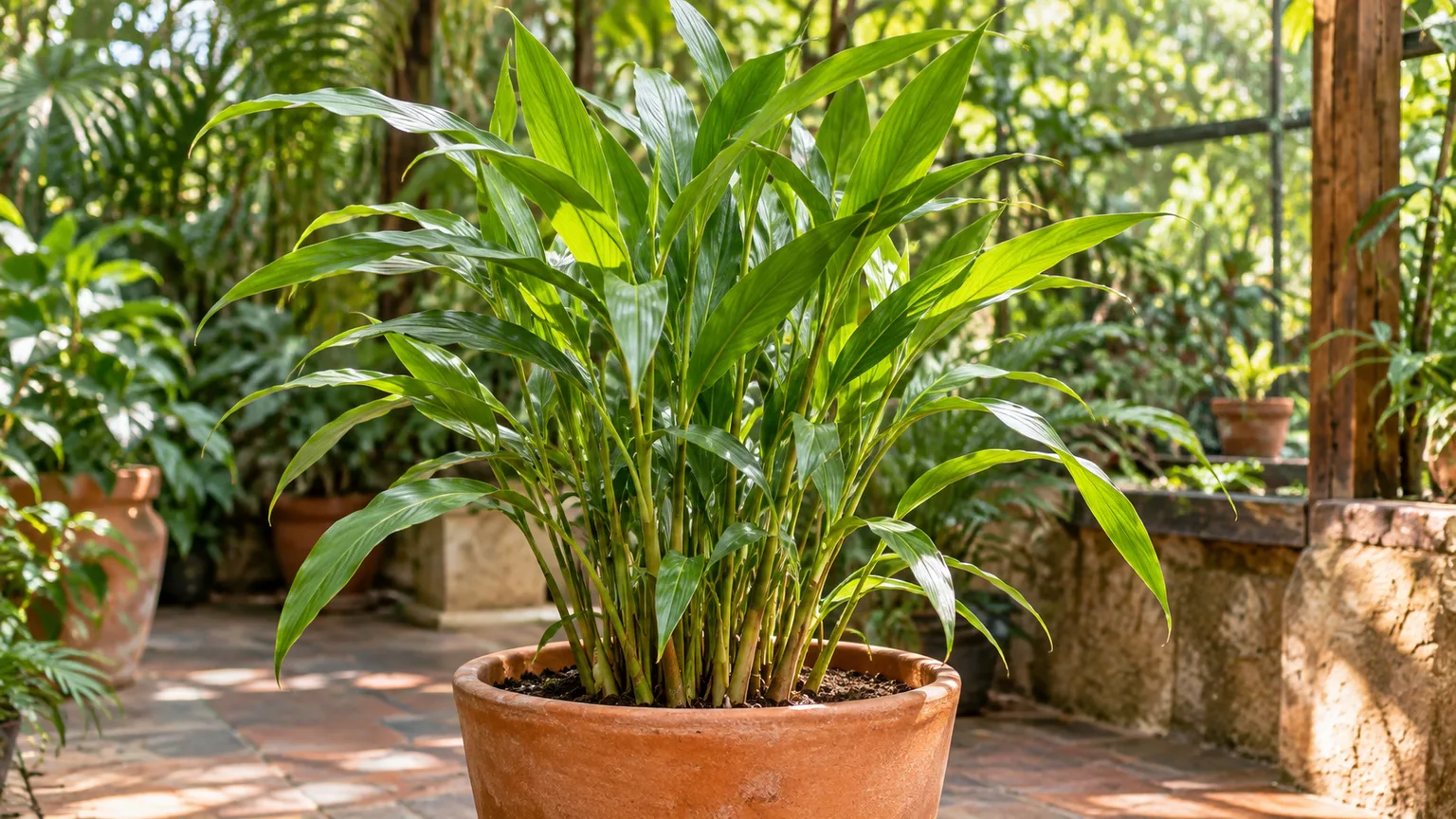
Cardamom is a tropical understory plant that can make a handsome, aromatic foliage plant in a pot, but getting a kitchen-sized spice harvest is a different challenge. Give it warmth, filtered light, high humidity, and a root zone that stays evenly moist without becoming waterlogged. If you garden outside the tropics, plan to move it indoors for winter and treat flowers and pods as a bonus rather than the expected result.
The name here means green or true cardamom, Elettaria cardamomum, a rhizomatous perennial in the ginger family. It is not the same plant as black cardamom, which comes from Amomum species. The Missouri Botanical Garden’s plant profile describes cardamom as a shade-loving tropical plant that suffers in cold and is unlikely to flower or fruit in temperate indoor conditions. That distinction helps set realistic expectations before you buy seeds or rearrange a room for a plant.
The realistic goal: lush leaves first, spice maybe later
Cardamom grows as a clump of upright, cane-like leafy shoots from thick underground rhizomes. In a tropical garden, it can become several feet tall and spread outward; indoors, it is usually smaller, though a mature clump still needs floor space and a generous container. Its long, glossy, lance-shaped leaves make it attractive even when it never sets a single pod.
The plant’s climate needs explain why home harvests are uncertain. Cardamom originates in warm, humid forest conditions, and botanical references describe flowering and fruiting as dependent on a reliably tropical environment. A heated house may keep the plant alive, but winter temperature swings, dry air, limited light, and the lack of pollinators can all interrupt flowering or fruit set. The Chicago Botanic Garden’s cardamom profile likewise places the plant in partial to full shade and notes its tropical fruiting requirement.
Before planting, decide which outcome matters most. If your goal is lush tropical foliage, a container in a bright, humid room is realistic in many climates. If your goal is harvesting enough green capsules to season food, you need a nearly tropical growing space or a warm outdoor climate, along with patience and successful pollination.
Decide between an outdoor bed and a movable pot
Cardamom is best grown outdoors where temperatures stay warm year-round and frost is not a concern. It is commonly listed for USDA Zones 10 to 12, but zone numbers are only a rough screen: a sheltered garden with stable warmth is a better fit than an exposed site with cold snaps, even if both are assigned the same zone. Choose a position protected from wind and harsh afternoon sun, ideally beneath high, open shade that still lets in bright light.
In a temperate climate, use a container so you can bring the plant inside before temperatures fall. Missouri Botanical Garden notes that growth is damaged when temperatures approach 50°F, while flower and fruit production need much steadier tropical warmth. Do not wait until the first frost or until the plant looks injured; move it before cold nights become routine.
A large pot does not make a cool room tropical. Container growing solves the cold-season survival problem, not the humidity, light, and pollination limits that make indoor fruit scarce. The Better Homes & Gardens growing guide also treats indoor cardamom mainly as a foliage plant and recommends bringing it in for overwintering.
Choose a pot and mix that can stay evenly moist
Pick a sturdy pot with several open drainage holes. A wide, deep container gives the rhizomes room to expand and reduces the chance that the tall leafy clump will tip, but avoid jumping from a small starter pot into an enormous tub. Excess soil holds water longer than a small root system can use, making it harder to keep the mix moist yet airy.
Use a rich, humus-based potting mix that holds moisture while draining freely. A quality indoor potting mix amended with fine bark, coir, or compost can work; the right blend should absorb water evenly and release the excess through the holes. Avoid dense garden soil in a container because it can compact, stay saturated, and restrict oxygen around the roots. Cardamom prefers slightly acidic soil, but a gardener does not need to chase a narrow pH number if the mix is healthy and the plant is growing well.
Set the rhizome at the same depth it was growing before, with the stems above the surface. Do not bury the base of the shoots under a thick layer of wet compost. A thin organic mulch can slow drying in a warm outdoor bed, but leave the stem bases uncovered and keep the mulch loose rather than packed.
Give cardamom bright, filtered light
Think bright shade, not a dark corner. Outdoors, cardamom grows naturally beneath taller plants, where the canopy filters midday sun. In a home, place the pot near a bright east or north-facing window, or set it a few feet back from stronger west or south sun behind a sheer curtain. The exact distance depends on the window and season, so check the leaves rather than relying on a compass direction alone.
Strong direct sun can bleach or scorch foliage, especially after a plant moves from a shaded nursery to a sunny patio. Acclimate it gradually: start outdoors in bright shade, then expose it to a little more morning light over one or two weeks if the leaves remain firm and green. Pale, stretched stems suggest the plant needs more light; dry, bleached patches on the sun-facing side suggest it needs less direct exposure.
Rotate a container occasionally so shoots do not lean heavily toward a window. If your home is dim in winter, a grow light can help preserve compact growth, but it will not create tropical humidity or make fruiting likely on its own. Keep lamps at a distance that warms the leaves gently rather than overheating them.
Water to keep roots consistently moist, not submerged
Cardamom likes steady moisture and does not respond well to a cycle of complete drying followed by a drenching. Check the mix with a finger or wooden skewer: when the surface begins to dry but the root zone still feels slightly cool and moist, water thoroughly. Pour slowly until water runs from the drainage holes, let the pot finish draining, then empty the saucer.
This is a better rule than watering on a fixed weekday. A plant in a warm, bright room may use water quickly during active growth, while the same pot in a cool, dim winter location can stay wet for much longer. Check more often during warm spells, but do not add water automatically just because the top looks dry; if the lower mix is still soggy, wait and improve airflow or drainage.
If leaves droop and the mix is dry several inches down, water and let the plant recover out of harsh sun. If the soil is persistently wet, yellowing may be a root-oxygen problem rather than thirst. A sour smell, soft stems near the soil line, or a pot that stays heavy for days points to poor drainage or overwatering. In that case, stop adding water, check the drainage holes, and inspect the rhizome if decline continues.
Hold warm temperatures and useful humidity
Warmth is essential for active growth. Cardamom may tolerate brief indoor temperature dips better than outdoor frost, but sustained cold slows it and increases stress. Keep it away from drafty doors, cold windows, and air-conditioning vents. Before moving a plant outdoors in spring, wait until nights are reliably warm; reverse the move before autumn temperatures approach the low 50s°F.
Humidity matters because the plant evolved in a moist tropical understory. If indoor air is dry, a small room humidifier near the plant is more dependable than frequent misting. Misting wets the leaves briefly but does not keep the surrounding air humid for long, and persistently wet foliage in a stagnant room can encourage leaf problems. A pebble tray can add a small local moisture zone, but the pot must sit above the waterline, never with its drainage holes submerged.
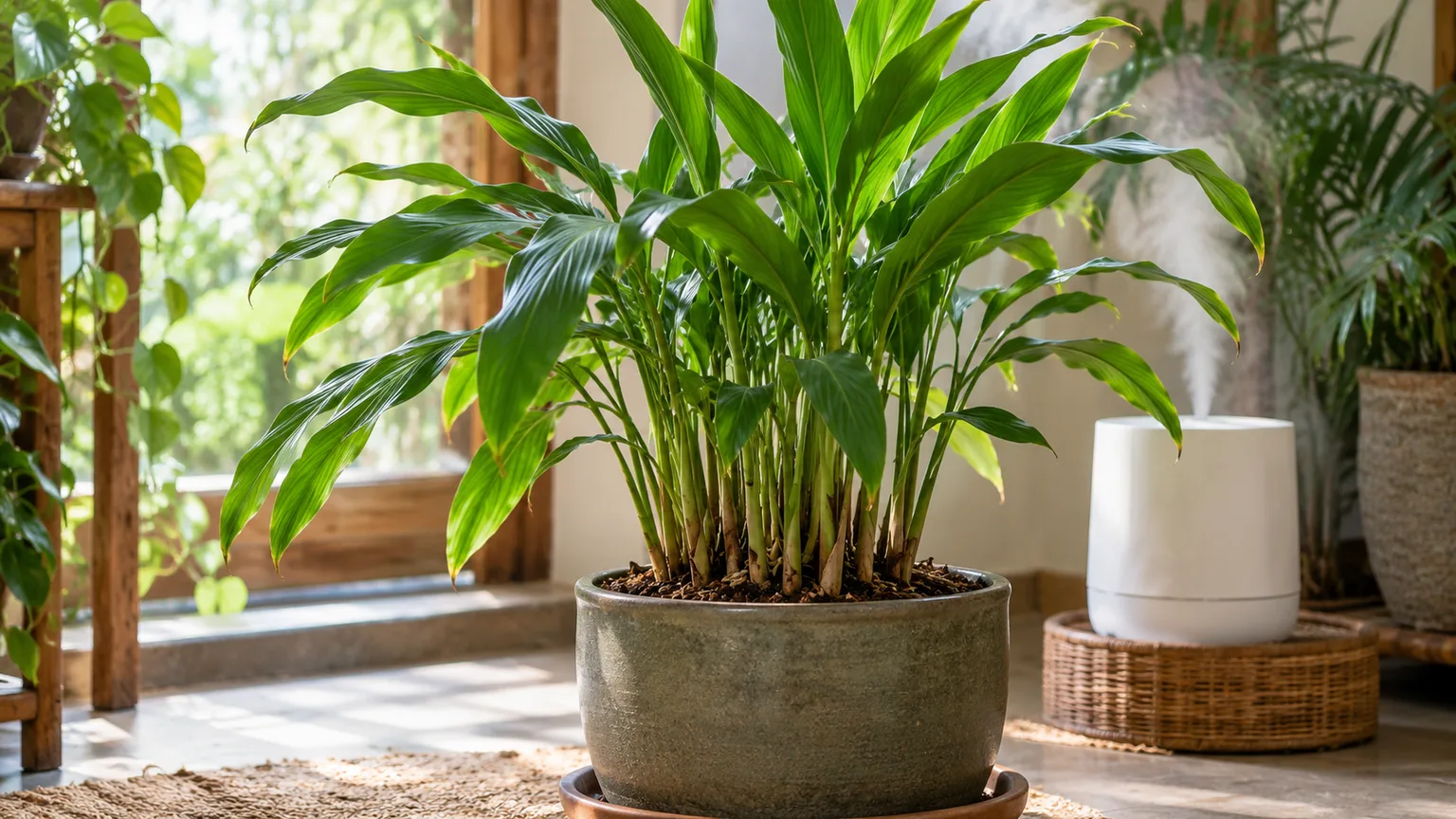
Aim for a stable, warm position with gentle air movement. Grouping tropical plants can slightly improve the immediate microclimate, but leave enough space for leaves to dry after watering. Avoid placing the plant right against a radiator or humidifier outlet; steady surrounding conditions are more useful than a hot blast or a stream of condensation.
Feed only while new growth is active
A container-grown cardamom plant uses the nutrients in its potting mix over time, but heavy feeding is not a shortcut to flowers or pods. During active spring and summer growth, use a complete balanced fertilizer at the label’s conservative indoor rate. Apply it to already-moist soil, and reduce or stop feeding when new growth slows in the cool, dim season.
Watch the plant’s response. Healthy new leaves that are a normal green color are a reason to keep the routine steady, not to increase the dose. If leaf tips brown after feeding or a pale crust forms on the mix, salts may be accumulating; pause fertilizer and flush the pot with plain water, allowing all runoff to drain away. A plant in fresh potting mix may need little or no additional fertilizer for a while.
Cardamom does not need routine pruning to flower. Remove fully yellow or damaged leaves at their base with clean snips, but keep healthy shoots intact. Cutting the entire clump down for size removes the foliage that supports rhizome growth; if it has outgrown its space, division is a better reset.
Start with a live plant if harvest matters
A healthy nursery plant is the most dependable starting point because it has already passed the slowest stage. Look for several firm green shoots, leaves without extensive spotting or webbing, and a label that identifies Elettaria cardamomum. Ask whether it was grown in shade if the plant will move outdoors; sudden bright sun can scorch nursery foliage.
Do not buy black cardamom seed or assume every spice packet contains viable green cardamom seed. The culinary spice may be processed, old, or from a different species. If you want to grow from seed, choose fresh seed sold for planting or collect it from a fully mature, correctly identified plant. If you can obtain a healthy rhizome division, it generally establishes faster than a seed-grown plant.
Place a new plant in stable bright shade while it adjusts. Keep the original root ball evenly moist, then wait for signs of new growth before moving it into a larger pot or increasing light. This low-stress start gives the plant time to re-establish rather than forcing growth with extra water or fertilizer.
Grow cardamom from seed patiently
Cardamom seed is slow and can germinate unevenly. Freshness matters, so use seed specifically intended for planting when possible. Some gardeners soak fresh seed overnight in warm water before sowing; avoid strong chemical treatments or pantry recipes, which are unnecessary for a home grower and can injure both seed and person.
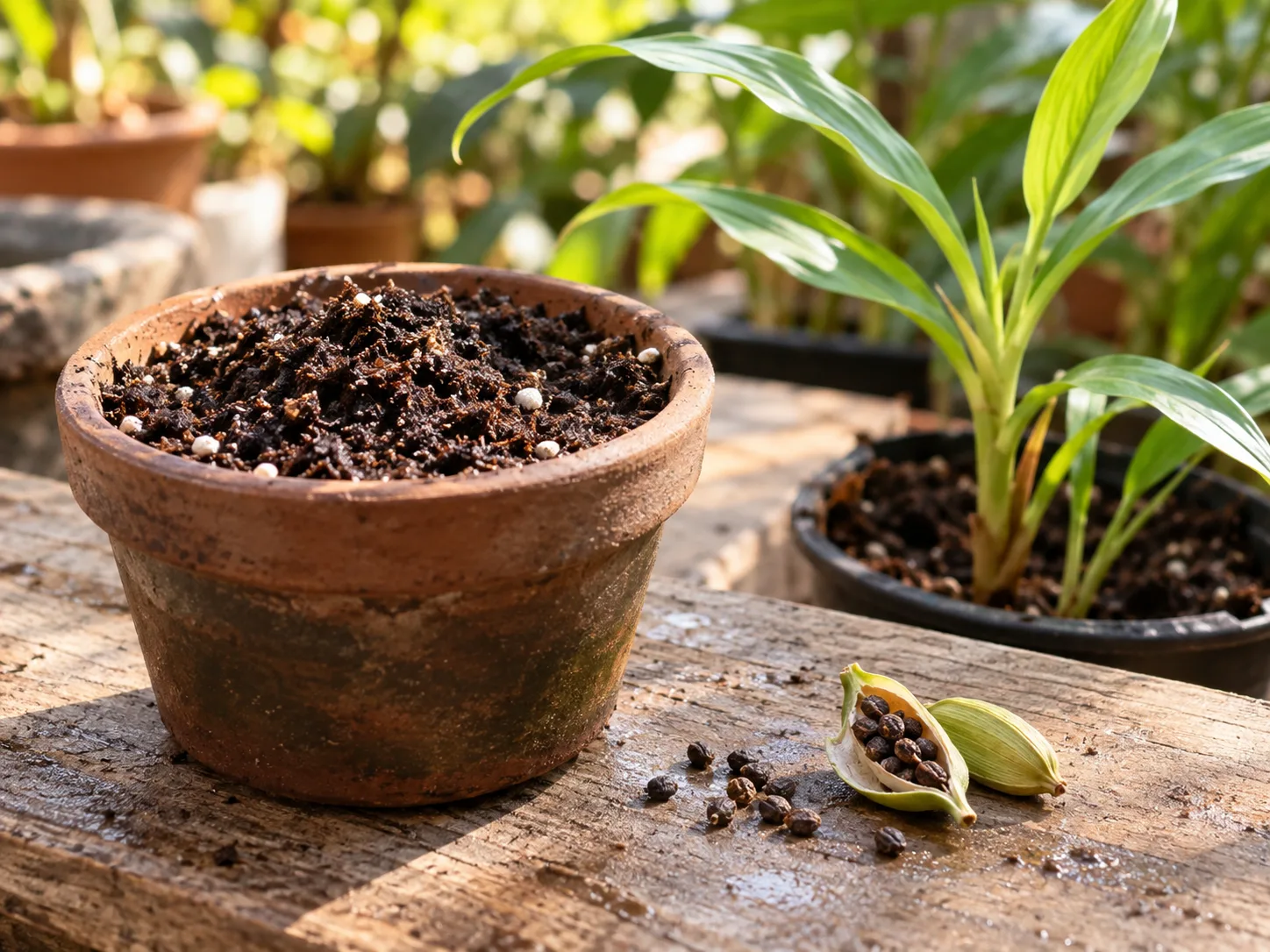
Sow the seed shallowly in a warm, moist mix, then cover the pot loosely to reduce drying while still allowing air exchange. A soil temperature around 70–80°F is a practical starting point, and germination can take several weeks; Better Homes & Gardens reports roughly 20–45 days under warm conditions. Keep the mix damp rather than saturated, and remove the cover once seedlings appear so the leaves do not sit in trapped condensation.
Use more than one seed if you have enough, since not every seed will sprout. Give seedlings filtered light after emergence and avoid disturbing their small roots. They need time to build a clump before they can become a substantial plant. Seed is an inexpensive route, but it is the slowest option and offers the least certainty if your main goal is a mature spice-producing plant.
Propagate by dividing the rhizome
Division is the fastest way to make another cardamom plant from an established clump. The Gardener’s Path growing guide describes propagation by seed or rhizome division. Divide during warm active growth, when the plant can recover quickly, rather than just before cold weather or while it is already struggling.
Slide the root ball from its container and locate a section with healthy roots and several leafy shoots attached. Separate it with a clean sharp knife, keeping the cut as small as practical and preserving enough roots for the new section to grow. Do not split the clump into tiny pieces just to maximize the number of plants; divisions without enough roots or shoots may fail to establish.
Pot the division at its previous depth in fresh, moist, well-draining mix. Keep it warm and in bright shade while it adjusts, and water when the top begins to dry. A little temporary leaf droop can follow root disturbance, but continued collapse, blackened rhizome tissue, or a sour mix calls for checking whether the division was too small or too wet.
Repot and acclimate without stressing the plant
Cardamom prefers not to have its roots disturbed often. Repot only when the clump is clearly crowded, rhizomes press against the container, roots form a dense mass at the drainage holes, or water races through a pot that has become root-filled. Choose a container only one size larger unless you are dividing the plant. The new mix should contact the roots without leaving a large, soggy volume around them.
Spring or early summer is the easiest time to repot because warmth and longer days support recovery. Water the plant the day before if the root ball is very dry, then lift it gently and loosen only the outermost roots that are circling tightly. Keep most of the original root ball intact. Set it at the same height in the fresh mix and water once to settle the soil.
Outdoor transitions deserve similar care. When nights are warm, move the container outdoors to bright shade for several days before increasing morning light. Before bringing it in for winter, inspect both sides of leaves and the soil surface for pests; a gradual transition helps avoid temperature shock and reduces the chance of bringing insects inside.
Overwinter cardamom before cold nights arrive
In a climate with cool winters, treat cardamom as a container plant that spends the warm season outside and the cold season indoors. Bring it inside well before frost and before nights regularly reach the low 50s°F. A warm, humid room with bright filtered light is preferable to an unheated porch, basement, or cold window ledge.
Growth usually slows as light and temperature fall. Water less often because the soil dries more slowly, but do not let the root ball turn completely dry for long periods. Skip or sharply reduce fertilizer while the plant is not producing new leaves. Check the mix before watering and empty the saucer afterward; winter overwatering is a common consequence of following the summer routine unchanged.
Some leaf yellowing after a move can reflect a change in light, temperature, or humidity. Keep conditions stable for a few weeks and remove only leaves that are fully spent. If many leaves yellow rapidly, check the roots and soil moisture before assuming the plant simply dislikes the room. Once spring warmth returns, reacclimate the plant outdoors in shade rather than moving it directly into strong sun.
Why cardamom plants rarely flower or fruit indoors
A healthy indoor cardamom plant may never make a flower, and that does not necessarily mean the care routine is failing. The plant needs several years to mature, plus sustained warmth and humidity like its tropical habitat. Missouri Botanical Garden notes that flowering and fruiting are unlikely in temperate indoor settings, while Better Homes & Gardens describes indoor blooming as uncommon. A sunny windowsill and occasional misting cannot replace that combination.
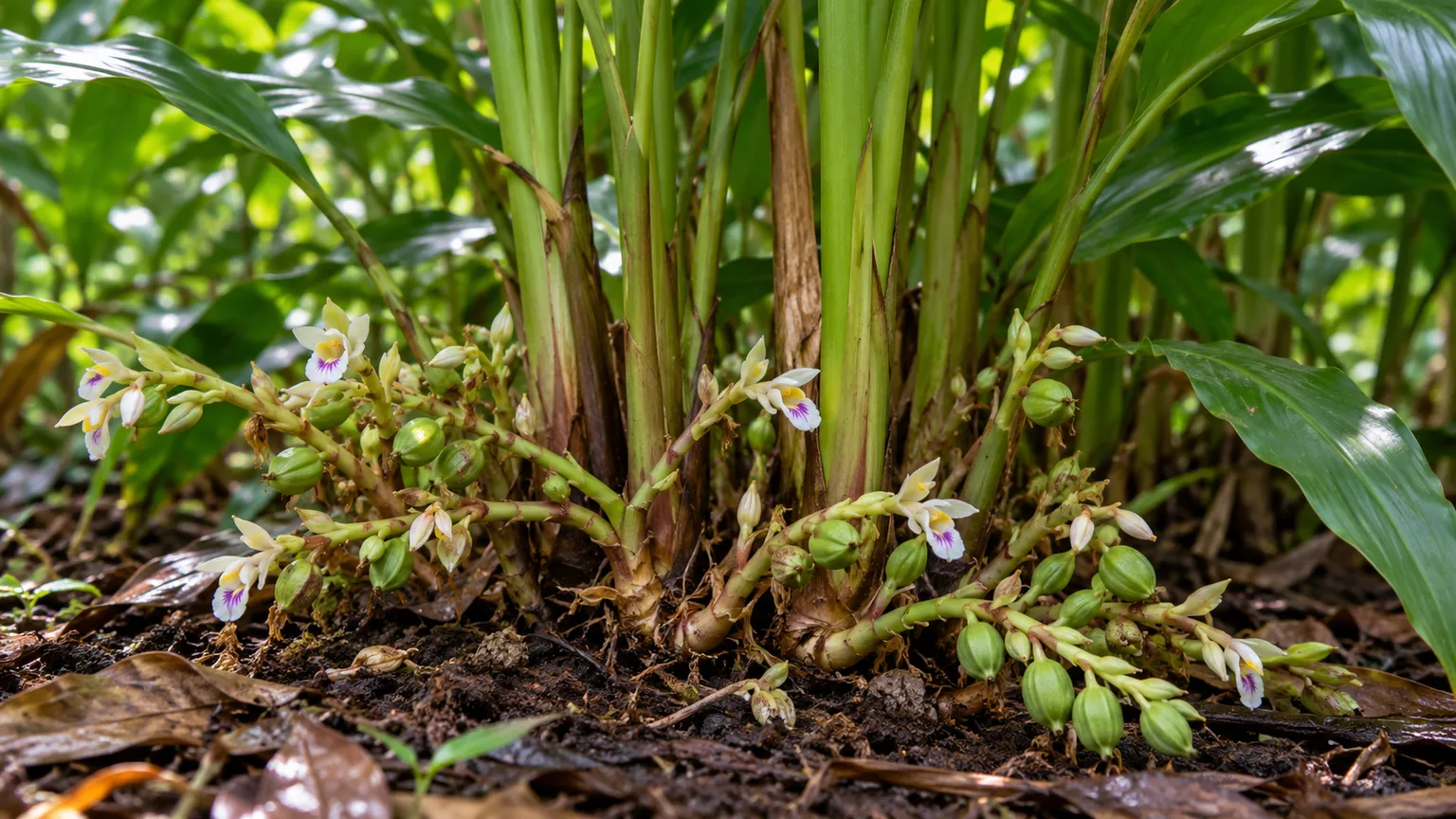
If an established plant does flower, examine the location of the flowers: cardamom sends flowering stalks from low on the plant rather than from the ends of the leafy shoots. Insects pollinate outdoor flowers; in a protected greenhouse, hand pollination may be needed for fruit set. A flower that fades without a swelling ovary will not become a capsule.
Think through the limiting factor before changing everything. A young plant may simply need time; a mature plant in a cool or dry room may lack the conditions to flower; a plant that flowers but sets no fruit may not be pollinated. If pods are your priority, a warm greenhouse with stable humidity and access to pollinators is a more realistic project than a typical living room.
Harvest pods only when they are fully filled out
Harvesting is relevant only if the plant flowers and sets fruit. Cardamom capsules form close to the base of the plant and contain aromatic dark seeds. They take time to develop after flowering, so do not pick small, flat capsules simply because they are green. Wait until they are plump, filled, and easy to detach with a gentle twist.
Pick each ripe capsule by hand before it splits open and scatters the seeds. Handle the thin-skinned pods gently; crushing them releases aroma and shortens storage life. Spread the harvest in a single layer and dry it slowly in a warm, ventilated place. High heat and strong sun can dull both color and fragrance, so prioritize gentle drying rather than trying to finish the harvest quickly.
Store fully dried pods in an airtight container away from heat, moisture, and direct light. Keep them whole and crack or grind only what you need, since exposed seeds lose aroma faster. For a single houseplant, expect a small harvest at best; the work of producing and hand-picking many capsules is one reason the spice is costly.
Troubleshoot yellow, brown, and drooping leaves
Start with the pattern and the soil, not a single symptom. A few old leaves yellowing near the base while new shoots look healthy may be normal turnover. Several leaves yellowing at once with a wet, heavy pot suggests waterlogged roots; check the drainage holes and allow the mix to drain before watering again.
Brown, crisp edges can follow dry indoor air, uneven watering, or too much direct sun. If the brown patches appeared after moving the plant outdoors, return it to bright shade and reacclimate slowly. If the soil is dry through most of the pot and leaves are limp, water deeply; if it is saturated, wait and correct drainage instead of adding more water.
A plant that stops growing may be cold, rootbound, or receiving too little light. Compare the location’s night temperatures, how quickly the mix dries, and whether shoots are stretching toward a window. Change one condition at a time and watch new growth over the following weeks. Old damaged leaves usually do not turn green again, so judge recovery by the leaves and shoots that form after the adjustment.
Watch for pests and signs of virus
Inspect the undersides of leaves and the folded spaces around the shoots when growth looks mottled or distorted. Thrips can scar foliage and capsules, and aphids may cluster on tender growth. Isolate a plant with visible insects, rinse leaves with lukewarm water, and repeat inspections every few days; sticky traps can help monitor flying adults but will not solve pests hidden on the plant.
Cardamom mosaic virus is a more serious possibility when leaves show persistent streaking or mosaic patterns and growth remains distorted despite stable care. Do not diagnose from one yellow leaf: cold, dry air, sun scorch, and root stress are more common explanations indoors. If the patterned distortion continues on new growth, isolate the plant and consult a local extension or plant clinic before propagating it, since division could spread a systemic problem.
Avoid spraying a plant automatically. If you consider a pesticide or insecticidal soap, use only a product labeled for the pest and plant setting, follow its directions, and test a small area first. Correcting excessive dryness or poor airflow can make the plant less stressed, but it will not cure a virus or replace pest control.
Conclusion
Cardamom is rewarding when you grow it for what it can reliably offer: a lush tropical clump that thrives in warmth, bright filtered light, high humidity, and consistently moist but draining soil. A movable pot is the sensible choice wherever winter brings cold nights, and the plant should come inside before frost threatens.
A homegrown spice harvest is possible only under unusually favorable conditions, and most indoor plants stay ornamental. Start with a correctly identified live plant if you want the easiest route, keep the root zone aerated, divide only when the clump is crowded, and judge success by steady new leaves rather than a promise of pods.