How to Grow and Care for Bing Cherry Trees
Bing cherry trees need more than sun. Learn about pollination, drainage, watering, pruning, pests, rain cracking, and when to harvest ripe fruit.
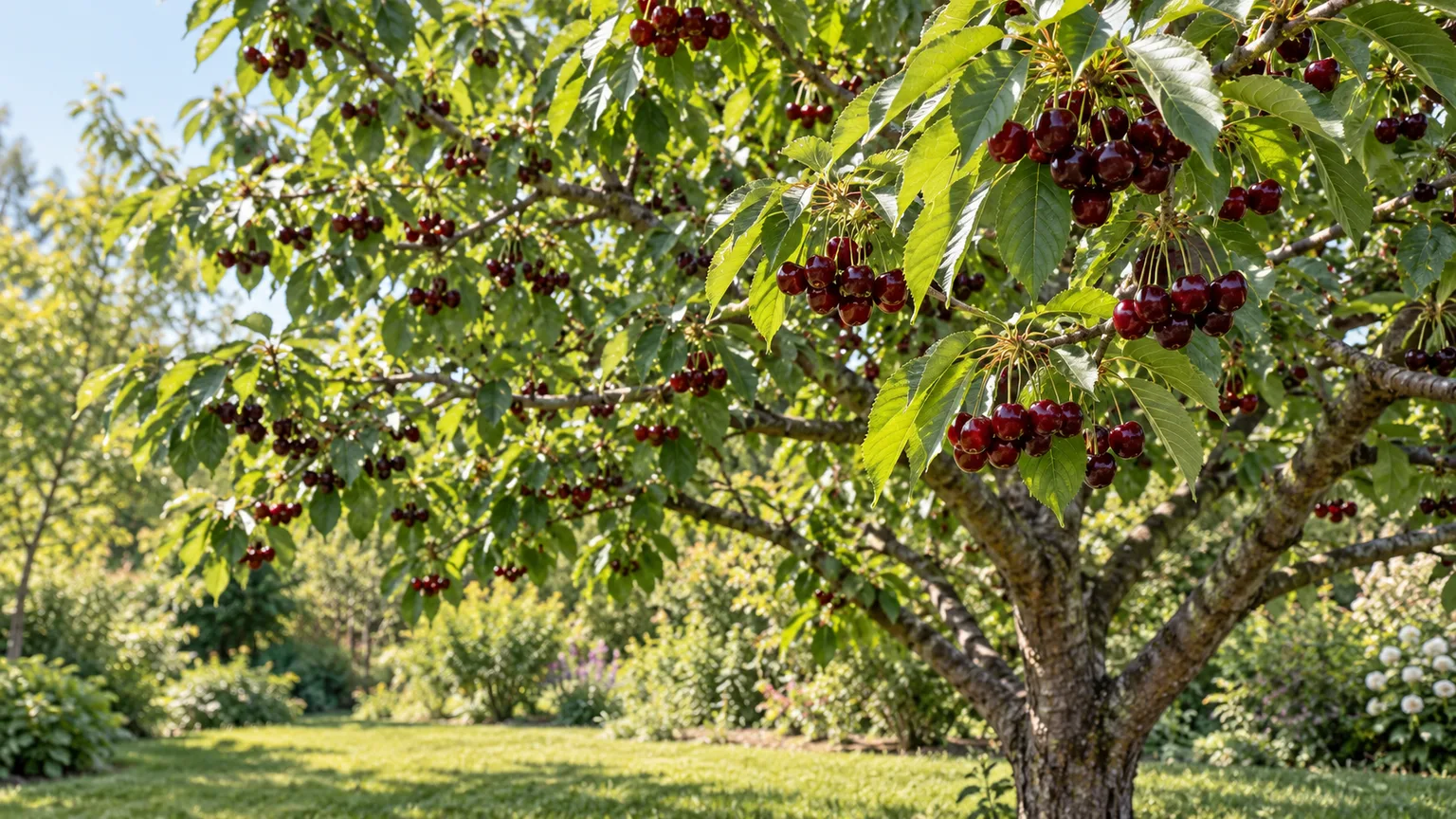
A Bing cherry tree can reward a good site with spring flowers and glossy, deep red fruit, but it is not a “plant it and wait” tree. Its success depends on a few linked decisions: whether your climate suits sweet cherries, whether a compatible pollinizer blooms nearby, whether the soil drains, and whether you can protect a short-lived harvest from rain, birds, and disease.
Bing is a cultivar of sweet cherry, Prunus avium. It is not a dwarf tree by itself; the rootstock controls much of its eventual size and vigor. Before you order one, check the nursery label for the rootstock, mature dimensions, chill requirement, and a named pollination partner. These details will tell you more about the tree’s likely performance than a broad hardiness-zone range alone.
Is a Bing cherry tree right for your site?
Bing makes sense when you have a sunny, well-drained location, enough room for the tree and its pollination partner, and a climate with winters that meet the cultivar’s dormancy needs followed by a reasonably dry ripening period. Sweet cherries flower early enough that late spring frost can wipe out a crop even when the tree itself survives winter. In regions with humid summers, frequent rain near harvest and recurring fungal disease can make fruit production less predictable than the tree’s ornamental value.
Hardiness zones describe average winter minimums; they do not tell you whether a cultivar receives the right winter chill, escapes a damaging bloom-time freeze, or ripens reliably in your summer weather. Ask a local extension office or fruit nursery which sweet cherries perform in your county. If your site is hot and humid, poorly drained, or exposed to repeated late frost, consider a locally recommended cultivar or a different fruit tree rather than trying to force Bing into the wrong microclimate.
Check climate, chill, and spring-frost risk
Look for full sun—ideally at least six hours of direct light—with open air movement and soil that drains after a heavy rain. Avoid a low pocket where cold air settles, a spot under a roof edge that sheds water onto the root zone, and a slope bottom where water collects. A gently elevated site can reduce frost pooling, though it does not protect blossoms from a regional cold snap.
Chilling needs vary by cultivar and rootstock, so get the number from the supplier instead of assuming every Bing tree has the same requirement. A tree that receives too little winter chill may leaf or flower erratically; a tree that blooms early can lose flowers to frost. Penn State Extension notes that sweet cherries generally need a warmer, more protected setting than tart cherries, but local performance still depends on cultivar and site.
Solve pollination before you buy
Bing is not self-fertile: it needs pollen from a different compatible sweet-cherry cultivar whose flowers open at the same time. A second cherry is not automatically a match just because it is another sweet cherry. Bloom overlap and genetic compatibility both matter, while sour cherries do not substitute as pollinizers for sweet cherries. Penn State Extension explains the distinction between sweet and tart cherries, and Gardening Know How discusses compatible cultivars and pollination timing.
Black Tartarian, Rainier, Van, and Garden Bing are often listed in home-garden discussions as potential partners, but do not buy from a generic list alone. Compatibility charts differ by cultivar and region, and a tree that blooms too early or late will not help. Before ordering, ask the nursery to confirm a specific pollinizer for Bing in your area and verify that their bloom periods overlap. Keep the compatible trees in the same garden or close enough that bees routinely visit both; the exact workable distance depends on the layout, barriers, and pollinator activity, so a universal “within X feet” promise is not useful.
If space is tight, see whether a nearby neighbor already has a compatible sweet cherry, or ask a fruit-tree nursery about a multi-grafted tree or a compatible branch grafted onto the same tree. These options still depend on flowering at the same time and healthy pollinator activity. Protect bees during bloom by avoiding insecticide applications to open flowers.
Choose a location and rootstock that fit the mature tree
A standard sweet cherry can become a large tree, while a dwarfing or semi-dwarfing rootstock can keep it more manageable. Do not rely on a nursery listing that says only “dwarf”: ask for the rootstock name and expected height and spread in your climate. Penn State Extension notes that rootstock affects mature tree size; RHS guidance likewise describes rootstocks as a major factor in how much space a cherry will need.
Measure the space for the mature canopy, not the young whip you bring home. Leave enough room to walk around the tree, prune safely, and install bird protection without forcing branches against a fence or roof. If you need a compact tree, choose a known dwarfing rootstock and training system at purchase; severe annual topping is not a substitute for selecting the right tree.
Plant the tree without burying the graft
Plant bare-root trees while dormant when the ground is workable; in many cold-winter regions that means early spring, while milder regions may plant in fall or winter. Container trees are more flexible, but avoid heat, drought, or frozen soil that would stress new roots. Soak dry bare roots before planting and keep them shaded until they go into the ground.
Dig a hole wide enough to spread the roots naturally and no deeper than needed to keep the root flare at the soil line. Remove circling or broken roots, backfill with the soil you removed, and water slowly to settle it around the roots. Do not add a concentrated layer of fertilizer or a rich pocket of compost to the hole; abrupt soil differences can discourage roots from moving outward. After the soil settles, spread a shallow mulch ring while keeping mulch several inches away from the trunk.
Set the root flare and graft union correctly
Find the graft union—the slight bend, swelling, or change in bark where the named Bing cultivar joins its rootstock. Penn State Extension recommends keeping this union above ground when planting. In practice, set the root flare level with or slightly above the finished soil grade and keep the graft visible; burying it can encourage the cultivar to root above the rootstock, defeating the intended size control.
Stake only if the root ball rocks, the site is windy, or the nursery recommends temporary support. Use a loose tie and remove it once the roots hold the tree upright. A stake should steady the trunk rather than immobilize it for years. Water the entire root zone after planting, then check soil moisture rather than following a rigid calendar.
Establish a strong tree in the first three years
The first seasons are for roots and framework, not a heavy crop. Remove flowers or a small early crop if the young tree is bending under fruit; allowing it to carry too much can slow establishment or break weak branches. Keep weeds and turf away from the immediate root zone so they do not compete with a small root system for water and nutrients.
Inspect the trunk, graft union, and young branches at least monthly during active growth. Correct a leaning tree early, loosen ties before they girdle, and remove suckers arising below the graft. Keep a simple record of bloom dates, frost events, watering, pruning, and harvest. That record makes it easier to distinguish a pollination failure from frost injury or a cultivar that simply ripens later in your climate.
Water for steady growth without waterlogging the roots
Young trees need consistent moisture while they establish, particularly during dry spells in their first year or two. Water deeply enough to wet the soil through the active root zone, then let the surface begin to dry before watering again. A soaker hose or slow trickle at the drip line is more useful than brief daily splashes at the trunk. Container-grown or wall-trained trees dry faster and need closer checks.
Once established, a tree in open ground may need little supplemental water except during prolonged drought, but do not interpret that as “never water.” If leaves wilt in sustained heat and the soil is dry several inches down, water the root zone thoroughly. Conversely, persistent wetness, sour-smelling soil, poor growth, and yellowing can indicate drainage trouble rather than thirst. Cherries dislike waterlogged roots; no fertilizer or extra watering can rescue a site that stays saturated after rain.
Feed only when the tree or soil calls for it
Do not fertilize automatically to make a cherry bloom or fruit. Start with a soil test, and use the tree’s growth as a clue: a healthy young tree should extend new shoots, but excessively long, soft shoots can point to too much nitrogen. A low-vigor tree may instead have poor drainage, root damage, grass competition, drought, or a pest problem.
If a test or local recommendation calls for fertilizer, apply the specified product and rate over the root zone rather than piling it against the trunk. Avoid feeding late in the season, when tender growth may not harden before winter. A balanced approach is more likely to support fruiting spurs and strong branches than a high-nitrogen “bloom booster.”
Prune for a sturdy, reachable canopy
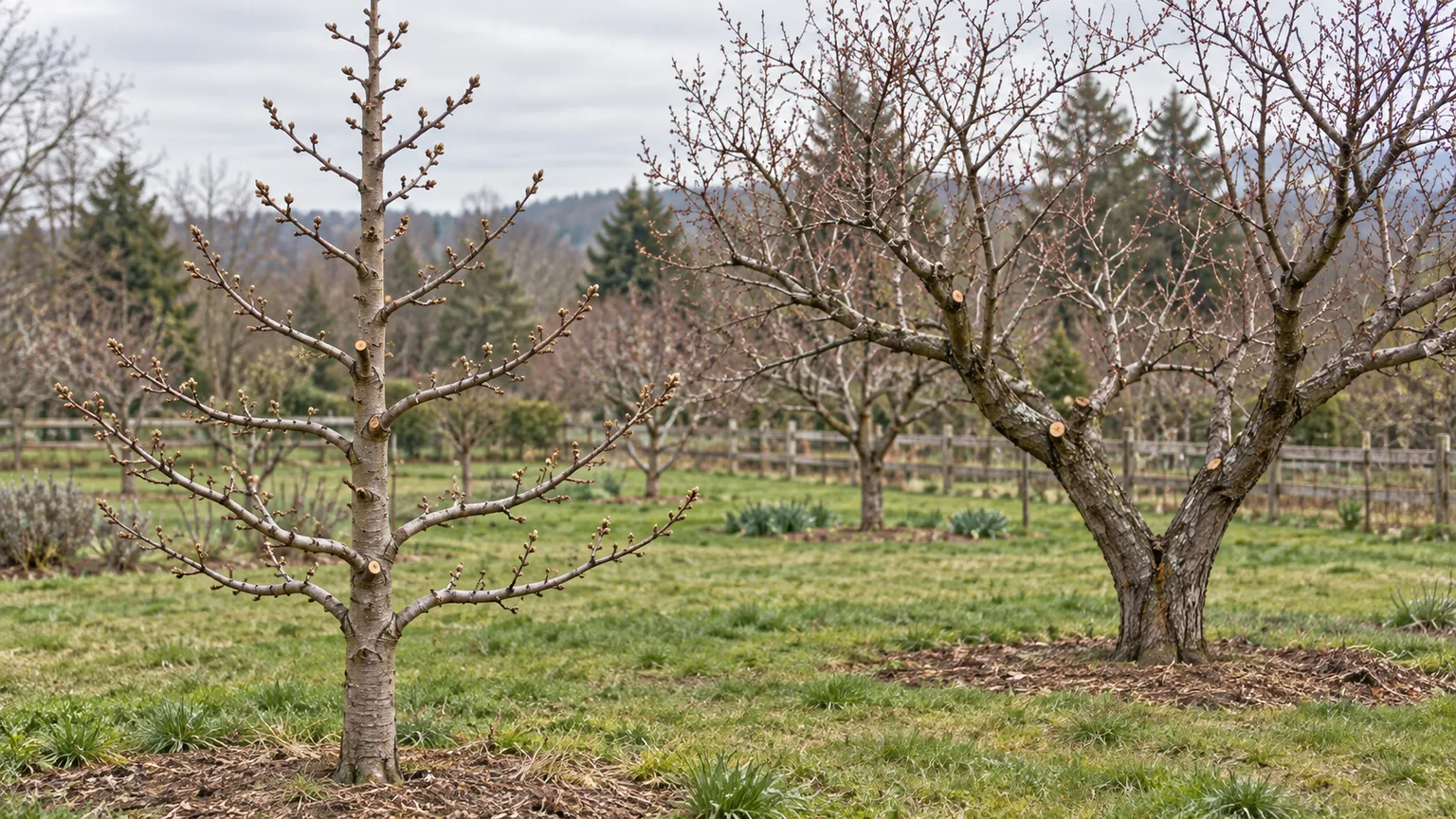
Start with the training system recommended for your rootstock and climate. A young tree needs a sound framework with well-spaced scaffold branches and strong branch angles; a mature tree needs selective thinning, height control, and removal of dead, crossing, or damaged wood. The aim is enough light and airflow for foliage and fruit to dry, plus a canopy you can harvest without dangerous ladder work.
Do not remove every inward-facing twig or cut the tree back hard each year. Bing bears on short fruiting spurs on older wood, and those spurs can remain productive for years. Heavy heading cuts trigger vigorous upright shoots, shade the interior, and can remove future fruit. Begin with dead, broken, diseased, rubbing, and badly placed branches, then step back and reassess before making another cut.
Time sweet-cherry pruning after harvest
Sweet cherries are an important exception to generic “prune in winter” advice. Penn State Extension’s pruning guidance recommends pruning sweet cherries after fruiting or in early July; dormant winter cuts can leave wounds exposed when canker pathogens are active. Follow your local extension’s timing, because rainfall, disease pressure, and local growth patterns matter. Prune on a dry day with clean, sharp tools, and avoid removing large limbs unless you have a clear reason and the right technique.
For a newly planted whip, follow the nursery’s training instructions rather than copying a mature-tree pruning plan. For an older neglected tree, spread substantial renovation over several seasons instead of removing a large fraction of the canopy at once. If a branch has sunken, discolored bark or amber gum, treat it as a possible canker problem and seek local diagnosis before pruning; removing the wrong wood at the wrong time can spread or worsen damage.
Protect blossom set and developing fruit
A reliable crop requires more than a pollinizer on the property. Cold, wet, or windy weather during bloom can reduce bee activity and interfere with fruit set. Keep flowering weeds or nectar plants nearby without letting them crowd the tree, and avoid insecticides on open flowers. If a frost is forecast, a small tree can sometimes be covered overnight with breathable horticultural fabric, but remove the cover during the day and do not expect it to save blossoms from a severe or prolonged freeze.
After fruit sets, thin only if the crop is so heavy that branches are bending or fruit is crowded and prone to rubbing. Support a heavily loaded limb rather than tying it tightly to the trunk. Watch fruit color and use local pest alerts to time monitoring for cherry fruit flies; regional species and treatment windows vary. Do not spray by calendar or use a pesticide without checking the label, local regulations, preharvest interval, and pollinator precautions.
Harvest Bing cherries at full ripeness
Bing cherries should ripen on the tree. Pick when fruit is fully colored, plump, and sweet rather than expecting it to improve after harvest. Taste fruit from different parts of the canopy because shaded cherries may lag behind sun-exposed ones. The calendar varies with latitude, spring weather, and elevation; a June-to-August window may fit some regions but is not a dependable national schedule.
Harvest gently, keeping the stem attached if you want longer storage and avoiding damage to the short fruiting spurs. Penn State Extension notes that cherries do not continue ripening after picking and that the harvest window for a tree is short. Refrigerate promptly, wash shortly before eating, and freeze or preserve surplus fruit while it is fresh.
Respond to rain cracking and birds
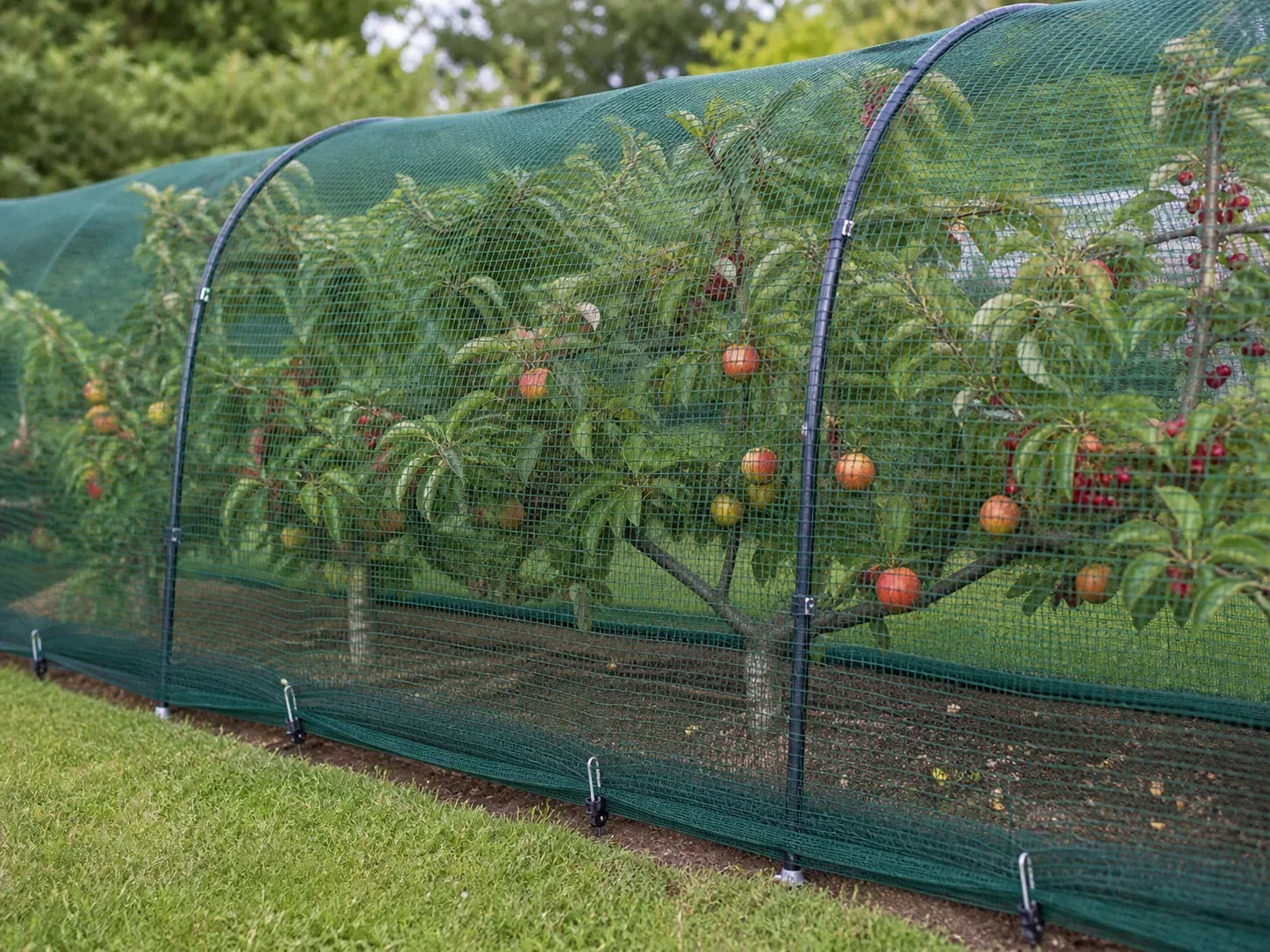
Sweet cherries can split when they absorb water quickly near ripening, especially after heavy rain. You cannot reverse a split or guarantee prevention in a wet climate. Maintain even soil moisture earlier in the season, keep the canopy open enough to dry, and pick sound ripe fruit before a major storm when practical. Rain covers can reduce direct wetting on small, trained trees, but they need secure support and airflow; a poorly designed cover can trap humidity or damage branches.
Birds often find ripe cherries before people do. A fruit cage is usually the easiest way to protect a small tree; for a larger tree, use purpose-made bird netting secured close to the ground and supported so birds cannot become trapped in loose folds. Install it before fruit begins to color, check it daily, and remove it after harvest. Hanging reflective ribbons may distract birds briefly, but they are not a dependable substitute for exclusion.
Diagnose common pests and diseases by symptom
Cherry problems are easier to manage when you identify the symptom before treating. Curled, sticky young leaves may point to black cherry aphids; inspect the undersides and look for beneficial insects before intervening. A few aphids rarely justify broad treatment, and preserving lady beetles, lacewings, and other natural enemies can help keep populations in check. Utah State University Extension advises monitoring and distinguishes low-level aphid activity from damaging infestations.
Maggots inside fruit suggest a cherry fruit fly, while brown, shriveled fruit or lesions that spread in wet weather may indicate rot. Leaf spots, premature defoliation, white powdery growth, gum at the trunk, or a slow decline each have different causes. Remove and discard fallen or infected fruit and leaves when local guidance recommends sanitation, improve airflow, and avoid wetting foliage late in the day. Utah State University Extension’s backyard cherry pest guide covers common cherry diseases and insects; use your local extension for regional diagnosis and legal treatment options.
Root or crown rot is a serious warning, especially where soil remains saturated. Sparse yellow foliage, stunted growth, and decline can be mistaken for nutrient deficiency, but adding fertilizer will not fix waterlogged roots. Improve drainage before planting rather than trying to amend a persistently wet site after the tree is established.
Use a seasonal care rhythm
Dormant season: Review last year’s notes before you prune or fertilize. Check whether the tree produced blossoms but little fruit, whether frost damaged flowers, and whether birds or rain caused most of the loss. Inspect ties, guards, and the trunk for rubbing or chewing, but do not assume that a winter cleanup requires major cuts. For sweet cherries, save routine pruning for after harvest or the early-summer window recommended locally.
Before bloom: Make sure mulch is not touching the trunk, clear grass and weeds from the root zone, and confirm that your pollinizer is still alive and close enough to flower at the same time. If you are unsure which branch belongs to the grafted cultivar, mark the graft union now. That makes it easier to remove rootstock suckers later without accidentally cutting productive Bing wood.
Bloom through petal fall: Note the first and peak bloom dates. A compatible cultivar only helps if blossoms overlap and bees can move between them; cold rain or wind can still reduce pollination. Do not apply insecticides to open flowers. After petals fall, look for a developing crop and check whether any branches are bending, but avoid stripping the tree simply because fruitlets drop naturally.
Fruit growth and ripening: Check soil moisture during dry spells and monitor fruit for color change, bird activity, and local fruit-fly alerts. This is the time to install a supported cage or carefully secured net, before birds learn that the fruit is ready. Watch the forecast as cherries approach maturity; harvest sound ripe fruit before a major rain if practical, while recognizing that timing cannot prevent every split.
After harvest and into fall: Prune selectively on a dry day, remove broken or diseased material according to local guidance, and clean up fallen fruit. Do not push a late nitrogen flush; let growth harden before winter. Keep the mulch ring broad but shallow and away from bark, and prevent lawn equipment from wounding the trunk. The RHS cherry guide also emphasizes establishment care and regular watering for young trees, while established trees usually need less intervention.
This sequence prevents a common home-orchard mistake: doing every task in the dormant season because it is convenient. Cherries have different priorities at bloom, fruit set, ripening, and postharvest. A few dated notes about these stages will make next year’s decisions more accurate than any fixed month-by-month calendar.
Conclusion
A successful Bing cherry begins with the right match between cultivar, pollinizer, climate, and rootstock. Choose a sunny, well-drained site; confirm that a compatible sweet cherry blooms alongside Bing; plant with the graft union above soil; and spend the early years building a sturdy, reachable canopy. Water young trees through dry spells, fertilize only when evidence supports it, and prune sweet cherries after harvest or in the locally recommended summer window.
The final challenge is the short harvest: ripe fruit attracts birds, and rain can split cherries just as they are ready. Plan protection before fruit colors, monitor the tree rather than following a fixed calendar, and keep notes on bloom, weather, pests, and yield. Those observations will help you decide whether the problem is pollination, frost, disease, or simply a season that did not cooperate.