Will Marigolds Survive Winter? Fall Care That Works
Can marigolds survive winter? Learn when frost protection helps, when to cut back, how to save viable seeds, and what to expect from spring volunteers.
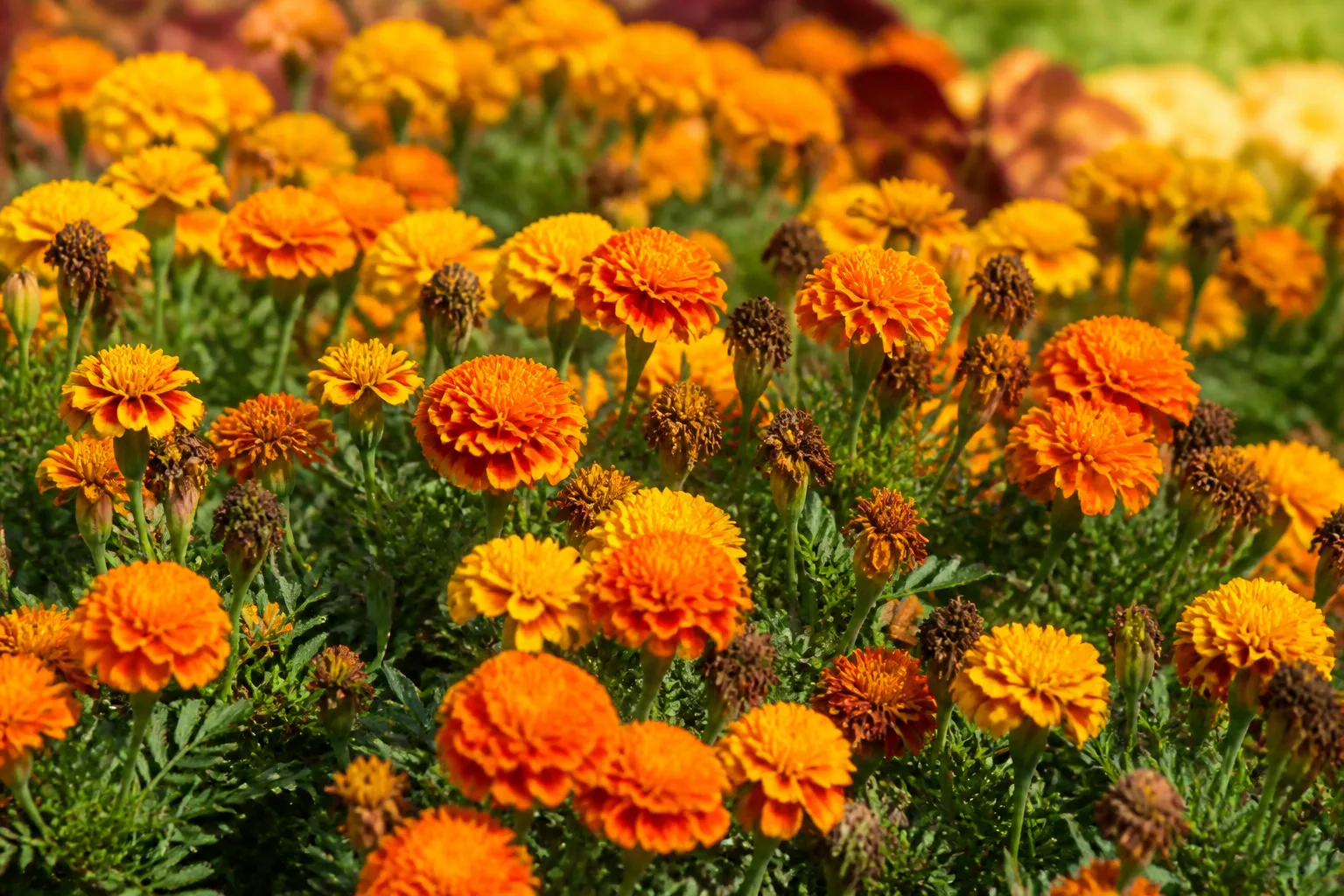
If your marigolds are still flowering when the first cold nights arrive, you have three separate jobs to choose from: buy a little more bloom time, save seed, or clean up after the plants finish. Those jobs are easy to confuse, especially when a plant looks green after a light frost.
The key fact is simple: the familiar garden marigolds in the genus Tagetes are tender annuals. An outdoor plant may tolerate a chilly night, but a hard freeze usually ends the plant’s life. Fall care cannot turn a French, African, or Signet marigold into a winter-hardy perennial. It can, however, protect a short cold snap and give you a much better chance of growing the next crop.
The short answer: outdoor Tagetes usually die at hard frost
Common bedding marigolds complete their life cycle in one growing season. They germinate, grow, flower, set seed, and decline; they do not normally store a hardy crown that rests underground and returns in spring. Penn State Extension describes garden marigolds as easy-to-grow annuals, with French and Signet types planted through the warm season and African types started after frost danger passes. (Penn State Extension)
That means the answer depends on what you mean by “survive.” Survive a single light frost? Sometimes. Survive a hard freeze outdoors? Usually no. Produce seedlings next spring? Possibly, if mature seed drops and your local winter and spring conditions cooperate. A volunteer seedling is a new plant, not the old root system coming back.
Do not use a USDA hardiness zone as a promise that a Tagetes plant will overwinter. Zones describe long-term winter temperature patterns for perennial plant selection; your first frost, the duration of subfreezing weather, exposure, pot size, and drainage determine what happens to a tender annual this week. A mild, nearly frost-free garden may keep a sheltered plant going longer than an exposed garden in the same zone.
Know which “marigold” you have before planning winter care
The common name hides an important naming problem. Garden centers usually sell Tagetes species as marigolds, but Calendula officinalis is also called pot marigold or English marigold. Calendula is a different plant with different cold tolerance, so advice for it should not be transferred automatically to French or African bedding marigolds.
The same distinction matters if you are saving seed. Look at the plant tag, seed packet, or botanical name before deciding whether you have Tagetes erecta, Tagetes patula, Tagetes tenuifolia, or Calendula. The University of Illinois Extension plant database lists Tagetes as an annual for beds and containers, in full sun and moist, well-drained soil. (University of Illinois Extension)
French, African, and Signet Tagetes
African marigolds (Tagetes erecta) are the tall, large-flowered types often sold as American or Mexican marigolds. They may reach several feet, carry heavy double blooms, and need more open space or support. Their height makes them especially vulnerable to wind, rain-loaded heads, and a cover that collapses onto the plant.
French marigolds (Tagetes patula) are shorter and bushier, making them useful in borders and containers. Signet marigolds (Tagetes tenuifolia) are usually smaller, with fine foliage and smaller flowers. All three are still tender Tagetes annuals in a freezing winter. The practical difference is not whether they become perennial; it is how easy they are to cover, move, inspect, and harvest.
Calendula is a different plant
Calendula may tolerate cooler weather better than Tagetes, and it is often included in lists of cool-season flowers. Its flowers are also the ones commonly sold as edible “pot marigold.” Do not eat or serve a flower simply because a label says marigold: verify the botanical name and follow a reliable edible-flower source.
For this guide, marigold means garden Tagetes unless stated otherwise. If your plant is Calendula, use Calendula-specific winter and food-safety guidance instead of assuming the tender-annual rule applies exactly.
First decide whether to protect, save seed, or clean up
Your best fall action is determined by the forecast and your goal. Do not start by grabbing pruners; first ask whether the plant is still healthy, whether the cold is brief, and whether you want more flowers or next year’s genetics.
| Situation | Best move | Stop or switch when |
|---|---|---|
| One light frost is forecast and the plant is still budding | Cover before evening, water if the soil is dry, and uncover or vent after temperatures rise | A hard freeze or several cold nights are forecast |
| A favorite plant is in a pot and can be moved | Move it to a frost-free, bright shelter; treat this as a season extension | Low light, pests, or a prolonged freeze makes the plant decline |
| You want the same cultivar next year | Leave selected flowers on the plant to mature, then harvest and dry seed | The seed heads are wet, moldy, or still pale and immature |
| A killing frost has blackened or collapsed the plant | Remove dead annual growth and reset the bed | Diseased debris needs disposal rather than composting |
| You want surprise seedlings | Leave a few mature heads to drop seed, but expect uneven results | Volunteers crowd the bed or the next crop needs a planned layout |
This framework prevents two common wastes: trying to mulch an annual’s leaves back to life after a freeze, and deadheading every flower before the seeds have matured. You can protect blooms and save seed from the same plant, but you need to reserve a few heads for seed instead of removing all of them as soon as they fade.
What a light frost can and cannot be fixed
Frost and freeze are related but not interchangeable. Frost can form as ice crystals on plant surfaces during a near-freezing night; a freeze occurs when plant tissues themselves are exposed to temperatures that can cause cellular damage. Epic Gardening’s reviewed guidance distinguishes a frost from a heavy freeze and notes that tender annuals are among the plants most in need of temporary protection. (Epic Gardening)
A cover works by slowing heat loss and keeping cold air and ice crystals off the foliage. It does not create a heated greenhouse, and it cannot make an outdoor marigold tolerate a prolonged period below freezing. Think of it as a short bridge to the next warm afternoon, not a winter storage system.
How to cover an in-ground marigold
Water the root zone earlier in the day if the soil is dry, then cover before sunset. Moist soil stores more heat than dusty, dry soil, but do not turn a drainage problem into a soggy crown. Water at the base rather than spraying the flowers and foliage.
Use frost cloth, a breathable row cover, or a dry sheet held above the plant with hoops or stakes. Leave enough slack for the cover to reach the ground, and anchor the edges so wind cannot lift the warm air away. For tall African marigolds, a frame is safer than laying fabric across a flower head.
Avoid plastic touching leaves. Plastic can transfer cold directly to the tissue it rests against, and condensation can make the plant wetter. If you use plastic over a frame for a short emergency, keep it off the plant and vent or remove it when the sun warms the enclosure. Colorado State University Extension explains that covers supported by frames should be held off plants and opened or vented on sunny days; it also notes that lightweight floating row covers can provide limited frost protection, depending on the fabric. (Colorado State University Extension)
Remove a sheet when the danger has passed and the fabric is dry, or lift a breathable cover during the day if temperatures rise above freezing. A marigold that is already black, mushy, and collapsed after a hard freeze will not be revived by leaving the cover on for another week.
What to do with potted marigolds
Containers lose heat faster than garden soil because the root ball is surrounded by a relatively small volume of mix. A pot on a balcony, porch, or exposed step can freeze earlier than an in-ground plant a few feet away. If the container is small enough to move, shifting it against a sheltered wall can buy time; moving it into a frost-free garage, sunroom, or bright room is more reliable for a short cold spell.
Inspect the pot before bringing it inside. Look under leaves and around the soil surface for aphids, spider mites, or other hitchhikers. Remove dead flowers and visibly damaged leaves, but do not shear a healthy plant down simply because it is moving indoors. Give it the brightest light available and reduce watering as growth slows; a dim, warm room can produce stretched growth and wet soil rather than a healthy spring plant.
Overwintering one potted marigold is possible as a space-and-light experiment, not a guarantee. If the plant requires a heated room, a grow light, pest isolation, and frequent pruning for months, saving seed is usually the more dependable way to preserve the variety. The pot can extend autumn color; it does not change the plant’s basic frost sensitivity.
When cutting back in fall helps—and when it does nothing
Cutting back marigolds in fall is mainly cleanup, not winterization. It helps after a killing frost, once stems and leaves are clearly dead, or when a diseased plant needs to be removed from the bed. It does not make the roots hardy, force a new spring flush, or protect green tissue from a freeze that has not happened yet.
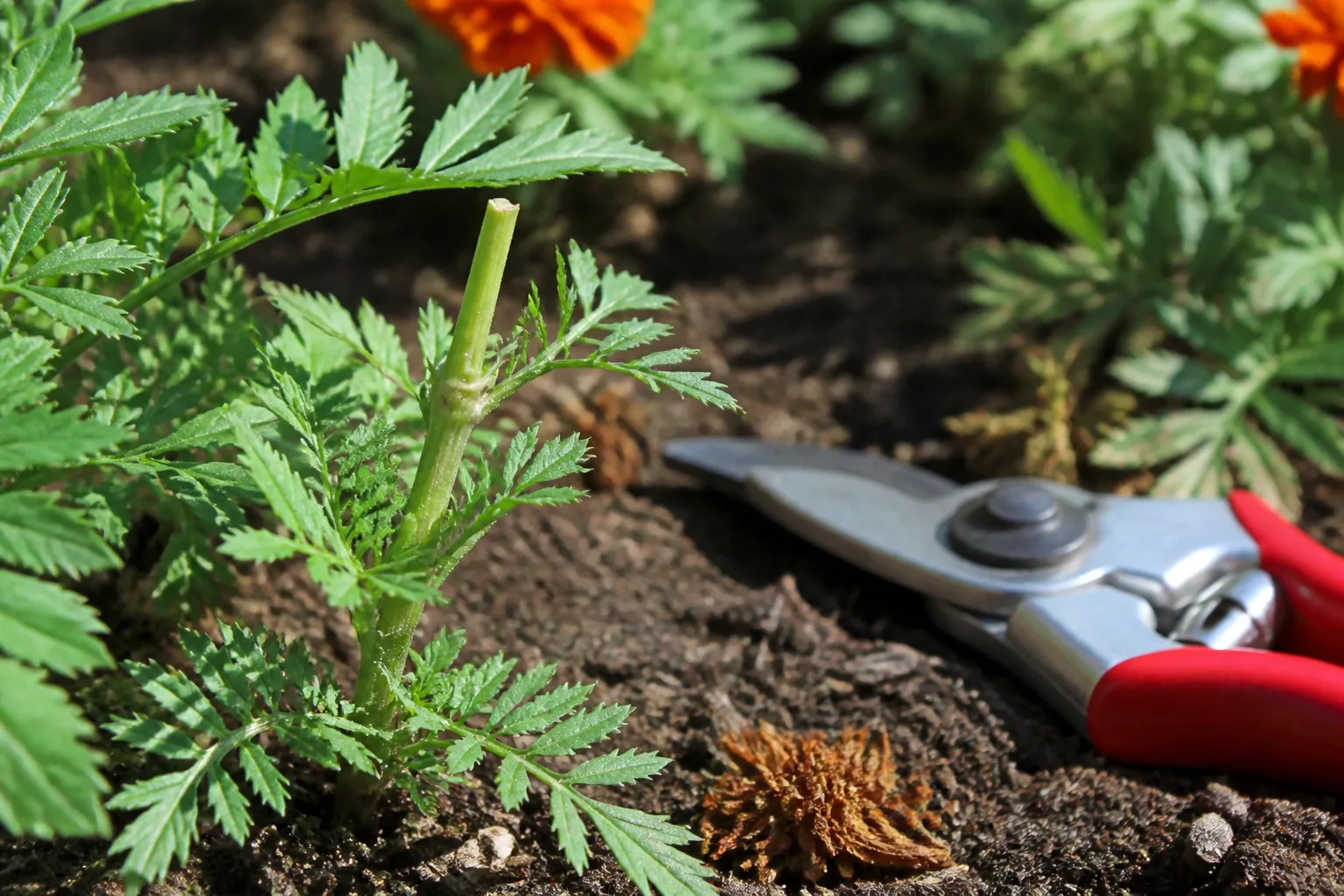
If the forecast calls for one chilly night but the plant is still green and flowering, leave healthy growth in place and cover it. Green leaves are still making energy, and the remaining flowers may provide seed. Cutting a thriving plant to the soil before cold arrives simply removes the tissue you were trying to protect.
If you are saving seed, distinguish deadheading from cutting back. Deadheading removes a spent flower during the season to encourage more buds. Seed saving requires the opposite for a few chosen flowers: leave them attached long enough for the seed head to dry and the achenes to mature. Once the selected heads are harvested, you can remove the rest of the plant after frost.
For a clean post-frost cut, wait until the plant has thawed and the damaged tissue is easy to identify. Cut stems near the soil line with clean pruners, lift the remains, and remove fallen petals from the crown. Healthy, dry annual debris can go into a properly managed compost pile; material with obvious fungal disease, heavy mold, or active pest infestation is safer in the appropriate green-waste or trash stream for your area.
How to save marigold seeds before frost
Seed saving is the most useful form of “winter protection” for an outdoor Tagetes. You are not keeping the original plant alive; you are preserving a chance to grow another generation. The process is forgiving if you wait for maturity and strict about moisture: immature or damp seed is much more likely to fail.
Choose a dry, mature seed head
Stop deadheading a few flowers several weeks before the first frost you expect. Let those heads stay on the plant while other flowers continue blooming. Gardeners’ Path’s practical seed-saving guide recommends collecting dry heads rather than freshly faded ones and explains that marigold seeds are achenes, each containing one seed. (Gardener’s Path)
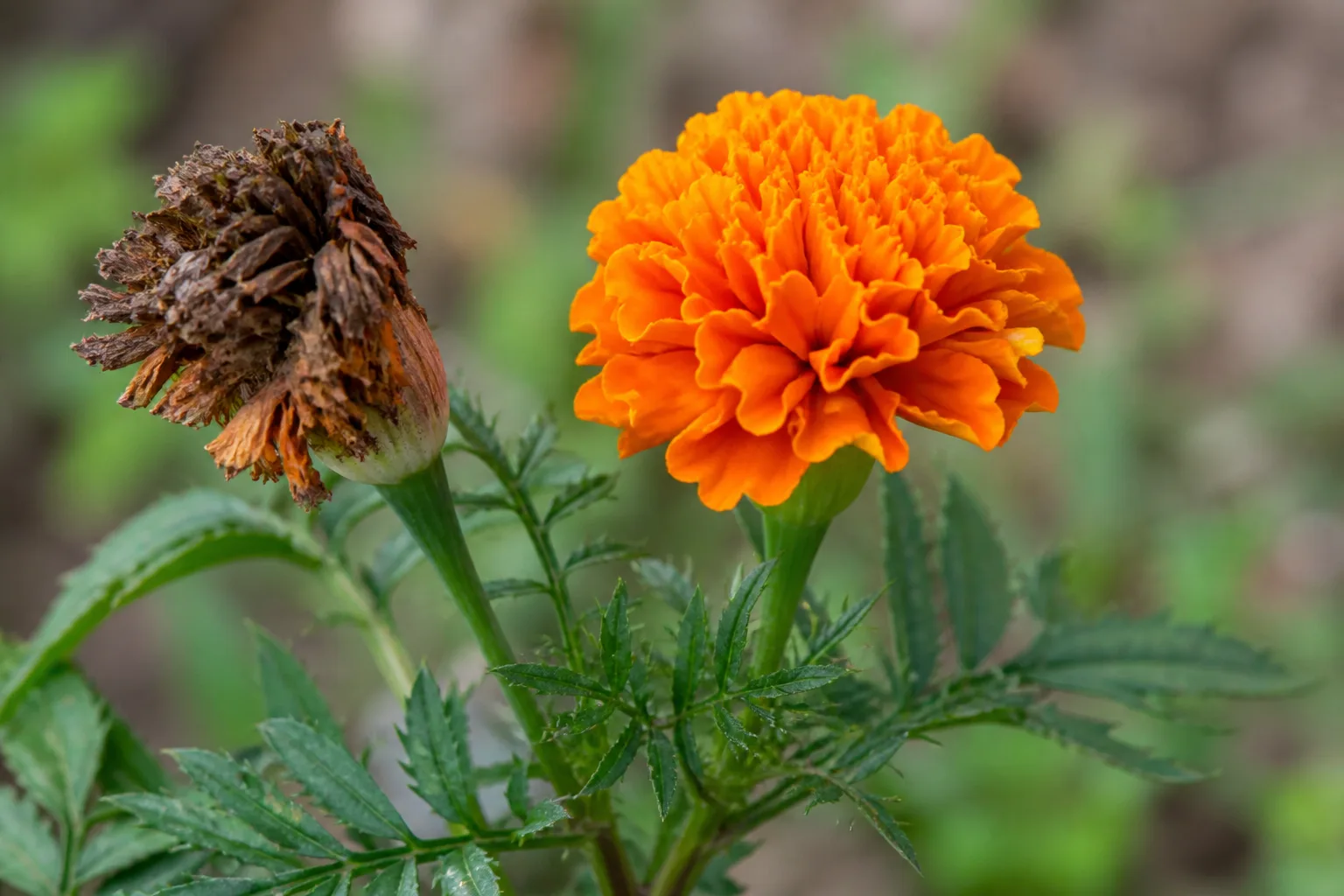
The flower head is ready when it is dry and papery, the base has turned brown, and the seeds inside have darkened. Pale, soft seed is a reason to wait, not a reason to pick early. If a killing frost is imminent, harvest the most mature heads you have and finish drying them indoors; a green, wet head rescued at the last minute may still produce some viable seed, but its results are less predictable.
Snip the head with a short piece of stem and place it in a paper bag or shallow tray. Do not seal fresh heads in plastic. Trapped moisture can soften the head, encourage mold, and make it difficult to tell whether the seed itself is dry.
Dry, label, and store the achenes
Spread the heads or freed seeds in a thin layer in a dry, shaded, ventilated place. Break open the fully dry head with your fingers and separate the long, dark achenes from the papery debris. In humid weather, use a screen or mesh surface so air can reach the underside; the drying time depends on the room, not a fixed number of days.
The Organic Seed Alliance’s seed-saving guide recommends drying cleaned seed in thin layers, away from direct sun, and avoiding excessive heat. Its broader guidance is written for growers, but the principle transfers well to a home packet of marigold seed: dry first, then store. (Organic Seed Alliance)
Label the packet with the plant type or cultivar, flower color, and harvest year. Place the fully dry seed in a paper envelope, then keep it in a cool, dry, stable location protected from insects and rodents. An airtight container can add protection if the seed is completely dry; sealing seed while it still holds moisture is the mistake that matters most.
You can test a questionable batch before spring by placing a small sample on a moist paper towel in a warm location and checking for germination. This is only a sample, not a promise for the entire packet. If the seed is old, damp, or harvested before maturity, expect uneven emergence and sow extra.
Will saved marigold seeds grow true?
Sometimes, but the packet label matters. Open-pollinated marigolds are the better choice when you want offspring that broadly resemble the parent in height, flower form, and color. Hybrids can produce perfectly usable marigolds, but their seedlings may vary widely or fail to repeat the traits you liked.
Cross-pollination adds another layer of uncertainty. Bees and other pollinators can carry pollen between flowering marigolds, so seed saved from a mixed bed may not be genetically identical to a named cultivar even when the parent plant was open-pollinated. For a home garden, that variation can be part of the fun. For a uniform border or a specific color, buy fresh seed of a known variety or isolate the plants you want to preserve.
Do not treat “not true to type” as “not worth saving.” A saved hybrid may still grow a vigorous marigold with a surprising flower. The honest expectation is simply that the next generation is an experiment unless the parent and pollination conditions are well controlled.
Cleanup after frost: a practical sequence
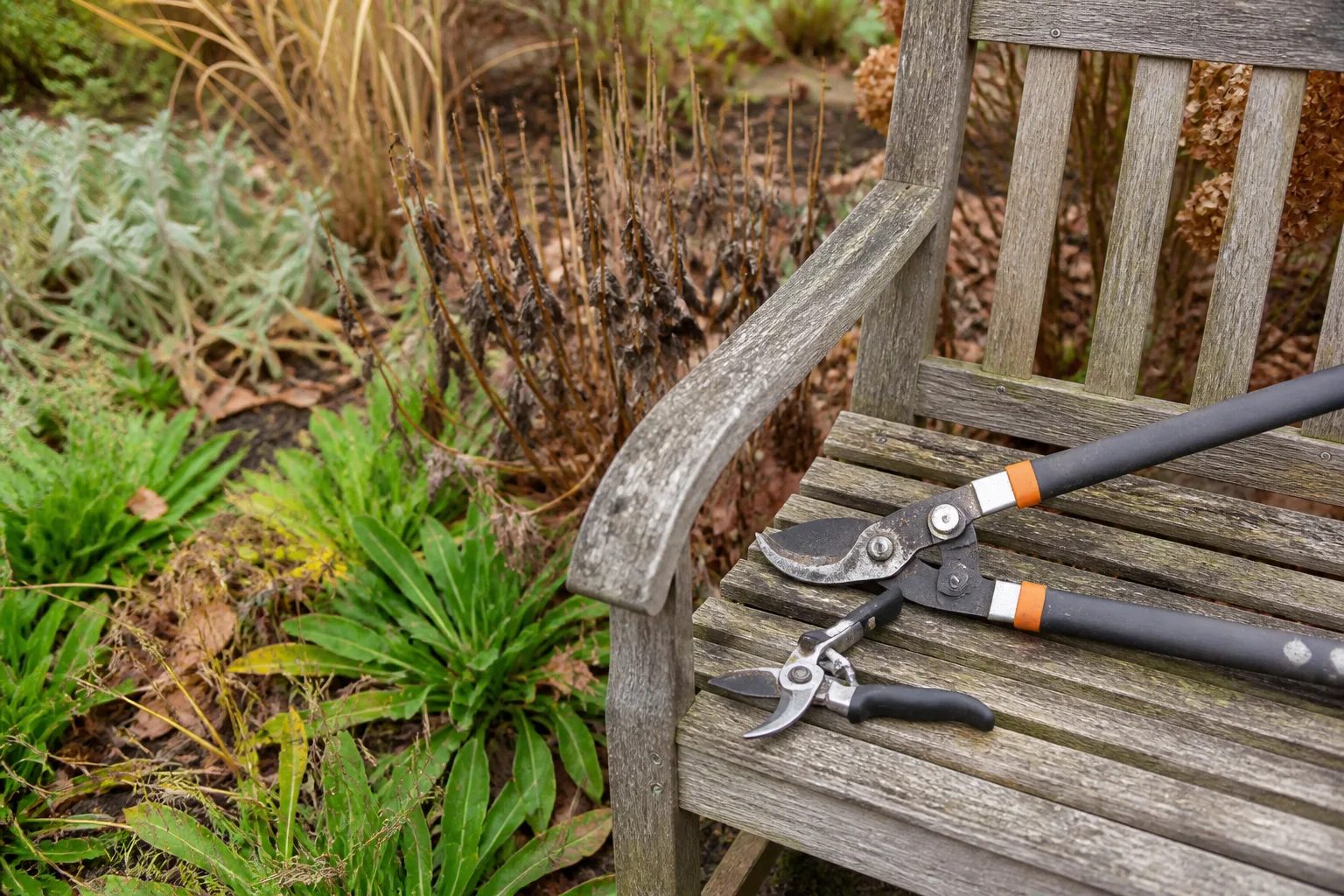
Once a killing frost has ended the display, work through the bed in this order:
- Harvest mature seed heads first. Check the dry heads you reserved before pulling the plants.
- Remove collapsed annual tops. Cut and lift blackened, slimy, or broken stems instead of burying diseased debris in the bed.
- Check the soil. Pull weeds, clear fallen flowers that are matting against the crown, and correct standing water or compacted spots.
- Decide what to compost. Healthy plant material can be composted if your pile reaches suitable conditions; diseased or pest-heavy debris should follow local disposal guidance.
- Record what worked. Note the cultivar, bloom length, first frost damage, pot size, shade, and any disease before the details disappear.
That last step is more valuable than it sounds. A tall African type that flopped in an exposed bed may need a stake or a more sheltered location next year. A French type that stayed compact in a pot may be a better candidate for a container repeat. Seasonal notes turn a generic winter ritual into a useful planting decision.
Soil prep and mulch for next year
After the annuals are out, pull weeds and add a modest layer of finished compost if the bed needs organic matter. Do not bury wet, diseased foliage under fresh mulch and assume the problem has disappeared. Improve drainage first; winter moisture against a compacted crown or low spot creates a different problem than cold alone.
A light layer of leaf mulch or clean organic mulch can protect soil from erosion, moderate temperature swings, and reduce weed pressure. Keep mulch away from the bases of perennial plants that remain in the bed, and do not pile it over a marigold crown expecting a dead annual to return. Epic Gardening’s practical frost guidance describes a two- to three-inch mulch layer as useful for insulating roots and moderating freeze-thaw swings, but that benefit is more relevant to soil and hardy roots than to reviving tender Tagetes tops. (Epic Gardening)
If volunteers are part of your plan, leave a small marked patch where mature seed can fall, rather than scattering seed across the entire bed. That makes spring thinning easier and lets you compare volunteer performance with planned seedlings.
Reseeding vs. reappearing: what to expect in spring
Warm-winter gardens may see marigold seedlings emerge from dropped seed, but the timing and number are unpredictable. A dry, sheltered bed may protect seed better than a wet low spot; birds, mulch depth, winter rain, and spring soil temperature all affect whether volunteers appear. A spring seedling proves that a seed germinated, not that last year’s plant survived underground.
Volunteers may also emerge later than the first nursery plants. Give them time to show their first true leaves before deciding whether they are marigolds, and thin them so they do not crowd one another. If they germinate in a place where the soil stays cold or soggy, transplanting them after they have a few true leaves may be more successful than leaving a dense patch.
In a cold-winter region, assume the outdoor plants will not return and plan to sow saved seed or buy new plants. Start indoors about six to eight weeks before the expected last frost if you want earlier flowers, or direct-sow after frost danger has passed and the soil is warm. Penn State Extension notes that marigold seed can sprout within about a week in warm soil and plants may begin flowering in roughly two months, though cultivar and weather change the schedule. (Penn State Extension)
Start next season earlier without repeating fall mistakes
Use your fall notes to build a spring plan around the actual cultivar. Give tall African types an open position and support if flower heads become heavy. Put compact French or Signet types in containers where you can move them during a late cold snap, but do not crowd the pot so tightly that wet foliage cannot dry.
If starting seeds indoors, use a clean seed-starting mix, bright light, and a calendar tied to your local last frost rather than an arbitrary month. Harden seedlings gradually before planting them outside; a plant that goes from a warm indoor room directly into cold sun and wind can stall even when the overnight temperature is technically safe.
Plan a two-track harvest: deadhead most blooms to keep the display tidy while reserving a few healthy, representative heads for seed. If you grew a hybrid and loved its exact color, order the same cultivar for reliability and save a small batch as an experiment. That approach gives you continuity without pretending that every saved seed will reproduce a catalog photograph.
Common winter-prep mistakes to avoid
Cutting back while the plant is still green. Early cutting removes flowering and seed-making tissue. Cover healthy plants for a brief cold snap, then cut them after a killing frost or when the plant is clearly finished.
Assuming mulch protects the whole annual. Mulch can moderate the soil surface, but it cannot make tender marigold stems and leaves frost-hardy. Use mulch for soil care and covers for short-term foliage protection.
Putting plastic directly on the plant. Plastic touching leaves can conduct cold and trap moisture. Use cloth or a frame, and ventilate any plastic-covered structure as soon as the day warms.
Leaving a cover on all day. A cover that helped overnight can overheat a sunny bed or keep foliage wet. Lift, vent, or remove it according to the material and the forecast.
Deadheading every flower before seed maturity. Reserve specific heads and wait until they dry. A freshly wilted flower is not the same thing as a mature seed head.
Storing seed before it is dry. Damp seed can mold in a packet or jar. Dry it in a thin layer first, label it, and store it somewhere cool and stable.
Treating volunteers as the original plant. Reseeding can be useful, but it is weather-dependent and may produce different flower traits. Thin volunteers and keep planned seed or nursery plants as your dependable backup.
Conclusion
Most outdoor garden marigolds will not survive a hard winter as plants. If a light frost is all that stands between you and another week of flowers, cover the plants before evening, keep the cover off the foliage when possible, and remove or vent it once the day warms. If a hard freeze is coming, spend your effort where it pays: harvest mature seed, move a manageable container to shelter, and prepare to clean up the bed.
The best fall routine is therefore selective. Protect green plants only for a short cold event, leave a few dry heads for seed, and cut back the remains after the plant has truly finished. That gives you a cleaner garden now and a more reliable start next year without expecting a tender Tagetes to behave like a perennial.