12 Groundcovers to Plant in August for Fall Color
Plant groundcovers in August with less guesswork. See which 12 offer late-season flowers or foliage, where they fit, and how to establish them in heat.
August can be an excellent month to plant groundcovers, but the calendar alone does not make a plant “August-ready.” A container-grown perennial can root into warm soil and give a bare bed new texture before fall, yet the same planting can fail if it goes into a heat wave, waterlogged clay, or a site that will freeze before roots move beyond the original pot.
The most useful way to choose is to match the plant to the site first, then ask what kind of fall color you want. Some groundcovers keep flowering into late summer. Others contribute silver, bronze, purple, or evergreen foliage while their main flower show belongs to spring or early summer. The 12 choices below include both kinds, with the caveats that determine whether each one is a smart August purchase.
When August is a good time to plant groundcover
August planting works best when you are installing healthy container-grown plants, the soil is workable, and you can water consistently while new roots leave the nursery plug. Colorado State University Extension notes that container-grown perennials can be planted during the growing season, but they need time to establish before dormancy and winter. That is a better rule than treating August as a universal deadline.
Delay planting for a few days if the forecast calls for extreme heat, hot drying wind, or a stretch when you cannot reach the bed. Plant in the morning or late afternoon, soak the root zone after planting, and keep the soil from cycling between dust-dry and saturated. In a cool region with an early first freeze, buy smaller plants earlier in the month rather than waiting until late August; in a warm region, late-summer planting may still leave a long rooting window.
Expect establishment, not instant coverage. A groundcover may look sparse through its first fall because it is putting energy into roots. The plants that show the quickest seasonal impact are those already carrying flower buds, evergreen foliage, or colored leaves when you buy them. Spacing plants close enough to connect eventually—but not so close that they compete in a stressed bed—is usually a better investment than cramming a whole area with undersized starts.
Choose a groundcover by the site, not the flower color
Groundcover is a growth habit, not a care category. A succulent sedum and a moisture-loving blue star creeper may both spread low, but they should not share the same watering plan or soil. Colorado State University Extension recommends grouping perennials by light and water needs, a practice sometimes called hydrozoning. That simple separation prevents the most common groundcover mistake: watering a dry-site plant like a lawn or starving a moisture-loving mat.
Sun, shade, and soil moisture
Watch the proposed bed for a full day before you shop. Six or more hours of direct sun opens the door to sedum, ice plant, creeping thyme, and poppy mallow, but reflected heat beside a wall can make even a drought-tolerant plant need extra water during its first month. Dappled or part shade is a better fit for periwinkle, lilyturf, hardy geranium, and some bellflowers, while blue star creeper needs soil that stays more evenly moist.
Drainage matters just as much as moisture. “Moist” soil should not mean a puddle that remains around the crown after rain. If water sits in the bed, fix the grade or amend the structure before choosing a plant; a thicker layer of compost will not turn a poorly drained pocket into a rock-garden site. Conversely, a dry slope beneath a tree may need a plant with real drought tolerance and enough initial irrigation to overcome root competition.
Fall flowers, fall foliage, or evergreen coverage
Ask the nursery plant tag three separate questions: Will it flower in fall? Will the foliage still look good after flowering? Will the plant stay green through winter in my climate? A plant can score well on one and poorly on the other two. Lilyturf, for example, is valuable in August because its purple flower spikes arrive in late summer, while periwinkle is more useful for evergreen cover than for a dependable autumn flower show.
The table is a shortcut, not a substitute for the cultivar label. Hardiness ranges overlap, bloom timing shifts with weather and elevation, and some common names cover several species with very different spread habits.
| Groundcover | Best August site | What it adds through late summer or fall | Typical USDA zones and watch-out |
|---|---|---|---|
| Poppy mallow or winecup | Full sun, sharply drained soil | Magenta cup-shaped flowers; trailing texture | 4–9; deep taproot, dislikes winter wet |
| Ice plant | Full sun, gritty or sandy drainage | Jewel-toned flowers and succulent foliage | About 5–9 for hardy Delosperma; species vary, and some ice plants are invasive |
| Stonecrop or sedum | Sun to light shade, dry soil | Fleshy foliage and late-summer flower heads | About 3–9 depending on species; avoid wet soil |
| Catmint | Sun, well-drained average soil | Lavender-blue flowers after a trim and aromatic foliage | About 5–9 for common hybrids; many forms are taller than a carpet |
| Creeping thyme | Full sun, lean dry soil | Fragrant mat and small flowers; strong foliage value | About 4–9 depending on species; not a lawn for heavy traffic |
| Lilyturf or Liriope muscari | Part shade to sun, average moisture | Purple flower spikes in August and September, evergreen leaves | About 5–10; do not confuse with spreading Liriope spicata |
| Vinca minor | Part shade, moist but draining soil | Evergreen mat and occasional blue flowers | About 4–9; invasive in some regions and hard to contain |
| Blue star creeper | Part shade or gentle sun, evenly moist soil | Fine green mat and pale blue flowers | About 6–8; drought and dry slopes are poor fits |
| Carpathian bellflower | Sun to part shade, well-drained soil | Blue or white bell flowers and a mounding edge | About 3–8; clumping, not a fast carpet |
| Birdsfoot trefoil | Sun, poor or rocky soil | Yellow flowers and low, spreading foliage | About 3–9; check local noxious-weed or invasive status |
| Hardy geranium or cranesbill | Sun to part shade, average moisture | Summer flowers, dense foliage, and red fall leaves in some species | About 3–9; choose a true hardy Geranium, not florist geranium |
| Cape plumbago | Full sun, warm climates | Blue flowers and sprawling green cover into fall | About 8–11; frost-sensitive and shrub-like in warm areas |
12 groundcovers to plant in August
Full-sun and dry-site choices
1. Poppy mallow (Callirhoe involucrata) is one of the best choices for a hot, open edge when you want flowers rather than a dense evergreen carpet. North Carolina Cooperative Extension describes it as a low, mat-forming perennial with a long taproot, full-sun preference, good drainage needs, and cup-shaped magenta flowers that can continue from late spring into summer and early fall. It also notes that the plant may begin to die back in late summer after blooming, so do not judge it as a failed groundcover simply because the stems start to relax.
Plant a nursery specimen without disturbing the taproot more than necessary. Give it room to trail over a wall, rock garden, or dry border, and avoid a low pocket that stays wet in winter. It can self-seed, which is useful in a naturalistic bed but less welcome in a tightly edited border; remove seed capsules if you want to keep the clump in one place. The NC State Plant Toolbox profile for winecup is a good reference for its drought tolerance, long bloom season, and wet-soil limitation.
2. Ice plant (Delosperma spp.) brings bright color to the driest, sunniest part of the list. Choose a hardy Delosperma sold for your region rather than assuming every plant labeled “ice plant” has the same cold tolerance. A gritty bed, raised rock garden, or sandy slope is safer than heavy clay that stays damp after rain.
August is useful for ice plant only when the root ball can drain quickly and the plant can be watered deeply while it establishes. Let the surface dry between waterings after the first few weeks. Also check local invasive-plant guidance: some large, spreading ice plants used in mild coastal climates behave very differently from compact hardy selections, and a common name is not enough to determine whether a particular plant belongs in your landscape.
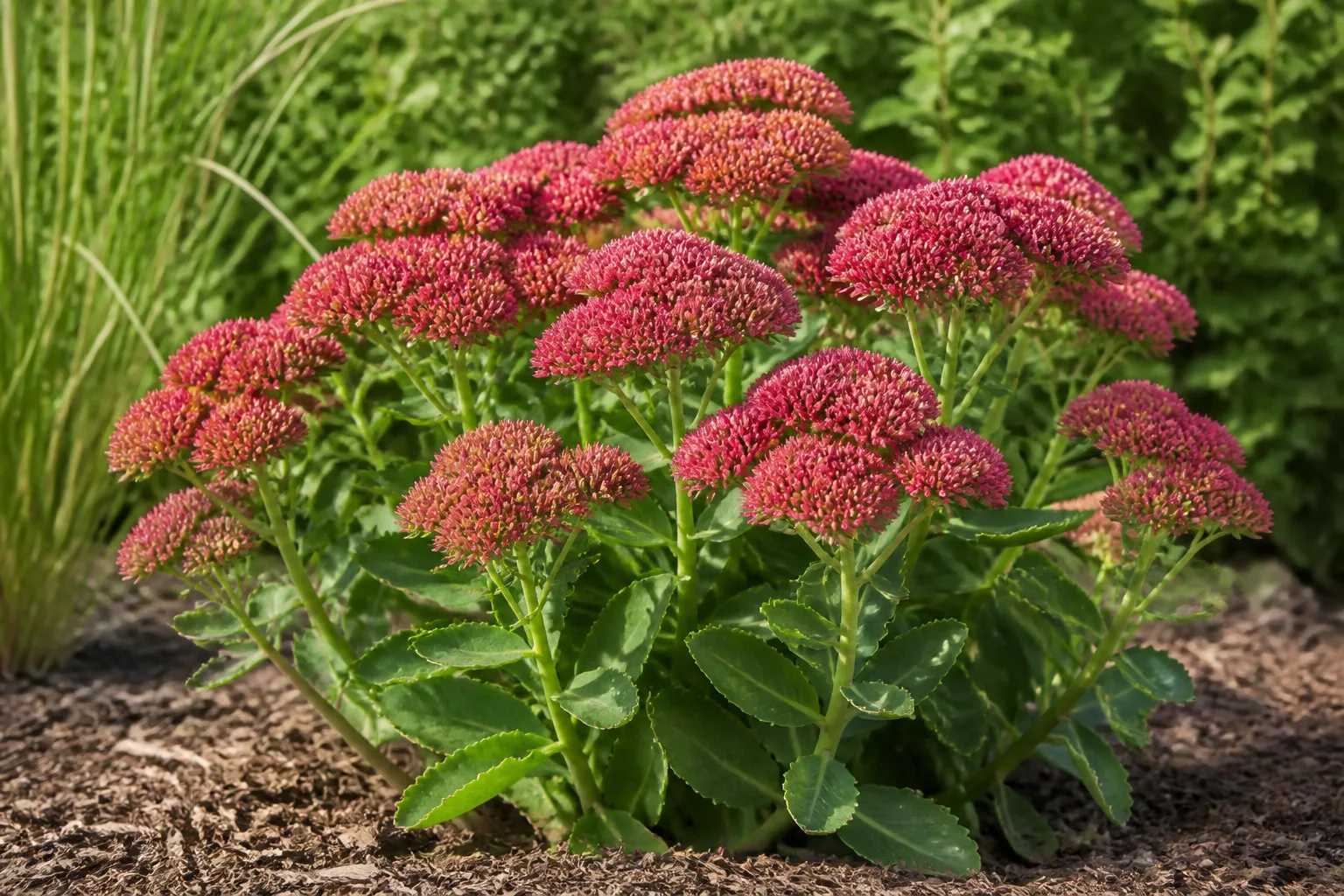
3. Stonecrop or sedum is the reliable dry-site workhorse, provided you choose a low-growing species instead of a tall border sedum when you need a true groundcover. NC State’s Plant Toolbox describes sedums as succulent perennials that tolerate rocky or poor soil, establish quickly, and handle drought once established. Low forms spread along stems and work well on slopes and in rock gardens, while taller forms provide flower heads but do not hug the soil.
Sedum gives you a better fall promise than many low mats: foliage can remain colorful, and taller types carry flower clusters from late summer into fall. Do not compensate for August heat by watering it every day in poorly drained soil. Water the new plant thoroughly, then allow the bed to drain and the surface to dry before watering again. Sedum tolerates only light foot traffic, so place stepping stones where people naturally cut across the bed.
4. Catmint (Nepeta hybrids) is technically more of a spreading mound than a flat carpet, but compact catmints can knit together at the front of a border and deliver a long lavender-blue flower season. NC State’s profile of Nepeta × faassenii describes full sun to part shade, well-drained soil, drought tolerance after establishment, aromatic foliage, and repeat bloom after shearing.
Plant catmint where its mature width has room to spill, not in a narrow strip that will require constant cutting. If the first flush has faded by August, shear the plant lightly after planting only if it is healthy and well-watered; do not hard-prune a wilted transplant during a heat wave. Compact sterile cultivars are less likely to reseed, while the broader catmint category includes taller plants that may overwhelm a small patch.
5. Creeping thyme (Thymus spp.) is a good fit for a sunny path edge, rock garden, or dry strip where you want fragrance and fine texture. It is not a universal replacement for lawn: repeated running, compacted soil, and standing water will thin it. Use stepping stones for the main route and let the thyme handle occasional contact around them.
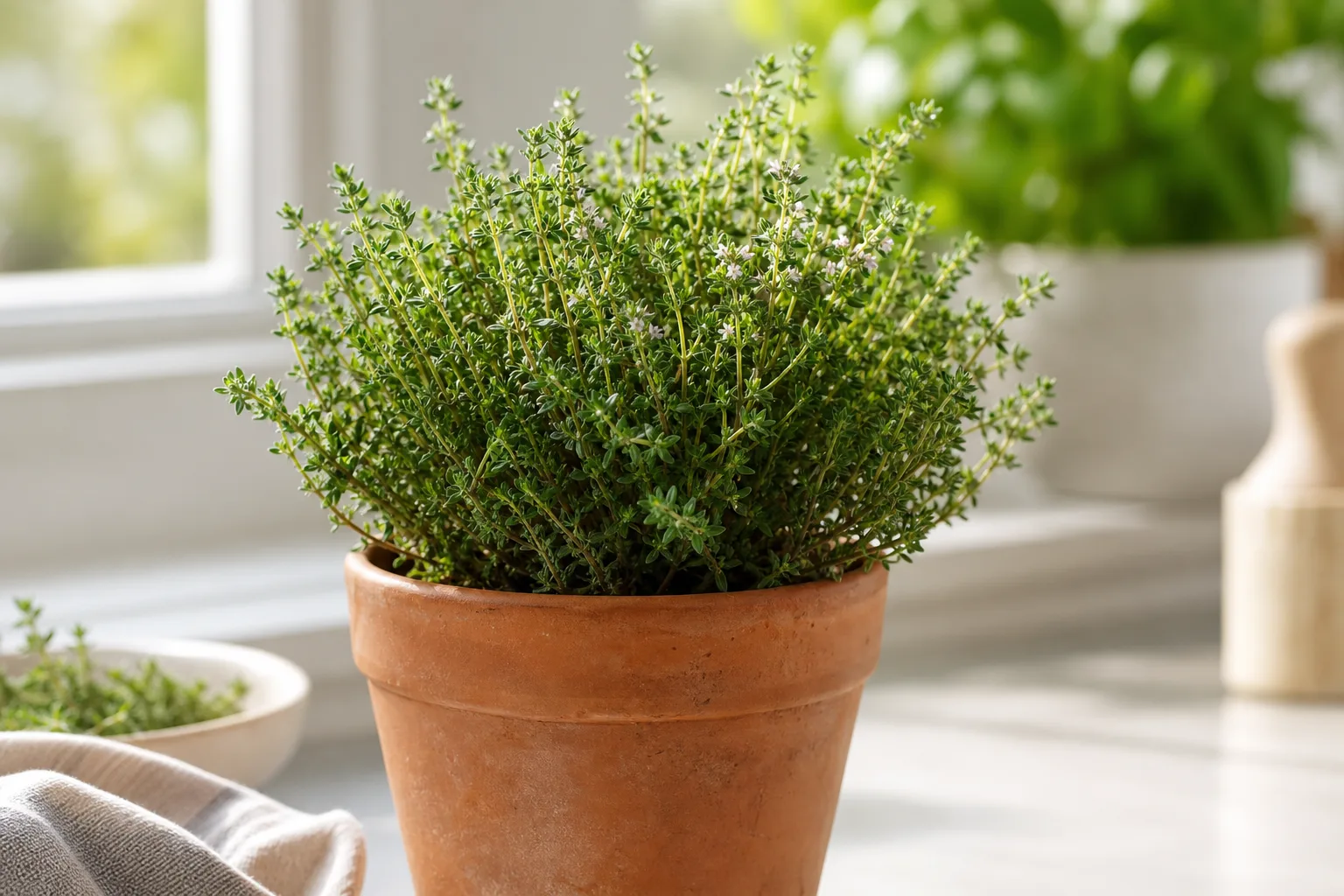
Buy a cultivar sold specifically as creeping, woolly, or mother-of-thyme groundcover. Plant it shallowly at the same soil level as the container and keep mulch away from the fine stems so they can root and spread. The plant’s biggest August advantage is foliage that tolerates dry conditions once established; do not expect a new late-summer planting to be covered in flowers immediately, especially if the nursery has already finished its main bloom.
Part-shade and evenly moist choices
6. Lilyturf (Liriope muscari) earns its place for August because it can send up purple flower spikes when many spring groundcovers are only offering leaves. NC State describes lilyturf as a broadleaf evergreen perennial with dense clumps, arching leaves, and flowers that appear in late summer and early fall. It tolerates sun, part shade, and even heavy shade, although growth is slower in deep shade.
Choose the clumping Liriope muscari when you want a controlled edging or a series of tidy colonies. Do not buy a plant by the common name “monkey grass” without checking the botanical name; spreading Liriope spicata has a different habit and may be listed as invasive in your region. The distinction matters more than the color of the flower. Water a new clump regularly while roots establish, but do not bury the crown under a thick layer of wet mulch.
7. Vinca minor, or periwinkle, is popular for dryish shade because its leathery foliage stays green and its trailing stems make a dense mat. It is also the plant on this list that deserves the clearest warning. North Carolina Cooperative Extension’s Plant Toolbox describes its aggressive spread, node-rooting stems, and invasive classification in North Carolina; Purdue Extension likewise warns that the same traits that make it effective groundcover can help it escape into natural areas.
Use periwinkle only after checking your state or province’s invasive-plant guidance, and confine it with hard boundaries away from woodland edges, drainage corridors, and neighboring natural areas. If your goal is a small, permanent bed and the plant is permitted locally, August can work because the cool, shaded soil reduces stress. If you cannot monitor runners, choose a clumping or native alternative instead. “Fast coverage” is not the same as “low maintenance.”
8. Blue star creeper (Isotoma fluviatilis) makes a fine-textured mat with pale blue, star-shaped flowers, but it belongs in a different watering group from sedum and thyme. NC State’s profile places it in moist sand, mud, wet depressions, and part shade, with a spreading habit that can be managed by deep edging. That makes it useful beside a path or in an evenly moist bed, not on a baking, unwatered slope.
Plant it where the soil can stay evenly moist without becoming stagnant. The plant may spread by runners, so set edging before the mat reaches a lawn or paving joint. Its main flower season is spring into summer, which means the fall value of an August installation is usually the green carpet and clean texture rather than a guaranteed flush of blue blooms.
9. Carpathian bellflower (Campanula carpatica) is a good small-scale choice for the front of a border, rock garden, or wall pocket where you want blue, purple, or white bells and do not need a plant to cover a large area quickly. It prefers sun to part shade and soil that drains well, especially through a wet winter.
Treat it as a clumping, flower-forward perennial rather than a weed-smothering mat. August planting is most successful when you buy a compact, actively growing plant and water it into the surrounding soil. Give each clump room for mature width and use a few plants in a loose drift instead of crowding one root ball against another. In cooler climates it can keep flowering into fall, but a hot late summer may shift the display toward foliage until temperatures moderate.
10. Birdsfoot trefoil (Lotus corniculatus) offers yellow, sometimes orange-tinged flowers and low foliage for sunny, dry, or poor soils. It can be useful on a rough slope where fussier border plants struggle, but its ability to naturalize is exactly why it should not be treated as a harmless filler. Check local regulations and extension advice before planting, especially near roadsides, meadows, or conservation land.
If it is appropriate in your area, use it where you can see and manage the edges. Remove unwanted seed heads, keep it out of adjacent lawns, and do not mix it with a delicate groundcover that it can overrun. Its practical advantage is tolerance of lean soil; improving a dry, well-drained patch is better than placing it in rich, wet soil just because the bed is empty.
11. Hardy geranium or cranesbill (Geranium spp.) brings more structure than a flat carpet and can fill the front of a border with rounded foliage and saucer-shaped flowers. A true hardy geranium is not the same plant as the tender florist geranium commonly sold for containers. NC State’s profile of bloody cranesbill describes a low, spreading perennial that tolerates full sun, part shade, clay, heat, and some drought once established; some forms also develop red fall foliage.
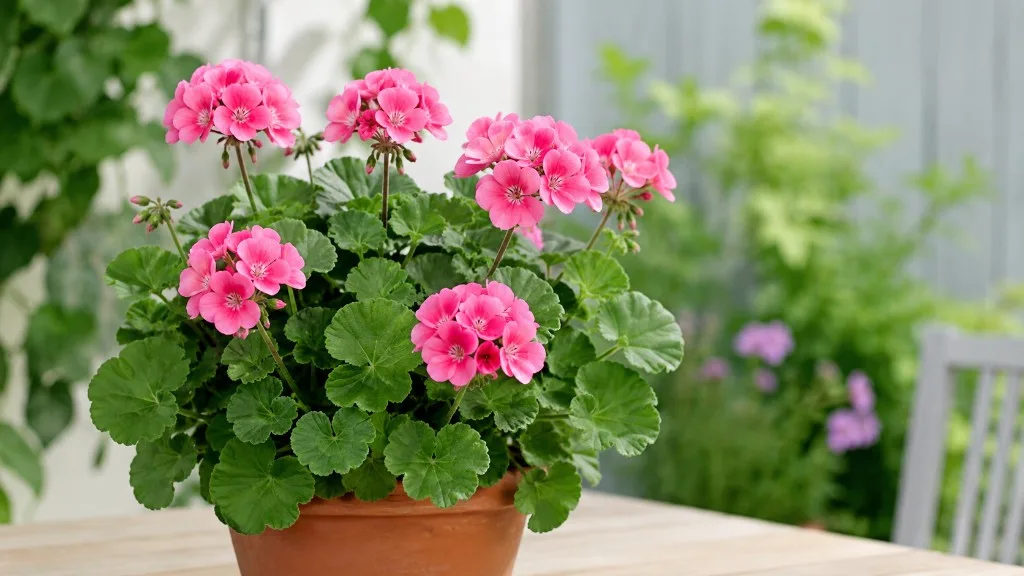
Choose a species or cultivar suited to your zone and mature width. Keep the soil evenly moist during the first few weeks, then reduce watering as roots expand. If the plant arrives in bloom, do not assume that every flower will survive transplanting and August heat; the more dependable autumn contribution may be healthy foliage and a second flush after the plant settles.
Warm-climate and containment choices
12. Cape plumbago (Plumbago auriculata) is a warm-climate exception that behaves more like a sprawling shrub or soft-stemmed landscape plant than a hardy groundcover. In zones roughly 8–11, it can produce blue flowers and green cover through a long warm season, especially in full sun with regular moisture and rich, well-drained soil. In cooler climates it is frost-sensitive and may need to be grown as a container plant or treated as an annual.
Give Cape plumbago more space than the word “groundcover” suggests. It can spread over a bank or trail through a warm border, but it may need pruning and support to stay where you want it. August planting is reasonable in a frost-free or long-season area; it is a poor investment late in the month where a freeze is approaching. Buy it for the climate you have, not the photograph on the plant tag.
Planting groundcover in August: a simple establishment plan
Clear the bed and correct the drainage
Remove turf, perennial weeds, and volunteer runners before planting. Costa Farms’ groundcover planting guide recommends clearing grass, improving the soil, and planning spacing before plants go into the ground. Do not leave a mat of established weed roots beneath a new groundcover and hope the plants will smother it; the weeds will compete during the exact weeks when the new roots are most vulnerable.
Loosen compacted soil in the planting zone, mix in a modest amount of finished compost if the bed is poor, and correct drainage or grade problems first. A soil test is useful when the site is chronically weak, but avoid adding fertilizer by guesswork. Groundcovers that prefer lean, sharply drained soil can grow softer and rot more easily when pushed with rich amendments and frequent irrigation.
Set plants at the right depth and spacing
Set each plant at the same depth it grew in its container. The crown should not be buried, and the root ball should not sit above the surrounding grade like a dry island. If roots are circling tightly, tease a few loose roots or make shallow cuts around the outside of the root ball; do not shred a plant that is already heat-stressed.
Use the tag’s mature width and recommended spacing, then place the pots on the bed before digging. A triangular or staggered pattern fills more naturally than rigid rows, but do not halve the spacing just to create an instant carpet. Crowded August plantings compete for water, trap humidity, and can hide a failing crown under foliage. Costa Farms specifically recommends setting plants out in their pots first so spacing can be adjusted before planting.
Water, mulch, and monitor the first month
Water the entire root zone slowly after planting so the surrounding soil settles against the root ball. For the first week, check the bed every day; water when the root ball and adjacent soil begin to dry rather than following a rigid calendar. In hot full sun, that may mean watering every couple of days. In a cool, shaded, heavy soil, it may mean waiting longer.
After the first week, move toward deeper, less frequent watering as roots expand. Colorado State University Extension notes that new full-sun perennial plantings often need water every few days during the first month, with longer intervals later as roots move outward. Use a finger check or a small trowel to inspect below the surface; a damp mulch layer can hide a dry root ball, while a glossy wet surface can hide poor drainage.
Apply a thin layer of loose organic mulch to conserve moisture and slow weeds, keeping it away from crowns and stems. Costa Farms cautions that plastic or landscape fabric can prevent spreading groundcovers from rooting where they touch the soil, so do not place an impermeable barrier beneath a mat-forming plant unless you have a specific, tested reason. Keep inspecting the bed for runners, slugs, wilt, and soil settling while the plants establish.
Common August groundcover failures
Heat, drought, and root competition
The most common failure is planting a small root ball into hot, dry soil and then watering only the leaves. New groundcovers need water at the soil line, and trees or shrubs may be taking more moisture than the surface suggests. A temporary shade cloth can help a tender transplant through a heat wave, but the long-term fix is choosing a plant that fits the site and improving access to irrigation.
Another failure is using a dry-site plant in a wet bed because its label says “drought tolerant.” Drought tolerance after establishment does not mean a newly planted sedum wants to sit in saturated soil. If the site remains wet, choose a moisture-tolerant plant or fix the drainage; do not try to compensate with more mulch.
Overwatering, buried crowns, and blocked runners
Groundcovers fail when mulch is piled against their crowns, when containers are planted too deeply, or when an irrigation timer keeps the soil constantly wet. Symptoms can look similar at first—yellowing, wilt, slow growth—but the corrective action differs. Check soil moisture and the depth of the crown before adding either water or fertilizer.
Do not use a fast spreader as a substitute for bed preparation. Periwinkle, some liriope, and birdsfoot trefoil can fill space quickly, but that speed becomes a maintenance problem when the plant crosses the edge. North Carolina Cooperative Extension’s invasive-groundcover list includes periwinkle and Liriope spicata among plants to avoid in its region. Your local list may differ, so check it before buying any plant marketed as “vigorous.”
When to wait instead of planting in August
Wait until the heat breaks if the bed is exposed, the plant is small, and you cannot provide reliable water. Wait for a cooler window if the plant arrives wilted, root-bound, or already showing heat damage. A healthy plant installed a week later is usually a better bet than a stressed plant installed on a deadline.
Also wait—or choose a different plant—when fewer than several weeks remain before your area’s normal hard freeze. Warm-climate choices such as Cape plumbago may never have enough time to root in a cold region, and late plantings of delicate bellflowers or shallow-rooted mats can lift or desiccate before winter. In a short season, prioritize hardy, established nursery plants and protect the root zone with light mulch after the ground cools.
Finally, do not plant simply because the label says “groundcover” if the site has no edge, no watering access, or a history of invasive plants escaping into natural areas. The right decision may be to wait for a better preparation window, install edging first, or select a clumping perennial that grows slowly enough to manage. August is a good time to add color when it is also a good time to establish roots.
Conclusion
The best groundcovers to plant in August are the ones that match your soil, light, winter temperature, and ability to water—not simply the ones with the brightest flowers at the nursery. For dry sun, start with stonecrop, ice plant, creeping thyme, poppy mallow, or catmint. For part shade or evenly moist soil, consider lilyturf, hardy geranium, blue star creeper, or a carefully contained periwinkle where it is allowed. Warm-climate gardeners can add Cape plumbago, while birdsfoot trefoil and spreading liriope deserve a local status check before purchase.
Prepare the bed, plant at the original depth, water the root zone, mulch lightly, and inspect the edges as runners develop. With those steps, an August planting can add late-season flowers, colored foliage, or evergreen structure without asking a new groundcover to do more than its climate and root system can deliver.