Do Deer Eat Tomato Plants? 6 Ways to Deter Them
Do deer eat tomato plants? Yes—leaves and fruit can be browsed. Learn to confirm damage and choose a fence, cage, sprinkler, or repellent for your garden.
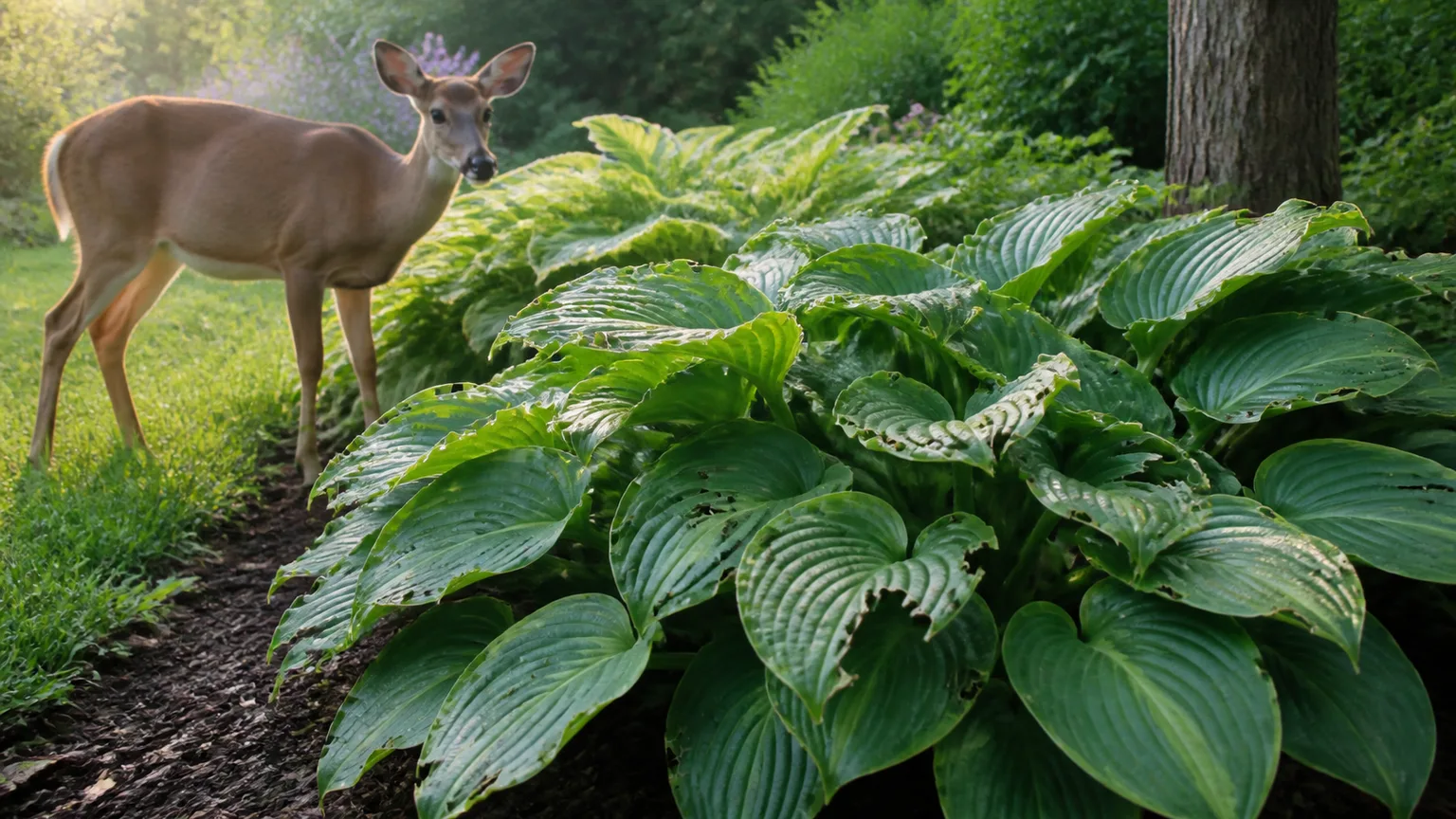
Yes. Deer may eat tomato leaves, tender stems, and fruit, including tomatoes that have not ripened. They do not treat every tomato patch the same way, though: one garden may be passed over while another is browsed repeatedly, depending on local forage, deer pressure, season, and how easy the plants are to reach. A tomato variety that escaped damage last year is not guaranteed to be safe this year.
If you have torn foliage or missing fruit, confirm the likely animal before spending money on a remedy. Deer tend to leave a combination of rough browsing, damage across more than one plant, trampling, hoofprints, or droppings; no single clue is conclusive. When visits repeat, a physical barrier is the dependable starting point, with sprinklers or repellent acting as supporting measures rather than a promise of protection.
Do Deer Eat Tomatoes, Leaves, and Green Fruit?
Deer are flexible browsers, not tomato specialists. They can take leaves and stems while moving through a bed, and they may eat fruit at any stage if it is within reach. A tomato plant’s smell or a particular fruit color does not tell you whether deer in your area will ignore it. Gardening Know How notes that deer may sample unfamiliar plants and can broaden their diet when food is scarce; GardenGuides also describes deer browsing tomato foliage and fruit.
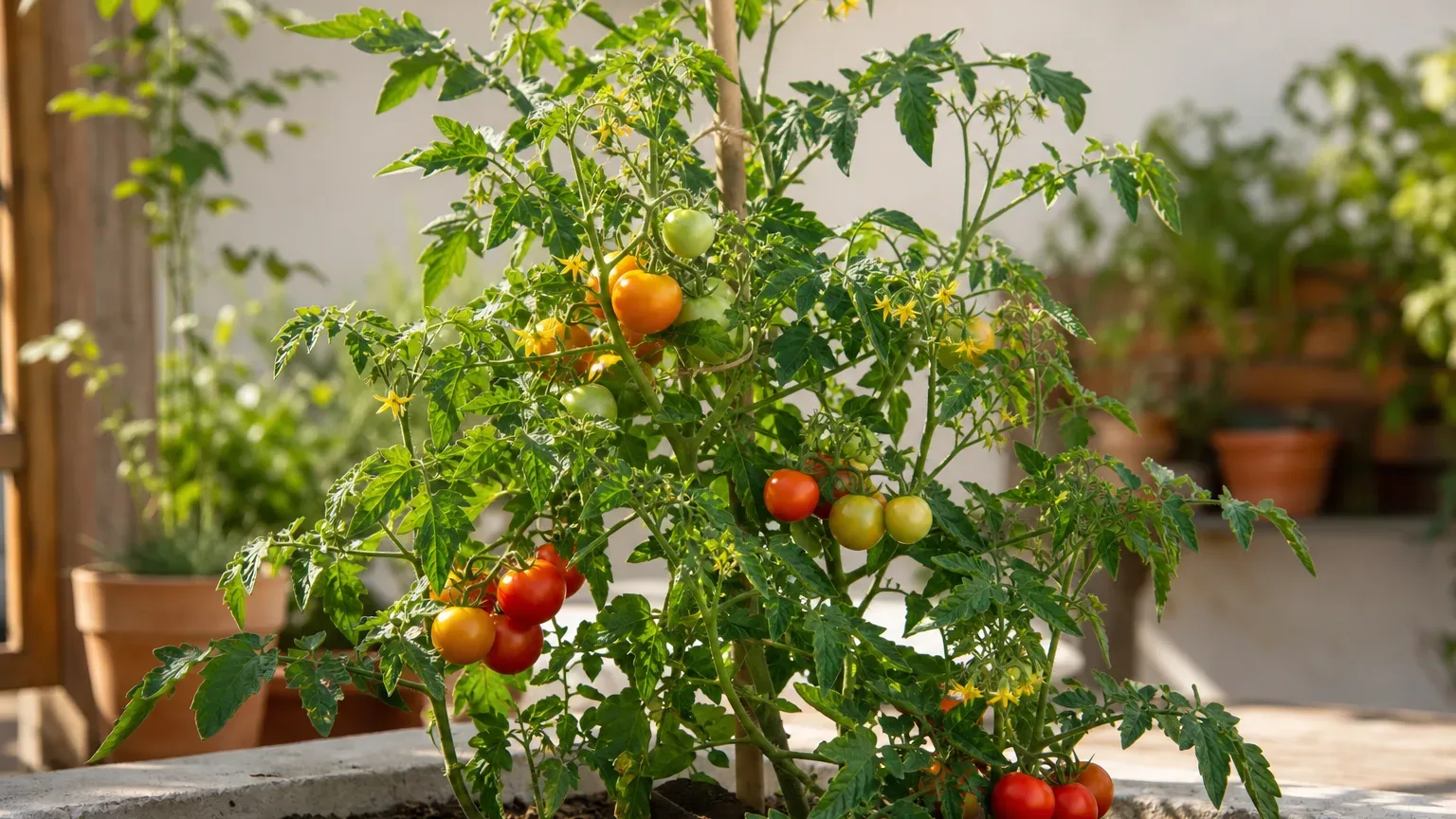
Some gardeners see deer leave tomatoes untouched for years, while others lose shoots or fruit in one visit. For example, a garden writer for The Old Farmer’s Almanac reports that deer leave tomatoes alone in his garden, while GardenGuides describes damage to foliage and fruit. Those local observations show why “deer-resistant” should be read as “less likely to be browsed in some settings,” not “safe from deer.” A hungry animal may ignore scent or taste preferences, and new, soft growth can be an easier target than older foliage. If nearby food becomes scarce or a deer learns that the garden is easy to enter, the risk can change quickly.
Why a deer might try your tomato patch
A tomato bed can be an easy stop along an existing route. Open gates, low fencing, gaps beside a shed, and plants that hang over the edge all make browsing simple; a deer that finds tender growth may return to the same place. Your garden may also be more attractive during a dry spell or when other forage is limited. The Utah Division of Wildlife Resources reported that drought can push wildlife into neighborhoods in search of food and water, a useful reminder that animal pressure can change with local conditions.
Tomatoes are not a dependable deterrent crop, and neighboring herbs do not form an invisible wall. Strongly scented or less palatable plants may make a bed less inviting, but they do not block access. Treat the tomato patch as vulnerable if deer are already visiting nearby, especially when you see fresh tracks, browsed shrubs, or damage to other edible plants.
Is Deer Damage Really the Problem?
Deer damage can be confused with rabbits, squirrels, birds, slugs, and insects. The fastest way to narrow it down is to look at the whole scene: which parts of the plant were eaten, how many plants were affected, whether stems were pulled or cleanly cut, and what tracks or droppings are nearby. Take a quick phone photo before you tidy the bed. Fresh marks are easier to compare than the same plant after pruning or rain.
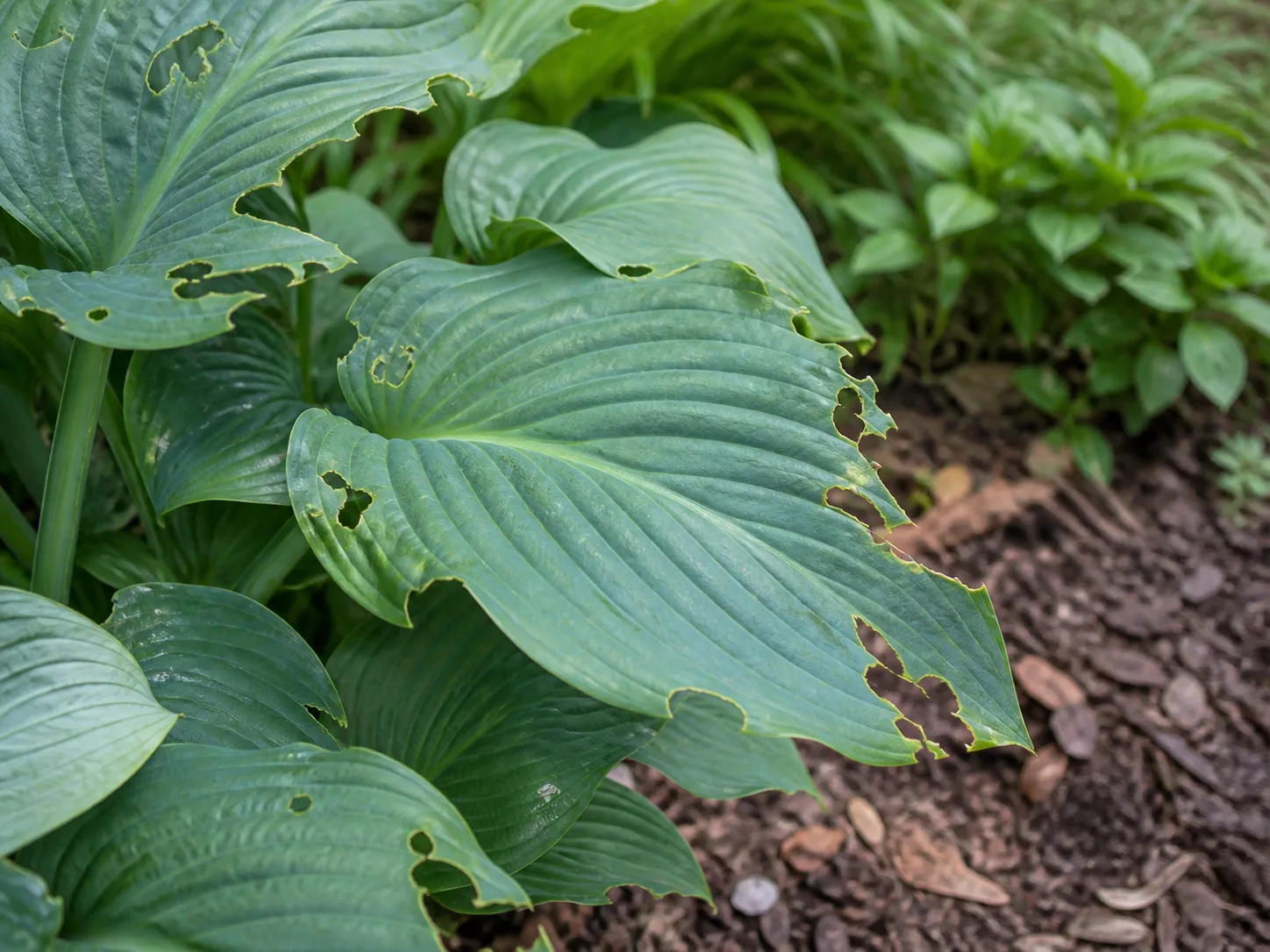
A deer often leaves a rough, torn-looking edge instead of a clean cut. Gardening Know How contrasts deer’s shredded bites with the cleaner cuts associated with rabbits. Damage on several plants, broken stems, pressed-down foliage, or a trail of hoofprints makes a deer more plausible; small neat cuts close to the ground point more toward rabbits. Missing fruit with peck marks or a few scattered bites may suggest birds or smaller mammals instead. These patterns help with triage, but they cannot identify an animal with certainty on their own.
Compare the bite, height, tracks, and nearby plants
Use clues together rather than deciding from one chewed leaf:
- Ragged leaves or pulled stems: consistent with browsing, especially when more than one plant is affected.
- Higher shoots or fruit gone from several plants: a larger animal may be reaching into the canopy.
- Trampled foliage, hoofprints, or droppings: strengthens the deer explanation. Note where they appear and whether the same path is used again.
- Small, cleanly clipped stems near the soil: more consistent with rabbits than deer.
- Isolated holes, skeletonized leaves, or small bites: inspect for insects, slugs, or other pests before building a wildlife barrier.
Check the garden at first light after a suspected overnight visit, then again around the time you normally find damage. A simple log of date, location, and fresh signs can reveal whether this is one curious animal or a repeated route. University of Minnesota Extension recommends paying attention to animal tracks, scat, and seasonal patterns when deciding how to protect a growing area. A trail camera can help when evidence is unclear, but a secure cage or fence can protect the crop while you observe.
What to Do After Deer Browse a Tomato Plant
Start with the fruit and growing points that remain, not with a drastic cleanup. If the main stem is intact and the plant still has healthy leaves, it can usually continue growing; removing it at once may sacrifice fruit that could still ripen. Support a leaning stem before it rubs against the soil, and keep damaged foliage from shading or trapping moisture around the healthy parts. Then close the easiest entry point that night, even if the permanent fix will take longer.
Check for contamination before you harvest
Look for deer droppings on the plant, fruit, soil, and nearby harvest area. If feces are on a tomato or have visibly contaminated it, do not harvest that fruit; rinsing is not a reliable way to make visibly contaminated produce safe. University of Minnesota Extension advises avoiding produce with visible fecal contamination and assessing a buffer around the affected area, with the size depending on how much feces is present, whether it is wet, rain or runoff, and how the crop grows. Remove the feces carefully and wash your hands and tools; do not drag it across the bed or splash it onto fruit.
If you find only tracks or browse marks and no visible contamination, that alone does not mean every tomato must be thrown away. Inspect individual fruit before picking, discard damaged or split tomatoes, and wash sound produce under clean running water before eating. Keep pets and children away from scat until it is removed, and avoid using animal droppings as fertilizer around food crops.
Prune only what is torn or broken
Use clean pruners to cut a badly crushed or hanging stem back to sound tissue, just above a healthy side shoot when possible. Leave undamaged leaves in place: they feed the plant and help it recover, while over-pruning can remove useful growth and expose fruit to direct sun. If only the top was browsed, check for a side shoot below the break; a determinate tomato may have less time to replace lost growth than an indeterminate vine, so protect what remains instead of expecting a full reset.
Water normally at the soil line and restore the support if the plant was pushed over. Do not fertilize heavily to “make up” for missing leaves; that can encourage soft vegetative growth without solving the cause of the injury. Once the plant is stable, protect new shoots and any fruit that is still developing. If the main stem is severed at soil level or most of the canopy is gone late in the season, compare the time left before frost with the cost of replacing the plant.
6 Ways to Keep Deer Out of Tomato Plants
Choose a method that matches how many plants are exposed and how often deer return. For a first visit, a temporary barrier around the most vulnerable plants buys time while you confirm the route. Repeated browsing calls for exclusion around the bed; adding several short-lived tricks is usually more work than installing one barrier that actually closes access.
1. Fence the small bed before fencing the whole yard
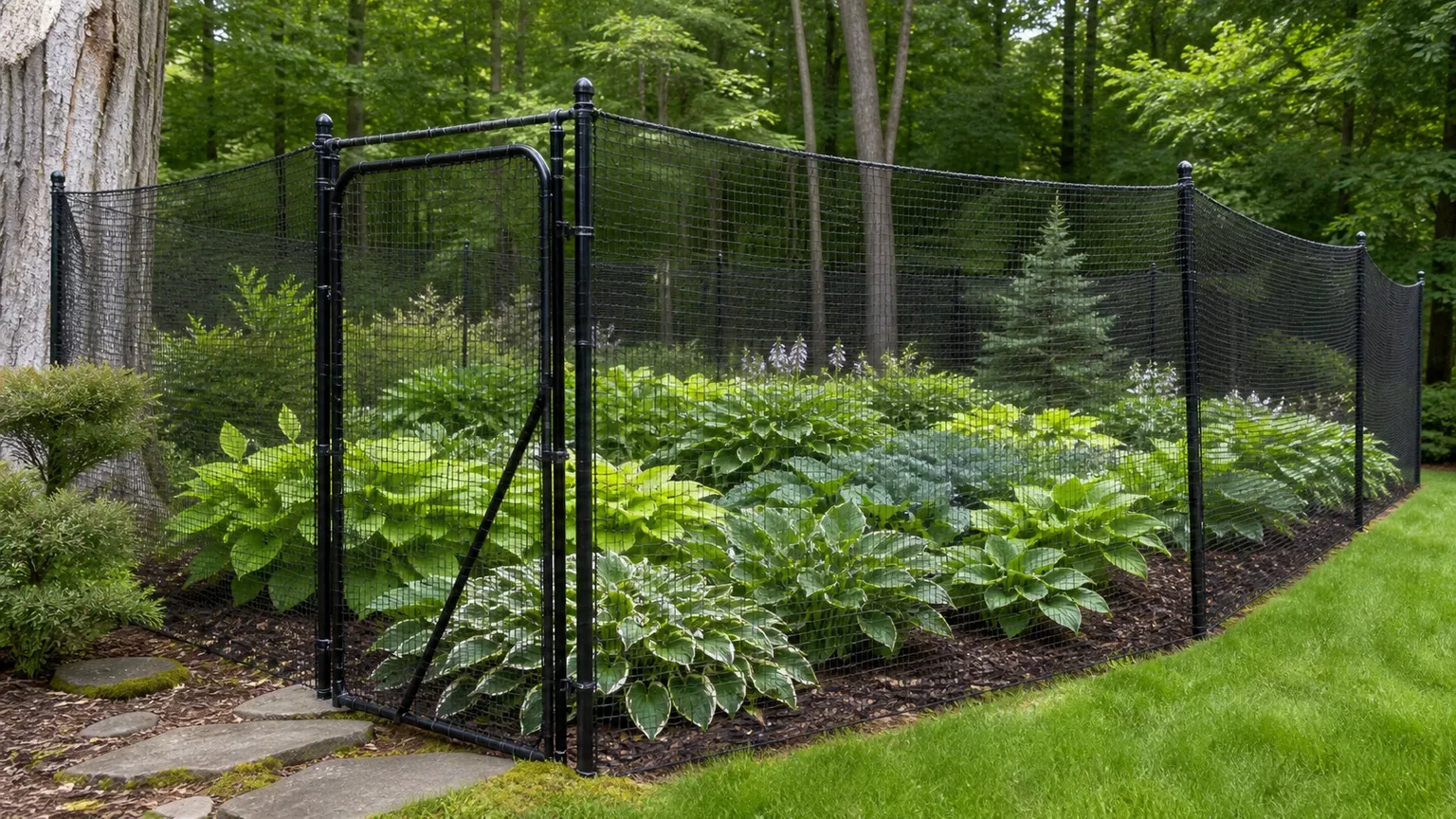
If deer are eating tomatoes repeatedly, start by fencing the vegetable bed rather than the entire property. Utah State University Extension and the Utah Division of Wildlife Resources both identify a fence around 8 feet high or higher as the most reliable way to keep deer from garden plants. Shorter barriers may reduce damage, but a deer can clear a low fence, especially when it has space to land or a strong reason to reach the crop. A taller enclosure costs more and changes the garden’s appearance, but it protects tomatoes day and night without needing a new application after every rain.
Build the fence as a continuous boundary: close gaps at the ground, keep the gate shut, and use sturdy posts so mesh does not sag into a walk-through opening. Measure the height from the ground outside the barrier, not from the bottom of a raised bed. If the garden slopes, check the low side where a deer may step over the fence. The Utah guidance also cautions that deep snow and hungry animals can undermine an otherwise good barrier, so inspect the fence after storms and at the start of each growing season.
Choose an 8-foot barrier or a tight, covered cage
A full perimeter fence is useful when several beds or crops are at risk; a cage is more affordable when there are only a few tomato plants. A standard tomato support cage is not a deer barrier because it is open at the top and sides. Choose mesh tall enough to enclose the mature plant, secure it to stakes, and close the top or use an anchored frame that leaves enough room for growth and harvesting. Keep netting taut and visible; loose, tangled material can snag animals or tear in wind.
For a single plant, a cage that you can open deliberately is easier to maintain than loose netting thrown over leaves. If the plant grows through the mesh, harvest becomes awkward and shoots may break when you pull the cover away. Build with the mature canopy in mind, and check the enclosure after each visit for a lifted edge or open door. If deer pressure is heavy, a one-plant cage may become tedious to open and close every day; a small bed fence can be the better long-term choice.
2. Enclose individual plants while they are still small
Install a complete cage before tender seedlings become a target. Use welded wire, sturdy garden mesh, or deer netting supported by rigid stakes; leave a small working door or lift-off panel so you can tie, prune, and harvest without leaving a gap open overnight. Anchor the lower edge to the ground or secure it to a planter frame. A cage only works while the whole plant remains inside it, including the topmost leaves and fruit.
A container does not stop a deer. A pot on a porch, deck, or low patio can still be reached if the animal can walk up to it, and a tall plant may hang outside a cover that seemed adequate in spring. Keep container tomatoes close to an occupied entry or behind a closed gate, and add a full cover if deer already browse the yard. Move the pot only if the new spot still gives the plant enough sun and room; a protected tomato that is too shaded may fail for a different reason.
3. Add a motion-activated sprinkler for repeat visitors
A motion-triggered sprinkler gives deer an unexpected burst of water when they approach and can protect an open bed without building a full-height fence. Utah wildlife staff call it a fairly effective technique, and a gardener writing for The Old Farmer’s Almanac describes it as more useful than lights when deer are determined to reach a favored crop. Set the sensor to cover the approach path, not a public sidewalk or the neighbor’s yard, and reposition it if deer simply walk around the spray.
This is a deterrent, not a force field. Deer that visit nightly may get used to the device, and a sprinkler does nothing when its battery, water supply, or sensor fails. Check the equipment regularly, aim it where the deer actually enter, and account for people, pets, freezing weather, and water use. If the garden is being browsed while the sprinkler is working, move to a physical enclosure instead of adding more devices.
4. Treat repellent as a temporary, label-led layer
A commercial deer repellent may help with light or intermittent browsing, especially when it is applied before animals establish a feeding habit. Products differ in ingredients and intended use. If you use one near tomatoes, read the current label and choose a product explicitly intended for edible crops; follow its crop, application, harvest, and reapplication directions exactly. A product sold for ornamental shrubs is not automatically appropriate for food plants.
Rain, irrigation, new growth, and the interval on the label affect how long a treatment lasts. Utah State University Extension warns that repellents are not reliable when hungry animals have accessible food, so do not treat a spray as a substitute for a barrier under high pressure. Avoid relying on homemade mixtures or applying blood meal, essential oils, hot pepper, or household chemicals directly to edible leaves and fruit. These can wash away, irritate people or animals, damage foliage, or create food-safety uncertainty without keeping a determined deer out.
5. Change scare tactics, but do not rely on them alone
Human presence, moving lights, or other harmless surprises can interrupt a deer’s routine for a short time. The Old Farmer’s Almanac garden writer describes moving lights around every few days and notes that a sprinkler was more useful when deer were intent on eating a favorite crop. The practical lesson is to change the cue rather than leave one static object in the same spot for weeks.
Use this as a bridge while you put a cage or fence in place, or as a low-cost option when a deer only visits occasionally. Lights, noise, soap, hair, and other scent-based tricks can lose effect as animals become familiar with them; Utah State University Extension describes many such repellents and scare methods as unreliable. Do not spend the whole season rotating ornaments while fresh damage continues. If you find new bites after a few days, move to a closed barrier.
6. Design the garden to reduce easy access
Put valuable crops behind the strongest protection and keep the route into the bed inconvenient. Close gates, repair a sagging fence, remove fallen fruit and vegetable scraps, and avoid planting a deer’s favorite food right beside the tomatoes. Planting less palatable or strongly aromatic species along an edge may add a small buffer, but it should not be the only protection. Gardening Know How suggests using less appealing plants around vulnerable beds; the Utah Division of Wildlife Resources also recommends unpalatable border plantings as one measure, while emphasizing fencing as the most reliable defense.
Do not create a “deer buffet” as a diversion. It may draw animals toward the garden, teach them that the yard provides food, and leave the tomatoes exposed when the substitute crop is gone. Utah wildlife officials discourage feeding deer because it can create unsafe animal-human interactions and harm wildlife. A border of herbs can make a garden more varied, but it cannot promise that deer will stop at the edge. The useful sequence is to make access harder, remove easy attractants, and then use planting choices as a modest supplement.
Which Deer Deterrent Should You Use First?
| What you see | Start with | Add or change if damage continues |
|---|---|---|
| One uncertain browse mark | Photograph the damage, check for tracks or scat, and cage the most exposed plant | Inspect again the next morning before buying a large fence |
| Several plants browsed once or twice | Cover individual plants or close the gate and patch the entry gap | Add a motion sprinkler or a labeled repellent as a temporary layer |
| Fresh damage on repeated nights | Fence the whole tomato bed with a tall, continuous barrier | Check the gate, ground gaps, and low points after each visit |
| Deer still reach a fully protected crop | Recheck the height, top, and access route of the enclosure | Replace an incomplete cover with a full-height fence or a rigid, closed cage |
The order matters. If you are not sure whether deer are responsible, spend one morning checking for broad damage, prints, droppings, and a repeat route. If the evidence is clear but the damage is occasional, secure the handful of plants at risk. If deer return after a barrier is in place, look for the opening before buying another repellent: one gap can make an otherwise good fence ineffective.
Budget and garden shape matter too. A homeowner with two patio tomatoes can close a rigid cage each night; a larger bed may justify a perimeter fence that protects lettuce, peppers, and tomatoes together. A motion sprinkler suits a yard where water can be aimed safely and the animal pressure is modest. In a drought, at a woodland edge, or wherever a herd regularly crosses the yard, spend effort on exclusion first and view every other method as backup.
Conclusion
Deer do eat tomato plants, but there is no reliable rule that every deer will choose every tomato patch. Look for several clues before deciding what caused the damage, keep visibly contaminated fruit out of the harvest, and prune only tissue that is broken or crushed. When browsing is repeated, protect the bed or plant with a complete barrier; use sprinklers and labeled repellents to support that plan, not replace it. A closed gate, intact mesh, and quick morning check will usually do more than a collection of scent tricks.