Why Pull Weeds in Fall? The Life-Cycle Advantage
Pulling weeds in fall can limit spring growth, but timing depends on the weed. Learn which seed-bearing annuals and perennial roots to target, and what to leave.
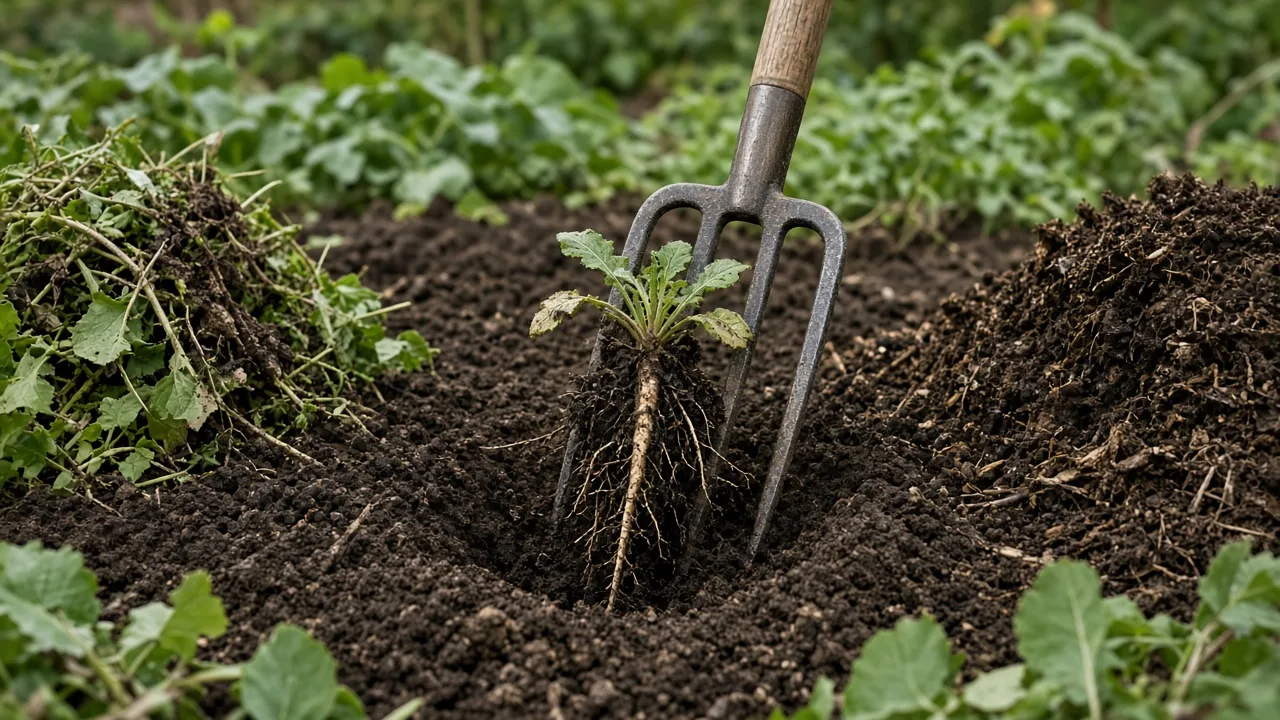
Yes, fall can be a smart time to pull weeds, but the best targets are plants about to shed seed and perennials that still have living roots. The payoff depends on identifying what is growing: a mature summer annual, a tiny winter-annual rosette, a taprooted dandelion, and a creeping weed with rhizomes call for different methods. Pulling every green plant just because the season is changing can waste time, scatter seeds, and disturb soil without solving the problem.
The reason fall gets special attention is that several weed life cycles converge in late summer and autumn. Some annuals are finishing seed production; winter annuals are just establishing; and many perennials are sending stored energy into roots for winter. If you match the job to the plant’s stage, fall work can reduce next year’s weed pressure. For a separate before-frost cleanup checklist, see Should You Remove Weeds Before First Frost?.
Why Fall Can Be an Effective Weeding Window
Fall is useful because it gives you more than one opportunity to interrupt a weed’s life cycle. Before frost, a seed-bearing annual can still be stopped from adding seed to the soil. At the same time, newly emerged winter annuals are small and easier to remove than the flowering plants they may become in spring.
The third advantage applies to some established perennials. As days shorten and nights cool, many actively growing perennials move carbohydrates from their leaves toward crowns, roots, or other overwintering structures. That movement is one reason early-fall systemic herbicide treatments can be effective on the right actively growing perennial, and why the root system—not just the top growth—matters when you dig. NC State Extension describes this seasonal movement and recommends identifying the weed and timing a method to its life cycle rather than relying on one universal treatment (NC State Extension: Weeds).
Fall does not guarantee easy pulling or permanent control. Soil may be loose after rain, but a saturated bed can compact underfoot; cold can slow growth before roots are removed; and a weed that has already scattered seed has completed the part of its life cycle you hoped to prevent. Think of fall as a useful management window, not a deadline or a cure.
Identify the Weed Before You Pull
Start with one question: what lets this plant survive or spread? A seed-only annual is usually controlled by preventing seed production or cutting it at the soil line. A perennial may regrow from a crown, taproot, rhizome, stolon, or tuber, so pulling only the leaves can leave the problem intact. A winter annual is already using fall to get established.
If you cannot identify the plant confidently, do not yank it and carry it through a bed. Photograph the leaves, stem, flowers, and seed head; compare them with a regional extension or weed-identification resource; then decide whether it is actually unwanted. This pause is especially important around plants with irritating sap, thorns, or toxic parts, and around desirable seedlings that resemble weeds.
Seed-Bearing Summer Annuals
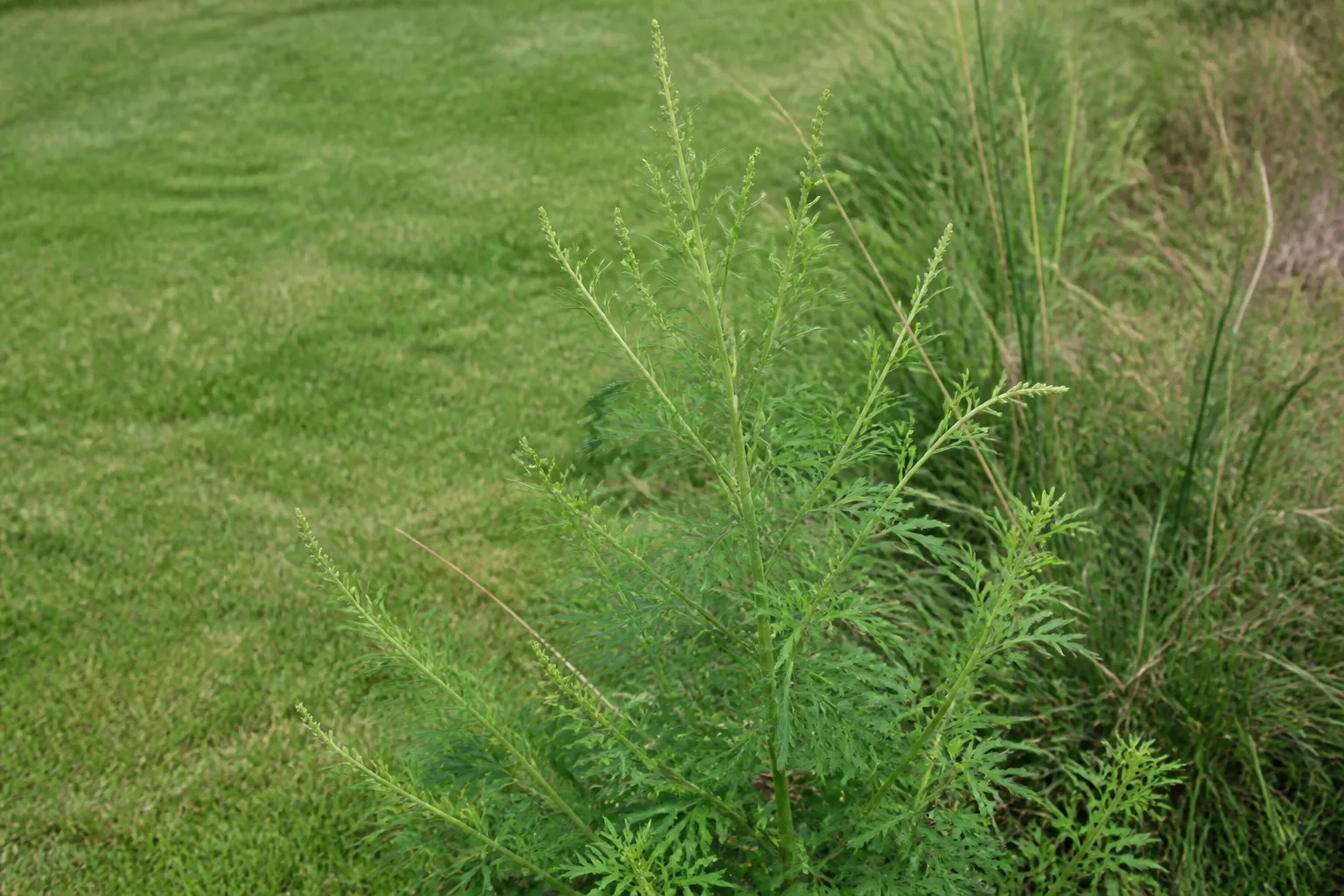
Crabgrass, pigweed, and purslane are examples of summer annual weeds that often reach flowering or seed production by late summer. They generally complete their lives in one growing season, so removing an intact root is less important than preventing viable seed from reaching the soil. A shallow hoe cut just below the crown can be enough for an annual that has not developed a persistent underground structure.
Look for seed heads, dry flowers, burs, capsules, or tiny seeds along the stem. If the plant is still flowering, remove it before those structures mature. If seeds are already dry or loose, avoid shaking the plant over the bed: first slip a paper or reusable bag around the seed head, cut it off, and contain it before pulling the remaining stem.
Do not count on frost to undo seed production. Frost can kill the foliage of tender annuals, but seeds already released may persist in the soil and germinate later. NC State Extension notes that weed seed survival and dormancy vary by species, and that repeated soil disturbance can bring buried seeds to the surface where conditions may trigger germination (NC State Extension: Weeds).
Winter Annual Seedlings
Winter annuals reverse the summer-annual calendar. Chickweed, henbit, hairy bittercress, and annual bluegrass can germinate when the weather cools, remain low through winter, and flower as conditions warm. Their fall seedlings may look insignificant, but removing them while they are small can be easier than trying to clear a mat of plants before spring planting.
After a cool rain, inspect bare vegetable beds, path edges, and gaps between established plants for small rosettes. Pull them by the crown or skim them with a hoe just under the surface; avoid deep cultivation, which can uncover more dormant seeds. If you plan to sow desired flowers or vegetables in that bed, avoid using a preemergence herbicide unless its label and timing are compatible with those seeds, because it may prevent wanted plants from germinating too.
A layer of mulch or a winter cover crop can reduce open space and light at the soil surface after you remove seedlings. The University of Delaware Cooperative Extension recommends preventive approaches such as mulch, cover crops, and removing weeds before they set seed rather than waiting for a large infestation to become difficult to manage (University of Delaware Cooperative Extension: Weed Control in the Vegetable Garden).
Taprooted Perennials
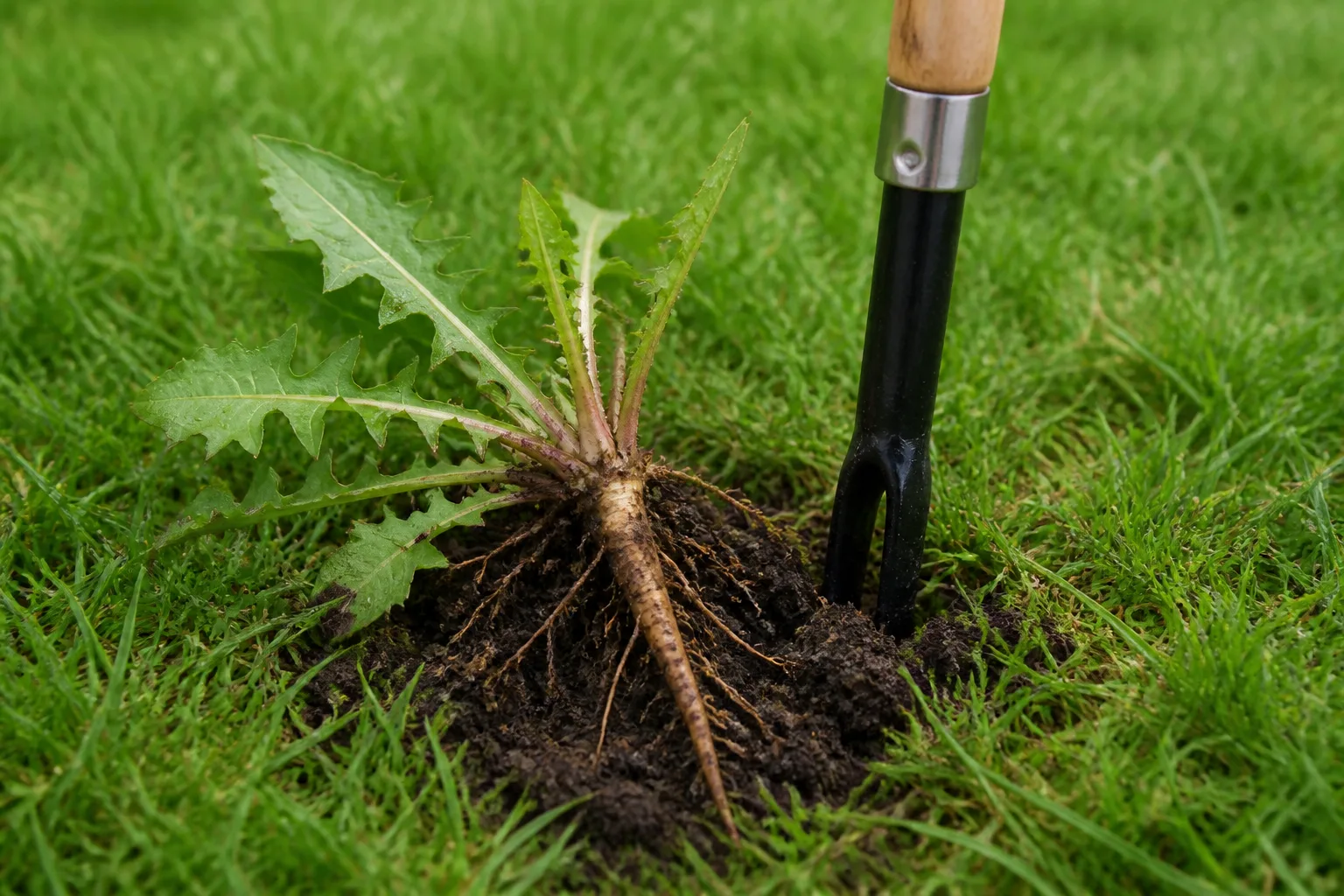
Dandelions, plantain, and curly dock can survive winter through a persistent crown or root. Their tops may die back or disappear, then return when spring growth resumes. A clean-looking surface after frost therefore does not prove that a perennial weed is gone.
If the plant is small enough to remove and the soil is workable, loosen the ground around the crown with a narrow hand fork or weeder. Pull slowly, following the root downward instead of snapping the leaves at the surface. You may not extract a long taproot in one piece, but removing the crown and as much root as practical reduces the chance of immediate regrowth; mark the area for a spring check.
Moist, friable soil usually releases roots more readily than hard summer-dry ground. “Moist” should mean that soil crumbles when squeezed—not that it smears, shines with water, or sticks heavily to boots. Country Living’s practical fall guidance also notes that softer autumn soil can make hand-pulling easier, while the work still depends on the weed’s root system and the nearby plants you need to protect (Country Living: How to Prevent Spring Weeds by Tackling Them in Fall).
Creeping Perennials
Bindweed, quackgrass, horsetail, and nutsedge can spread through underground or creeping structures such as rhizomes, tubers, or stolons. These weeds are harder to control than a single taproot because a small fragment may remain alive or a shallow pull may leave most of the network untouched. A quick tug that removes only leafy shoots is likely to be temporary.
For an isolated plant, dig carefully and remove as much of the connected root or stem as possible without chopping it into pieces. In a dense patch, avoid rototilling as a shortcut: cutting a creeping weed can distribute viable fragments through the bed, and cultivation can also expose dormant weed seeds. Repeatedly removing new shoots, keeping the soil covered, or treating the patch as a longer project may be more realistic than expecting one fall excavation to eradicate it.
Clean soil from forks and hoe blades before moving from an infested patch to clean ground. The aim is simple: do not carry pieces of a spreading weed into a place where you have just reduced competition.
When to Leave a Weed in Place
“Weed” describes a plant growing where it is not wanted; it is not a life-cycle category. A volunteer that is easy to identify, contained, and not competing with the plants you are trying to grow may not need removal. A flowering native or useful groundcover can have a place in a deliberately informal border, while the same plant may be a nuisance in a seedling bed or lawn.
Choose the outcome you want before you pull. Keep a plant if you intend it to remain and can prevent unwanted spread; remove it if it crowds crops, invades a nearby bed, threatens a desirable plant, or is likely to produce seed where you do not want seedlings. Integrated weed management focuses on controlling the plants that create a problem rather than trying to eradicate every spontaneous plant from the landscape (NC State Extension: Weeds).
If you want some seed-bearing flowers for wildlife or to save seed, contain that choice: keep them in an area where seedlings are welcome, and deadhead or collect seed before it disperses beyond that boundary. Do not preserve an unidentified plant simply because it looks attractive; some invasive weeds are appealing before they spread.
A Fall Weeding Sequence That Limits Regrowth
Work in passes instead of pulling whichever plant catches your eye first. A quick survey helps you find the plants with the greatest consequences if left alone, and it prevents a tidy-looking bed from taking priority over seed heads or persistent roots.
Use this order when you have limited time:
- Contain mature seed heads.
- Remove actively growing perennials that are small enough to control.
- Hoe or pull winter-annual seedlings.
- Cover exposed soil and schedule a follow-up check.
That order matches the seasonal priorities described by horticulture professor Manjot Kaur Sidhu: stop mature weeds from reproducing, remove the plants that can overwinter, then protect open soil from new seedlings (The Conversation: Fall weed control advice from a horticulture professor). The useful distinction is that the same action does not fit each weed; containment, extraction, and soil cover solve different parts of the problem.
Contain Mature Seed Heads First
Seed containment comes before digging when a plant is already dry or shedding. Cut the seed-bearing top directly into a bag or bucket, keeping it upright and still. Then remove the stem and root using the method that fits the weed; do not drag a loaded plant across the bed or leave it on a path where wind can spread the seeds.
If the plant is too large to bag intact, work from the top down and clip the seed clusters in manageable pieces. Wear gloves and eye protection when stems are prickly, sap is irritating, or the species is unfamiliar. When the plant is an invasive species or local rules specify disposal, follow your municipality or extension service’s direction rather than assuming household compost is appropriate.
Remove Roots Only When It Helps
For a young annual, digging a deep hole may do more harm than good. Slice the crown below the soil surface with a sharp hoe or remove the whole small plant by hand; then leave the surrounding soil structure mostly undisturbed. That approach minimizes the chance of lifting new seed into the light and protects nearby shallow roots.
For a taprooted perennial, make a narrow opening beside the crown and loosen the soil before pulling. For a creeping perennial, do not use broad chopping as a substitute for a plan; remove what you can trace, bag fragments that might regrow, and revisit the area. If you cannot remove a root without damaging an established plant, cut the weed back and plan repeated removal rather than sacrificing the desirable plant.
Disturb as Little Soil as Possible
Deep digging and tilling can expose dormant seeds and bring them into conditions that favor germination. In beds where annual weeds are the main issue, a shallow hoe pass is often more useful than turning over a broad area. Save deeper digging for a specific root you are following, and work when the soil is moist but not saturated.
This is also why neatness alone is a poor reason to rototill the whole garden at season’s end. The University of Delaware Cooperative Extension recommends timely removal and preventive bed management; NC State Extension explains that cultivation can move weed seeds upward and that cutting creeping perennial roots may spread them. Keep the disturbance proportional to the weed you are controlling.
Cover Exposed Soil After Cleanup
After weeding, cover open ground with a suitable mulch or a planned cover crop rather than leaving a finely cultivated surface bare. A consistent organic layer can reduce light reaching many small weed seeds and make new seedlings easier to remove. The exact depth depends on the material and bed; use enough to cover the soil, but keep mulch away from crowns and the trunks or stems of established plants.
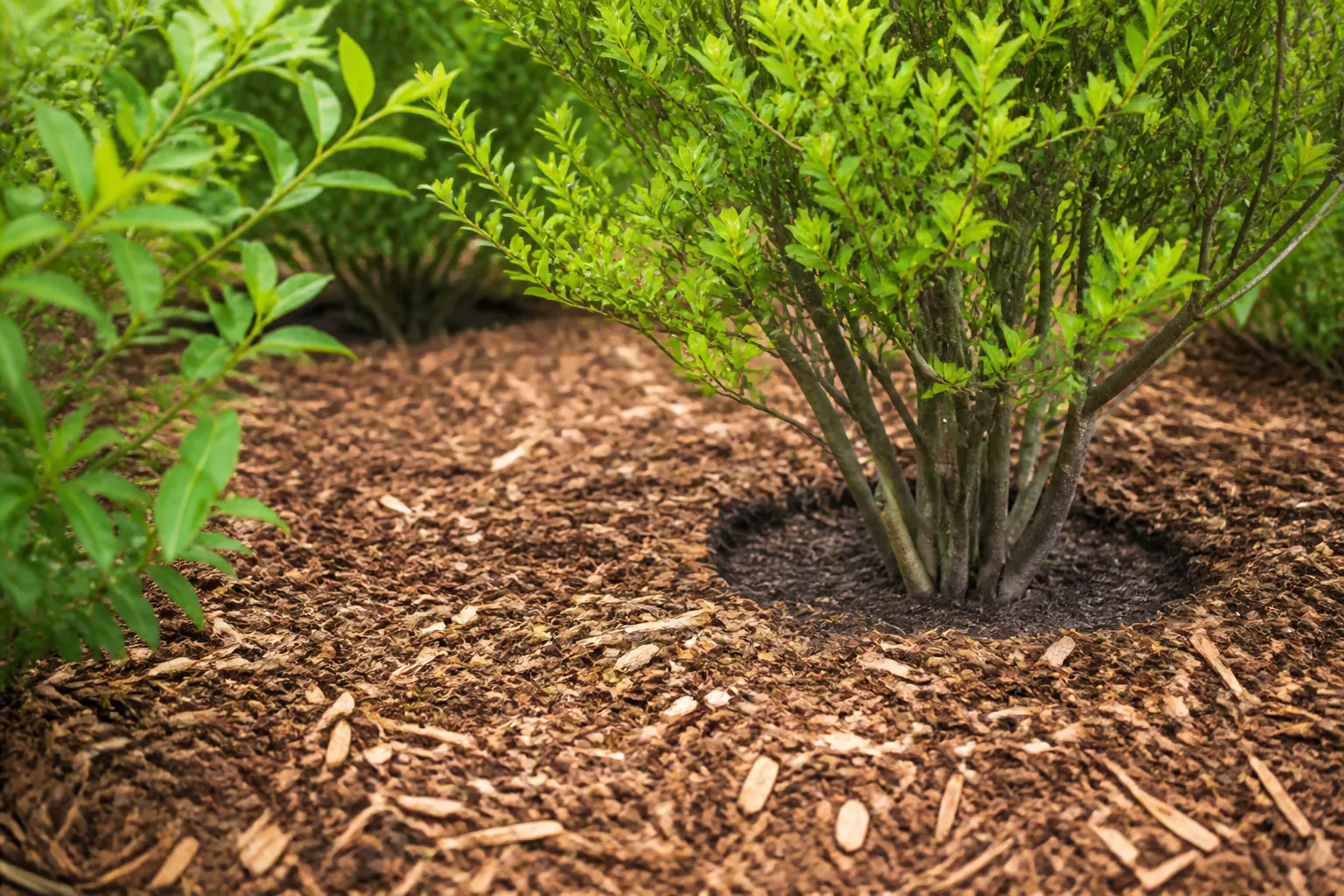
Shredded leaves, clean straw, leaf mold, and wood chips can all be useful in the right setting. Avoid spreading seed-filled hay, weedy compost, or diseased material. In a vegetable bed that will stay empty through winter, a locally appropriate cover crop can keep soil occupied; learn how and when to terminate it before spring planting.
Hand-Pulling, Hoeing, and Herbicides
Hand-pulling is precise for isolated weeds, seedlings, and roots you can loosen without disturbing nearby plants. A fork or narrow weeder helps with taproots, while gloved hands are often enough for shallow annuals. It is slow for a large infestation, and pulling a mature seed-bearing plant carelessly may spread the very seeds you want to contain.
Hoeing is efficient for many tiny annuals and winter-annual seedlings, especially when the blade slices just below the soil surface. It is less suited to a weed tangled through an ornamental plant or a creeping perennial that can regrow from fragments. Avoid chopping blindly around bulbs, crowns, and desirable roots.
Epic Gardening’s fall-weeding guide also recommends matching the tool to root depth and covering the soil after removal; both ideas are most useful when they are applied to the identified weed and bed, rather than as a blanket cleanup routine (Epic Gardening: 5 Fall Weeding Tips to Try This Season).
Herbicides are a separate option, not a shortcut that makes identification unnecessary. Fall may be a useful application window for some systemic products on specific perennial weeds that are still actively growing, because plant movement can carry the product toward roots. A contact herbicide may only damage the foliage, and a nonselective spray can injure any green plant it touches. If you use one, select a product labeled for the identified weed and site, follow the label’s timing and protective directions, and keep spray off desired plants; do not apply it to a vegetable or flower bed just because it is autumn. NC State Extension describes how herbicide type, target species, growth stage, weather, and site affect results (NC State Extension: Weeds).
For a few weeds, mechanical removal is often the more controlled choice. For a persistent or extensive infestation, get local extension advice about the species and site before choosing a treatment. “Natural” or homemade mixtures are not automatically selective or harmless, and a treatment that burns leaves may leave perennial roots alive.
What to Do With Removed Weeds
Do not treat every pulled plant as compost material. Seedless, soft annual weeds may be suitable for a managed compost pile, but mature seed heads, invasive plants, and persistent roots deserve extra caution. A home pile that is cool at the edges or never turned may not expose all material to the temperatures needed to kill seeds and vegetative parts.
NC State Extension notes that properly managed compost reaches temperatures around 140°F and requires regular turning to kill most weed seeds and vegetative structures; the recommendation is not a guarantee for an unmonitored backyard bin. If you cannot verify that your pile heats and turns consistently, keep seed-bearing and persistent-root material out of it. Use an approved municipal green-waste service or follow local disposal directions instead (NC State Extension: Weeds).
Some pulled weeds can reroot if left in moist soil. Place them in a bucket or on a tarp while you finish, not on the edge of a clean bed. If you used an herbicide, check its label and local guidance before composting treated material; do not assume the active ingredient has broken down simply because the leaves look dead.
Why One Fall Pass Is Not a Cure
Fall cleanup can prevent some new seed from entering the soil and reduce living root systems, but it cannot remove every dormant seed already present. Wind, birds, compost, footwear, mowing equipment, and new plantings can bring in more seeds. Even a carefully weeded bed can produce new seedlings after rain or soil disturbance.
Treat the first pass as the start of a smaller maintenance cycle. Recheck after cool-season rain for winter annual seedlings, then inspect the same areas early in spring before weeds flower. Remove new plants while they are small, mulch gaps, and record where a perennial returns so you can adjust the method rather than repeating the same ineffective tug.
This follow-up does not mean the fall effort failed. It means that weed management is repeated prevention: reduce seed production, limit favorable open ground, and weaken persistent weeds over time. The University of Delaware Extension’s guidance to avoid letting weeds set seed and to use mulch or cover crops supports this preventive approach.
Common Fall-Weeding Mistakes
- Pulling by calendar instead of plant stage. September is not the same season everywhere; use the weed’s condition, local climate, and workable soil as your guide.
- Yanking a mature seed head through the bed. Contain the seed-bearing part first so cleanup does not disperse it.
- Removing only the leaves of a perennial. Identify whether the plant survives through a crown, taproot, rhizome, tuber, or stolon and plan for that structure.
- Tilling an infested bed without identifying the weed. Fragmenting some creeping roots can worsen the spread, and turning soil can expose new seeds.
- Working saturated ground. Wet soil smears and compacts underfoot; wait for a day when it crumbles instead of forming a slick clod.
- Spraying mixed beds without checking the label. Products differ in what they control and where they may be used; drift or direct contact can injure desirable plants.
- Composting every weed. Seed heads, invasive material, and persistent roots may survive a home compost pile that does not heat consistently.
- Trying to make the garden completely bare. Remove plants that cause a problem, not every volunteer by default; protect soil with mulch or an intentional cover after cleanup.
Conclusion
Fall is a useful time to weed when you focus on the right biological target. Stop seed-bearing annuals before they scatter, remove small winter annuals while they are easy to dislodge, and address perennial roots with a method suited to their structure. The cooler season can help with timing, but it does not make every weed vulnerable or every garden ready for digging.
Leave harmless, intentional plants where they belong, pause when the soil is frozen or saturated, and follow removal with mulch, cover crops, and a spring inspection. That practical sequence will not erase a soil seedbank, but it can keep a few weeds from becoming a much larger job next year.



