Does Grass Seed Go Bad? Shelf Life and Test Guide
Does grass seed go bad? Check its age and storage, run a counted germination test, read the label, and decide whether to reuse the bag or buy fresh seed.
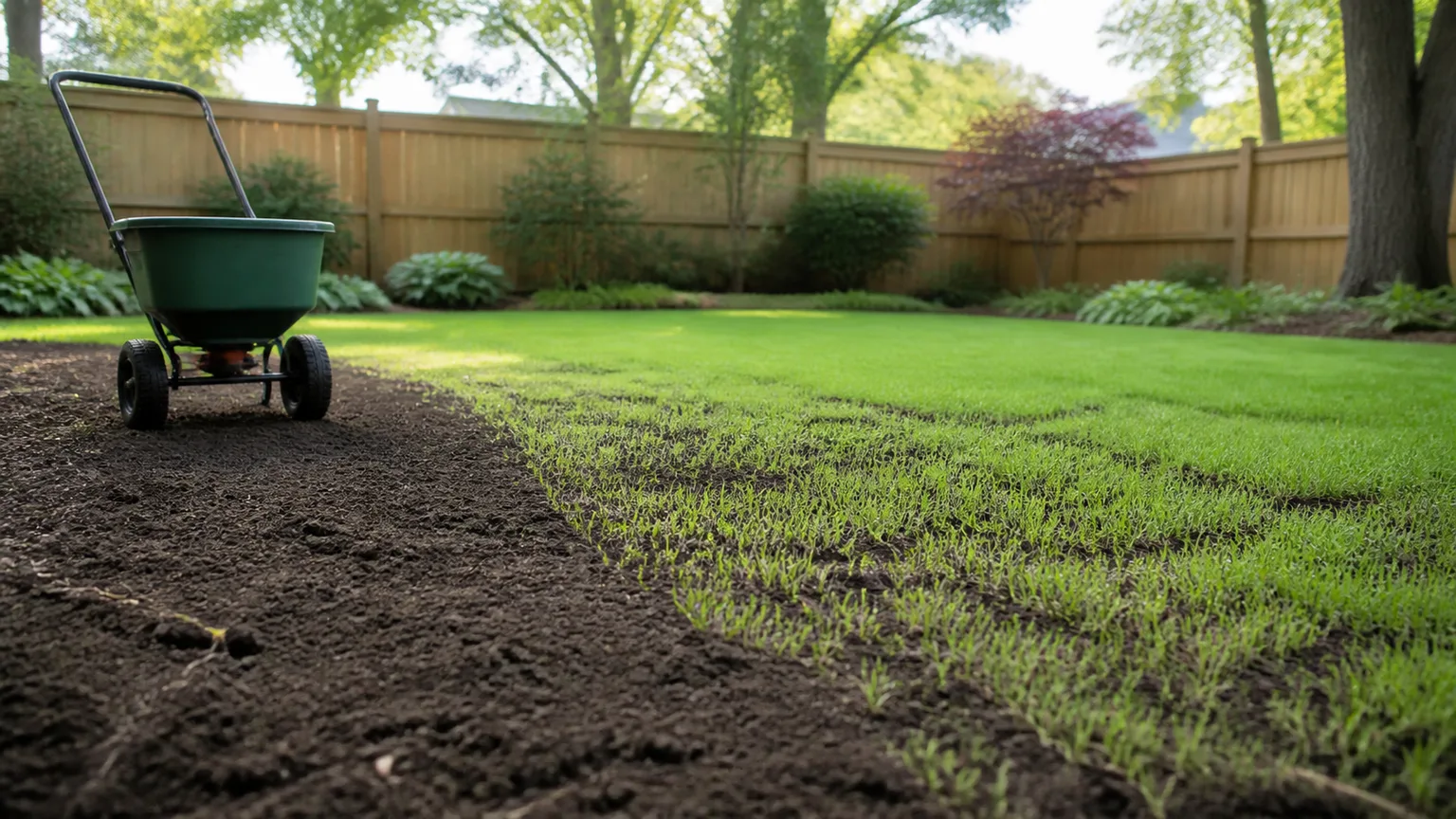
The quick answer: grass seed loses viability gradually
Grass seed can lose the ability to germinate, but it does not expire on one universal date. Time matters, yet the seed’s species, starting quality, moisture exposure, heat, and storage conditions all affect how many seeds remain alive. A dry bag kept in a stable indoor spot may still grow after a season or two; a bag that sat through hot, humid summers can decline much sooner.
The most useful question is not only how old the bag is. It is whether a representative sample still germinates well enough for the lawn project you have planned. Check the label and storage history, then count sprouts from a home germination test before you decide to sow or replace the seed.
What “bad” means for a bag of grass seed
Grass seed does not spoil like fresh food. As seed ages or experiences poor storage, its viability—its capacity to germinate—usually falls over time. A bag may therefore produce fewer seedlings per handful without every seed in it being dead.
That distinction matters because seeds can look ordinary while their embryos have deteriorated. Conversely, a few seeds with a faded appearance do not prove that an entire lot has failed. A musty smell, visible mold, damp clumps, insects, or water damage are serious warning signs, but when the bag is dry and intact, a counted germination test gives a better answer than appearance alone.
How long grass seed lasts depends on its history
A two-to-three-year shelf-life estimate is best treated as a planning range, not a guarantee or a discard date. A lawn-seed supplier’s guide uses that range for well-stored cool-season seed, while also emphasizing that species and storage conditions change the result (Lawn Synergy’s grass-seed storage guide). The RHS likewise notes that seed longevity depends on the species and the conditions before and during storage (RHS seed-storage guidance).
A newer bag is not automatically a better bag if it has been stored badly, and an older bag is not automatically useless if it stayed cool and dry. The date printed on a seed label is usually a test date or a lot-related date, not a promise that the seed stops working the next day.
For a large renovation or a narrow fall seeding window, uncertainty is more expensive: testing or buying a fresh lot may save weeks. For a small patch, a healthy-looking, dry bag with a decent test result may be worth using.
An unopened bag can still age because its contents are living material, but a sealed package reduces exposure to humid air and spills. Once opened, a bag that is loosely folded in a warm shed is more vulnerable to moisture and temperature swings. The bag’s history is more informative than whether its seal was technically broken.
Read the seed label before opening the bag
The label can tell you what seed you actually own and what the current germination test reported. Penn State Extension’s turfgrass label guide identifies fields such as the species and variety, lot number, percent pure seed, germination percentage, other crop seed, weed seed, inert matter, and the date of the germination test (Penn State Extension’s turfgrass seed guide). Look for the label on the bag itself rather than relying on the product name or front-panel photograph.
This information prevents two common mistakes. First, “grass seed” is not a single species: a blend may contain several grasses that germinate at different speeds and are suited to different conditions. Second, the germination percentage on the bag describes the seed when that lot was tested; it is a useful starting point, not a measurement of the seed after years in your garage.
Read the proportions in a blend, too. A bag may list several species by weight, and the largest seed is not necessarily the species with the highest number of individual seeds.
If one component matters most to your yard—for example, a shade-tolerant fescue—an overall test of the blend cannot prove that this component is still strong. Separate identifiable seeds for a second count when the distinction could change your decision.
Germination, purity, and the test date
Germination percentage estimates how many seeds in the tested sample sprouted under the test conditions. Purity describes how much of the listed seed is actually the named grass rather than coating, chaff, or other material.
The date helps you judge how current that reported germination result is. Rules and test windows can vary by jurisdiction, so treat the bag’s own label as the record for that lot rather than applying a state-specific time limit as a nationwide expiration rule.
Some lawn recommendations are expressed for pure live seed (PLS), which combines purity and germination. Penn State explains the calculation as percent purity multiplied by percent germination, then divided by 100. For example, seed that is 90% pure and tests at 80% germination is 72% PLS; a rate intended for 100% PLS would require more bulk seed to provide the same amount of viable grass.
Check whether a rate is stated for 100% PLS, for a typical seed lot, or for the specific bag’s coverage before adjusting anything. Retail instructions may already account for the product’s mix or coating weight. Applying a PLS multiplier to a rate that already includes that adjustment can make you over-seed.
What makes grass seed lose viability
Heat and moisture are the main storage problems a homeowner can control. Warm conditions speed deterioration, while moisture can trigger premature biological activity, encourage mold, or damage seed stored in a closed bag. Bright light and air exposure add stress, but a hot, damp shed is a more urgent concern than a dry cupboard that is merely not refrigerated.
Temperature swings matter too. A bag moved repeatedly between a cool room and a humid outdoor space can collect condensation, especially if it is open. Seed sold for lawns is already packaged dry; once it absorbs moisture, the danger is that some seeds start deteriorating before you ever spread them.
The seed’s identity and original quality also matter. A mixed bag may contain species with different natural shelf lives and germination speeds, while poor purity means some of the bag’s weight was never the target grass. These differences are why age alone cannot tell you the number of living seeds in a handful.
How to test old grass seed at home
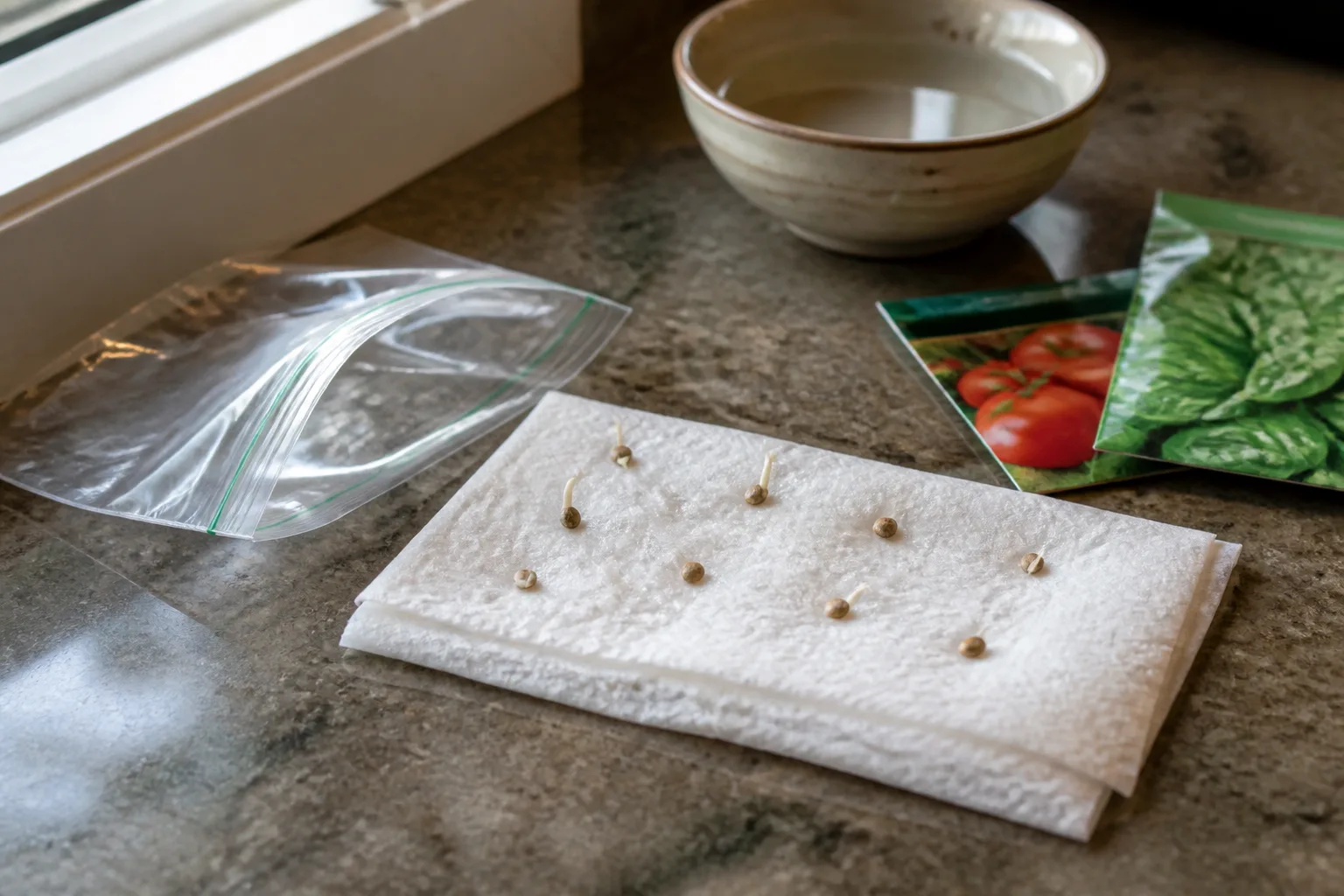
A home test does not certify a seed lot, but it can tell you whether a bag is worth trying on a lawn. Fine Gardening and Savvy Gardening both describe simple damp-paper tests for estimating seed germination; a larger sample makes the percentage more useful for a turf project (Fine Gardening’s seed-viability test; Savvy Gardening’s paper-towel method). Keep the test separate from your lawn so you can control moisture and count the result.
Take a representative sample
Before sampling, read the bag for the species or blend, the test date, and any germination guidance. If the bag is a blend, gently mix the contents if the package allows it, then take seed from several spots rather than only from the top. That gives you a better chance of testing what is actually in the bag instead of a pocket of one species or coating.
Count 50 to 100 seeds if they are small enough to handle; 100 makes the percentage easy to read because each successful seed equals one percentage point. If you only have a few seeds or the blend is difficult to separate, use at least 25 and understand that each seed will change the result by four percentage points. For a mixture with very different grass types, the overall test can hide a weak species, so test visibly distinct seeds separately when you can identify them.
For a steadier sample, divide 100 seeds among four small groups of 25 and keep each group labeled. Add the sprouts from all four groups when you calculate the total, but notice whether one group behaves differently; that can signal uneven moisture or an unrepresentative handful. You do not need laboratory dishes: clean plates, coffee filters, and a marker are enough.
Set up a damp-paper test
Place the counted seeds on a clean paper towel or coffee filter that is evenly damp, not dripping. Fold the paper over them, put it in a labeled plastic bag or covered container, and write down the date and the seed type. The label on your test sample matters if you are comparing two bags or several grass types.
Keep the container in a stable place at the temperature recommended for that grass, away from direct sun that can heat the bag. Check it every day or two: the paper should stay moist, but the seeds should not sit in standing water. If it dries, add a little water; if it smells sour or grows heavy mold, discard the test and repeat with a clean towel and a fresh sample.
Wait for the species’ germination window
Do not call the sample dead just because nothing appears after a few days. Different turfgrasses sprout at different rates, and a blend’s slowest component may take longer than its fastest one. Use the seed label’s expected germination information or a reliable guide for the listed species, and let the sample run through that window before counting.
At the end, count seeds that have clearly produced a healthy sprout rather than seeds that merely softened or split. A paper test is a screening tool; it does not recreate outdoor soil, and a small sample can differ from the rest of the bag. If the result is borderline and the lawn project is important, repeat with another sample or sow a small test strip in a prepared part of the yard.
Calculate a useful germination rate
The basic calculation is simple: sprouted seeds ÷ seeds tested × 100 = estimated germination percentage. If 72 of 100 seeds sprout, the sample estimate is 72%. If 18 of 25 sprout, it is 72% as well, but the smaller sample is less stable because each seed changes the result more.
Use the result as a range of confidence, not a precise forecast. A test showing 90% from a careful 100-seed sample is encouraging; a test showing 40% means most seeds in that sample did not sprout under the test conditions. Neither number guarantees the same percentage in your lawn, where temperature, moisture, seed depth, soil contact, and weather affect emergence.
Use PLS math only when the rate basis is clear
If an extension recommendation is explicitly for 100% PLS, you can estimate the bulk rate from the label’s purity and your current sample germination. Convert the percentages to decimals, multiply them to estimate current PLS, then divide the desired PLS-based seeding rate by that decimal. For example, a seed with 90% purity and a 70% home-test result has an estimated PLS of 0.90 × 0.70, or 0.63; a five-pound target rate for 100% PLS would work out to about 7.9 pounds of that material.
That is a calculation, not a universal instruction to spread extra seed. It assumes the sample represents the lot, the purity figure remains applicable, and the published rate is truly for 100% PLS.
If the bag’s own coverage rate already reflects its mix or purity, do not multiply again. When in doubt, compare the test with the label’s original germination percentage and ask your local extension service or the seed company how its coverage rate is defined.
Why a float test or a visual check cannot settle it
A float test is not a reliable substitute for counting germinated seeds. Whether a grass seed floats can be affected by trapped air, seed shape, surface tension, coating, and how long the sample has been wet; it does not directly measure whether an embryo can produce a seedling. Skip a cutoff such as “most seeds floated, so the whole bag is good” and use a controlled germination test instead.
Physical inspection still has a role, but only as a way to catch obvious storage damage. Mold, water intrusion, insect activity, a strong musty smell, or a bag that is visibly damp are reasons to avoid spreading that material. A dry seed that looks normal can still have low viability, and color or size alone cannot provide a germination percentage.
When good test results still fail in a lawn
A paper towel test answers a narrow question: did this sample sprout under favorable, moist conditions? It cannot confirm that the lawn has the right soil temperature, that the seed was spread at the correct depth, or that water will stay available while the seed germinates. Penn State Extension’s lawn-establishment guidance treats seed selection and establishment conditions as separate parts of building turf (Penn State Extension’s lawn-establishment guide).
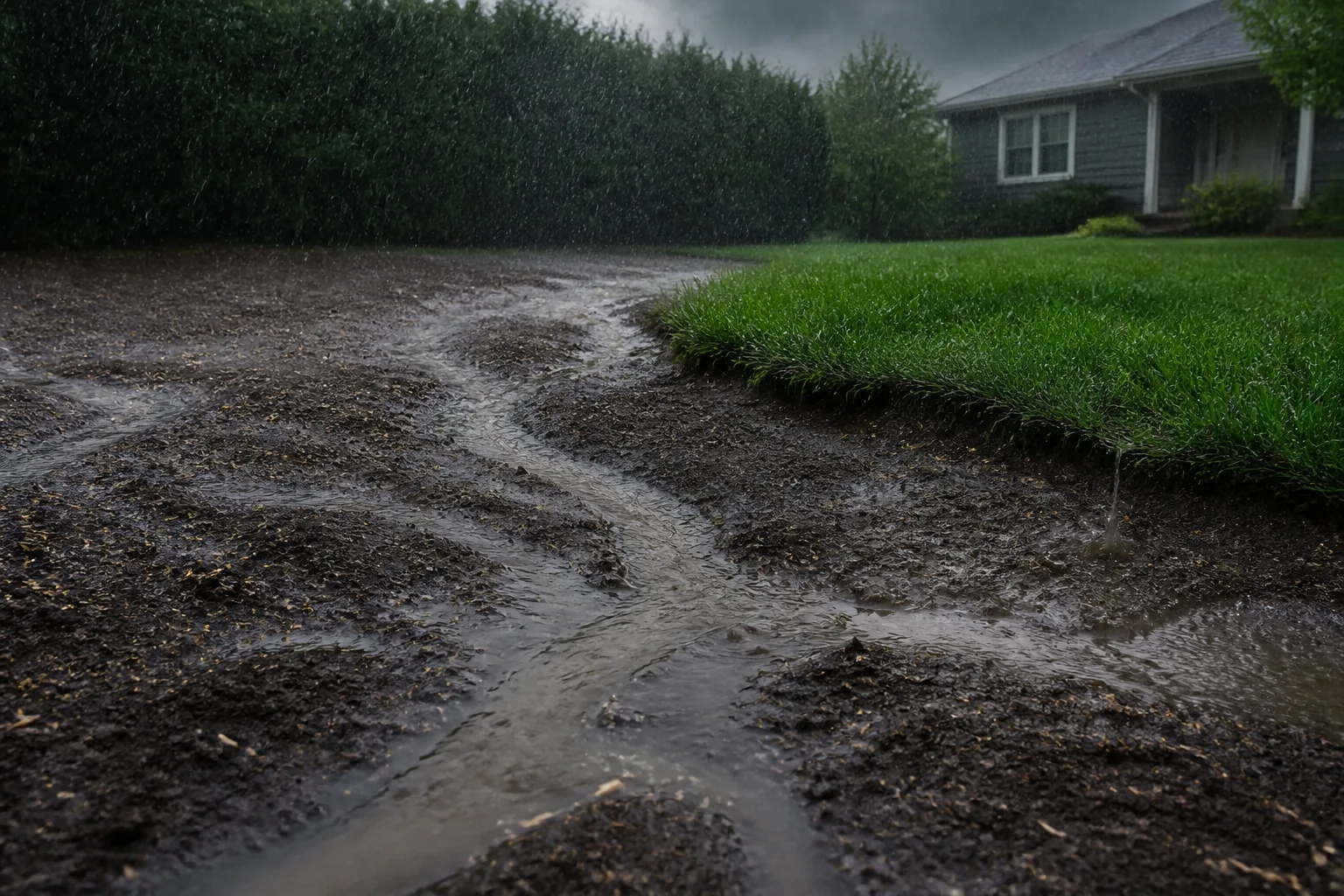
If the sample sprouts but the lawn remains thin, check the site before blaming the bag. Seed can wash downhill during heavy rain, dry between waterings, sit on thatch without soil contact, or be buried too deeply; shade and compacted soil can also change the outcome. Cool-season and warm-season grasses have different temperature needs, so “the soil was damp” is not enough if the season was wrong for the seed type.
A small test strip outdoors can help separate seed quality from lawn conditions. Prepare a patch the same way you plan to prepare the problem area, sow a measured amount, keep it evenly moist, and compare it with the indoor test. If the indoor sample grows but the strip does not, focus on timing, soil preparation, watering, and exposure before buying another bag.
Decide whether to use the seed or replace it
Use older seed when the bag is dry and uncontaminated, its species still suits the yard, and the test result is strong enough for a small or forgiving project. It may be a reasonable choice for a few bare patches where you can inspect the area and reseed if needed. Retest if the first sample was tiny, if the blend separated in storage, or if the first test was run too briefly for the species.
Replace the bag when it is moldy or water-damaged, the test shows very few healthy sprouts, the label is missing and the mix is unknown, or failure would cost more than a fresh bag. For an entire lawn, a steep slope, or a short seasonal window, uneven emergence is an expensive outcome; a fresh, labeled lot makes it easier to calculate coverage and gives you more predictable establishment.
A middling result does not automatically mean “double the seed.” Compare the test with the label, check whether the rate is stated for PLS, and follow the bag’s instructions.
Heavy over-seeding can crowd seedlings, waste seed, and make the final stand less uniform. If the math or mix is unclear, a local extension educator or the seed supplier can clarify the rate basis before you spread it.
Think about the cost of a second attempt as well as the price of a fresh bag. If a large project would require spreading far more old seed to compensate for weak germination, the additional material and labor can cost more than starting with a recent lot. If you only need a handful for a small patch, the same test result may still make the old bag a sensible choice.
If you are already inside the ideal planting window, testing and ordering can happen in parallel: start a small sample, then decide whether to use it once the result is clear. Match replacement seed to the existing lawn and the site’s sunlight and climate, not only to the fastest-germinating product. Guides to choosing grass seed, planting grass seed, and when to overseed bare patches can help with those separate decisions.
Store leftover grass seed so the next test starts well
Close the original bag tightly, keep its label and lot number with it, and place the whole bag in an airtight bin if you expect to store it. Choose a dry, dark spot with a stable temperature; avoid a shed, attic, or garage that becomes hot or humid.
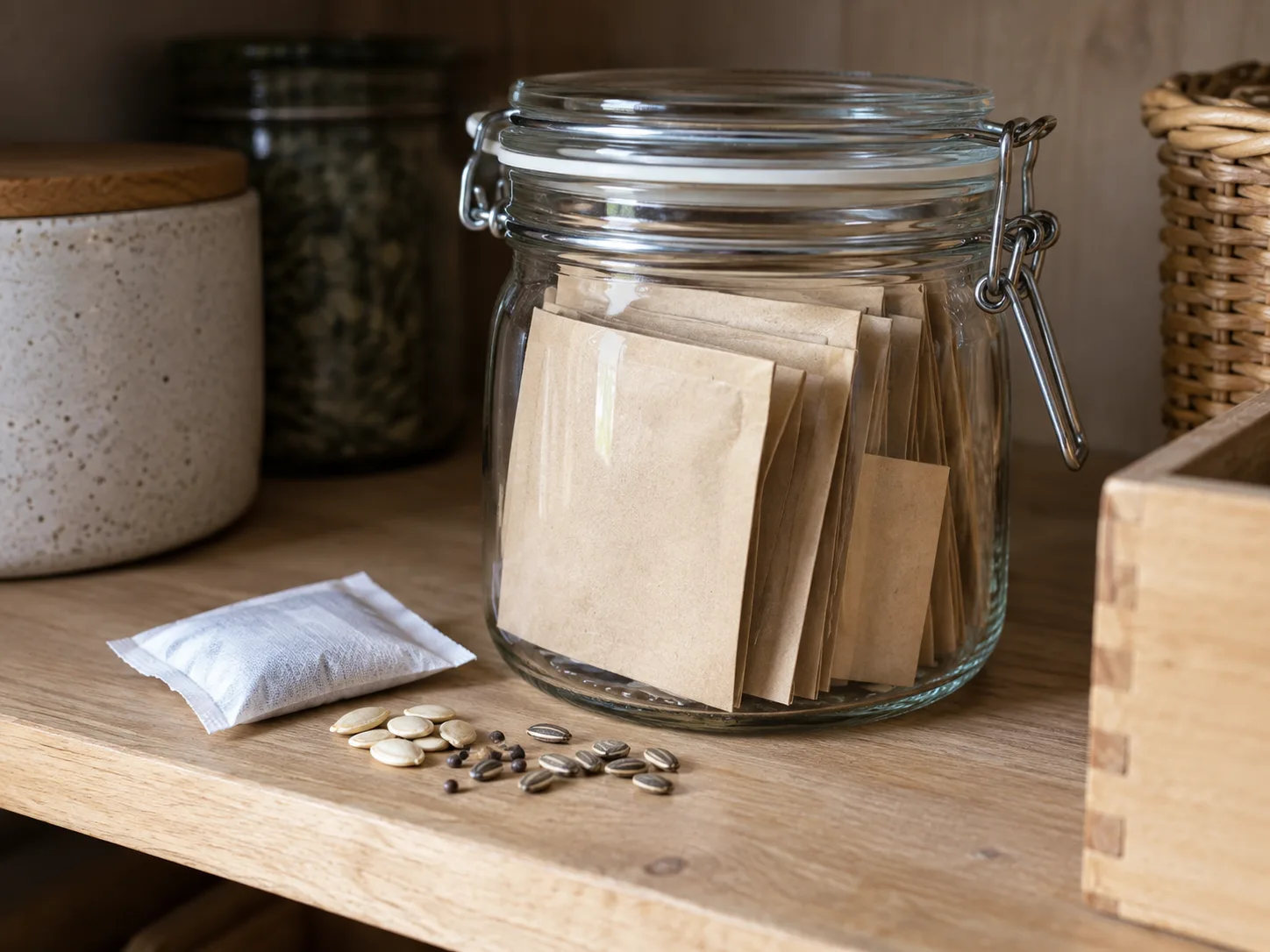
The RHS recommends storing dry, labeled seed in an airtight container and warns that excess humidity or warmth can damage stored seed. Its guidance also makes clear that storage needs differ by species, so don’t assume a method for one kind of seed fits every plant.
A refrigerator can be suitable for dry seed if it is sealed against moisture, but it is not mandatory for a homeowner using a bag next season. If you do refrigerate it, keep the container closed while it warms to room temperature before opening; that reduces the chance of condensation on cold packaging. Do not refrigerate a damp bag, and do not place the seed loose beside food or household moisture sources.
Mark the date you opened the bag and note where it was stored. Before the next seeding season, check the label again and run a fresh sample test instead of assuming the previous year’s result still applies. A few minutes of labeling now makes it much easier to distinguish a seed problem from a lawn problem later.
Conclusion
Grass seed does go bad in the sense that its germination rate can decline, but it does not have one reliable expiration date for every species and every bag. The label tells you what the seed was when tested; storage history and a counted home test tell you more about what may happen now.
Keep dry, intact seed if the test supports using it and the project can tolerate some uncertainty. Replace damp, moldy, or very low-germinating seed when you need dependable coverage, and make sure you are correcting lawn conditions as well as seed age. That decision is more reliable than judging a handful by its appearance or a float test.



