Best Grass Seed: 8 Top Picks Compared
Compare eight grass seed bags by climate, sun, traffic, and value—plus label-reading tips and planting rules so you do not waste a bag on the wrong mix.
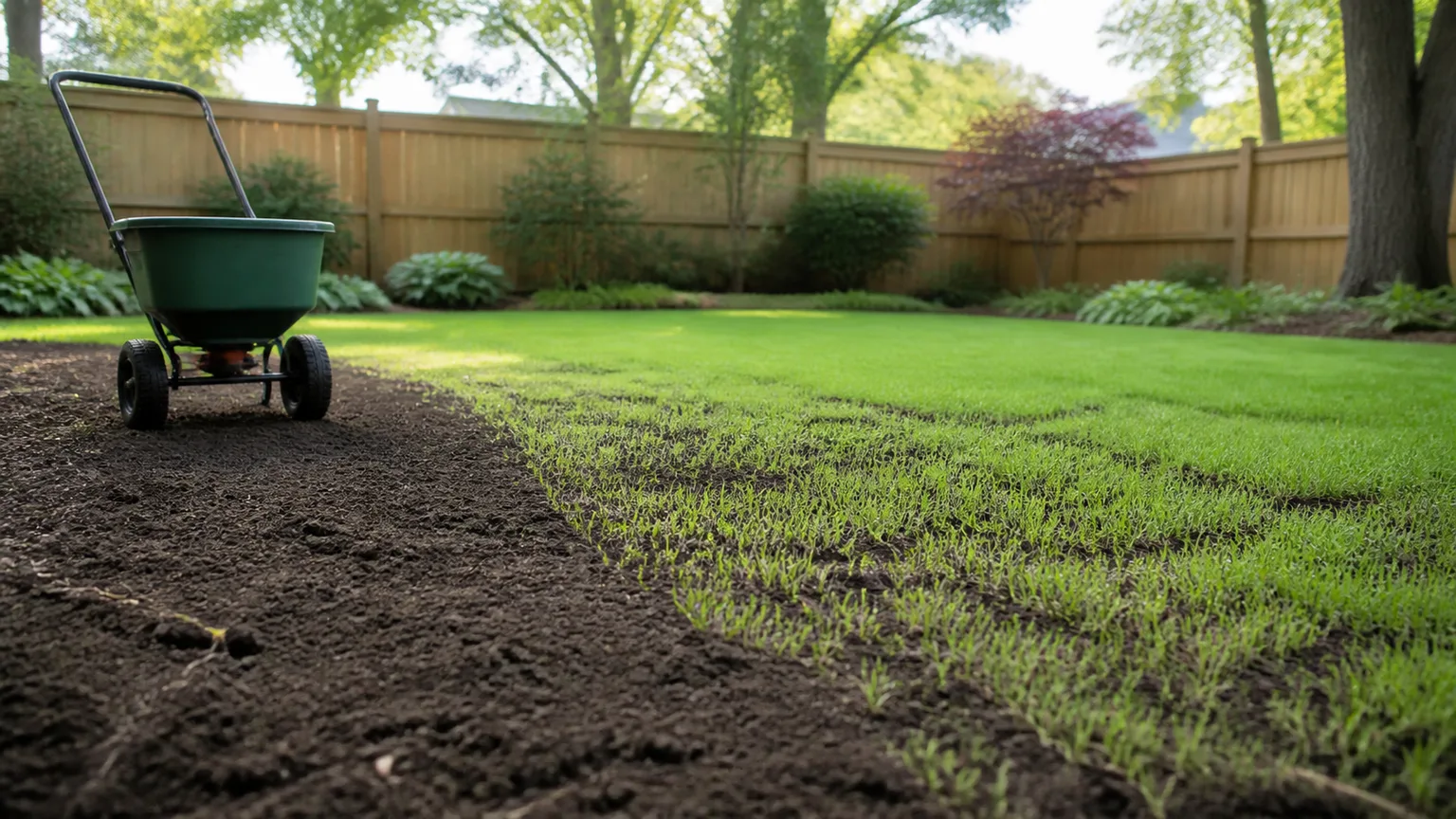
The bag that works in Seattle shade will fail in Phoenix sun. Grass seed is not one-size-fits-all—species, soil temperature, and how you spread it matter more than the photo on the front. This guide compares eight widely available mixes and singles for cool-season Northern yards, transition-zone trouble spots, dense shade, and Southern warm-season lawns, then shows you how to read the label so coverage math actually matches your square footage.
Prices change by retailer and season. Treat species blend, labeled coverage, and pure live seed (PLS) as the stable comparison points—and pair any bag with the planting and watering steps in our how to plant grass seed guide.
Quick Picks — Which Grass Seed Fits Your Yard?
| Best for | Product | Grass types | Climate | Sun | Typical bag coverage (overseed) |
|---|---|---|---|---|---|
| Overall | Scotts Turf Builder Sun & Shade Mix | Kentucky bluegrass, fine fescue, perennial ryegrass | Cool / Northern | Full sun to shade | ~2,240 sq ft (5.6 lb) |
| Cold winters | Jonathan Green Black Beauty Ultra | Bluegrass, fescue, perennial ryegrass | Cool / Northern | Full sun to part shade | ~2,800 sq ft (7 lb) |
| Low maintenance | Scotts Turf Builder Tall Fescue Mix | Tall fescue | Cool + transition | Full sun to part shade | ~1,400 sq ft (5.6 lb) |
| Kids, dogs, paths | Jonathan Green Heavy Traffic | Tall fescue, perennial ryegrass | Cool / Northern | Full sun to part shade | ~2,800 sq ft (7 lb) |
| Budget patching | Vigoro Tall Fescue Blend | Tall fescue | Cool + transition | Full sun to light shade | ~1,750 sq ft (7 lb) |
| Fast green-up | Sunday Sun & Shade Seed + Feed | Tall fescue, fine fescue, KBG, perennial ryegrass | Cool + transition | Full sun to medium shade | ~3,000 sq ft (20 lb) |
| Dense shade | Pennington Smart Seed Dense Shade | Fine fescue, shade-tolerant ryegrass | Cool / Northern | Medium to dense shade | ~1,000 sq ft (3 lb) |
| Southern heat | Scotts Turf Builder Bermudagrass Seed | Bermudagrass | Warm / Southern | Full sun | ~1,000 sq ft (1 lb) |
If your lawn is more than 40 percent bare or the wrong species for the site, seed alone may not fix it—see when to overseed bare patches versus full renovation before you buy.
At-a-Glance Comparison Table
Use the table above as a shopping shortlist, then read the section for your priority (shade, traffic, speed, or Southern heat). Every pick below assumes you can keep the seedbed moist through germination—our how often to water new grass seed guide covers the daily rhythm that makes or breaks any brand.
How We Evaluated These Grass Seeds
We did not rank bags by who paid the highest affiliate commission. Each product was scored on species fit for the claimed use case, label transparency (listed cultivars vs. generic “variety not stated”), realistic coverage after adjusting for coatings and fillers, germination speed of the dominant species, and how forgiving the mix is for typical homeowner mistakes (hand spreading, missed irrigation days, early frost).
Retail grass seed varies by lot and region. When a manufacturer changes coating weight or ryegrass percentage, your results can shift. That is why this guide leads with climate and label literacy, not brand loyalty.
What Store Shelves Cannot Tell You
A photo of emerald turf does not reveal whether your soil hits 55°F at two inches, whether the bag is 50 percent coating by weight, or whether perennial ryegrass in the mix will fade next August without irrigation. Penn State Extension stresses that seeding time and soil preparation drive establishment quality as much as cultivar choice—late-summer/early-fall windows beat calendar guesses for cool-season turf in Pennsylvania and similar regions.
Read the Seed Label Before You Buy
Federal law requires every turfgrass seed container to list variety (or “variety not stated”), germination percentage, weed seed, crop seed, and inert matter—often mulch, coating, or filler. Low viability or high weed seed content produces thin, weedy lawns no matter how premium the marketing sounds.
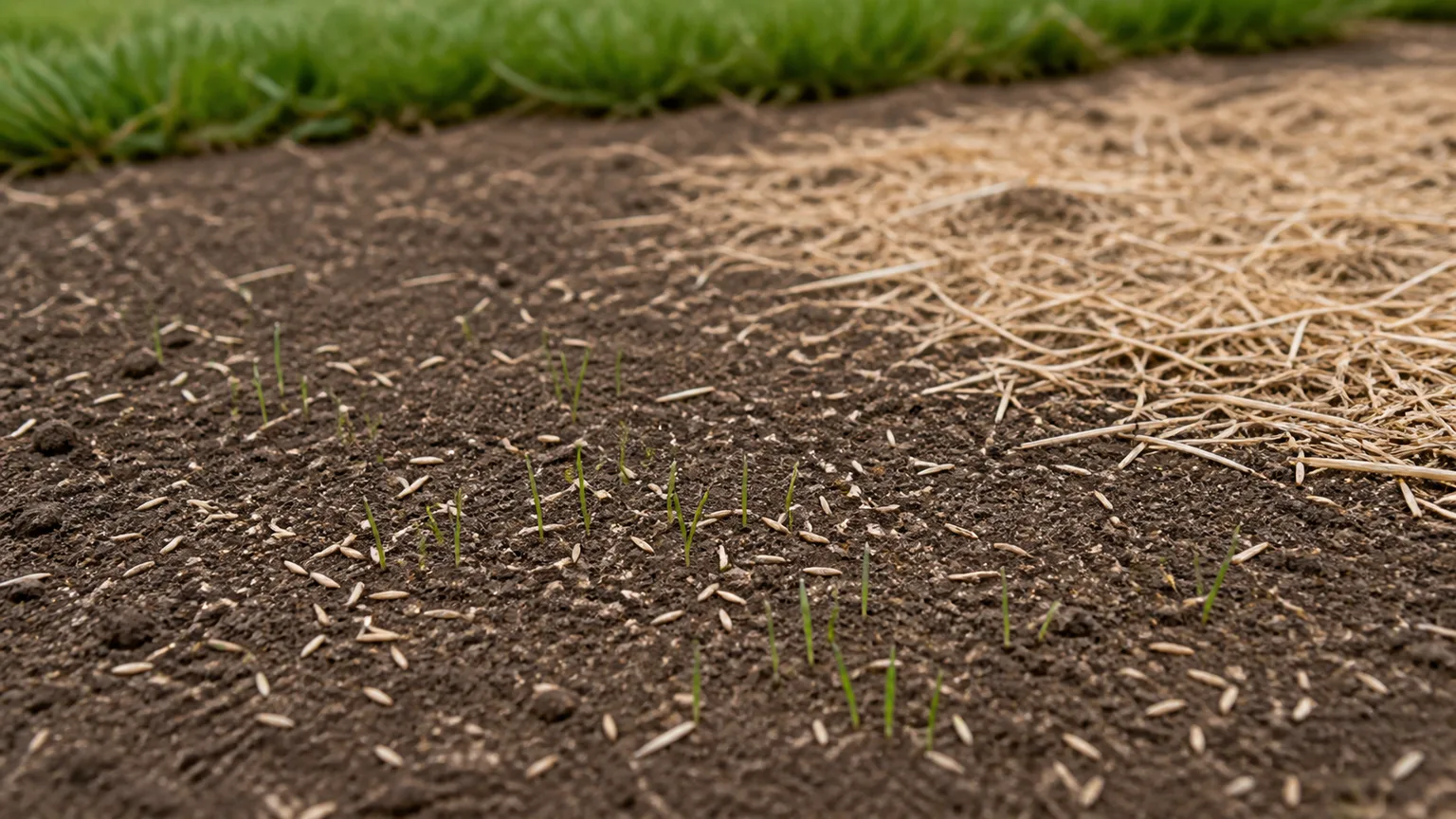
Pure Live Seed, Weed Content, and Coating Weight
Pure live seed (PLS) is the fraction of the bag that can actually sprout:
PLS % = (purity ÷ 100) × (germination ÷ 100)
If a bag is 90% pure Kentucky bluegrass at 85% germination, PLS is 0.90 × 0.85 = 76.5%. You need more pounds per 1,000 sq ft than the extension rate for 100% PLS seed. Coated “water saver” seed adds weight without adding plants—divide the bag’s overseeding coverage by your PLS decimal when calculating how many bags to buy.
| Red flag on label | Why it matters |
|---|---|
| Weed seed above 0.5% | You are planting weeds on purpose |
| ”Variety not stated” for every species | No disease-resistance or texture consistency |
| Inert matter above 25% without clear coating benefit | Paying for dust and clay, not grass |
| Coverage assumes “new lawn” rate on the front | Overseeding uses less seed; bare dirt needs more |
Penn State Extension publishes suggested pounds per 1,000 sq ft for common species: turf-type tall fescue 6–8 lb new lawn / lower for overseed; Kentucky bluegrass 2–3 lb; perennial ryegrass 4–5 lb; fine fescue blends 4–5 lb in shade. Use those numbers to sanity-check bag claims.
Cool-Season vs Warm-Season: Match Seed to Your Climate First
Cool-season grasses—Kentucky bluegrass, fescues, perennial ryegrass—germinate best when soil at 2 inches holds roughly 50–65°F. Virginia Cooperative Extension recommends establishing them in late summer to early fall (spring is the backup window). Perennial ryegrass greens fast but has little drought tolerance and often thins in nonirrigated summer heat. Tall fescue develops deeper roots and handles stress better on decent soil.
Warm-season grasses—bermuda, zoysia, centipede—want soil above about 65°F and peak in late spring through summer. They go dormant brown in frost; do not overseed a Minnesota lawn with bermuda and expect year-round green.
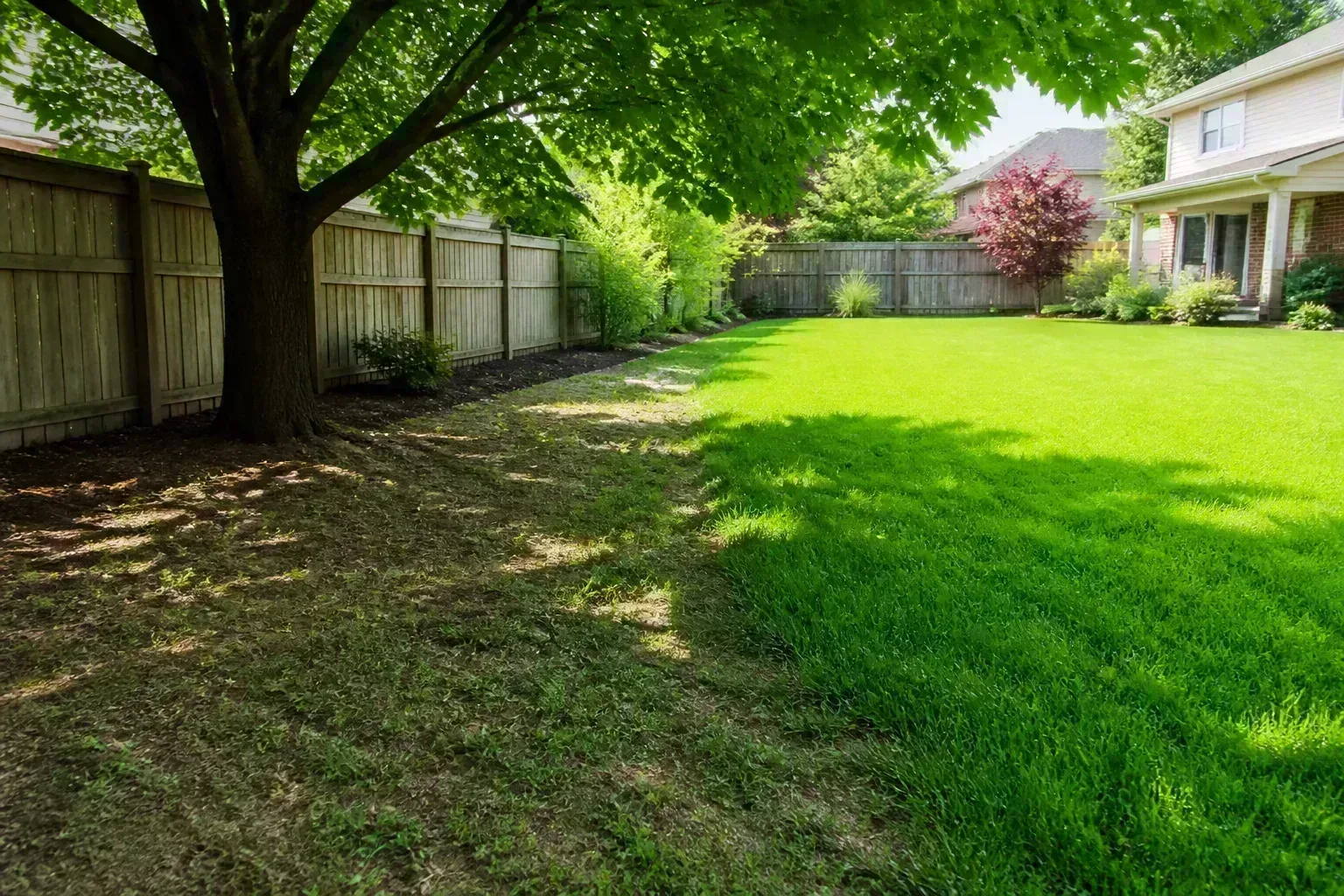
If you are in the transition zone (roughly USDA zones 6–7), tall fescue or fescue-heavy mixes often outperform bluegrass-only bags. For germination timelines by species, see our fast-growing grass seeds roundup.
Best Overall: Scotts Turf Builder Sun & Shade Mix
Best for: Patchy cool-season lawns with mixed sun and shade, moderate foot traffic, and homeowners who want one bag for overseeding.
This blend combines Kentucky bluegrass (spread and self-repair via rhizomes), fine fescue (shade tolerance), and perennial ryegrass (fast germination, often 7–14 days when soil is moist and cool). The coated seed holds moisture and starter nutrients—helpful for hand spreaders and missed watering cycles, though coating inflates bag weight.
Expect visible sprouts in about 10 days in fall overseeding trials when daily surface moisture is maintained; full fill-in takes three to six weeks. Use a broadcast spreader—hand tossing leaves clumps and bare stripes. Mow existing turf short, rake to soil, spread at the bag’s overseeding rate, and roll or walk lightly for contact.
Trade-offs: Ryegrass can dominate early color then fade in hot, dry summers without irrigation. Not for deep woods shade or Southern bermuda lawns.
Specs: Bluegrass + fine fescue + perennial ryegrass | Northern cool-season | Full sun to shade | ~2,240 sq ft overseed per 5.6 lb bag
Best for Cold Climates: Jonathan Green Black Beauty Ultra
Best for: Northern lawns with harsh winters, freeze-thaw cycles, and homeowners who accept summer dormancy during extreme heat.
Black Beauty Ultra leans on turf-type tall fescue and Kentucky bluegrass with perennial ryegrass for quick cover. Jonathan Green markets a waxy leaf coating for drought and disease resistance—useful where snow mold and spring recovery matter. Sow mid-August through October for best results; spring works if you can irrigate through summer.
Germination typically lands in the 7–14 day window thanks to ryegrass. Coverage runs about 2,800 sq ft overseeding from a 7 lb bag. The mix can brown in unseasonable heat or go fully dormant in winter—normal for cool-season turf, not a product defect.
Trade-offs: Dense shade under trees still needs fine-fescue-heavy mixes. Prepare soil well: short mow, dethatch if needed, loosen compacted spots, and water twice daily until establishment.
Specs: Bluegrass, fescue, perennial ryegrass | Northern | Full sun to part shade | 7 lb ≈ 2,800 sq ft overseed
Best Low-Maintenance: Scotts Turf Builder Tall Fescue Mix
Best for: Homeowners who want deep roots, drought tolerance once established, and fewer summer rescue waterings.
Turf-type tall fescue is the most widely grown cool-season grass in much of the Southeast and transition zone. NC State Extension notes its heat and drought tolerance relative to other cool-season species, though it clumps (bunch-type growth) and thin areas may need reseeding after brutal summers.
This Scotts mix includes coating plus soil improver marketing—expect ~two weeks to sprout with steady moisture. Overseeding rate covers roughly 1,400 sq ft per 5.6 lb; bare areas need the higher new-lawn rate and extra seed in dead zones.
Trade-offs: Blade texture is coarser than bluegrass. Not ideal for deep South bermuda territory. Summer heat without water still stresses young plants.
Specs: Tall fescue | Cool + transition | Full sun to part shade | 5.6 lb ≈ 1,400 sq ft overseed
Best for Heavy Foot Traffic: Jonathan Green Heavy Traffic Grass Seed
Best for: Worn paths, dog runs, backyard play zones, and sloped areas where ryegrass speed plus fescue toughness helps.
This is pure seed—no fertilizer filler—combining tall fescue and perennial ryegrass. Clean label, fewer surprise weeds, but you must supply starter fertilizer and prep yourself. The waxy fescue leaf helps retain moisture once roots deepen.
Spread with a calibrated spreader; straw mulch on slopes reduces erosion while seedlings root. Plant when soil temps are stable in the cool-season window—seeding into late heat or before early frost produces weak stands that fail overwinter.
Trade-offs: Northern-focused; weak in the deep South. No coated moisture crutch—irrigation discipline is nonnegotiable.
Specs: Tall fescue + perennial ryegrass | Northern | Full sun to partial shade | 7 lb ≈ 2,800 sq ft overseed
Best Value: Vigoro Tall Fescue Blend
Best for: Large bare patches, budget-conscious overseeding, and cool-climate yards with mixed sun.
Home Depot’s house brand delivers coated tall fescue at a lower price per square foot than premium mixes. Testers often see ~1 inch of growth within a week in ideal 50–65°F fall weather; shady sections lag behind sunny ones—normal for fescue without shade-tolerant fine fescue in the blend.
The water-saver coating helps surface moisture retention, but you still need a hose or sprinkler through dry spells. Great for patch repair; less exciting for showcase bluegrass texture.
Trade-offs: Single-species simplicity means no ryegrass nurse crop for instant green. Struggles in hot, dry Southern summers.
Specs: Tall fescue | Cool + transition | Full sun to light shade | 7 lb ≈ 1,750 sq ft overseed
Best Fast-Growing: Sunday Sun & Shade Seed + Feed
Best for: First-time lawn renovators who want seed, starter fertilizer, and soil amendments in one bag—with clear online instructions.
Sunday’s blend packs four species (tall fescue, fine fescue, Kentucky bluegrass, perennial ryegrass) plus a 9-0-2 fertilizer and organic soil builders (limestone, gypsum, dried poultry litter). Sprouts can appear in ~7 days; the odor fades after watering in.
The all-in-one approach costs more per pound of pure seed but saves a trip for starter feed and helps beginners who skip soil testing. Overseed up to ~3,000 sq ft per 20 lb per label.
Trade-offs: Organic additives add weight—you are not buying 20 lb of seed alone. Not for warm-season lawns. Strong smell during application.
Specs: Four-species cool-season blend + fertilizer | Northern + transition | Full sun to medium shade | 20 lb ≈ 3,000 sq ft overseed
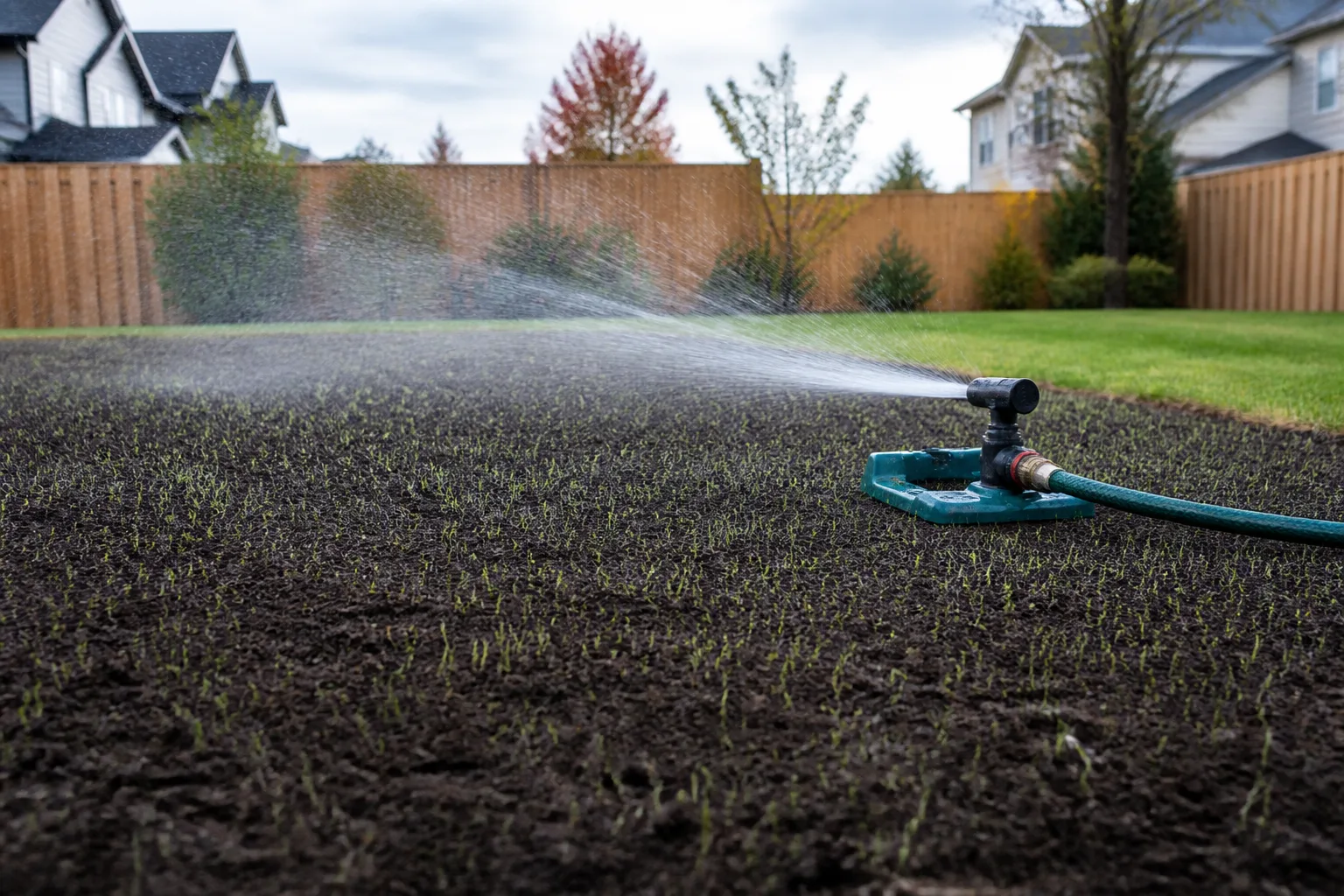
Best for Dense Shade: Pennington Smart Seed Dense Shade Mix
Best for: Lawns under trees, north-side foundations, and side yards that never see midday sun—where “sun and shade” bags still look thin.
This mix emphasizes fine fescues and shade-tolerant ryegrass with Pennington’s Penkoted moisture coating. Smart Seed lines often use improved varieties bred for lower light—not magic, but better than dumping straight Kentucky bluegrass under a maple canopy.
Expect slower fill than full-sun mixes; shade lawns need higher seed rates, patience, and realistic expectations—no grass thrives in dense all-day darkness. Pair with raising the mower, managing tree roots, and accepting moss where light is too low.
Trade-offs: Smaller coverage per pound (~1,000 sq ft per 3 lb). Still not for full deep shade or dry shade under thirsty trees.
Specs: Fine fescue + shade ryegrass | Cool-season | Medium to dense shade | 3 lb ≈ 1,000 sq ft
Best for Southern Lawns: Scotts Turf Builder Bermudagrass Seed
Best for: Full-sun Southern and lower transition-zone lawns that need heat tolerance, traffic recovery, and aggressive spread.
Cool-season bags dominate Northern store shelves—but bermudagrass is the workhorse of sunny Southern yards. It germinates in 7–14 days once 2-inch soil temperatures stay above ~65°F, then spreads by stolons and rhizomes. Seed a 1 lb bag for roughly 1,000 sq ft of new lawn (less for overseeding into existing bermuda).
Plant late spring through early summer when nights are warm. Frost kills young bermuda; do not confuse this with fall fescue timing. Edging matters—bermuda invades beds without borders.
Trade-offs: Requires full sun; poor shade performance. Winter dormancy turns turf brown in frost zones. Higher mowing frequency in peak summer.
Specs: Bermudagrass | Warm-season | Full sun | 1 lb ≈ 1,000 sq ft new lawn
How to Get Any Bag to Germinate
Species choice is step one. Execution is step two. Even the best grass seed fails on compacted soil, buried too deep, or allowed to dry for one afternoon.
Soil Prep, Spread Rates, and Watering Through Establishment
- Mow short on overseeding jobs; bag clippings if heavy.
- Rake or dethatch so seed reaches mineral soil—not just dead stems.
- Soil test if the area has never been amended; lime and phosphorus corrections happen before seeding per Penn State Extension.
- Spread evenly with a broadcast spreader set to the bag’s overseeding or new-lawn rate—bare zones need 1.5–2× the overseeding rate.
- Rake lightly so most seed sits ¼ inch deep; do not bury deep.
- Mulch thinly with straw or erosion mat on slopes.
- Water lightly and often until sprouts knit—see how often to water new grass seed.
- First mow when grass reaches about 1.5× target height and passes a foot-print test—usually 6–10 weeks for cool-season; our how long does grass seed take to grow guide has species-specific timelines.
Overseeding means sowing into existing turf to thicken it—not dumping double seed, which causes competition and disease. For step-by-step overseeding, read how to plant grass seed on an existing lawn.
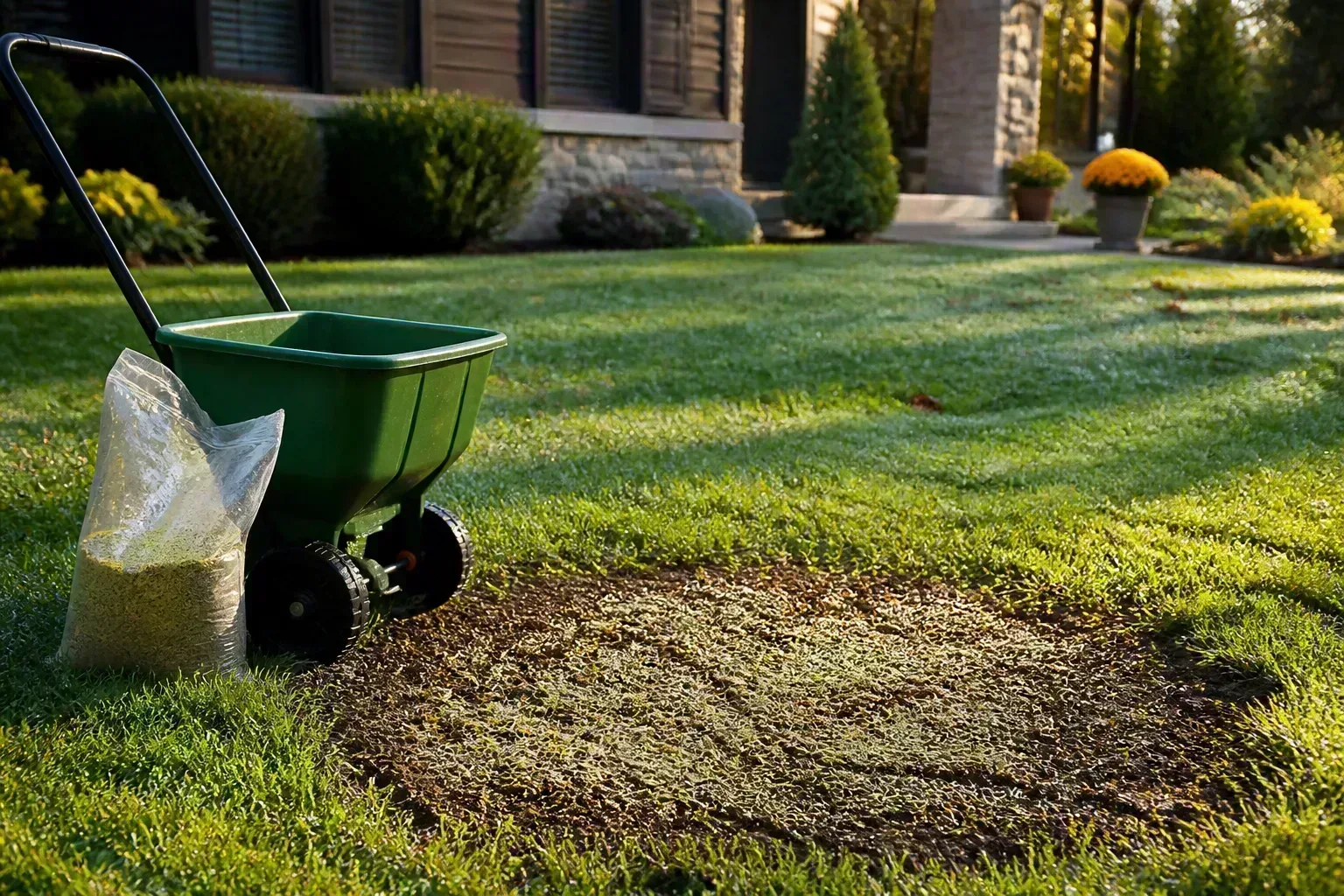
Common Grass Seed Mistakes That Waste a Bag
Buying before fixing drainage or grubs. Seed on flooded or insect-damaged soil dies twice. Resolve the underlying problem, then sow.
Planting on the calendar, not the thermometer. Cool-season seed in July heat or bermuda in October cold wastes money. Measure soil temperature or follow extension windows.
Letting the surface dry once. Germination stops; seedlings die. Light, frequent irrigation beats one daily flood.
Ignoring PLS and coating weight. Two bags labeled “7 lb” may contain different amounts of live seed.
Choosing “sun and shade” for deep woods. Use fine-fescue-dominant shade mixes and trim low branches—or plan for ground covers.
Skipping the spreader. Hand broadcasting creates polka-dot lawns. Calibrate or use the manufacturer’s spreader setting chart.
If sprouts never appear, troubleshoot with why grass seed is not germinating before buying another bag.
Conclusion
The best grass seed is the one whose species match your sun, soil temperature, and traffic—then gets planted at the right season with even moisture through establishment. For most Northern homeowners with mixed light, Scotts Turf Builder Sun & Shade Mix balances speed, shade tolerance, and repair ability. Jonathan Green Black Beauty Ultra suits harsh winters; Scotts Tall Fescue Mix and Vigoro Tall Fescue reward low-maintenance goals at different price points; Jonathan Green Heavy Traffic handles play zones; Sunday Seed + Feed simplifies first projects; Pennington Smart Seed Dense Shade targets tree-lined yards; and Scotts Bermudagrass belongs on sunny Southern lawns.
Read the label for PLS and weed content, spread with a calibrated spreader, and keep the seedbed moist until grass survives a mower. Do that, and the bag you grab will be the one worth buying—not just the one with the greenest stock photo.