How to Grow and Care for Moonflower
Moonflower opens white trumpets at dusk and closes by morning. Learn seed scarification, container growing, fertilizer timing, pet safety, and what to do when blooms stall.
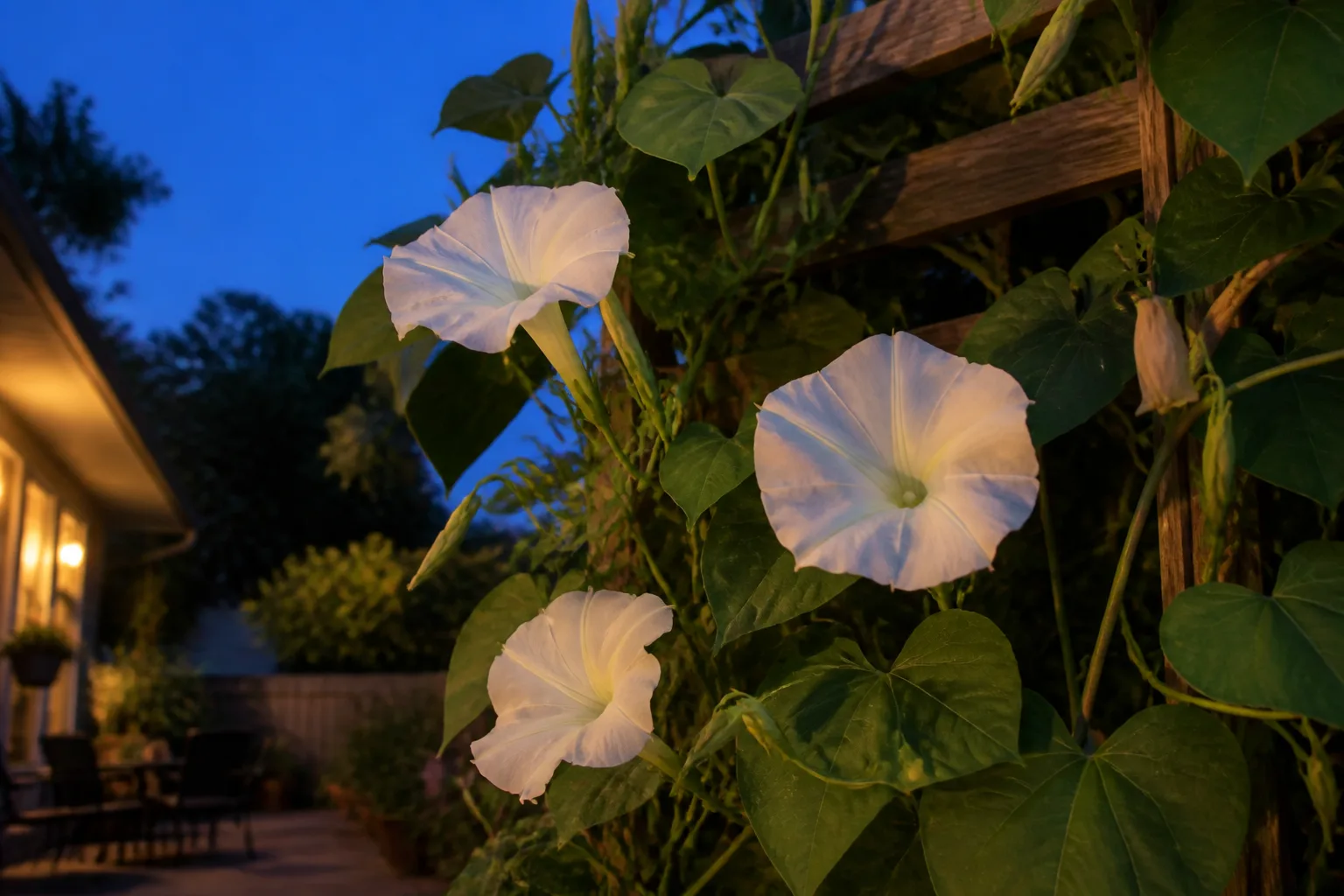
Moonflower (Ipomoea alba) is the vine that turns a quiet patio into a perfumed theater after sunset—if you give it heat, sun, a tall support, and seed started early enough. Miss any one of those and you get a leafy climber that sulks through September while your neighbor’s white trumpets unfurl in minutes at dusk. This guide covers the full arc: telling Ipomoea alba apart from the unrelated Datura plants also sold as “moonflower,” starting stubborn seed, growing in containers or in the ground, feeding for blooms, and managing toxicity, volunteers, and end-of-season cleanup.
Moonflower vs. Datura: Two Plants, One Confusing Name
Buy “moonflower” seed or a nursery pot without checking the label and you might grow the wrong plant entirely. True moonflower is Ipomoea alba—a twining morning-glory relative with heart-shaped leaves and fragrant white trumpets that open at night. Datura inoxia and other Datura species are also called moonflower, jimsonweed, or thorn-apple. They are shrubby nightshades with arrow-shaped leaves, often unpleasant-smelling daytime flowers, and a very different growth habit.
The mix-up matters for placement and safety. Ipomoea alba climbs a trellis and works on a deck post. Datura sprawls like a coarse bush and is extremely toxic in all parts, with alkaloids that can cause serious illness if ingested (University of Wisconsin–Madison Extension). Both are toxic; neither belongs where children or pets treat seed pods like snacks—but Datura poisoning risk is higher because people confuse it with an edible ornamental.
Side-by-Side ID Table
| Feature | Ipomoea alba (true moonflower) | Datura spp. (“moonflower”) |
|---|---|---|
| Family | Convolvulaceae (morning glory) | Solanaceae (nightshade) |
| Growth habit | Twining vine, 10–15 ft+ per season | Bushy, upright to 5 ft |
| Leaves | Large, heart-shaped | Arrow-shaped, often downy |
| Bloom time | Opens at dusk; closes by late morning | Often opens evening; may stay open part of day |
| Flower scent | Sweet, light fragrance | Often unpleasant or faint |
| Seed pod | Dry husk on vine | Spiny walnut-sized capsule |
When in doubt, look at the stem. Moonflower twines clockwise around a string. Datura does not climb a trellis on its own. Seed catalogs listing Ipomoea alba are what you want for the night vine on a patio.
What Moonflower Is and Why Gardeners Love It
Ipomoea alba—moon vine, tropical white morning-glory—is a tender perennial vine hardy in USDA zones 10–12 and grown as a fast annual everywhere else (Missouri Botanical Garden). Native to tropical America and naturalized in parts of Florida, it produces 6-inch white trumpet flowers that unfurl from spiraled buds in minutes at dusk, stay open all night, and wilt by the next morning.
Each bloom lasts one night, but the plant produces many buds across summer and fall—typically July through first frost in temperate gardens (UF/IFAS Gardening Solutions). The show is as much about timing as size: sit on the porch with a cup of tea and watch a bud snap open. Flowers attract sphinx moths and other night pollinators; the large white corolla and fragrance are built for insects that hover and probe with long mouthparts—not for daytime bees.
Foliage is bold: heart-shaped leaves 4–8 inches across on twining stems. Growth feels slow in cool early summer, then surges once nights stay warm (NC State Extension). Plan for 10–15 feet of vertical run in one season; in frost-free climates vines can reach much taller.
Quick Plant Profile
| Trait | Detail |
|---|---|
| Botanical name | Ipomoea alba |
| Common names | Moonflower, moon vine, tropical white morning-glory |
| Type | Tender perennial vine; annual north of zone 10 |
| Mature size | 10–15 ft tall, 3–6 ft wide (annual culture) |
| Sun | Full sun (6+ hours) |
| Soil | Moist, well-drained; pH 6.0–7.5 |
| Bloom | White, fragrant, nocturnal; summer–fall |
| Hardiness | Zones 10–12 year-round; annual elsewhere |
Where to Plant Moonflower for the Best Night Show
Site moonflower where you actually spend evenings—beside a patio door, deck rail, open window, or path you walk after dinner. Fragrance carries on still air; a vine hidden on the back fence wastes the main reason people grow it.
Full sun is non-negotiable for heavy bloom. Six hours of direct sun daily is the floor; partial shade yields leggy vines and few flowers (NC State Extension). Soil should be moist but well-drained. Moonflower tolerates clay, loam, or sand if water does not pool. It prefers slightly acidic to neutral pH but is not fussy.
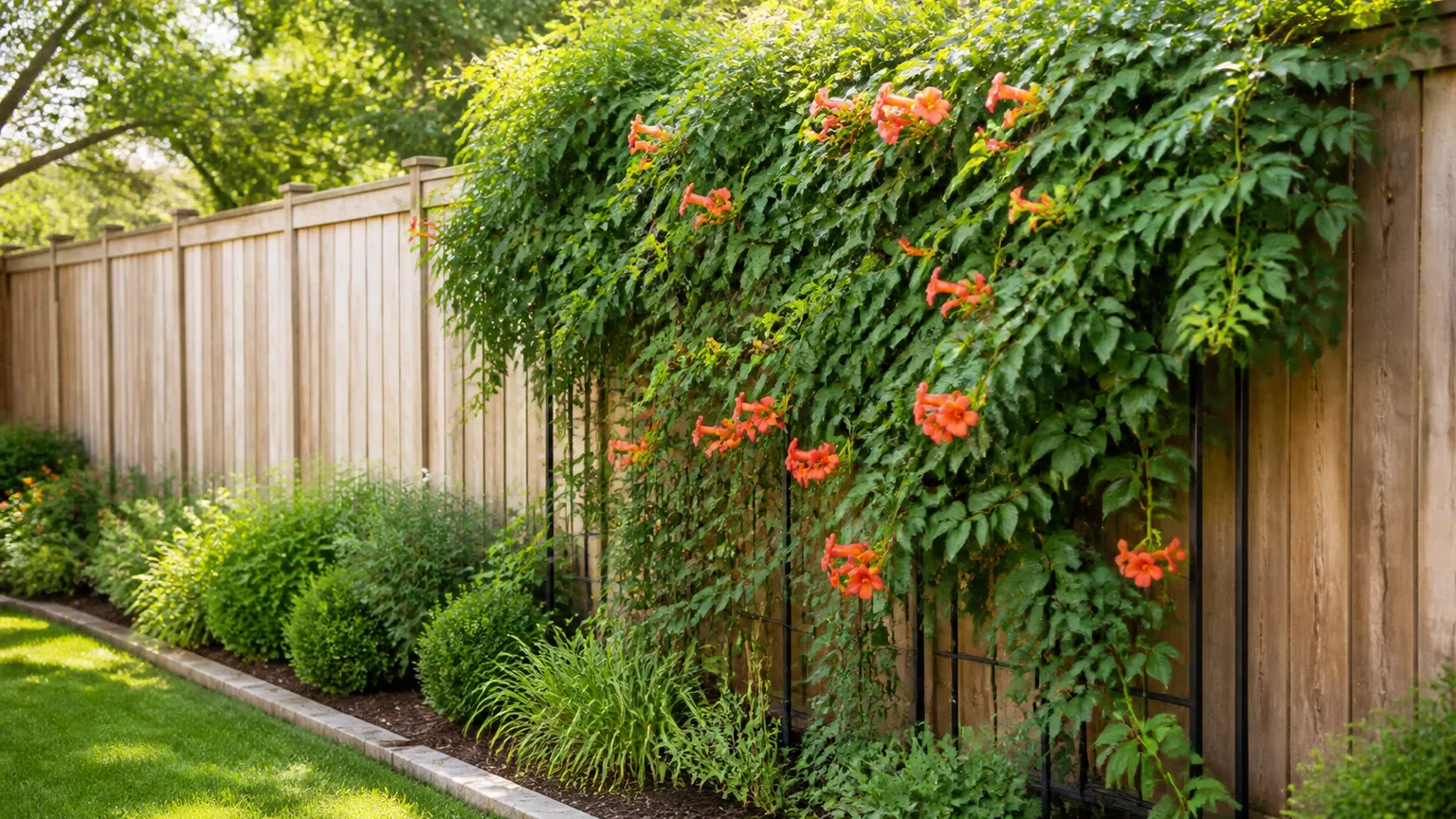
Give the vine something to climb from day one. Moonflower twines; it does not stick to walls like ivy. A fence, arbor, pergola post, cattle-panel arch, or sturdy obelisk works. Undersized tomato cages top out before the vine does—by July a moonflower can outgrow a 4-foot cage and collapse sideways.
Trellis Height and Patio Placement
Match support to realistic vine length: plan for at least 8–12 feet of vertical or horizontal run in a single season, more in long summers. On a patio, set the trellis on the south or west side of the sitting area so flowers hang between you and the dark sky—white petals catch moonlight and porch lamps.
Avoid planting at the base of gutters or downspouts where nightly watering splashes leaves. Moonflower is not prone to serious disease, but wet foliage overnight encourages leaf spots in humid regions. Drip irrigation or ground-level watering keeps leaves drier.
Growing Moonflower in Containers and Hanging Baskets
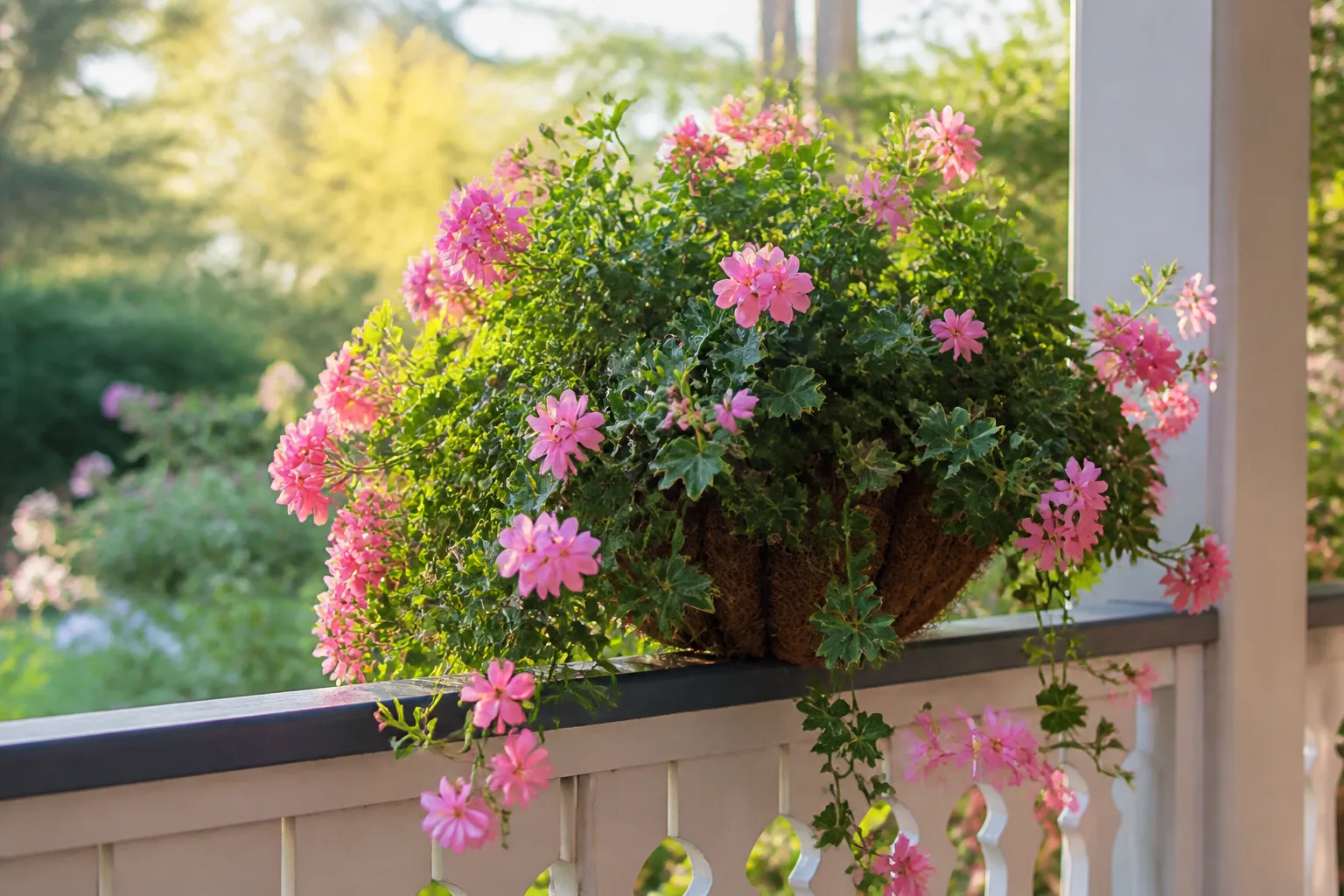
Moonflower belongs in containers when you want the fragrance beside the door or need to move the pot to a sunnier spot. It also suits hanging baskets if you accept that vines will cascade and climb the hanger chain—blooms end up at eye level rather than overhead on a tall trellis.
Pot size: One vine needs at least a 12–16 inch (30–40 cm) pot with drainage holes. Crowding five vines into a small basket—the old magazine trick—creates a water-management headache and tangled stems. One strong plant per large container outblooms a crowded basket.
Soil: Use quality potting mix, not garden soil. Bagged mix drains better and weighs less on a deck. Mix in a handful of compost if you like, but avoid heavy topsoil that stays soggy.
Support in pots: Insert a tall obelisk, bamboo teepee, or deck-rail trellis at planting time. Retrofitting support after a 6-foot vine exists breaks stems. For hanging baskets, hang where the basket still receives six hours of sun—not under a deep eave.
Watering containers: Pots dry faster than beds. Check daily in July heat. Water when the top inch of mix feels dry; soak until drainage runs free. Saucers that hold standing water invite root rot.
Moonflower dislikes root disturbance (Missouri Botanical Garden). Start seed in peat or fiber pots you plant whole, or sow directly into the permanent large pot once nights stay above 60°F (15°C). Transplanting a root-bound seedling from a plastic cell pack works if you are gentle, but peat pots reduce shock.
Starting Moonflower From Seed the Right Way
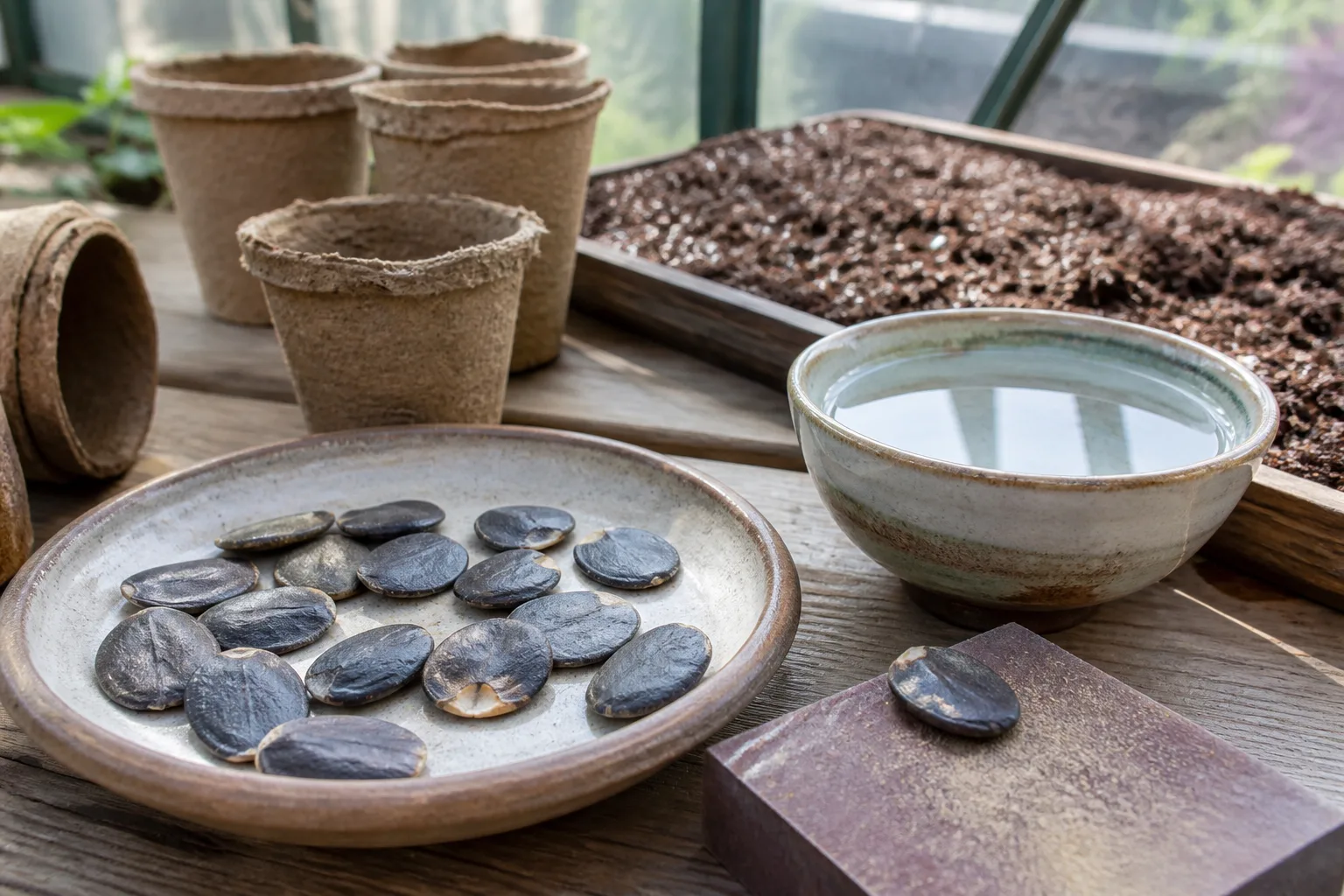
Moonflower seed has a hard coat. Water alone may not penetrate evenly, so germination stalls or straggles. Two prep steps fix most failures: scarify, then soak.
Scarify: Nick the seed coat with a nail file or knife on the side away from the eye (embryo end), or rub one spot on sandpaper until the coat looks lighter. Soak scarified seed in warm water 8–12 hours—overnight is fine (NC State Extension; UF/IFAS). Plant the same day you drain; do not let soaked seed dry on the counter.
For deeper seed-starting logic, see our guide on soaking seeds before planting—morning glory family seed is the classic hard-coat case.
Scarification, Soaking, and Indoor Start Dates
Start indoors 6–8 weeks before your last spring frost (Missouri Botanical Garden). Direct-sowing after frost is possible in warm climates, but bloom starts weeks later—often too late for a full season in zone 5 or 6.
Work backward from when you want flowers:
| Goal | Indoor sow date (typical) | Notes |
|---|---|---|
| Blooms by early August | Late April to mid-May | ~10–12 weeks from germination to first flower in many gardens |
| Blooms by late July | Zones 8+; sow late April | Needs warm transplant weather |
| Maximum season length | 8 weeks before last frost | Standard extension timing |
Sow ¼ inch deep in seed-starting mix. Keep mix warm (70–80°F / 21–27°C) and lightly moist—not wet. Germination often takes 1–3 weeks after scarification. Use a humidity dome until sprouts appear, then vent daily to prevent damping-off.
Planting Out and Avoiding Transplant Shock
Move seedlings outdoors 1–2 weeks after last frost when nights stay reliably above 60°F (15°C) (Missouri Botanical Garden). Harden off over 7–10 days: increasing sun and wind exposure each day prevents scorched leaves.
Plant peat pots level with the soil surface; tear any lip that would wick water away. Space in-ground vines 12–18 inches (30–45 cm) apart at the trellis base so lower leaves do not shade each other. In containers, one vine per pot is ideal.
If a seedling is root-bound, loosen the bottom inch of roots once—do not bare-root moonflower. Water deeply after planting and shade the base for two hot afternoons if transplanting in heat.
Light, Water, and Temperature Through the Season
Light: Six or more hours of direct sun. Less light means fewer buds.
Water: Keep soil evenly moist during establishment. Established vines tolerate short drought but bloom best with steady moisture (UF/IFAS). Water when the top inch dries; avoid nightly overhead sprinkling on leaves in humid areas.
Temperature: Moonflower thrives in summer warmth and humidity. It sulks in cool June weather—that is normal, not a death sentence. Growth accelerates when nights stay warm. Frost kills vines outright in annual zones.
Humidity: Tolerates dry air if roots have water. Coastal and southern summers suit it well.
Fertilizing for Flowers Instead of Foliage
Moonflower is not a heavy feeder, but phosphorus helps bud set once vines are climbing. During bloom, feed every 3–4 weeks with a half-strength, high-phosphorus flower fertilizer. Avoid high-nitrogen formulas that push leaves at the expense of trumpets (University of Massachusetts Amherst Center for Agriculture).
In rich compost-amended beds, you may need little beyond one midseason boost. In lean potting mix, a slow-release balanced starter at planting plus monthly bloom food through August matches what most container vines need.
Stop feeding six weeks before your average first frost—late nitrogen wastes energy the plant should spend ripening seed if you are saving any.
When Moonflower Blooms and What to Expect Each Night
Buds swell all afternoon. Near sunset—sometimes on overcast days, slightly earlier—the spiraled bud unfurls in minutes into a white trumpet. Flowers stay open until late morning, then collapse. New buds repeat the cycle nightly through the season.
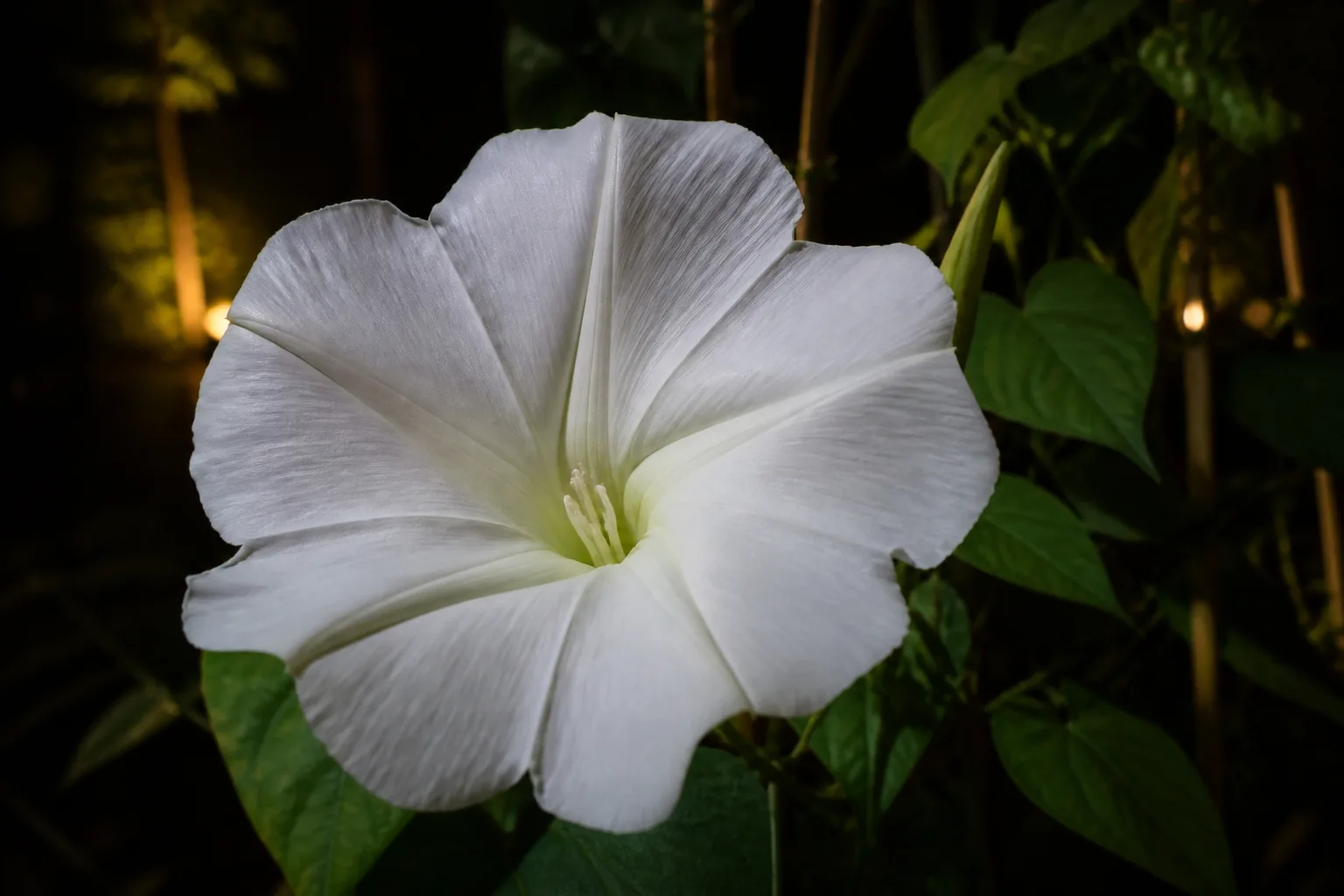
Peak bloom often runs late July through October, ending with frost (UF/IFAS). Each flower is a one-night event; the vine’s impact comes from volume and fragrance, not individual longevity.
Encouraging More Blooms
If vines are tall, green, and flowerless, check sun first, then season length. A vine started too late may run out of warm nights before bloom. Cool early summer delays the growth spurt—wait until August heat before assuming failure.
Deadhead spent flowers if you want tidier vines and slightly more bud energy. If you want volunteers next year, leave a few pods to mature on the vine until brown and dry. If volunteers are unwelcome, remove spent blooms before pods form.
Pruning, Deadheading, and Self-Seeding Control
Moonflower needs little pruning during the growing season. Pinch tips on young plants if you want bushier lower growth on a wide trellis. In frost-free zones where it persists as a perennial, cut back and thin congested stems in fall to improve airflow.
Self-seeding is vigorous. Volunteers sprout in spring where pods dropped. Dig small volunteers carefully—roots are fragile—or pull vines in fall before seeds shatter. Do not compost frost-killed plants with mature seed pods; many seeds survive the pile and return as weeds.
In Hawaii and some subtropical areas, moonflower is listed as invasive—documented at Haleakalā National Park among other sites (Invasive Plant Atlas of the United States). In continental gardens killed by frost, escape risk is low, but deadhead in zones 9–12 if the vine could persist year-round.
Toxicity, Pets, and Safe Seed Handling
Moonflower is in the morning glory genus Ipomoea. The ASPCA lists morning glory (Ipomoea spp.) as toxic to dogs, cats, and horses, with indole alkaloids concentrated in seeds. Clinical signs include vomiting; large seed ingestions may cause more serious effects. NC State rates severity as low for general plant contact, but seeds are the practical hazard on patios where dogs investigate dropped pods.
Keep seed packets and dried pods out of reach. Teach children not to eat ornamental seeds. If a pet eats a quantity of seed, contact ASPCA Poison Control (888) 426-4435 or your veterinarian.
Wear gloves when handling many dried pods if you have sensitive skin; sap is milky in Ipomoea vines.
Common Moonflower Problems and Practical Fixes
No blooms by August: Insufficient sun, late sowing, or cool summer delaying growth. Verify six hours of direct light and next year start seed 6–8 weeks before frost.
Yellow leaves with dark edges: Often overwatering or poor drainage in containers. Let soil dry slightly between waterings; confirm holes are open.
Seedlings collapse: Damping-off from wet, cold mix. Improve air circulation, reduce water, use clean trays.
Sparse lower vine, flowers only on top: Normal twining habit toward light. Train stems horizontally on a wide trellis early in the season.
Confusion with morning glory (Ipomoea purpurea): Purple day-blooming relative; different species. Moonflower opens white at night.
For trellis ideas that will not wreck siding, compare options in our climbing plants that don’t cause damage guide—moonflower is a twiner that needs a separate support, not a self-clinging wall vine.
Overwintering, Seed Saving, and End-of-Season Cleanup
North of zone 10, treat moonflower as an annual. Most gardeners start fresh seed each spring rather than overwintering indoors—the vine is large, messy, and light-hungry inside.
If you attempt overwintering in zone 9–11, cut back, move the pot to a bright cool room, and water sparingly. Expect leaf drop and slow spring recovery.
Save seed from fully ripe brown, dry pods on the vine. Air-dry pods, extract seeds, store cool and dark in a labeled envelope. Scarify again next spring—coat hardness returns in storage.
After frost, pull vines and discard if you do not want volunteers. In perennial zones, survey for unwanted seedlings in winter wet season.
Conclusion
Moonflower rewards gardeners who respect its tropical roots: scarified seed started early, full sun, a tall trellis or large container with real support, and steady moisture through hot months. Get the name right—Ipomoea alba, not Datura—and place the vine where you will smell it at dusk. Feed lightly with phosphorus during bloom, manage seed pods if pets or volunteers are a concern, and accept the slow June phase before the night show begins. Do that, and white trumpets will open on schedule while you watch, one bud at a time.



