How to Grow and Care for Wild Raspberry Bushes at Home
Learn to grow wild raspberry bushes: identify the fruiting cane, prune without losing next year’s crop, contain suckers, and harvest berries at peak ripeness.
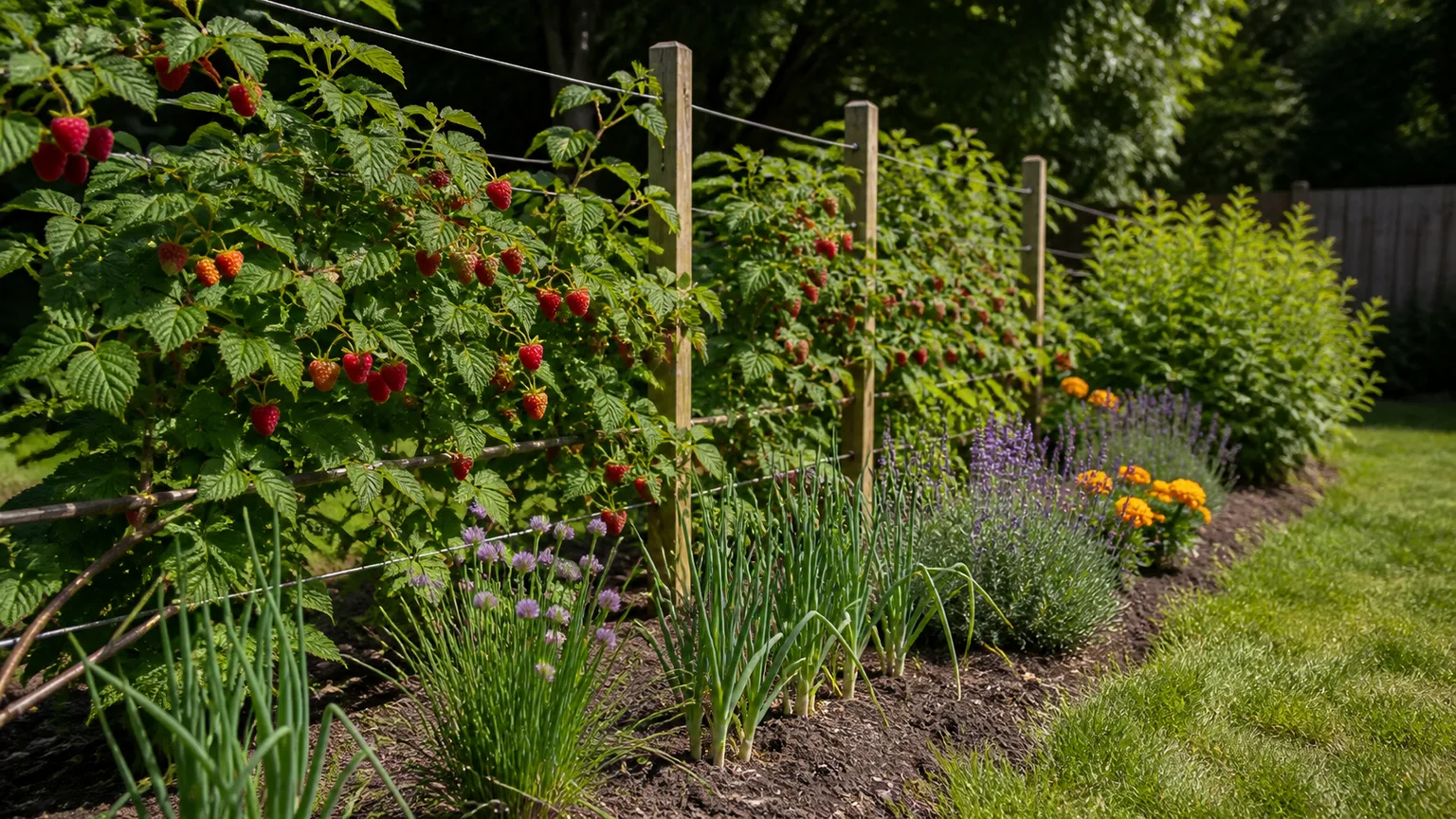
The first raspberry-pruning decision is not where to make the cut; it is whether the cane has already fruited. A summer-bearing plant carries next year’s crop on this year’s green canes, so cutting everything down can erase a full season of berries. Identify the fruiting type, give the shallow roots a drained, mulched row, and the rest of raspberry care becomes much easier to time.
Wild raspberry: know what you are growing
“Wild raspberry” can mean a volunteer cane growing at a woodland edge, a locally native red raspberry, or a cultivated red raspberry that spreads beyond its row. The care below applies broadly to red raspberries grown for fruit, but a wild plant’s vigor, fruiting time, hardiness, and spread can differ from a named nursery cultivar. A label such as “everbearing” also varies among sellers; check whether the plant fruits on first-year canes before choosing a pruning plan.
If you want a predictable harvest, start with healthy, region-adapted nursery stock and keep its variety label. The Royal Horticultural Society recommends choosing healthy plants, and established raspberry rows can carry viruses that weaken growth and cropping. If you are managing an unidentified volunteer, first confirm what it is with a local extension office or reliable field guide; this is a growing guide, not a field-identification guide. Do not move canes from land where you lack permission.
Choose summer- or fall-bearing canes
Buy or keep a raspberry based on when you want fruit and how much pruning you want to do. Summer-bearing raspberries usually give one early- or midsummer crop. Fall-bearing, also called primocane-fruiting, types crop on new growth later in the season; depending on cultivar and climate, they can also give a smaller early crop the following year if you preserve their lower canes.
| Fruiting type | Where the main crop forms | Simple pruning goal |
|---|---|---|
| Summer-bearing | On second-year canes in early or midsummer | Remove only canes that have fruited; keep healthy new canes for next year |
| Fall-bearing, one crop | On first-year cane tips in late summer or fall | Cut all canes to the ground while dormant |
| Fall-bearing, two crops | Fall crop on first-year tips, then an earlier crop lower on those canes | Remove only the spent tips, then remove each cane after its second-year crop |
The two-year cane cycle
Raspberry roots and crown live for years, but an individual cane generally lives for two growing seasons. A first-year cane is a primocane. In a summer-bearing variety it grows leaves but does not carry the main crop; after winter it becomes a floricane, flowers and fruits, then dies. New primocanes appear while floricanes are producing, so a healthy patch contains both ages at once. NC State Extension explains this cane cycle in its home-garden guide.
Fall-bearing raspberries change the timing, not the basic cane terms: their primocanes can flower and fruit near the tips during their first year. NC State Extension and Colorado State University Extension both describe this distinction and the option to retain the lower cane for a second, earlier crop. This is why cane color alone is not enough to decide what to cut. Keep track of whether a cane carried fruit, and use the plant’s labeled fruiting type.
Find a sunny site with soil that drains
Choose a site with at least six hours of direct sun and soil that stays evenly moist without holding standing water. Light shade can keep plants from the harshest afternoon heat in hot regions, but deeper shade usually means fewer flowers and less fruit. A low spot that stays soggy after rain is a poor raspberry site; use a raised bed if drainage cannot be improved in place.
Raspberries do best in fertile, slightly acidic soil. University of Georgia Cooperative Extension recommends pH 6.0 to 6.5, while the RHS range is pH 6 to 6.7; the best target varies with local soil and cultivar. Test before adding lime or sulfur; guessing can push pH farther from the useful range. Work compost into genuinely poor soil, but do not treat raspberries as automatic heavy feeders. Avoid replanting directly into a tired old bramble row, and ask a local extension service about rotation if the bed has a history of root or wilt problems.
Plan the row and contain suckers
Raspberry roots are shallow and send up new canes beyond the original plant. That spreading habit is useful when you want a hedge, but it can swallow a narrow bed if you do not define the row. Before planting, decide how wide a strip you can maintain and where you will mow or cut off unwanted shoots. A simple wire trellis gives a clear boundary and makes it easier to see which canes belong in the row.
For a managed garden row, start with plants roughly 16 to 24 inches apart and leave about 5 to 6.5 feet between rows for access; these are within the RHS spacing guidance, but adjust for cultivar vigor, support design, and the width of your mower or path. As suckers fill the line, thin the planting to a narrow hedge rather than letting it become a wall of stems. A row around 18 to 24 inches wide is easier to weed, inspect, pick, and keep dry than a dense thicket. NC State’s narrow-row recommendations are another useful starting point, not a reason to force every wild volunteer into identical spacing.
Plant at the root crown, not deep
Plant bare-root raspberries while dormant, when the soil is workable and not frozen; in mild climates, container-grown plants can be planted at other suitable times. Keep bare roots from drying while you prepare the bed. Dig a hole wide enough to spread the roots naturally, then use the old soil mark on a potted cane—or the nursery planting depth for bare roots—as your guide. The first roots should remain close to the surface; do not bury a cane 2 or 3 feet deep.
Set the crown at about its nursery depth, backfill, firm the soil gently, and water thoroughly to settle it around the roots. The RHS planting guidance advises keeping the first roots close to the surface rather than planting deeply. If planting several canes, put the support posts and wires in before the row becomes crowded. Mulch after planting, keeping the material a few inches away from the stems. Some nursery canes are sold as long canes for a particular crop; do not automatically cut those down at planting, because you may remove the crop they were sold to produce. Follow the plant label for that first cut.
Water, mulch, and feed with restraint
Keep new plants consistently moist while they establish, then pay closest attention from flowering through harvest and during prolonged dry spells. About an inch of water a week is a useful starting point in many gardens, including rainfall, as noted by NC State Extension and Fine Gardening, but soil texture, heat, wind, and container size change the amount needed. Feel the soil a few inches down or use a rain gauge instead of watering by calendar alone. Water deeply enough to wet the root zone, then let excess drain; roots sitting in saturated ground are more likely to fail.
Drip irrigation or a soaker hose keeps water near the roots and leaves drier than overhead watering. A 2- to 3-inch layer of organic mulch helps hold moisture and suppress weeds; leave a small open ring around cane bases so the stems do not stay damp. RHS guidance notes that regularly mulched raspberries may need no extra feed. If growth is weak or the soil is poor, use a soil test and a labeled fertilizer rate rather than piling on nitrogen. Excess nitrogen can produce long, leafy canes at the expense of balanced fruiting and can make a row harder to manage.
Support canes for access and airflow
Not every compact, upright cultivar needs a complicated trellis, but support makes most raspberry rows easier to manage. A sturdy post-and-wire fence can keep tall canes from arching over paths, reduce tangling, and expose fruit for picking. For only a few plants, a single stake or short crossbar may be enough. Set supports before the canes lean, and use soft ties that do not cut into the stems.
With summer-bearing raspberries, keep the two cane ages separate when possible: tie the new green canes along one side of the wire and let fruiting canes occupy the other. The RHS support guide describes this arrangement for simplifying pruning. When the crop is over, the old side can be removed without disturbing the next year’s growth. A parallel-wire system can contain fall-bearing rows with less tying, but crowded canes are harder to pick and dry more slowly after rain. Choose the simplest support that holds the crop upright while leaving enough room to reach through and inspect the plants.
Prune summer-fruiting raspberries after harvest
Summer-bearing plants need two checks, not one indiscriminate annual cut. Immediately after the last berries are picked, identify the canes that fruited: they are often brown and woody and may still have old fruit stalks. Cut those canes close to the ground and remove them from the row. BBC Gardeners’ World’s pruning guide uses the same visible distinction—brown, spent stems versus bright green new ones—and advises protecting the green canes as the old stems come out.
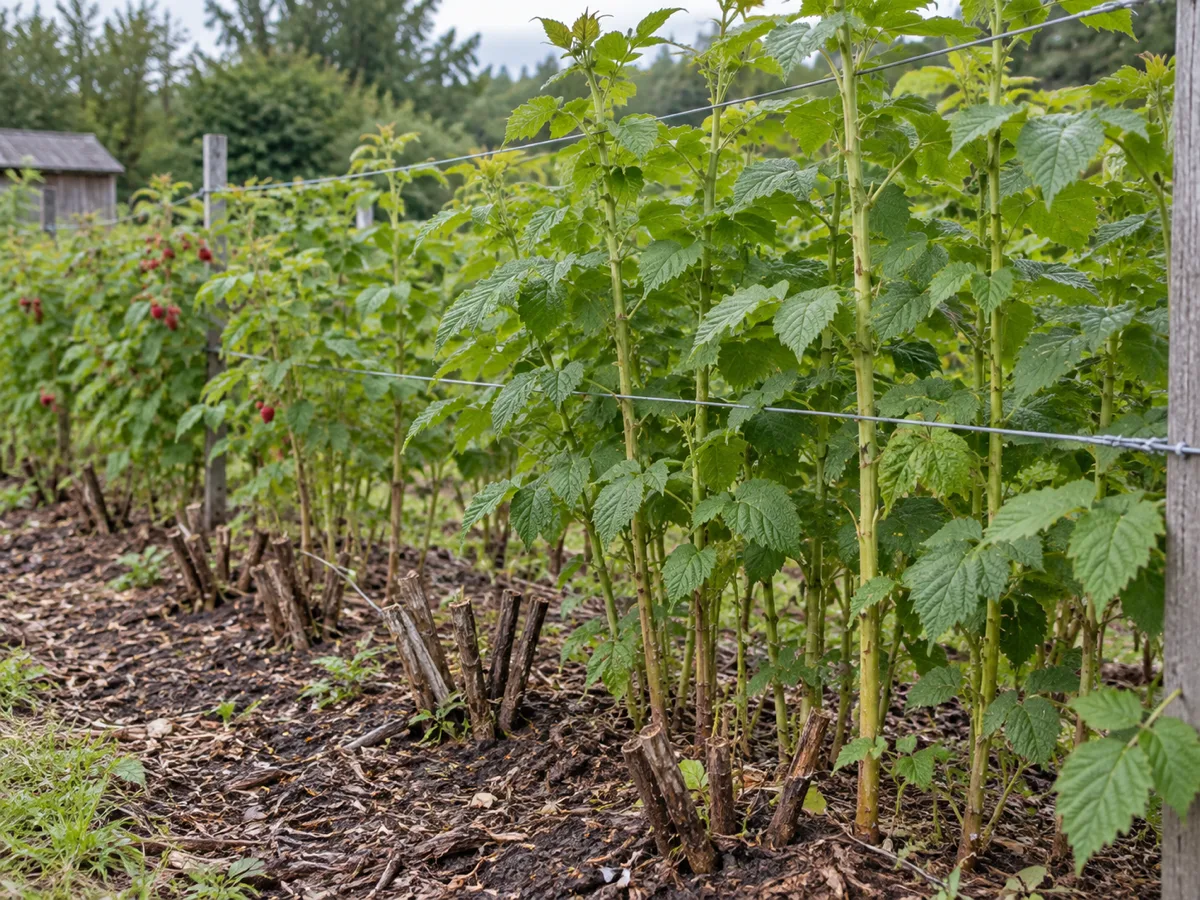
In late winter or early spring, before new growth starts, thin the remaining young canes. Remove weak, damaged, very thin, or badly placed shoots first. Keep a manageable group of strong canes and narrow the row so light and air can reach the center; the exact number depends on whether you have a tight hedgerow or a single-file trellis. Tie retained canes loosely to the wires. If you prune a summer-bearing plant to the ground, expect to sacrifice that season’s normal crop because the new canes have not yet overwintered and become floricanes.
Wear sturdy gloves and long sleeves around thorny growth, and use clean, sharp pruners. If canes have suspicious lesions or dieback, do not leave the cut material in the patch. Removing spent canes after harvest both clears space and reduces the amount of old plant material where pests or disease may persist.
Prune fall-bearing raspberries for one or two crops
The simplest method is to cut every cane at ground level while the plant is dormant, after leaves have fallen and before spring growth resumes. NC State Extension and Colorado State University Extension describe this system for a single fall crop. New canes emerge in spring and bear one late-summer or fall crop. In a cold region, waiting until late winter can leave the old stems in place through the harshest weather; the key is to finish before new shoots start. This method is easy to remember and avoids having to identify which sections of a cane already fruited.
To try for two crops, do not mow the row. After the fall harvest, remove only the upper portions that carried fruit, cutting back to the first healthy lower bud. The retained lower cane can fruit earlier the next year; once that second crop is finished, remove the whole old cane at ground level. Leave the new green primocanes to carry the next fall crop. Colorado State University Extension notes the trade-off: preserving canes can give two harvests but reduce the later crop compared with managing solely for fall fruit.
If you do not know the plant’s fruiting type, pause before making a hard cut. Watch one cane through a season or check the nursery label. A single wrong mowing can remove the entire coming crop on summer-bearing plants.
Propagate from healthy suckers
The easiest way to start another raspberry plant is usually a rooted sucker, not seed. Choose a young shoot attached to a vigorous, disease-free plant and move it while dormant in early spring or fall where the climate allows. Dig wide enough to lift a good portion of its roots, sever the connecting root cleanly, and replant the sucker at the same depth. Water it well and keep the soil evenly moist while it settles in. Colorado State University Extension describes rooted suckers as a standard way to propagate red raspberries.
Do not use suckers from a patch with persistent cane dieback, weak yellowing, or a history of virus-like decline; moving those roots can spread the problem to a clean bed. Keep only as many shoots as fit the row you planned, and mow or dig the rest while they are small. Raspberry seed is possible to grow, but seedlings are slower and may not match the parent’s fruit or growth. For reliable fruit, a labeled nursery plant or a known healthy sucker is the more predictable choice.
Grow raspberries in containers
Container growing is possible, but a freely spreading wild raspberry is not the easiest choice. Select a compact cultivar advertised for containers and use one plant in a pot at least 16 inches wide and 12 inches deep, with drainage holes. The RHS recommends this scale for compact varieties; a larger pot gives roots more room and dries more slowly. Use a free-draining potting mix rather than garden soil, which can compact in a container.
Place the pot in sun, add a sturdy stake or small trellis, and check moisture more often than you would in a garden bed. In hot or windy weather, a container may need water daily, but water only when the mix is beginning to dry rather than keeping it swampy. Feed during active growth according to a fruit or general-purpose fertilizer label. Keep the cane’s fruiting type in mind when pruning: a potted summer-bearing raspberry still needs its first-year canes for next year’s crop.
Harvest only when berries release easily
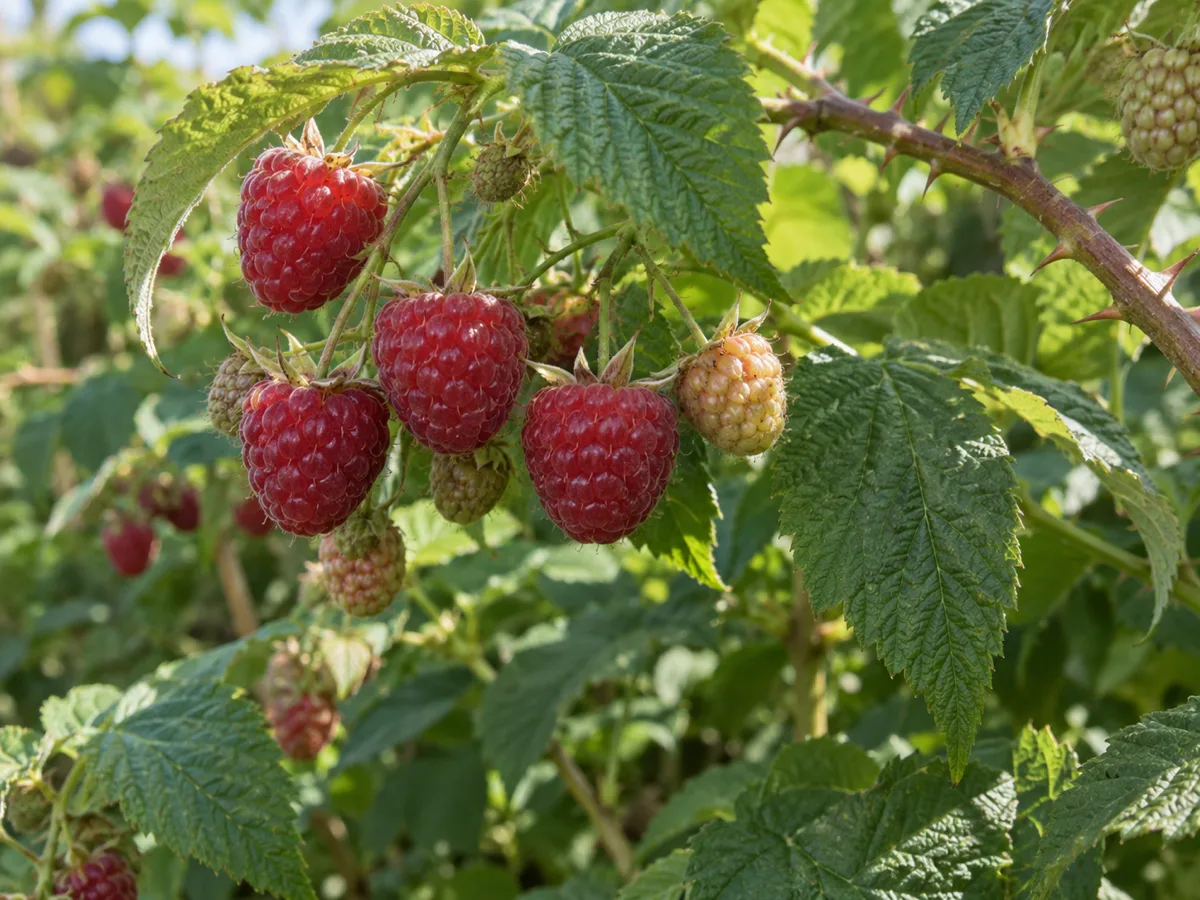
Harvest when the fruit has developed its full cultivar color and separates with a gentle pull. NC State Extension describes easy separation as a ripeness cue; if a berry resists, leave it for another day rather than crushing the fruit or tearing the cane. Color alone is not a perfect test because raspberries can be red, gold, purple, or nearly black depending on cultivar. Some red berries also lose their high gloss as they reach full flavor, as described by University of Georgia Cooperative Extension.
Check plants every day or two during peak ripening. Pick in the cool part of the day after dew has dried, and place berries in a shallow container so the lower fruit is not crushed. Fine Gardening’s practical harvesting advice recommends picking dry fruit and chilling it promptly. Avoid washing until you are ready to eat or use the berries; wet, delicate fruit spoils faster. Remove overripe or moldy fruit from the patch, especially during humid weather. If birds take a meaningful share, use a well-secured row cover or netting that cannot snag wildlife, and check it regularly.
Prepare canes for winter by type and climate
Raspberry roots and crowns are hardy, but exposed canes and buds can suffer winter injury in some regions. Choose cultivars rated for your local climate and use extension advice for the coldest months where you live. In a severe winter, a summer-bearing cane may need to be tied to a support or laid down and protected; do not bury or bend every cane automatically, because the right treatment depends on cultivar, trellis, and whether you are saving a second crop on fall-bearing canes.
If you grow fall-bearing raspberries for one crop, cutting all canes after dormancy is usually the winter routine. If you want two crops, retain the lower cane through winter and protect it as your region requires. Container-grown roots are more exposed to freezing than roots in the ground, so move pots to a sheltered location or insulate the container in very cold weather. Avoid fertilizing late in the season; encourage plants to enter dormancy rather than pushing soft new growth before frost.
Diagnose poor crops and berry symptoms
When a raspberry patch underperforms, start with the cane’s age and the site before buying a spray. A plant that grows vigorously but gives no early-summer crop may have been pruned as if it were fall-bearing—or its first-year canes may not yet have matured into floricanes. Sparse fruit can also follow deep shade, winter injury to buds, drought while fruit is developing, or excessive crowding. Check whether the problem affects the whole row or only canes in one wet, shaded, or damaged spot.
Soft or moldy fruit often points to wet conditions, poor airflow, or fruit left too long on the plant. Thin the row, remove affected berries, and irrigate at the soil rather than soaking foliage. If canes develop expanding lesions, dieback, or widespread decline, remove affected stems and consult a local extension service for diagnosis; several cane diseases can look alike, and the right response depends on the cause. Do not apply a pesticide or fungicide until you have identified the problem and confirmed that the product is labeled for raspberries in your location.
White drupelets: sun exposure or feeding damage?
White or tan patches on individual drupelets are not automatically rot. When the pale area is mostly on the side exposed to hot afternoon sun, heat and sunscald are plausible; irregular scattered spots can also result from insect feeding. Gardening Know How describes both patterns and notes that shading can help where sunscald is recurring, though a patch that is too shaded may produce less fruit. Inspect several berries and compare their exposed and shaded sides before changing the whole planting.
Harvest otherwise sound fruit, but discard berries that are moldy, mushy, or damaged. If white speckling is widespread or appears with leaf and cane symptoms, ask an extension office to identify the cause rather than assuming it is sun injury. A short-lived shade cloth during extreme heat may help exposed fruit, but do not cover flowering plants in a way that blocks pollinators or traps humid air.
Prevent pests and cane diseases
Prevention starts with clean planting stock, open spacing, and a row you can inspect. Remove old fruited canes, thin weak shoots, and pick up dropped or rotting berries. Check leaf undersides and new tips for aphids, and inspect fruit for beetles or larvae as berries ripen. A few insects do not automatically justify treatment; identify the pest and follow your local extension service’s recommendations before using any control.
Birds can find ripe fruit quickly. If you cover a patch, secure the material to the ground or trellis and check it often so animals cannot become trapped. Keep weeds and volunteer brambles from crowding the row, but do not disturb raspberry roots with deep hoeing or cultivation. For persistent disease, improve airflow first, remove affected material, and ask an extension specialist whether the issue is a cane disease, root problem, or environmental stress. NC State Extension emphasizes narrow, well-spaced growth and prompt removal of fruited or diseased canes as basic parts of a healthy planting.
Use a seasonal care calendar
Month names are only a guide: spring arrives at different times across growing regions. Use dormancy, cane growth, flowering, harvest, and leaf drop as your cues.
| Plant stage | What to do |
|---|---|
| Dormant, before new shoots grow | Confirm cane type; remove weak or winter-damaged growth; prune fall-bearing plants to the ground if you want one crop; repair supports |
| New growth and flowering | Plant dormant canes where conditions allow; mulch; tie in retained canes; water new plants and test soil before feeding |
| Fruit development and harvest | Keep root-zone moisture steady; pick ripe berries every day or two; remove moldy fruit and check for pests |
| After summer-bearing harvest | Cut spent floricanes at the base; keep this year’s green canes for the next crop |
| After fall harvest and leaf drop | Choose whether to preserve lower canes for two crops or cut the entire dormant row for one fall crop; clean up diseased material |
Conclusion
Wild raspberry bushes are productive when you manage the cane cycle instead of treating the whole patch as one perennial stem. Give the roots a sunny, well-drained, mulched strip; contain suckers before they form a thicket; and prune only after you know whether the plant fruits on first-year or second-year canes. A few minutes spent identifying the right stems can protect an entire season’s harvest.