6 High-Maintenance Landscaping Choices to Rethink
Lawns, formal hedges, annual beds, water features, wood decks, and vegetable gardens can swallow your weekends. Learn what each really costs in time.
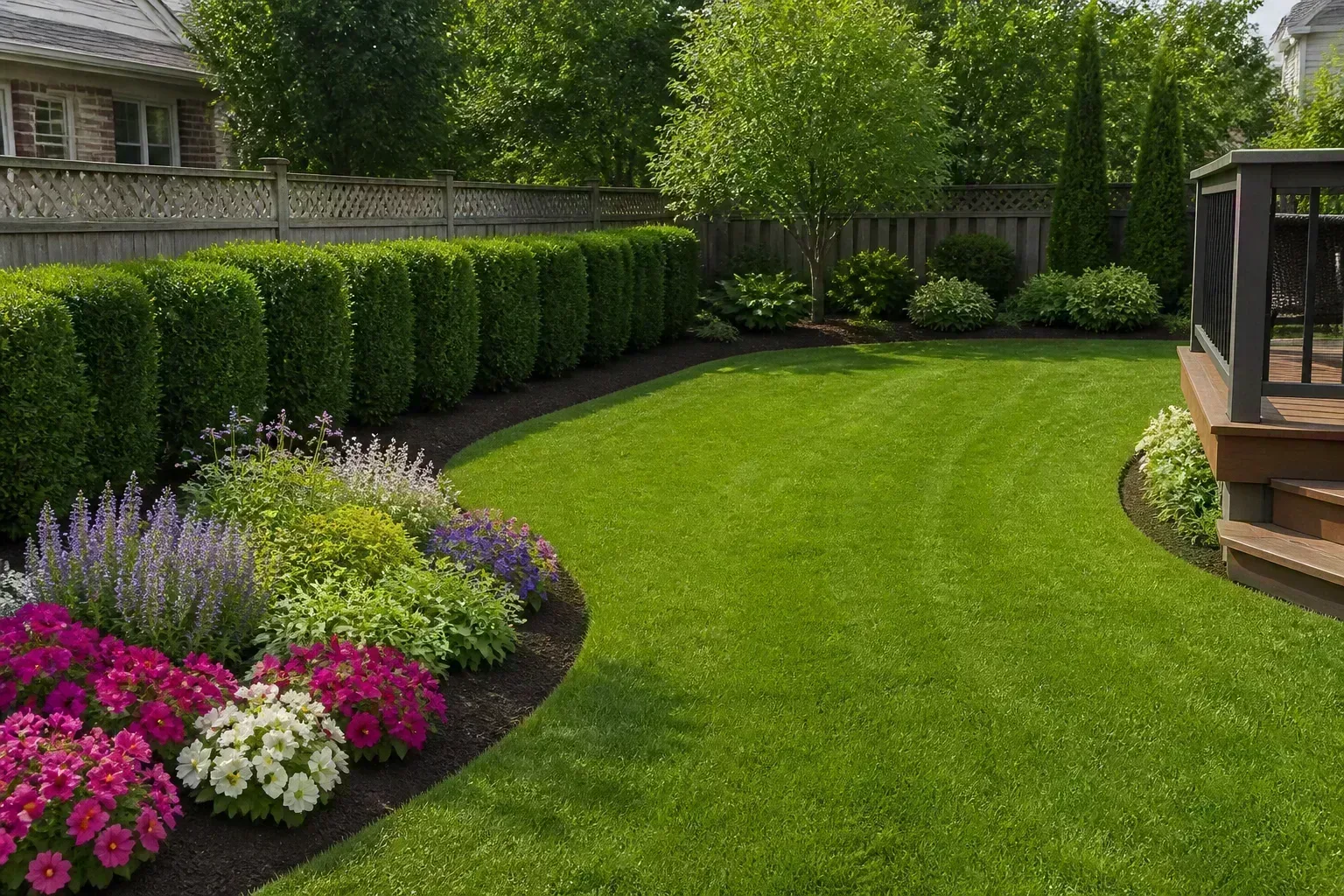
A stone path, a clipped hedge, and a patch of perfect turf look effortless in photos. In real life, those same features can turn into a part-time job the moment you stop paying attention. The problem is rarely laziness. It is a mismatch between what the landscape demands and what your calendar, climate, and skill level can deliver.
Before you commit to any big yard project, run the maintenance budget test. Write down how many hours per month you will honestly spend outside—not the version of yourself who just watched a makeover reel. Two hours favors ground covers and structural shrubs. Six hours might support a small lawn and a few containers. Twelve hours still is not enough for tournament-grade turf, weekly hedge clipping, and a 400-square-foot annual display unless you hire help or simplify.
The six features below show up on nearly every “dream yard” mood board. They are not bad choices. They are high-maintenance landscaping choices when installed at the wrong scale, in the wrong climate, or without a plan for the boring work between photo shoots.
| Feature | Why it feels easy at first | What actually drains time | Smarter swap when time is tight |
|---|---|---|---|
| Lawn | Mowing is straightforward | Weekly mowing, edging, irrigation, fertility, weeds, disease | Smaller lawn, no-mow mix, ground covers in low-traffic zones |
| Formal hedge | Instant structure and privacy | Frequent shearing, species-specific pruning, botch recovery | Loose native screen, shrubs at mature size |
| Annual beds | Big color fast | Bed prep, planting, feeding, deadheading, frost turnover | Perennials, self-seeders, limited seasonal pockets |
| Large water feature | Calming focal point | Algae, debris, pumps, leaks, winterization | Birdbath, bubbler, dry creek, rain garden |
| Wood deck | Outdoor living space | Sealing, staining, rot checks, board replacement | Quality composite or stone patio with fewer moving parts |
| Vegetable garden | Fresh food reward | Daily watering, pests, succession planting, harvest pressure | Small raised beds, drip, 3–5 reliable crops |
Why “easy” landscaping turns into a second job
Most maintenance pain comes from three predictable mistakes: installing a feature you do not understand, sizing it beyond your interest, and placing it where access is awkward. The RHS low-maintenance gardening guide is blunt that no garden is zero maintenance—but almost every chore has a lower-input alternative if you design for it upfront.
Labor-intensive features belong close to the house, the shed, and the hose bib. A formal hedge along the front walk gets seen and trimmed. The same hedge along a back fence line becomes a guilt trip you avoid until it looks feral. Likewise, a vegetable patch at the far end of the lot guarantees you will skip evening watering on hot weeks.
The honest maintenance budget test
Split your budget into three buckets: weekly (mow, water checks, deadheading), seasonal (mulch, hedge shaping, bed turnover, deck sealing), and crisis (pump failure, hedge gouge, lawn disease, deck rot). If crisis repairs would wreck your budget or your sanity, downsize the feature before you build it.
Ask one more question: Who enjoys this task? Some gardeners love hedge geometry. Others would rather deadhead petunias than edge turf. Build around the chores you tolerate, not the Pinterest board you aspirational-liked.
Lawns — predictable but never finished
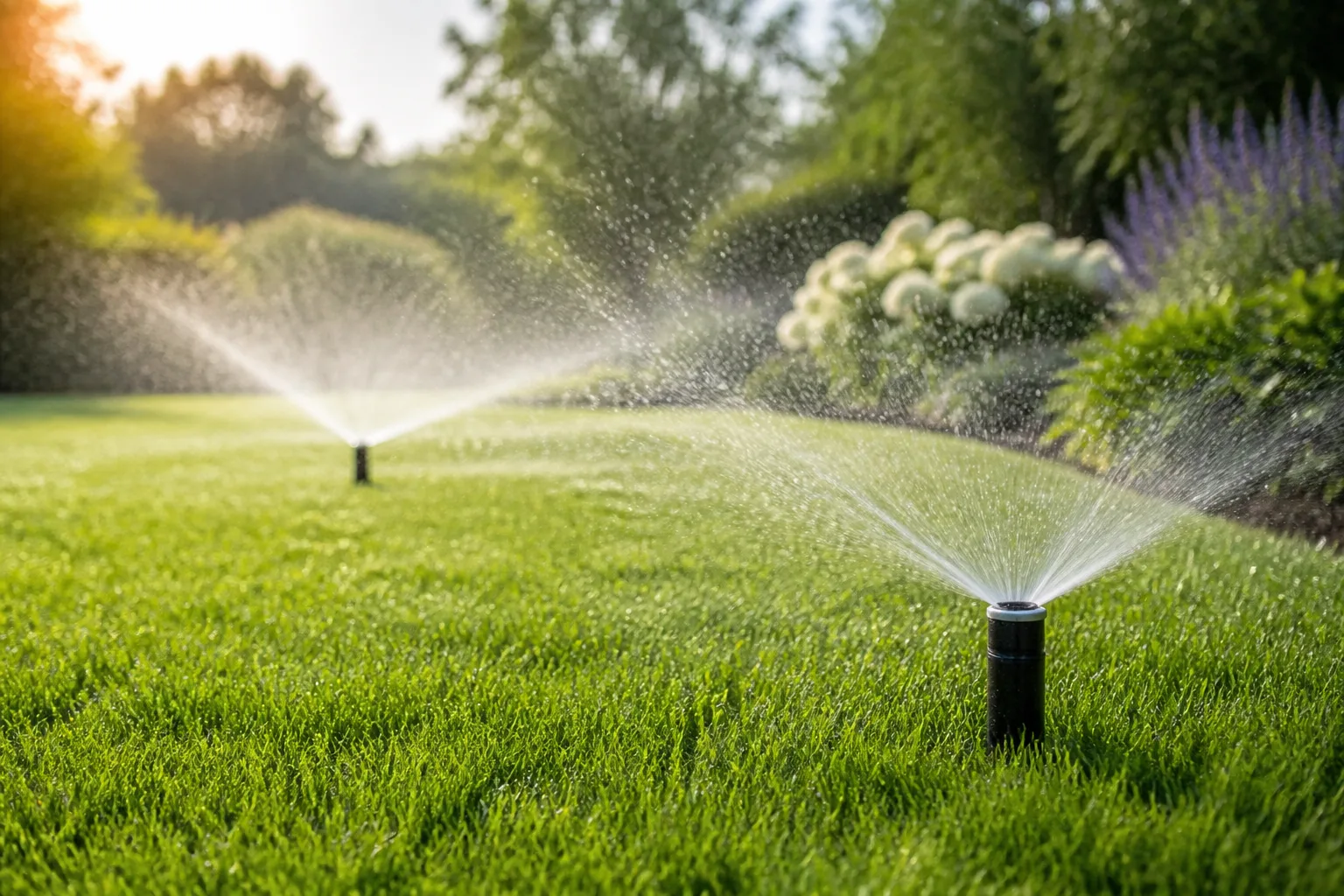
Turf is often called the easy part of landscaping because the routine is repetitive: mow, water, repeat. That predictability hides volume. A lawn that looks acceptable from the street may still need 30–45 minutes of mowing every week during the growing season, plus edging, spot weeding, and irrigation tuning. Fine or “golf course” mixes demand more aerating, feeding, and disease watching than hard-wearing amenity blends.
Virginia Cooperative Extension notes that most turfgrasses need about 1 inch of water per week from rain or irrigation during warm weather—and that overwatered lawns grow faster, need more mowing, and invite summer fungal problems. Water is not a separate line item from mowing; it is the engine that drives blade growth.
Grass type matters as much as mower brand. Warm-season grasses such as bermudagrass and zoysiagrass use water more efficiently in summer than cool-season Kentucky bluegrass and perennial ryegrass. In transition zones, planting the wrong grass for your summer rainfall pattern means you either irrigate constantly or watch bare patches expand. The RHS also points out that lawn grasses are sun plants—shade lawns under trees fight a losing battle without redesigning the canopy or shrinking the turf area.
What actually eats your weekends
Mowing frequency rises with fertility and water. Overfed, overwatered turf is a treadmill. Edging where lawn meets beds is hand work unless you install permanent steel or brick edging once. Weeds invade thin turf; crabgrass and nutsedge reward neglect with exponential spread. Compaction from foot traffic and mowers on wet soil creates bald paths that need overseeding or hardscape rerouting.
Lawns are also the feature most visible to neighbors. Social pressure to keep stripes and green color can push you toward inputs you did not plan for.
Lower-effort lawn strategies that work
You do not have to eliminate grass to reduce maintenance. Shrink the lawn to areas you actually walk and play on. Let clippings fall back on the lawn to return nutrients—the RHS lists this as a legitimate low-maintenance tactic. Raise mowing height before summer stress; VT Extension ties taller mowing on cool-season lawns to deeper roots and better drought tolerance.
Swap high-input fine turf for hard-wearing or low-maintenance seed mixes, including micro-clover blends that need less feeding. In dry regions, warm-season grasses or deliberate summer dormancy beat fighting brown patches with nightly irrigation. Where lawn is purely decorative, consider low-maintenance front yard landscaping strategies: ground covers, gravel with permeable planting pockets, or widened mulch beds with shrubs sized to mature dimensions.
Formal hedges and clipped evergreens
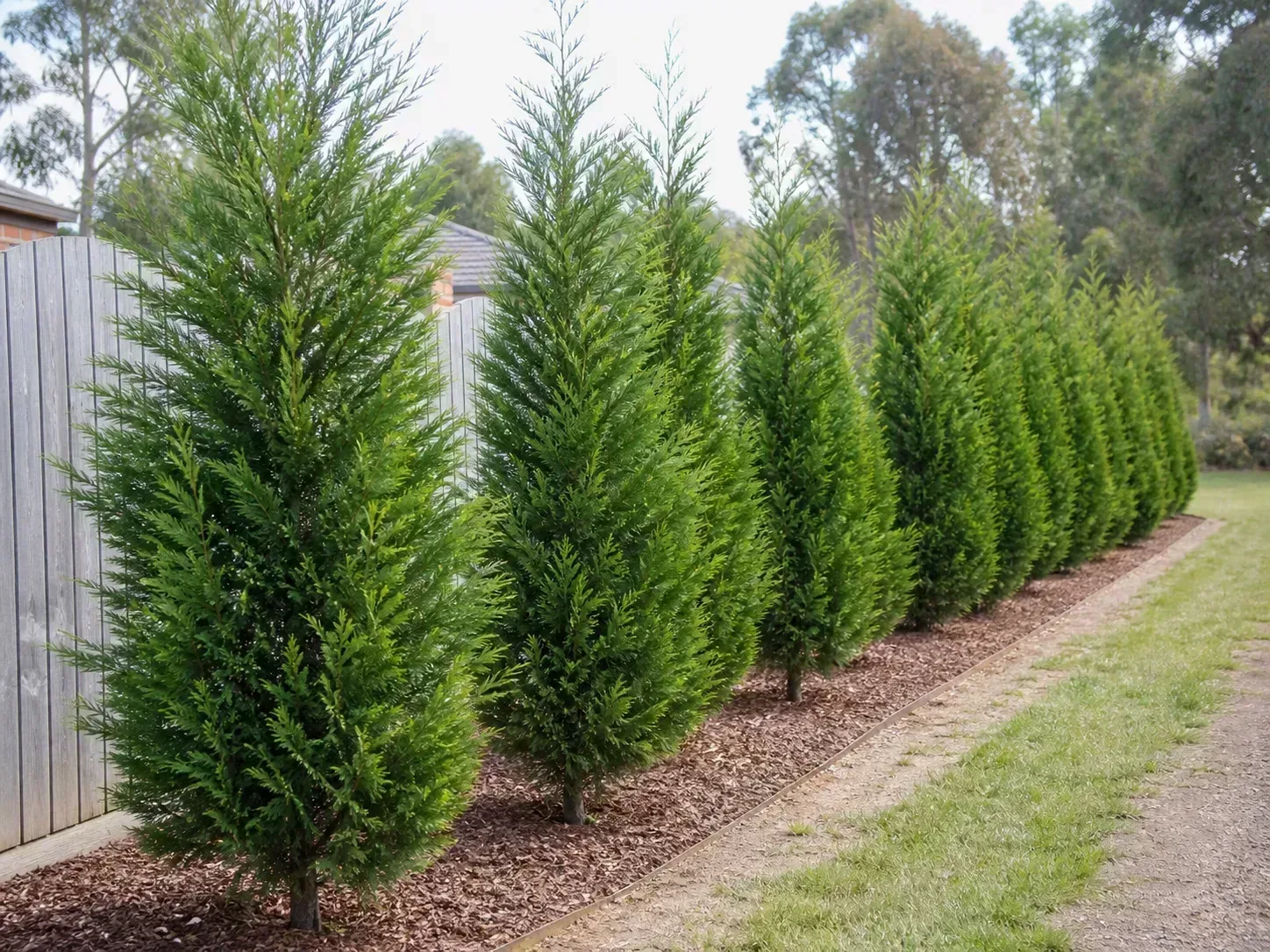
Nothing frames a garden like a crisp hedge. Nothing tests patience like trying to keep that crisp line from May through September. Formal hedging is high maintenance because growth does not pause when you do. Boxwood, privet, and yew can need light shearing every few weeks during active growth just to hold a clean silhouette, with one careful, measured cut when new growth finishes.
Fine Gardening’s formal hedge guide describes the inverted-keystone shape—narrower on top, wider at the bottom—that keeps lower branches from shading out and dying back. That is not cosmetic fussiness. It is how you keep the face green instead of exposing bare brown wood that may take seasons to recover.
Growth habits that punish bad cuts
Not all evergreens forgive shearing. Boxwood may offer only a few inches of green foliage to work with; a deep gouge shows for years. Arborvitae and juniper do not reliably sprout from old wood—cut too far into bare interior stems and you get a permanent hole. Pine hedges need candle pruning in spring, not generic flat-top shearing. Starting cuts without knowing the species is how a “simple trim” becomes a renovation project.
Formal hedges also scale badly. A 30-foot run at knee height is a weekend. The same length at chest height requires ladders, more debris hauling, and sharper tools. Taller hedges catch wind and snow load; winter damage means spring repair carving on plants with limited regrowth.
Natural screening without the weekly trim
Lower-maintenance privacy still needs plants—just plants allowed to reach a natural outline. Choose shrubs whose mature height and spread fit the slot without annual resizing: compact hollies, viburnums, or columnar cultivars where vertical space is tight. Mixed native screens with staggered bloom times look intentional without ruler-straight walls.
If you love structure but hate shears, use a loose border of repeating shrubs with mulch between them, or a fence softened by one row of easy evergreens pruned only for health, not geometry. You trade magazine perfection for hours back every month—and most passersby will not know the difference.
Annual flower beds
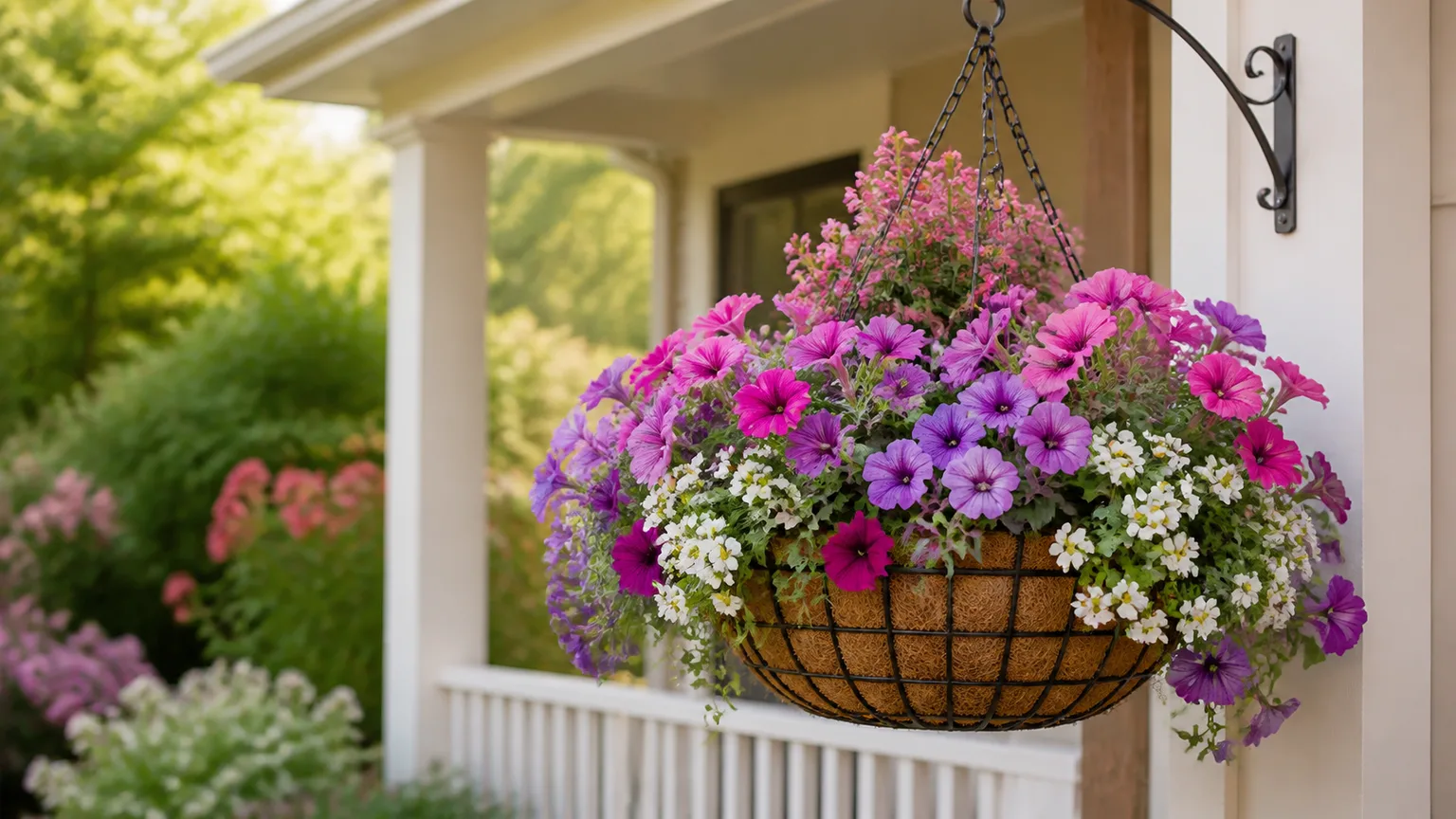
Annual beds deliver the fastest color payoff in landscaping. They also deliver the fastest labor spike. Unlike a shrub that settles in and asks for occasional pruning, annual displays reset on a calendar: soil prep, planting, feeding, deadheading, pest patrol, and ripping out frost-killed plants before the next season’s push.
The RHS classifies bedding annuals as high-input by design—they are meant to be changed seasonally. That is fine for a front-door planter or a 20-foot border you genuinely enjoy replanting. It is brutal when you install 200 square feet because the garden center photo looked effortless.
The seasonal labor spike nobody budgets for
Spring means turning soil, adding compost, laying drip or soaker lines, and placing plants at correct spacing—then watering daily while roots establish. Summer means deadheading species that stall without it, staking tall annuals in wind, and replacing heat-wilted sections mid-season. Fall cool-season beds repeat the cycle. Skip deadheading on reblooming types like many petunias and you still get color, but beds look shaggy faster; obsess over every spent bloom and you inherit a part-time job.
Containers amplify the work. Small pots dry out in an afternoon; a row of window boxes on a hot wall can need water twice daily without drip irrigation. The RHS warns that lots of containers mean repotting, feeding, and handling chores that multiply with every additional pot.
Color with less replanting
Shift color load to perennials and shrubs with staggered bloom: catmint, salvia, coneflowers, and hydrangeas for summer; asters and ornamental grasses for fall. Add self-seeding annuals such as cosmos or calendula in controlled patches where you accept some chaos.
If you love annuals, contain the commitment: one high-impact bed near the entry, not the entire foundation planting. Use slow-release fertilizer and mulch at planting to cut watering swings. For continuous containers, pick self-cleaning varieties and install drip on a timer—technology does not remove maintenance, but it prevents the daily crisis that makes annuals feel harder than they are.
Large ponds, fountains, and waterfalls
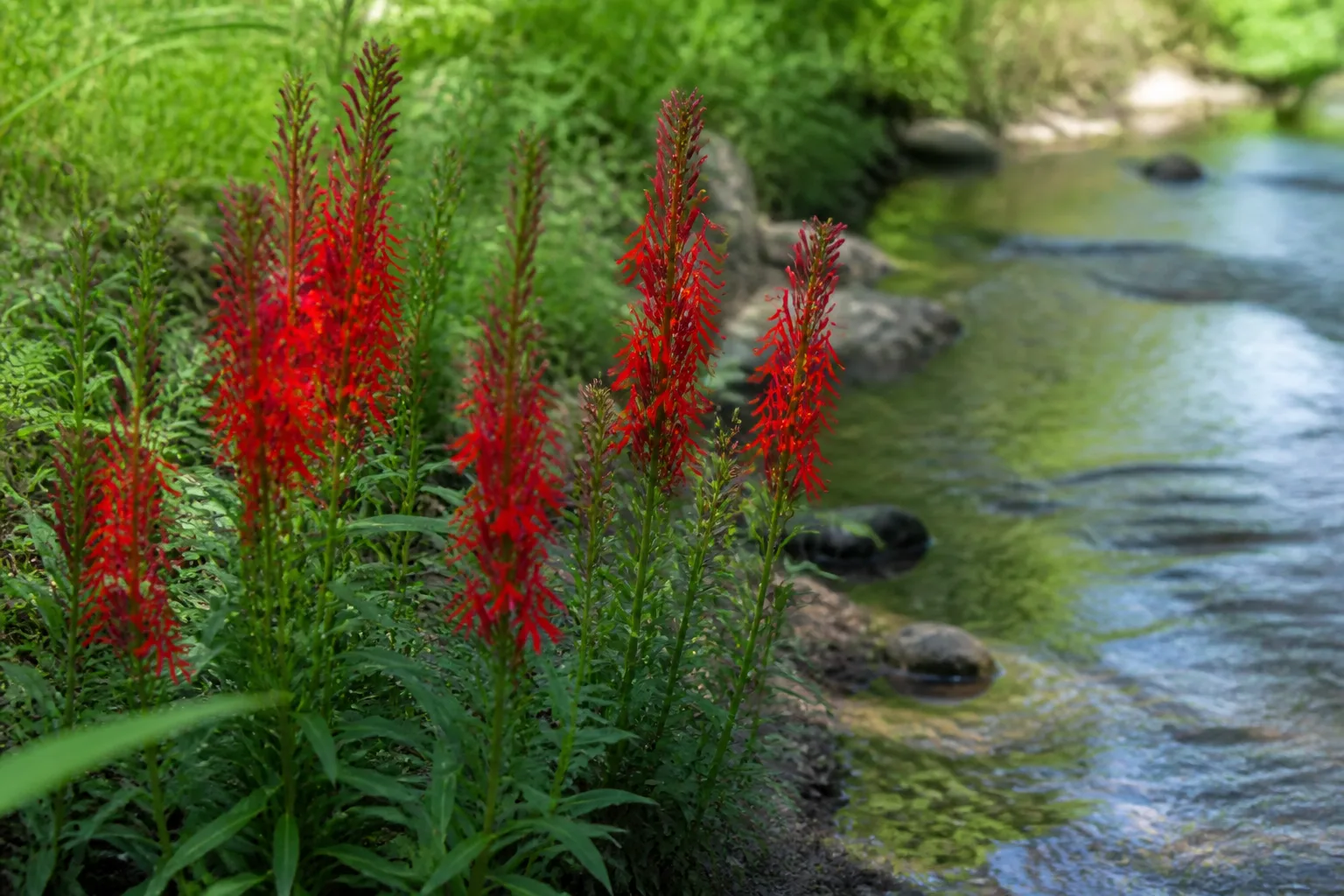
Water reads as calm. Maintenance reads as chemistry class plus plumbing. Large ponds, multi-tier waterfalls, and ornate fountains are among the highest-upkeep landscape features because they combine biology, mechanics, and weather in one visible system.
The RHS advises avoiding very shallow water features that evaporate quickly and need constant topping up. That single design choice separates a manageable bubbler from a feature you refill every hot afternoon. Scale matters too: more surface area means more algae fuel, more leaf litter, and more pump sizing headaches.
The real upkeep checklist
Expect ongoing tasks in four categories:
Water quality: Algae blooms when nutrients and sunlight align. Skimming leaves, balancing plant coverage (roughly half the surface with floating or submerged plants in naturalistic ponds), and avoiding fertilizer runoff from uphill lawns all matter more than miracle additives sold in bottles.
Mechanical systems: Pumps clog, seals fail, and lines leak. Budget time to clean pre-filters after storms and to listen for bearing whine before a pump dies mid-August. Winterization in cold climates means removing or protecting pumps, lowering lines, and preventing ice expansion damage—skipped once, expensive twice.
Wildlife and debris: Fish add feeding schedules and oxygen concerns. Trees overhead mean net-skimming or accepting murky water after every wind event. Even “self-cleaning” claims assume someone empties baskets and checks flow.
Safety and access: Steep pond edges complicate cleaning. Features tucked behind planting you cannot reach become algae bowls you learn to ignore.
Water interest without the maintenance tax
Birdbaths with daily or every-other-day refreshes support wildlife with minutes of work, not hours. Small recirculating bubblers through stone use less water volume and hide equipment in a vault you can actually open. Dry creek beds handle drainage and visual rhythm without standing water. Rain gardens planted with wet-tolerant natives process runoff and bloom—more ecological labor up front, far less pump anxiety later.
If you still want a pond, start smaller than the catalog photo, install quality liner and accessible plumbing, and place it where you will see problems early—not behind a hedge you shear monthly anyway.
Wood decking and outdoor living platforms
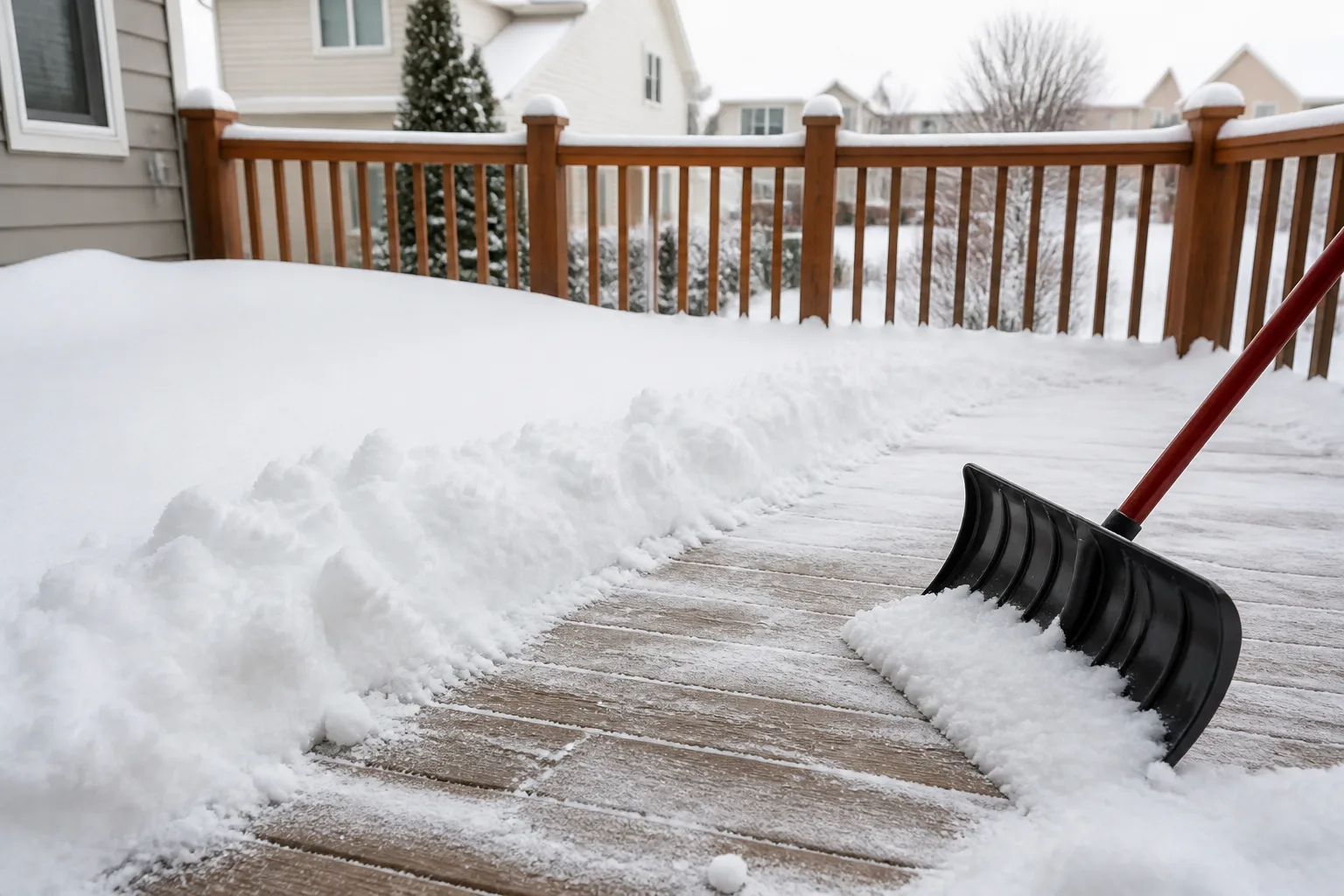
A wood deck extends living space and can boost usability faster than almost any planting project. It can also become a maintenance sink if boards, fasteners, and flashing were chosen to win the bid—not to survive your climate.
Wood needs regular sealing or staining, inspection for rot at ledger boards and post bases, cleaning to prevent slippery algae, and eventual board replacement. Composite and PVC decking cost more upfront but trade annual staining for washing, inspection, and occasional spot treatment—still maintenance, just slower and more predictable.
When cheap boards become expensive
Installation quality determines whether you maintain a deck or rebuild one. Improper joist spacing, trapped moisture against the house, wrong fasteners for treated lumber, and missing ventilation under low decks accelerate rot invisible until the surface bounces. Saving on materials often means paying twice within a decade.
Shade and tree cover add mildew and leaf stain removal to the calendar. Full sun adds UV graying and heat that makes bare-foot summer use miserable without lighter-color boards or pergola shade—another structure to maintain.
Lower-effort paths: Use composite decking with a documented warranty on a properly built substructure. Consider a stone or paver patio where you want zero board replacement. If wood is non-negotiable for aesthetics, choose rot-resistant species or treated lumber rated for ground contact at posts, keep gaps for drainage, and schedule sealing before gray weathering becomes deep fiber damage—not after.
In-ground and raised vegetable gardens
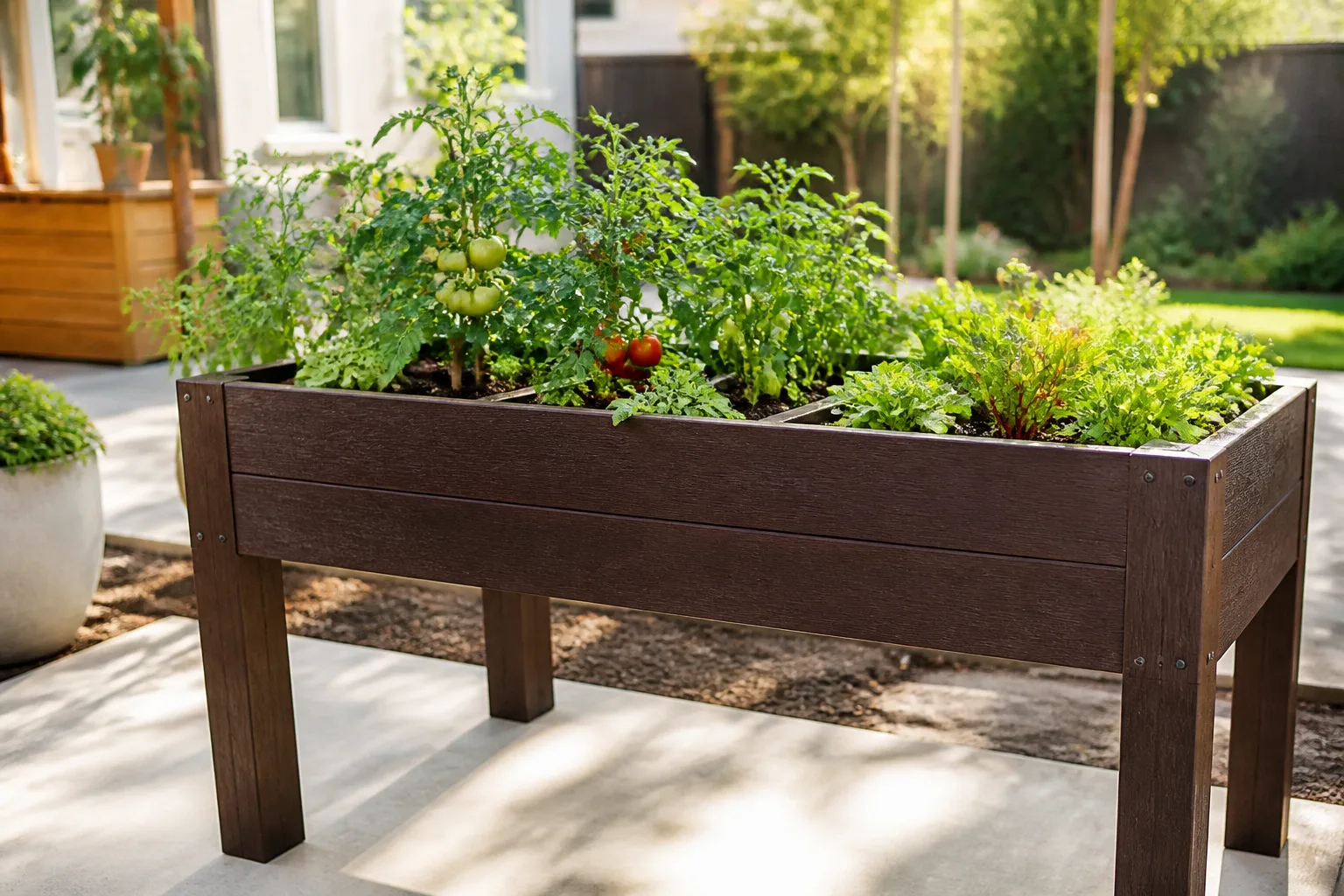
Growing food is deeply satisfying and consistently underestimated. Vegetable gardens rank among the hardest landscape features to maintain because they demand attention on nature’s schedule, not yours. Miss a week of harvest on zucchini and you discover baseball-bat fruit. Skip two days of watering on seedlings in July and you restart from seed while mourning the water you already spent.
In-ground rows on heavy soil mean endless weeding, amendment, and compaction from walking between plants. Raised beds improve drainage and soil control—you turn soil in a defined box instead of fighting the whole yard—but they dry faster and still need trellising, pest scouting, and succession planting if you want food all season, not one glut and silence.
Scaling food production to your calendar
Start smaller than enthusiasm suggests. Two or three 4×8 raised beds with drip irrigation beat a quarter-acre plot that becomes a weed meadow by August. Virginia Cooperative Extension’s lawn guidance applies by analogy: deep, infrequent watering that soaks roots beats shallow daily spritzing that encourages shallow roots and more work later. The same logic holds for tomatoes and beans.
Pick three to five reliable crops your household actually eats—tomatoes, bush beans, lettuce, herbs, peppers—before experimenting with twelve novelty varieties. Integrate flowers that attract pollinators and predatory insects at the bed edge; that is pest management you maintain once, not spray schedules you dread.
Place beds near the kitchen door and the hose. Automate water on a timer for establishment year survival. Use mulch between rows to cut weeding. Accept that fall cleanup—removing diseased foliage, covering soil, planning rotation—is part of the harvest, not an optional extra.
If food production is a priority but time is not, keep the veg patch and simplify elsewhere: shrink the lawn, skip the formal hedge, and let ornamental beds be perennial-heavy. The RHS explicitly recommends keeping high-value features you love while reducing labor in zones you do not.
How to choose landscaping you will actually keep up
Use this sequence before signing a contract or buying a truckload of plants:
1. Measure time, not just square footage. A 200-square-foot annual bed can exceed a 2,000-square-foot no-mow meadow in annual hours.
2. Match features to microclimates. Shade lawn, sun-loving annuals in reflected heat, and hedges under eaves that dump roof water are all self-inflicted high maintenance.
3. Install infrastructure once. Permanent edging, drip irrigation manifolds, quality deck flashing, and accessible pump vaults pay back in reduced hand labor.
4. Right-size ambition. One perfect focal point beats six mediocre ones you neglect.
5. Plan the boring season. Winter pump storage, spring bed turnover, and fall deck sealing belong on the calendar the day you install—not the year things fail.
When in doubt, borrow a page from low-maintenance design and replace repetition with massing: fewer plant types in larger groups, mulch that suppresses weeds, and hardscape where foot traffic would otherwise fight grass.
Conclusion
The hardest landscaping to maintain is not a secret list of forbidden plants. It is any feature installed without an honest accounting of water, tools, skill, and hours. Lawns, formal hedges, annual beds, large water features, wood decks, and vegetable gardens can all be wonderful—they simply punish scale mistakes and climate mismatches faster than a drift of native shrubs ever will.
Run the maintenance budget test before you build. Keep the features you love close and easy to reach. Downsize or swap the rest using alternatives that trade a little perfection for a lot of peace. A yard you can sustain year after year will always outshine a showcase garden you resent by July.



