How to Grow and Care for Haworthia Cooperi Indoors
Keep Haworthia cooperi compact with practical guidance on light, watering, soil, repotting, offsets, seasonal changes, and common problems, with simple fixes.
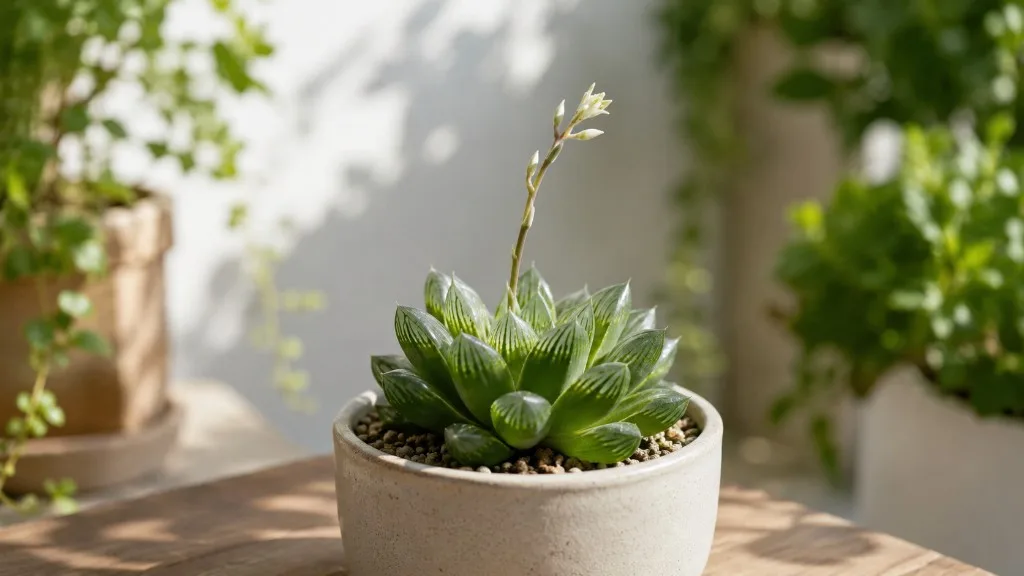
Haworthia cooperi is a compact South African succulent best known for its plump, translucent leaf tips. Those “windows” catch the light, but they do not mean the plant wants a blazing, all-day-sun windowsill. Indoors, it usually does best with bright filtered light, a pot that drains freely, and a watering routine based on how quickly its mix dries.
The most useful rule is simple: check the root zone before reaching for the watering can. A Haworthia cooperi can look thirsty when its leaves wrinkle, but root damage from persistently wet soil can create a similar appearance. This guide shows how to tell those situations apart and adjust one condition at a time.
A quick care profile
| Need | Practical starting point |
|---|---|
| Light | Bright indirect light; gentle morning sun is possible after gradual acclimation |
| Water | Soak the mix when it has dried through, then let excess drain away |
| Mix | Porous succulent mix with a substantial mineral component |
| Pot | Drainage hole; only modestly wider than the root ball |
| Temperature | Comfortable indoor temperatures; protect from frost and cold, wet conditions |
| Feeding | Optional, dilute fertilizer during active growth |
| Growth | Slow, clumping rosette; offsets are the easiest way to make another plant |
Treat this as a starting point, not a calendar. A small terracotta pot beside a bright window dries differently from a larger glazed pot in a cool room. A moisture check and a look at the plant’s roots tell you more than “water every Sunday.”
What makes Haworthia cooperi different
Kew’s Plants of the World Online record accepts the name Haworthia cooperi and places the species’ native range in South Africa’s Cape Provinces. It is a succulent perennial in the family Asphodelaceae. In cultivation, it stays small and forms a cluster of low rosettes rather than a tall, branching stem.
The translucent leaf tips are the feature most growers notice first. The leaves may be rounded or pointed, and the rosette often produces offsets as it matures. Forms sold under names such as pilifera, dielsiana, or venusta can differ in leaf shape, color, hairs, and marginal bristles; labels in the nursery trade are not always consistent. Use the plant’s actual response to your conditions rather than assuming every named form has identical light tolerance.
Although it stores water like other succulents, Haworthia cooperi is not interchangeable with a full-sun echeveria. The West Virginia University Extension guide to succulents is useful for general practices such as drainage holes and watering thoroughly, but it also cautions that care varies by variety. For this soft-leaved haworthia, filtered light and a slow, observant approach are safer starting points.
Light: bright, filtered, and gradual
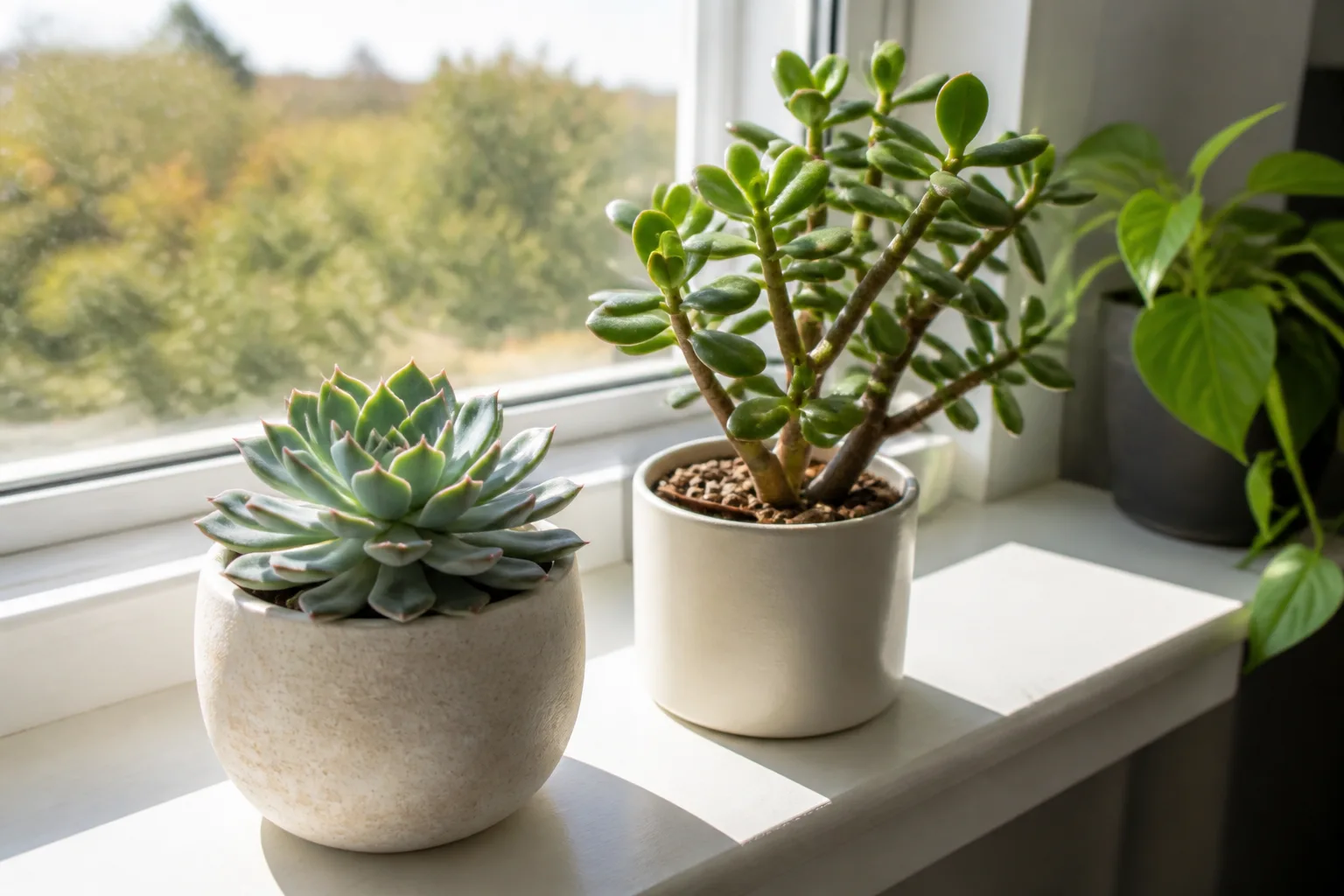
Give the plant a bright place where the leaves are not exposed to hot midday sun through glass. An east-facing window is often convenient. A bright north window may work in a sunny climate, while a south- or west-facing window may need a sheer curtain, a little distance from the glass, or a spot beside rather than directly in the sun beam. Window direction alone does not measure light: latitude, nearby buildings, glass, season, and the distance from the pane all matter.
Too little light tends to change the plant’s shape before it kills it. The rosette opens, the leaves lean toward the brightest side, and new growth becomes narrower or more stretched. Move it closer to the window or add a grow light gradually; do not jump from a dim shelf to several hours of direct sun. The care notes from Gardenia and the Planet Natural Haworthia guide likewise recommend bright light while guarding this plant from harsh exposure.
If you want to give it morning sun, acclimate it over a week or two. Start with a short period of mild early light, then increase exposure only if the leaves remain firm and unbleached. Red or bronze coloring can be a stress response rather than proof that the plant is thriving; pale, dry, papery patches are a stronger sign of sunburn, and those damaged areas will not turn green again.
Watering: soak, drain, then wait
Water only after the mix has dried through, not just after the surface looks dry. Push a clean wooden skewer or a finger into the medium near the pot’s edge; if the lower mix still feels cool or damp, wait. In a small, gritty pot in warm bright conditions, that dry-down may take days. In winter, a cool room or a dense, peat-heavy mix can keep moisture around the roots much longer.
When it is time, water the medium evenly until it runs from the drainage hole. Let the pot finish draining, then empty any saucer or cachepot. Small sips wet only part of the root ball and can encourage shallow roots, while repeated watering before the previous drink has dried leaves the base vulnerable to rot. The general succulent advice from WVU Extension also favors a thorough soak followed by complete drying; the timing varies with the plant and setting.
Water the soil rather than pouring into the center of the rosette. If water collects between leaves, tip the pot gently or wick it away with a corner of paper towel. This is especially helpful when the room is cool and air movement is low. Do not mist the plant to “raise humidity”; it does not need a humidifier, and wet leaves that stay wet are not a substitute for proper root watering.
The water interval is a result, not a target. If the soil stays damp for more than a week or two in a warm room, check the mix, pot material, drainage hole, and light before reducing water to tiny amounts. If it dries in a day, check whether roots have filled the pot or the plant sits beside a heater. Correct the cause rather than following a generic two-week schedule.
Soil and container
The root zone should hold enough moisture for roots to take up water, then release excess quickly and admit air as it dries. Ordinary indoor potting soil is often too fine and moisture-retentive on its own. A commercial cactus mix can work if it dries at a sensible pace in your home; some bags contain a lot of peat, so the label “cactus” is not a guarantee of drainage.
Use a container with an open drainage hole. A small plant in a pot several sizes too large sits in a large volume of mix that stays wet after each watering. Choose a pot only a little wider than the root mass, with enough depth for the roots to sit naturally rather than being bent into a tight coil. Unglazed terracotta can help a slow-drying setup, but it is not mandatory and it may dry quickly in hot, dry rooms.
Build a mix for your room
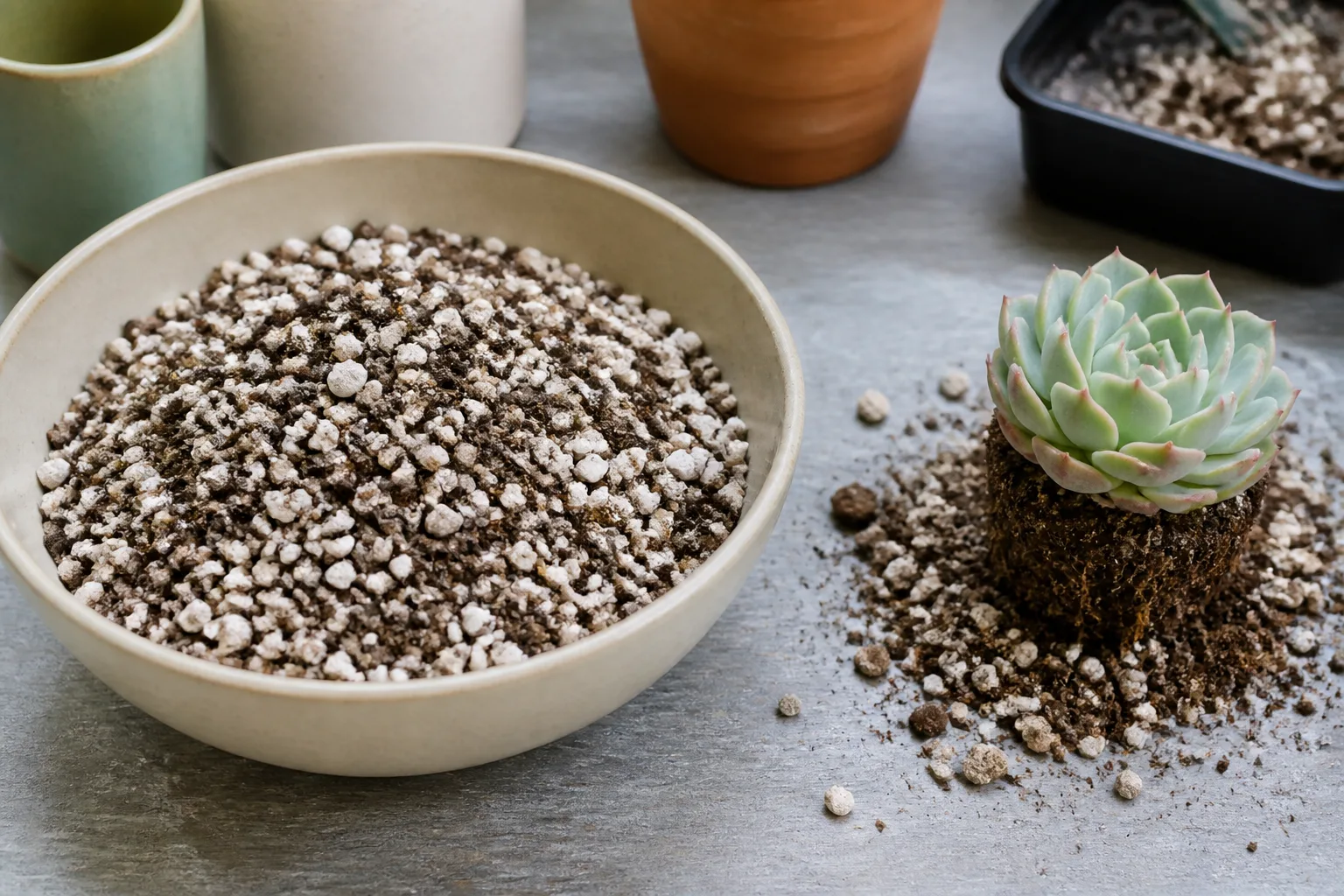
Start with one part succulent potting mix and one part coarse mineral material such as pumice or perlite. If your home is cool, humid, or the mix still stays wet for a long time, increase the mineral share; if the pot dries extremely fast and the plant is in active growth, retain a little more organic mix. Avoid fine beach sand, which can pack tightly. A practical mix should feel loose and gritty rather than muddy when damp, and water should pass through instead of pooling on top.
Do not put a layer of gravel in the bottom of a pot without a drainage hole and assume it has solved the problem. It does not remove the water; it simply reduces the root space above it. If a decorative planter has no hole, keep Haworthia cooperi in a smaller nursery pot inside it, lift the inner pot out to water, and return it only after it has drained.
Temperature, humidity, and airflow
Normal indoor temperatures suit this plant. Keep it away from cold drafts, hot radiators, heat vents, and window glass that becomes cold during winter nights. It is not a frost-hardy outdoor succulent. A brief cool period in dry conditions is less risky than cold temperatures combined with wet soil, but there is little benefit to testing its limits; bring it indoors before frost and avoid leaving it outside during a cold, rainy stretch.
Average household humidity is generally adequate. Avoid placing it in a perpetually steamy bathroom, an enclosed terrarium that traps condensation, or a crowded corner where air never moves. A terrarium can look attractive, but a closed glass vessel makes it harder to control the wet-dry cycle this plant needs. If you like the display, use an open container and keep the root zone in its own draining pot.
Good airflow does not mean a fan pointed directly at the leaves. It means there is enough space around the rosette for the mix and foliage to dry normally after watering. Leave a little space between plants so you can inspect the leaf bases and spot pests early.
Seasonal rhythm: growth is not always spring to summer
Light and temperature indoors rarely follow the same pattern as an outdoor garden calendar. A Haworthia cooperi may grow slowly during a dim winter, then resume more visible growth as day length increases. In a hot room, it may pause during the hottest weeks instead. The plant’s pace is more useful than a fixed month: watch for fresh central leaves or new offsets, and adjust watering only after checking that the mix has dried.
In winter, less light and lower temperatures usually slow evaporation, so the same amount of water remains in the pot longer. Do not keep watering at a summer pace simply because a reminder app says it is time. Conversely, do not withhold water for months from a plant that is warm, actively growing, and completely dry; a thorough drink is still appropriate once the root zone has dried.
Seasonal changes also affect windows. A spot that receives gentle light in winter may get intense afternoon sun in summer as the sun angle changes. Recheck the plant after moving it or when the season shifts. If the leaf surface starts to bleach or develop dry patches, move it out of the beam before changing soil or fertilizer.
Fertilizer and flower stalks
Fertilizer is optional. If the plant is healthy and produces a little new growth, fresh potting mix and light are usually more important than feeding. A dilute balanced houseplant or cactus fertilizer can be applied once or twice during active growth, using the label rate for container plants or a more conservative dilution if you are unsure. Do not fertilize dry roots, a recently repotted plant, or a plant already showing soft, damaged growth.
A mature rosette may send up a narrow flower stalk with small pale flowers. The stalk can be left in place while it blooms; cut it near the base with clean scissors when the flowers fade. Flowering is a natural event, not a care score. Lack of flowers does not mean the plant is failing, and stronger sun or heavier feeding is not a safe way to force a bloom.
Repotting without oversizing
Repot when the mix has broken down and stays wet, roots crowd the drainage hole, the plant is unstable, or offsets are pressing against the pot rim. A crowded clump is not automatically unhealthy; if the medium drains and the rosettes have room to open, you can leave it together. Because growth is slow, an annual repot is rarely necessary.
Choose the next pot for the root ball, not the size you hope the plant will reach. Ease the plant out, brush away loose old mix, and inspect the roots. Firm pale roots are healthy; dark, hollow, or mushy roots indicate damage. Trim only dead tissue with a clean blade, let cut areas dry, then set the plant into fresh, dry mix with the crown above the surface. Do not bury the rosette to make it stand upright.
Wait several days before the first thorough watering if roots were cut or damaged. If the root ball came out intact and dry, the pause can be shorter. The point is to avoid pushing water into fresh wounds; there is no universal “repot and water immediately” rule for every condition.
Propagating offsets
The easiest way to propagate Haworthia cooperi is to separate a rooted offset, often called a pup, from the parent rosette. Wait until the pup is large enough to handle and has some roots of its own. A tiny rosette attached by a thin connection is more likely to dry out or fail than one that already has a small root system.
Slide the plant from its pot and loosen mix around the connection. If the pup releases with roots, tease it away gently. If you need a knife, sterilize it first and make one clean cut. Let the cut surface dry in a shaded, airy place until it is no longer wet, then place the pup in a small pot of dry, gritty mix. Keep it in bright indirect light while it settles. Once it has anchored or begins to grow, resume the normal soak-and-dry routine rather than keeping the mix constantly damp.
WVU Extension describes offsets as a common way succulents reproduce and advises allowing unrooted or damaged pieces to callus before potting. That broad guidance fits the main caution here: do not plant a fresh, wet wound into wet soil. Leaf propagation is possible for some Haworthia growers, but results are less dependable than rooted offsets; a leaf that detaches without its base may simply shrivel. Seed growing takes longer and is more useful to collectors than someone who wants a second windowsill plant.
Read problems before changing care
A leaf symptom is a clue, not a diagnosis by itself. Before changing several conditions at once, check the center and base of the rosette, the texture of the leaves, the moisture deeper in the pot, and whether the plant has changed location recently. If the plant is in dense wet soil, adding more water because the leaves look thin can make the underlying problem worse.
Wrinkled leaves
Firm, slightly wrinkled leaves with a dry mix may point to thirst. Give the soil a full watering and allow the pot to drain. If the leaves remain thin after a few days, inspect the roots: a plant with very few functioning roots cannot take up water even when the mix is wet. This is why the same visual symptom can have opposite causes.
If the leaves are shriveled but the soil remains wet, unpot and inspect instead of watering again. Healthy roots should not be mushy or smell sour. Remove clearly rotted tissue, refresh the mix, and correct the drainage or light condition that kept the root zone wet. Recovery is slow; do not expect a damaged rosette to plump up overnight.
Stretching or color changes
An increasingly open, uneven rosette and narrow new leaves usually indicate insufficient light. Move the plant closer to a bright window or add a grow light, making the change gradually. Older stretched leaves will not shrink back, but new growth can become more compact when light improves.
Red, bronze, yellow, or pale areas need context. A mild color shift after a location change may reflect stress; dry bleached patches on the side facing the window suggest sun scorch. A uniformly dull plant in low light may need more brightness, while a pale plant in harsh sun may need less. Use the direction and texture of the affected area, not color alone, to choose the next step.
Soft base, black roots, or collapse
Soft, translucent tissue at the base is more urgent than a few wrinkled outer leaves. Stop watering and check the roots and crown. If the roots are dark and mushy but the crown remains firm, remove the rotten roots, let the remaining plant dry, and repot into clean, airy mix. If the growing center itself is black and collapsing, that rosette may not recover; save any firm, healthy offsets if they can be separated without carrying the rot.
Do not use a fixed waiting period as proof that rot is gone. The plant needs dry, functional roots and a mix that dries at a reasonable pace. Resume watering only when the mix is dry and the plant is stable, then correct the original cause: oversized pot, blocked drainage, compacted soil, cool wet conditions, or repeated small sips.
Pests, especially mealybugs
Mealybugs can hide between crowded leaves or around the roots, where they look like white cottony patches. Isolate the plant, inspect the leaf bases and pot rim, and check the roots if it keeps declining despite corrected watering. Remove visible insects with a cotton swab and clean the area. If you use an insecticidal soap or another treatment, confirm that the product is labeled for indoor ornamental plants and follow the label; succulent leaves can react differently from thin-leaved houseplants.
Recheck the plant over the following weeks because missed insects or eggs can lead to a return. Avoid oil or soap treatments in direct sun or on a heat-stressed plant. Fungus gnats usually point to a mix that stays wet too long rather than a pest that feeds on the succulent itself, so drying conditions and fixing drainage matter more than repeatedly treating the foliage.
Growing outdoors and acclimating
In warm, frost-free climates, Haworthia cooperi can be grown outdoors in a sheltered spot with filtered light and very fast drainage. A covered porch or bright shade under a taller plant is safer than an exposed bed that receives afternoon sun and summer storms. Even where regional guides list it for warm hardiness zones, a zone number does not account for wet winter soil, reflected heat, or a sudden cold snap.
Move a houseplant outdoors gradually. Begin in bright shade for several days, then allow only a little gentle morning light if the leaves remain firm and unmarked. Protect it from heavy rain, and check that the pot empties quickly after a storm. Before cool weather arrives, bring it back inside and inspect the leaves and roots for insects.
If you share your home with cats or dogs, the ASPCA lists Haworthia species as non-toxic to cats and dogs. That is useful reassurance, but it does not make chewing a good habit: pets can damage the plant or upset their stomachs by eating unfamiliar material. Keep the pot stable and out of reach if a pet tends to dig or nibble.
Conclusion
Haworthia cooperi is easiest to keep when you treat it as a bright-shade succulent rather than a miniature desert cactus. Give it filtered light, a draining pot, and a loose mix; then water deeply only after that mix has dried through. These three choices prevent most of the problems that make a slow-growing rosette lose its clear, plump look.
When something changes, diagnose before intervening. Dry soil with firm wrinkled leaves calls for water; wet soil with soft tissue calls for a root check. A stretched plant needs more light in stages, while a bleached plant needs protection from direct sun. Make one correction, give the plant time to respond, and use rooted offsets to share a healthy clump when it has room to grow.



