How to Make a Homemade Flea Trap: 3 Effective Ways
Build three homemade flea traps with dish soap, sticky tape, or corn syrup. Learn placement, safety, and what traps can—and cannot—do for a real infestation.
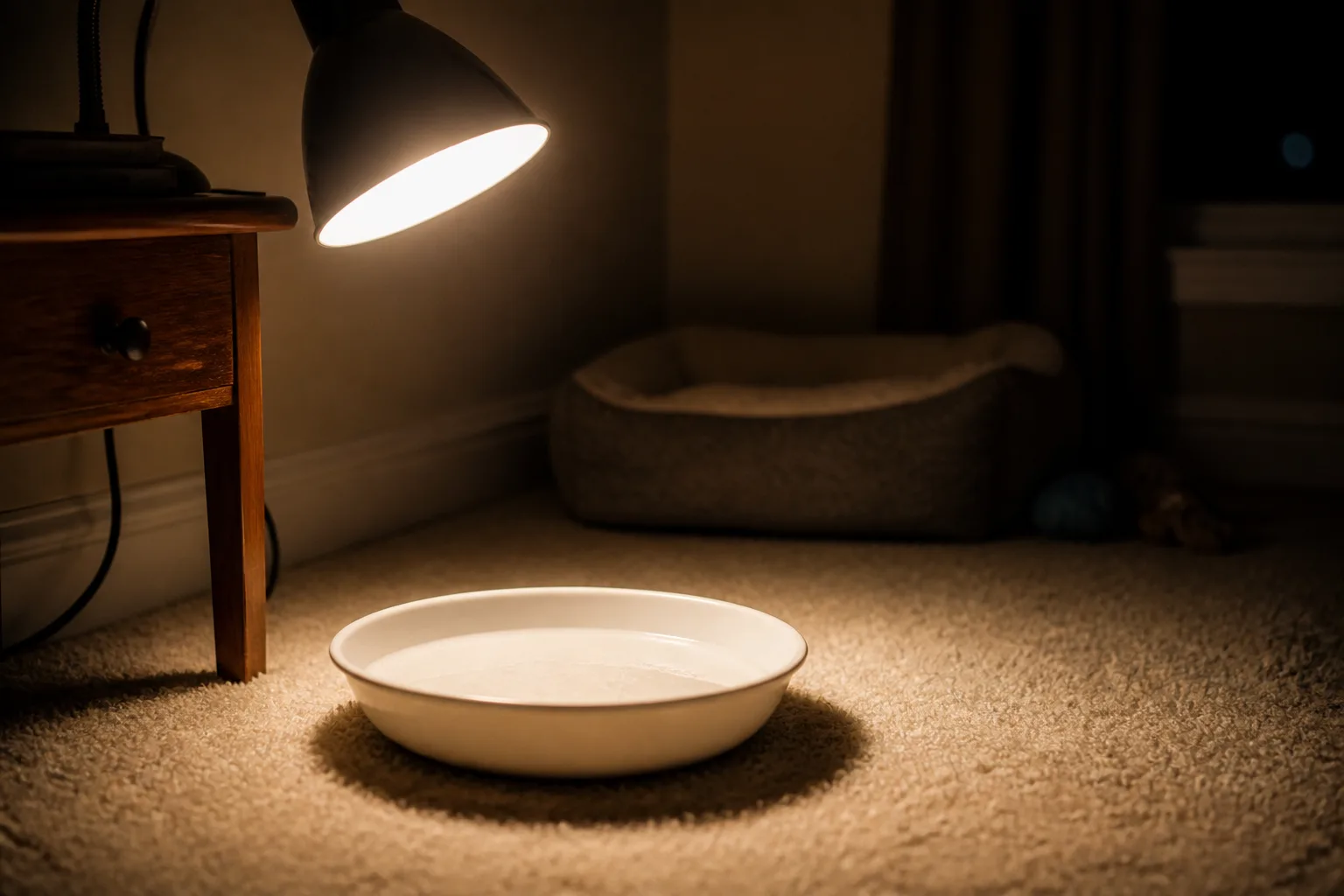
A homemade flea trap will not cure a whole-house infestation by itself—but it can tell you where fleas are active, knock down jumping adults while you sleep, and buy time to treat pets and carpets the right way. All three DIY methods here use the same bait logic fleas already follow in nature: warmth and light in a dark room. The difference is what happens when they land.
The soapy-water bowl is the fastest to set up and the easiest to read. Sticky tape on cardboard catches fleas without liquid—useful when pets might nose a bowl. Corn syrup creates a thick glue trap for rooms where you want zero splash risk. Each takes about ten minutes to assemble. What matters more than the recipe is where you put the trap, running it overnight with every other light off, and not mistaking dead adults in a dish for a finished job.
What Homemade Flea Traps Can and Cannot Do
Homemade traps are monitoring and adult-capture tools, not a full flea treatment. They exploit a real behavior: cat fleas jump toward light and heat when they leave carpet fibers or furniture to find a host. A desk lamp over a shallow dish gives them a false target. Dish soap, syrup, or tape finishes the job once they arrive.
What they do well:
- Confirm activity in a specific room before you spend money on sprays or vet visits
- Reduce adult numbers overnight in pet resting zones
- Map hot spots when you move traps night to night and compare catch counts
- Support a larger plan of vacuuming, laundering, and veterinarian-directed pet treatment
What they cannot do:
- Reach eggs, larvae, or pupae buried in carpet base, upholstery seams, or cracks
- Replace on-pet treatment—most adult fleas on a dog or cat never leave the host long enough to hit a floor trap
- Penetrate cocoons—pupae can sit protected for weeks and emerge when vibration or carbon dioxide signals a host nearby (UC IPM)
Treat every trap as one layer in integrated pest management, not a standalone fix.
Why traps only catch adult fleas
The visible fleas you comb off a pet or find on white socks are roughly the tip of the population. UC IPM notes that female cat fleas lay about 20 to 50 eggs per day on the host; smooth eggs fall into bedding, carpet, and floor cracks and hatch in two to five days. Larvae feed on dried blood and adult flea feces in protected, humid spots for eight to 15 days before spinning cocoons. At normal room temperatures the full cycle can complete in about 18 days, and warm spring weather can spike numbers fast.
A bowl of soapy water kills adults that jump in. It does nothing to larvae eating debris at the base of carpet fibers or pupae waiting inside silk cocoons. That is why a trap can look successful for several mornings while new adults keep appearing two weeks later—the hidden generation is still maturing. Traps help you measure pressure; vacuuming, hot laundering, and pet-directed products shrink the pipeline (CDC flea control guidance).
Confirm You Have Fleas Before You Build Anything
Building traps for the wrong pest wastes a night. Fleas are dark brown, laterally flattened, wingless, and powerful jumpers about 1/8 inch long (UC IPM). They need a blood meal from a mammal—usually a dog, cat, or in rare cases a human. If nobody in the home has been bitten and there are no pets, look harder at bed bugs, carpet beetles, or fungus gnats before you mix soap water.
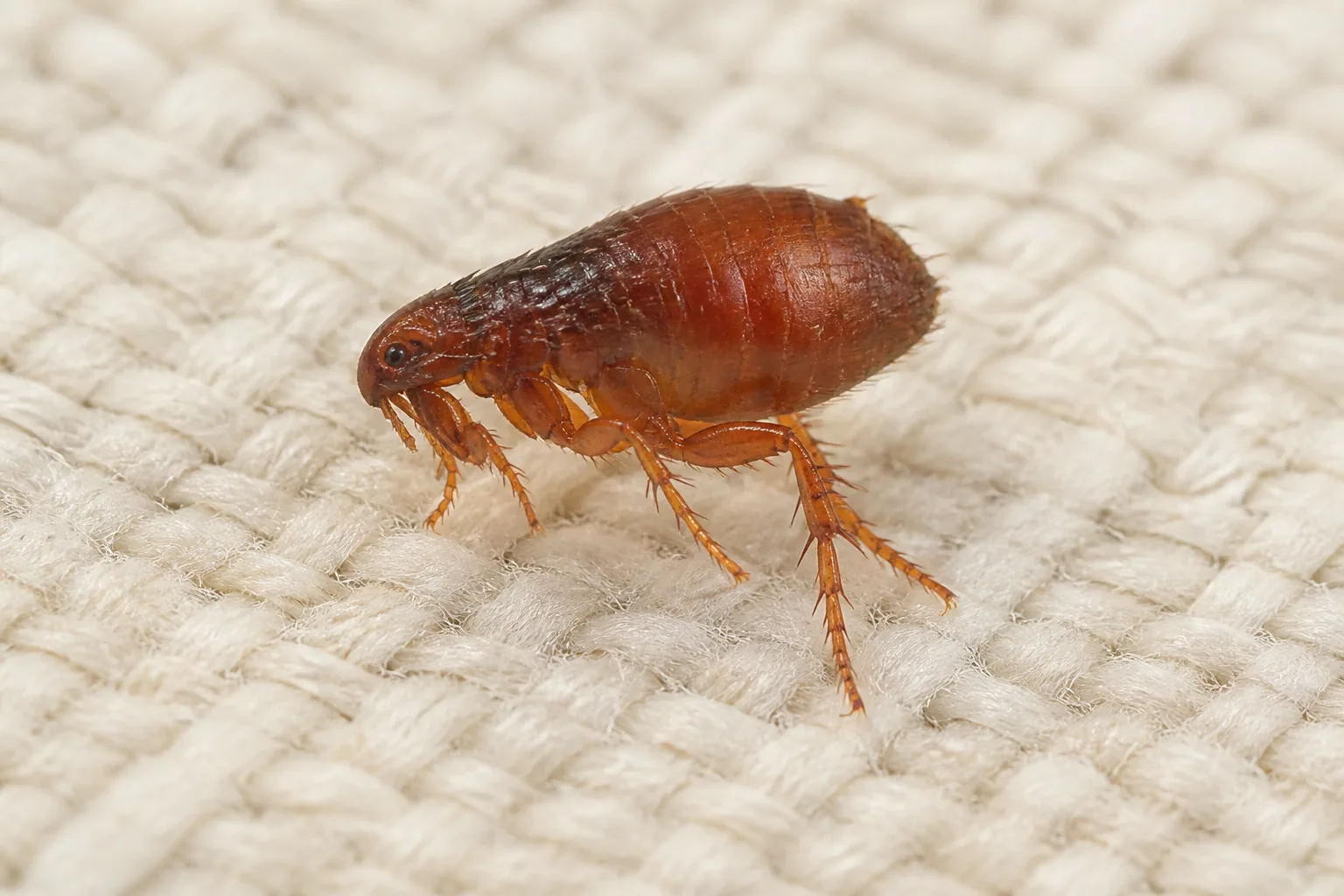
The white-sock test and flea dirt
Pull on tall white socks and walk slowly through carpeted rooms, especially where pets sleep. Fleas jump toward movement and heat; dark specks on the fabric are a strong signal. For confirmation, run a fine flea comb over your pet onto a white towel. Black grains that smear reddish-brown when dampened are flea dirt—digested blood—not ordinary soil.
Set your first trap in the room where socks or comb results were worst. If catches stay zero for three nights in a pet zone, reassess the pest ID or look for outdoor wildlife bringing fleas in through crawl spaces and porches.
Fleas vs bed bugs vs other small indoor pests
Bed bugs are reddish-brown, slower crawlers, and usually track to mattresses and bed frames—not pet beds. No pets plus bites in a sleeping area points to bed bugs, not fleas. Fungus gnats hover near wet houseplant soil and are weak fliers, not jumpers. Fruit flies swarm fermenting produce in kitchens. Drain flies breed in slimy pipes. Each needs a different trap and cleanup plan; our guides on pantry gnats and fruit flies cover those flies specifically.
Safety Rules Every DIY Flea Trap Needs
Homemade flea traps sit on the floor near electricity, water or syrup, and curious pets. A few non-negotiable rules keep the project safe.
Use a lamp, never an open flame
Older DIY posts recommended a lit candle in the center of a soapy dish. Do not do this. An open flame beside flammable carpet, pet hair, and spilled liquid is an unnecessary fire risk—and pets can knock the setup over. A desk lamp, clip light, or LED nightlight on a stable surface provides enough warmth and brightness when the rest of the room is dark. Aim the beam straight down over the trap; fleas jump toward the glow, not the bulb itself.
Keep water, syrup, and sticky surfaces away from pets and outlets
Liquid near outlets is hazardous. Route cords so they cannot be pulled into a bowl. If soap water splashes an outlet, shut off power at the breaker, do not touch the outlet wet, and have it inspected before reuse. Block pet access to trap zones for the night—crate dogs, close doors, or place bowls inside a shallow box with lamp light entering from above. Sticky tape traps are especially dangerous for cats and small dogs that can get adhesive on paws and fur. Corn syrup attracts ants as readily as fleas; wipe spills and do not leave syrup traps in kitchens. Never use insecticidal soaps meant for plants in a pet zone unless the label explicitly allows it.
Method 1: Soapy Water and Light Trap (Start Here)
This is the default homemade flea trap for a reason: cheap, easy to count, and the soap physics are reliable. If you only build one trap tonight, build this one.
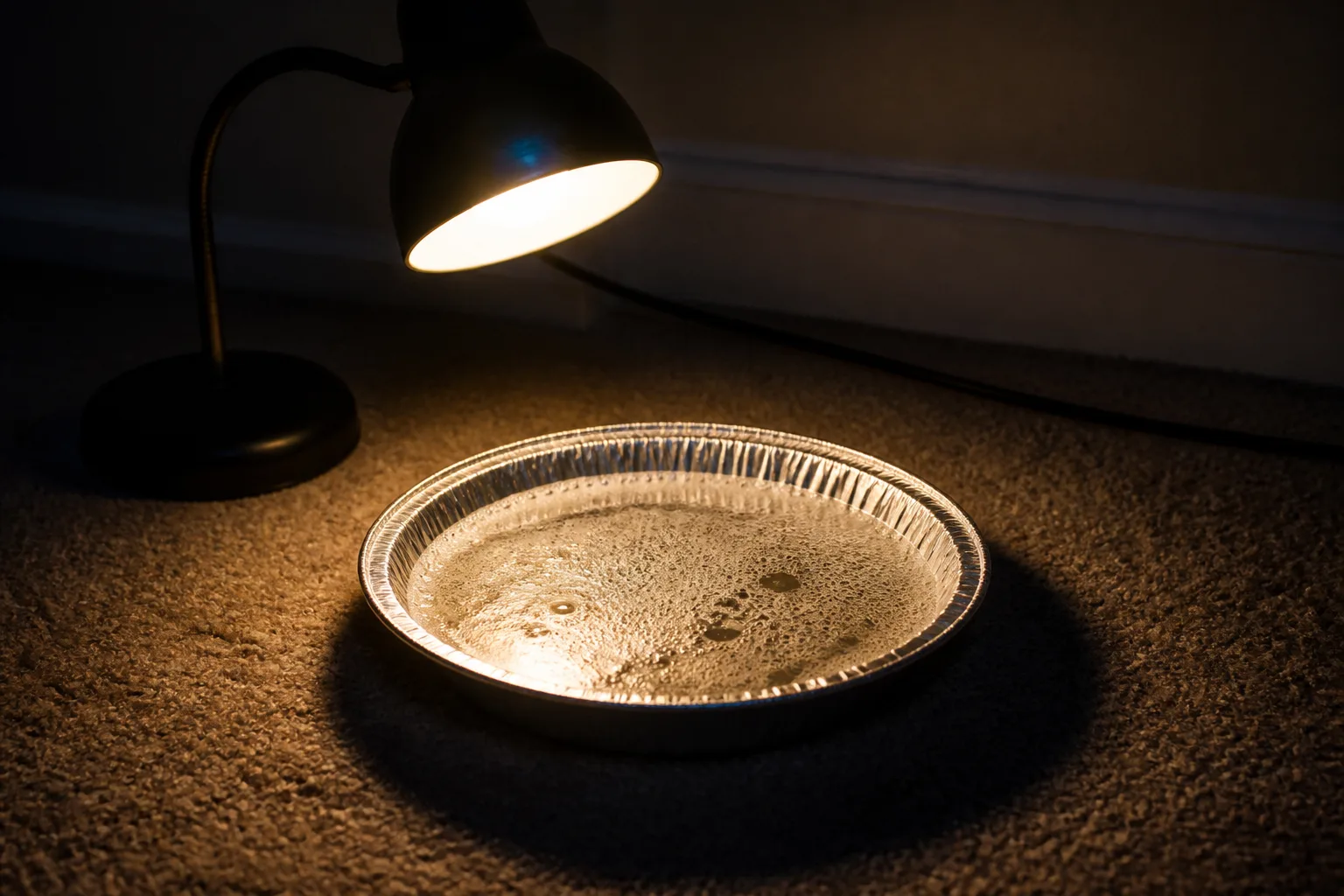
Materials and mix ratios
Gather a shallow wide dish—a pie tin, dinner plate with a rim, or low baking pan works better than a deep cereal bowl. You want a broad landing surface half an inch deep. Fill with warm water to about 1/2 inch depth. Stir in 1 to 2 tablespoons of liquid dish soap—any standard degreasing kitchen soap works. Stir gently so the surface stays smooth; thick foam bubbles let fleas land on air pockets instead of water.
You also need a directional light on a cord that reaches the floor, and access to an outlet you can shut off in the morning.
Four-step overnight setup
Step 1 — Pick the hot zone. Place the dish on the floor where your pet sleeps, along carpet edges, or beneath furniture skirts—where sock tests showed activity. Stay 3 to 4 feet from walls if possible so jumping fleas have a clear path to the light pool.
Step 2 — Position the lamp. Set the lamp on a stable chair or stack of books so the bulb points directly down over the water. The reflection on the liquid surface matters; fleas orient to brightness.
Step 3 — Darken the room. Turn off overhead lights, TVs, and bright hall lights. Leave only the trap lamp running. Fleas are more active in quiet, dark conditions; high contrast makes the trap irresistible.
Step 4 — Check at dawn. Count fleas in the dish before pets or kids enter. Dump the water down the toilet, rinse the pan, and reset if activity continues. A sudden spike after vacuuming is normal—vibration wakes pupae (UC IPM).
Why soap matters: Flea exoskeletons are hydrophobic. On plain water, light insects can sit on the surface film and jump out. Dish soap is a surfactant—it breaks surface tension so fleas sink and drown on contact. That is the entire mechanism; brand color does not change it.
Method 2: Sticky Tape Trap Under a Lamp
The sticky method trades liquid risk for adhesive capture—helpful when you worry about a puppy drinking soapy water or a toddler roaming at night.
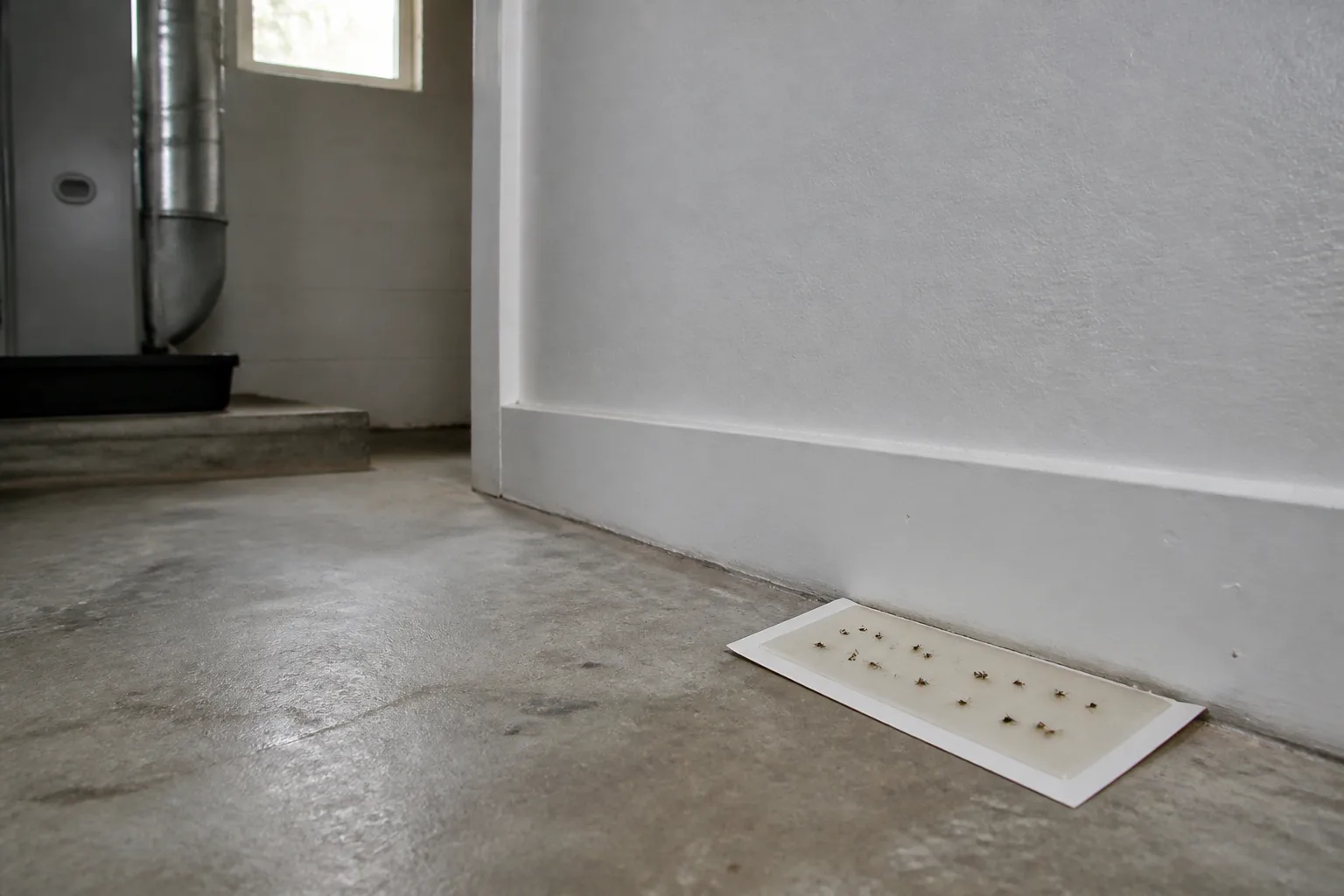
Build the cardboard base trap
Cut a piece of flat cardboard roughly 12 by 18 inches—large enough that fleas jumping short of the light still land on glue. Cover the top side completely with double-sided sticky tape or professional insect monitor glue boards cut to size. Avoid loose hanging tape edges pets can peel up.
Place the board on the floor under the same downward lamp used in Method 1. Darken the room and leave it overnight. In the morning, fleas appear as tiny dark specks stuck to the surface. Fold the board sticky-side inward, bag it, and discard. Replace tape when dust dulls stickiness—usually every one to two nights during heavy pressure.
Trade-offs: No drowning mess, but disposal is awkward and pets must stay away. Sticky traps also catch harmless moths and beetles; that is fine for monitoring but do not assume every stuck insect is a flea—use size and jump behavior from your sock test for context.
Method 3: Corn Syrup Glue Trap
Corn syrup creates a viscous glue fleas cannot escape once they contact it. Use this in rooms where liquid splash near electronics is unacceptable, or when you want a trap that stays sticky for multiple nights without refreshing water.
Mix, cool, and deploy the syrup bowl
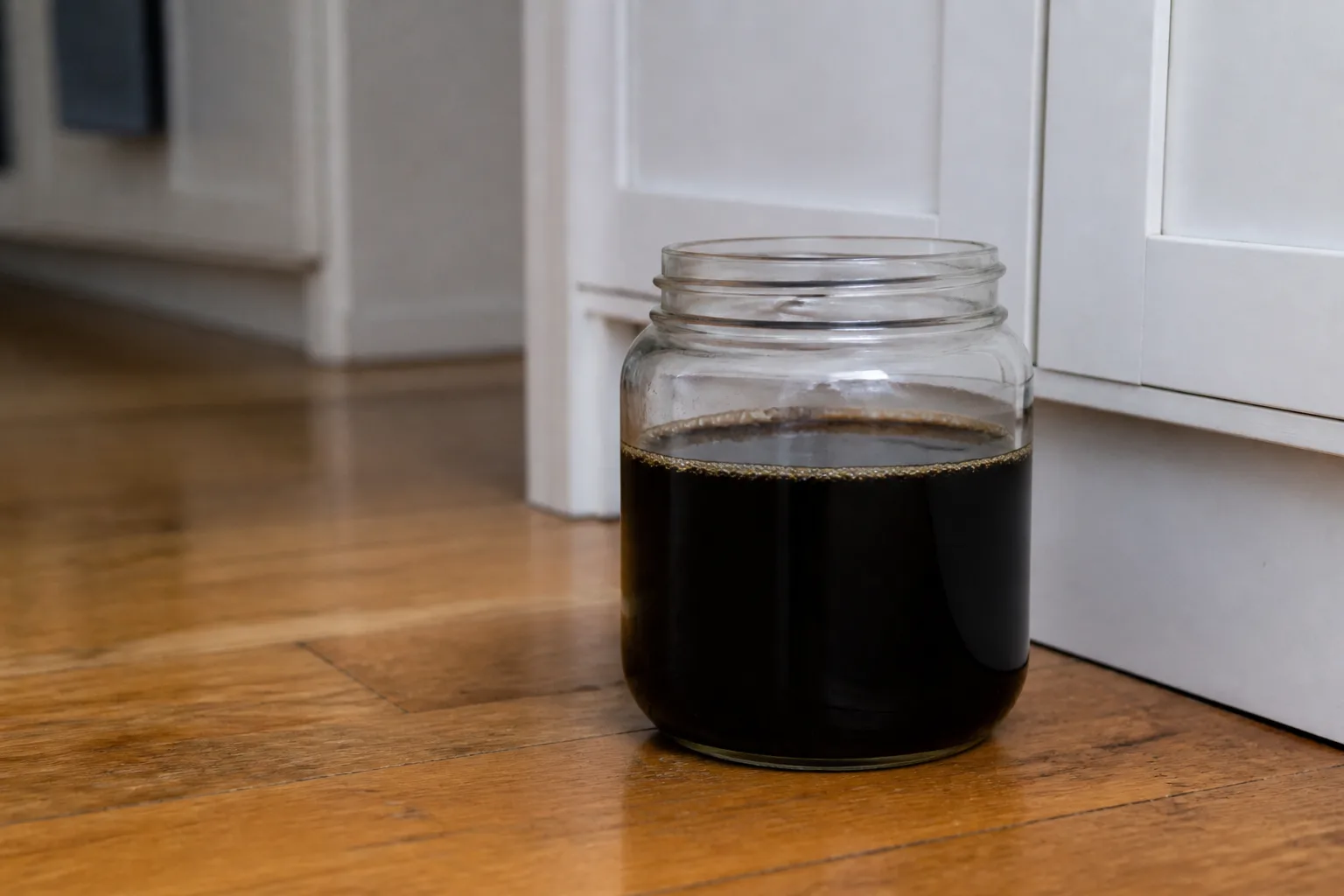
Combine equal parts corn syrup and water in a small pot. Bring to a brief boil, stir, then cool completely—hot syrup will melt thin plastic bowls and burn curious noses. Pour the cooled mixture into a shallow dish to about 1/4 inch depth. Less depth than the soap method is fine; syrup clings on contact.
Set the dish under a desk lamp, darken the room, and check each morning. Fleas sink into the tacky layer. When the surface fills with debris or ants, wash the dish and remix. Syrup traps are messier to clean than soapy water but stay active longer between resets.
When syrup beats soap water: Choose syrup on hard floors where a bowl tip would puddle under baseboards, or in rental units where you want to avoid leaving standing water overnight. Choose soap water when you need a clear daily count—dead fleas float visibly on water, making it easier to track whether numbers are falling.
Where to Place Traps and How Many to Run
One trap in the living room while fleas breed in a bedroom closet misses the point. Match trap count to pet territory:
- One trap per room where the animal sleeps, plays, or eats on carpet
- Extra trap along hallways connecting those rooms if pets travel them at night
- Focus on carpet and upholstery, not tile bathrooms or bare laundry rooms unless socks showed fleas there
- Move traps every two nights if catches are zero—activity may be under a bed you skipped
Run traps after 9 p.m. with household lights off for best contrast. Continue seven to fourteen nights while vacuuming and treating pets; a single overnight session only samples one wave of adults.
Outdoor fleas rarely enter a light trap on a patio—UC IPM notes larvae fail in sunny, high-traffic areas. If white-sock tests outdoors are positive, treat shaded pet resting spots and consult your veterinarian about yard products rather than relying on indoor lamp traps alone.
Read Your Catch Count and Escalate the Right Way
Interpret traps like a diagnostic chart, not a scoreboard:
| Nightly catch | What it likely means | Next step |
|---|---|---|
| 0 fleas in a pet zone | Wrong placement, wrong pest, or very low pressure | Move trap; repeat sock test |
| 1–5 fleas | Early or localized activity | Start daily vacuuming + vet consult for pet treatment |
| 6–20 fleas | Active breeding nearby | Launder all pet bedding hot; vacuum daily two weeks; see natural flea remedies for sanitation layers |
| 20+ fleas multiple nights | Established infestation | Continue IPM; call veterinarian and consider professional home treatment if counts do not fall in two weeks |
A trap that fills nightly while your pet still scratches means on-host fleas are reproducing faster than the floor trap removes strays. Traps cannot replace spot-on, oral, or collar products your veterinarian recommends.
Pair Traps With the Work That Actually Shrinks an Infestation
The CDC’s four-part flea plan—sanitation, pet treatment, home treatment, follow-up—matches what extension programs advise. Traps slot into monitoring and adult capture while the heavy lifting happens elsewhere:
Vacuum daily carpet edges, under cushions, and pet beds. Vacuuming kills larvae in carpet, removes eggs, and triggers cocooned adults to emerge so you can capture or treat them (UC IPM). Empty the canister or seal bags promptly.
Launder pet bedding in hot, soapy water weekly during outbreaks. Dry on high heat.
Treat every pet in the home on the same schedule your veterinarian sets. Untreated cats will reseed fleas into cleaned rooms overnight.
Consider labeled indoor treatments with insect growth regulators if vacuuming plus pet products do not drop trap counts within two weeks—IGRs stop egg and larva development in carpets UC IPM recommends for infested areas.
Skip unsafe shortcuts: Do not pour essential oils into trap water around cats; veterinary poison-control guidance lists many oils as toxicity risks. Do not rely on traps alone while tapeworm exposure is possible—fleas can carry tapeworm larvae pets ingest while grooming (UC IPM).
When trap counts stay high despite coordinated cleaning and veterinary care—or when you are moving into a home with a known history—professional pest control may be cheaper than months of failed DIY. Pros bring IGR sprays, growth regulators, and follow-up visits traps cannot replicate.
Conclusion
The most effective homemade flea trap is the one you actually run: a shallow dish of warm soapy water under a desk lamp, in a dark room, in the exact spot fleas already prefer. Sticky tape and corn syrup give you liquid-free alternatives when pets or outlets make water risky. All three methods catch adult fleas only—valuable for monitoring, not sufficient for eradication.
Build your trap tonight in the worst room from the white-sock test. Count results at dawn, then spend the next two weeks on vacuuming, hot laundry, and veterinarian-directed pet treatment while traps tell you whether pressure is falling. If catches do not decline, escalate—do not reset the same bowl and hope the hidden 95 percent disappears on its own.



