How to Grow Lettuce From Seed to a Reliable Harvest
How to grow lettuce from seed in beds or containers: choose a type, time sowing, space plants, keep leaves crisp, and harvest before heat triggers bolting.
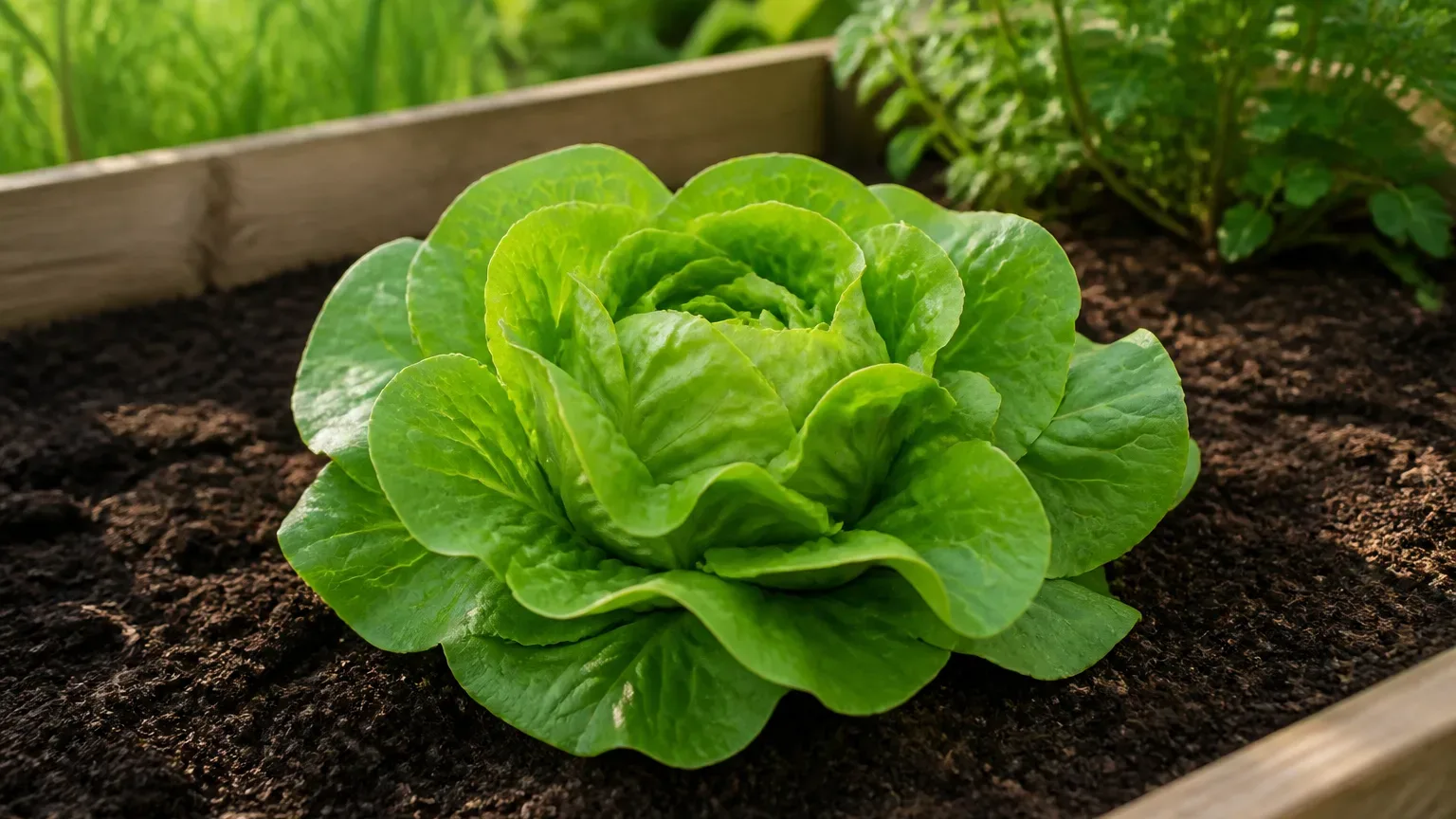
Lettuce is easiest to grow when you treat it as a crop with a season, not as a plant that will stay productive indefinitely. Sow it while the weather is cool, keep the shallow root zone evenly moist, and harvest each planting before heat and long days push it toward flowering.
Your harvest goal should shape almost every decision. Looseleaf lettuce gives quick, repeated pickings; butterhead and romaine form compact heads; crisphead needs the longest cool window. A short row sown every week or two is usually more useful than a large planting that all matures at once.
Pick a lettuce type for the harvest you want
Lettuce varieties are commonly grouped by how their leaves grow. Looseleaf varieties form open rosettes, mature quickly, and suit baby-leaf salads or repeated outer-leaf harvests. Butterhead makes a soft, loose center; romaine (cos) forms upright leaves with crisp ribs; and crisphead develops a dense, crunchy head similar to iceberg. Batavia, often called summer-crisp, combines an open growth habit with a firmer center.
Choose looseleaf if you want the fastest feedback and a crop you can pick gradually. Choose butterhead or a compact romaine such as ‘Little Gem’ when a head is the point, but check the packet for mature size and days to harvest. Crisphead is satisfying to grow, but it generally takes longer and has less margin for a hot spell; it is a poor first choice if your spring warms quickly. The RHS lettuce guide describes these type differences and notes that looseleaf varieties can be picked sooner than hearting types.
Treat “days to maturity” as an estimate, not a promise. Seed companies often count from sowing for direct-seeded crops, while transplants may be described differently; read the packet’s wording. Cold soil slows emergence, short winter days slow growth, and heat may cause a plant to bolt before it makes a full head.
Set planting dates by weather and maturity
For spring, sow lettuce outdoors as soon as the bed can be worked, often two to three weeks before the average last frost. Established, hardened seedlings tolerate light frost better than many warm-season vegetables, but a sudden hard freeze can still damage tender growth. If the ground is saturated or sticky, wait until it crumbles instead of compacting it with tools or footsteps.
Lettuce seed can begin germinating in cool soil, but it is most dependable in a moderate range. Utah State University Extension reports best germination around 55–65°F and reduced germination above 80°F; its lettuce growing guide also describes lettuce as a crop that loses quality as summer heat builds. Soil temperature matters more than a warm afternoon forecast. If a late-spring bed is already hot, start seed in a cooler shaded place or wait for the next cool window rather than repeatedly sowing seed that will sit dormant.
For fall, count backward from the first expected frost using the variety’s maturity range, then add a buffer for slower late-season growth. A variety listed at 55 days may need longer as days shorten, so sow earlier than the packet’s exact number suggests. In mild climates, hardy varieties under a cold frame or row cover can stretch the season; in a region with severe winters, plan a final harvest before prolonged freezes rather than expecting an uncovered bed to grow all winter.
Choose a bed with workable soil and light
Give lettuce the sunniest spot during cool spring weather. Around six hours of direct light supports compact growth, although some afternoon shade becomes an advantage once days are hot. In a warm-summer garden, morning sun with a break from the harshest afternoon exposure is a better compromise than either deep shade or baking sun all day.
Lettuce has a relatively shallow root system, so it responds quickly to dry soil and competes poorly with weeds. Choose a site with loose, fertile soil that drains after rain but holds moisture between waterings. Work in mature compost before sowing if the soil needs structure or organic matter; avoid planting into fresh manure or adding fertilizer blindly. A soil test is more useful than guessing at pH or nutrients. Cornell Cooperative Extension describes lettuce as preferring cool, loose, moist, well-drained soil and gives a slightly acidic to near-neutral pH range in its lettuce home-garden growing guide.
Clear weeds before you sow, since pulling large weeds later can disturb the lettuce roots. If lettuce repeatedly suffers from soil-borne disease, rotate it to a different bed and remove crop residue after harvest. Do not put the next lettuce planting into the same damp, crowded patch simply because that space is convenient.
Sow lettuce directly outdoors
Direct sowing is the simplest route for looseleaf and baby greens because the plants do not need to recover from transplanting. Rake the bed to a fine, level surface, water it first if the soil is dry, and make a shallow furrow. Sow small seeds thinly about 1/8 to 1/4 inch deep; cover lightly rather than burying them in a thick layer of soil. Keep the surface evenly damp with a fine spray so seeds do not wash into clumps.
For full-size plants, space rows roughly 12–18 inches apart so you can weed and harvest without crushing leaves. You can sow seeds an inch or so apart within the row, then thin them after they emerge. For baby-leaf harvests, sow a denser band and cut the leaves while young instead of trying to grow every seedling into a full-sized head. Label each short row with the variety and sowing date; otherwise, a mix of similar seedlings is hard to track once it grows.
Keep the seedbed consistently moist until germination, usually about a week in favorable conditions but longer when soil is cool. Lettuce seedlings can disappear quickly under slugs, birds, or a crusted, dry surface. A lightweight row cover can protect a new sowing, but use one that allows air and water through and secure its edges so pests cannot crawl underneath.
Start transplants when you need a head start
Starting indoors helps when the outdoor bed is still too cold, when slugs decimate tiny seedlings, or when you want a few mature heads rather than a dense row of baby greens. Sow into cells or a shallow tray filled with clean seed-starting mix, then move seedlings into individual cells once they have a few true leaves. Give them strong light and cool conditions; a warm, dim room produces pale, stretched plants that struggle outdoors.
Before planting outside, harden seedlings over about a week by gradually exposing them to outdoor light, wind, and temperature changes. Set them at the same depth they grew in the cell, water them in, and shade them briefly if the weather is hot. The Old Farmer’s Almanac Garden Planner’s lettuce sowing guide describes both direct sowing and plug trays; the useful distinction is that transplants protect early growth, while direct sowing avoids extra handling.
Thin seedlings and leave room for airflow
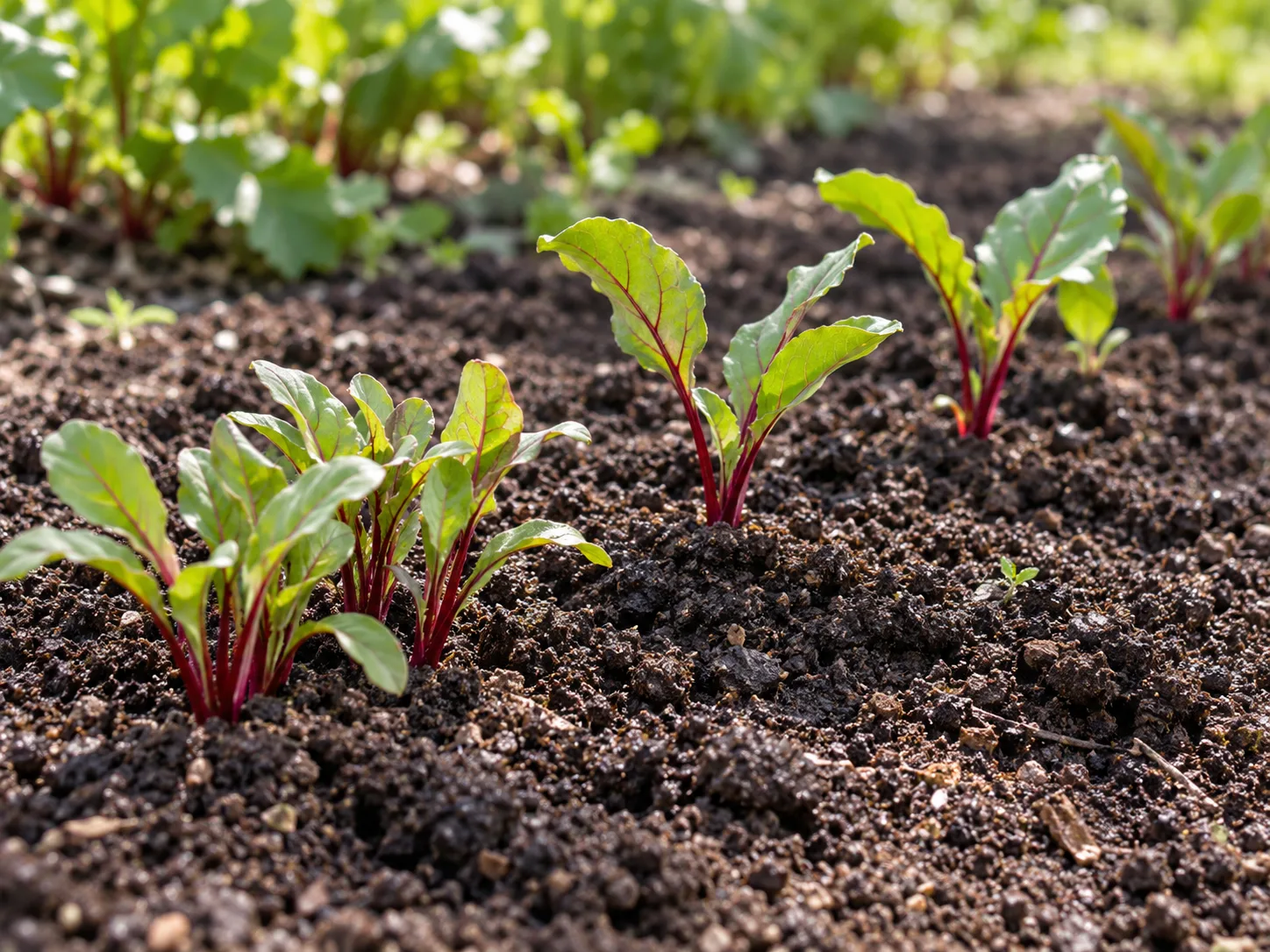
Thinning is not wasted seed; it is how you turn a crowded germination into plants with room to form useful leaves or heads. Thin when seedlings are easy to grasp and large enough to distinguish, often at the first or second set of true leaves. Snip extras at soil level if pulling them might lift the roots of the seedlings you are keeping. Tender thinnings are edible if they are clean and have not been treated with anything not intended for food crops.
Use the seed packet’s mature size as the final authority, but these ranges work as a starting point:
| Harvest goal or type | Final spacing in the row | What the spacing supports |
|---|---|---|
| Baby leaves | About 1–3 inches, or a close band | Harvest young before plants make full heads |
| Looseleaf plants | About 6–8 inches | Open rosettes and repeated outer-leaf picking |
| Butterhead or compact romaine | About 8–10 inches | Small, usable heads with airflow around them |
| Large romaine or crisphead | About 10–12 inches | Room for mature heads to fill out |
These are not rigid rules for every cultivar. A wide, ruffled leaf variety needs more room than a compact one; a tightly spaced row may work for baby leaves but will not produce full heads. Utah State University Extension recommends wider final spacing for head types, and Harvest to Table’s lettuce spacing advice similarly ties the final distance to whether you want leaves or mature heads.
Water, feed, and mulch without stressing plants
Check the soil, not the calendar. Water when the top layer is beginning to dry, then wet the root zone thoroughly without leaving the bed waterlogged. Because lettuce roots sit near the surface, a quick sprinkle that wets only the leaves may not carry moisture deep enough; drip irrigation or a gentle stream directed at the soil is easier to manage. Utah State University Extension gives a broad starting estimate of 1–2 inches per week, but actual need changes with rainfall, soil texture, heat, and container size.
Uneven moisture causes more than temporary wilting. A dry spell followed by a heavy watering can slow growth and contribute to tough leaves or brown inner margins known as tipburn. Keep the root zone steady rather than saturating the bed after it has gone bone dry. Water in the morning when possible so foliage dries during the day and slugs have less overnight dampness to exploit.
Lettuce grown in compost-rich soil may need little extra fertilizer. If growth is pale or slow despite adequate light and moisture, check soil fertility before feeding. Follow a soil-test recommendation or a vegetable fertilizer label; a large dose of nitrogen will not correct heat stress, water stress, or crowded plants. A thin layer of clean straw or fine compost around established seedlings can cool soil and slow evaporation, but keep mulch away from the crown and do not cover newly sown seeds before they emerge.
Grow lettuce in containers
Containers make it easier to move lettuce into afternoon shade, keep seedlings away from some ground-level pests, and harvest near the kitchen. Choose a trough or pot with several drainage holes and enough surface area to respect the spacing for the variety. A container roughly 6–8 inches deep is generally ample for lettuce’s shallow roots, but broad head-forming plants need more room across than baby-leaf mixes. Use fresh, moisture-retentive potting mix rather than dense garden soil, which can settle and drain poorly in a pot.
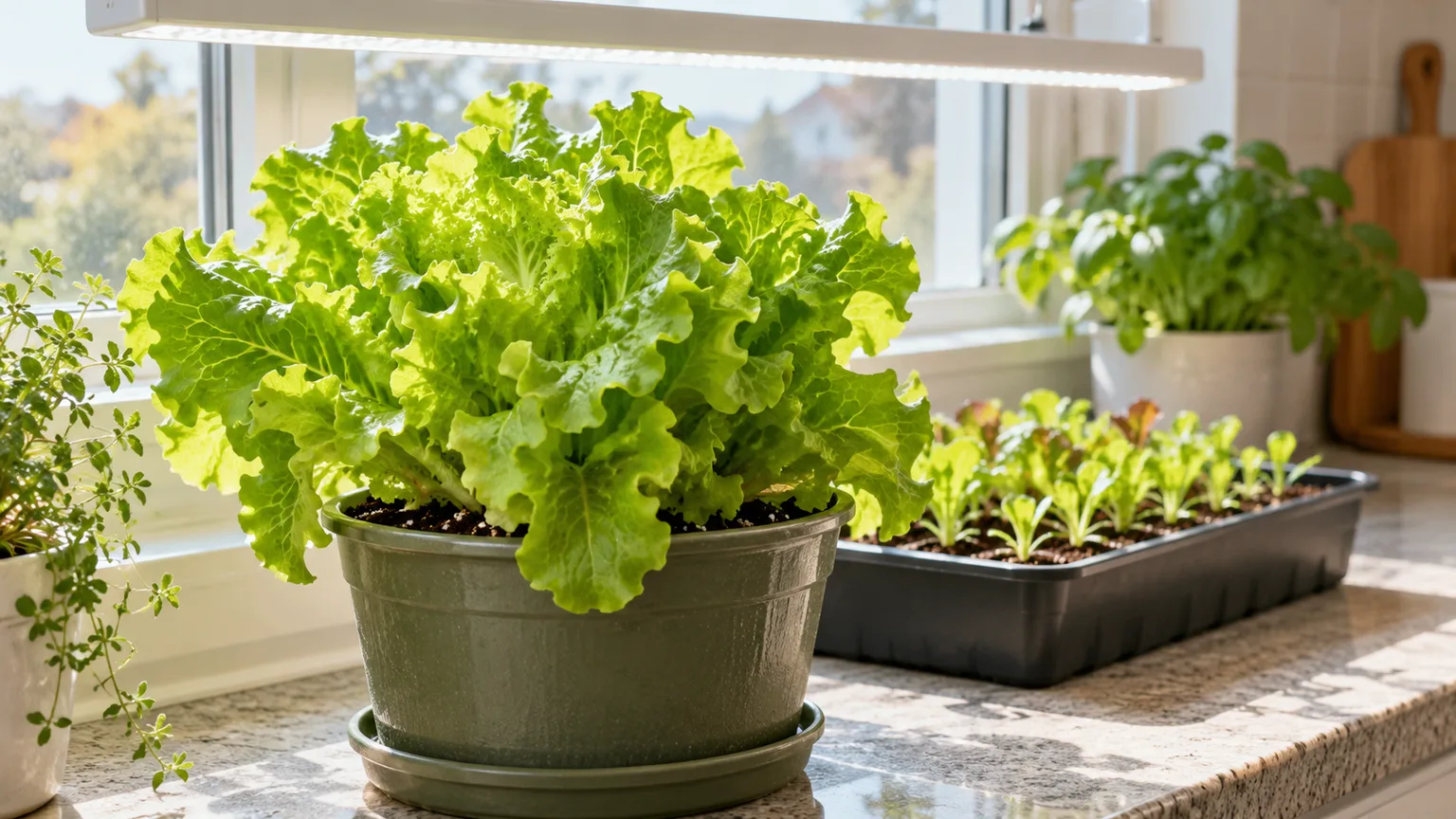
Place the pot where it gets bright light without excessive afternoon heat. A sunny windowsill can work for a small crop, but indoor lettuce often turns leggy if it receives weak light; a grow light may be more dependable. Containers dry faster than beds, especially in wind or hot weather, so check them daily and water when the mix starts to dry near the surface. Do not let the pot sit in a full saucer of water. If growing indoors, sow a small amount every couple of weeks and harvest leaves young instead of expecting a large head from a cramped pot.
Protect the crop from heat and cold
Heat is the main reason a spring crop stops tasting and growing the way you want. When days get warm, shift containers to afternoon shade, stretch shade cloth over hoops, and keep water consistent. Shade buys time, but it does not turn lettuce into a summer crop: long days and warm nights can still trigger bolting. Cornell Cooperative Extension notes that partial shade can slow bolting in summer, while the RHS guidance advises light shade and regular watering during hot weather.
Choose a slow-bolting or heat-tolerant variety for late spring sowings, but read that label as a relative advantage, not immunity. The more reliable fix is to sow earlier, harvest promptly, and start the next batch when the weather is suitable. If a seed row is failing to germinate in hot weather, provide shade over the soil surface, sow in the evening, and keep the top layer cool and moist; for persistently hot climates, switch to a fall crop rather than watering endlessly.
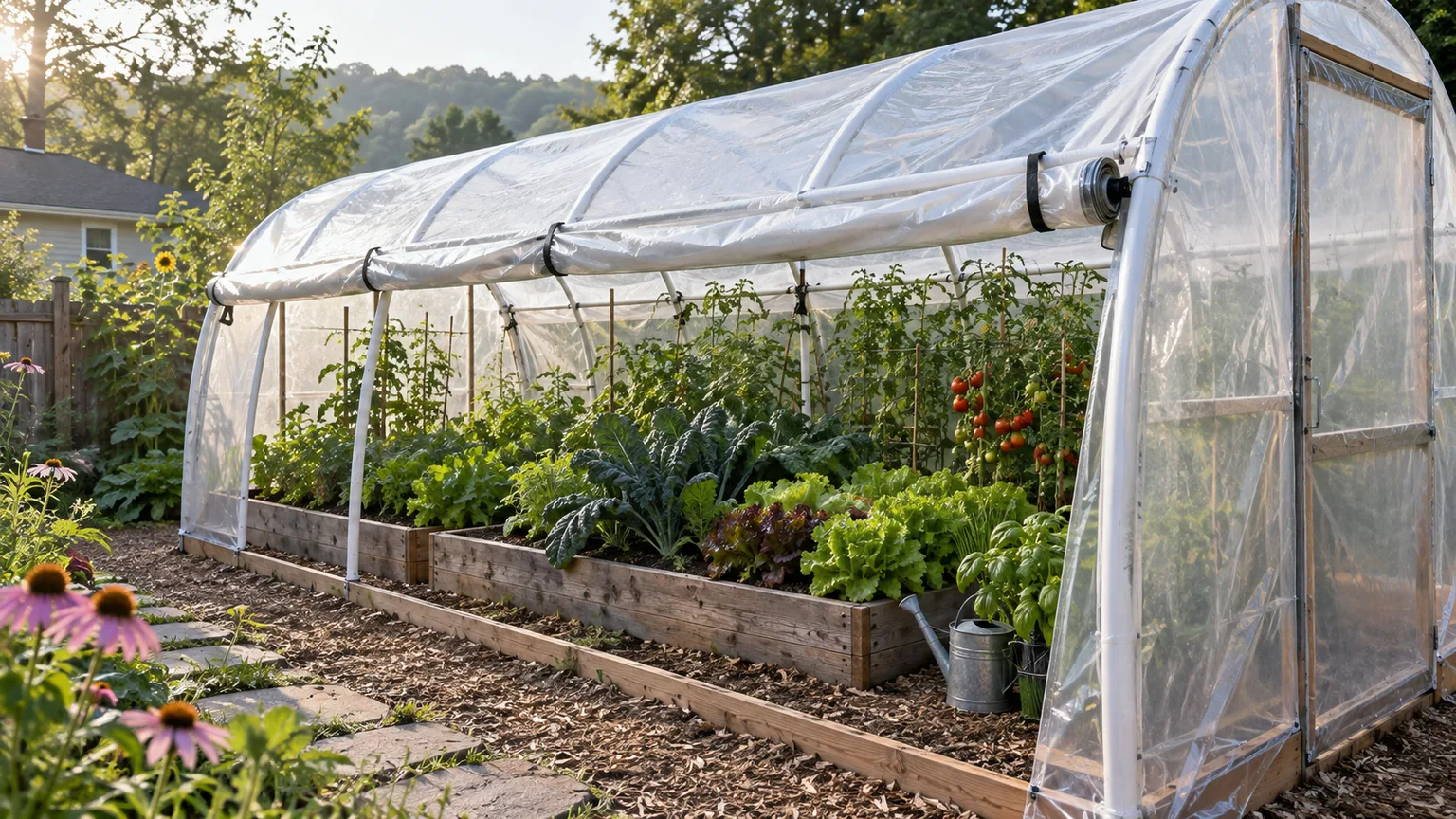
Lettuce handles cool weather better than most warm-season vegetables, but frost tolerance depends on plant age, variety, and how quickly temperatures fall. Use a supported row cover or cold frame for a short frost, and uncover or vent it on sunny days so plants do not overheat. A cover can also exclude birds and flea beetles, but it needs space over the leaves and secure edges. Do not leave wet fabric pressed against foliage during a freeze.
Harvest for baby leaves, repeated picking, or heads
Pick lettuce early in the day, before direct sun dehydrates the leaves. For looseleaf types, harvest once leaves are large enough to use—often around four to six weeks after sowing, depending on the variety and season. Wash soil and insects away, dry the leaves well, and refrigerate them promptly. A damp pile of leaves deteriorates faster than clean, dry leaves stored with a towel to absorb excess moisture.
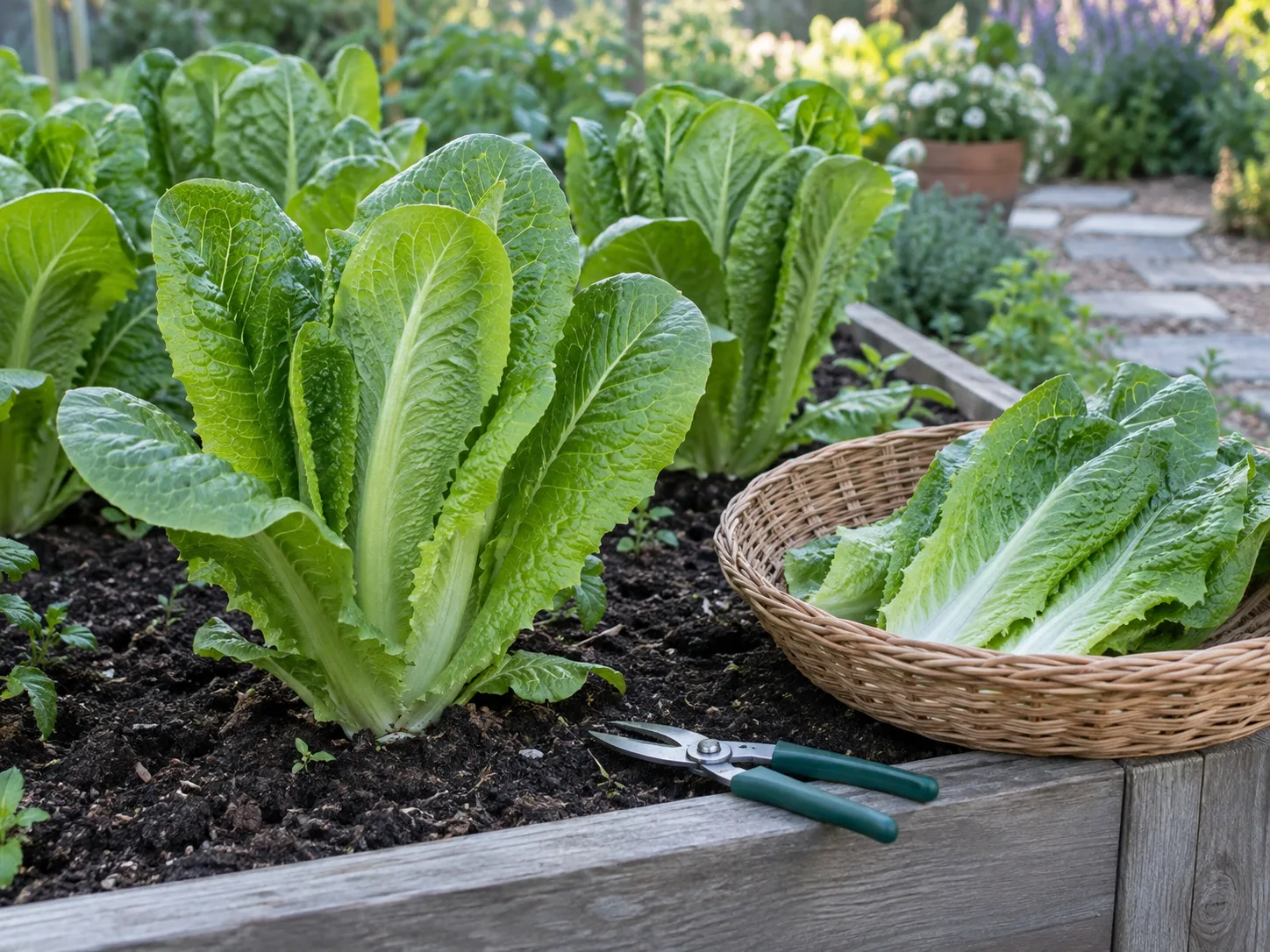
Cut outer leaves above the crown
To get several pickings from a looseleaf plant, take the mature outer leaves and leave the central growing point untouched. Use clean scissors or pinch leaves close to the base without gouging the crown. Harvest a few leaves from several plants rather than stripping one plant bare; the remaining foliage keeps feeding new growth and spreads the harvest over more meals.
Regrowth is conditional. It is strongest in cool weather when the crown remains healthy, and it slows as the plant ages or heat arrives. A cut-off grocery-store base in a glass of water may push a few leaves from stored energy, but it is not a reliable way to produce another full head. Leave a living, rooted crown in the bed if you want a chance at smaller follow-up leaves; sowing fresh seed is the dependable way to renew the crop.
Pick whole heads before they stretch
Butterhead, romaine, and crisphead can be harvested as whole heads. Feel the center and watch the shape: a firm, filled-out heart is ready, while a plant that suddenly grows taller with a narrow central stalk is beginning to bolt. Cut the head just above the soil with a clean knife, or pull the whole plant if you want to clear the bed for another crop. Some varieties may send up smaller leaves from the stump, but treat that as a bonus rather than the main harvest plan.
The RHS harvesting guidance distinguishes looseleaf picking from whole-head harvesting and notes that timing varies by type. Use the packet’s maturity estimate as a reminder to check the plant, not as a reason to delay harvest when a head is already firm or a flower stalk is rising.
Diagnose common lettuce problems
Start with what changed: the plant’s shape, leaf texture, weather, and moisture pattern. One damaged outer leaf is not the same as a crop-wide issue. Check the newest growth and the undersides of leaves, then correct the cause that best fits the evidence before applying any treatment.
Bitter leaves and a rising flower stalk
A central stalk that grows quickly, often with small buds, signals bolting. Leaves may become bitter or tougher as the plant shifts from leaf growth to seed production. Harvest any tender leaves you still want, then pull the plant or leave it to flower if saving seed is intentional. Cutting the stalk off will not reset lettuce to its earlier stage.
To reduce future bolting, sow earlier in spring or later in summer, choose a slower-bolting cultivar, keep moisture even, and use light afternoon shade when temperatures rise. These steps delay stress; they cannot stop an old plant from flowering eventually. If all the plants bolt together, sow smaller batches at intervals next time so one heat wave does not end the whole harvest.
Brown edges, leaf spots, and chewing damage
Brown edges on inner leaves can be tipburn, especially after fast growth or repeated swings between dry and wet soil. Remove badly damaged leaves, stabilize watering, and avoid adding lime or calcium without a soil test; the visible symptom does not prove the soil lacks calcium. When leaves have soft, spreading spots or fuzzy growth after cool, wet weather, improve spacing, water at soil level, remove affected debris, and rotate to a fresh bed if the problem recurs. Cornell’s guide lists downy mildew and damping-off among lettuce diseases, while Utah State University’s troubleshooting table identifies common insect damage and cultural controls.
Slugs and snails leave irregular holes or scrape marks, often with slime trails; check after dusk or early morning and remove hiding places close to the bed. Aphids cluster on tender growth and leaf undersides; rinse them off with a firm, gentle stream and recheck the new growth. Tiny holes on seedlings may come from flea beetles, while a seedling cut at soil level points to cutworms. A row cover placed before pests arrive can protect young plants, but it will not fix existing water stress or a diseased seedbed.
Use succession sowing to avoid a harvest glut
Lettuce is most productive when you plant a modest amount repeatedly. Sow a short row or a few container cells every 10–14 days during cool weather, then pause when sustained heat makes germination and leaf quality unreliable. In late summer, restart with varieties suited to fall and count backward from frost. You can also mix maturity times so a quick looseleaf crop begins first and a slower head type follows.
Write down the date, cultivar, and result after each sowing. If the plants stayed tender but heads were small, they may need more time or wider spacing; if leaves turned bitter before reaching size, the planting window was too hot or too late in the season. The Old Farmer’s Almanac Garden Planner recommends small repeat sowings to smooth out harvests, and that simple habit solves two common problems at once: gaps between crops and more lettuce ready than you can use.
Conclusion
To grow good lettuce, choose a variety for the harvest you want, sow into cool conditions, and give each plant enough room to match its mature size. Keep the shallow root zone evenly moist, use shade or a row cover to soften short weather extremes, and harvest before a rising flower stalk signals that the crop is past its best.
Begin with one looseleaf row and a few head lettuces if you are learning. Note what your local weather does to each sowing, then adjust the next one by a week or two. Once timing and spacing fit your garden, lettuce becomes a dependable crop you can pick in small, fresh batches instead of a single overwhelming flush.