How to Keep Tulips From Drooping: 8 Practical Fixes
Stop tulips from flopping with a quick diagnosis for dry soil, weak light, top-heavy blooms, blocked stems, and normal end-of-bloom aging.
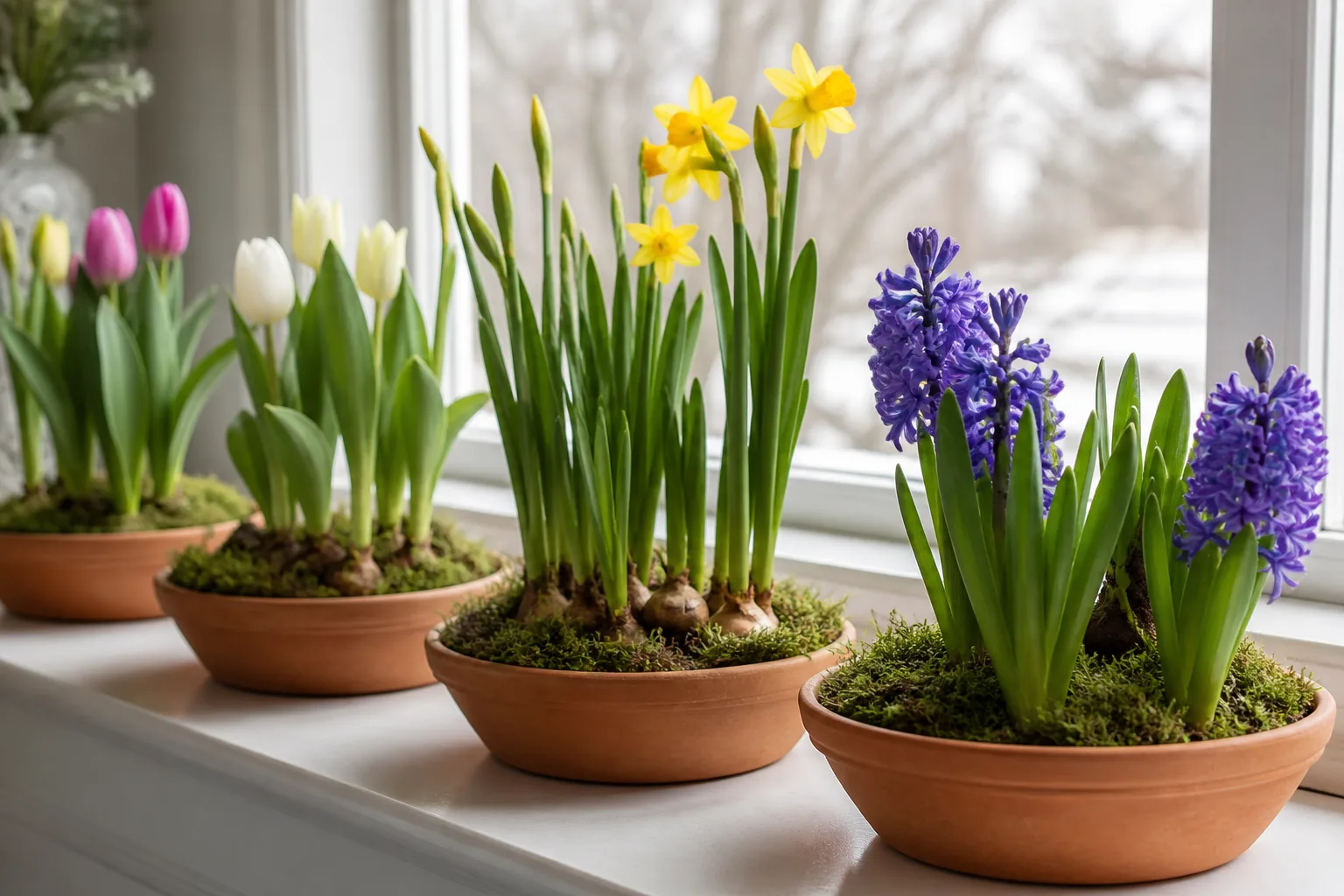
Drooping tulips are not all suffering from the same problem. A pot that leans toward a window needs better light, a garden tulip with a heavy flower may need support, and a cut stem that bends in a vase may simply need a clean cut and a drink. The most useful first step is to identify which situation you have before adding water or cutting anything.
The quick rule is this: check the soil or vase water, inspect the stem and leaves, and look at the light direction. If the plant is dry and otherwise healthy, rehydrate it. If it is wet, soft, spotted, or collapsing from the base, stop watering and investigate the roots or disease. If the flower is old and the foliage is naturally fading, no rescue trick will restore a finished bloom.
Start by identifying what kind of tulip is drooping
Garden and potted tulips
Bulbs growing in a bed or container are attached to roots and need a different response from cut flowers. Look at the whole plant: leaves that are crisp, curled, or dull suggest water stress, while a healthy green plant with one large head bending may simply be top-heavy. A stem that leans toward one side of a window is usually following light rather than wilting.
Container tulips deserve extra suspicion because a small pot can swing from dry to saturated quickly. Feel the mix several centimetres below the surface and confirm that water can escape through the drainage holes. A pot that is wet for days can produce weak, stressed roots even while the flower appears thirsty.
Cut tulips in water
Cut tulips keep growing after they are placed in a vase, and their flexible stems can curve toward a window or bend under the flower head. Their diagnosis starts with the vase: is there enough clean water, is the stem end submerged, and is the vase sitting beside a radiator or in direct afternoon sun? Those details often matter more than flower food.
The fastest diagnosis: five checks before you intervene
Take two minutes to check five clues. First, press a finger into the soil or look at the vase level. Second, examine the stem for firmness, pinching, or a brown lesion. Third, inspect leaves and petals for spots or grey fuzz. Fourth, note whether every stem leans toward the same light source. Fifth, consider timing: a bloom near the end of its natural display will not respond like a newly opened flower.
These clues create a practical decision tree. Dry plus firm and green means water; wet plus limp means check drainage and roots; one heavy flower on a strong stem means support; many spotted or collapsing stems mean isolate and remove suspect material. A late-season bloom with papery petals is usually aging, not asking for a stronger treatment.
Fix light that is pulling the stems sideways
Tulips bend toward light because the cells on the shaded side of the stem elongate more quickly. Indoors, a bright window from the side can turn upright stems into graceful arcs within a day or two. That is phototropism, not necessarily poor health.
Move a potted tulip to brighter, more even light, ideally where the strongest light comes from above rather than from one side. Turn the pot a quarter turn each day while the stems are still flexible. Outdoors, give tulips a bright position with enough light for sturdy growth, but avoid placing a tender container against a heat-reflecting wall during an unusually hot spell.
Light can prevent new leaning, but it cannot always straighten a stem that has already set at a sharp angle. If the tissue is firm, a loose support can improve the display. Do not force a creased stem upright; that can split the vascular tissue and shorten the flower’s life.
Rehydrate thirsty tulips without drowning them
If the soil is dry below the surface, water slowly over the entire root zone until the mix is evenly moist. In a container, let excess water drain freely, then empty the saucer. A small splash that wets only the top layer may leave the roots dry, while repeated heavy watering in a pot with blocked drainage can create a second problem.
Check the plant again after several hours rather than expecting an instant transformation. A mildly wilted tulip may regain some firmness the same day; a stem that has folded or been dehydrated for a long time may stay bent even after the roots are supplied. Watering is a correction for dry soil, not a universal treatment for droop.
Tulips prefer a root zone that drains well and is not constantly saturated. If the mix smells sour, stays glossy-wet, or drains very slowly, inspect the pot and roots instead of increasing the watering schedule. A healthy root system needs both moisture and air.
Support top-heavy blooms before stems crease
Some tulips produce large, dense flowers that outweigh their stems, especially after rain. This is a structural mismatch, not a sign that the plant is failing. Support the stem early, while it is still flexible, using a thin green stake, a small twig, or a discreet ring support.
Place the stake near the stem without slicing through the bulb or crowding the crown. Tie with a soft loop that holds the stem near the support but leaves room for movement and thickening. One loose tie is usually kinder than several tight knots. For a group of tulips, a low support grid can hold several stems without making each flower look individually tied.
Support will improve the presentation, but it will not make a naturally floppy cultivar behave like a short, sturdy one. Next season, choose varieties suited to your exposure and consider a sheltered position where wind and heavy rain are less likely to push open flowers sideways.
Make cut tulips stand up again
Re-cut and condition the stems
Remove the flowers from the vase and re-cut about one centimetre from the base with a clean, sharp knife or bypass snips. Make the cut cleanly rather than crushing the stem. Strip away any leaf that would sit below the waterline, then place the stems immediately into cool, clean water.
If stems are very bent, wrap the bouquet loosely in paper so the flowers are held upright and place it in water for an hour or two. The paper acts as temporary training support while the stems rehydrate. It will not repair a split or mushy stem, but it can help a firm, thirsty stem recover its position.
Wash the vase before refilling it, change the water when it becomes cloudy, and trim away any submerged foliage. Bacteria can multiply in old water and form a film that interferes with water movement through the cut stem. A cool room away from direct sun, hot appliances, and ripening fruit generally gives tulips a longer, straighter display.
Tulips do not need a crowded arrangement. Give the stems enough room to drink and keep the water line high enough to cover the cut ends without submerging leaves. If one stem repeatedly bends toward a window, rotate the vase or move it to more even light.
Check drainage and roots in container tulips
When a container tulip droops despite wet soil, slide the root ball out far enough to inspect the lower mix if the plant is established and the pot allows it. Pale or firm roots and a clean smell are reassuring. Brown, mushy roots, a sour smell, or a pot that has no functional drainage hole point to excess moisture and root damage.
Do not compensate for root damage by adding fertilizer. Remove standing water, open blocked holes, and allow the mix to drain. If the roots are badly damaged, repotting into fresh, free-draining mix may be necessary, but it is stressful during bloom and does not guarantee that a collapsed stem will recover. Preserve what is healthy and keep expectations realistic.
Tell disease from ordinary wilt
Disease is more likely when drooping comes with brown lesions, water-soaked spots, grey mould, a soft stem base, or rapid collapse across several plants. Botrytis and other fungal problems spread more readily in crowded, wet conditions. Remove affected flowers and leaves, bag diseased debris rather than composting it, and improve air movement around the remaining plants.
Do not spray a fungicide simply because one bloom is old or bent. A product cannot reverse a naturally aging flower, a snapped stem, or a dry root ball. If symptoms are spreading, identify the disease and follow the label for the crop and setting; avoid wetting foliage late in the day and keep tools clean between plants.
What to do when a stem is blocked
A cut tulip can remain limp even in a full vase if its stem cannot move water efficiently. Cloudy water, a slimy stem end, or a stem that improves after a fresh cut suggests a blockage or bacterial buildup. Re-cut the stem under water or immediately before placing it into fresh water, then clean the vase thoroughly.
If the stem remains soft or fails to drink after a clean cut, remove it from the arrangement. There is no reliable way to reopen a badly damaged vascular system without sacrificing the flower. Enjoy the healthy stems and treat the failed one as a normal limitation of cut-flower life.
Why some tulips droop as they age
Tulip blooms have a finite display period. As petals thin, discolor, or begin to fall, the stem may lose the stiffness it had when the flower first opened. Cooler conditions can slow this process; heat, direct sun, and dehydration can accelerate it.
Age-related droop is not a gardening failure. If the plant has bloomed for a couple of weeks and the petals are fading evenly without disease marks, let the flower finish or remove it for a cleaner display. In the garden, keep green leaves intact after flowering so the bulb can recharge.
Prevent drooping next season
Start with healthy, firm bulbs and plant them at the depth and spacing recommended for your variety. Choose a site with strong light and good drainage, and avoid a location that stays waterlogged after rain. Sturdy cultivars and sheltered positions are usually more dependable than trying to force a tall, heavy-headed variety to stand in an exposed bed.
For containers, use a pot with drainage holes and a mix that holds moisture without becoming dense. Keep the pot where it receives adequate light, rotate it if grown indoors, and monitor it more closely during wind or heat. For cut flowers, begin with a clean vase, fresh water, firm stems, and a cool display spot.
Mistakes that make flopping worse
The most common mistake is watering by appearance alone. A drooping leaf does not prove that the soil is dry, especially when roots are damaged by saturation. Another is cutting all the foliage after the flowers fade; bulbs need those leaves to manufacture and store energy for future growth.
Avoid tying stems tightly, placing a vase in direct heat, leaving leaves below the waterline, or forcing a sharply bent stem upright. Do not compost tissue that is visibly mouldy or diseased. Finally, do not expect a support stake to correct a bulb planted in a dark, waterlogged, or poorly ventilated position.
A simple recovery plan for today
For a garden or potted tulip, move through this order: feel the soil, check drainage, improve the light direction, and add gentle support if the stem is firm. Water only if the root zone is dry, then reassess later. If the stem base is soft or spotted, isolate the plant and remove affected material.
For a cut tulip, clean the vase, replace the water, re-cut the stem, and wrap the bouquet loosely while it rehydrates. Keep it cool and away from direct sun. If the stem stays collapsed after a few hours, replace that stem rather than flooding the vase with additives.
How to care for tulips after flowering
Deadhead a garden tulip if you want to prevent seed production, but leave the leaves until they yellow naturally. The foliage is the bulb’s food-making system. Water during a prolonged dry spell, avoid constantly wet soil, and mark the location if the leaves disappear before you remember where the bulbs are planted.
Many cultivated tulips are treated as seasonal displays because some varieties return unreliably outside conditions that suit their chilling and drainage needs. That is not a reason to remove green leaves early. Let the plant complete its cycle, then decide whether to leave the bulbs in place or refresh the display next season.
When to cut, replace, or let the plant finish
Cut a stem when it is broken, slimy, or diseased, or when you want to enjoy a healthy garden bloom indoors. Replace a cut stem that remains soft after fresh water and a clean cut. Let an old, evenly fading bloom finish when its foliage or remaining flowers are healthy and there is no benefit to forcing it upright.
The best tulip care is discriminating care. A little water helps a dry plant, a little support helps a heavy flower, and a clean vase helps a cut stem—but none of those actions substitutes for good light, drainage, sanitation, and a realistic understanding of the bloom’s age.
Conclusion
To keep tulips from drooping, diagnose before you intervene. Give dry tulips a thorough drink, provide bright and even light, support heavy heads gently, and refresh cut stems in a clean vase. When soil is wet, stems are soft, or spots are spreading, investigate drainage and disease instead of adding more water.
Some bending is simply how tulips grow, and some droop is the final stage of a beautiful bloom. The goal is not to make every stem permanently rigid; it is to give each tulip the conditions that match its problem, preserve healthy foliage after flowering, and enjoy the flowers while they are at their best.