How to Protect Fruit Trees From Birds: 6 Humane Ways
Bird netting works best—but only when timed and secured correctly. Get six humane ways to protect fruit trees and avoid common failures.
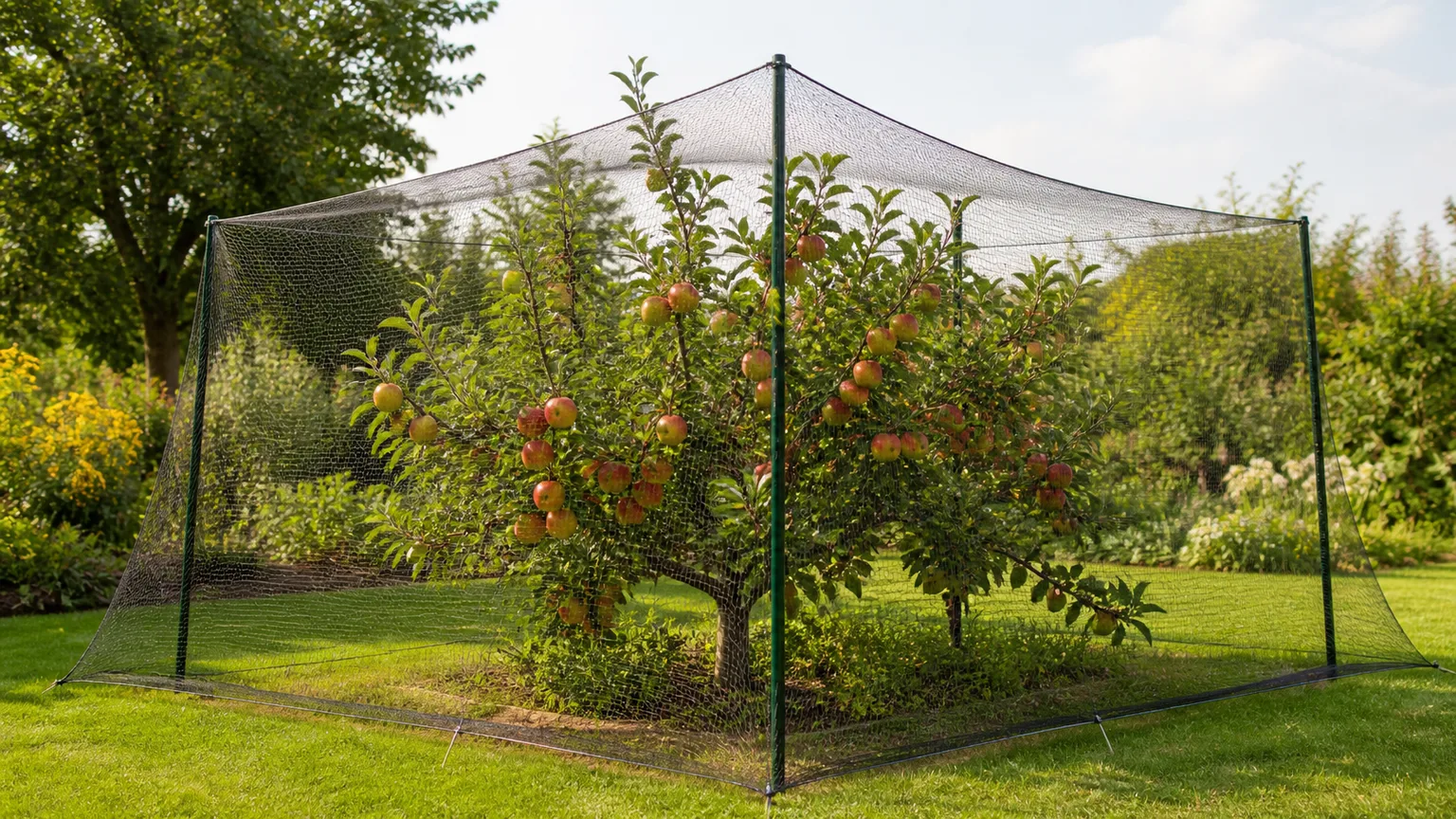
Birds are part of a healthy garden, but a flock can turn a nearly ripe crop into pecked, bruised, or contaminated fruit in a few mornings. The solution is not one magic scare device. It is a short, well-timed protection window that makes the fruit physically difficult to reach while keeping wildlife safe.
For a small tree or isolated planting, start with properly installed bird netting. It is the only option in this list that physically excludes nearly every bird species. If netting is impractical, combine two temporary deterrents, harvest promptly, and adjust them before birds learn that the garden is safe.
The fastest way to stop birds is physical exclusion
Netting works because it changes the bird’s access to the fruit rather than trying to change the bird’s mind. UC Integrated Pest Management recommends plastic mesh in the quarter- to half-inch range for ripening fruit and says a frame is preferable when it keeps the mesh away from the canopy and closes the edges. (UC IPM) University of Minnesota guidance likewise describes protective netting as the best option for keeping birds out of fruit and recommends securing the edges so birds cannot slip underneath. (UMN Extension)
That recommendation has an important limitation: a loose sheet tossed over the top is not the same thing as a barrier. Birds can reach fruit through sagging mesh, crawl in from the bottom, or become trapped in a torn section. Build the smallest complete enclosure you can manage, install it after pollination, inspect it regularly, and remove it after harvest.
Identify the visitor before you choose a fix
Spend two or three mornings watching the tree before buying supplies. Note the bird’s size, color, time of day, and the damage pattern. Robins and blackbirds often target cherries and other soft fruit; starlings may arrive in groups; crows can make deep pecks in apples; and cedar waxwings can strip a berry crop quickly. The exact species matters because distress calls and legal protections vary. Penn State Extension recommends identifying the bird first because control methods and the rules around them differ by species. (Penn State Extension)
Also check whether the damage is actually from birds. Cleanly gnawed fruit, stripped bark, and fruit missing from the outer canopy may point to squirrels or other mammals. A bird problem usually leaves peck holes, shallow gouges, torn skin, or fruit knocked to the ground. Photograph the damage and look for droppings or feathers before you choose a tactic that will not address the real visitor.
Six humane ways to protect fruit trees from birds
1. Cover the canopy with properly installed netting
Use this first when the tree is small enough to cover and the crop matters. Choose sturdy, weather-resistant bird netting with openings small enough to exclude the birds you observed; quarter- to half-inch mesh is a common starting point for fruit. Avoid very fine insect netting unless you also need insect exclusion, because it can be harder to handle and may restrict airflow.
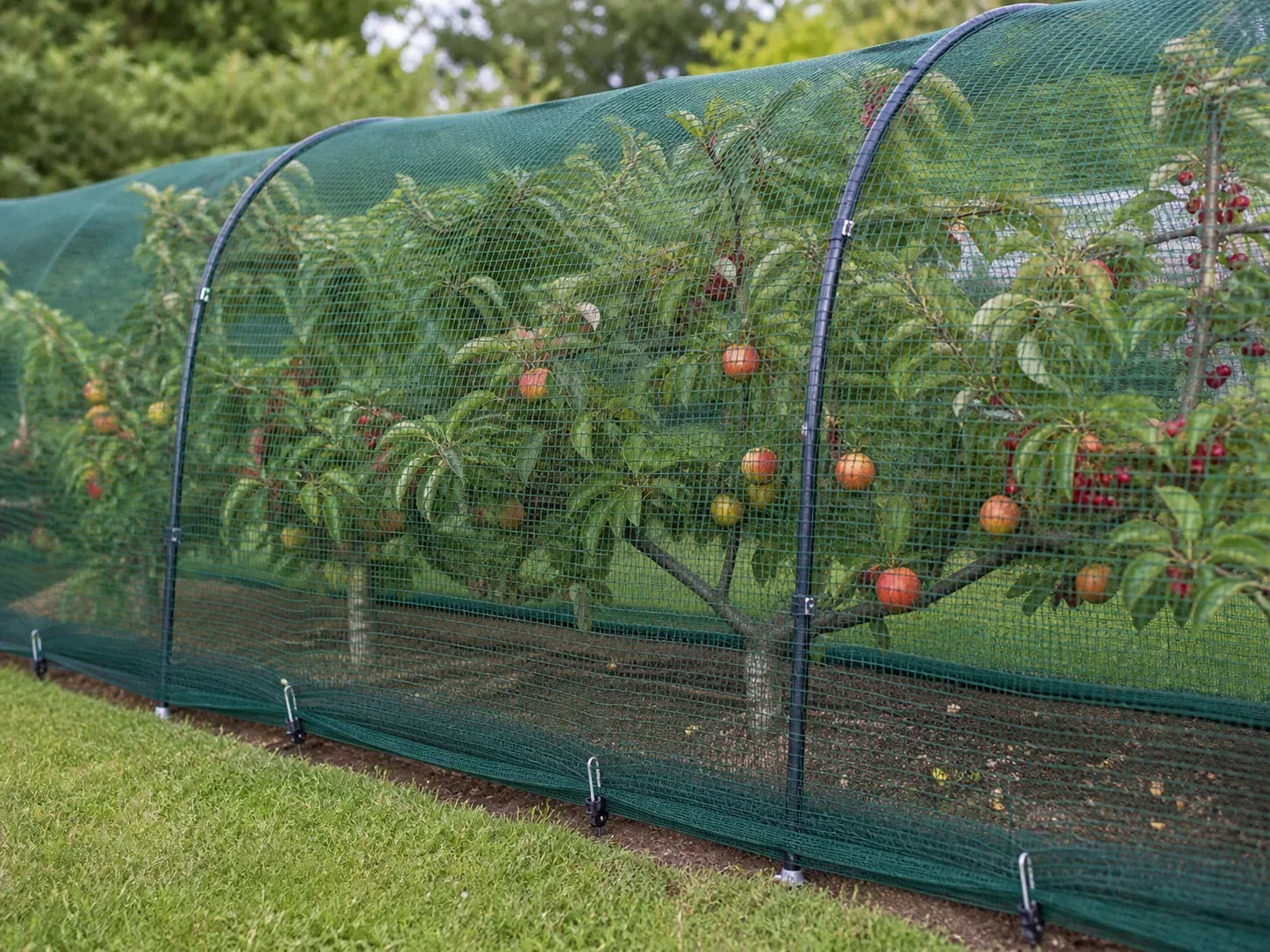
Install the net after bloom and fruit set, not while flowers need pollinators. For apple trees, a University of Minnesota netting guide places application after petal fall because the net can block pollinators from blossoms. (UMN Extension) Drape the material over a simple frame of hoops, posts, or a lightweight orchard cage so fruit does not press against the mesh. Then clip, tie, or anchor every edge to the ground. A bird should not be able to walk under the skirt or find a gap at a corner.
Walk the perimeter after wind, rain, and each harvest. Repair holes immediately, and look for birds caught in folds or tears. Remove the net when the crop is finished, dry it, and store it out of sunlight and rodents’ reach. Proper storage turns an expensive setup into a reusable one.
2. Net only the fruiting branches or a dwarf tree
You do not need to cover a 20-foot canopy if most of the crop hangs on two accessible branches. A branch sleeve or small cage can protect a high-value section, and an over-the-row frame works well for a dwarf apple, plum, peach, or cherry. This is often the most realistic answer for a backyard grower who cannot safely install a full-tree net from a ladder.
Keep the net taut enough that it cannot collapse onto the fruit, but leave room for air movement and normal branch flex. Fasten the opening at the stem or support—not around a growing branch so tightly that it can girdle. For a taller mature tree, do not improvise a ladder job in the canopy. Protect reachable fruit, harvest in stages, and use temporary deterrents on the rest.
3. Harvest as soon as the fruit is ready
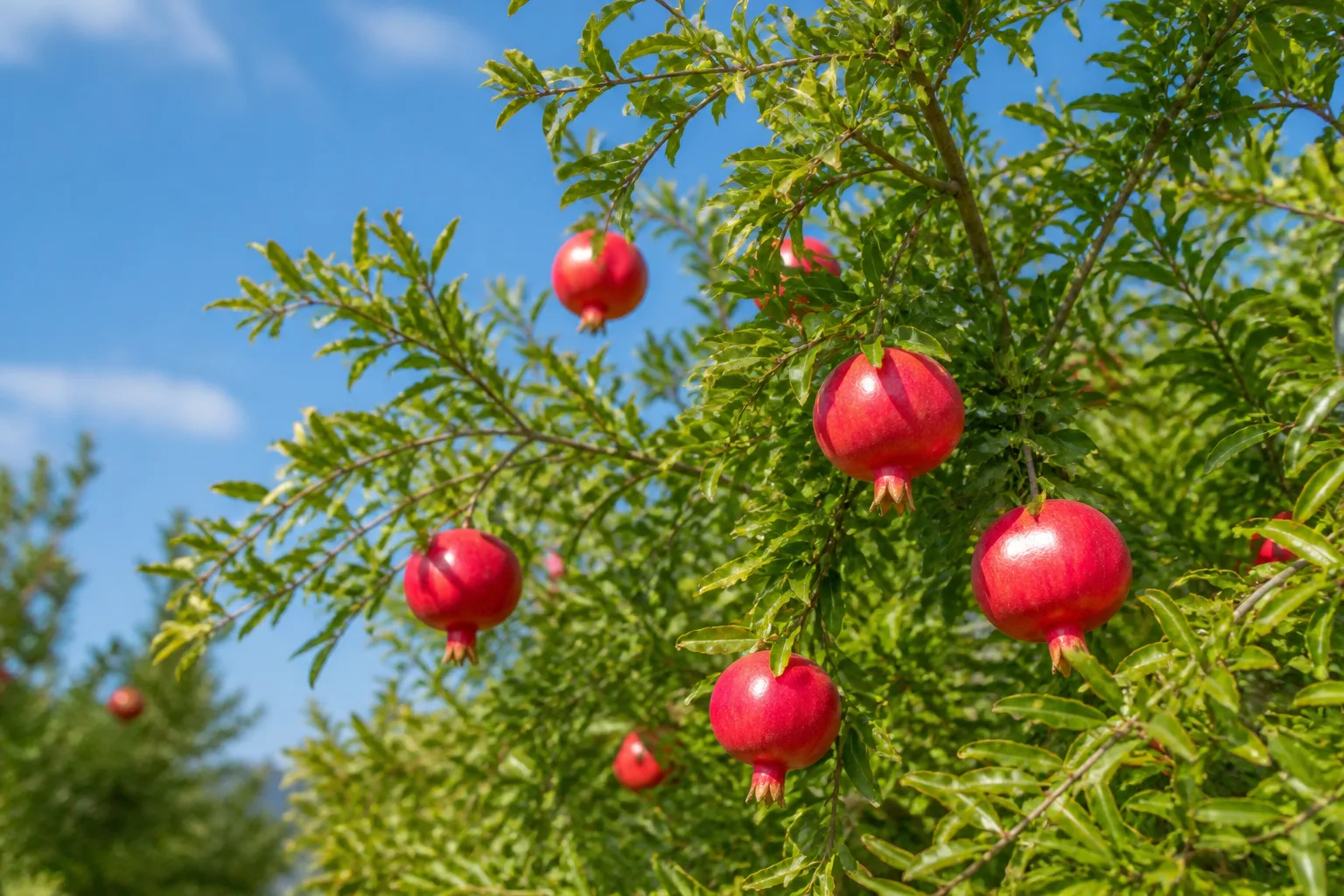
Every extra day of bright, fragrant, softening fruit increases the reward for a bird that has already found the tree. Pick in stages as each variety reaches its usable harvest stage, and do not wait for every fruit to color at once.
The right stage depends on the crop. Pears are normally picked mature but firm and ripened indoors; letting them fully ripen on the tree can produce a gritty texture. (UMN Extension) Apples may need several pickings, while cherries and many berries are usually protected until they are fully colored and then picked promptly. When a crop’s harvest guide says it can finish ripening off the tree, that is a useful way to shorten the time it is exposed.
Collect windfalls and visibly damaged fruit every day or two. They can attract birds, wasps, and other pests, and a pecked fruit may rot even if the bird did not finish it. Do not remove all wildlife food from the property; simply keep fallen fruit away from the protected tree and household paths, and compost or discard anything diseased.
4. Rotate visual and reflective deterrents
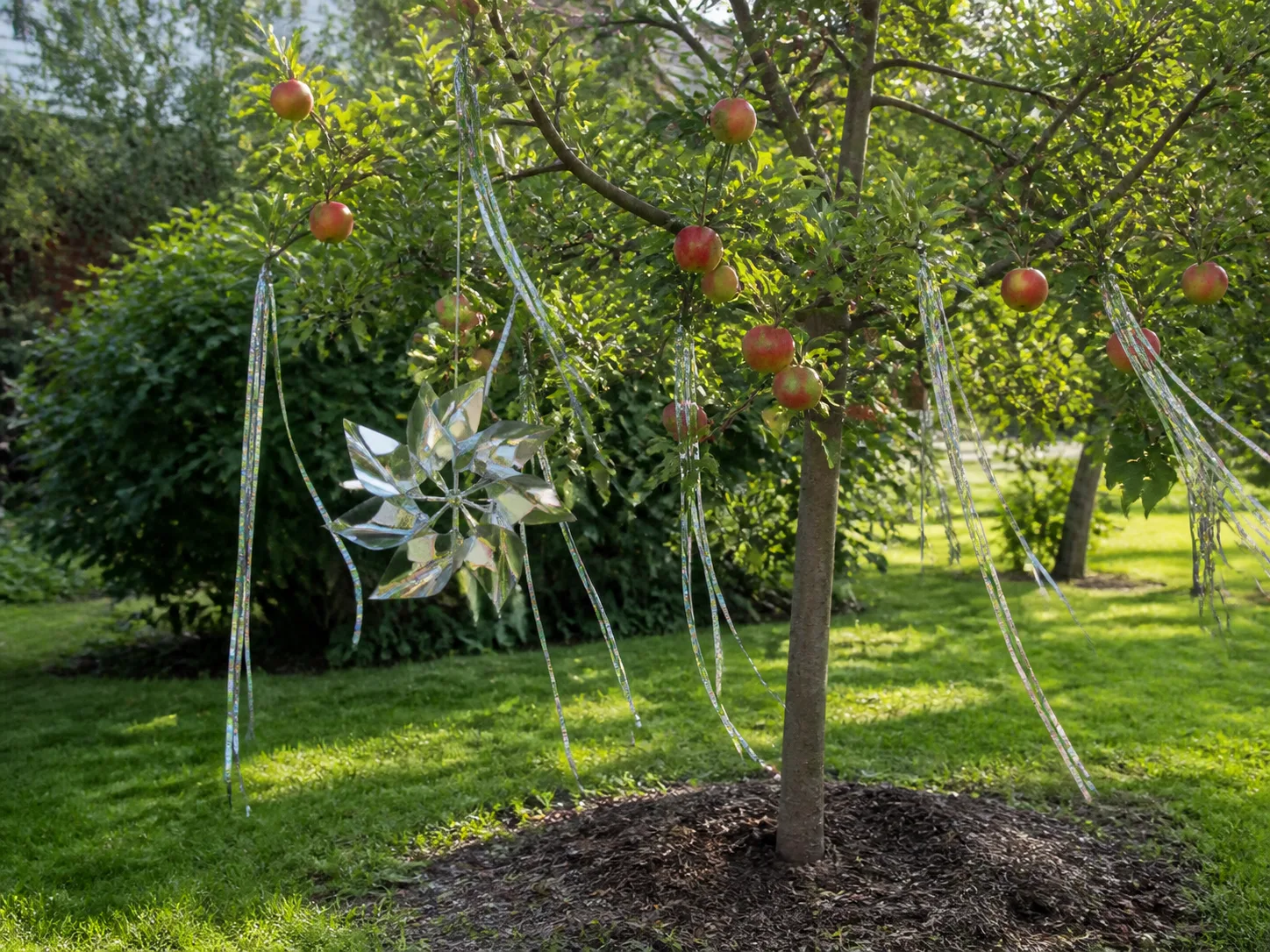
Reflective streamers, flash tape, spinners, scare-eye balloons, and moving decoys can buy time while fruit approaches harvest. They work best when they move unpredictably and are paired with another tactic. Put them where they catch wind and light near the fruiting zone, then change their height, location, color, or type every few days.
Do not hang one shiny strip in the same place for the entire season. Birds quickly learn that stationary objects are harmless. Penn State Extension advises varying the location, color, and kind of visual device, and combining visual and sound methods when appropriate. (Penn State Extension) Reflective material can also be a nuisance or hazard around roads, windows, and power lines, so keep it contained within the garden and remove it after harvest.
5. Use sound briefly and only where neighbors can tolerate it
Species-specific distress calls, predator recordings, and irregular noisemakers may reinforce visual deterrents during the short ripening window. They are not a good all-day background soundtrack. Birds can habituate to repeated sounds, and loud devices can disturb neighbors, pets, and other wildlife.
If you try sound, begin before the flock settles into a feeding routine, use it only during daylight when fruit-feeding birds are active, and move or change the sound source often. Stop when the pressure drops instead of leaving the device running for weeks. In a suburban yard, netting or quiet visual devices are usually more considerate and more consistent than cannons or alarms. Check local noise rules before using anything loud.
6. Make the yard less convenient and support predators
Birds prefer a safe perch close to food. During the ripening window, move feeders away from the fruit tree, trim or tie back a convenient landing branch only if it is safe and horticulturally appropriate, and keep the ground below the canopy clear enough to spot windfalls. Do not remove nesting habitat or disturb an active nest just to protect a crop.
Predator habitat can be a useful background strategy, not a quick fix. Tall perches and healthy hedges may make a site more suitable for hawks, owls, or kestrels, but a nest box will not summon a raptor on demand and may attract a species that does not hunt the birds eating your fruit. Oregon State University Extension notes that raptors can discourage smaller fruit-feeding birds, while also framing habitat and professional falconry as context-dependent tools. (OSU Extension) Keep expectations realistic and let the physical barrier do the urgent work.
When a taste repellent makes sense
If netting is impossible and deterrents are not enough, look for a commercial bird repellent containing methyl anthranilate that is registered and labeled for your specific fruit crop and location. UC IPM lists labeled uses on some edible fruits but also notes that results vary. (UC IPM) OSU Extension similarly describes methyl anthranilate as a registered pesticide that may need repeated applications and must be used according to the label. (OSU Extension)
That means there is no universal “grape drink” or sugar recipe that you can safely assume will protect every fruit tree. A product’s label controls the crop, rate, application method, reapplication interval, and pre-harvest interval. Never spray a homemade concentrate on edible fruit just because an ingredient is food-grade, and do not use a product on a crop the label does not list. Treat repellents as a backup layer, not a substitute for a barrier.
Protect pollinators and wildlife while you work
Use this safety checklist:
- Wait until flowering and the main pollination window are finished before covering a tree that needs insect access.
- Choose netting that is visible, intact, and appropriate for the birds in your yard. Avoid loose, fine plastic mesh that can catch wings, feet, or beaks.
- Keep the barrier off the fruit and close every ground-level opening.
- Check the net at least daily during the highest-pressure period and after storms. If a bird is trapped, open the nearest edge carefully and give it a clear exit; call a wildlife rehabilitator if it is injured.
- Remove, dry, and store the net after harvest so it cannot entangle winter wildlife.
- Avoid glue traps, poisons, and improvised lethal controls. Many birds are protected, and local rules can change; contact your extension office or wildlife authority before taking any action beyond exclusion and labeled products.
A practical two-week plan
Days 1–3: observe. Identify the bird, record when it arrives, and mark the branches with the most damage. Check whether squirrels or insects are contributing.
Days 4–5: choose the smallest complete barrier. Measure the canopy or fruiting branch, buy enough netting to reach the ground, and decide where a frame or hoops can stand without rubbing the tree.
After petal fall and fruit set: install. Secure the net before fruit becomes fully attractive, close the edges, and inspect the inside for trapped wildlife. If the crop is already ripening, add a moving visual deterrent while the net goes up.
Every day through harvest: adjust. Pick ready fruit, remove windfalls, check for gaps, and move any visual devices that birds have begun to ignore. Keep notes so next year’s setup starts before the first damage.
Match the method to your tree
| Situation | Best first move | Useful backup | Avoid |
|---|---|---|---|
| Dwarf tree or young espalier | Frame-mounted netting after petal fall | Harvest in stages | Drape that rests on fruit |
| One or two high-value branches | Branch sleeve or small cage | Reflective streamers | Leaving the sleeve open at the stem |
| Cherries, grapes, and berries | Net as fruit begins to ripen; secure the base | Short-term visual rotation | Waiting until a flock is feeding daily |
| Tall mature tree | Harvest reachable fruit and use layered deterrents | Professional or permanent cage design | Climbing an unstable ladder to drape netting |
| Small urban yard | Quiet netting plus reflective movement | A labeled repellent if appropriate | Cannons, alarms, or constant distress calls |
Common mistakes that keep birds winning
- Putting up netting after the birds have learned the route. Install before the fruit reaches peak color and scent when possible.
- Letting the mesh touch the canopy. Birds can peck through the net or pull fruit against it.
- Leaving a bottom gap. A perfect roof with an open skirt is an invitation.
- Using one decoy for the whole season. Move and rotate scare devices before birds habituate.
- Covering flowers. Pollinators cannot reach blossoms through many protective barriers; wait until petal fall unless the product and crop guidance says otherwise.
- Relying on a homemade spray. Kitchen ingredients are not a substitute for a crop-labeled repellent with directions and harvest restrictions.
- Ignoring fallen fruit. Windfalls keep the food reward visible beneath the tree and can attract other pests.
- Forgetting the net after harvest. A barrier that remains loose and torn is a wildlife hazard, not protection.
Conclusion
Protecting fruit trees from birds works best when you make the fruit unreachable for the short period that matters. Install a taut, anchored net after bloom for small trees, use branch cages when a full canopy is too large, harvest promptly, and treat visual, sound, habitat, and labeled repellents as limited support layers. Watch the tree, adjust before birds habituate, and remove the barrier as soon as the harvest is finished.



