How to Make Impatiens Bloom Again Before Frost
Impatiens stopped flowering? Use this practical fall reset to check soil, adjust shade, trim leggy stems, feed carefully, and spot downy mildew early.
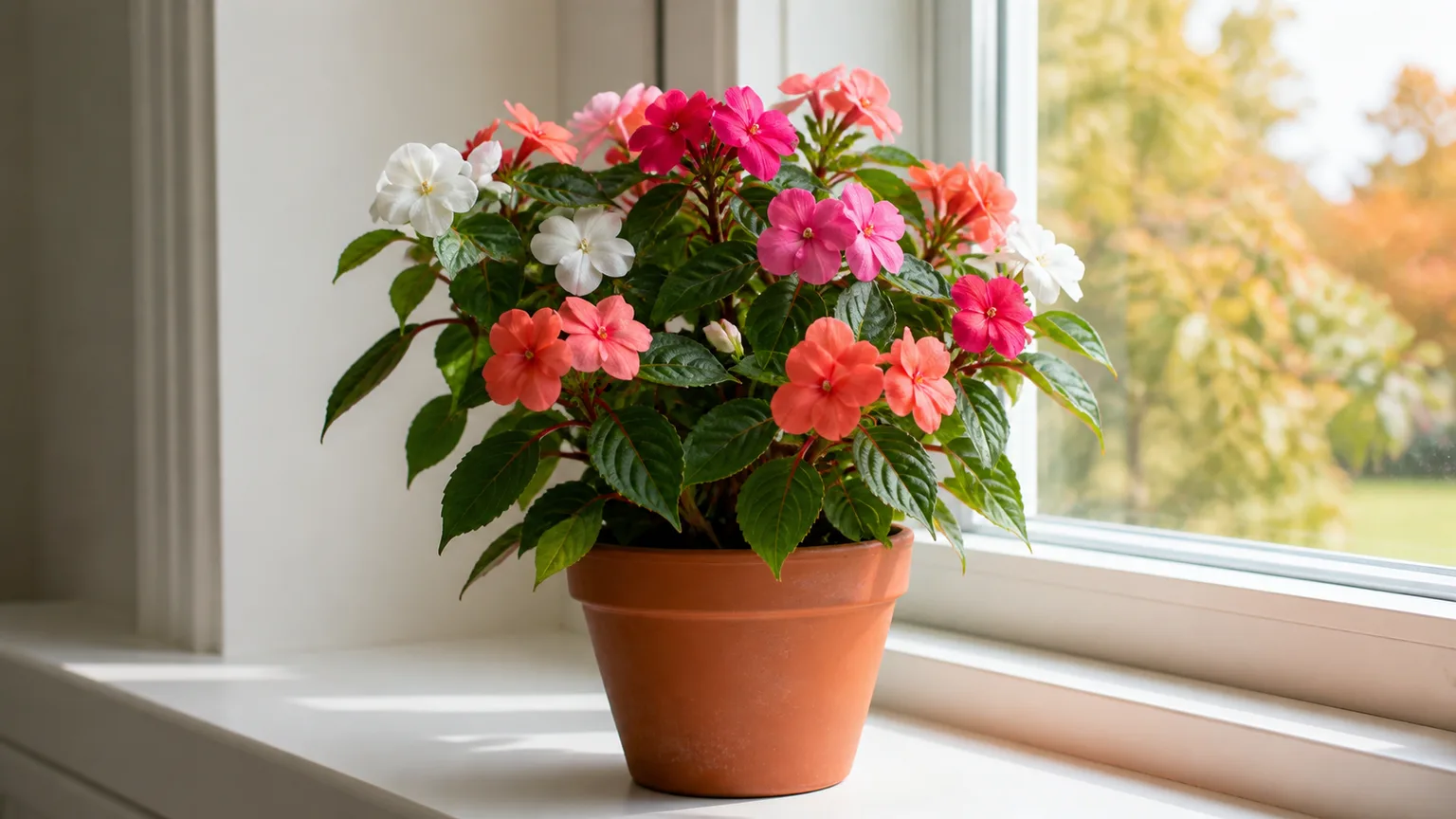
When impatiens slow down in August or September, the answer is rarely “add more fertilizer.” Flowering usually pauses because one part of the growing system has drifted: the plant is getting harsher light, the pot is cycling from soaked to dry, stems have stretched, or disease has begun to interfere with new growth.
Start with the plant in front of you, not with a calendar. Check the variety, the soil, the underside of the leaves, and the shape of the stems in that order. A healthy plant with green leaves and a few buds needs a small adjustment; a yellowing plant with white growth underneath its leaves needs a disease decision, not a bloom stimulant.
What actually makes impatiens flower again before frost
Impatiens are warm-season plants that can keep producing flowers through fall while warmth, usable light, water, and active growth remain in balance. NC State Extension describes common Impatiens walleriana as a dense, fast-growing bedding plant that blooms from late spring until the first fall frost, but it also notes that heat, drought, overwatering, and late-summer legginess can all change how the plant looks and performs. (NC State Extension)
That gives you a useful recovery sequence. First remove the stress that is stopping growth, then restore the structure that supports buds. In practice, that means moving a scorched container, correcting a wet or dry root zone, feeding only when the plant is actively growing, and trimming stretched stems just above healthy leaves. Pruning cannot revive roots damaged by rot, and fertilizer cannot make a diseased plant flower normally.
For a quick same-day reset, take five minutes to answer these questions:
- Is this standard impatiens, New Guinea impatiens, or SunPatiens?
- Is the soil actually dry below the surface, or only dry at the top?
- Is the plant wilted in light, fluffy soil or wilted in heavy, wet soil?
- Are new leaves green, or are they yellowing and curling downward?
- Are there white patches on leaf undersides, or only old faded flowers?
The first four answers point toward care. The last answer may point toward downy mildew, which deserves a separate response.
Identify your impatiens type before changing its light
“Impatiens” can describe several plants with different light tolerances. Standard bedding impatiens, Impatiens walleriana, are the classic shade annual with smaller leaves and a compact mound. New Guinea impatiens, Impatiens hawkeri, usually have larger leaves and flowers and tolerate more light. SunPatiens are hybrids selected for brighter conditions and are a better fit when the bed receives several hours of direct sun.
This distinction prevents a common late-season mistake: moving every impatiens into more sun because flowering has slowed. More light can help a plant that is genuinely too dim, but hot afternoon exposure can scorch standard impatiens, increase water loss, and create a cycle of wilt and recovery that costs the plant buds. Gardeners’ World makes the same practical distinction between the compact shade-loving types and the larger New Guinea group, while recommending shelter from drying winds. (BBC Gardeners’ World Magazine)
If the label is gone, use clues rather than guessing from flower color. Small, pale-to-medium green leaves and a low mound usually indicate standard impatiens. Large, strongly colored foliage and oversized flowers suggest New Guinea impatiens. A plant that has been thriving in a sunny bed without leaf scorch may be a SunPatiens type, but treat the label or nursery record as more reliable than appearance.
Put standard impatiens in bright shade
Standard impatiens flower best in bright or dappled shade, not in a cave-like corner and not in relentless hot sun. A spot under a tree canopy, on the east side of a building, or beneath a bright porch roof can supply enough usable light while protecting leaves from the hottest part of the afternoon. NC State lists part shade to full shade as the preferred range, with the warning that too much sun can scorch leaves.
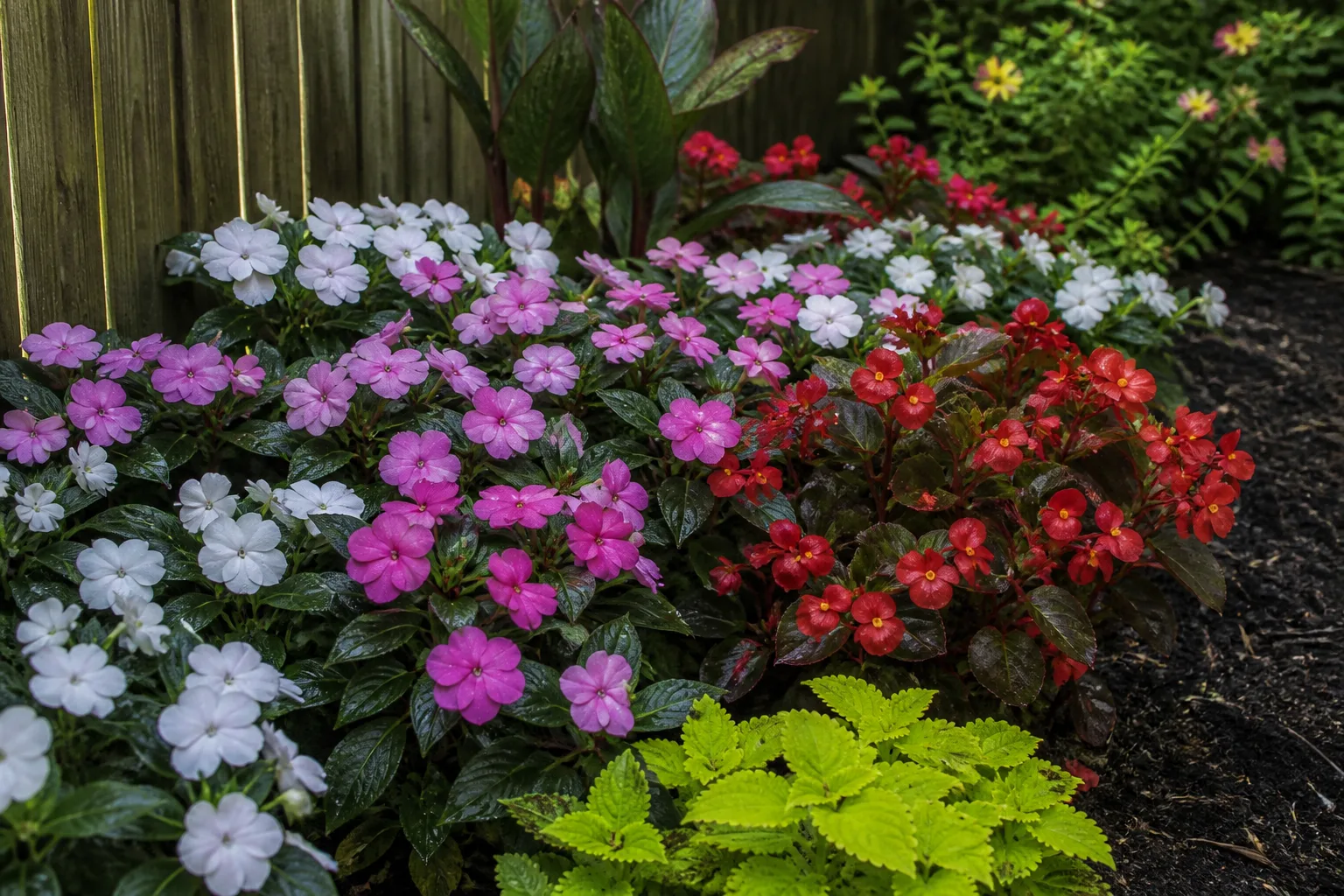
Look at the plant at midday and again in late afternoon. If leaves bleach, crisp along the edges, or wilt only while sun hits them, the site is probably too bright or too hot for that cultivar. If stems are long, internodes are wide, and flowers are sparse but leaves remain soft and green, the plant may be reaching for more light; increase brightness gradually, preferably with gentle morning sun rather than a sudden move to western exposure.
For a broader planting plan, pair this article with LeafyPixels’ guide to shade annuals and shade garden tips. The goal is not the darkest possible position. It is the brightest position that does not overheat the leaves or dry the root zone before the next check.
Adjust a container as fall light shifts
Fall sun sits lower and enters at a different angle than summer sun. A pot that enjoyed filtered shade in July can receive direct rays through a gap in the canopy in September, while a hanging basket may swing into sun for several hours as the surrounding trees thin out. Check the actual light pattern instead of assuming the old placement is still protective.
Containers are easy to move, so use that advantage. Shift a standard impatiens a few feet toward filtered light if afternoon leaves are scorching, or toward brighter morning light if the plant is green but stretched. Make one modest change, watch the plant for several days, and avoid repeatedly relocating a stressed plant between extremes.
Water for even moisture, not constant saturation
Impatiens have low drought tolerance and can wilt dramatically when the mix dries, especially in a basket or small pot. That does not mean the roots should sit in water. The target is an evenly moist root zone with enough air space for roots to function, followed by a little drying at the surface before the next thorough watering.
In a garden bed, push a finger or a narrow trowel a couple of inches into the soil near—but not directly against—the plant. Water slowly at the base when that layer is beginning to dry, then let excess rain drain away. In a container, check the mix in more than one place because the surface near the pot edge can be dry while the center remains wet.
Water deeply enough that moisture reaches the whole root ball and exits the drainage holes, then empty a saucer. Do not add a small splash every day to a heavy pot; that wets the surface while leaving the lower mix saturated. Likewise, do not wait for a hanging basket to become feather-light and wilted every time. Repeated drought-and-recovery cycles can reduce the plant’s ability to hold buds even when it perks up after watering.
Diagnose wilt before you water again
Wilt is a symptom, not a watering instruction. Use the soil and the pot to separate three common situations:
| What you see | What the root zone suggests | First response |
|---|---|---|
| Soft, limp leaves; light pot; dry mix below the surface | Underwatering or heat stress | Water thoroughly at the base and shade the plant from hot afternoon sun |
| Limp leaves; heavy pot; sour or persistently wet mix | Poor drainage or root damage | Stop routine watering, improve drainage, and inspect roots if decline continues |
| Yellowing new leaves, downward curl, white growth underneath | Possible downy mildew | Isolate the plant and inspect closely; do not try to fix it with extra feed |
Healthy roots need both water and oxygen. When a container has no drainage hole, a blocked hole, or a dense mix that stays wet for days, adding water because the leaves droop can move the plant farther from recovery. If the pot is dry but water runs down the sides without soaking in, re-wet the root ball slowly in two or three passes rather than flooding it once.
Containers and baskets often need checks every day in hot, windy weather, but a daily check is not the same as daily watering. A bed may need a deep soak once or twice a week during a dry spell, while a shallow basket may dry much faster. LeafyPixels’ guide to container plants that dry in summer explains why pot size, wind, material, and exposure can change the interval.
Feed lightly so foliage does not outrun flowers
Impatiens can flower for months, so they use nutrients during active growth. The mistake is treating a pause in flowers as proof that the plant needs a strong dose of high-nitrogen fertilizer. Nitrogen can push soft leaves and long stems when the more useful correction is better light, more consistent moisture, or a compact pruning reset.
If you incorporated a slow-release fertilizer at planting and the plant is still green and growing, do not automatically add another heavy application in late summer. If the mix is exhausted, the plant is actively making new leaves, and watering and light are already right, use a complete fertilizer intended for flowering plants at the label rate. A diluted liquid feed every couple of weeks is a reasonable container routine when the product label supports it; a granular product should be measured, watered in, and never piled against stems.
Skip feeding a wilted plant until you know why it is wilted. Fertilizer salts are not a treatment for dry roots, damaged roots, or a disease problem, and applying them to a plant that cannot take up water evenly can add stress. Feed after watering has restored normal turgor and after the plant shows fresh, healthy growth.
Improve the root zone and spacing
A blooming plant needs a root zone that can alternate between moisture and air. In beds, loosen compacted soil before planting and mix in organic matter without creating a water-holding pocket. In containers, use a quality potting mix and a container with unobstructed drainage holes; do not place a smaller nursery pot inside a decorative cachepot and leave it standing in collected water.
Spacing also affects late-season performance. Standard impatiens can knit into a colorful carpet, but plants pressed tightly together stay damp longer after rain and have less air movement through the foliage. Rocky Hedge Farm recommends roughly 8–10 inches between plants, while Gardeners’ World gives a wider 15–30 cm range depending on variety and container size. The practical rule is to give each plant room to branch without turning the bed into a sealed wall of leaves. (Rocky Hedge Farm)
Do not solve a crowded bed by adding more water and fertilizer. Remove yellow leaves, thin only where airflow is genuinely blocked, and keep irrigation aimed at the soil. If a bed has repeatedly lost standard impatiens to downy mildew, switching to a resistant type or a different shade annual is more durable than trying to make the same susceptible planting denser each year.
Prune leggy impatiens at the right time
Late-summer legginess is normal. Stems extend, the center of the plant opens, and flowers collect toward the ends instead of forming a full mound. A light cutback can redirect growth toward side branches and make the next flush look fuller, but the timing matters: prune while the plant is healthy and actively growing, not when frost is imminent or disease has already weakened it.
For a plant that is still green and hydrated, trim the longest stems back by about one-quarter to one-third. Work around the plant rather than shearing every stem to one height. This leaves enough leafy tissue to keep photosynthesizing while encouraging several new shoots below each cut.
Make cuts that trigger branching
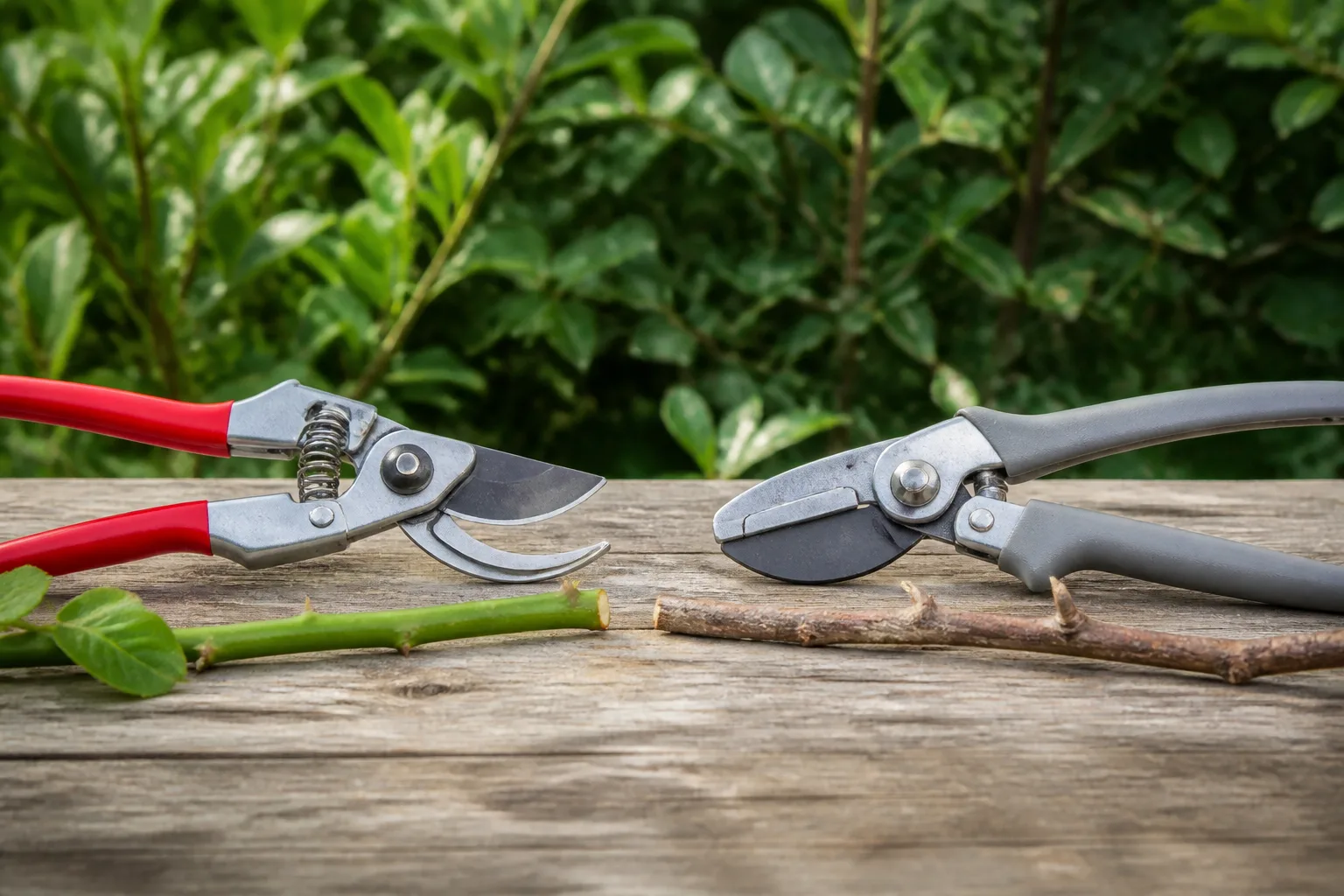
Use clean, sharp scissors or bypass pruners. On each leggy stem, locate a healthy pair of leaves or a visible node and cut just above it; new branches can emerge from the nodes below the cut. Remove weak, leafless tips and any yellow foliage, but keep sturdy stems with buds unless they are badly stretched.
After pruning, water only if the root zone is beginning to dry and hold fertilizer for several days. The plant needs to rebuild shoots, not be pushed through a burst of soft growth. In warm weather, you may see new tips in about a week and a more noticeable flower flush in roughly two to three weeks, depending on variety, light, and how close frost is.
Clean the blades between visibly diseased plants and healthy plants. Put cuttings and suspect leaves in household trash rather than leaving them on the soil surface, especially when downy mildew is a possibility. For general pruning technique, the LeafyPixels pruning tips guide is a useful companion, but impatiens only need a light, selective reset.
Know when not to cut back
Do not cut a plant that is already collapsing, has extensive leaf drop, or shows white growth beneath yellowing leaves. That pattern can be downy mildew, and trimming the top does not remove the pathogen from the stems and roots. Do not perform a hard cut the week before a forecast frost either; there may not be enough warm growing time left for replacement shoots.
Avoid pruning a plant that is merely wilted until you correct the water problem. Limp stems can make a healthy plant look leggy, but removing a third of its canopy reduces the plant’s ability to recover. Water or improve drainage first, wait until the leaves regain normal firmness, then decide whether the structure truly needs reshaping.
Do impatiens need deadheading?
Usually, no. Many impatiens are self-cleaning: old flowers drop without the careful one-by-one deadheading required by some annuals. If the plant is flowering but looks messy, remove fallen petals, yellow leaves, and damaged stems for appearance and airflow rather than because every spent flower must be pinched off.
There is one useful exception. If a flower has stuck to a wet leaf, begun to rot, or is trapped in dense growth, remove it with your fingers or clean scissors. This is sanitation and grooming, not a magic rebloom trigger. When impatiens stop flowering altogether, inspect light, moisture, roots, nutrition, and disease before spending time deadheading.
Prevent downy mildew from ending the show
Downy mildew is the most important disease decision for standard Impatiens walleriana. The University of Delaware describes the early pattern as yellowing on the upper leaf surface, often with downward curling, followed by leaf drop, stunting, and poor overall condition. White patches or fine growth on the undersides of leaves are a strong warning sign, particularly in wet, humid conditions. (University of Delaware Cooperative Extension)
Reduce risk before symptoms appear by buying healthy plants, giving foliage room for air movement, and watering at the base when possible. Avoid working through a wet planting and brushing from one impatiens to the next. Do not assume a general fungicide will solve the problem: NC State notes that fungicides used for ordinary fungal diseases do not work on this fungus-like downy mildew organism, Plasmopara obducens.
Resistant choices can make a major difference in a problem location. University and horticultural references identify New Guinea impatiens as outside the usual host range for this disease, and resistant series such as Beacon and Bounce are available for gardeners who want the traditional impatiens look. Proven Winners also recommends asking a local Cooperative Extension office about regional risk rather than assuming every garden will have the same outcome. (Proven Winners)
Separate disease from drought and root trouble
Dry impatiens usually flag quickly, with soft leaves and a light pot, then recover after a thorough watering if the roots are healthy. Overwatered or root-damaged plants can also wilt, but they stay limp in wet soil and may develop yellow lower leaves, a sour mix, or soft stems. Neither pattern necessarily includes white growth beneath the leaves.
Downy mildew often progresses from yellowing and curling to leaf drop and bare, declining stems. If you see that progression plus white sporulation on the lower leaf surfaces, stop treating the plant as a simple bloom problem. Remove and bag affected plants, discard them in the trash rather than nearby compost, clean tools, and do not replant susceptible impatiens in the same spot without local guidance.
Do not spray a diseased plant with homemade mixtures that leave foliage wet for long periods. A product labeled for this disease may have a preventive role in some settings, but labels, local rules, crop stage, and disease timing matter. Once a plant is visibly collapsing, replacing it and choosing a resistant type is often more realistic than trying to force a final bloom flush.
Give container impatiens a fall reset
Container plants deserve a separate inspection because their root zone changes faster than soil in a bed. Lift the pot, check the mix below the surface, look for blocked drainage, and inspect whether roots have filled the container so tightly that water runs around the outside of the root ball. A root-bound plant can dry quickly, but repotting into a much larger pot right before frost may create a new problem by surrounding the roots with slow-drying mix.
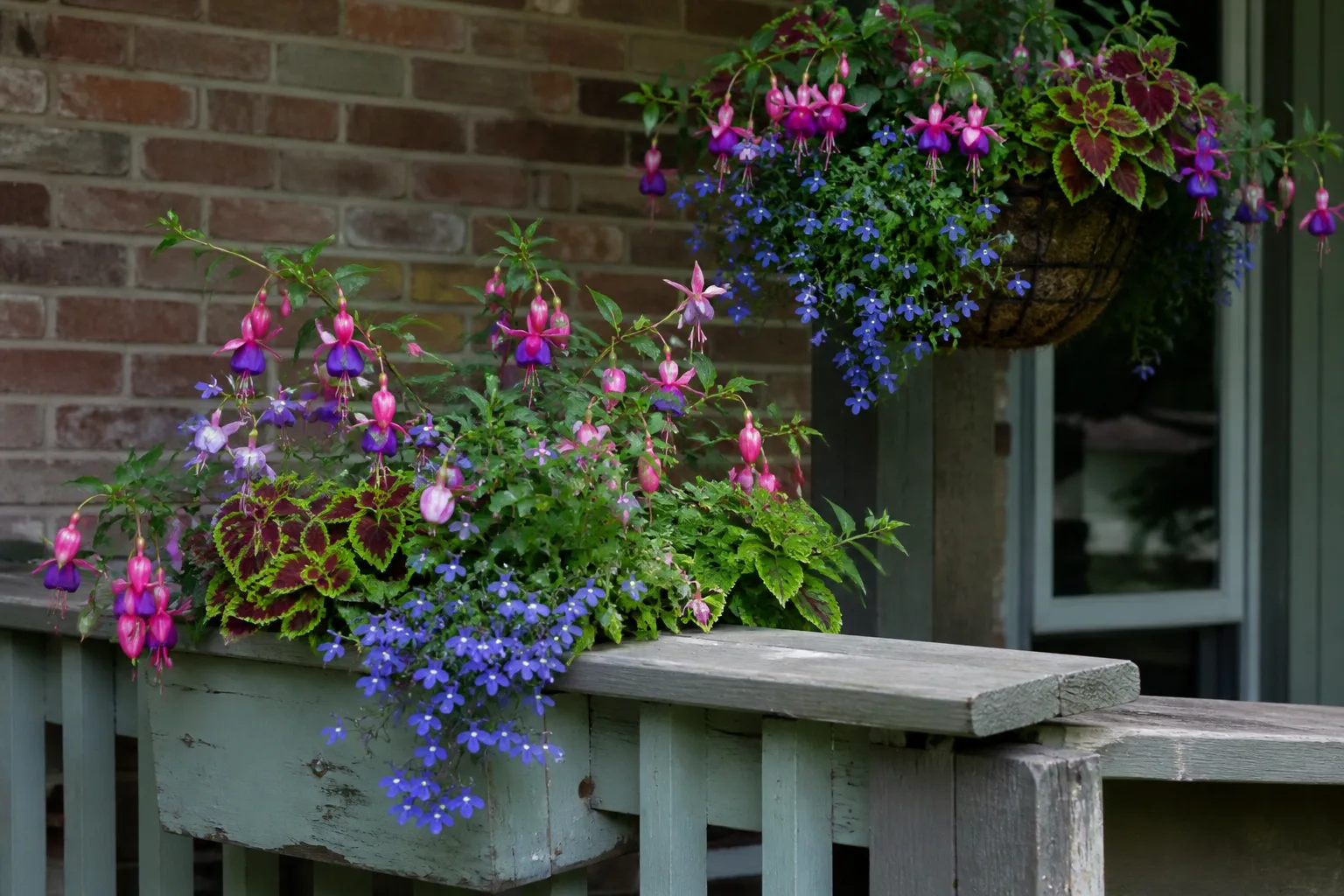
If the pot is healthy but dry, water slowly until the full root ball is wet and let it drain. If it is chronically wet, move it to a brighter, sheltered position with good airflow, stop automatic watering, and correct the drainage issue before feeding. If the basket is exposed to wind, place it where a wall or porch reduces drying without trapping stagnant, wet foliage.
For an autumn refresh, remove yellow leaves, clear debris from the surface, check the drainage hole, and rotate the pot so growth receives light evenly. Prune only healthy stretched shoots, and make the final cut early enough that warm days remain. If the weather is already cool and nights are dropping sharply, concentrate on protecting a healthy plant rather than trying to create a large new canopy.
Protect the final blooms from cold
Impatiens are tender warm-season plants. In most climates they are grown as annuals, and the first frost ends the outdoor display even if the plant looked perfect the day before. Gardeners’ World notes that they cannot tolerate frost, while NC State describes them as hardy only in warm zones 10–11 and recommends pulling them in late fall or bringing potted plants indoors where practical.
A lightweight frost cloth can buy a little time during a brief, mild cold snap if it reaches the ground and is removed after temperatures rise. It is not a way to keep impatiens growing through repeated freezes, and plastic touching foliage can make cold damage worse. Move containers under a roof or into a frost-free, bright place when the forecast calls for a cold night, but do not bring pests and diseased foliage indoors with them.
Make the timing decision from the forecast, not from flower count. If several warm weeks remain, correct the root zone and prune lightly; if a hard freeze is one or two nights away, skip fertilizer and major pruning, take cuttings from a clean favorite if you know how to overwinter it, and enjoy the remaining flowers.
What to do after frost
After frost, limp darkened leaves and translucent stems are cold injury, not a signal to water heavily. Wait until the plant has thawed, then remove tissue that has clearly collapsed and decide whether any firm green stems remain. In most temperate gardens, replacing the annual next season is more reliable than trying to nurse a frost-damaged plant through winter.
If you want to save a favorite color, take healthy stem cuttings before the forecasted freeze, provided the source plant shows no disease symptoms. NC State notes that impatiens can be propagated from fall cuttings and replanted after the last spring frost. Keep any overwintered material separate from other plants until you are confident it is pest- and disease-free.
The cleanup itself matters. Remove dead plants and fallen diseased leaves from beds, wash containers before reusing them, and write down which spot became too sunny or too wet by late summer. That small record lets you choose a better location, a larger container, or a resistant impatiens type next year instead of repeating the same midseason rescue.
Conclusion
To make impatiens bloom again before frost, fix the stress in the order the plant experiences it: identify the type, give standard varieties bright shade, keep the root zone evenly moist but well drained, feed lightly only during active healthy growth, and trim healthy leggy stems above leaf nodes. Most impatiens do not need routine deadheading, so spend that time inspecting the soil and the leaf undersides.
The most important exception is downy mildew. Yellowing and downward curling followed by white growth beneath leaves, leaf drop, and collapse calls for removal and replacement—not more water, fertilizer, or pruning. Once you treat frost as the real seasonal limit and match your final care to the time left, you can get a fuller last flush without asking a tender annual to do what cold weather will not allow.