How to Reuse Christmas Tree Needles in Your Garden
Shed Christmas tree needles do not belong in the trash. Learn nine safe, practical ways to mulch, compost, insulate, and feed your garden—plus what to skip.
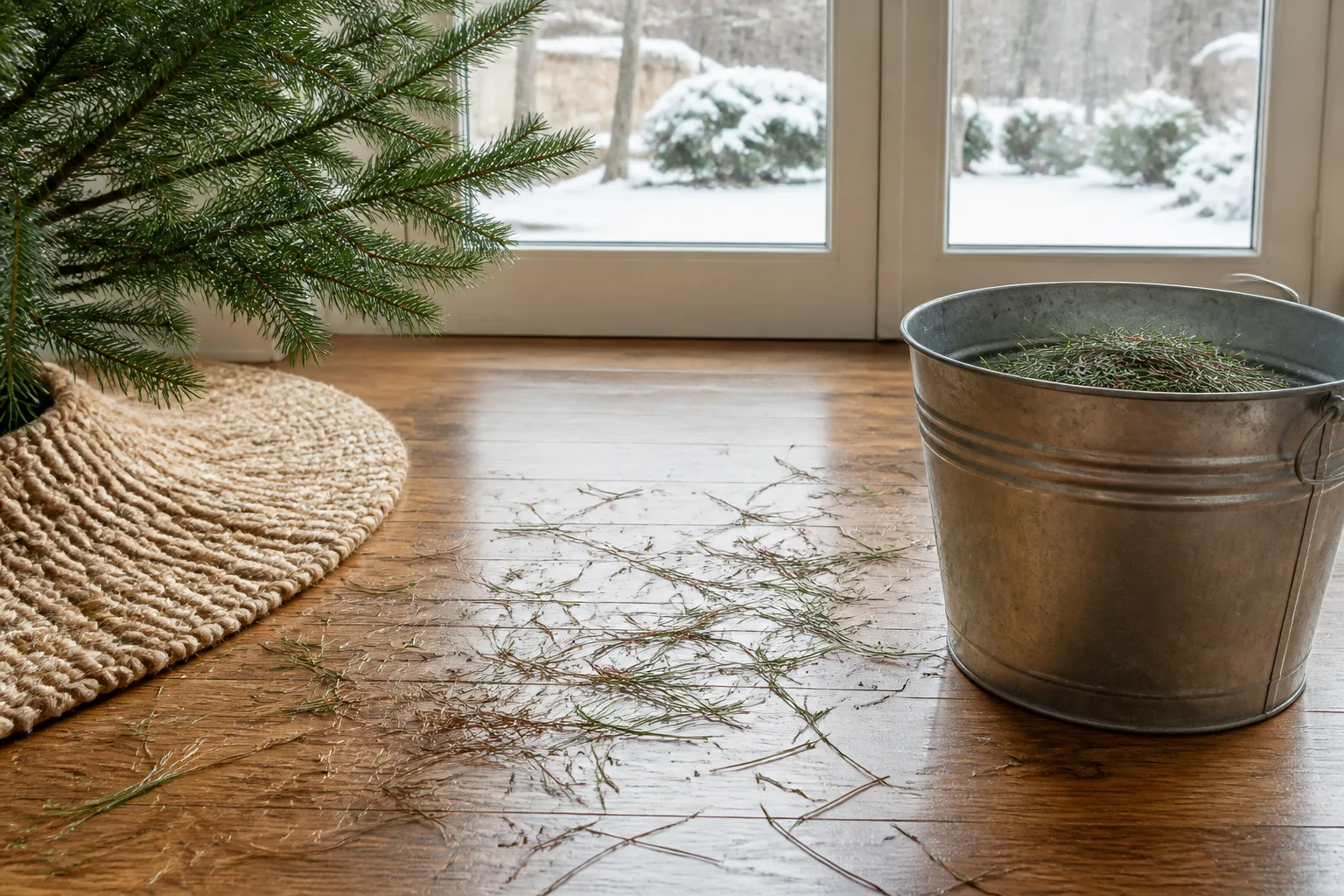
By the second week of December, your living room floor is a carpet of green confetti. Vacuuming feels efficient—and then you remember that roughly 25 to 30 million real Christmas trees are sold in the United States each year, according to the National Christmas Tree Association figures cited by Penn State Extension. Most of that biomass eventually leaves homes as waste. The needles shedding onto your tree skirt are the easiest piece to rescue first.
Christmas tree needles are free, carbon-rich organic matter. Used correctly, they mulch beds, insulate crowns, balance compost, and line paths. Used carelessly—especially from treated or flocked trees—they can introduce residues you do not want near food crops. The goal is not to dump every needle you find. It is to sort, store, and deploy them where their slow breakdown becomes an asset instead of landfill weight.
Why Save Christmas Tree Needles Instead of Vacuuming Them Away
Shed needles are not yard trash in miniature. They are small, waxy, lignin-heavy fragments—the same material sold as pine straw in bales across the South. Commercial pine straw and the toasted-brown layer under your Fraser fir perform the same job: cover soil, slow evaporation, and break down over months without matting into a solid slab the way wet maple leaves sometimes do.
What Shed Needles Actually Contain
Evergreen needles hold potassium, phosphorus, and trace minerals locked inside woody tissue. They also carry terpenes—the compounds behind that sharp holiday scent. Terpenes can discourage some pests in concentrated form, but a thin scatter of shed needles is not a replacement for integrated pest management. Think of the fragrance as a side effect, not a product label.
Needles decompose slowly because of their waxy cuticle and high carbon content. Gardener’s Path notes that pine and other conifer needles break down more gradually than deciduous leaves—exactly why they work as long-lasting mulch and exactly why you should not expect them to vanish in a single compost cycle.
What to Check Before You Spread Needles in the Garden
Not every needle belongs in every bed. Run this three-point check before you empty the vacuum canister or sweep the tree skirt into a bucket.
Tree treatment. Was the tree flocked (artificial snow), sprayed with fire retardant, or treated with anti-shed or pesticide sprays at the farm or lot? If you do not know, assume caution. Keep those needles out of vegetable gardens, herb beds, and compost destined for edibles. Ornamental beds and paths are lower risk but still not ideal for heavily treated material.
Moisture and mold. Needles that sat in a warm, humid room for weeks can harbor white mold on damp clumps. Spread those in thin layers to dry outdoors before mulching, or add them to a hot compost center rather than piling them wet against plant crowns.
Fire safety indoors. Dry needles are flammable next to heat registers and candles. Collect them into a metal or rigid bin away from the tree stand, then move them outside promptly. Never store large dry bags in a heated garage next to a furnace.
Flocking, Fire Retardants, and Pesticide Residues
Penn State Extension warns that flocking ingredients can complicate recycling because additives may not break down cleanly in a backyard pile. The same logic applies to needles: if your tree glittered under lights, treat shed needles like landscape-only mulch at best, or dispose through municipal green-waste programs that accept flocked trees.
For untreated farm-grown trees—the majority sold in the U.S.—needle reuse is generally safe around ornamentals. When in doubt near food crops, use leaves or straw instead and send questionable needles to a municipal chip program.
Fir, Spruce, and Pine: Does Species Matter?
Most holiday trees are fir (Fraser, balsam, noble), spruce, or Scots pine. All shed needles with similar garden behavior: slow breakdown, good interlocking structure, modest nutrient release. Pine needles are slightly longer and interlock well on paths; fir needles are softer underfoot. None of these differences change the safety rules above.
Use 1: Mulch Around Trees, Shrubs, and Perennials
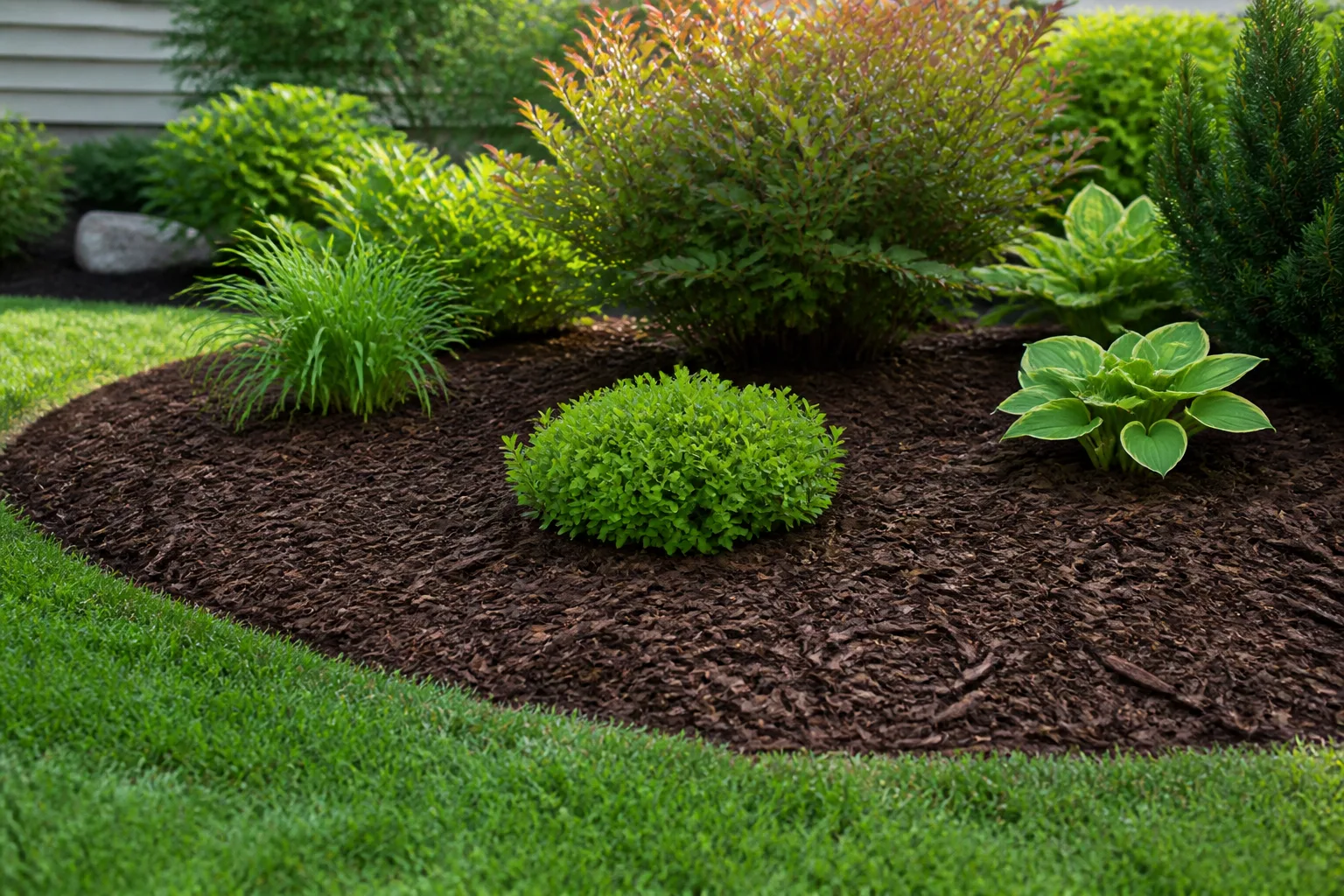
Mulch is the highest-value default use for clean, untreated shed needles. Spread them around established landscape plants—not directly against trunks or woody stems—to mimic the forest floor under conifers.
Needles let water penetrate, resist compaction, and decompose gradually. Oregon State University Extension describes pine-needle mulch as excellent for conserving moisture, suppressing weeds, and adding nutrients over time as microbes work the material down.
How Thick to Apply—and Where to Stop
Aim for 2 to 4 inches of loose needles, fluffed rather than packed. Pull mulch several inches back from trunks and stems to prevent bark rot and rodent nesting—standard advice for any organic mulch.
Best targets: rhododendrons, hydrangeas, ornamental grasses, foundation shrubs, and young shade trees. Skip for now: newly seeded lawns, dense mats over dormant vegetable beds, and any area where you plan to till within six weeks (needles incorporated into soil tie up nitrogen during early decomposition).
Use 2: Winter Crown Insulation for Cold-Tender Plants
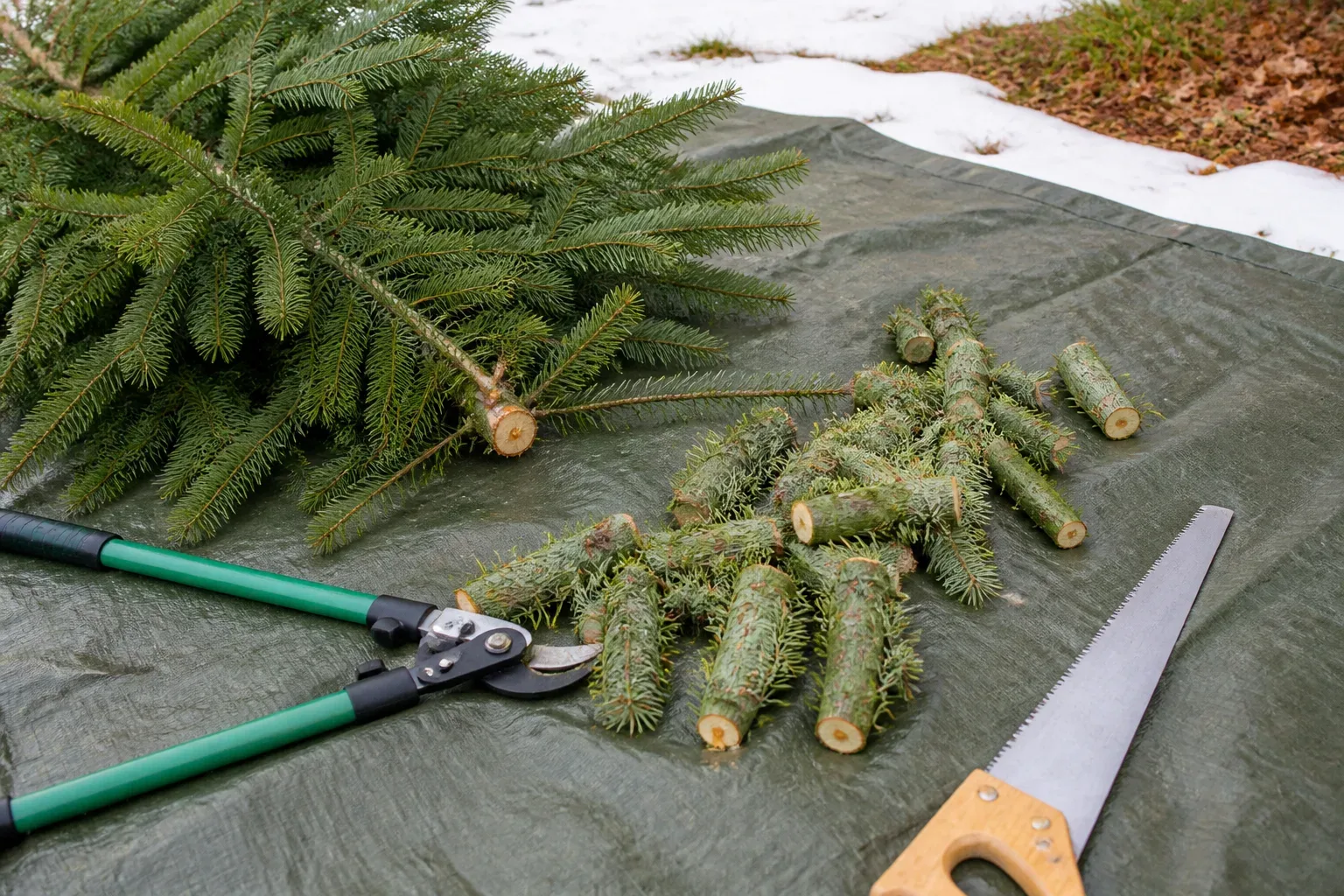
January thaws followed by hard freezes are harder on plants than steady cold. Loose evergreen needles—and small branch tips stripped when you dismantle the tree—make a light insulating blanket over crowns and root zones.
Penn State Extension recommends cutting evergreen boughs over perennials to protect crowns from temperature swings and drying winds, especially when snow cover is thin. Shed needles work the same way at smaller scale: hellebores, marginally hardy roses, fall-planted shrubs, early snowdrops, and pansies all benefit from a fluffy layer left in place until consistent spring warmth arrives.
Apply after the ground begins to freeze in cold climates, and remove or rake thin in early spring so new growth is not smothered. This is insulation, not permanent mulch.
Use 3: Carbon-Rich Browns for Your Compost Pile
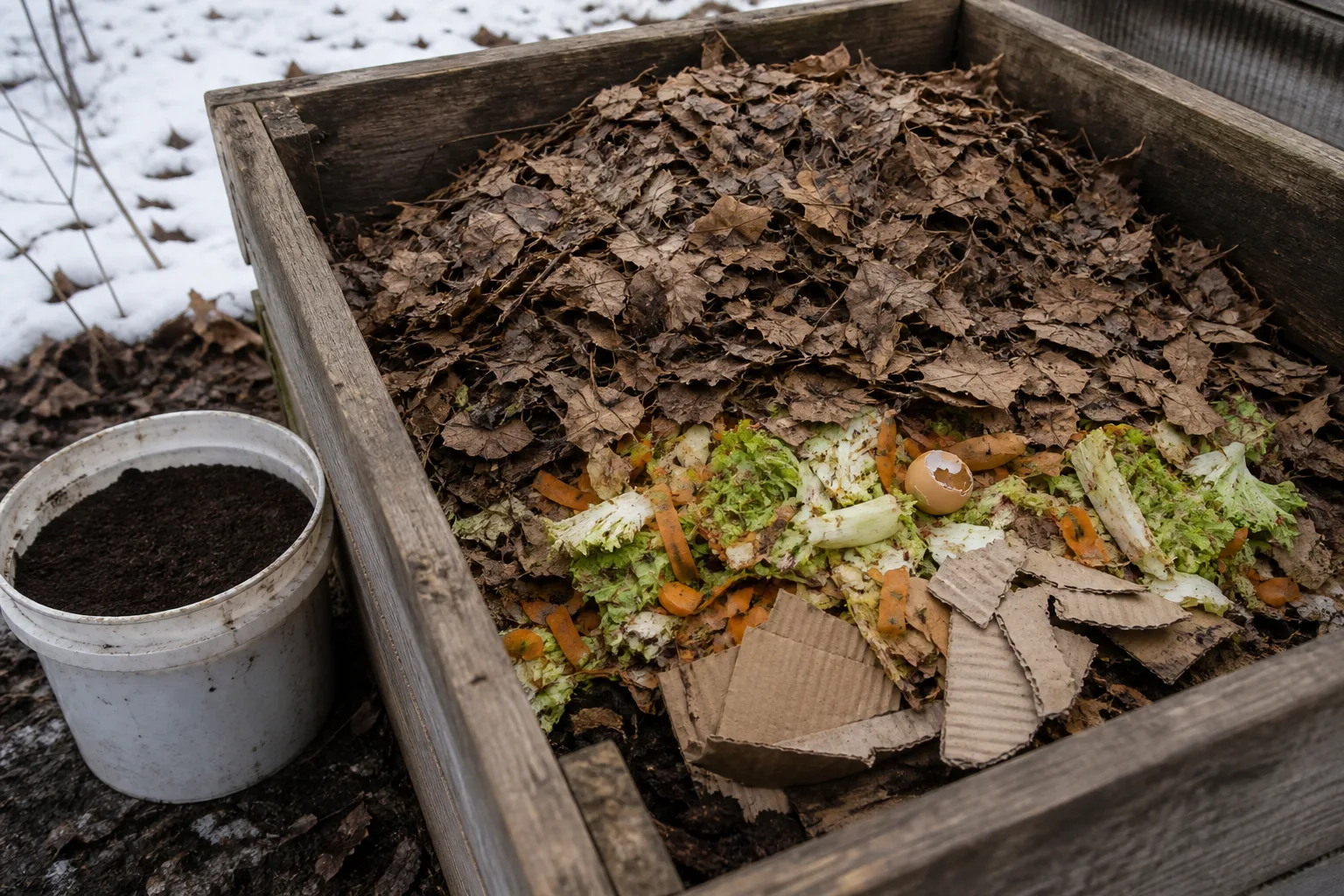
Needles are classic browns: high carbon, low nitrogen, airy when dry. They balance kitchen scraps and coffee grounds in winter when fallen leaves are buried under snow.
Add needles in thin layers between green additions rather than dumping a tree skirt’s worth at once. Dry needles help maintain airflow and absorb excess moisture that causes anaerobic odors in enclosed bins.
The 10 Percent Rule for Evergreen Needles
Oregon State University gardening experts recommend limiting evergreen needles to about 10% of your pile’s volume at any one time—a figure also cited in LeafyPixels’ Christmas tree composting guide. The waxy coating and resin slow microbial attack; overloading a small bin stalls the whole system.
Pair needles with nitrogen-rich greens (fruit scraps, fresh coffee grounds, manure if you use it) and keep the pile moist like a wrung-out sponge. Expect needles to linger longer than lettuce leaves; sift partially finished compost and return woody bits for another cycle.
Use 4: Soft, Draining Garden Paths and Walkways
Between raised beds, under fruit espaliers, or along informal woodland paths, a 3- to 4-inch layer of needles creates a springy, draining surface that beats bare mud in wet winters. Needles interlock without becoming slick the way some wood mulches do when saturated.
Refresh paths every year or two as material compacts and fades to honey-brown. This is the same logic behind commercial pine straw on southern walkways—your holiday tree simply prepaid the shipment.
Use 5: Weed Suppression Between Raised Beds
In the vegetable garden, use needles only from untreated trees and prefer them in foot-traffic zones between beds, not atop active growing rows. A thick ribbon between boxes blocks light from wind-blown weed seeds while keeping mud off your boots during spring planting.
Because decomposition is slow, needles here behave more like a semi-permanent weed barrier than a soil amendment. That is an advantage between beds; it is a drawback directly over seeds you are trying to germinate.
Use 6: Moisture Retention on Slopes and Bare Winter Soil
Sloped beds lose topsoil and water to winter rains. A loose needle mulch on dormant ornamental slopes slows runoff and gives rain time to infiltrate instead of sheet-flowing toward pavement.
This use shines on blank banks where erosion is the bigger problem than weeds. Avoid deep layers on steep vegetable terraces if you plan early spring tillage; rake them aside into paths or compost when soil work begins.
Use 7: Nesting Material for Backyard Birds
Many songbirds weave fine evergreen needles into nest cups for structure and, some researchers suggest, mild antimicrobial benefit from plant compounds. After the holidays, fill a mesh suet cage or wire basket with dry needles and hang it near existing feeders or shrub cover.
This is not instant habitat magic—birds take what they need when breeding season arrives—but it costs nothing and keeps needles cycling through the yard food web instead of the trash. Combine with PSU’s songbird shelter idea: prop stripped branches in a corner as winter cover, and let needles fall naturally beneath.
Use 8: Dilute Needle Tea for Acid-Loving Plants
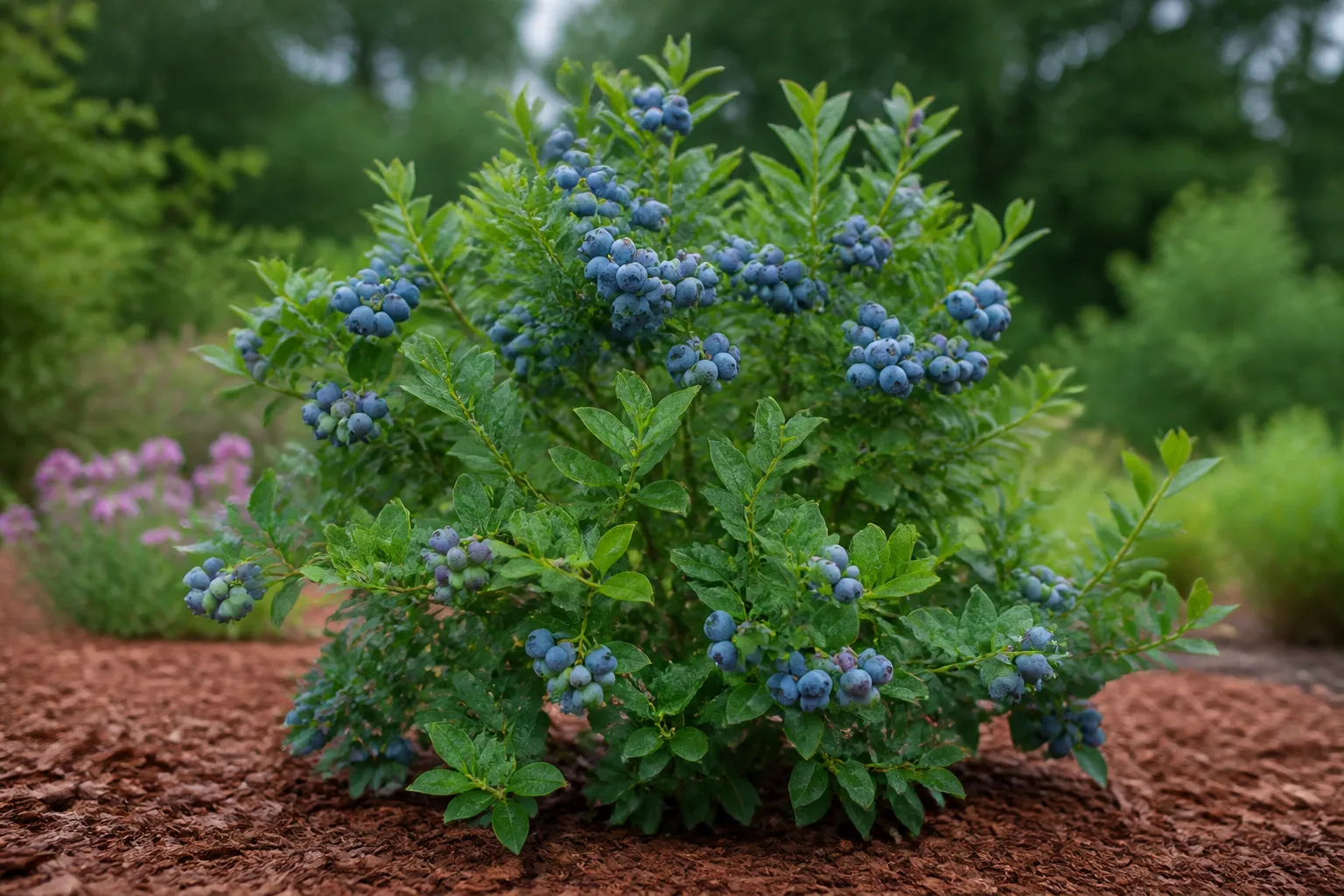
Boiling green needles into a weak liquid feed is an old gardener’s trick for rhododendrons, blueberries, and camellias. Chop a cup of green needles, simmer 15 minutes in a quart of water, cool, strain, and dilute to roughly one part decoction to ten parts water before pouring around soil—not on leaves in freezing weather.
Why Tea Is a Bonus, Not a Soil Fix
Fresh needle tea is briefly acidic. It is not how you permanently shift soil pH. University of New Hampshire Extension explains the common myth: pine trees grow in already-acidic sites; decades of needle drop do not acidify soil dramatically. OSU Extension adds that as needles decompose, microbes neutralize much of the initial acidity.
Treat tea as a gentle seasonal tonic for plants already suited to your soil—not a substitute for a soil test or sulfur amendments on alkaline ground. Never use tea from treated or flocked trees.
Use 9: Stockpile Needles for Spring Compost Layering
If your compost bin is frozen or already full of browns, bag dry needles and stash them beside the pile like many cold-climate composters store autumn leaves. When spring greens arrive—grass clippings, weeds, kitchen surges—you will want carbon ready without hunting for cardboard.
Use breathable paper lawn bags or mesh-sided bins so needles do not mold in storage. Label bags “ornamental only” if the source tree was questionable for edibles. This stockpile turns January’s mess into the layer that keeps April’s pile from going slimy.
What Not to Do With Christmas Tree Needles
Some shortcuts cause more problems than they solve. Do not till fresh needles deep into vegetable soil; decomposition steals nitrogen from plant roots. Do not pile wet needles against tree trunks or expect them to snuff weeds in a paper-thin dusting. Do not spread needles from diseased trees onto healthy beds without hot composting—if you saw odd discoloration or cankers on the trunk, send material to municipal waste instead.
Do not count on needles to acidify alkaline clay enough to grow blueberries where soil chemistry forbids it. Do not burn large indoor-collected piles without checking local open-burn rules; resinous needles flare quickly. And do not assume “natural” means pesticide-free—when the tree’s history is unknown, keep needles away from food.
Conclusion
Christmas tree needles are a small, slow, useful form of organic matter—not magic soil acidifier, not industrial pest control, and not compost filler without limits. Collect them dry, screen out treated or moldy material, and match each batch to the right job: mulch and paths for bulk, insulation for winter crowns, measured browns for compost, optional weak tea for acid-lovers already in the right soil, and stockpiles for spring.
Nine uses sounds like a lot until you realize most needles can serve two or three roles in sequence: path mulch this winter, compost brown next summer, gone to humus the year after. That is the point—turn holiday cleanup into a quiet soil-building habit instead of another bag at the curb. For whole-branch and trunk recycling, see our guide on composting your Christmas tree.



