Ciara Benko's 70-Plant Apartment Tour Guide
Tour Ciara Benko's 70+ plant Lower East Side apartment from In the Weeds Episode 6 — trailing vine styling, calathea rehab, mealybug propagation rescue, and the science of talking to plants.
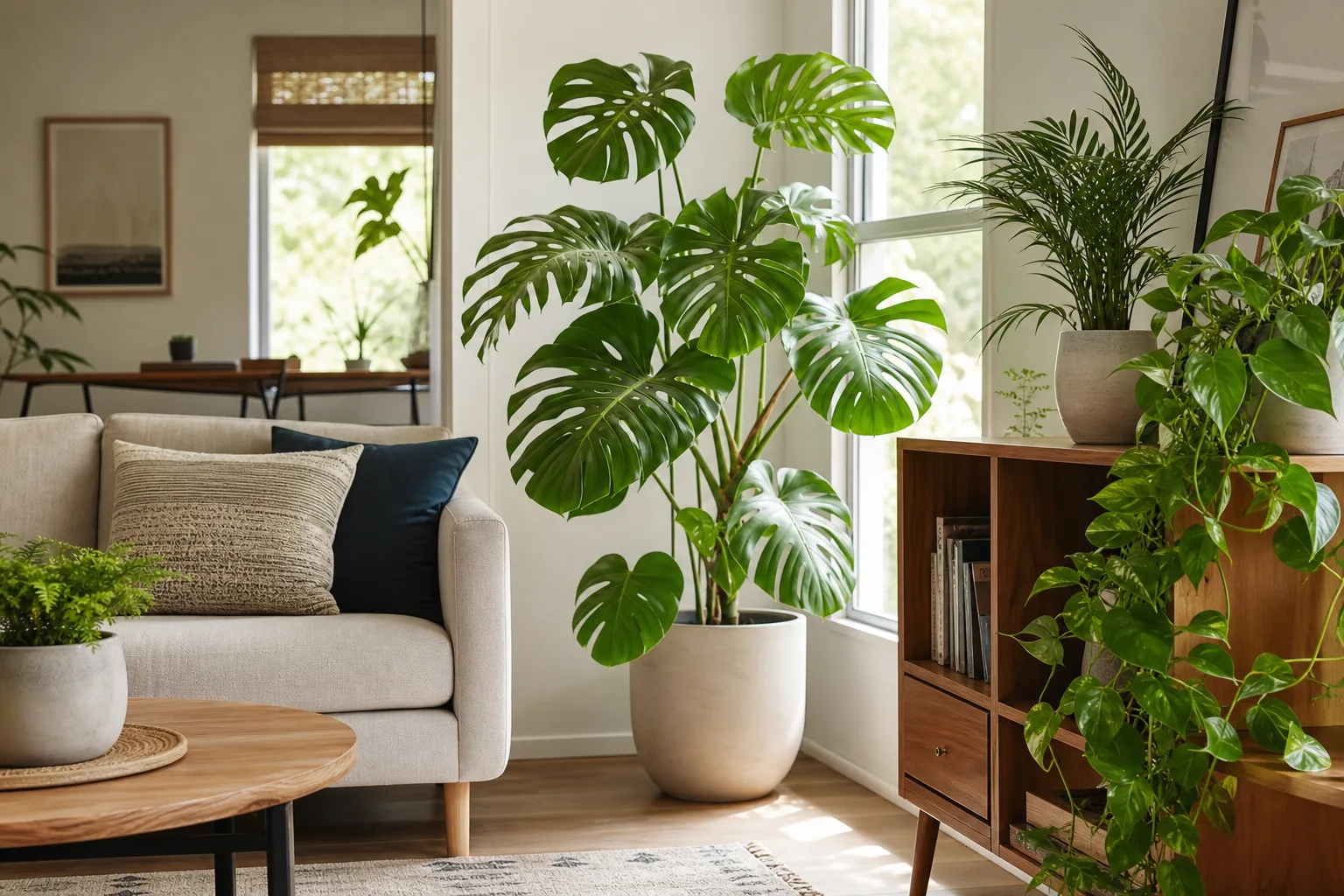
Walk into Ciara Benko’s Lower East Side apartment and the headcount stops being abstract. She shares the space with her dog, her girlfriend, and more than 70 houseplants — most of them concentrated in the living room and bedroom, the two rooms that win the apartment’s best light. Ciara documents the collection as @thejungleupstairs on Instagram, and Episode 6 of In the Weeds With Plant People follows her through that home with the camera at vine height: neon pothos spilling from windows, a fiddle-leaf fig tall enough to conversation-start, calathea leaves that demand patience, and a scindapsus whose 20-foot vines disappear above the television.
This page treats the tour the way a serious plant parent would — not as background viewing, but as a case study in styling, species selection, pest rescue, and the surprisingly practical reason collectors talk to their plants while wiping leaves.
Meet Ciara Benko and her Lower East Side indoor jungle
Ciara’s apartment reads as a deliberate green oasis inside Manhattan density. Trailing plants frame windows. Upright specimens anchor corners. A giant fiddle-leaf fig shares floor space with smaller pots that punch above their weight — including a six-inch scindapsus carrying vines longer than most collectors ever achieve in a floor planter. That mix of scale is the signature of experienced collectors: they do not buy only statement trees or only easy trailers. They curate shape, pattern, and growth habit the way a designer curates texture.
Two grandmothers, one green legacy
Ciara credits both grandmothers for the obsession — one with a sprawling backyard, the other a connoisseur of indoor plants. That split inheritance matters. Outdoor gardeners learn seasonality, soil, and scale. Indoor specialists learn humidity, light angles, and the patience required when weather cannot be blamed. Ciara merged both into a city jungle: no acreage, but the same emotional logic that plants are companions, not interchangeable decor.
Collectors who last usually have an early anchor like this. It turns acquisition from impulse into continuity — each new pothos node or regrown calathea rhizome connects to someone who taught you that green things respond to attention. The tour’s warmth lands because the collection is personal history rendered in chlorophyll, not a prop shelf for social media.
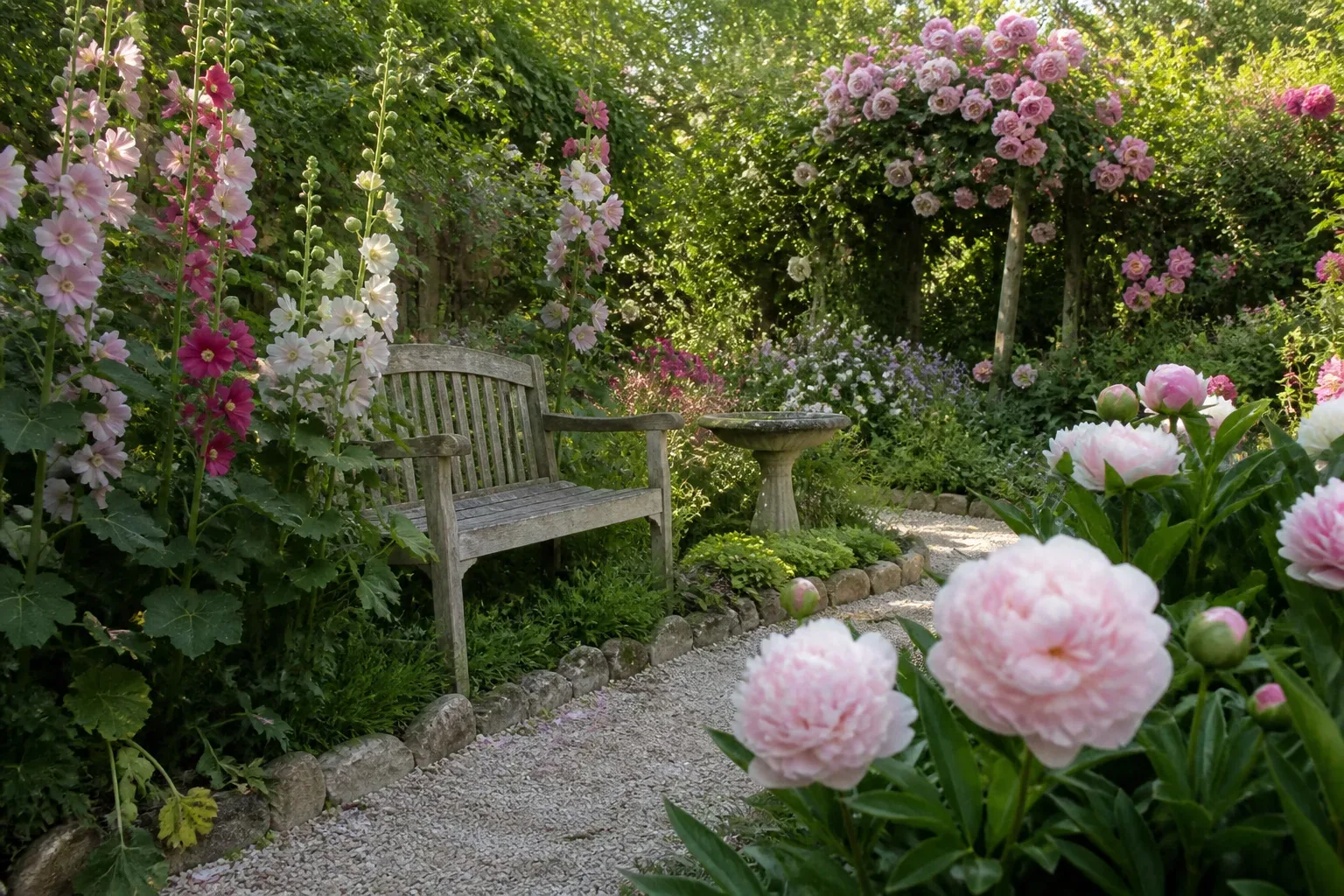
Room by room: what Episode 6 reveals
Episode tours move fast on video. Slowing them by room exposes the design and care logic you can actually copy.
Living room light zones and trailing displays
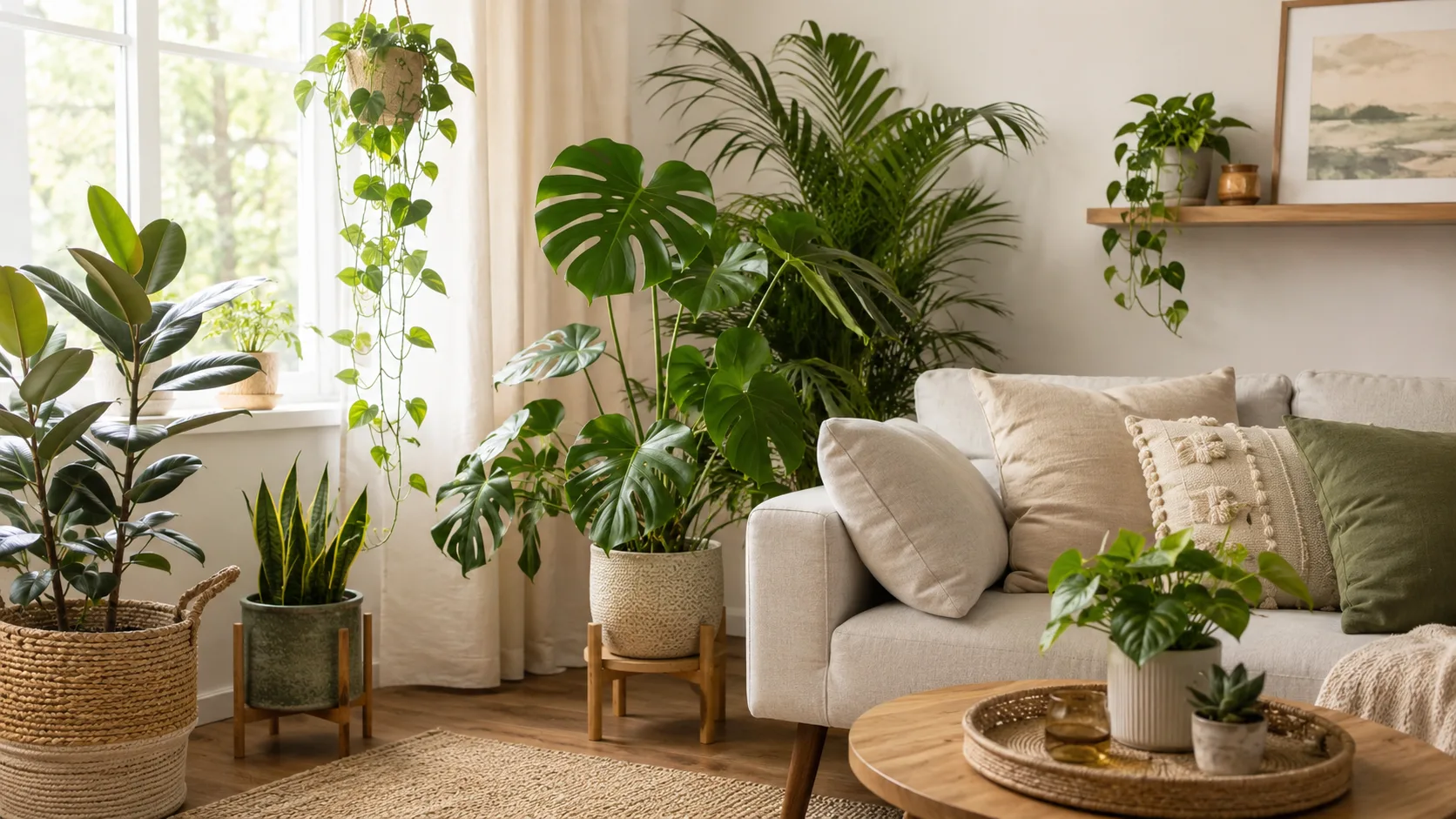
Most of Ciara’s 70-plus plants live in the living room because it delivers the brightest, most stable indirect light the apartment offers. You can see it in the footage: neon pothos holds dense chartreuse foliage instead of stretching. Vining species fill window margins and corner verticals rather than etiolating toward a single pane.
That pattern is textbook light zoning. Instead of distributing pots evenly across every room, Ciara concentrates tropical foliage where photons are reliable. Hallways and interior walls become secondary; the living room becomes a shared microclimate. Collectors in small apartments should map light with a full day of observation — morning versus afternoon sun, winter versus summer shift — before buying another trailer “for the empty wall” that is actually a medium-light zone.
Ciara also clearly favors trailing architecture: pothos, scindapsus, and rhaphidophora occupy vertical real estate windows cannot supply alone. Trailing corners soften rectangular urban rooms and let one pot read as multiple visual layers. The trade-off is maintenance access. A window crowded with vines looks effortless on camera and hides dry pockets, mealybug clusters, and dust-blocked leaves unless you build a weekly wipe-and-inspect route through every strand.
Bedroom collections and high-stakes rescue plants
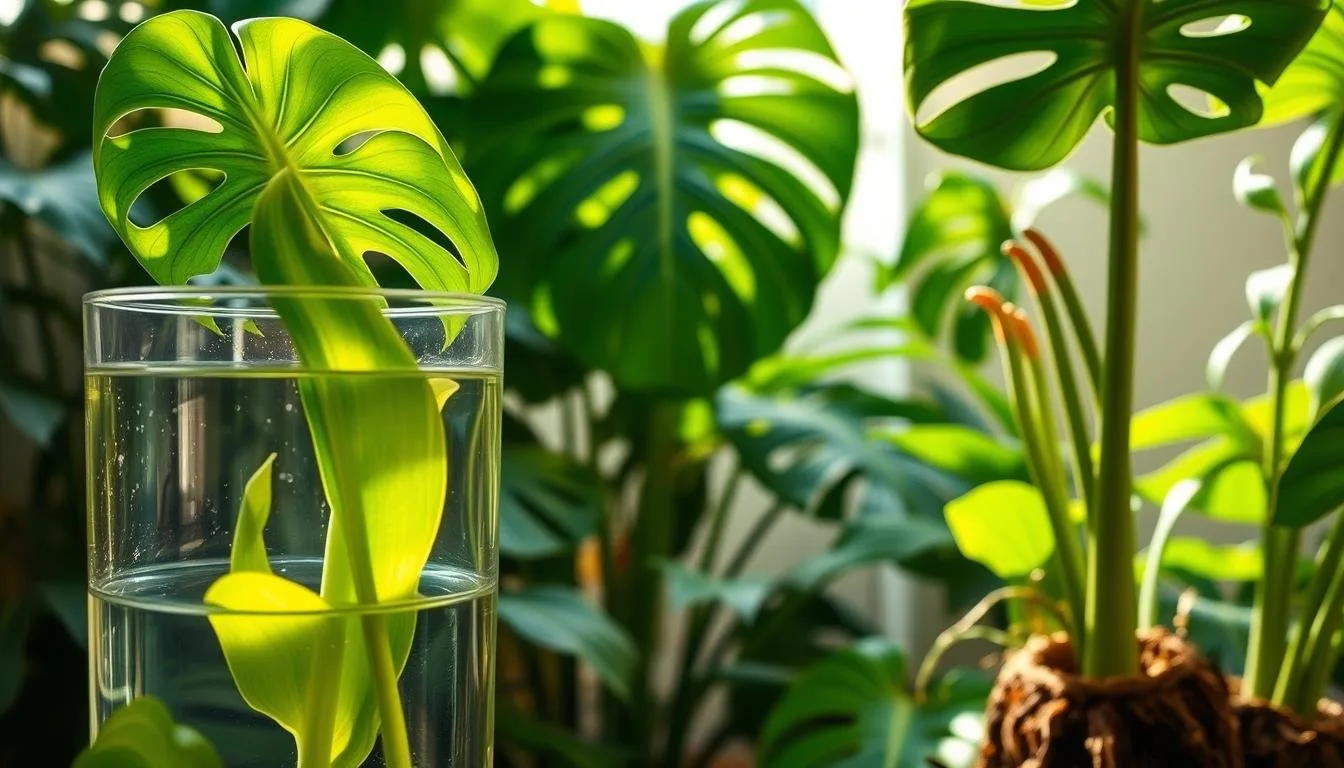
The bedroom tour is where Episode 6 stops being pretty and becomes honest. Ciara’s four-year-old Monstera deliciosa — a plant with years of growth memory — had to be cut down after a mealybug infestation. She is propagating the cut segments while roots form, planning to pot them once clean. Every collector who has watched pests win on a favorite plant recognizes the fear in that sentence.
Bedrooms often hold rescue projects and humidity lovers because they stay slightly cooler and more humid than living zones heated all day. They also hold plants you check last at night — which can be good (calmer inspection) or bad (problems linger unnoticed). Ciara’s split between living-room showcase and bedroom triage is a model: display where light is best, rehab where you have counter space and quarantine mental bandwidth.
Why Ciara talks to her plants (and what science actually says)
Ciara talks to her fiddle-leaf fig while cleaning its leaves — a habit that sounds whimsical until you unpack what is actually happening. The Royal Horticultural Society ran a month-long experiment playing recorded human voices to tomato plants and reported slightly taller growth in spoken-to groups, though the study was small, promotional, and not peer-reviewed in the traditional sense (Plant Care Club summarizes the RHS work and its limits). Other research explores sound vibrations and brief CO₂ boosts from human breath nearby, but none of it replaces light, water, or humidity.
Observation beats acoustics
The stronger explanation — one Ciara’s routine demonstrates — is the attention effect. Talking while wiping a fiddle leaf slows you down enough to notice new growth, spider mite stippling, or a leaning trunk. Plants do not have ears; they do have measurable responses to consistent care. People who narrate their watering rounds still perform the useful parts: moisture checks, rotation, pest patrol.
Build a talk-track that is really an inspection script:
- Leaf wipe day — upper and lower surfaces on broad-leaf trees
- Soil probe — finger or meter before default watering
- Stem scan — mealybug cotton at nodes and leaf axils
- Orientation note — rotate a quarter turn if growth leans
If talking helps you show up daily, talk. If you prefer silence, keep the checklist. The growth driver is looked-at plants, not compliments.
Standout plants from the tour and what they need
Tours highlight glamour specimens. The useful question is whether your home can replicate their requirements — and what to do when they misbehave anyway.
Neon pothos: the easy vine that reads like personality
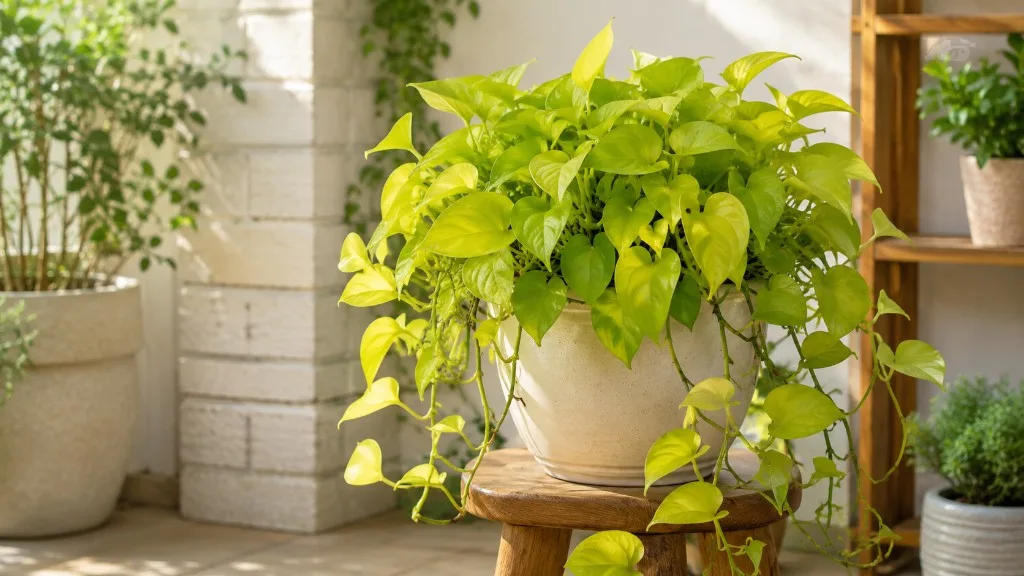
Ciara says her neon pothos is the plant that looks most like her — chartreuse, bright, hard to ignore. Botanically it is still Epipremnum aureum, the same species as golden pothos, selected for lime foliage. NC State Extension notes pothos tolerates low to bright indirect light, prefers even moisture without soggy soil, and roots easily from cuttings (NC State Extension). Neon forms wash out in deep shade; Ciara’s living-room window explains the fullness you see on screen.
Use neon pothos as a confidence plant: if it stretches with small leaves, add light; if yellow leaves appear with wet soil, reduce water frequency. It forgives beginner mistakes while teaching how fast vines respond to environment — a low-stakes preview before you invest in calathea drama.
Fiddle-leaf fig: drama tree, daily dialogue
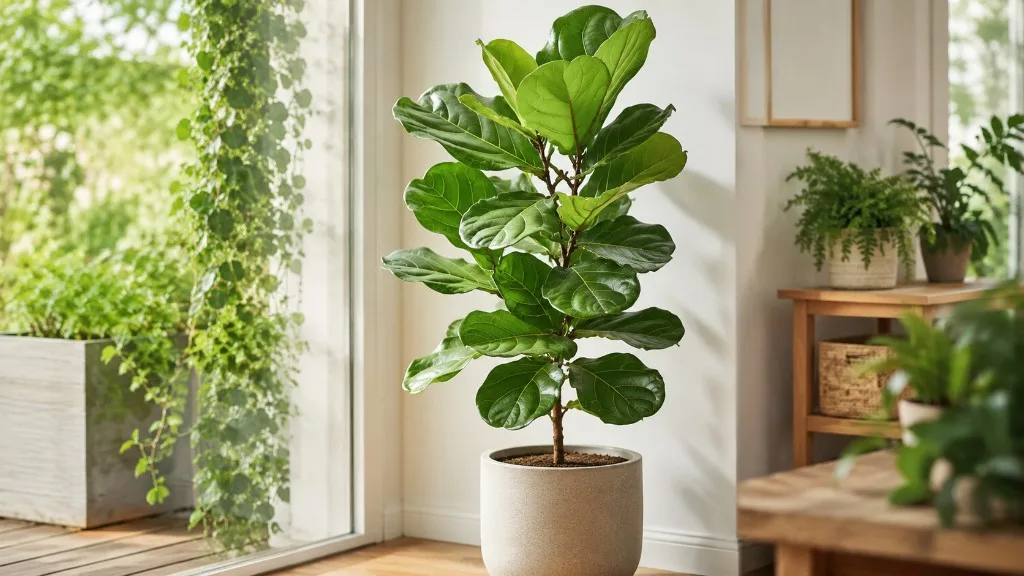
The tour’s fiddle-leaf fig (Ficus lyrata) is the apartment sculpture — large, graphic leaves, instant vertical presence. It is also famously temperamental. NC State lists bright indirect light, moderate humidity, and consistent moisture without overwatering as baseline needs, with leaf drop after relocation as normal protest (NC State Extension). Ciara’s leaf-cleaning conversations happen where fiddles actually thrive: repeated contact with the same caretaker in the same bright corner.
Copy the tree, not the luck: place fiddles where they receive the brightest stable spot you can offer, avoid heating vents and drafty winter windows, and water only when the top few inches of soil dry. If surrounding pothos thrive while the fiddle sulks, you are comparing different tolerance profiles — not personal failure.
Calathea orbifolia: the collector’s patience plant
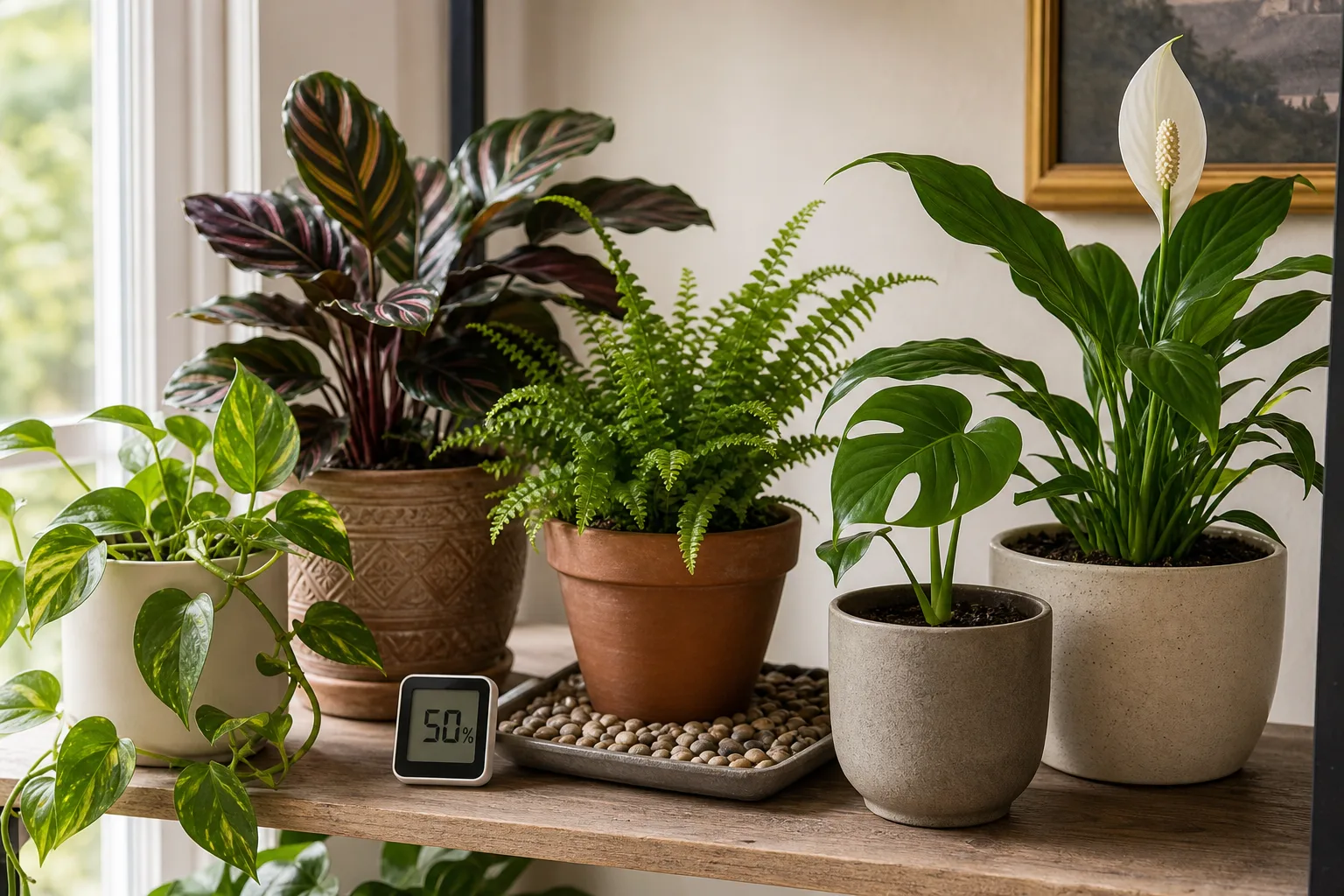
Ciara calls her Calathea orbifolia — now botanically Goeppertia orbifolia — her trickiest plant. She once chopped it completely and let it regrow from rhizomes rather than abandoning it. In winter she watches crispy leaf edges return as indoor humidity drops. NC State Extension specifies bright indirect light, consistent moisture without wet feet, 65–75°F, 60%+ humidity, and distilled or rain water to avoid fluoride browning (NC State Extension).
That profile explains every struggle in the tour. Orbifolia is not difficult because it is mysterious; it is difficult because NYC winter apartments fight every requirement simultaneously — dry heat, tap water, and light that is bright in summer but weak in December. Ciara’s chop-and-regrow strategy works because prayer plants store energy in underground rhizomes. A hard reset after rot or pest damage can produce fresh leaves if humidity and water quality improve afterward.
Winter survival checklist for orbifolia:
- Humidifier or pebble tray in the same room, not just misting
- Filter or distill water if edges brown despite moisture
- Hold fertilizer until spring growth resumes
- Accept partial leaf loss rather than overwatering to compensate
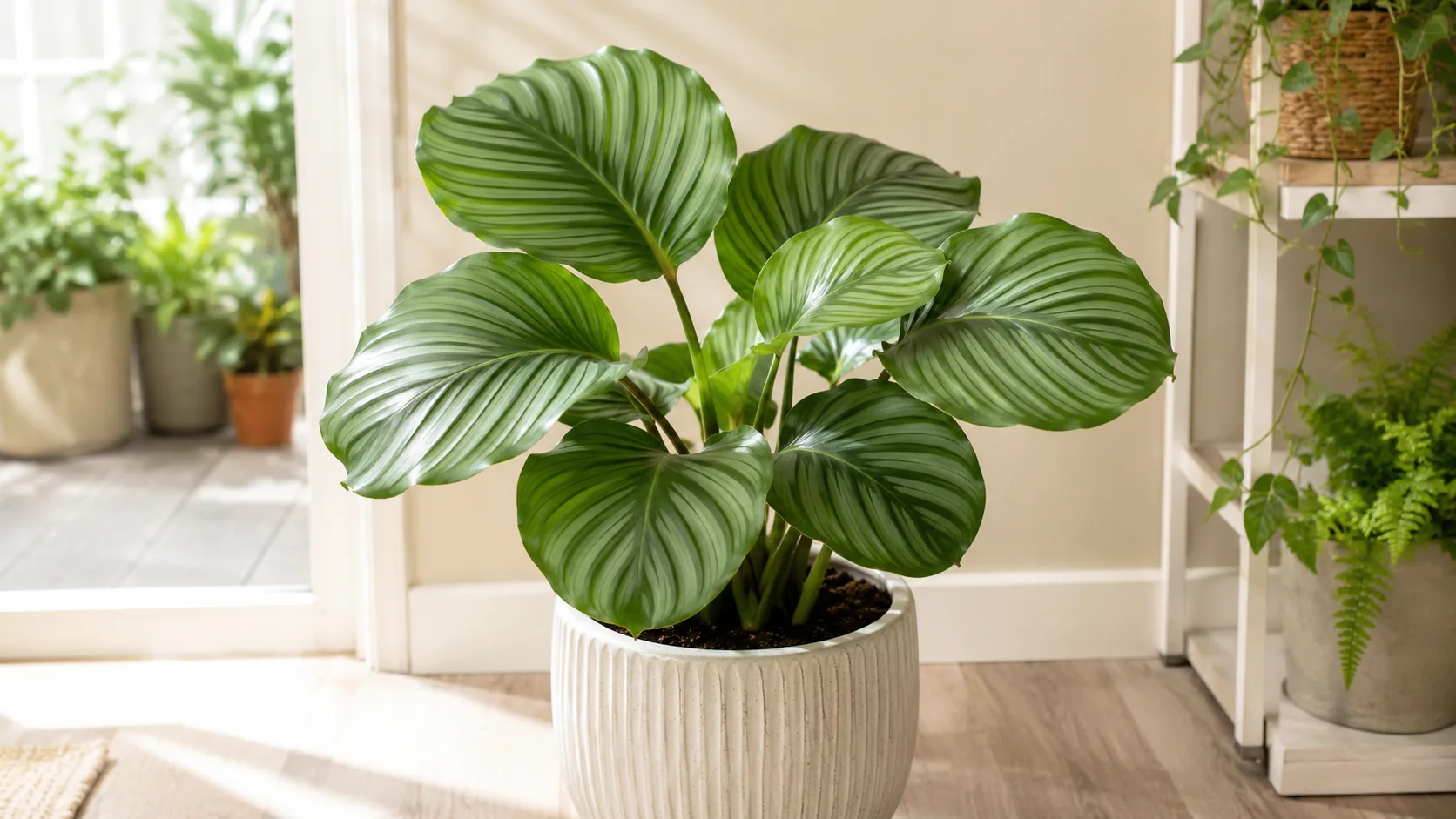
Rhaphidophora tetrasperma: fenestrated climbing shape
Ciara loves Rhaphidophora tetrasperma for its fenestrated leaves — the split-leaf look that earns the nickname mini monstera without the eventual 8-foot spread indoors. It wants bright indirect light, a support to climb, and regular watering once the top inch dries. Left hanging, it behaves like a compact trailer; given a moss pole or trellis, leaves enlarge and splits deepen.
Treat mini monstera as a shape plant in the collection: upright fenestration contrasts with orbifolia’s round silver stripes and scindapsus’s satin drape. Place it where you can see leaf development at eye level — collectors who only put climbers on top shelves miss the fenestration payoff until leaves descend.
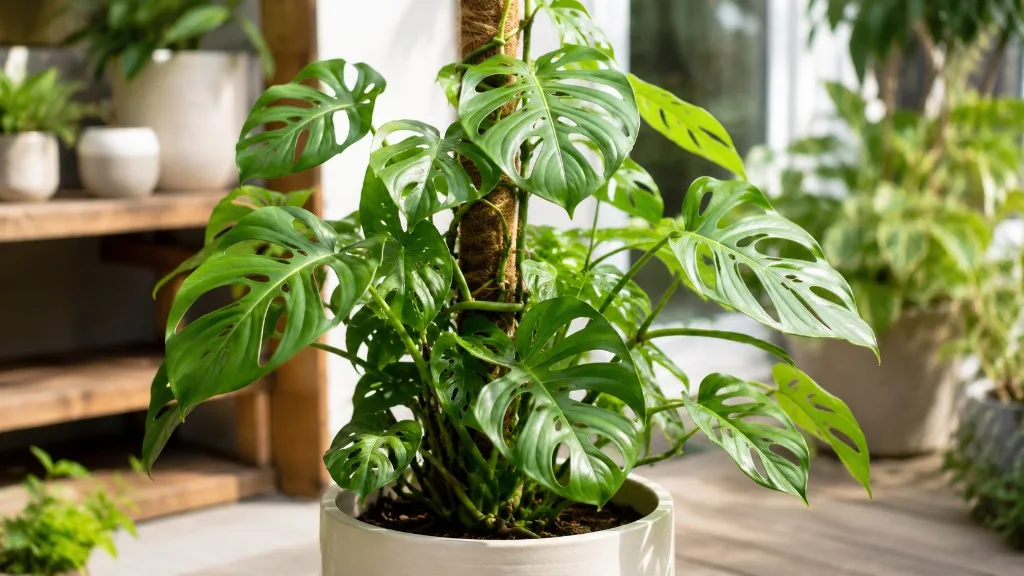
Scindapsus pictus: twenty-foot vines on a six-inch pot
The tour’s most surreal specimen may be Ciara’s Scindapsus pictus — a six-inch pot supporting vines she estimates at 20 feet long, taped along the wall above the television. Scindapsus pictus tolerates moderate to bright indirect light, prefers dry-down between waterings, and often produces smaller leaves when root-bound — which can be aesthetic if you want dense silver-patterned foliage on long runners.
The lesson is not that tiny pots are ideal. It is that controlled root restriction plus adequate light can force a collector look: many nodes, tight internodes, dramatic length. Eventually nutrient depletion catches up. Budget for top-dressing or repotting every year or two even if you keep the same outer pot size, and watch for sudden leaf yellowing — a sign the vine has outgrown its ration.
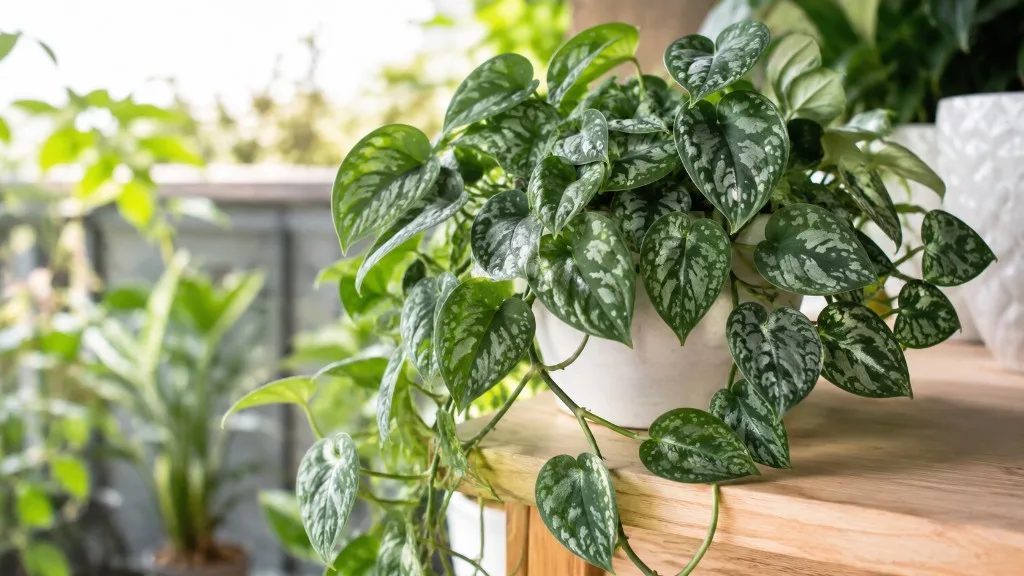
Wall-trained vines without damaging your apartment
Ciara tapes scindapsus vines to the wall above the TV — a styling move thousands of collectors copy from tour videos. Done carefully, wall training turns trailing plants into living molding. Done carelessly, it pulls paint and snaps brittle stems.
Use removable plant clips or green nursery tape on clear command-style hooks rated for light tension — never staple vines directly into drywall. Train while stems are flexible and young; older scindapsus stems snap if forced horizontal after years of gravity hang. Anchor every three to six inches so weight distributes instead of sagging at one point. Leave slack at the base so new growth does not pull the pot sideways.
Check adhesive monthly in summer when humidity softens tape glue. Rotate which wall segment carries the heaviest load so one vine does not dominate. For renters, a freestanding bamboo trellis or tension rod between window jambs achieves vertical drama without paint risk — less photogenic than Ciara’s TV wall, but reversible.
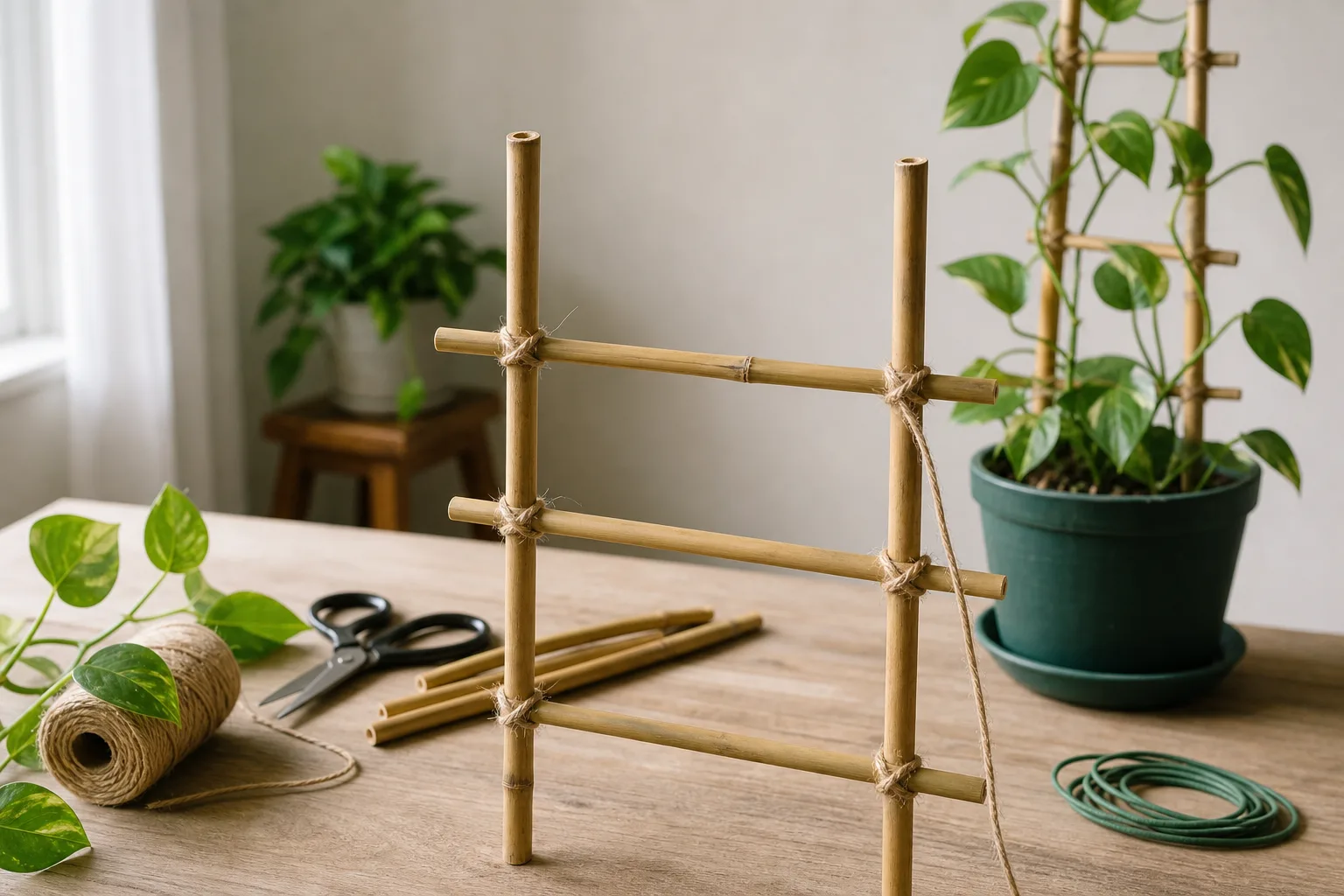
Saving a mealybug-infested monstera through propagation
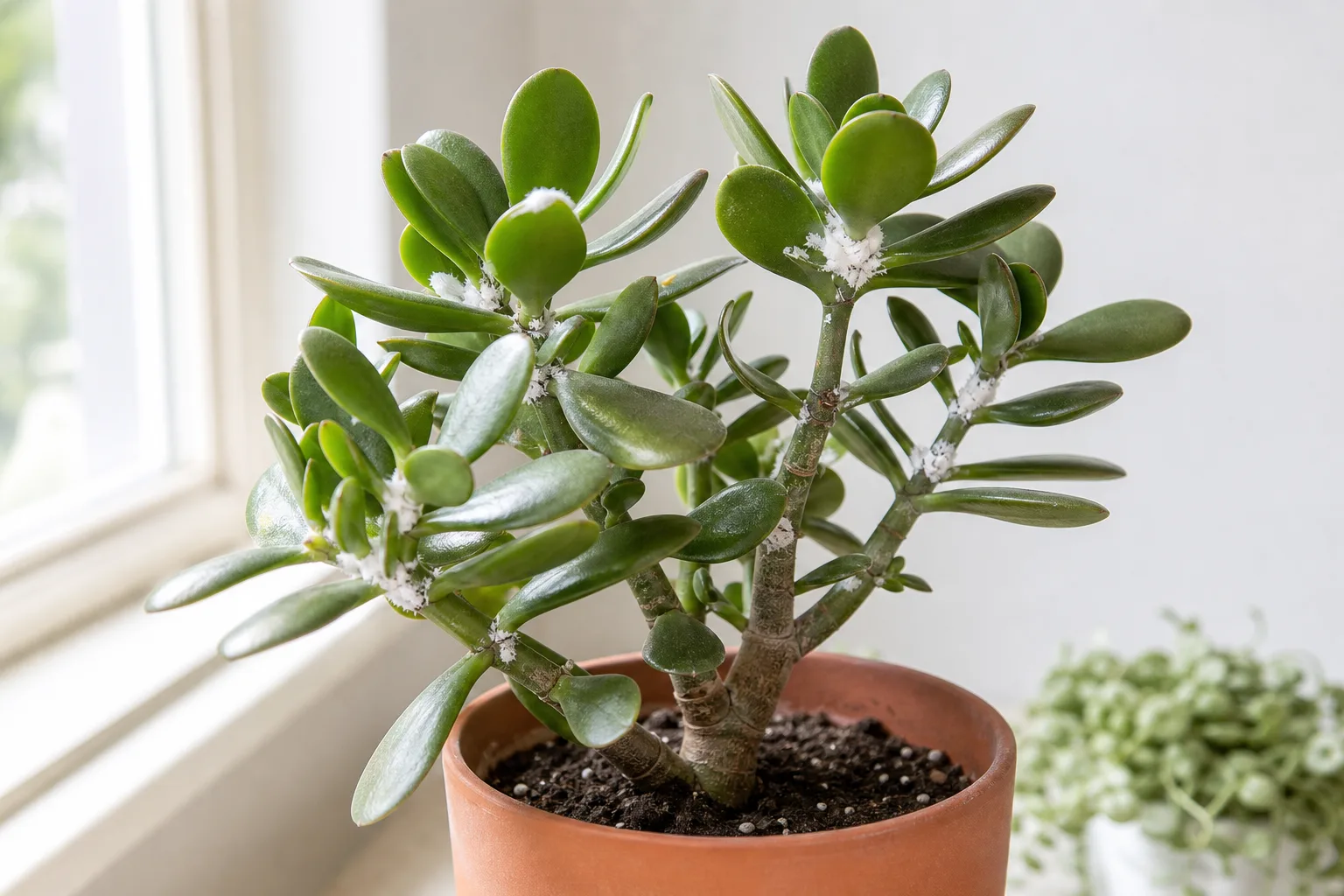
Ciara’s bedroom story — mealybugs on a four-year monstera, followed by chop-and-propagate — is the episode’s most transferable crisis playbook. Mealybugs are soft, wax-coated sap feeders that cluster in hidden joints and excrete sticky honeydew (UC IPM). Indoors they persist because mild temperatures remove the natural enemies that control them outdoors.
When to chop instead of spot-treat
UC IPM recommends hand removal, pruning, and discarding severely infested material before escalating to alcohol dab or soap sprays — and notes houseplant mealybugs are very difficult to eradicate completely once established in dense foliage (UC IPM). Ciara’s decision to cut the monstera down and propagate clean segments fits that guidance when:
- Cottony clusters appear at multiple nodes and leaf axils
- Honeydew and sooty mold spread across lower leaves
- Repeat alcohol treatments fail after three weekly cycles
- The plant is emotionally valuable but not irreplaceable via nodes
Rescue sequence modeled on the tour:
- Isolate the plant in a bathroom or spare room away from the 70-plant cluster
- Photograph node positions before cutting so you know which segments are clean
- Cut stems with at least one node and one leaf; discard visibly infested sections in sealed bags
- Wash tools in soapy water between cuts; mealybugs hitchhike on blades
- Root in water or sphagnum in a clean container away from shared shelves
- Quarantine new roots two to three weeks after potting before reuniting with the collection
- Inspect neighbors weekly — mealybugs spread on hands, tools, and cats brushing past pots
For early infestations on smaller plants, a 70% isopropyl alcohol dab on cotton swabs can suffice — always patch-test one leaf first because alcohol burns sensitive foliage (UC IPM). On a four-year monstera with intertwined stems, Ciara’s reset is often faster and cleaner than months of spot treatment that still reinfects from hidden egg sacs.
Keeping 70+ plants alive in a small NYC apartment
Seventy plants in two primary rooms is not magic — it is systems. Ciara concentrates specimens where light supports growth, accepts that some plants are projects, and styles vines to use vertical space apartments lack horizontally.
Water by zone, not calendar. Group pots with similar dry-down speeds on the same shelf or window line. Living-room bright plants may drink weekly in summer; bedroom calatheas may need smaller sips on a different rhythm. A moisture meter at the living-room door beats guessing across dozens of pots.
Weekly pest patrol on trailers. Mealybugs and spider mites love dense vining corners — exactly where Ciara’s scindapsus and pothos create cover. Wipe leaf undersides while training vines; the tour’s monstera crisis started somewhere invisible until it was everywhere.
Humidity strategy by room. Orbifolia and other prayer plants cannot share air with radiators without help. One humidifier dedicated to the bedroom often outperforms misting every leaf in a 70-pot count.
Propagation as insurance. Ciara propagates monstera nodes after disaster; proactive collectors root backup cuttings of sentimental plants before crisis. A jar of neon pothos on the sill costs little and saves much.
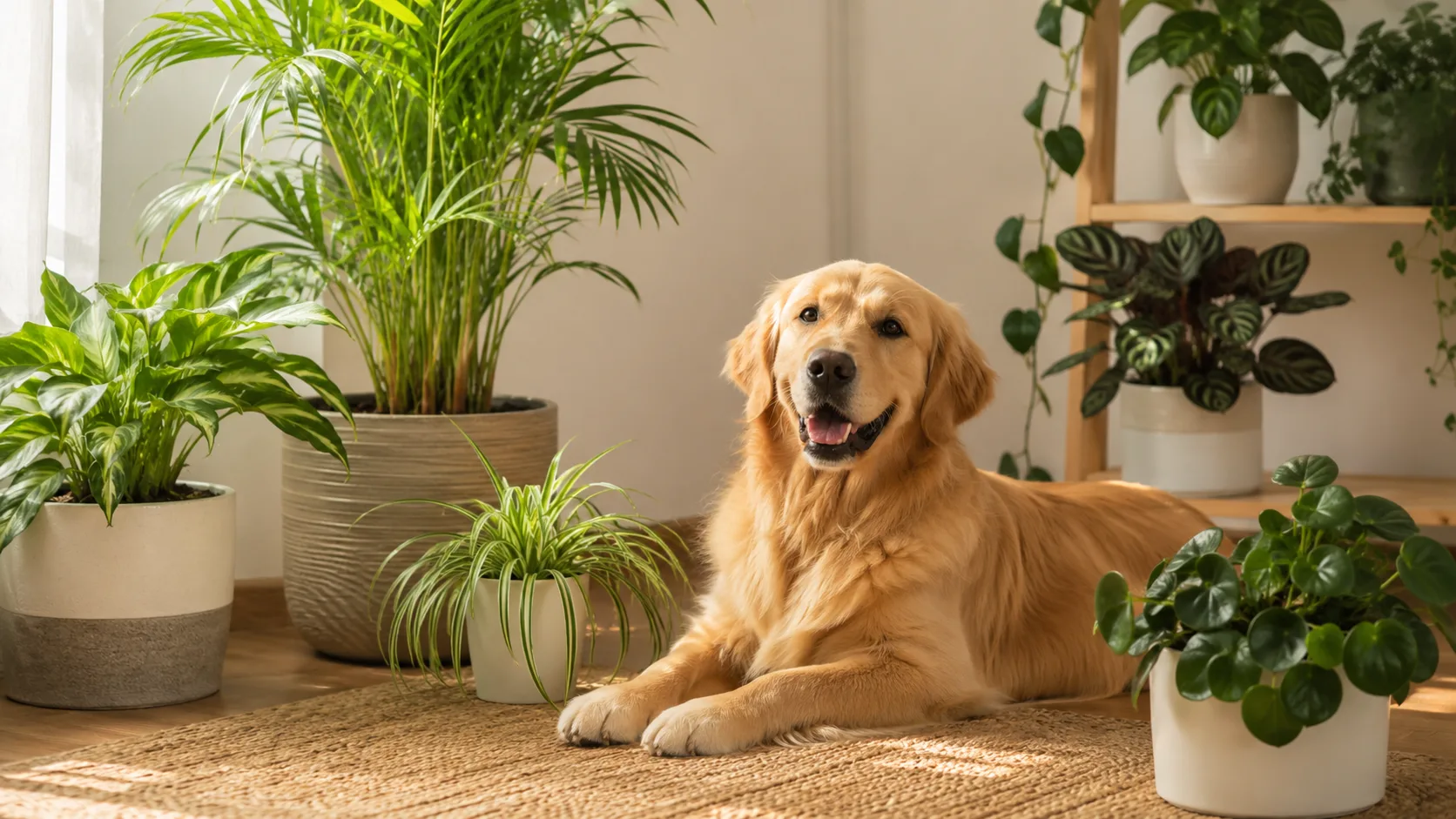
Pet and partner reality. Ciara lives with a dog and partner in a shared apartment. Stable pots, weighted cachepots, and non-toxic choices where pets sniff matter as much as Instagram angles. Goeppertia orbifolia is listed non-toxic to dogs and cats on NC State’s profile — useful when animals share the jungle floor.
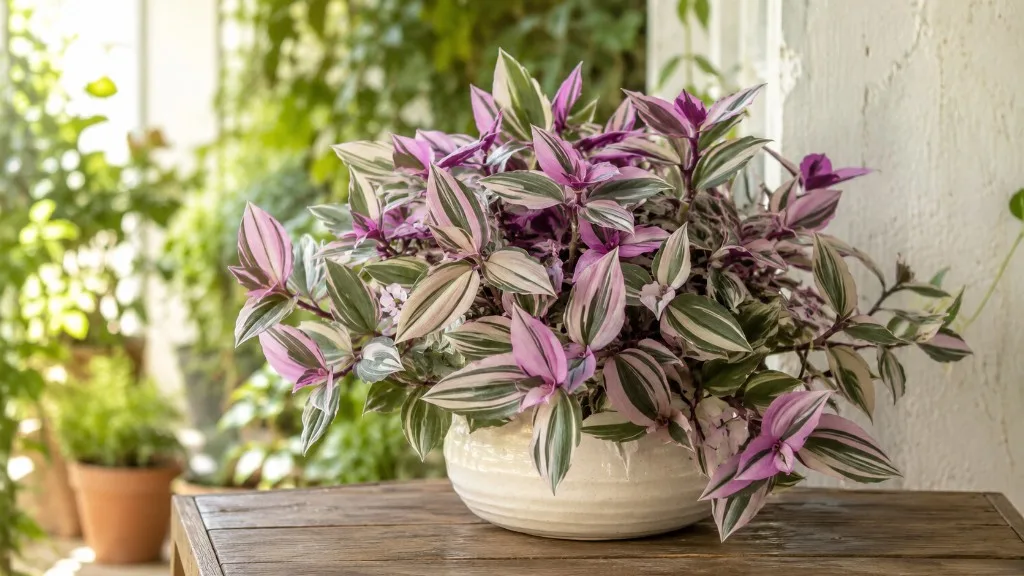
When Ciara answers the fun interview question — what plant would she be reborn as — she picks Tradescantia Nanouk: pink, green, and purple stripes, fast-growing, resilient. That choice tracks. Nanouk tolerates bright indirect light, forgiving water swings, and regular pinching to stay bushy. It is the anti-orbifolia: a plant that rewards neglect less painfully while still delivering color collectors crave.
Conclusion
Ciara Benko’s Episode 6 tour is worth studying because it shows a working Lower East Side collector home — grandmother-inspired, conversation-filled, and honest about failure. The neon pothos proves bright living rooms reward easy vines. The orbifolia proves patience plants demand water quality and humidity, not motivational speeches. The wall-trained scindapsus proves vertical styling can turn one tiny pot into architecture. And the chopped monstera proves propagation is sometimes the fastest pest strategy, not a last resort for beginners only.
Watch the tour for inspiration, then build your version with maps: which room gets the 70-plant density, which shelf holds rescue cuttings, and which weekly wipe route catches mealybugs before they reach year four. Talk to your fiddle-leaf fig if it gets you to look closer — the leaves were always listening to care, not words.