Ericka Hart Believes Plants Make People Better — Episode 5 Guide
Tour Ericka Hart's Brooklyn apartment jungle from In the Weeds Episode 5 — 50+ plants, self-care routines, standout species care, and why she says greenery makes people better.
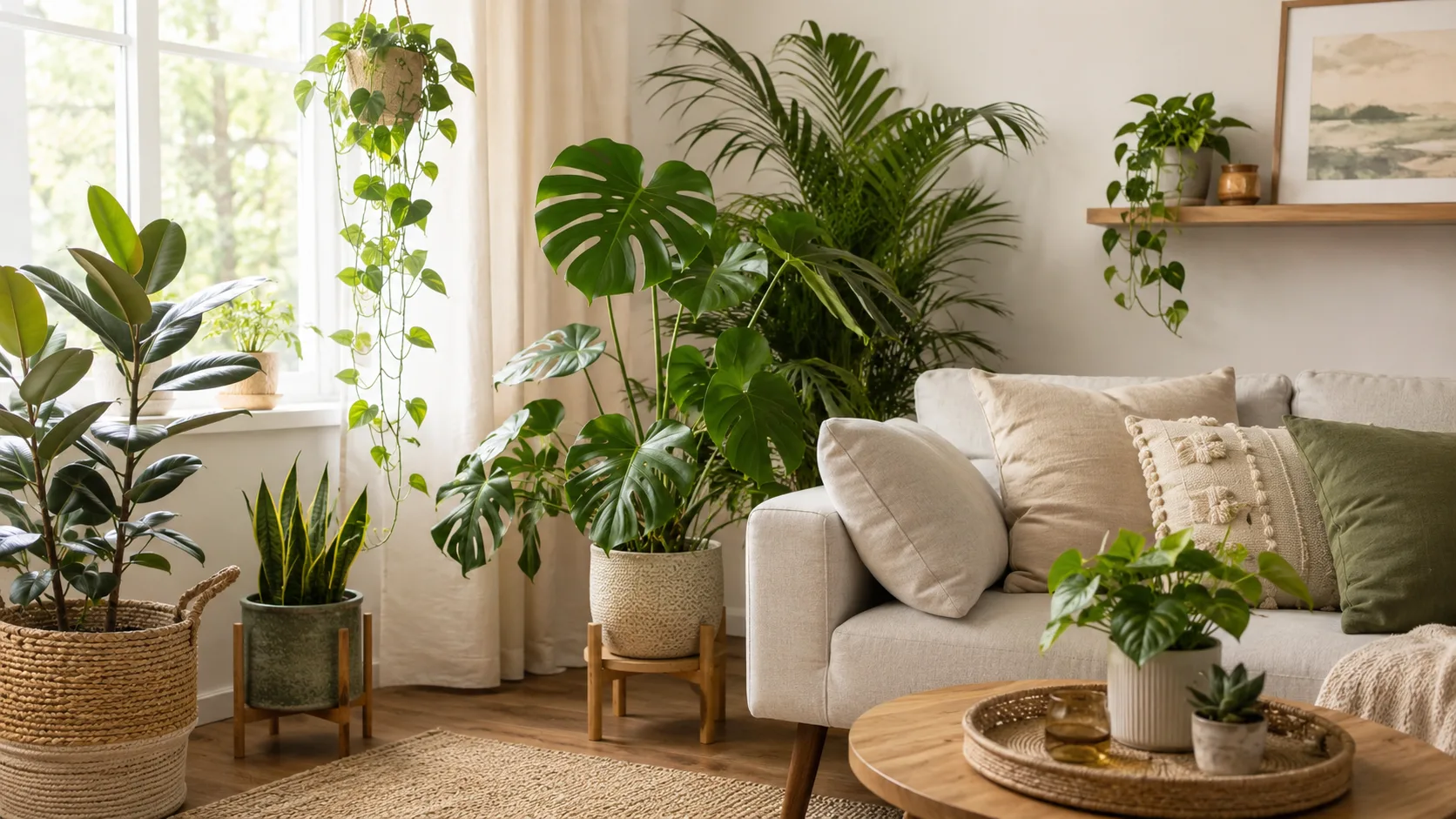
Walk into Ericka Hart’s Brooklyn apartment during Episode 5 of In the Weeds With Plant People and the first thing you hear is honesty. More than 50 houseplants share the space with Ericka and her partner. The light is strong enough to explain why the collection looks lush rather than leggy. And when Ericka jokes that waking up to an empty bedroom would mean someone robbed them, every plant parent nods — because dense greenery stops feeling optional once it becomes part of how a home breathes.
Ericka documents life as @ihartericka on Instagram, where sexuality education, advocacy, and authorship share the feed with everyday room scenes. The tour is not a catalog of perfect specimens. It is a working collection — IKEA starters beside sentimental gifts, a moody alocasia that “sometimes lives,” and a Monstera that doubles as a life philosophy. This page walks through that episode the way a serious collector would watch it: as a case study in comfort, care discipline, Brooklyn growing constraints, and the species-level maintenance each highlighted plant actually needs.
Meet Ericka Hart and her Brooklyn plant sanctuary
Ericka Hart, M.Ed., is a sexuality educator and author based in the New York area. Public-facing teaching schedules are rarely gentle — travel, emotional labor, and constant visibility add up. In the tour she names that hectic rhythm directly and points to her plants as the counterweight: a reprieve she can touch between obligations.
Sexuality educator, hectic schedule, and a green refuge
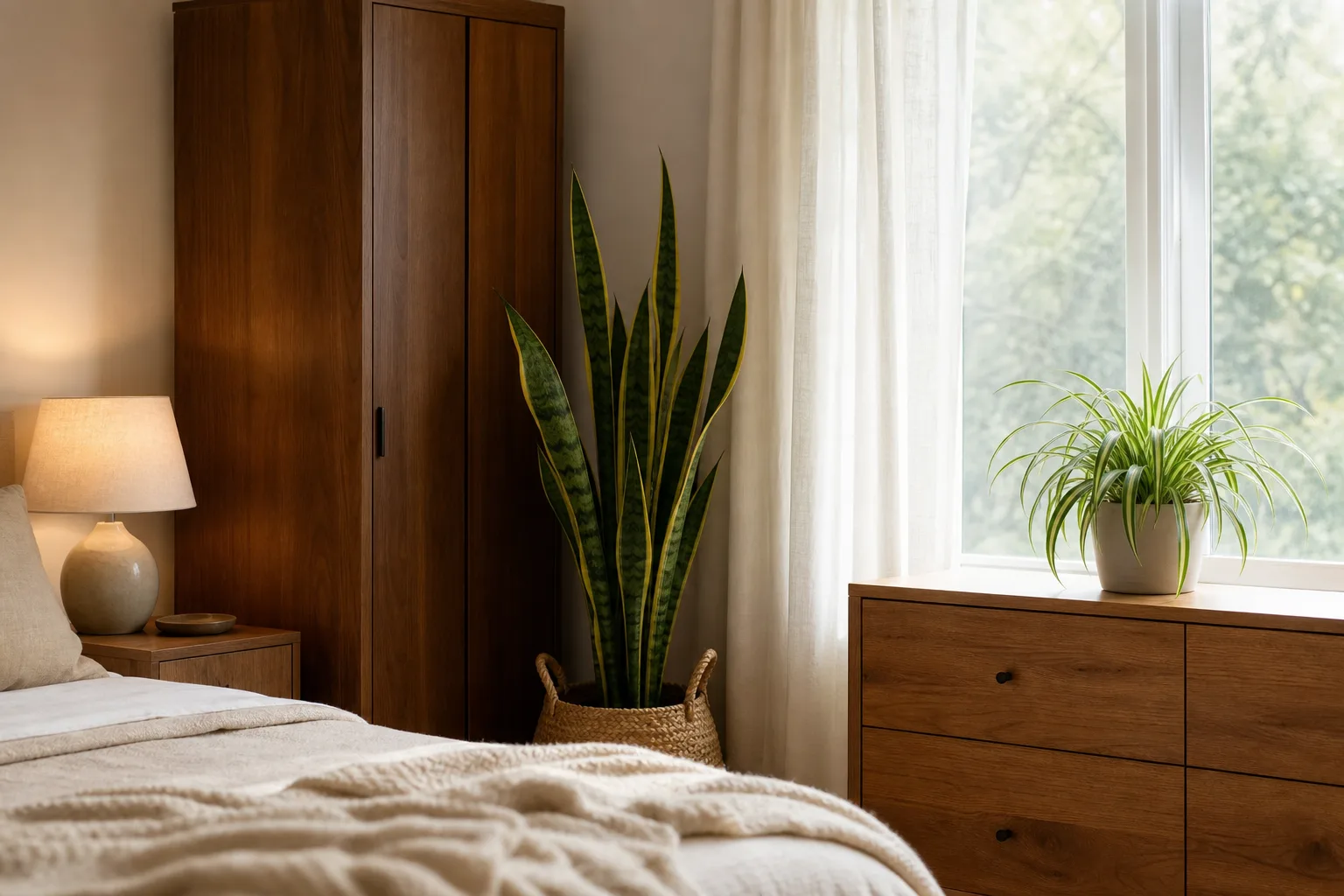
The useful detail is not that plants exist in her home — it is where they exist. The bedroom reads as a green oasis, dense enough to function as a decompression room after demanding days. That placement matters for collectors with high-stress work: recovery space should not require leaving the apartment or performing for an audience. A bedroom jungle only works, though, if you accept nighttime humidity, water saucers, and pest patrol as part of rest — not as surprises discovered when a calathea webs over.
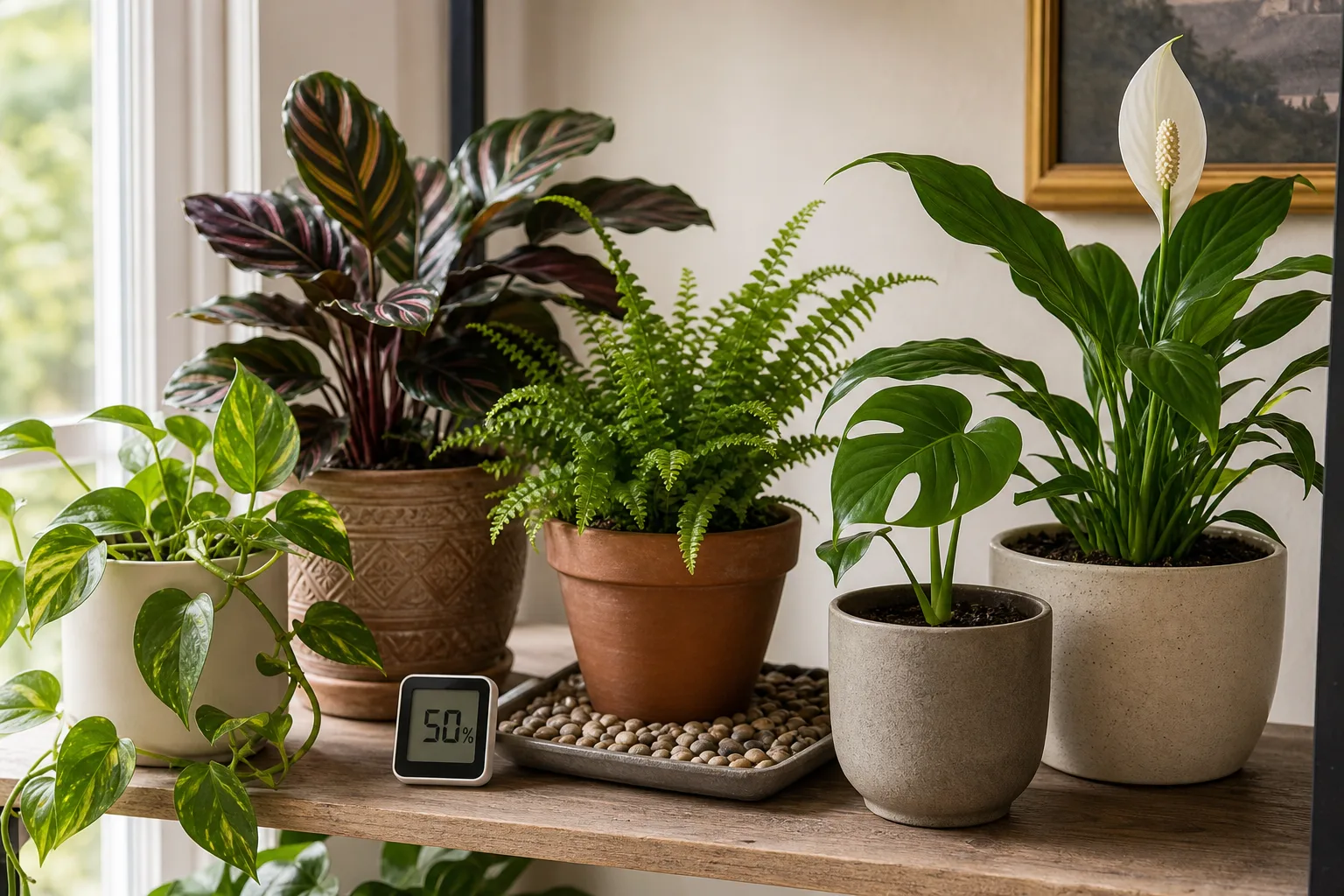
Brooklyn apartments also impose physical limits Ericka navigates visibly in the episode. Space is finite, radiator heat dries air, and window orientation decides who thrives on the sill versus who needs a humidifier backup. Ed’s Plant Shop — a Brooklyn nursery editorial team — notes that city dwellers face low light, dry air, and cozy square footage as default constraints, which makes species choice more important than pot aesthetics alone (Ed’s Plant Shop).
Copy the refuge idea without copying the count: one reliable corner you visit daily beats fifty pots scattered where you forget to look.
Why Ericka says plants make people better
Ericka’s headline claim — plants make people better — lands differently than a wellness slogan because she ties it to behavior, not vibes. Caring for living things rewards selflessness, she argues: checking someone else’s needs before your own impulse to ignore them. Her punchline stays grounded: “There’s probably some horrible people that have plants, but I don’t think their plants are alive.”
Selflessness, routine, and the “alive plants” test
Translate that joke into horticulture and it holds. Alive plants in apartments usually mean someone noticed dry soil, moved a pot off a hot radiator, or accepted that alocasia dormancy is not personal rejection. Neglected collections die quietly in corners; thriving ones reflect repeat attention even when life is loud.
That is different from saying plants morally improve everyone. Ericka is describing practice: the loop of observation, adjustment, and follow-through. Collectors who burn out often skip observation and default to calendar watering — then blame “bad luck” when roots rot. The episode’s subtext is gentler: show up consistently and the home responds with green.
If you want a single takeaway from her philosophy, make it daily contact. Not misting theatrics — look at leaves, feel soil, rotate toward light. Selflessness here means the plant’s schedule sometimes overrides your convenience.
What the science says about houseplants and wellbeing
Ericka’s comfort story sits inside a larger research conversation about nature exposure and indoor greenery. A PubMed-indexed scoping review on green spaces and mental health in urban settings summarizes evidence that contact with natural environments associates with stress reduction and improved mood among city residents, while noting study heterogeneity and the need for stronger causal designs (PubMed).
Indoor-specific research is newer but directionally similar. A 2022 study indexed on PubMed examining houseplant care behavior in adults found associations between active plant care and self-reported mental well-being and mindfulness, suggesting the routine of tending may matter as much as the leaf color on the shelf (PubMed).
Care routines as mindfulness — not magic
Important limits: houseplants are not therapy, not crisis care, and not a substitute for professional support when you need it. Ericka’s job involves heavy emotional content; plants offer grounding, not treatment. Research supports small, repeatable interactions with living systems — watering, wiping dust, repotting — as one component of a broader wellbeing toolkit, especially in urban apartments with limited outdoor access.
If plants help you, the mechanism is probably mundane: slower breathing, ** tactile focus**, evidence of care over time. Build around that honestly. Skip miracle claims. Match species to the attention you can actually give.
Room by room through Episode 5
Episode tours compress hours into minutes. Slowing the layout exposes decisions you can replicate.
Brooklyn light and the indoor jungle layout
Ericka calls the apartment light striking — the kind of bright, filtered exposure that lets monsteras fenestrate, rhipsalis bloom, and schefflera push new umbrellas without etiolating. Brooklyn rooms with tall windows and light-colored walls behave like soft reflectors; deep railroad layouts without that exposure need lower-light species instead of forcing the same roster.
Use the tour as a light map:
- Bright filtered zones — monsteras, schefflera, flowering rhipsalis
- Medium indirect — mass cane, many alocasia if humidity is stable
- Avoid dark hall pockets for showpiece plants you care about emotionally
Rotate quarterly as sun angle shifts. A summer scorch line moves; plants that were perfect in March may bleach by August.
Family roots: mom and great-grandmother
Ericka credits her mom and great-grandmother as early plant influences — the lineage many collectors recognize but rarely articulate on camera. Inherited green thumb stories matter because they normalize long timelines: someone in the family kept things alive across seasons, so plant care feels like culture, not consumer trend.
If you lack that inheritance, borrow the structure instead of the genetics: one surviving plant becomes the story you pass forward. Ericka’s mass cane — bought with her partner at IKEA roughly four years before the tour — functions that way commercially: cheap entry, forgiving habits, proof the household can sustain something upright and leafy before rarity enters.
Standout plants from the tour and how to keep them alive
The episode names specific specimens. Below is what each needs in a Brooklyn-style apartment — not generic houseplant copy.
Mass cane — the IKEA starter that lasted four years
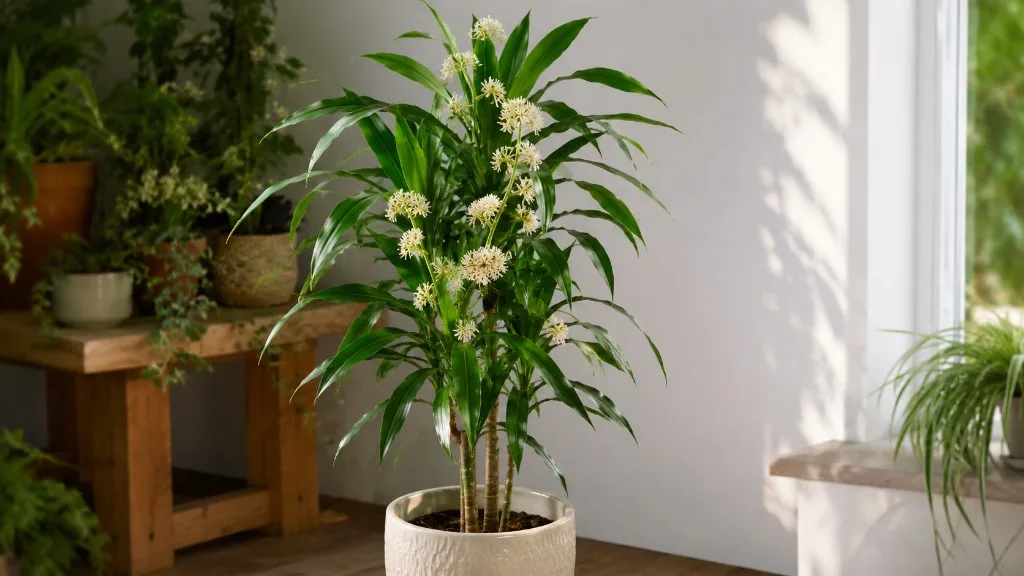
Mass cane is typically Dracaena fragrans ‘Massangeana’ — a cane dracaena with a yellow central stripe. It tolerates medium indirect light, moderate watering after the top inch dries, and the dry air common near radiators better than true tropicals. IKEA specimens often arrive root-bound; repot in spring into well-draining mix if water runs straight through.
Why it survives starter status: slow drama. It declines gradually when overwatered, giving you time to adjust. Treat it as the canary for your household — if mass cane rots, your default watering is too heavy for the whole collection.
Mistletoe cactus — summer flowers in a Brooklyn window
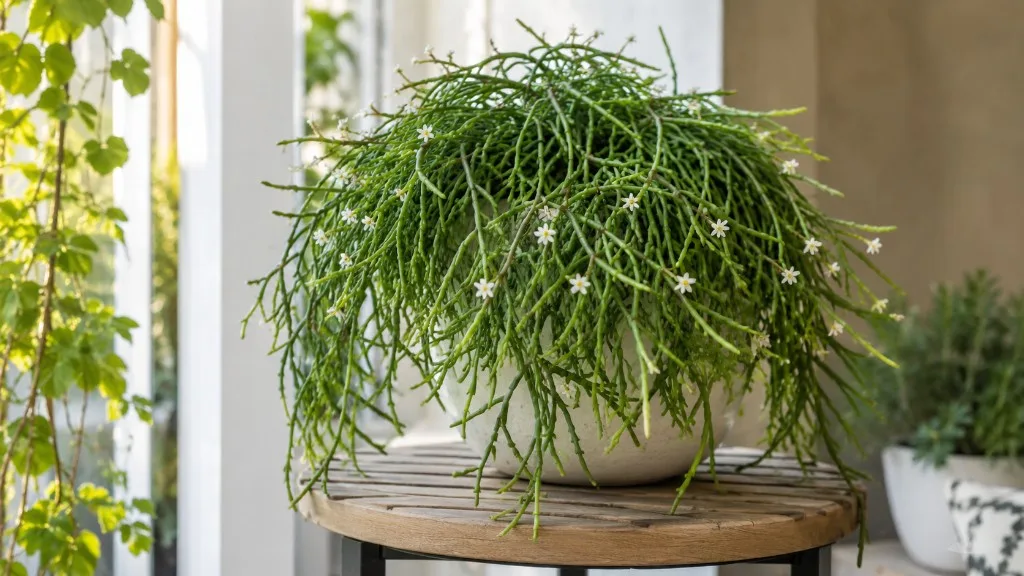
Ericka’s mistletoe cactus — a Rhipsalis species — is the tour’s quirky bloomer, putting out flowers in summer. Unlike desert cacti, Rhipsalis evolved in humid forests as epiphytes. Smart Garden Guide summarizes care well: bright filtered light, rich well-draining soil (not straight cactus grit), water when the surface dries during growth, moderate to high humidity, and 60–80°F stable temperatures (Smart Garden Guide).
Do not relocate once buds form — Rhipsalis drops flowers when moved. Hang near an east window or filtered south exposure. Group with other plants to lift humidity. Overwatering still kills it; blackening stems mean check drainage first.
Pencil cactus — when quirky growth is actually the point
Ericka’s pencil cactus — Euphorbia tirucalli — is not a cactus despite the name; it is a succulent euphorbia with pencil-thin stems. Nursery forms often grow upright; hers branches every which way, which usually means bright light from multiple angles and years of unpruned growth rather than a defect.
Safety note: euphorbia sap is irritating and toxic if it contacts skin or eyes. Wear gloves when pruning; keep away from pets and children who chew plants. Water deeply but rarely — let soil dry well between drinks. Give the brightest window you have without blistering midday sun on glass.
Alocasia African mask — surviving the moody elephant ear
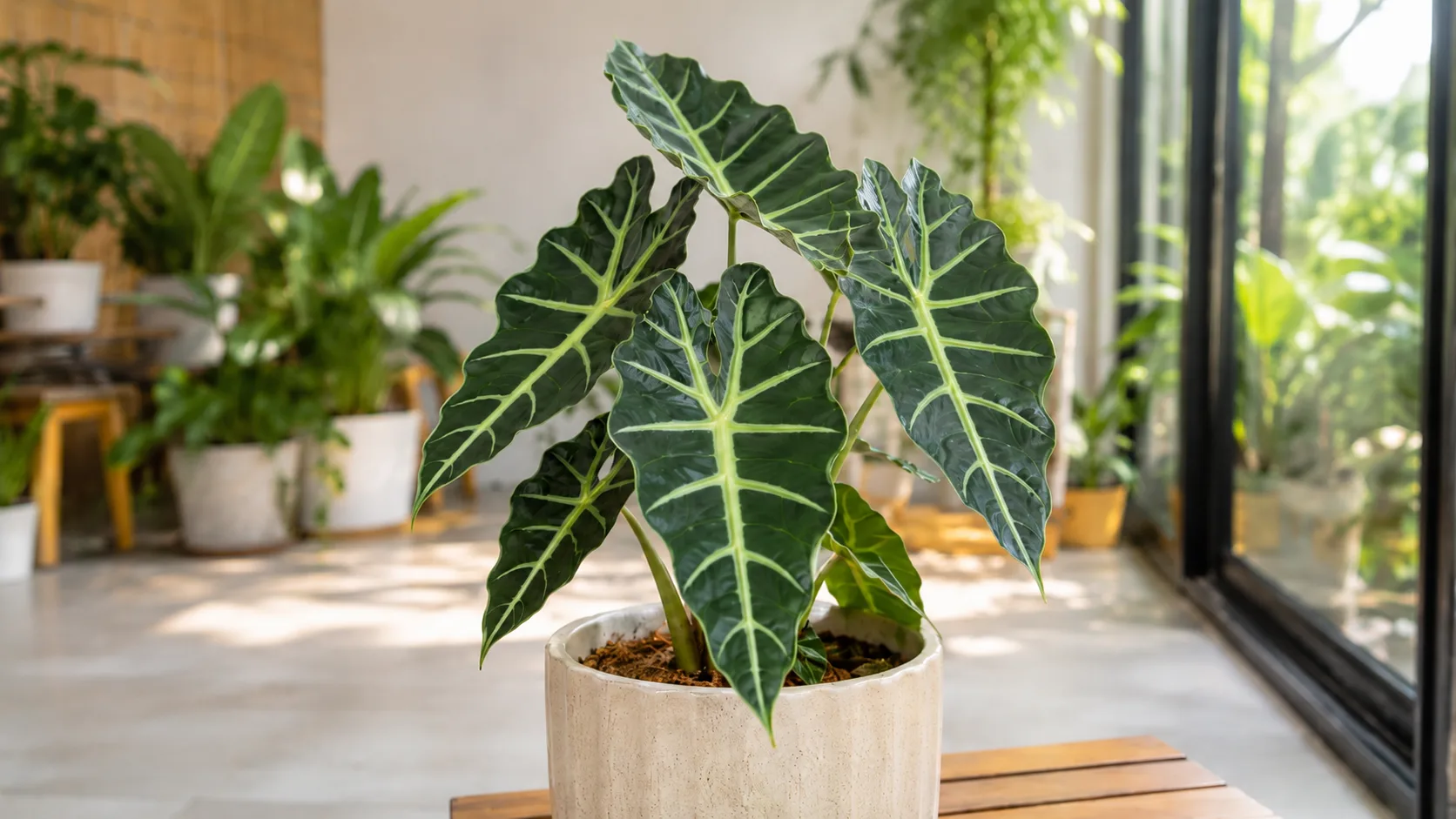
Ericka’s “sometimes it lives, sometimes it doesn’t” alocasia is the most honest line in the episode. African mask types — often Alocasia amazonica hybrids — want warm roots (68–77°F), high humidity, bright indirect light, and even moisture without soggy crowns. NC State Extension notes alocasia prefers shaded humid sites with rich, slightly acidic soil and reduced winter watering when growth slows (NC State Extension).
Expect dormancy: leaves yellow, tuber rests. Many collectors trash the plant when it was sleeping. Hold dry-ish, warm, and patient until spring. If you cannot supply humidity, do not buy another — Ericka’s moodiness is environmental truth, not failure.
Umbrella tree — the bedroom statement gift
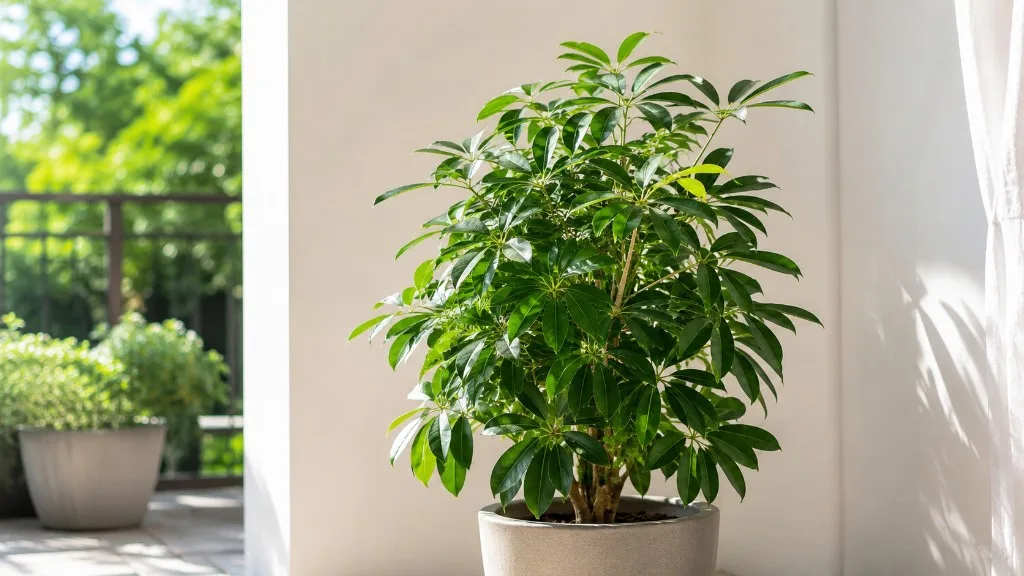
Ericka’s most expensive plant is an umbrella tree — Schefflera arboricola or similar — a gift from her partner on a bad day. Sentimental plants carry pressure; horticulturally, schefflera wants bright indirect light, moderate water, and stable temperatures. NC State lists schefflera as a common interior foliage subject that tolerates indoor conditions when not overwatered (NC State Extension).
Place bedroom specimens where morning light reaches leaves but saucers protect furniture. Rotate monthly so the canopy stays balanced. If gift plants struggle, repot out of decorative cache pots — hidden standing water kills roots silently.
Monstera deliciosa — take up space like the leaves do
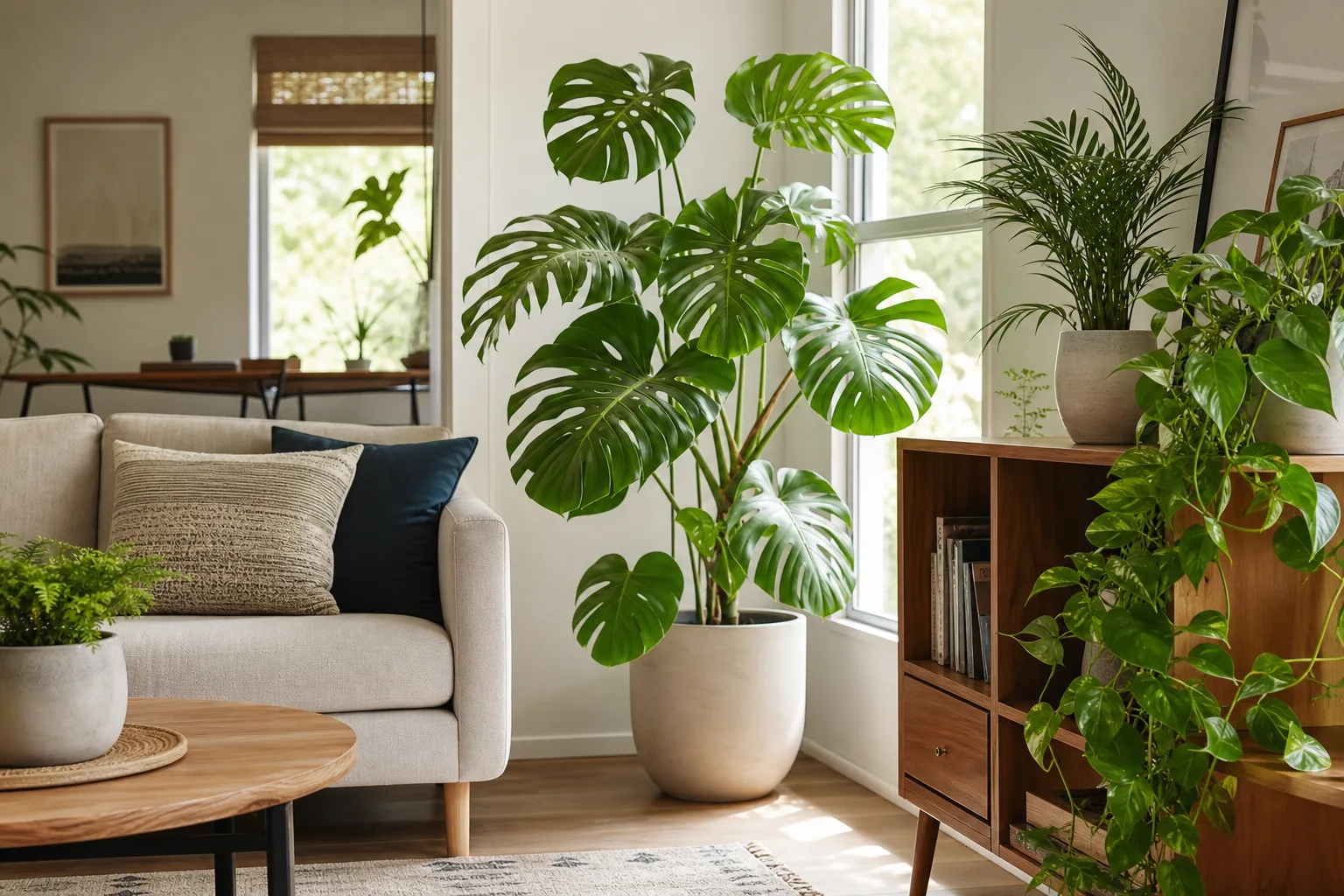
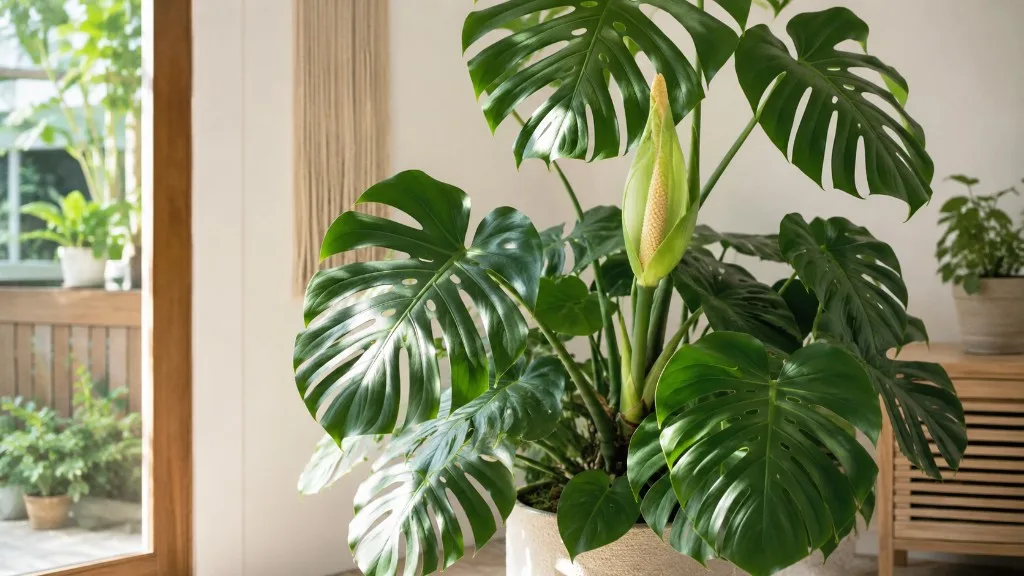
Asked which plant she looks like, Ericka chooses Monstera deliciosa: “It grows outward. It’s a reminder to take up space.” Horticulturally, monsteras do expand horizontally when given support, bright filtered light, and humidity. NC State recommends 60–85°F, high humidity, watering after the top quarter to third dries, and sturdy stakes before stems bend under leaf weight (NC State Extension).
The metaphor transfers cleanly: occupy room in advocacy and in apartment layout. A monstera crushed into a corner etiolates — same as people asked to shrink. Give it air, light, and structure (moss pole), and fenestrated leaves follow.
The real budget of a 50-plant apartment
Ericka stays transparent: most plant money goes to replacements for pots that did not make it, plus an occasional expensive planter treat. That is the honest math large collections hide on social media.
Replacement costs scale with failure rate × price point. One dead $12 pothos hurts differently than a dead $120 schefflera. Mood species — alocasia, finicky calatheas — inflate replacement lines if you repeat-buy without fixing humidity.
Pot treats are valid if they do not trap water. A beautiful cache pot without drainage shifts cost from aesthetics to root rot tax. Budget seasonal soil and pest supplies too; fifty leaves collect dust and spider mites faster than five.
Rule of thumb from the tour: fund the plants that stay alive before funding novelty. Ericka’s four-year mass cane cost less per month than most streaming subscriptions. Her umbrella tree cost more once — and earns its square footage by surviving.
Building your own collection without burnout
Ericka’s apartment looks effortless on camera; sustaining 50+ plants requires systems.
Start where she started — one forgiving upright (mass cane, snake plant, zz plant) and learn your dry-down speed before Instagram rarity.
Group by water needs, not by photo symmetry. Tropicals on one maintenance day; succulents on another.
Quarantine new pots two weeks — Brooklyn shops and swaps move pests quickly.
Accept mood plants as optional until humidity infrastructure exists.
Take cuttings of sentimental gifts — Ericka’s partner-given schefflera deserves a backup propagation if you mirror that story.
Sleep spaces need limits — bedroom jungles help Ericka; they overwhelm others. Match density to your rest, not the tour’s aesthetics.
For broader layout inspiration in shared rooms, see living room plants when you are ready to expand beyond the first corner.
Conclusion
Ericka Hart Believes Plants Make People Better because the episode shows care in practice — not abstract wellness. Fifty-plus plants in a Brooklyn apartment function as comfort, family lineage, humor, and a daily requirement to pay attention. The standout species each teach a different lesson: mass cane rewards patience, Rhipsalis rewards humidity-aware watering, pencil cactus rewards light and safe handling, alocasia demands honesty about your environment, schefflera carries emotional weight best when roots stay healthy, and Monstera deliciosa reminds you to take up space with structural support.
Watch the tour for Ericka’s voice; use this page for what to do Monday — where to place a mistletoe cactus, when to let alocasia sleep, and how to build a collection that stays alive because you stayed present.