When to Plant Geraniums Outdoors: Spring Timing Guide
When to plant geraniums depends on your last frost, forecast, and hardening-off progress. Use this spring checklist for beds, pots, seedlings, and cold snaps.
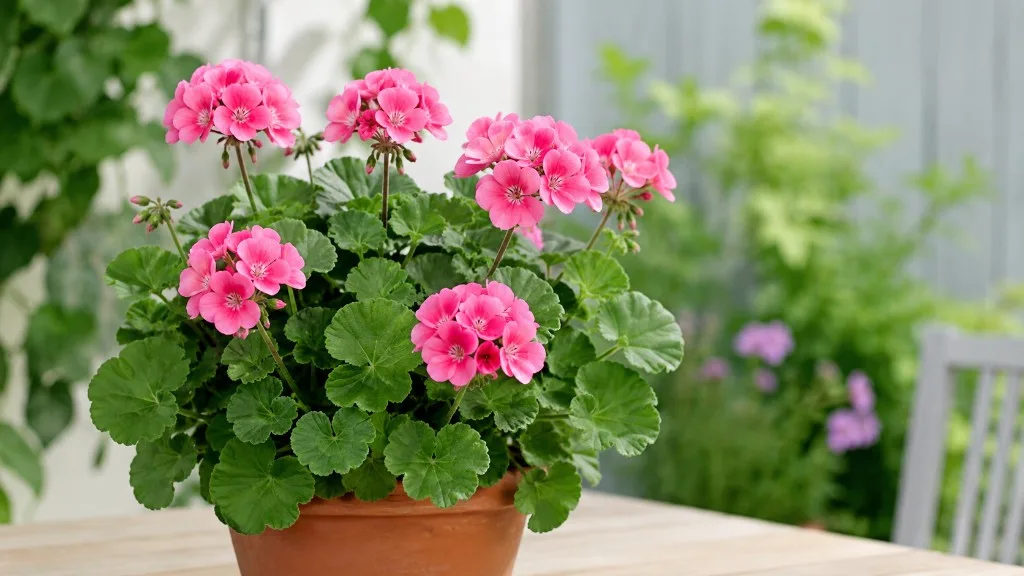
The first warm afternoon of spring can make a flat of geraniums look ready for the garden. The safer signal is a combination: the local frost window has passed, the coming forecast looks settled, and greenhouse-grown plants have had time to adjust to outdoor light and wind.
This guide is about the familiar bedding “geraniums” sold for summer borders, window boxes, and pots. Botanically, most are Pelargoniums, tender plants that can be badly damaged by frost. Their best planting date therefore moves with your location and microclimate; a month printed on a calendar cannot replace checking the weather where the plants will actually grow.
The quick answer: plant after frost risk, not on a calendar date
For bedding Pelargoniums, wait until the danger of frost has passed in your garden, then set out plants that have been gradually hardened off. NC State Extension advises planting zonal Pelargoniums outside after the last frost, while the Royal Horticultural Society likewise advises waiting until frosts have passed for outdoor bedding and pots. Those rules matter more than whether the first spring weekend feels warm.
If you want a one-line decision: plant when your local frost estimate is behind you, the short-range forecast does not show another freezing night, the bed is workable rather than cold and waterlogged, and the plant has been acclimated. If one of those conditions is missing, keep the plant protected a little longer. A few extra days in a bright, sheltered spot cost less than replacing a frost-blackened transplant.
Pots give you a useful option because you can bring them under cover during a cold night. That flexibility can let you enjoy the plant outdoors on mild days, but it does not make Pelargoniums frost-hardy or make an early permanent planting safe.
Start by confirming which “geranium” you are buying
Bedding geraniums are Pelargoniums
The round-leaved plants with bold flower clusters sold as annual geraniums are usually zonal Pelargoniums, often listed as Pelargonium × hortorum or Pelargonium × hybridum. Ivy-leaved, regal, and scented-leaf types are also Pelargoniums, though their growth habits and best placements differ. The NC State Extension plant profile describes zonal Pelargonium as a tender perennial commonly grown as an annual and recommends full sun, well-drained soil, and outdoor planting after frost.
For ordinary spring bedding, assume the garden-center geranium is frost-sensitive unless its label clearly identifies a different plant. The BBC Gardeners’ World Magazine grow guide also distinguishes Pelargonium, the popular summer bedding plant, from true hardy geraniums. If you are planning broader care rather than planting dates, the LeafyPixels geranium profile covers the plant’s ongoing needs.
Hardy Geraniums follow a different planting calendar
True Geranium species, commonly called cranesbills or hardy geraniums, are a separate group of perennials. Many are planted in spring or fall according to local conditions and the species; they are not the tender bedding plant this guide means when it says “geranium.”
Check the botanical name on the tag before following a frost-sensitive planting rule. A plant labeled Geranium macrorrhizum or Geranium sanguineum is not the same as a zonal Pelargonium, and advice for one group should not be transferred automatically to the other. That small label check prevents a lot of calendar confusion.
Use your local last frost date as a starting point
Find an average last-spring-frost estimate from your local cooperative extension or a weather service that uses records for your area. Treat it as a planning marker, not a promise: the date is an average, and a late cold snap can still follow a stretch of gentle weather. A broad growing-zone label is useful for understanding winter survival, but it does not tell you the exact night your own garden becomes frost-safe.
The RHS Pelargonium growing guide gives a late-May to June planting window for much of the United Kingdom and stresses waiting until frost has passed. That calendar is not transferable to North American regions, where latitude, elevation, coastlines, and inland valleys shift spring timing. The useful principle is the frost rule, not the UK month.
Read the near-term forecast and your garden’s microclimate
As your estimated frost date approaches, check the forecast for the nights immediately ahead rather than committing to a planting weekend weeks in advance. Pay attention to the coldest overnight low and any frost or freeze advisory; a sunny daytime high does not tell you how cold the plant may get overnight. Forecast confidence also improves closer to the date, so make the final call with the latest local outlook.
Your yard can be colder or warmer than the nearest official station. Low spots, open lawns, and places exposed to clear night skies tend to collect cold air, while a sheltered patio or south-facing wall may stay milder. If you have lost tender annuals in one corner before, use that experience as local evidence and wait longer there than you would on a protected porch.
Decide whether the soil and weather are ready
There is no single soil-temperature figure to treat as a universal planting switch for Pelargoniums. The cited gardening guidance makes frost risk and acclimation the outdoor boundary; a thermometer can help you notice a bed that is still cold, but a warm midday reading cannot protect leaves from a later frost. Use temperature as context, not permission to ignore the forecast.
The bed should be workable and draining. If soil squeezes into a sticky clump, holds standing water, or is chilled by a run of cold rain, wait until it dries and warms a little. Geraniums prefer free-draining conditions, and putting a small root system into cold, saturated ground adds stress just as it is trying to resume growth.
Use a simple plant-or-hold check:
- Plant: the local frost estimate has passed, no frost is expected in the near forecast, the transplant is hardened off, and the soil drains.
- Hold: a frost is still plausible, the plant has been living in a heated greenhouse, or the bed is wet and cold.
- Use a movable pot: if daytime weather is mild but nights remain uncertain, keep the plant in a container you can shelter instead of committing it to the ground.
Seeds, cuttings, and nursery plants have different clocks
A flowering nursery transplant can go outdoors once conditions are safe and it has adjusted to outdoor exposure. A rooted cutting or overwintered plant follows the same frost rule, even if it already looks established. Its history changes how much acclimation it needs, not whether a tender Pelargonium can tolerate freezing weather.
Seed-grown plants start much earlier indoors because they need time to germinate and build into flowering plants. Gardener’s Supply’s geranium seed guide estimates about 12 to 16 weeks from sowing to flowering, with germination itself ranging from a few days to several weeks. That is a seed-to-bloom estimate, not a reason to plant seedlings outside before the weather is ready.
Give seed-grown plants a longer indoor runway
If you are starting from seed, work backward from the display you want and check the seed packet for the cultivar’s expected bloom time. Provide warmth and strong light indoors, pot seedlings up as roots fill their small cells, and keep them growing under protection until the outdoor frost risk has passed. A seedling that is compact and healthy is a better transplant than one that has been pushed outside early to meet an arbitrary date.
Once outdoor conditions are suitable, harden seedlings off just as you would greenhouse-bought plants. For a fuller seed-starting calendar—including indoor timing and light—see how to grow geraniums from seed. The outdoor planting date still belongs to your garden’s spring weather, not the sowing date on the seed calendar.
Harden off young geraniums before planting
Plants raised under glass or on a bright indoor bench have not experienced direct sun, wind, or the rapid temperature changes of a garden. Move them outside gradually before planting so their leaves and stems can adjust. Hardening off reduces the shock of that transition; it does not turn a frost-sensitive Pelargonium into a hardy plant.
Guidance differs slightly on duration because a cool nursery greenhouse, a warm windowsill, and a windy patio are not equal starting points. Gardener’s Supply describes a week to 10 days for seedlings, while the RHS hardening-off guide recommends about two to three weeks for plants raised indoors or in a greenhouse. Use roughly two weeks as a practical baseline and allow more time for soft indoor growth or exposed sites.
Start with a few hours outside in a sheltered, bright-shade location, then increase outdoor time and gentle morning sun over successive days. Bring the plants back under cover at night whenever temperatures are unsafe, and avoid leaving them in strong wind or blazing afternoon sun during the first outings. If leaves bleach, droop sharply, or develop dry edges, return to a gentler exposure and extend the acclimation period.
Choose a sunny site with fast-draining soil
For zonal bedding Pelargoniums, choose a place with abundant direct light and soil that drains after rain. NC State Extension lists full sun and well-drained soil for this plant; the RHS also notes that most Pelargoniums flower best in full sun, while some groups such as regal cultivars prefer partial shade. Follow the label for the variety you bought, especially if it is not a standard zonal bedding type.
Avoid a low, persistently wet corner and avoid burying geraniums in rich, water-holding soil just to make the bed look freshly amended. If the site is heavy clay, improve the bed’s drainage across a wider area or choose a raised planter rather than adding a small pocket of loose mix to a waterlogged hole. That isolated pocket can hold water like a basin after heavy rain.
Containers need a free-draining potting mix and open drainage holes. Garden soil is generally too dense for a pot, while a container with no outlet can stay saturated even if the mix itself is appropriate. The RHS Pelargonium guide describes growing these plants in borders and containers and distinguishes the lighter mixes used in baskets from soil-based mixes used in larger pots.
How to plant geraniums in an outdoor bed
Prepare the bed and space by mature width
Water the nursery pot before planting if the root ball is dry, then set plants out on the soil surface while they are still in their containers. This lets you check spacing and flower-color balance before you dig. Use the cultivar label for its mature width; if the tag gives a broad range, err toward the roomier end in a humid or rainy site where crowding can slow drying.
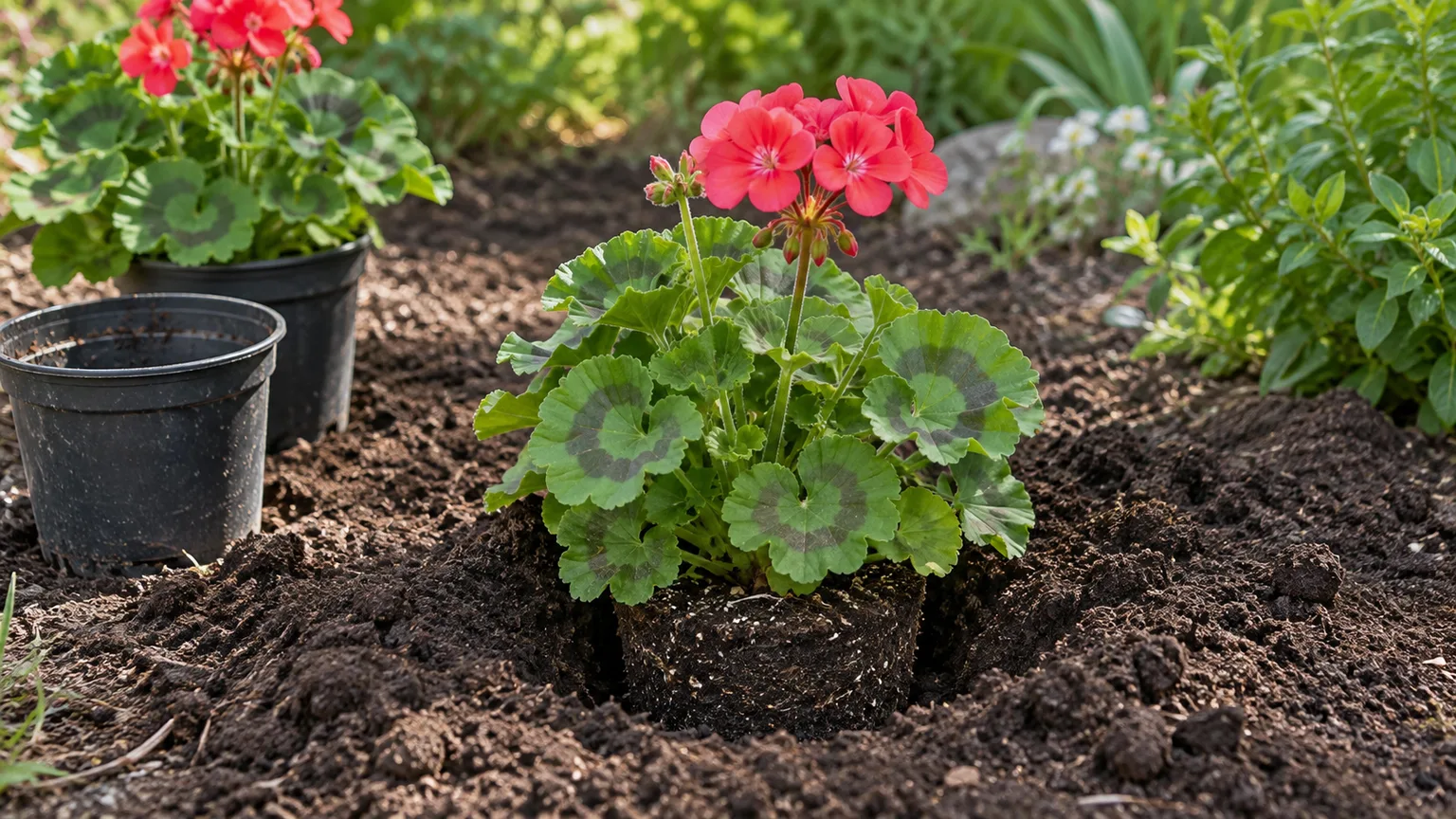
Dig each hole about as deep as the root ball and wider than the nursery pot. The goal is to loosen the surrounding ground so new roots can move outward, not to create a deep cavity that holds water. Avoid putting fresh fertilizer directly against the roots; if you use a product, follow its label and account for any feed already present in the potting mix.
Set the root ball level and water it in
Slide the plant from its pot and inspect the roots. If they circle densely around the outside, tease the outer roots loose gently; do not tear apart a small or fragile root ball. Set the plant so the top of the root ball is level with the surrounding soil, backfill, and firm lightly with your fingertips so the plant stands upright without compacting the bed.
Water slowly at the base until the root ball and surrounding soil are moist. The aim is good contact between roots and soil, not a puddle that stays around the crown. Add a thin layer of mulch if the bed needs moisture moderation, keeping it off the stems and crown; in a wet climate, skip extra mulch around these plants if it would keep the surface damp.
Planting geraniums in pots, boxes, and baskets
Containers suit geraniums because they make it easier to control drainage, arrange sun exposure, and move plants to shelter during a cold night. Choose a pot with drainage holes and a size that leaves room for the root ball and the cultivar’s mature spread. A pot that is dramatically oversized can hold more wet mix than young roots can use, so increase container size gradually rather than planting a small plug into a large tub.
Fill the container with fresh potting mix, position the root ball at the same depth it grew in its nursery pot, and leave enough space at the rim for watering. For a window box or mixed planter, space plants according to their labels and keep the more upright zonal types separate from trailing ivy-leaved Pelargoniums in your layout. Trailing varieties are suited to baskets and raised containers where their stems can spill over the edge.
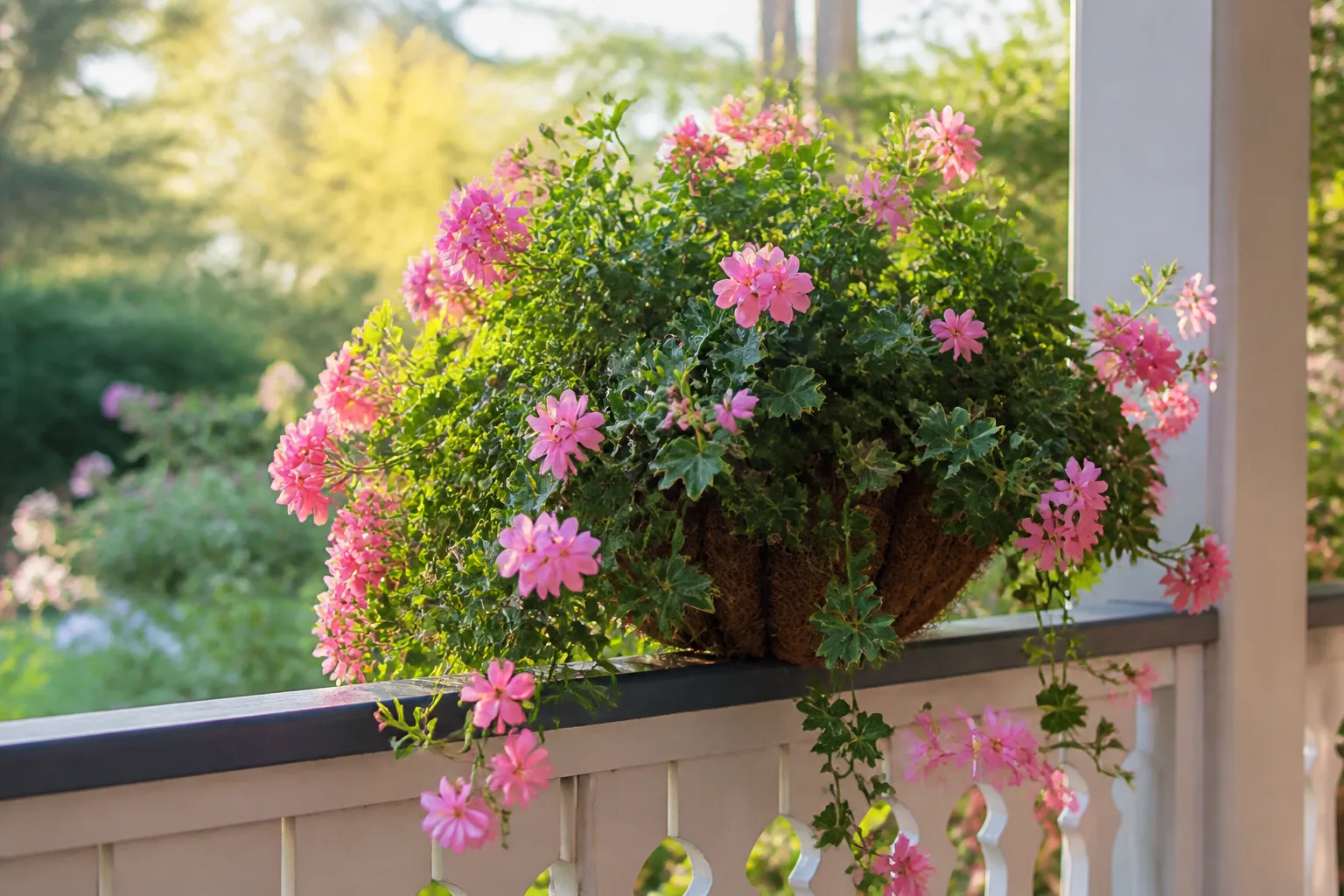
If nights remain chilly, a pot can be taken into a bright, frost-free place and returned outdoors after the cold passes. Do not leave it beside a warm indoor radiator for days and then put it straight into full sun; that abrupt shift can stress it. Start the hardening process on mild days, and treat the final move outdoors as permanent only once frost risk is behind you.
Care for new transplants through their first two weeks
Check newly planted geraniums regularly, but do not water by the calendar. Feel the soil near the root ball; water when it is beginning to dry, then let excess drain away. Newly set roots should not be left bone-dry, yet daily watering in cool or rainy weather can keep the root zone oxygen-poor and delay establishment.
For the first few days, protect plants from strong wind and the hottest part of the afternoon if they show transplant stress. Mild midday droop that clears by evening is different from a plant that remains limp in the morning; for the latter, check whether the root ball is dry, the soil is waterlogged, or a cold night has damaged the foliage before adding more water. Change one condition at a time so you can tell what helped.
Hold off on extra feeding until the plant is settling and producing new growth, especially if the potting mix or bed already received fertilizer. More fertilizer cannot compensate for cold roots, poor drainage, or inadequate light. Once plants are established, follow the product label and the cultivar’s needs rather than applying a concentrated dose to force blooms.
What to do if a late frost threatens
If a cold night is forecast before planting, leave nursery plants in a bright protected place and postpone transplanting. If geraniums are already in containers outside, move them under cover before evening; a garage, porch, or sheltered indoor area can prevent direct frost exposure. Bring them back out gradually the next day rather than leaving them in a dark place for an extended stretch.
For bedded plants facing a brief cold snap, cover them before temperatures fall with horticultural fleece or another breathable cover supported so it does not crush the foliage. A cover can buffer a light chill, but it is not a reliable substitute for choosing a frost-safe date during a hard freeze. Remove the cover when conditions warm, and do not let a damp cover remain pressed against foliage through a mild day.
If leaves turn limp or dark after cold exposure, wait until the damage is clear before cutting the plant back. Remove tissue that has become soft or blackened with clean snips, then keep the soil moderately moist and the plant sheltered while new growth appears. If the crown and stems are mushy or the roots are damaged, replacement may be more practical than repeated feeding or watering.
Common timing mistakes that delay blooms
Planting on the first warm weekend is the most tempting mistake. Spring days can feel like summer while clear nights remain cold, so use the night forecast and local frost record rather than the daytime high.
Treating a hardiness zone as a frost calendar creates false confidence. A zone describes broad winter conditions; it does not guarantee that a late frost will not reach your bed or patio.
Skipping hardening off can leave greenhouse-grown leaves scorched, wind-battered, or wilted even when there is no frost. If you bought plants that have already been sitting outdoors at the garden center, ask how they were grown and acclimated; do not assume every nursery plant has had the same exposure.
Crowding plants to get an instant full display can reduce airflow and make it harder to manage moisture. Give each cultivar the space on its tag, then let it fill in as it grows. In a container, it is better to start with a balanced arrangement than to pack extra root balls into a pot that cannot drain quickly.
Using one soil-temperature number as the all-clear overlooks what actually injures tender geraniums: a frost or a damaging cold spell after planting. A warmer bed is helpful, but it cannot override the forecast. When the signals disagree, keep the plants mobile or wait.
Conclusion
The safest time to plant bedding geraniums is after your local frost risk has passed and the plants have been hardened off, not on a fixed spring date. Check the forecast where they will grow, account for cold pockets in the yard, and choose a sunny, well-drained place; if spring remains unpredictable, containers let you shelter plants while the weather settles.
Give seedlings their longer indoor start, give nursery transplants time to adjust, and plant each root ball at soil level with room to reach its mature size. Those few decisions make spring planting calmer and give Pelargoniums a better start on the warm-season display they are grown for.