7 Low-Maintenance Flowers to Plant in April
Plant petunias, pansies, creeping phlox, sweet peas, and three more in April for fast spring color. Soil-temp rules, sun splits, and zone notes for each flower.
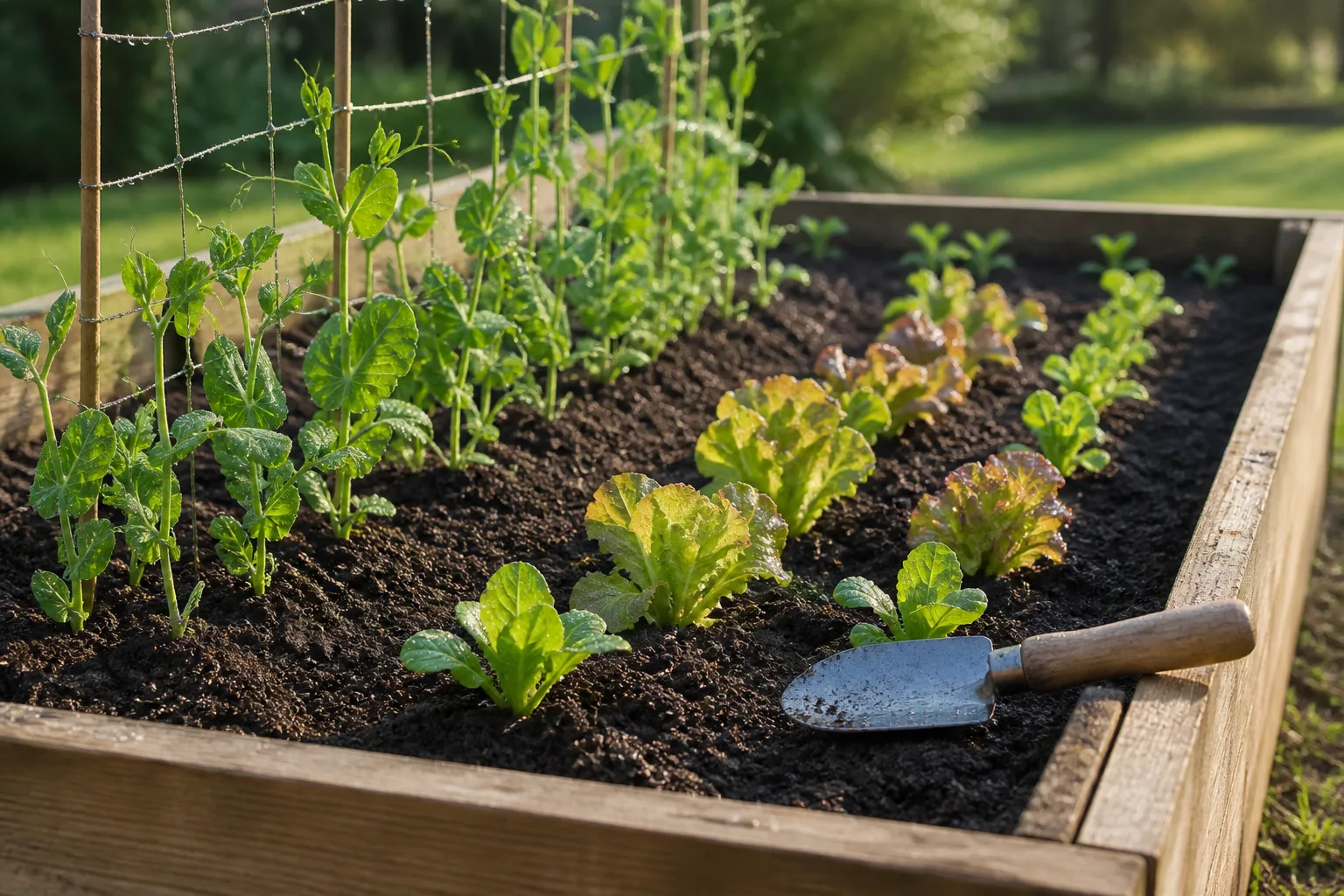
April is when garden centers finally look like garden centers again — flats of color stacked by the door, soil bags piled high, and every neighbor suddenly an expert on what you should plant this weekend. The hard part is not finding flowers. It is choosing flowers that will actually thrive in April soil without turning into a weekly chore by Memorial Day.
The seven picks below are genuinely low-maintenance when you match them to the right sun, soil temperature, and frost window. None are magic. Creeping phlox still needs a post-bloom haircut. Sweet peas still need something to climb. Ranunculus corms may need lifting in cold winters. But compared with fussy summer annuals started too early or perennials that sulk until June, these seven deliver fast color with realistic effort — and they cover the full light range from blazing sun to shady porch corners.
Why April Is the Sweet Spot for Low-Effort Spring Color
Longer days and warming soil wake up two overlapping planting windows at once. Cool-season flowers — pansies, sweet peas, sweet alyssum, and creeping phlox — tolerate light frost and prefer the mild stretch between your last hard freeze and sustained summer heat. Warm-season annuals like petunias and wax begonias want frost-free nights but can go in once April soil stabilizes above 50°F at planting depth.
That overlap is why April feels effortless when you get the split right. Plant cool-season types early in the month for immediate impact. Hold heat-lovers until your last frost date has passed and a soil thermometer confirms the ground is warm enough. Mixing both groups in one bed without reading those signals is how “easy” flowers become a replanting project in May.
If your beds still look bare while you wait, our guide to plants to start in April for a fuller garden covers fast fillers beyond flowers — lettuce, radishes, and phlox divisions that green up borders in days, not weeks.
The April Planting Test (Before You Buy Anything)
Before you load a cart with six-packs, run two checks that matter more than the date on the calendar.
Soil Temperature Beats the Calendar
Germination and transplant survival depend on soil temperature at seed depth, not air temperature on your porch. Slide a soil thermometer one inch into the bed — or dedicate an instant-read kitchen probe to the garden. The Iowa State germination requirements chart for annuals and vegetables shows wide differences: pansies and sweet alyssum handle cool soil in the 40s to low 50s°F, while petunias and begonias perform best once soil holds 55–65°F or warmer.
Workable soil is the second test. Squeeze a handful — it should crumble when you open your fist, not squish like clay or blow away like dust. Boot prints that fill with water mean the bed is still too wet to work. Planting into saturated soil compacts pores, suffocates roots, and crusts seed rows after the next rain. For a deeper walkthrough, see how to tell if soil is ready for planting.
Annual vs Perennial: What “Low Maintenance” Actually Means
“Low maintenance” gets misused on spring flower lists. Here is the honest split:
Annuals — petunias, pansies, sweet peas, sweet alyssum, and ranunculus grown as seasonal color — complete their show in one year (or one season) and must be replanted or resown unless they self-seed. Maintenance is usually deadheading, occasional feeding, and pulling plants when heat or frost ends the display.
Perennials — creeping phlox is the perennial on this list — come back from the same root system year after year. Upfront effort is higher (proper siting, one-time soil prep), but long-term work drops to a yearly trim after bloom and maybe a division every few years.
Choosing between them is a time-horizon decision. Want color this weekend with no long-term commitment? Lead with pansies and petunias. Want a bank that erupts pink every April without repurchasing flats? Put creeping phlox on a sunny slope and forget the annual bill.
Quick Comparison: Seven April Flowers at a Glance
Use this table as a shopping checklist. “Effort level” reflects realistic maintenance after planting — not zero work, but less than most summer annuals.
| Flower | Type | Best April role | Sun needs | Frost tolerance | Start method | Effort level | Watch for |
|---|---|---|---|---|---|---|---|
| Petunia | Annual | Summer-long color in beds and pots | Full sun | Low — plant after last frost | Transplants | Low | Leggy growth without sun; benefits from occasional deadheading |
| Sweet pea | Annual | Vertical fragrance, cut flowers | Full sun | Moderate — cool soil OK | Direct sow or transplants | Low–medium | Needs trellis; seeds toxic if eaten |
| Creeping phlox | Perennial | Groundcover, rock garden, slopes | Full to part sun | High once established | Transplants or divisions | Very low | Shear after bloom; thin centers over time |
| Pansy | Annual/biennial | Instant cool-season color | Full to part sun | High — handles light frost | Transplants | Low | Heat shuts bloom by early summer in warm zones |
| Ranunculus | Annual/tender perennial | Showy cut-flower stems | Full to part sun | Low — protect from hard frost | Corms | Medium | Lift corms in zones below 8; spring-planted corms bloom later than fall-planted |
| Begonia | Annual | Shade borders, baskets, containers | Part shade to shade | Low — wait for warm soil | Transplants | Low | Wet cold soil causes rot; pick wax type for easiest care |
| Sweet alyssum | Annual | Edging, filler, pollinator magnet | Full sun to light afternoon shade | Moderate | Transplants or direct sow | Low | Invasive in some CA coastal habitats; fades in extreme heat |
Petunias: Set-and-Forget Summer Color
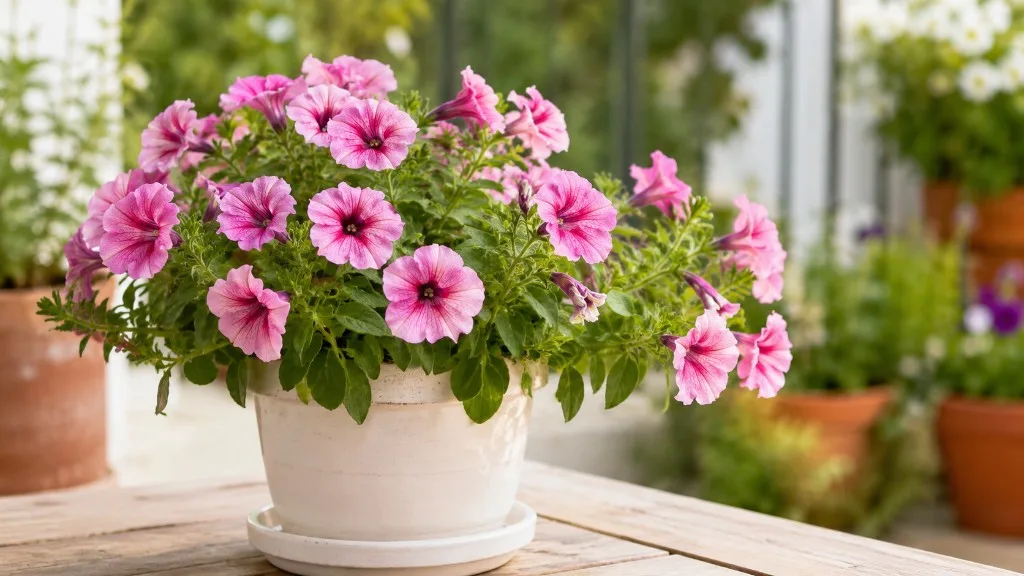
Petunias are the workhorse April-to-frost annual for a reason. Modern wave and supertunia types trail without pinching, bloom heavily in full sun, and forgive inconsistent watering better than finicky summer annuals started too early. Plant them once nights stay above 40°F and soil at one inch reads 55°F or higher — earlier in the South, often late April or early May in northern zones still flirting with frost.
Choose a spot with at least six hours of direct sun and well-drained soil. Petunias in shade stretch, bloom sparsely, and attract more disease. Space transplants 10–12 inches apart in beds, tighter in containers. A light dose of balanced slow-release fertilizer at planting is enough for the first six weeks; heavy feeding early produces leaves at the expense of flowers.
Deadheading is optional on self-cleaning varieties but still helps older grandiflora types look tidy through July. If blooms slow in midsummer, shear plants back by one-third and feed lightly — they often push a strong fall flush. For variety selection and container tips, see our petunia care guide and the petunia plant hub.
Sweet Peas: Fast Climbing Fragrance With One Simple Rule
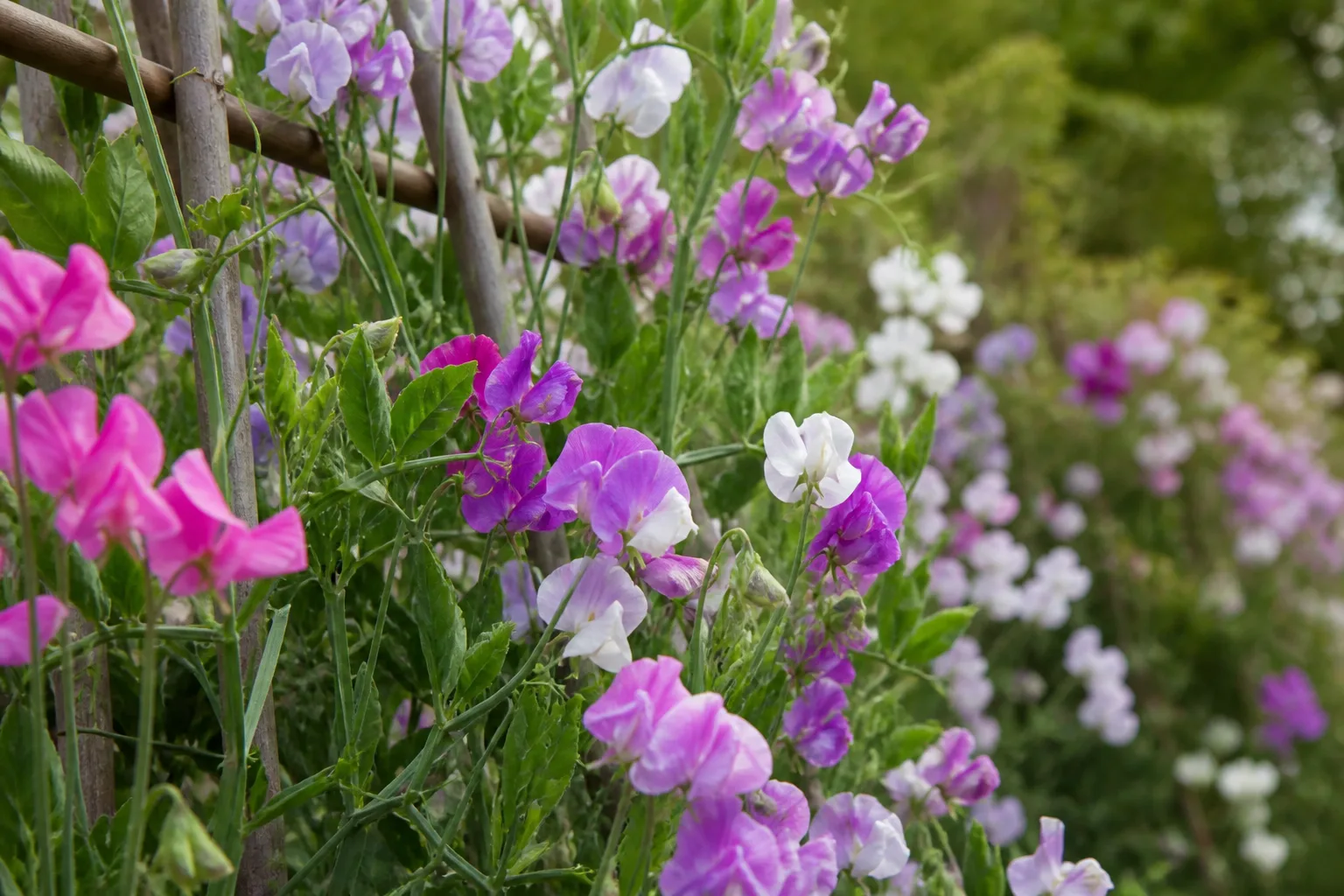
Sweet peas (Lathyrus odoratus) reward April sowing with fragrant clusters by late spring — but only if you respect their cool-soil preference. The Old Farmer’s Almanac sweet pea profile recommends planting as soon as soil can be worked in spring, typically when soil reaches 50°F at planting depth. In warm climates, February and March sowings beat April; in cold zones, April direct sowing right after the soil dries is ideal.
The one simple rule: give them something to climb. Sweet peas are tendril vines that top out at 5–8 feet. Install a trellis, netting, or brush stakes at planting time — retrofitting support after growth starts breaks stems. Full sun and slightly alkaline soil produce the strongest fragrance. Soak seeds overnight before sowing to soften the hard coat, plant one inch deep, and thin seedlings to 6 inches apart.
Sweet peas share the pea family’s appetite for cool weather and shut down when summer heat arrives. They are not edible — unlike garden peas, ornamental sweet pea seeds are toxic if ingested. Treat them as cut-flower vines only. In the warmest zones, a late-summer sowing can produce a second flush in fall; in most of the U.S., one strong spring crop is the easy path.
Creeping Phlox: Plant Once, Bloom Every April
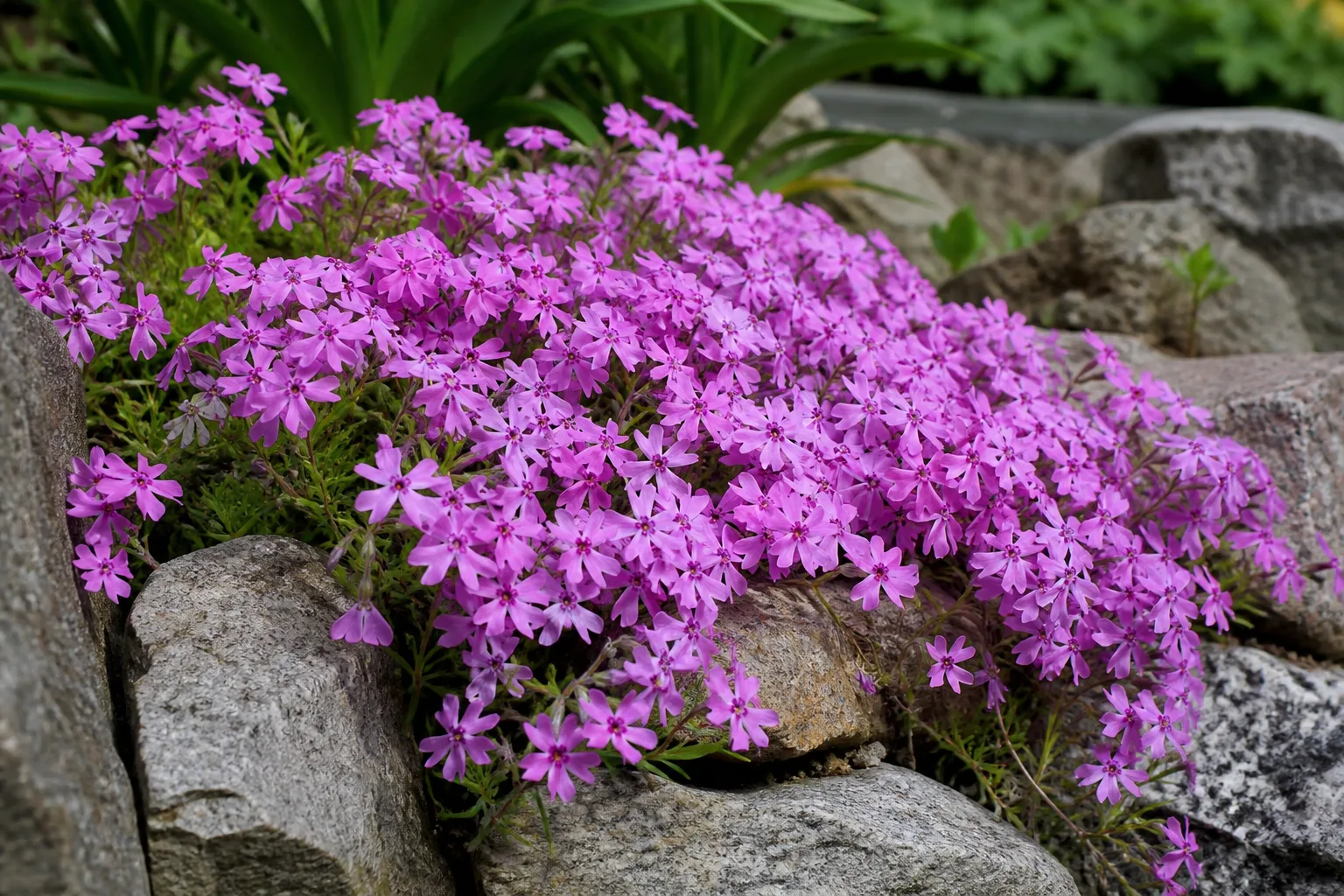
If you want true low maintenance, creeping phlox (Phlox subulata) is the perennial anchor on this list. According to NC State Extension, moss phlox forms a dense mat 6 inches tall and 2–3 feet wide, erupting in pink, lavender, purple, or white tubular blooms from late April into early May in temperate climates. Unlike taller garden phlox, it resists powdery mildew and tolerates drought, deer pressure, and poor rocky soil once established.
Plant in full sun for heaviest bloom; in hot humid summers, light afternoon shade prevents scorch. Well-drained soil is non-negotiable — wet winter roots cause crown rot. Set transplants at the same depth they grew in pots, space 12–18 inches apart, and water regularly the first season only. After flowering, shear stems back by one-half to maintain a dense cushion and prevent bare centers. Division every three to four years keeps mats vigorous.
Creeping phlox shines on slopes, rock walls, and foundation edges where mowing is awkward. It is native to central and eastern North America and supports early pollinators when little else is open. This is the only pick on the list that gets easier every year you keep it.
Pansies: Instant Color in Cold Soil
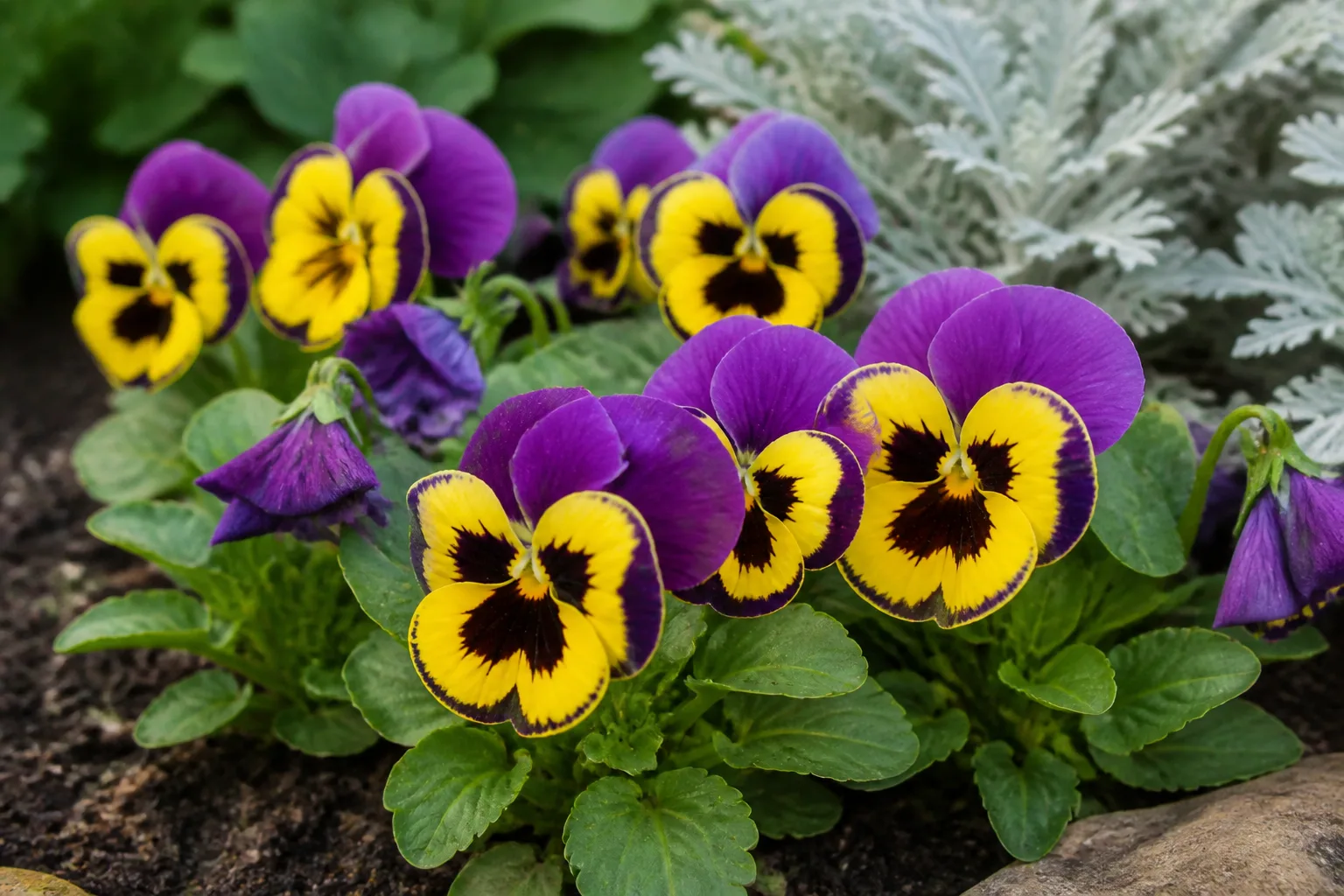
Pansies (Viola × wittrockiana) are the fastest way to color a bed in April because nursery flats are bred to bloom in the pack. Their cold hardiness is exceptional — established plants tolerate temperatures into the mid-20s°F and bounce back from light snow. Plant transplants as soon as garden centers stock them, even weeks before your last frost, provided soil is workable.
Give pansies full sun in cool weather; in zones 8 and warmer, afternoon shade extends bloom into late spring. They are heavy feeders for their size — work compost into the planting hole and use a diluted liquid feed every two to three weeks for maximum flower count. The RHS pansy growing guide notes that regular deadheading prevents seed set and keeps plants producing.
The trade-off is heat. Pansies are cool-season plants. When daytime temperatures consistently exceed 75–80°F, bloom quality collapses and plants stretch. In zones 7 and warmer, some gardeners treat them as short-season annuals and replace with summer color in May. In northern zones, pansies may persist into early summer or self-sow for a surprise fall flush. For instant impact with minimal skill, nothing beats a flat of pansies on a bare April bed.
Ranunculus: Paper-Perfect Blooms When You Know Your Zone
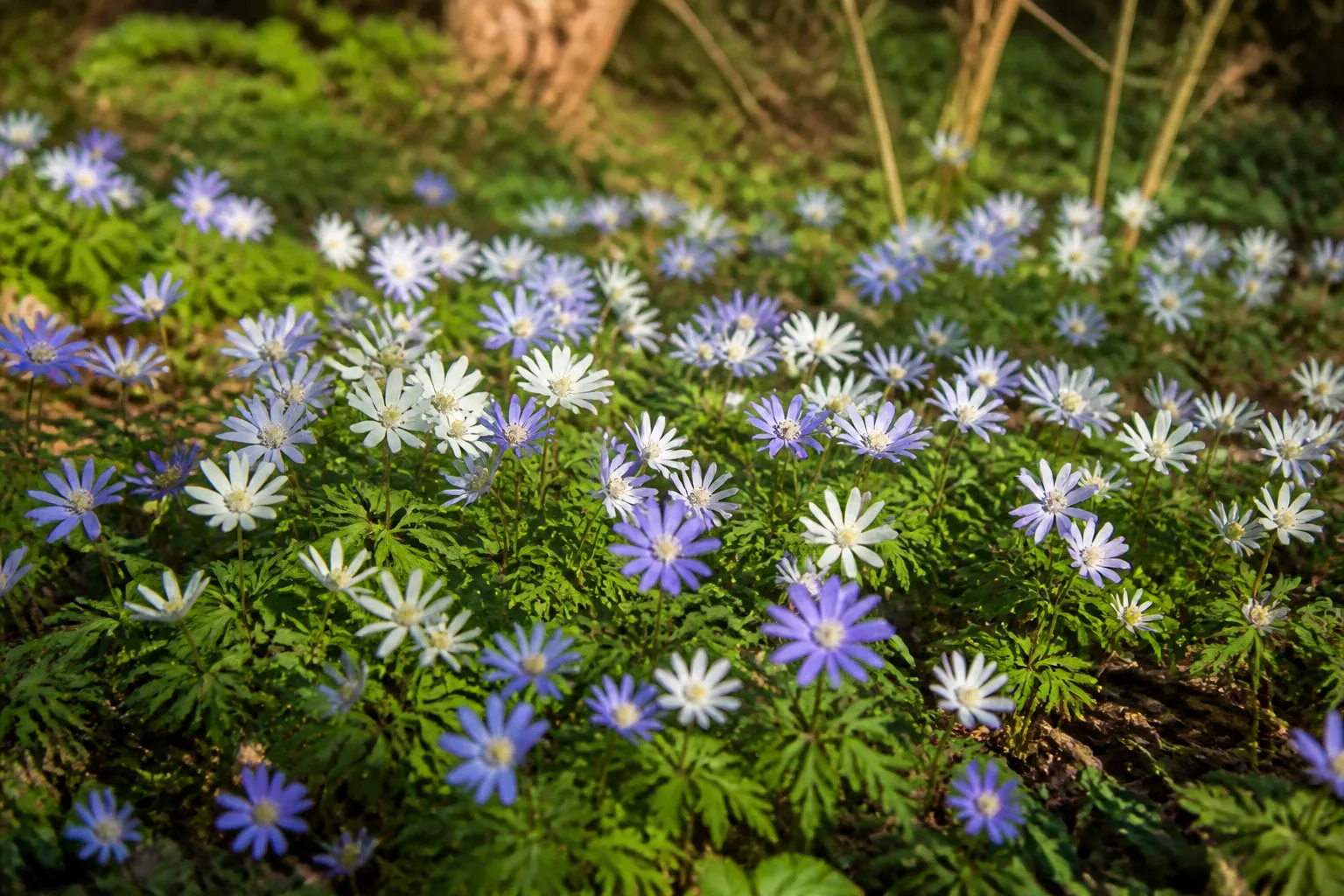
Ranunculus (Ranunculus asiaticus) produces layered, rose-like flowers on slender stems — stunning in vases and surprisingly easy if you understand corm timing. Ranunculus grows from corms (technically tuberous roots), not true bulbs. Spring-planted corms bloom four to six weeks later than fall-planted stock, typically showing color between late April and June depending on climate and planting date.
Plant corms in well-drained soil with the “claws” facing down, 2 inches deep and 4–6 inches apart, in a spot with full to part sun. Soak corms for 3–4 hours before planting if they feel dry. Soil must be above 50°F; colder ground causes rot. In USDA zones 8–11, corms can stay in the ground year-round. In colder zones, lift corms after foliage yellows in summer, dry them, and store in a cool dark place for replanting — either in fall for earlier spring bloom or again in April for a later show.
Ranunculus demands more planning than petunias but less ongoing care during bloom. Once stems emerge, they need steady moisture and staking only in windy sites. Avoid overhead watering that splashes soil onto petals. If you want one dramatic cutting flower without building a rose garden, ranunculus is the April corm worth the extra zone homework.
Begonias: Shade-Friendly Filler for Borders and Baskets
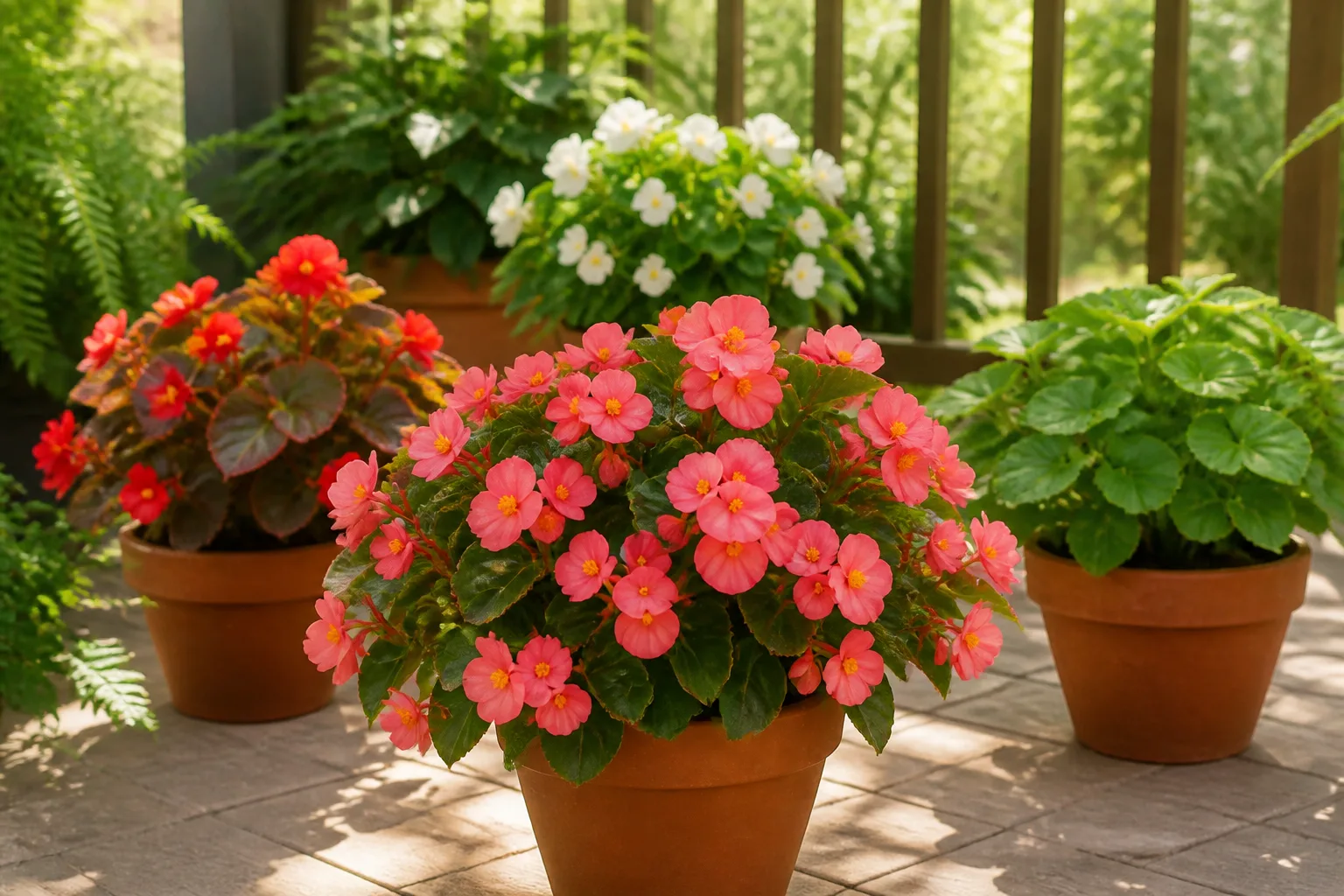
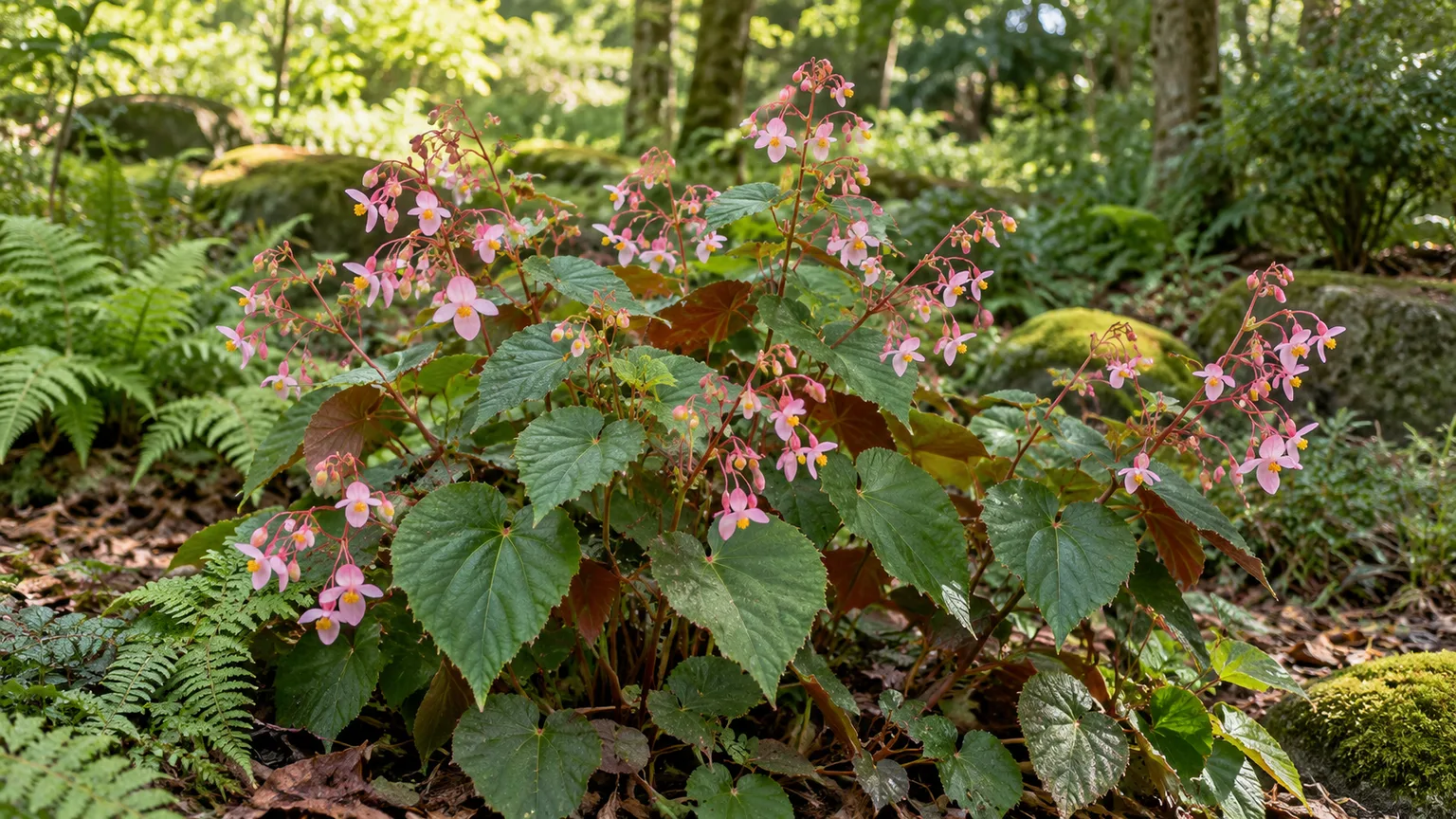
Not every April bed bakes in sun. Wax begonias (Begonia × semperflorens-cultorum) are the easiest entry point for shady borders, foundation plantings, and hanging baskets where petunias would sulk. Plant transplants once soil temperatures hold above 50°F consistently and frost danger has passed — same window as petunias in most regions.
Wax begonias thrive in partial shade to full shade with moist, well-drained soil. Their waxy foliage resists brief dry spells better than impatiens, and bronze-leaved varieties tolerate more sun than green-leaved types. Space 8–10 inches apart in beds; use a quality potting mix in containers with drainage holes. Begonias are low feeders — a single slow-release application at planting usually suffices through summer.
Tuberous and rex begonias offer showier flowers or foliage but need more attention to humidity and drainage. For a genuinely low-effort April planting, stick with wax begonias in shade and let them fill in without deadheading — they are self-cleaning. Wet cold soil at planting time is the main failure mode; wait an extra week after the calendar says spring if your beds are still saturated.
Sweet Alyssum: Honey-Scented Edging (With One Regional Caveat)
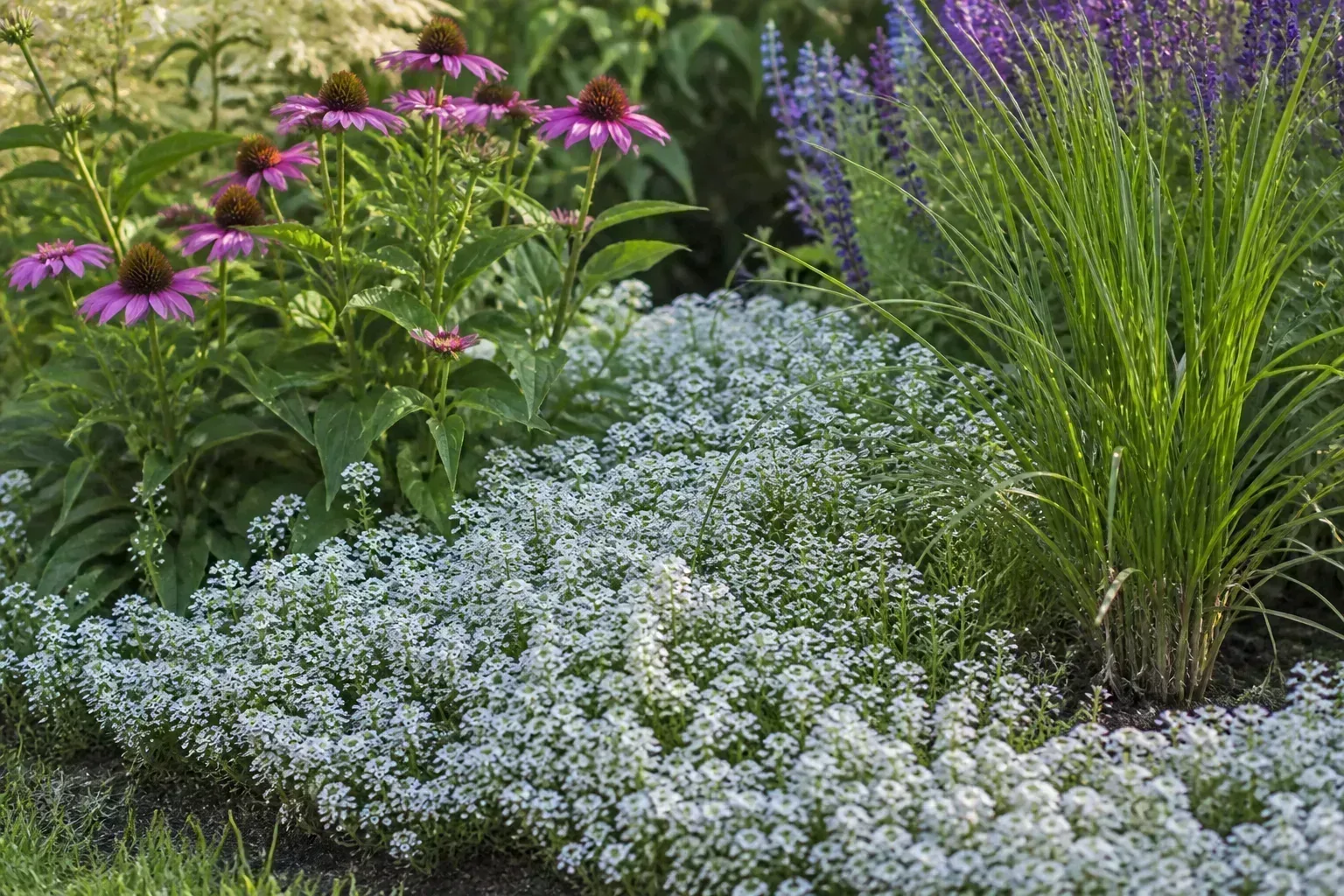
Sweet alyssum (Lobularia maritima) carpets the front of beds with honey-scented clusters of tiny white, pink, or purple flowers. As a brassica relative, it prefers cool spring weather and blooms continuously from April plantings until summer heat intensifies — longer in coastal and northern gardens with mild summers.
Plant transplants or direct sow in full sun with afternoon protection in hot inland areas. Alyssum tolerates poor soil and needs only moderate moisture; overwatering causes root problems. Shear plants lightly if they become leggy — they rebound with fresh bloom in two weeks. Bees and hoverflies love the nectar, making alyssum one of the easiest pollinator additions to an April border.
Regional caveat: In California, sweet alyssum has escaped cultivation into coastal dunes, scrub, and riparian areas. The California Invasive Plant Council rates it Limited invasiveness — a concern near wildlands and native plant restoration zones, less so in contained urban beds where spent plants are removed before seed set. If you garden near sensitive coastal habitat, choose native edging alternatives or grow alyssum in containers and deadhead before seeds mature.
How to Plant All Seven in One Weekend
You do not need seven separate planting days. A single organized Saturday covers shopping, bed prep, and installation if you sequence cool-season and warm-season work correctly.
Morning: Test soil temperature and drainage in each bed. Prep all beds — loosen soil, mix compost, install trellises for sweet peas before seeds go in. Direct-sow sweet peas and sweet alyssum where soil reads 50°F+. Plant creeping phlox divisions and pansy transplants in the coolest beds.
Midday: If frost is behind you and soil reads 55°F+, plant petunias, begonias, and ranunculus corms in their respective sun and shade slots. Water everything in with a gentle soak — not a blast that exposes roots.
Afternoon: Mulch lightly around perennials and pansies to regulate soil temperature. Label ranunculus corm locations so you remember where to lift them in fall. Set a calendar reminder to shear creeping phlox after bloom and to evaluate pansies for replacement when June heat arrives.
Match Sun Exposure Before You Dig
Sun mistakes are the fastest way to turn easy flowers into struggling ones. Before planting, watch each bed for one full day. Full sun means six or more hours of direct light. Partial shade means three to six hours, often morning sun with afternoon protection. Petunias, sweet peas, creeping phlox, and ranunculus belong in the brightest spots. Begonias belong in the shadiest. Pansies and alyssum flex between both — put them in part sun if you are unsure.
Watering and Fertilizer Rules That Keep April Easy
New transplants and spring-sown seed need even moisture for the first two to three weeks — not daily drowning. Check soil with your finger one inch down; water when dry at that depth. After establishment, petunias and creeping phlox tolerate dry spells; begonias and alyssum prefer steady moderate moisture.
Fertilize lightly at planting with a balanced slow-release product. Overfeeding cool-season flowers in April produces foliage at the expense of blooms and attracts aphids. A second light feed in late May supports petunias and begonias heading into summer. Perennial phlox rarely needs supplemental fertilizer in average soil.
Common April Mistakes That Turn Easy Flowers Into Work
Planting warm-season annuals before the last frost. Petunias and begonias hit by a hard freeze turn black and do not recover. Wait for the frost window even when garden centers display them prominently in March.
Sowing seed in cold, wet soil. Sweet peas and alyssum seed rot in saturated ground below 45°F. If seeds have not sprouted within the expected window, soil temperature — not seed quality — is usually the culprit.
Skipping support for sweet peas. Without a trellis installed at planting time, vines tangle on the ground, attract slugs, and produce fewer cut-quality stems.
Treating ranunculus like a tulip in zone 5. Spring-planted corms bloom, but they will not survive winter in the ground. Lift and store, or buy new corms next year.
Ignoring alyssum’s seed set near wildlands in California. Deadhead before seeds drop if you live near coastal native habitat.
Expecting pansies to carry the summer show. Plan a May transition to heat-loving annuals rather than fighting stretched, bloomless pansies through August.
Conclusion
April rewards gardeners who match flowers to soil temperature, frost timing, and sun exposure — not gardeners who buy whatever is blooming at the nursery door. Petunias and begonias cover sun and shade summer color with minimal upkeep once warm soil arrives. Pansies, sweet peas, and sweet alyssum deliver fast spring impact in cool conditions. Creeping phlox is the long-game perennial that blooms every April with less work each passing year. Ranunculus adds show-stopping cut stems for gardeners willing to learn one corm cycle.
None of these are truly zero-effort — but each earns its place on a low-maintenance list when you plant at the right moment and accept its seasonal limits. Run the soil test, split cool-season from warm-season shopping, and you can have a colorful April yard without a maintenance spiral chasing you into summer.