How to Tell If Soil Is Ready for Spring Planting
Learn how to tell if soil is ready for spring planting with squeeze, temperature, and footprint tests—plus what to sow when the ground is still cool.
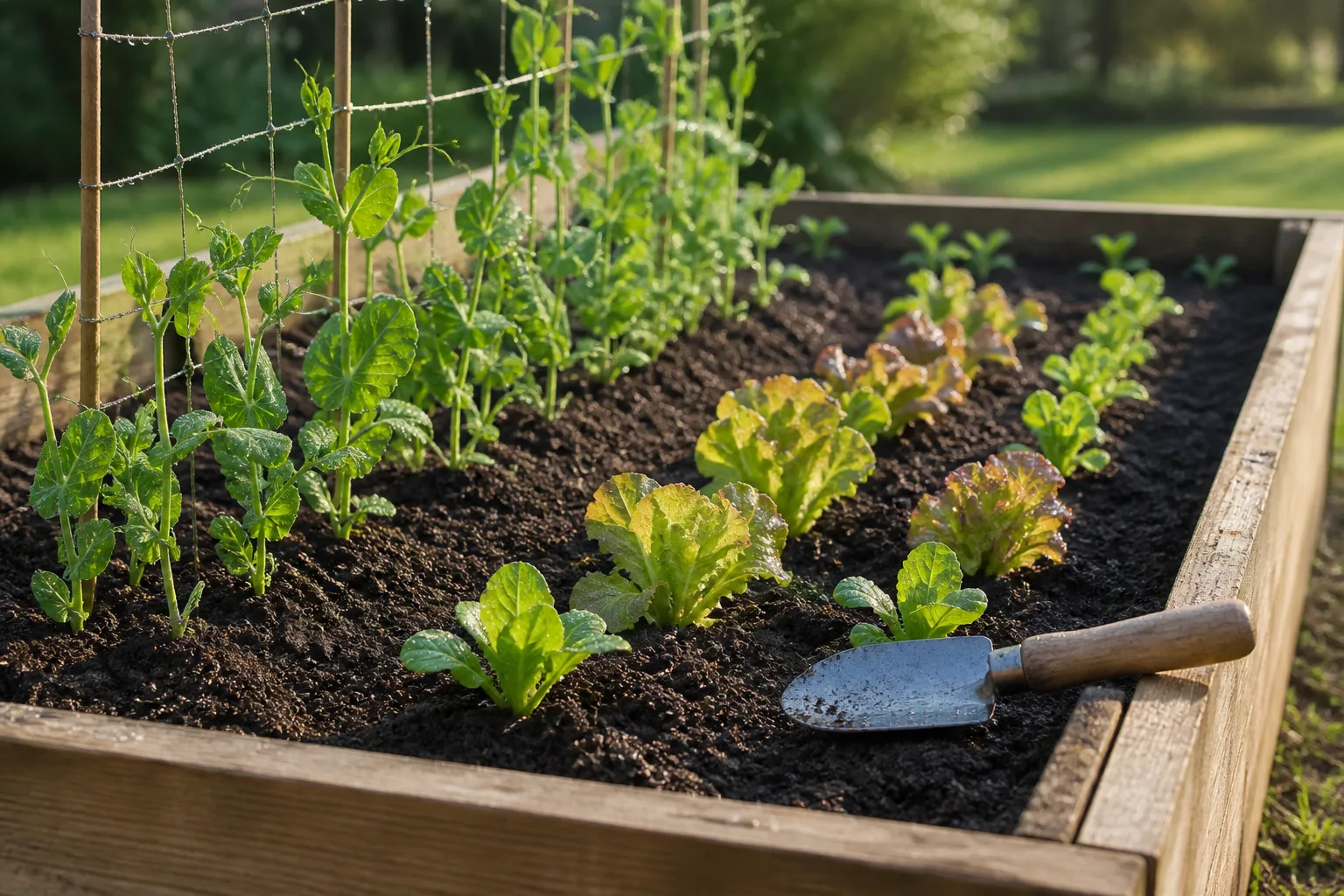
A sunny weekend in late March can make any gardener grab a trowel—but soil readiness is a set of physical tests, not a date on the calendar. Planting or digging too early into cold, saturated ground is one of the fastest ways to rot seeds, stall transplants, and compact clay for the rest of the season. The good news: your soil tells you when it is ready if you know what to look for.
Spring Arrives in the Soil Before It Arrives on the Calendar
Workable soil means you can dig or sow without smearing structure, drowning roots, or leaving boot prints that last for days. Plantable soil adds another layer: it is warm enough for the specific crop you want to grow. Those two ideas overlap but are not identical—you might be able to prep a bed for potatoes while it is still too cold for beans.
Air temperature spikes first. A 65°F afternoon does not mean the ground at seed depth has caught up. Soil warms slowly, especially after snowmelt, heavy spring rains, or a shaded north-side bed. The RHS soil cultivation guide is explicit: avoid digging when soil is waterlogged or frozen, and finish primary cultivation before warm spring weather drives moisture loss you cannot easily replace.
Why Air Temperature Misleads You in March and April
South-facing beds, pavement edges, and raised beds can run several degrees warmer than low, shaded corners of the same yard. Microclimates matter as much as your USDA hardiness zone. That is why pros test the exact bed they plan to plant—not the thermometer on the porch.
The 60-Second Readiness Checklist
Before you open a seed packet, run these four checks on the bed you intend to use:
- Moisture: A handful from 3–4 inches deep crumbles when poked; it does not drip or form a tight, shiny ball.
- Temperature: A soil thermometer at 2–4 inches reads at or above the minimum for your crop (see table below).
- Structure: A trowel slice breaks into crumbs, not clods that smear like modeling clay.
- Surface traffic: Footprints do not leave deep, muddy impressions that hold water.
If moisture and structure fail, wait—even if the calendar says “plant peas week.” If moisture passes but temperature is low, you can still direct-sow the most cold-tolerant crops or hold warm-season plants indoors.
The footprint test is the quick surface check: step lightly on the bed path. If your boot sinks and leaves a shiny puddle in the impression, stay off the planting area. If the soil springs back and the mark fades within an hour on a dry day, you are closer—but still confirm with the squeeze test at planting depth. Surface crust can fool you after a windy day dries the top half-inch while clay below stays saturated.
The Squeeze Test (and When to Trust It)
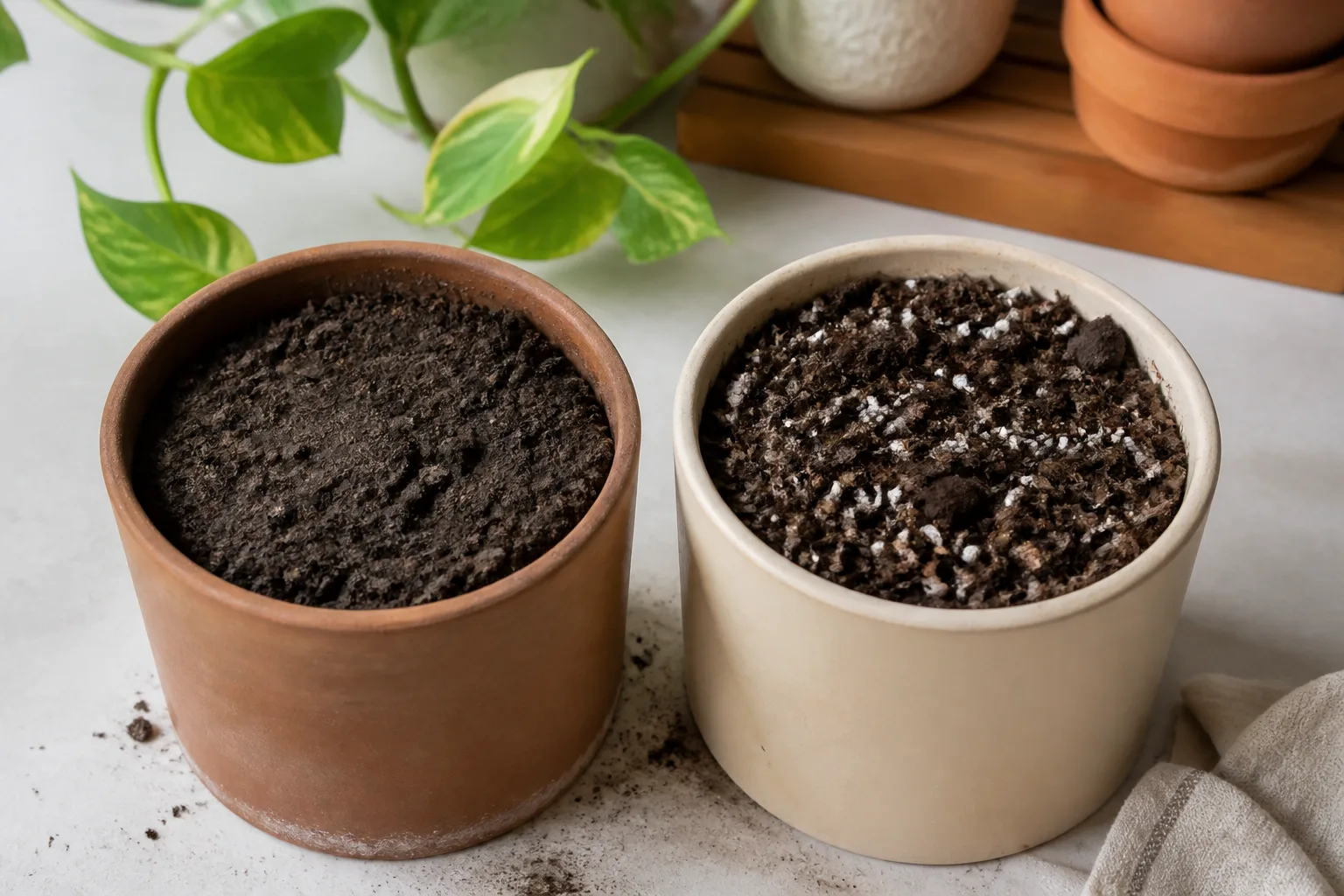
The squeeze test is the fastest field check for spring moisture. It costs nothing and works in every soil type when you sample correctly.
How to Run the Test Correctly
- Pull aside mulch and take soil from 3–4 inches deep—not the dusty surface crust.
- Squeeze a handful firmly, then open your palm.
- Ready: The mass holds loosely, then falls apart when you poke it with a finger—like a wrung-out sponge.
- Too wet: Water squeezes out, or the ball stays intact and glossy. Wait 3–7 days and retest; heavy clay may need longer after rain.
- Too dry: Dust blows off and nothing holds shape. Uncommon in spring except on very sandy beds or under eaves—water lightly and test again.
Repeat in three spots per bed. One dry corner does not mean the whole plot is ready.
Clay, Loam, and Sandy Soils Behave Differently
Clay holds water longest and shows damage fastest when worked wet. A clay ball that “almost” crumbles is still a wait signal—clay smears into hard plates that roots cannot penetrate. Loam usually passes the squeeze test sooner after rain. Sand drains fast and may read “ready” while still too cold for seed germination, so pair the squeeze test with a thermometer on light soils.
The ribbon test adds texture detail: roll moist soil into a pencil-thin strip between your fingers. Clay ribbons longer than an inch before breaking; loam ribbons briefly; sand will not ribbon at all. Colorado State University Extension’s soil texture guidance explains how particle size drives that behavior—useful when you are deciding how many dry days clay needs after a storm.
Soil Temperature Matters More Than a Warm Afternoon
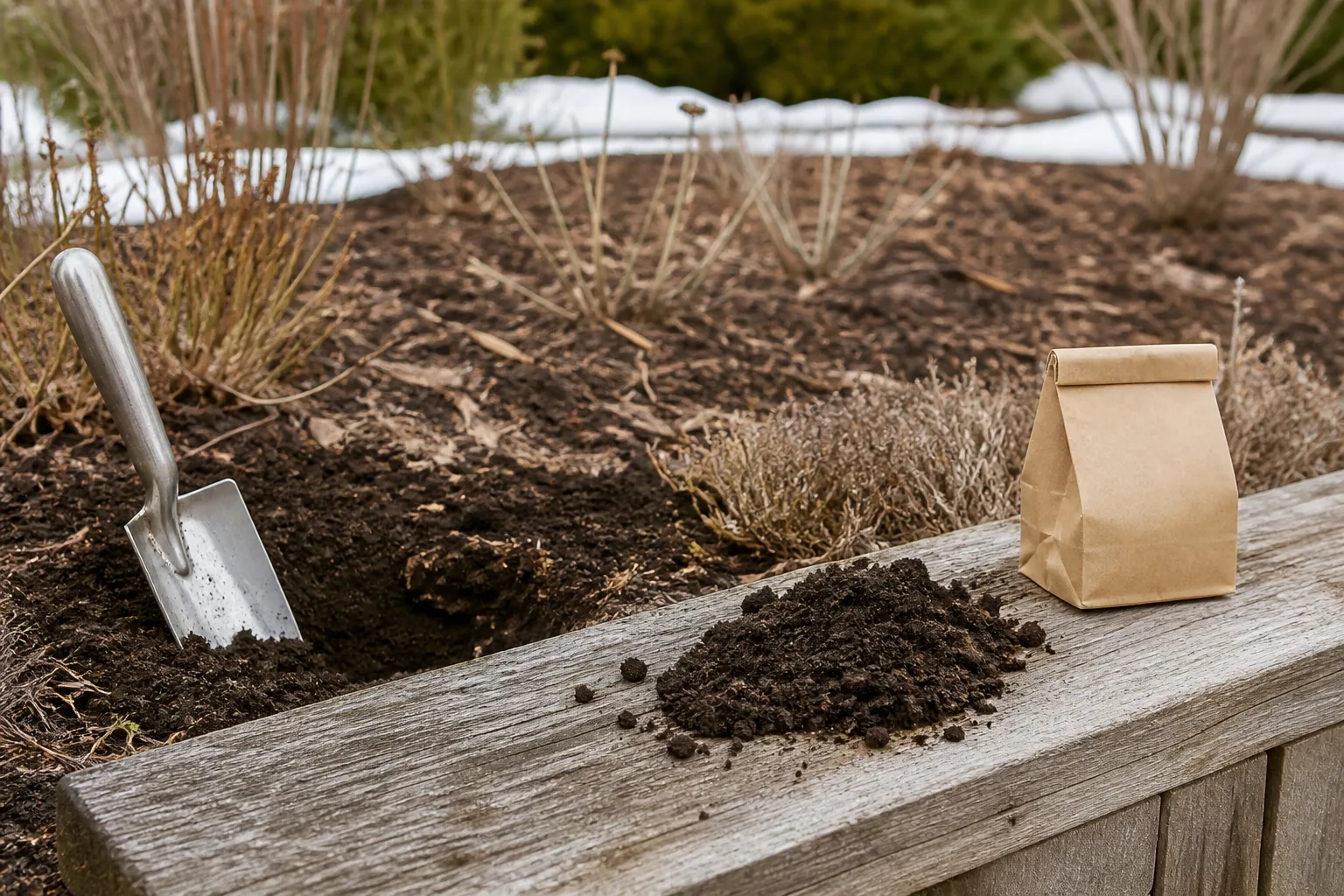
Seeds are temperature-triggered switches. Cold soil slows or stops germination; seeds that sit too long in wet, cool ground are prime targets for rot and soil-borne disease.
Insert a soil thermometer 2–4 inches deep in the morning, when the ground is coolest. For important plantings, take readings at the same time for three to five days and use the lowest consistent reading—not a single warm afternoon spike.
Minimum Soil Temperatures for Common Spring Crops
| Crop group | Examples | Approximate minimum soil temp (°F at 2–4 in.) | Notes |
|---|---|---|---|
| Hardiest greens & roots | spinach, kale, radish, turnip | 40–45 | Germination is slow at the low end; warmer is faster |
| Peas & fava beans | shelling peas, snap peas | 45–50 | Soak pea seed overnight; do not sow into mud |
| Cole crops | cabbage, broccoli, cauliflower transplants | 45–50 | Transplants need air frost protection too |
| Onions & potatoes | sets, seed potatoes | 45–50 | Plant potatoes when soil is workable, not saturated |
| Lettuce & carrots | leaf lettuce, romaine, carrots | 45–50 | Carrots need fine, crumbly seedbed—never cloddy wet clay |
| Beets & Swiss chard | direct-sown roots and greens | 50 | Thin promptly to reduce damping-off pressure |
| Beans & corn | bush beans, sweet corn | 60+ | Cold seed rots; wait for sustained warmth |
| Tomatoes, peppers, squash | transplants & direct sow warm crops | 60–70 | Soil warmth matters as much as last frost date |
Cool-season crops can germinate toward the bottom of these ranges, but growth is sluggish until soil climbs into the 50s°F. Warm-season crops planted into 50°F soil often stall for weeks—a waste of nursery space and garden time.
Night air matters too. Soil that reaches 50°F by afternoon can drop several degrees before dawn. That is why morning readings are the conservative choice for direct-sown seed. Transplants face a double test: roots need warm soil, and leaves need protection from hard frost even when the bed is workable.
Five Signs Your Soil Still Needs More Time
Passing one test is not enough. Watch for these red flags across the bed.
Cold, Sticky Soil That Smears on Tools
If a shovel or trowel comes up with slick, polished clods that stick like peanut butter, the soil is too wet to dig. The surface may look dry while the layer where roots live is still saturated—another reason to sample at depth. Penn State Extension’s soil quality overview notes that pore space holds both air and water; working saturated soil collapses those pores and can leave roots gasping even after the surface dries.
No Weeds, No Sprouts, No Worms
A completely bare, lifeless patch in early spring often means the ground is still cold—not that you have perfect weed control. Volunteer seedlings, chickweed, and shallow weed growth usually appear as soil warms. Earthworms near the surface are a positive sign of aeration and biology waking up. Absence of life is a hint to wait, not proof—but combined with cold, sticky soil it reinforces patience.
Spring Bulbs as a Hint—Not a Guarantee
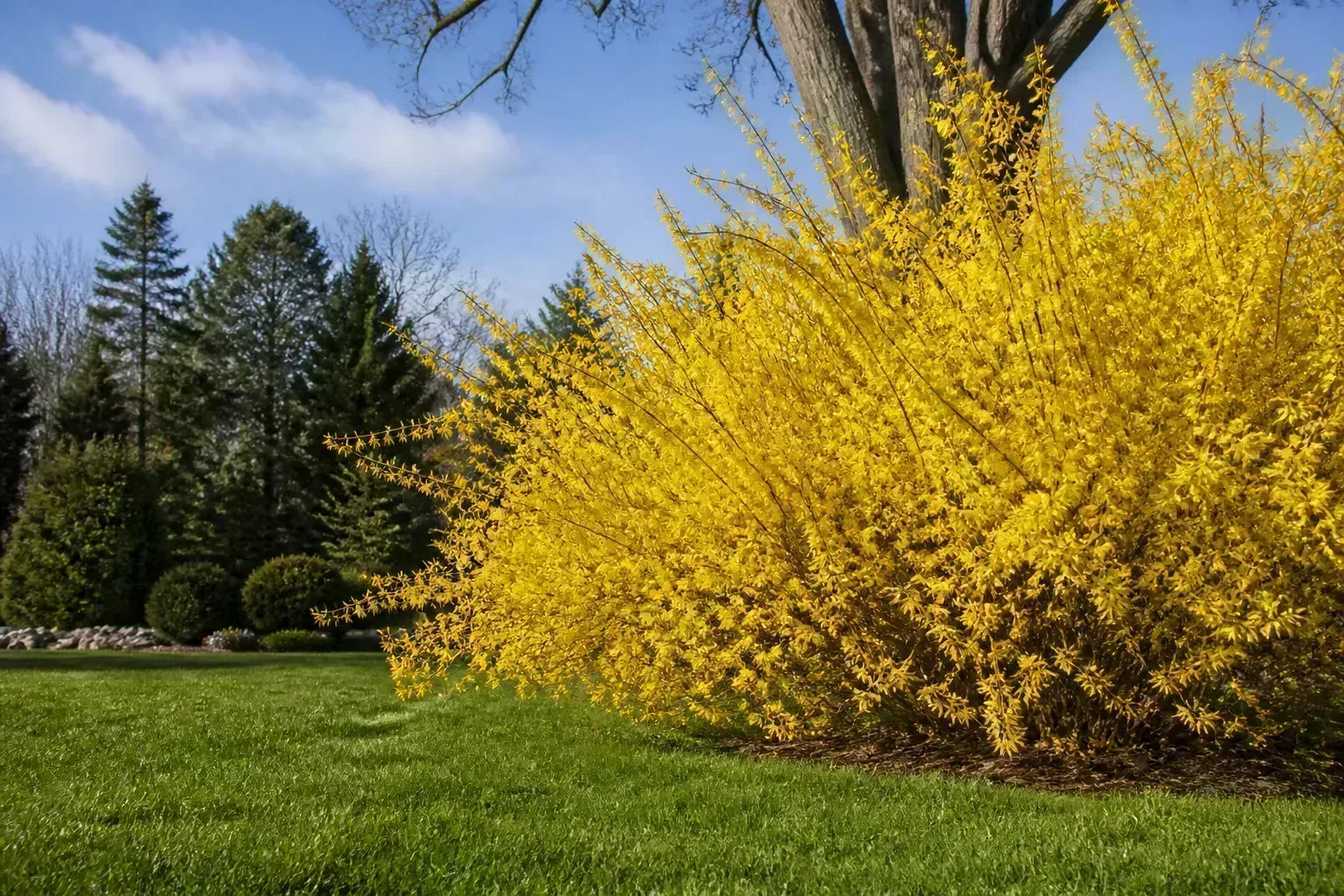
When daffodils, crocus, or hyacinth shoots break ground, local soil is warming—but bloom stage matters. Foliage emergence means beds are waking; full bloom in a sheltered microclimate can run ahead of a cold vegetable plot on the north side of the house. Use bulbs as one regional signal, then still run squeeze and temperature tests on the bed you will actually plant.
Raised Beds vs In-Ground Gardens Dry Out at Different Speeds
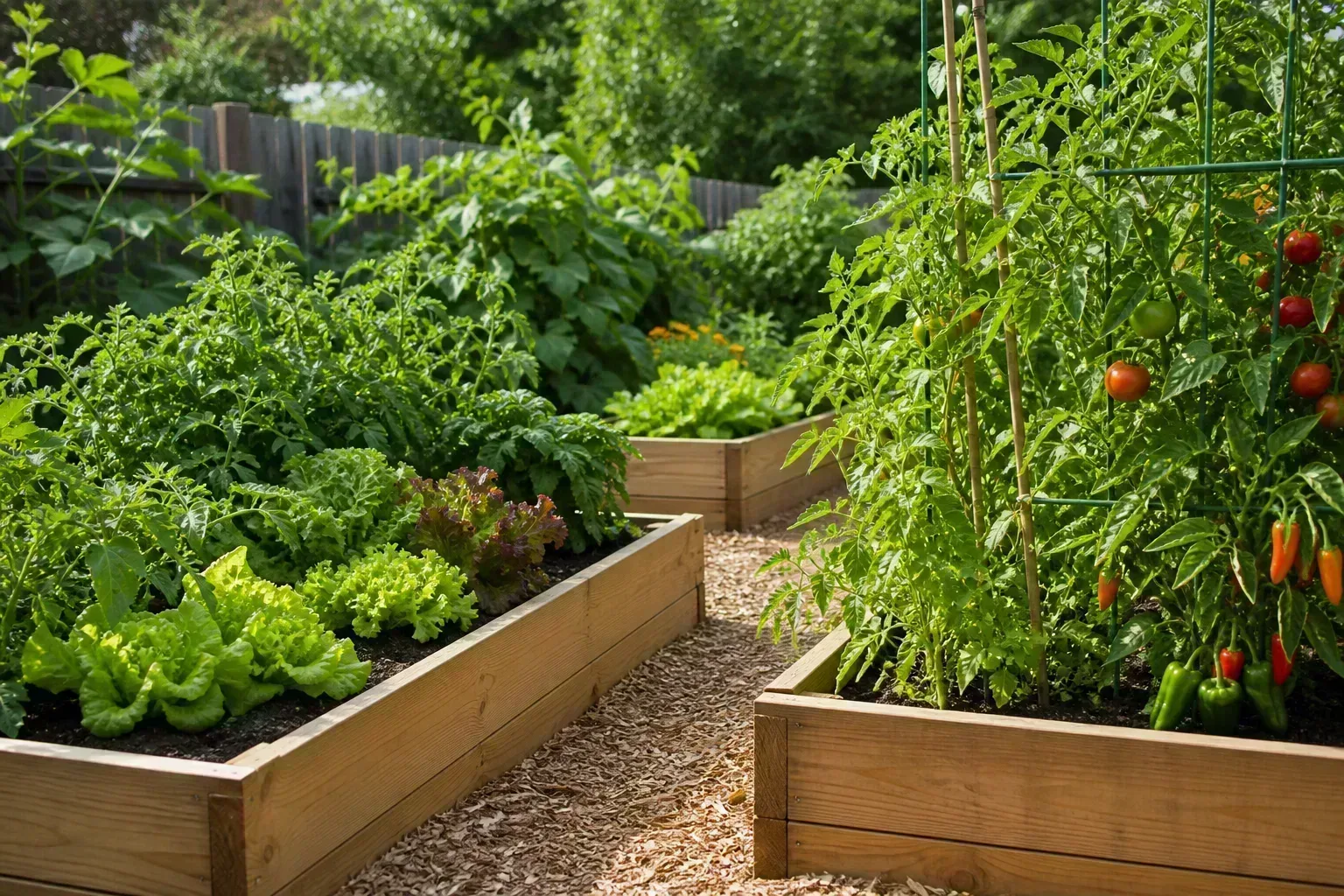
Raised beds drain faster and warm sooner because they sit above grade and receive more lateral air flow. You may pass the squeeze test on a 12-inch raised bed while the path between beds is still soggy—plant the bed, not the calendar.
After heavy rain, wait until:
- The surface no longer glistens
- Footprints do not hold water
- The squeeze test passes at planting depth
In-ground rows on clay or in low spots can need an extra week compared with a nearby raised bed. Sloped ground sheds water faster; flat lawns and bottomland hold it. If you must walk a bed to work it, use boards to spread your weight and reduce compaction when soil is borderline.
How long after rain? There is no universal hour count—only retests. Light sand may pass the squeeze test in 48 hours after a shower; heavy clay in a frost pocket can need 10–14 days after a soaking spring storm. Watch the forecast: another 2-inch rain resets the clock. Mulched beds dry more slowly on the surface but often hold moisture more evenly below, so always sample under the mulch layer.
What Happens If You Work Wet Soil Too Early
Digging, tilling, or even repeated foot traffic on wet soil forces clay particles together into dense layers. Roots hit that pan like a wall. Water sits longer after the next rain. Seeds planted into compacted seedbeds struggle to anchor and breathe.
The RHS warns that rotavating wet soil is extremely damaging—the same principle applies to hand digging. Seeds sown into cold, wet soil often rot before they sprout; peas are a classic example.
If you already worked a bed too wet: stop traffic, let it dry, and top-dress with finished compost once workable. Broadfork or fork lightly without turning slabs—do not deep-till again to “fix” what tillage caused. For small areas, a raised mound or hill row lifts the seed zone above the compacted layer for this season.
What You Can Plant While the Rest of the Garden Warms Up
Soil readiness is crop-specific. A 48°F bed that is too cold for basil may be perfect for spinach.
Cool-Season Vegetables That Tolerate Cool Soil
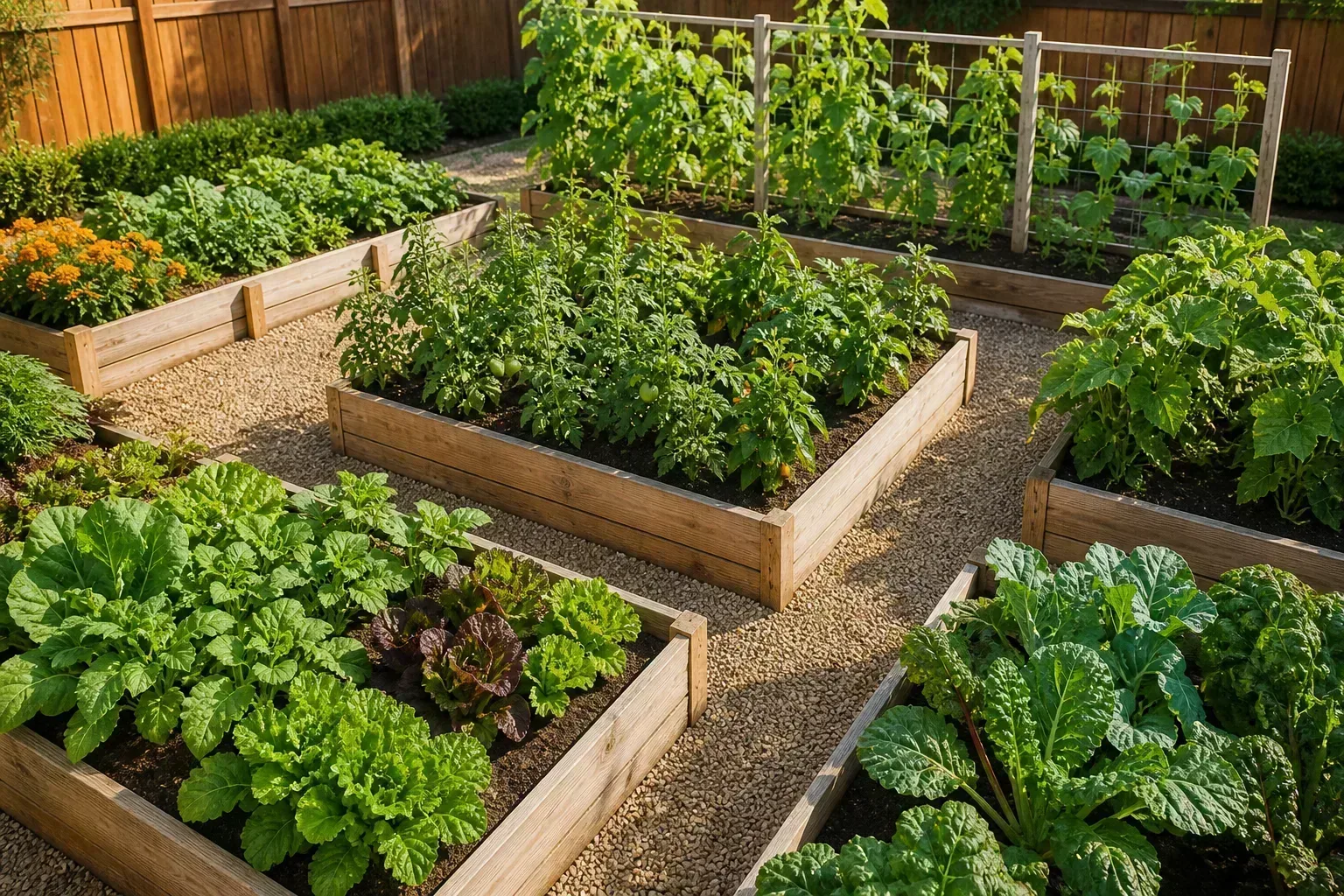
Direct-sow when moisture and structure pass and soil holds at least 40–45°F for the hardiest crops:
- Peas — Soak seed overnight; inoculant helps on new ground.
- Spinach, kale, arugula, mustard greens — Sow thickly; thin for airflow.
- Radishes & turnips — Fast feedback crop; ready in weeks.
- Carrots & beets — Need crumbly, fine-textured top inch; never sow into clods.
- Potatoes — Plant when soil is workable; hilling comes later.
- Onions — Sets or sturdy transplants once soil is friable.
Hold beans, corn, cucumbers, squash, and melons until soil sustains 60°F+. Tomatoes and peppers go out after soil and night air both stabilize—transplant shock in cold mud is worse than a week indoors under lights.
Row cover and low tunnels let you plant a few days earlier on borderline beds by buffering frost, but they do not heat cold soil enough to rescue warm-season seed. Use them with cool crops when air frost is the main risk, not as a substitute for a failed squeeze test.
Flowers and Herbs for Early Frost Windows
Cool-tolerant annuals and perennials—pansies, violas, calendula, snapdragons in mild zones, parsley, cilantro—can go out when soil passes moisture tests and hard frost is unlikely. Match the plant tag to your last frost window; soil readiness does not replace frost protection for tender blooms.
Smart Prep Jobs You Can Do Before the Soil Is Workable
Waiting is productive if you use the time well:
- Soil test — Labs are less busy in late winter; you will have lime or sulfur answers before planting. See our guide on prepping garden beds in winter for sampling depth and timing.
- Layout and irrigation — Mark rows, install soaker hoses, and build trellises while you can walk the paths without sinking.
- Compost and mulch on the surface — Spread finished compost on top; let worms pull it down. Do not dig it in until soil is friable.
- Start seeds indoors — Tomatoes, peppers, and slow herbs gain weeks while outdoor beds dry.
- Weed the edges — Clear perimeter weeds so they do not seed into beds the moment you open the soil.
- Order row cover — Lets you plant on the early side of soil readiness with frost insurance.
A soil test does not tell you when to dig, but it tells you what to add once the bed is workable. High pH, low phosphorus, or excess salts change how seedlings perform even in perfect moisture. Submit samples from 6–8 inches deep while you wait for friable topsoil; lab turnaround in late winter is often faster than peak spring rush.
Understanding what good soil texture looks like helps you interpret squeeze and ribbon results instead of guessing from color alone. Finished compost and mulch applied on the surface now integrate more safely than digging amendments into saturated clay.
Conclusion
Your soil is ready for spring planting when it is friable at seed depth, moist but not wet, warm enough for the crop you are sowing, and supported by stable weather for that crop’s frost tolerance. Run the squeeze test deep, confirm with a thermometer, read the bed—not just the air—and match planting to crop thresholds. A few patient days in March often buy you a healthier root zone all summer. When in doubt, wait, prep above ground, and let the ground tell you when it is time.



