How to Grow and Care for Oleander: A Safety-First Guide
Learn how to grow oleander with practical guidance on sun, soil, watering, pruning, containers, winter care, pests, cultivars, and toxicity.
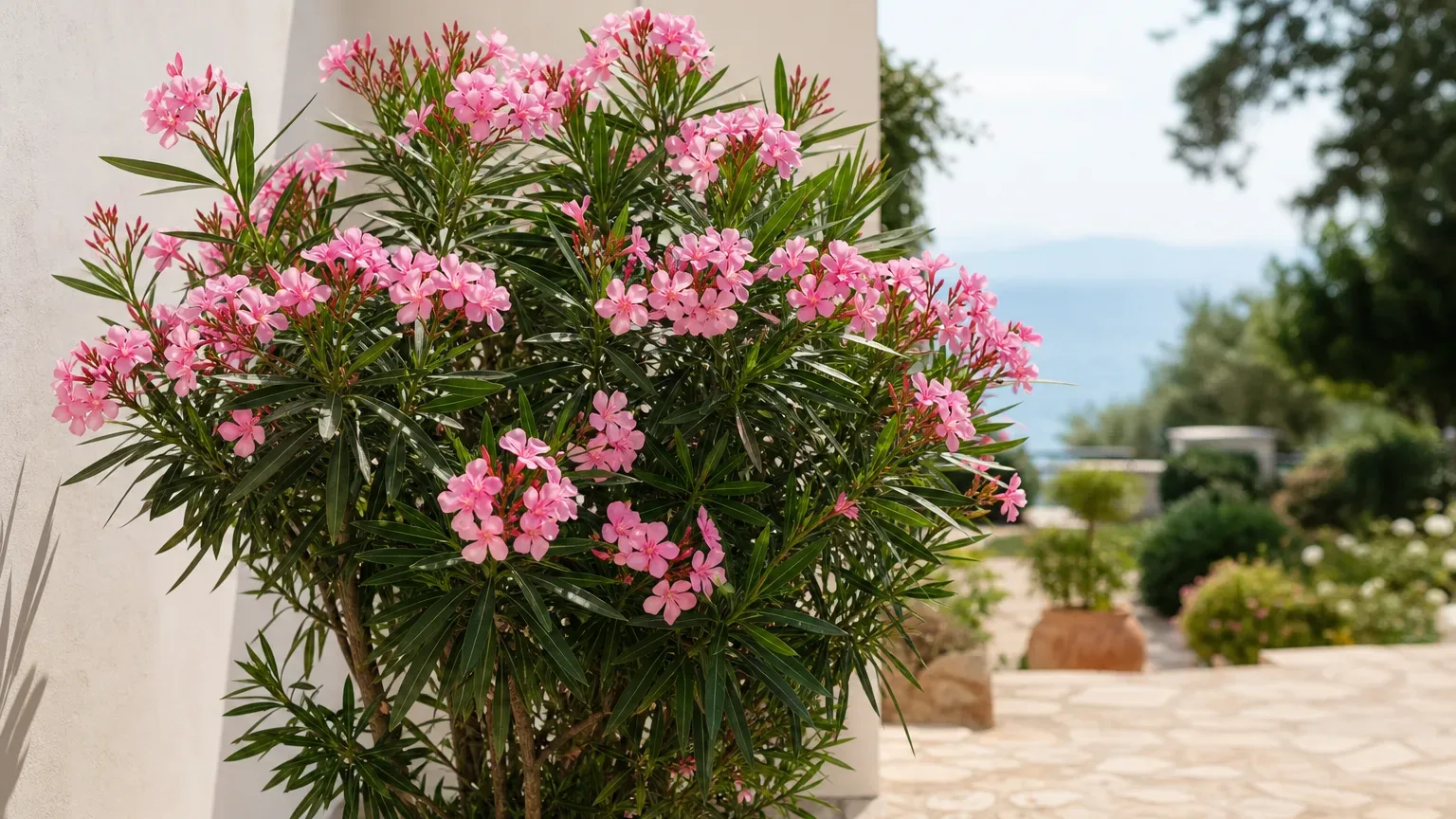
Oleander (Nerium oleander) is a fast-growing evergreen shrub with a long flowering season, dense foliage, and enough tolerance for heat, drought, wind, and coastal exposure to earn a place in many warm-climate landscapes. It can grow as a rounded multi-stemmed shrub, a privacy screen, or a carefully trained small tree. Flowers may be pink, red, white, yellow, or salmon, depending on the cultivar.
That resilience comes with a non-negotiable condition: every part of oleander is toxic to people and pets. Clemson Cooperative Extension documents the plant’s toxicity, including the risk from plant material and smoke. Sap can irritate skin, and smoke from burning prunings is dangerous. Choose its location with the same care you would give its sunlight and drainage. This guide explains how to grow oleander well while making safe handling part of every planting, pruning, and propagation decision.
Decide if Oleander Fits Your Garden
Oleander is generally a warm-climate shrub for USDA Zones 8–10. In a suitable climate it is comparatively easy to establish, but “easy” does not mean appropriate for every yard. A mature plant may reach roughly 8–19 feet tall and 6–10 feet wide, although dwarf cultivars remain much smaller. Give it room at planting time rather than planning to control a full-size plant with constant severe pruning.
What Oleander Looks Like and How Large It Gets
The leaves are long, narrow, leathery, and dark green. New stems branch readily, creating a dense mound when the plant is left natural. Flowers are typically 1–3 inches wide and appear from spring into summer; in warm frost-free locations, flowering may continue much longer. A healthy plant’s combination of evergreen leaves and repeated flowers makes it useful for screens, slopes, large containers, and hot borders.
Growth is usually quickest when the plant receives strong light, warm temperatures, and consistent moisture during establishment. Do not assume that a rapidly growing plant needs frequent fertilizer. Oleander often grows vigorously without it, and excess nitrogen can produce leafy growth at the expense of a balanced, sturdy form.
When Oleander Is the Wrong Choice
Choose another shrub if children or pets regularly play where fallen leaves, flowers, or prunings could be handled or chewed. Avoid planting it beside a walkway, play area, vegetable garden, or pet run simply because the site is sunny. A remote bed, secured courtyard, or controlled-access container location is easier to manage.
Oleander is also a poor fit for waterlogged soil, cold climates where winter temperatures regularly fall well below its range, or a narrow foundation bed that cannot accommodate mature width. In colder areas, container growing is possible, but moving a large pot and providing a secure winter location becomes part of the yearly workload.
Handle Oleander Safely Before You Plant
Put on gloves and long sleeves before planting, pruning, pinching, deadheading, taking cuttings, or removing fallen material. Keep hands away from your face while working, wash tools and skin afterward, and prevent sap from contacting eyes or open cuts. Do not chew any plant part, use oleander branches as stakes, or place clippings in a fire, fireplace, or burn pile.
Keep children and animals away from the work area until debris has been collected. Bag prunings according to local green-waste rules rather than composting them where the material might be handled. If someone may have eaten oleander or developed concerning symptoms after exposure, contact emergency services or a poison-control resource promptly; gardening advice is not a substitute for medical or veterinary guidance.
Choose the Best Site
Give oleander full sun, ideally at least six hours of direct light. It tolerates partial shade, but shade usually produces thinner growth and fewer flowers. A sunny, open position also dries foliage more quickly after rain, which helps reduce the prolonged wetness that encourages some plant problems.
Account for mature width, not just the size of the nursery plant. For a hedge or screen, measure the planting line and leave enough air space between plants for their final spread. Crowding plants together may create a quick visual screen, but it also traps humidity, makes pruning hazardous, and creates a dense interior that eventually loses leaves.
Oleander tolerates wind and coastal conditions, but newly planted shrubs still need support from staking only when they rock in the soil. Use a flexible tie and remove it after establishment. Do not stake permanently; movement helps the trunk and stems develop strength.
Prepare Soil and Plant Oleander
Oleander adapts to sandy, average, and somewhat poor soils as long as excess water drains away. Dig a hole at least twice as wide as the root ball and no deeper than its height. Set the plant so the top of the root ball is level with the surrounding soil. A buried root crown stays too wet and can decline even when the leaves initially look healthy.
Loosen circling roots gently, return native soil around the root ball, and water slowly to settle air pockets. Avoid filling the hole with a dramatically different pocket of rich material; roots should be encouraged to move into the surrounding soil. Add a light layer of compost to poor ground if needed, but prioritize drainage and correct planting depth over fertilizer.
Space plants according to their mature size and the job they must do. A single specimen needs room on all sides. A screen may use closer spacing, but do not let the branches interlock so tightly that maintenance requires reaching through a wall of toxic foliage. Add a 2–3-inch mulch layer over the root zone, keeping mulch away from the stems.
Build a Reliable Watering Routine
Water a newly planted oleander deeply whenever the top inch of soil begins to dry. The exact interval depends on temperature, soil, wind, and root-ball size, so inspect the soil rather than following a fixed calendar. During the first growing season, a slow soak that wets the root zone is more useful than frequent splashes that wet only the surface.
Once established, oleander tolerates dry periods better than many flowering shrubs, but drought stress can reduce flowering and cause leaf drop. Water during extended heat or drought, especially for plants in containers or sandy soil. In contrast, do not keep the root zone constantly saturated. Yellowing leaves, weak growth, and repeated dieback can reflect poor drainage rather than thirst.
Direct water to the soil instead of spraying the canopy. A drip line, soaker hose, or slow hand watering keeps foliage drier and makes it easier to judge how much water is reaching the roots. Recheck containers often: a pot can dry rapidly in sun and wind even when an in-ground plant nearby remains comfortable.
Fertilize Only When the Plant Needs It
Established oleander is not a heavy feeder in reasonably fertile soil. If growth is healthy and flowering is acceptable, routine fertilizer is unnecessary. A soil test is more useful than guessing from leaf color, especially when alkaline soil, compacted fill, or poor drainage may be the real constraint.
If a test or weak new growth indicates a genuine nutrient need, apply a light dose of a balanced, slow-release fertilizer in spring and water it in. Avoid heavy nitrogen applications late in the season; they can push tender growth just as temperatures begin to fall. Never use fertilizer to compensate for shade, drought, root damage, or a plant installed too deeply.
Encourage Flowers Through the Growing Season
Oleander flowers on new growth, so strong light, adequate water, and sensible pruning do more for bloom than aggressive feeding. Remove spent flower clusters with clean pruners when you can do so safely. Deadheading improves appearance and may encourage additional flowering, but it is optional; it should never be worth handling the plant without protective clothing.
If an oleander grows leaves but few flowers, check light first. Next inspect soil moisture and drainage, then consider whether a recent hard prune removed developing flowering wood or whether excessive nitrogen is driving foliage. A plant recovering from cold injury may also need a season to rebuild branches before it flowers normally.
Prune for Shape and Flowers
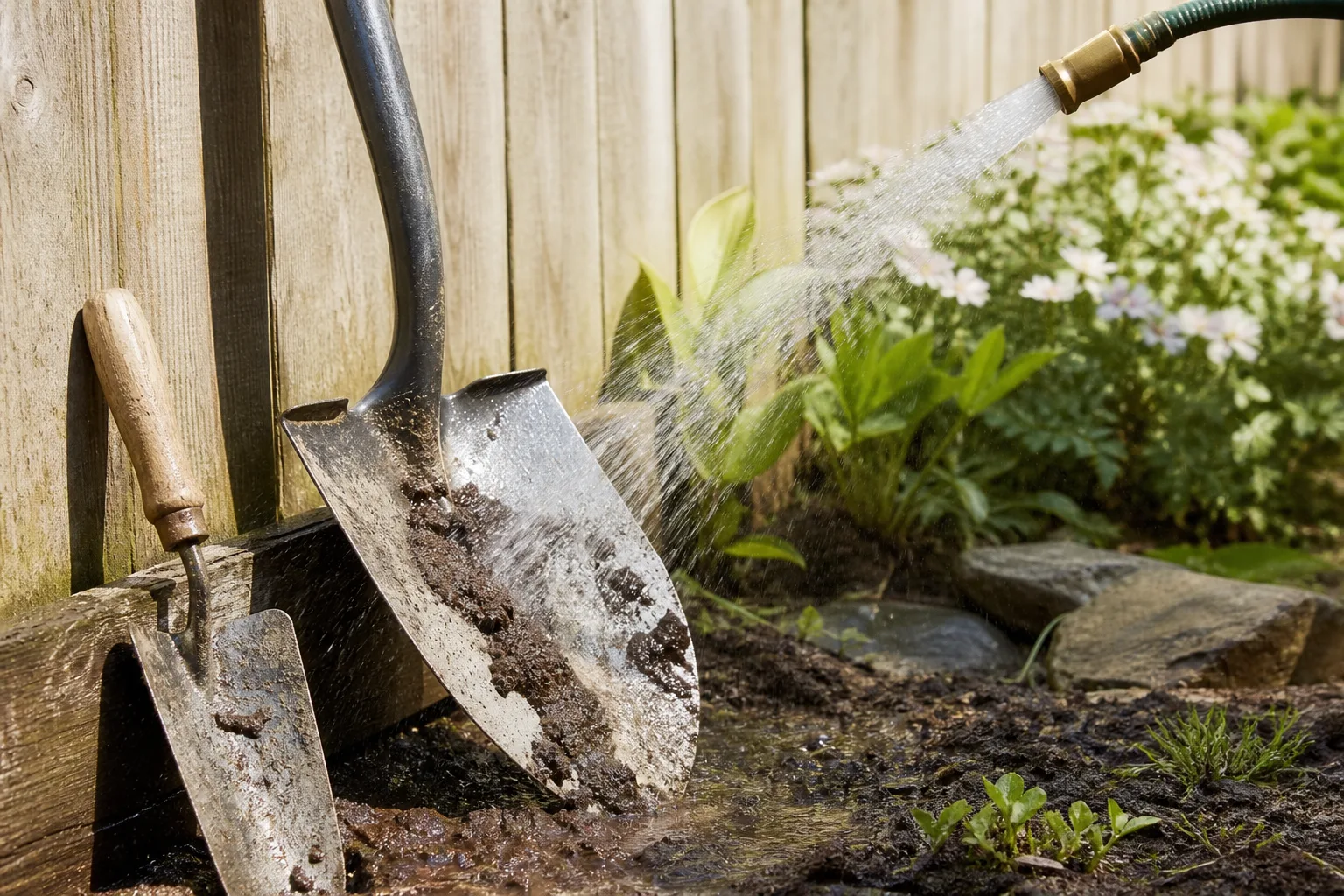
Plan major pruning for late winter or very early spring, just before new growth begins. Wear gloves, eye protection, long sleeves, and closed shoes. Use clean, sharp pruners or loppers, disinfect them afterward, and collect every cutting from the ground.
Start by removing dead, damaged, crossing, or weak stems. Thin crowded growth at its origin rather than repeatedly shearing the outside of the shrub. To keep a rounded shrub, shorten overly long stems to a healthy branch point and preserve several strong stems from the base. Pinching young tips encourages branching, but repeated tip work is not a substitute for structural pruning.
To train a tree form, select one strong central stem or a small group of trunks and remove competing basal shoots gradually. Support a young central stem if it wobbles, but do not force a tree form where the plant’s location makes regular handling unsafe. A tree-form oleander still needs continual removal of basal shoots, so it is a higher-maintenance choice than a natural shrub.
Grow Oleander in Containers
Container growing is useful for gardeners near the edge of oleander’s climate range or anyone who needs to move the plant for winter. Choose a large, heavy pot with drainage holes; a container roughly 14–24 inches wide suits many young plants, but mature specimens may require a larger vessel. Use a well-drained commercial potting mix rather than dense garden soil.
Water when the upper layer begins to dry, then let excess drain completely. Never leave the pot standing in a saucer of water. Roots have less soil volume and fewer moisture reserves in a container, so inspect the mix more frequently during hot, windy weather.
Prune lightly after flowering or in late winter to keep the plant within a manageable size. Repot when roots circle densely or water races through the pot without wetting the mix. Because every part remains toxic, place the container where it cannot be reached by children or pets and where fallen leaves can be collected easily.
Protect Oleander Through Winter
In warm climates, reduce winter work by planting in a sheltered, well-drained site and avoiding late-season heavy pruning. Oleander can tolerate brief light frost, but colder exposure may damage stems or kill top growth. Wait until the danger of severe cold has passed before deciding how much wood survived; a plant may resprout from the base after a freeze.
Container plants are easier to protect. Move them before a hard freeze to a bright, cool, sheltered location such as a sunny porch or garage window, keeping them away from people and animals. Reduce watering while growth slows, but do not let the root ball become completely dry. Reintroduce outdoor sun gradually in spring to reduce leaf scorch.
Do not dig and pot a large in-ground shrub as an annual winter routine unless you have planned for its eventual size. That operation is heavy, stressful, and increases the handling risk. In cold climates, a container-grown dwarf cultivar is usually the more realistic choice.
Choose an Oleander Cultivar
Select a cultivar by mature size, flower color, and winter strategy rather than by bloom color alone. ‘Calypso’ has single cherry-red flowers; ‘Sister Agnes’ is known for large single white flowers; ‘Isle of Capri’ produces light yellow flowers; and ‘Hawaii’ has salmon-pink flowers with a yellow throat. Double-flowered selections such as ‘Mrs. Roeding’ and ‘Compte Barthelemy’ create a fuller display but may hold more spent petals.
For smaller spaces or containers, look for named dwarf selections such as ‘Petite Pink’ or ‘Petite Salmon’, which commonly stay around 3–4 feet tall. Variegated forms can add foliage interest, but they may grow less vigorously than green-leaved plants. Read the nursery tag carefully: a plant described only as “dwarf” without a cultivar name does not give you a dependable mature-size promise.
Propagate Oleander From Cuttings
Propagate only when you can work safely and contain all plant debris. In warm weather, take a healthy stem cutting, remove lower leaves, and leave a small cluster of leaves at the top. Wear gloves throughout; do not place cuttings in your mouth or handle them near food.
Set the cutting several inches deep in a clean, freely draining propagation mix. Rooting hormone is optional. Cover the pot loosely with a clear bag supported above the leaves to retain humidity, then place it in warm, bright filtered light. Keep the mix lightly moist, never waterlogged. After several weeks, gentle resistance indicates root formation; remove the cover gradually and transplant only after the new plant is actively growing.
Keep cuttings, tools, and discarded leaves away from children and pets. If you do not have a secure propagation area, buying a healthy named plant is the safer and simpler option.
Diagnose Pests and Leaf Damage
Oleander is often tough, but “resistant” does not mean pest-proof. University of Florida IFAS and NC State Extension both identify common insect concerns, including oleander caterpillars and sap-feeding pests. Inspect new growth, leaf undersides, stems, and the interior of the shrub every few weeks during active growth. Start by identifying the pattern before applying any product.
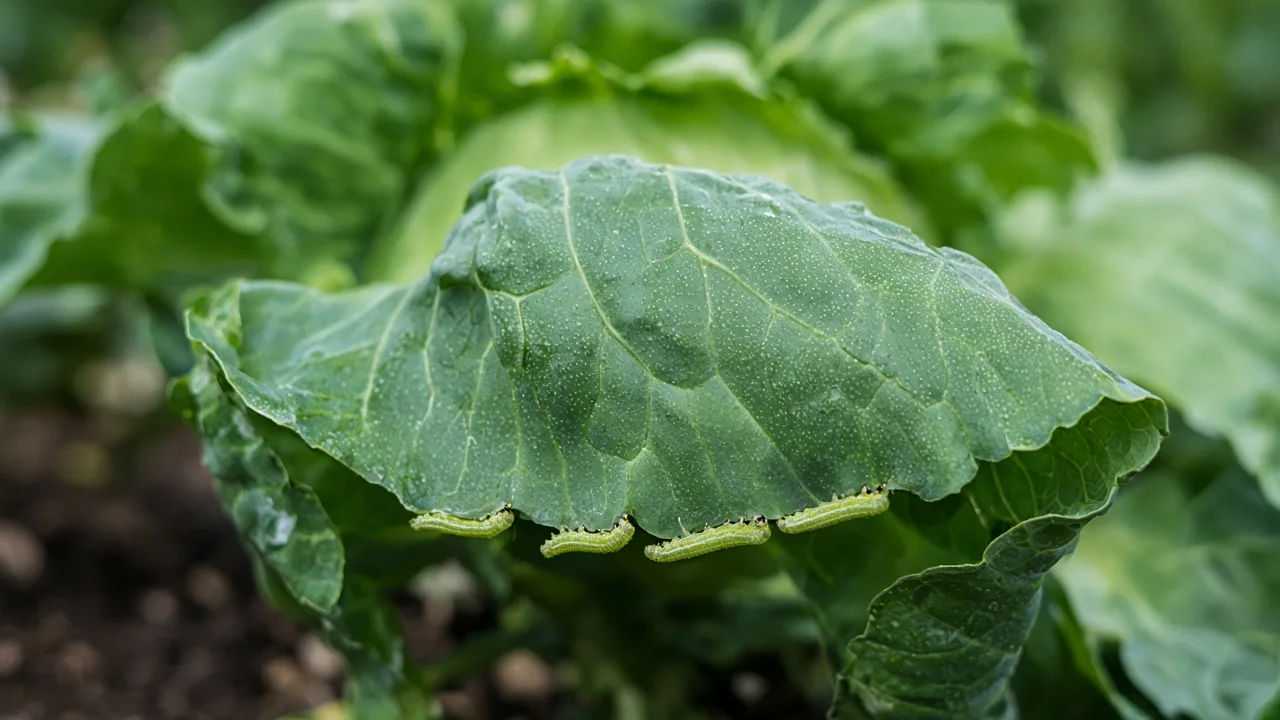
Oleander caterpillars can strip foliage quickly. Look for chewing, clusters of larvae, webbing, or cocoons on nearby surfaces. Hand removal is only appropriate when you are fully protected and can dispose of the material safely. Prune out heavily infested tips if practical, bag the debris, and use only a treatment labeled for the plant and pest in your location. Follow the label exactly and keep children and pets away during application and reentry.
Aphids cluster on tender growth and may leave sticky residue. Mealybugs appear as cottony patches, while scale looks like small fixed bumps on stems or leaves. A strong water spray may dislodge light infestations, but repeated problems call for pruning, sanitation, and an integrated pest-management plan rather than repeated random sprays.
Sudden leaf drop or browning can result from cold, drought, root disturbance, or saturated soil. Check the root zone and recent weather before blaming insects. Cut back only clearly dead wood, and disinfect tools between cuts. If dieback is extensive, the plant is beside a high-traffic area, or you cannot safely collect debris, consult a qualified local horticulture professional.
Use Oleander in the Landscape
Use large cultivars as informal screens, boundary plantings, slope stabilizers, or flowering accents where access can be controlled. A line of trained trees can frame an entrance, while a container can screen an unattractive utility area without committing to an in-ground shrub. Combine oleander with plants whose mature size and water needs match its sunny, well-drained setting.
Keep paths, seating areas, play spaces, pet routes, and edible beds outside the plant’s likely reach. Explain the toxicity to anyone who helps in the garden, label containers if necessary, and store gloves and pruners where children cannot reach them. The safest oleander is one that is both healthy and intentionally placed.
Conclusion
Oleander rewards the right site with evergreen foliage, rapid growth, and months of flowers. Give it full sun, drainage, room to mature, and steady water while it establishes; fertilize only when evidence points to a need; prune in late winter with protective clothing; and use containers when winter cold makes in-ground growing unreliable. Most importantly, treat the plant as toxic from purchase through disposal. Good oleander care is not just about more blooms—it is about choosing a location and routine that keep the plant, gardener, family, and pets safe.