5 Plants I Won’t Be Growing Again as a Beginner Gardener
These five plants are not bad, but they can be poor beginner fits. Learn why they fail, what to check first, and which lower-work alternatives to try.
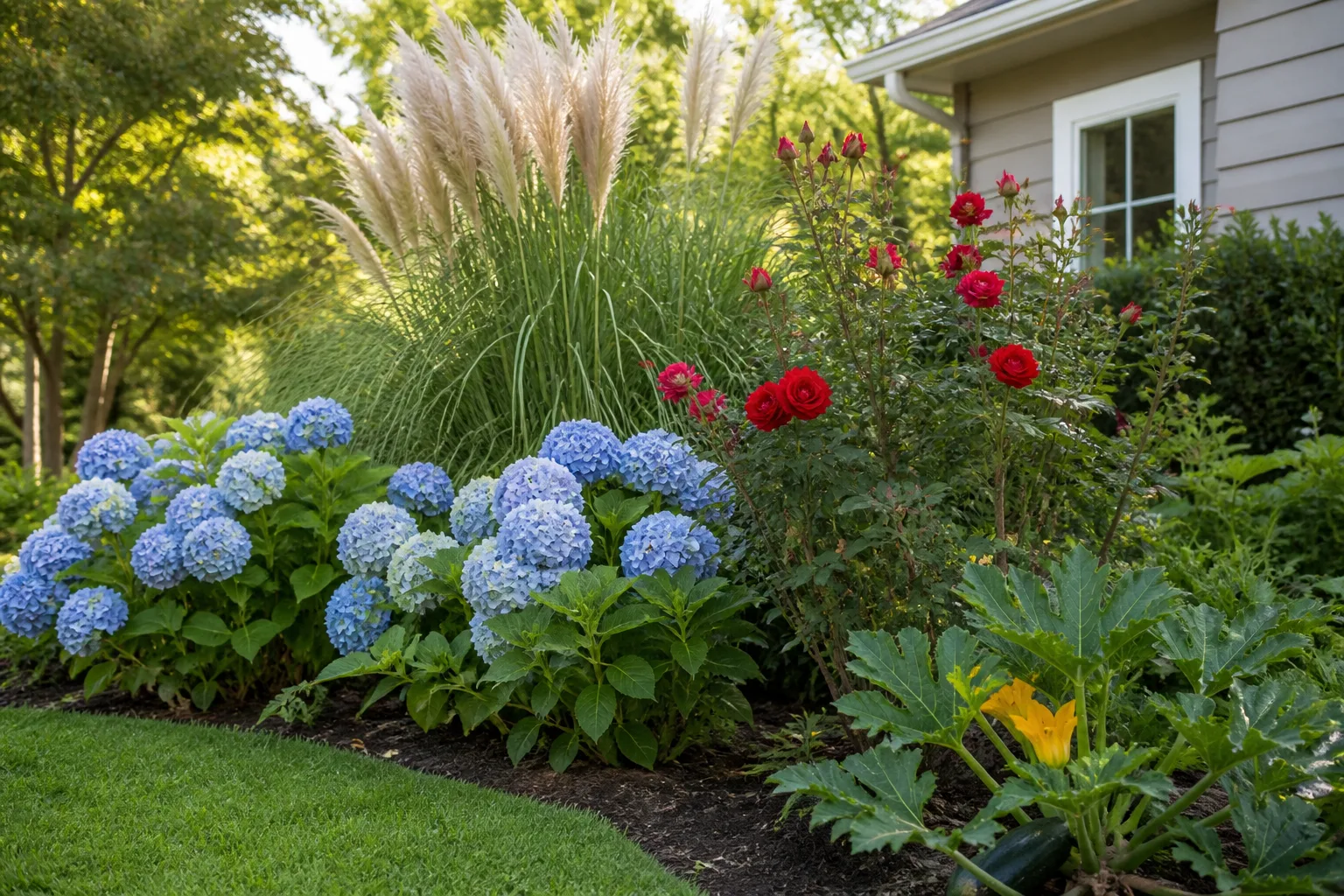
There is a useful distinction between a difficult plant and a bad match. A plant can be healthy, beautiful, and perfectly worth growing for someone else while still being the wrong choice for your light, climate, space, container, or available time.
That is how I would read this list. Borage, hydrangeas, lavender in pots, ice plant, and petunias are not failures as plants. They are plants with specific habits that punish vague instructions such as “give it sun,” “water when dry,” or “prune after flowering.” If you are starting your first garden, the better question is not “Is this plant easy?” but “Can I give this plant what it needs every week?”
A beginner’s “not again” list is really a fit list
Before buying a plant, run four quick checks. First, count the useful light at the planting spot rather than guessing from the garden’s brightest hour. Second, decide whether the site stays evenly moist, dries quickly, or swings between the two. Third, look up the plant’s mature width, not the size of the nursery pot. Finally, be honest about the maintenance you will repeat when the weather is hot and the novelty has worn off.
This test catches most of the disappointments below. Borage can be easy to grow but too generous with seed. Hydrangeas can be reliable but unforgiving when you prune the wrong wood. Lavender may love a sunny bed yet fail in a heavy, water-holding pot. Ice plant can be drought tolerant and still decline in a wet winter site. Petunias can bloom for months, but a traditional variety asks for frequent grooming.
If a plant fails one gate, change the site or the cultivar before blaming yourself. If it fails two or more gates, choose a different plant. A first garden should teach you how to read conditions, not make you spend the whole summer compensating for a mismatch.
Borage: beautiful, generous, and too willing to take over
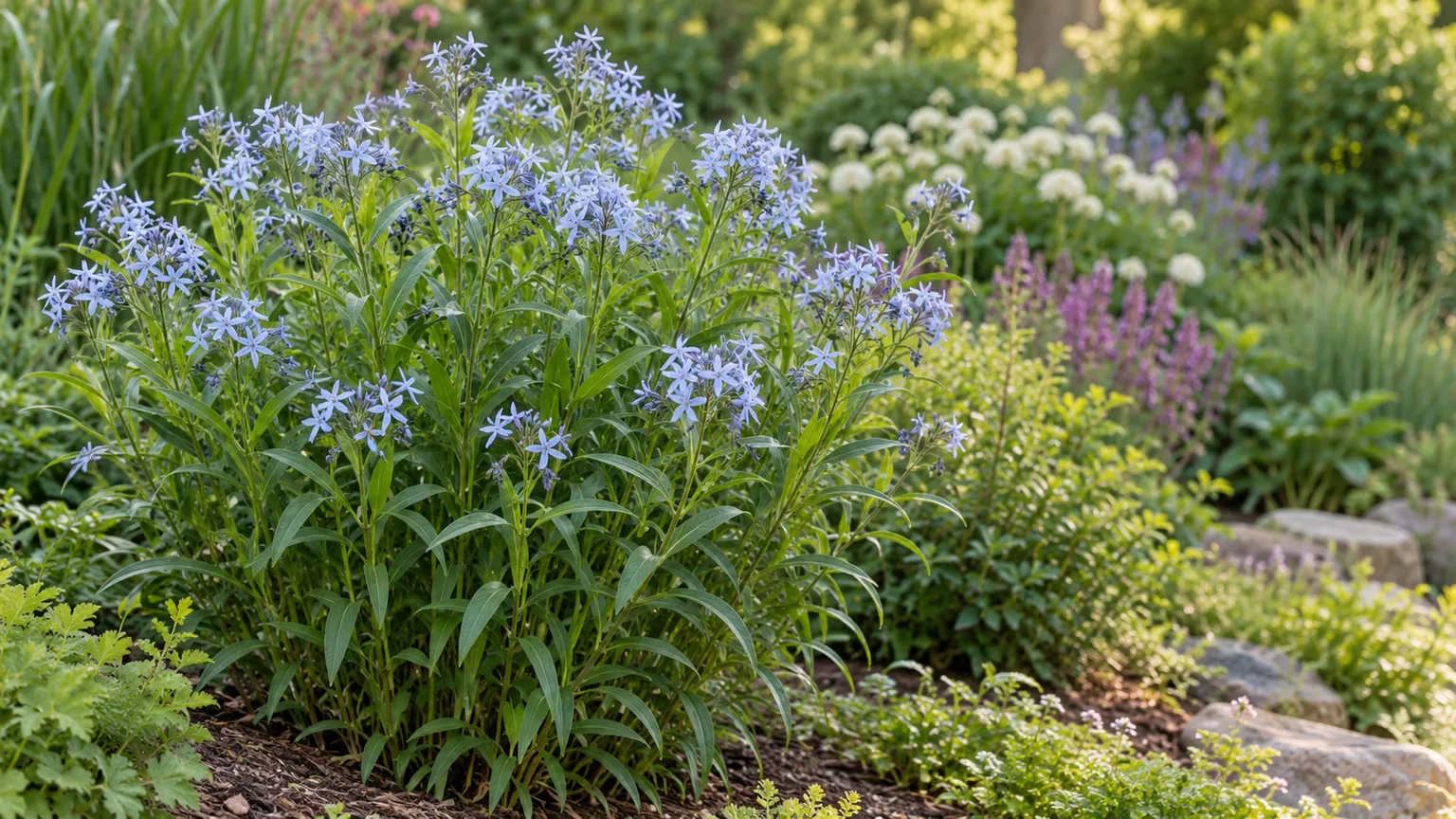
Borage (Borago officinalis) earns its place in a garden with electric-blue, star-shaped flowers, edible blooms, and a strong appeal to bees. It is also an annual that can return year after year when it drops seed, which is exactly why it can move from charming to annoying in a small bed.
Why borage became a bad fit
The problem is not that borage is hard to germinate or demanding about soil. The problem is that it does not understand the scale of a tidy planting plan. First Tunnels describes common borage as an annual that readily self-seeds, and Gardening Know How notes that it can become top-heavy as it reaches roughly 18 to 36 inches tall and 9 to 24 inches wide (First Tunnels’ borage growing guide; Gardening Know How’s borage harvesting guide).
In a large informal border, that looseness can look natural. In a narrow bed, borage may shade smaller neighbors, flop into a path, and leave seedlings in places where you wanted room for herbs or vegetables. GrowVeg makes the spatial issue especially clear: borage is broad-leaved enough to bully smaller companion plants even when its pollinator value is useful (GrowVeg’s borage companion-planting guide).
The beginner trap is treating every volunteer seedling as a gift. A few volunteers are free plants; dozens are a new maintenance task. You can also spend the season cutting back or moving borage when the better decision would have been to reserve one rough corner for it and leave the rest of the bed available for plants with a more predictable footprint.
The better way to use borage
Grow borage again only if you want its behavior. Give it one defined location at the edge of a vegetable garden, beside a compost area, or in an informal pollinator patch where a spreading clump will not crowd a prized plant. Mark the spot so next spring’s seedlings are evaluated there instead of being allowed to fill every gap.
If you want to keep it contained, remove plants before the seeds mature. If you want flowers for pollinators and do not mind volunteers, let a few set seed and pull the rest while they are small. The most useful beginner rule is to choose one of those plans in advance; trying to get the pollinator benefits and zero reseeding at the same time creates unnecessary work.
Borage is also not the best choice for a tiny container unless you are prepared for a substantial plant. For a smaller bee-friendly planting, use a compact thyme, sedum, or a well-behaved annual selected for your growing conditions. The goal is not to eliminate exuberant plants; it is to put exuberance where it can be an asset.
Hydrangea: the shrub I would not choose on autopilot
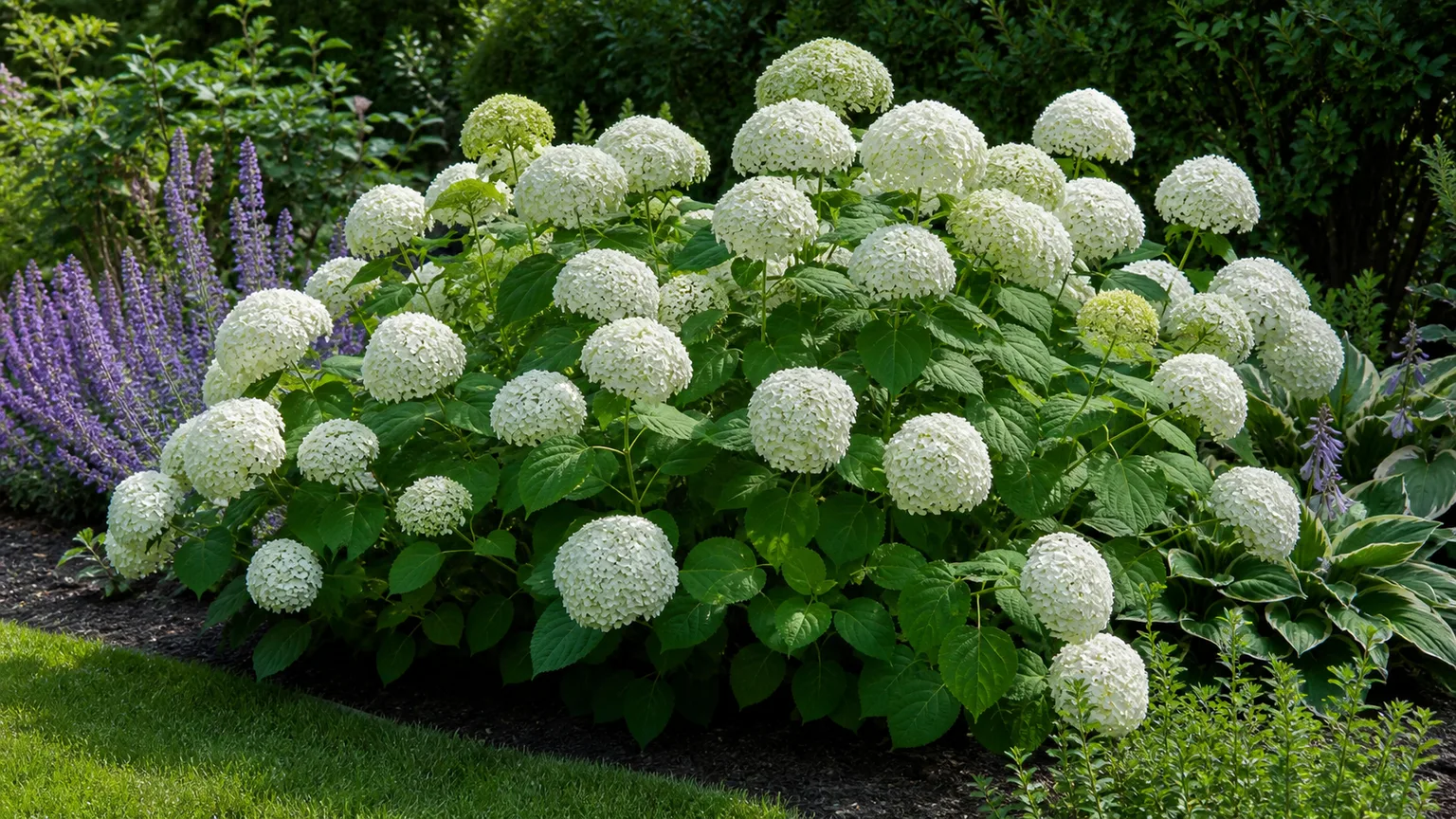
Hydrangeas are popular because they can deliver a large visual payoff from one shrub. That popularity can make them seem like a universal beginner plant, but “hydrangea” is a whole group of shrubs with different sizes, flowering wood, sun tolerance, and winter behavior.
The hidden work is cultivar-specific
The first risk is pruning by calendar instead of by plant. UConn Extension separates hydrangeas by type: bigleaf and oakleaf hydrangeas bloom on older wood, while smooth and panicle hydrangeas bloom on new wood. A cut that is harmless for a panicle hydrangea can remove the next season’s flowers from a bigleaf or oakleaf plant (UConn Extension’s hydrangea fact sheet).
The second risk is expecting the same shrub to suit every climate. UConn notes that panicle hydrangea can take full sun to partial shade, while bigleaf hydrangea is less cold hardy and more vulnerable to bud injury. It also recommends well-drained, fertile soil and steady moisture; in normal conditions hydrangeas need about an inch of water per week, and more during hot, dry weather.
That is a meaningful care commitment for a beginner. You may need to identify the cultivar, protect old-wood buds from late frost, keep the root zone from repeatedly wilting, and accept that a large flower head can need support. Even the question “Why didn’t it bloom?” has several possible answers: wrong-time pruning, frost injury, insufficient usable light, drought stress, or too much nitrogen.
Choose the hydrangea—or skip it—on purpose
If you love hydrangeas, choose the type before you choose the flower color. A panicle hydrangea is often a more forgiving starting point for a sunny site and cold climate because it flowers on current-season growth. A smooth hydrangea can suit a part-shade border, although large flower heads may need sturdier stems. Oakleaf hydrangea can be a strong choice for a hot site where its foliage and old-wood flowering schedule fit your patience.
Buy a plant with a readable cultivar label, measure the mature width, and place it where you can water deeply without making daily rescue trips. Do not prune a new hydrangea until you know whether its flowers form on old wood, new wood, or both. If the name is missing, wait and observe the stems rather than taking a hard cut.
Skip hydrangea for now if you want a shrub you can plant, ignore, and prune casually. Choose a smaller perennial with a known mature size, or use a foliage plant such as hosta in shade. There is no shame in postponing a plant whose care decisions are more complicated than the garden project you actually want.
Lavender in pots: a drainage problem disguised as a watering problem
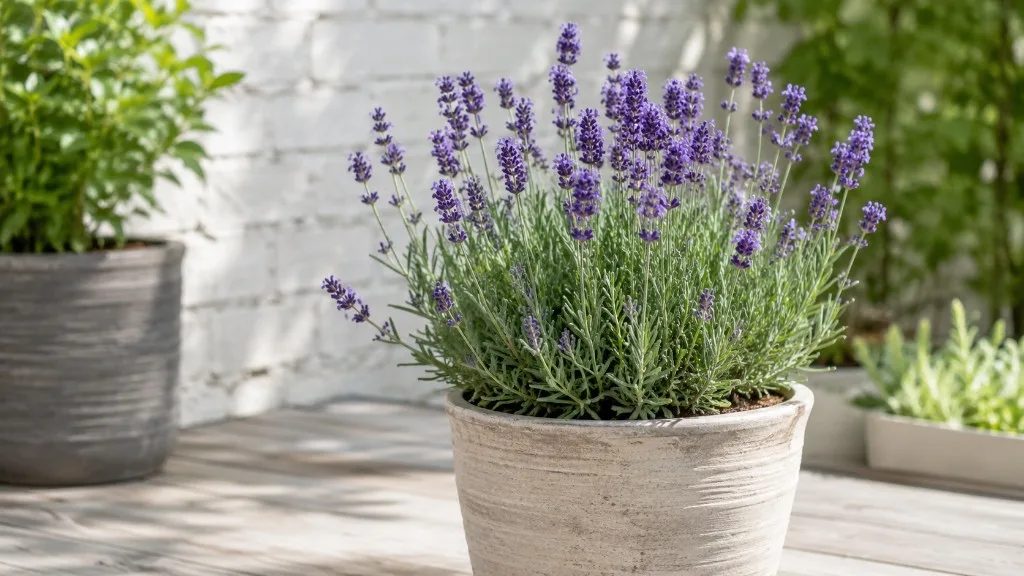
Lavender is one of the clearest examples of a plant that can be easy in the right place and maddening in the wrong one. Its gray foliage, fragrance, and flowers suggest a forgiving Mediterranean plant, but a pot on a sunny porch is not automatically a dry, well-drained lavender bed.
What likely went wrong
Lavender wants abundant light and a root zone that drains quickly. Utah State University Extension describes English lavender as a full-sun plant for dry, sandy, well-drained soil and warns against saturated or soggy conditions. NC State Extension likewise lists root rot as a risk when lavender soil stays too wet (Utah State University Extension’s English lavender guide; NC State Extension’s lavender profile).
Containers intensify both sides of the problem. A dark pot on a hot porch can heat the root zone, while a decorative container without a drainage hole can hold water long after the surface looks dry. A dense, moisture-retentive mix can leave the roots short of air, so adding more water because the leaves look stressed only deepens the problem.
The other beginner mistake is trying to follow a fixed watering schedule. A small pot in a windy, sunny position may dry faster than a large pot in a sheltered spot. Check the mix below the surface, lift the pot when you can, and water thoroughly only when the root zone has actually dried; then let excess water drain completely.
When lavender in a pot is worth trying
Try potted lavender when you can provide a pot with a real drainage hole, a coarse mix that does not stay saturated, and a location with several hours of direct sun and good airflow. A terracotta pot can make moisture changes easier to read, but the material does not rescue a blocked hole or a compacted mix.
Choose a compact or container-suited cultivar when possible, and repot before the root ball becomes a tight, woody mass. Keep the crown near the soil surface, do not bury the stems, and avoid placing the pot where roof runoff or an automatic sprinkler keeps it wet.
If you want the lavender look but your porch is humid, shaded, or rainy, use a plant that matches those conditions instead. Creeping thyme, sedum, or a suitable salvia can provide fragrance, texture, or pollinator flowers with a different tolerance profile. If your garden bed is sunny and fast draining, lavender may be worth growing there even if the pot experiment was a failure.
Ice plant: drought-tolerant does not mean site-proof
“Drought tolerant” is one of the most misleading phrases in a plant label. It describes what an established plant can handle once the roots, soil, light, and seasonal conditions are right. It does not guarantee that every ice plant will tolerate a wet winter, a poorly draining bed, a transplant during a heat wave, or a cultivar that is marginal for your climate.
Why two failures can still be useful information
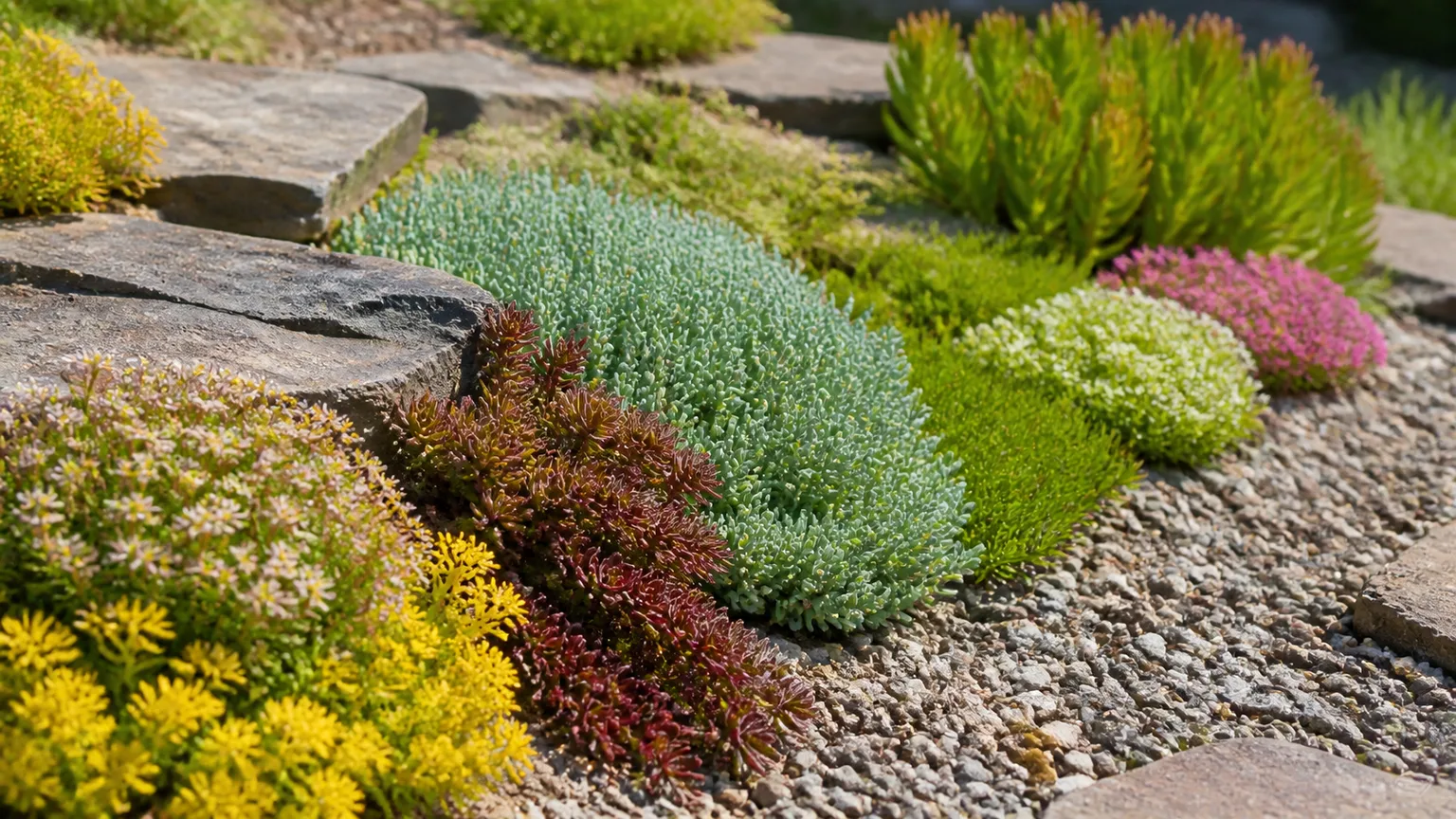
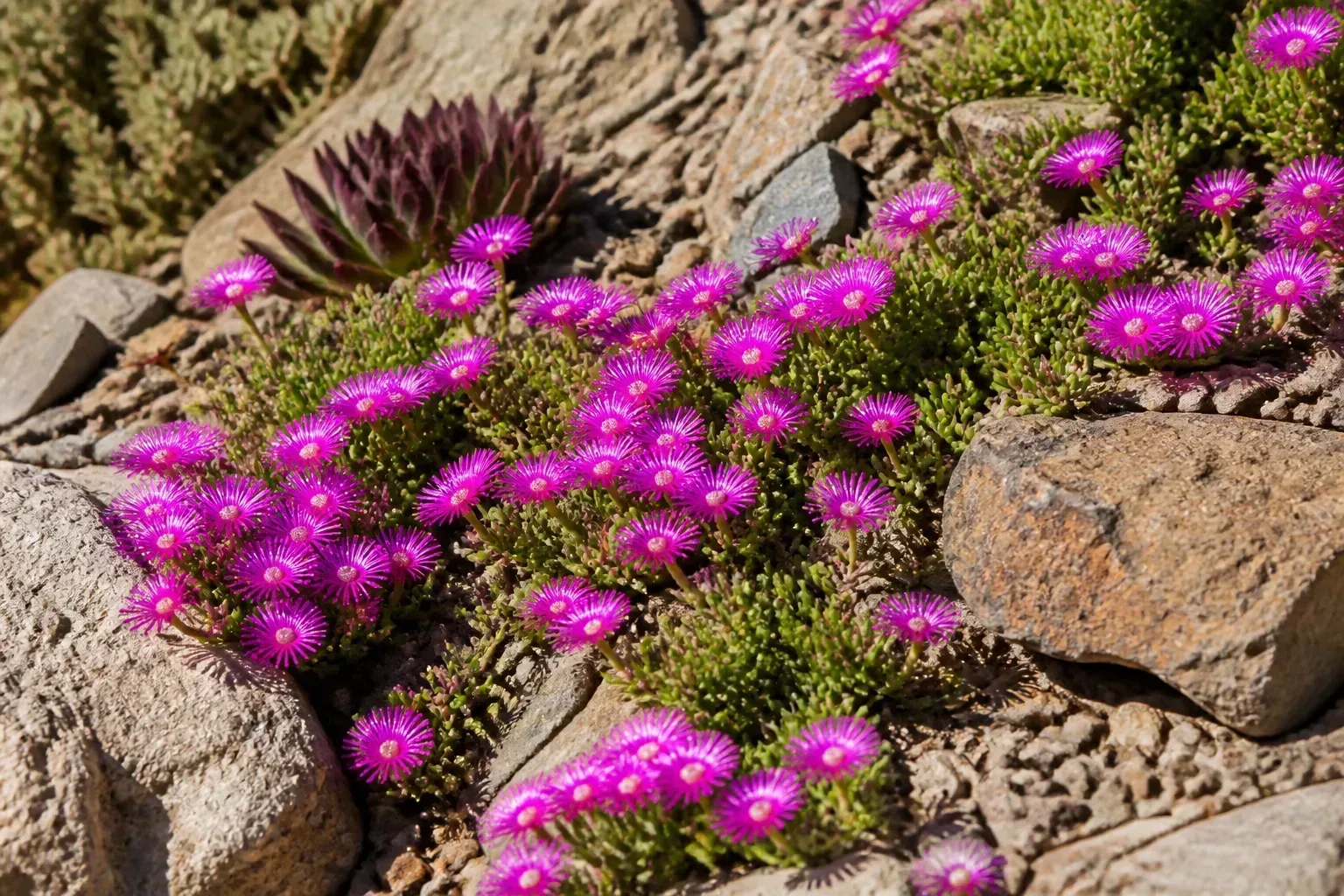
Delosperma needs full sun and very well-drained soil. NC State Extension describes hybrid hardy ice plant as a low-growing, spreading perennial that is heat and drought tolerant, but it also places the plant in dry or very dry soils and warns against overwatering or overfertilizing (NC State Extension’s Delosperma profile).
That combination explains why a plant can look perfect at the nursery and decline in a garden that seems sunny enough. A flat bed with heavy soil may hold water around shallow roots. A newly planted division may need regular water to establish, while an established mat may rot if the same watering routine continues. In a humid climate, rain frequency and winter drainage can matter more than the hottest week of summer.
Cultivar differences matter too. Garden Design lists Delosperma types with different hardiness ranges, mature widths, and growth habits, from compact clumps to mats that spread two feet or more. “Ice plant” is not a complete planting recommendation; the cultivar, site, and soil need to agree (Garden Design’s Delosperma growing guide).
Make the soil and climate do the work
Before trying ice plant again, dig a test hole and watch how quickly water disappears after a thorough soak. If the site stays slick or puddled, move the plant to a raised, rocky, or sloped position rather than trying to solve poor drainage with a calendar reminder. Use a lean, gritty soil mix for containers and keep the crown from sitting in a basin.
Plant during mild weather, water regularly while roots establish, and then reduce supplemental water once growth is stable. Protect the plant from the beginner habit of “helping” a drought-tolerant perennial with frequent shallow watering. If your winters are wet or your zone is at the edge of a cultivar’s range, buy a hardier type or choose sedum, creeping thyme, or another ground cover that is proven locally.
Two failed attempts do not prove that you cannot grow ice plant. They may prove that the exact locations were not dry enough, bright enough at the root zone, or suited to the cultivar. That is valuable information—but if changing the site would require rebuilding the bed, it is reasonable to choose a different plant.
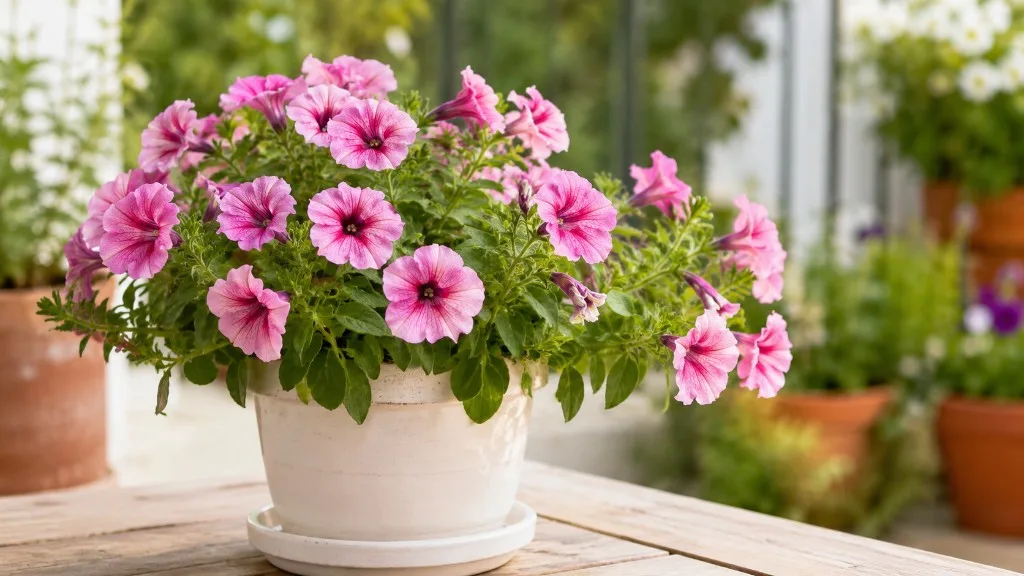
Petunias: spectacular color with a recurring labor bill
Petunias are excellent at one job: producing a great deal of color in a pot or border for a long season. They are less excellent if your definition of low maintenance means “water, feed, and otherwise leave it alone.”
The deadheading decision
Traditional petunias form seed after flowers are pollinated. Removing the entire spent flower and its base interrupts that process and helps keep the plant focused on new blooms. Better Homes & Gardens recommends dealing with a few faded flowers several times a week rather than waiting until the plant is covered, and notes that some newer lines are self-cleaning (Better Homes & Gardens’ petunia deadheading guide).
That is not an impossible chore. It is simply a recurring chore, and the difference matters. If you have several hanging baskets, a porch that dries quickly, or a week that leaves no time for small garden tasks, deadheading can become the thing you resent about the plant.
Petunias also ask for more than flower removal. They prefer strong light, regular moisture, and continued feeding, especially in a container with a limited root volume. Garden Design notes that potted petunias need frequent watering, can suffer from root rot when drainage is poor, and often need pruning back by about a third as stems become leggy (Garden Design’s guide to petunias in pots).
Get the look with less work
If you like petunias but dislike deadheading, buy a named self-cleaning type and verify that claim on the plant label. Self-cleaning does not mean self-watering or self-feeding; it removes one task, not the need to check moisture, light, crowding, and nutrition.
You can also reduce the labor by growing fewer plants in larger, well-drained containers. A crowded pot dries unevenly and is harder to groom. A single vigorous plant with room to branch can be easier to monitor than several small plants competing for the same root space.
If you want a colorful annual display with less grooming, try calibrachoa, zinnias, or another plant whose mature habit fits your conditions. Zinnias still need to be replanted in many climates, but they can deliver a long display without asking you to remove every spent bloom. Calibrachoa can give a petunia-like cascade, while a perennial such as coneflower shifts the work toward establishment and seasonal cleanup instead of constant flower-by-flower maintenance.
What I would plant instead
My replacement list would be chosen by the job each plant is supposed to do, not by a universal ranking of “easy” plants.
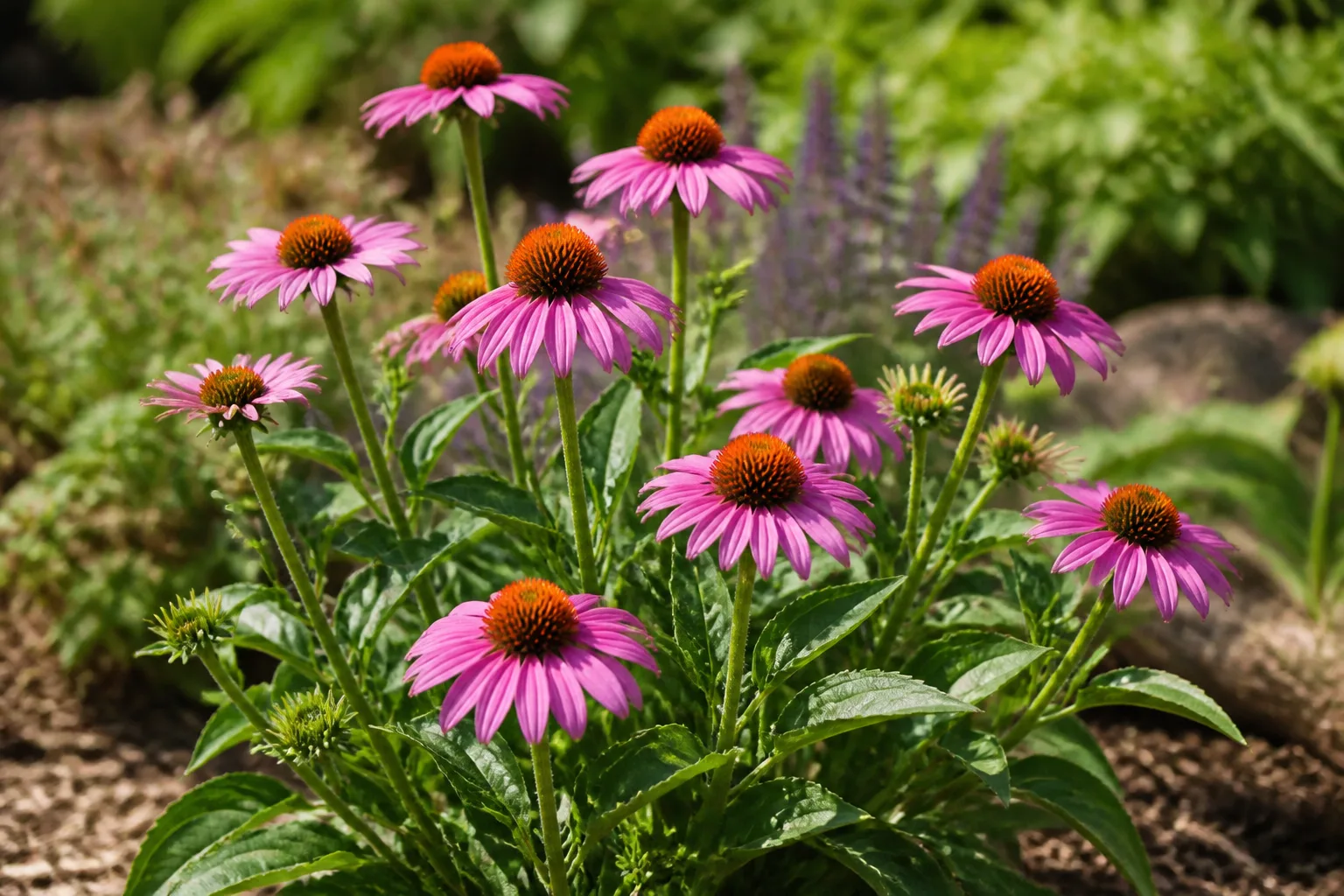
- For a low-maintenance pollinator flower: coneflower is a strong starting point for a sunny bed in a climate where it is hardy. Leave some seed heads standing if you like winter structure, and choose a cultivar that fits the mature height you can support.
- For a fragrant, dry-site edging plant: creeping thyme or a locally adapted sedum can suit a fast-draining border better than lavender in a pot. The important match is the drainage and exposure, not the label’s promise of drought tolerance.
- For long summer color: zinnias are a practical annual when you can accept replanting or reseeding. They suit the gardener who wants a big flower show but does not want to deadhead every day.
- For a petunia-style container: calibrachoa can provide a trailing display, while a self-cleaning petunia line is the simplest way to keep the familiar shape with less grooming. Both still need a drainage hole, regular checks, and enough light.
- For shade and dependable foliage: hostas can be easier to place than a sun-loving flower, although deer pressure and mature size still need to be considered. Start with one or two plants so you learn how quickly the cultivar fills the space.
- For a shrub with a clearer pruning decision: choose a labeled panicle hydrangea or another locally recommended shrub whose mature size and flowering wood are known. If you do not want pruning decisions at all, choose a compact perennial instead of forcing yourself to learn a shrub’s cycle this season.
The common thread is recoverability. A good beginner plant gives you a chance to notice a mistake, correct the site or routine, and see improvement. It should not require you to guess whether the problem is a cultivar, a root system, a winter bud, a hidden drainage layer, or a weekly task you no longer have time to do.
Conclusion
I would not put borage, hydrangeas, lavender in pots, ice plant, or petunias on a permanent blacklist. I would put them on a “choose with conditions” list.
Borage needs a boundary. Hydrangea needs a known type and a pruning plan. Lavender needs fast drainage and a container that lets you read moisture. Ice plant needs the right soil and season, not just a sunny label. Petunias need you to decide whether repeated grooming is part of the garden you want.
For a first garden, start with the plant that matches your real week. Check the light, dig into the soil, measure the mature space, and name the task you are willing to repeat in July. When those four answers agree, even a demanding plant becomes a manageable project; when they do not, choosing a different plant is not giving up—it is good gardening.