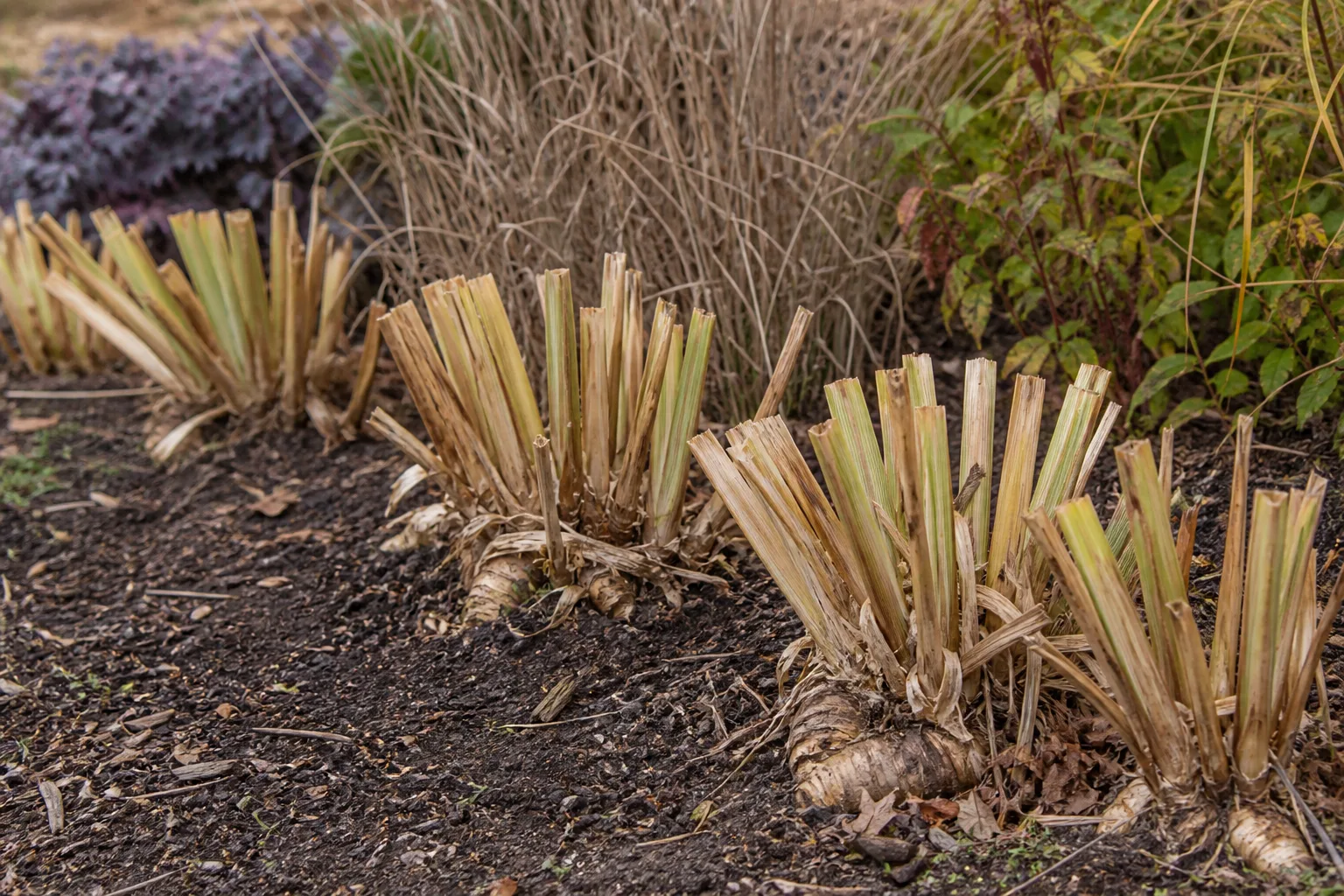
Cut These 7 Plants Back in September for Better Growth
Learn which seven plants can benefit from a September cutback, how much to remove, and when frost, bloom timing, or plant type means you should wait.
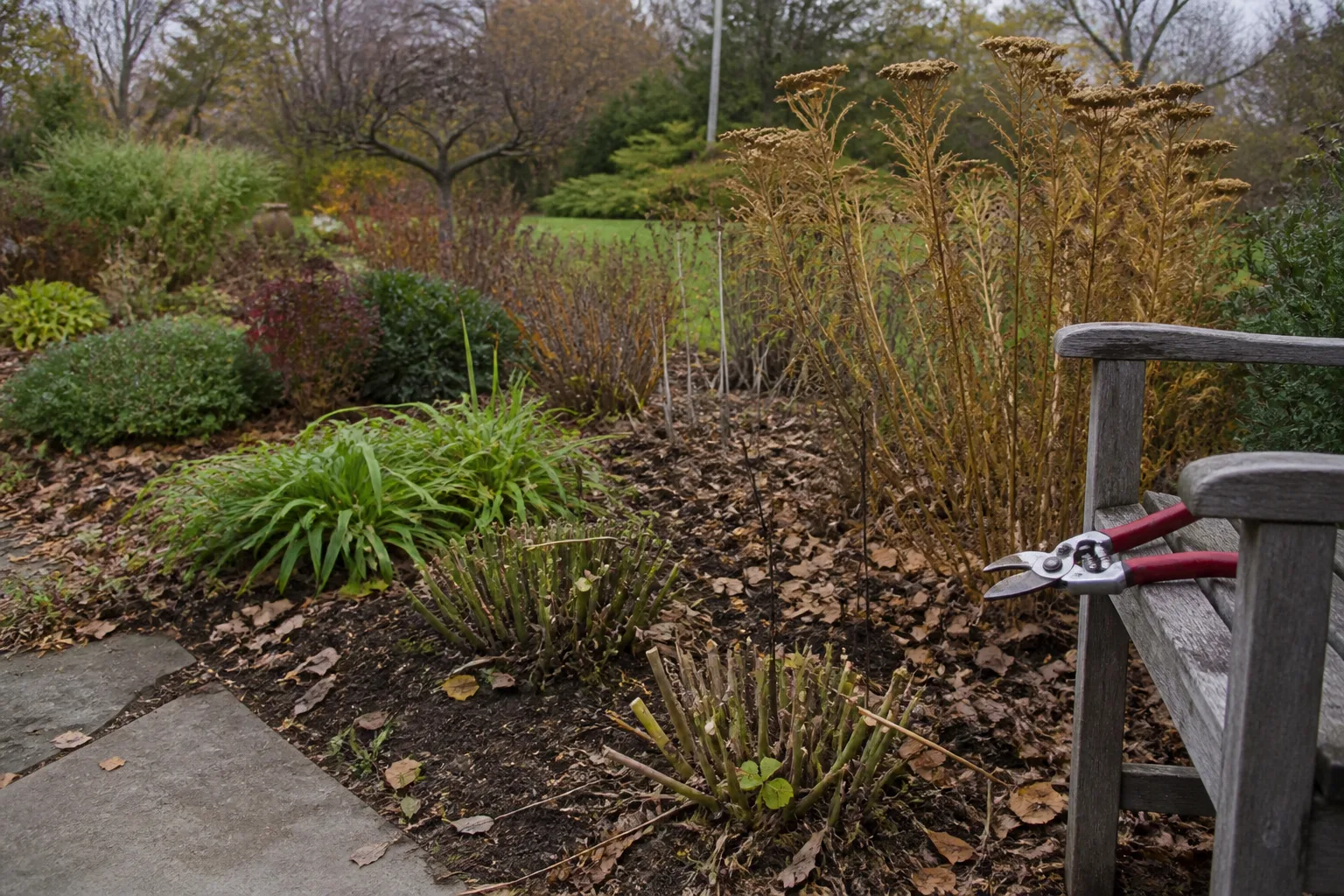
September is a useful pruning month, but it is not a permission slip to shear the whole garden. The best September cut is usually a targeted cut: remove spent growth, clear diseased foliage, shorten a vigorous summer shoot, or tidy a plant that has finished its main flush. A hard cut made simply because the calendar says “fall” can remove next year’s flower buds or push soft new growth into cold weather.
The seven plants below can all appear on a September pruning list, but they do not want the same treatment. Wisteria may need a light shape-up, lavender may need only green-tip trimming, bearded iris and daylily benefit from sanitation once foliage declines, and clematis requires an identification step before you cut. Roses are the plant on this list that most often deserves restraint.
September Pruning Is a Timing Window, Not a Rule
The reason September works for some plants is that summer growth is finishing while the soil may still be warm enough for roots to remain active. A light post-bloom trim can keep a vine or perennial within its space, and removing collapsing or diseased foliage can reduce the amount of infected material left beside next year’s shoots. That is different from forcing every plant into dormancy by cutting it down early.
Think of three kinds of work. Deadheading removes spent flowers to redirect the plant from seed production or to encourage another flush. Light shaping shortens a few long, green shoots without changing the plant’s framework. Cutting back removes most of the season’s top growth after it has naturally declined. Confusing those jobs is how a harmless tidy-up turns into over-pruning.
The First Question: What Kind of Growth Carries Next Year’s Flowers?
If a plant flowers on old wood, next year’s buds are already sitting on stems that grew this year. A hard September cut can remove that display even if the plant itself survives. Many spring-flowering shrubs and some clematis fall into this category, so a neat-looking fall cut may produce a flowerless spring.
Plants that flower on new wood make their blooms on growth produced next season. They are generally more forgiving of dormant pruning, although “more forgiving” does not mean “cut whenever you like.” Roses vary by type, wisteria varies by species, and clematis is divided into pruning groups. When you do not know the plant’s flowering habit, remove only dead, damaged, diseased, or clearly obstructive growth and postpone structural pruning.
The Second Question: How Close Is Your First Hard Frost?
September can mean a long, mild autumn in one garden and the last warm fortnight in another. If the first hard freeze is several weeks away, a light trim has time to settle. If frost is imminent, a heavy cut on a vigorous plant may trigger tender shoots that have no time to harden.
Use your local frost date as a planning aid, not a command. Watch the plant, too: active soft tips, fresh leaves, and flexible green shoots mean it is still growing. A plant with yellowing foliage, finished flowers, and no new extension growth is closer to a natural cleanup window. When the two signals disagree, choose the smaller cut.
That restraint matches the practical warning in Gardening Know How’s September pruning guide: hard fall pruning can leave new growth with too little time to establish before frost, so the safest September jobs are the ones matched to the plant’s season and condition.
The Seven Plants at a Glance
| Plant | Best September action | Do not do this |
|---|---|---|
| Wisteria | Lightly shorten long summer shoots and remove runners | Do not hard-prune just before winter |
| Roses | Remove dead, diseased, crossing, or broken wood | Do not reshape the whole bush in cold climates |
| Lavender | Deadhead and trim green growth lightly | Do not cut into bare woody stems |
| Bearded iris | Remove declining foliage and debris after frost or dormancy | Do not bury the rhizomes or leave borer-prone debris |
| Blanket flower | Deadhead or reduce tired stems selectively | Do not remove every seedhead if wildlife value matters |
| Daylily | Remove spent scapes and brown or collapsed foliage | Do not strip healthy green foliage early |
| Clematis | Prune only if its group or herbaceous habit calls for it | Do not treat every clematis as a late-flowering vine |
1. Wisteria Needs Light Summer Shaping, Not a Late Hard Cut
Wisteria is on the list because it can produce an astonishing amount of summer growth. If long whips are escaping a pergola, crossing the framework, or rooting where they touch soil, September is a good time to regain control with selective cuts. The aim is to keep a few strong framework stems and shorten the side shoots, not to reduce the entire vine to a stump.
For a maintained vine, cut overly long current-season shoots back to roughly 12 inches or five to six leaves, making the cut just above a leaf node. Remove basal runners and shoots that are heading into nearby shrubs, gutters, or trees. A support that is already overloaded may also need a few entire misdirected branches removed, but make those cuts back to a main branch rather than leaving long stubs.
The timing matters because wisteria’s ideal routine is usually a heavier late-winter prune plus a lighter post-flowering summer trim. A current extension answer from Ask Extension specifically warns that pruning just before winter can encourage growth at the wrong time, while NC State Extension describes Japanese wisteria as a rapid, high-maintenance vine that needs sturdy support and regular pruning. Read the full Ask Extension guidance on wisteria pruning and NC State’s Japanese wisteria profile before a major renovation.
There is a safety and stewardship angle here, too. Japanese and Chinese wisteria can spread aggressively in some regions, and NC State notes that the seeds are poisonous. Wear gloves, keep children and pets away from fallen pods, and do not assume a vigorous vine belongs beside a natural area simply because it is attractive.
2. Roses Usually Need Sanitation Cuts, Not a Fall Haircut
Roses are often included in casual September pruning lists, but most gardeners should interpret that as cleaning, not a full structural prune. Remove dead or broken canes, diseased leaves, crossing branches, and growth that rubs against another stem. If a shoot is still actively extending and your area is moving toward winter, leave the healthy framework alone.
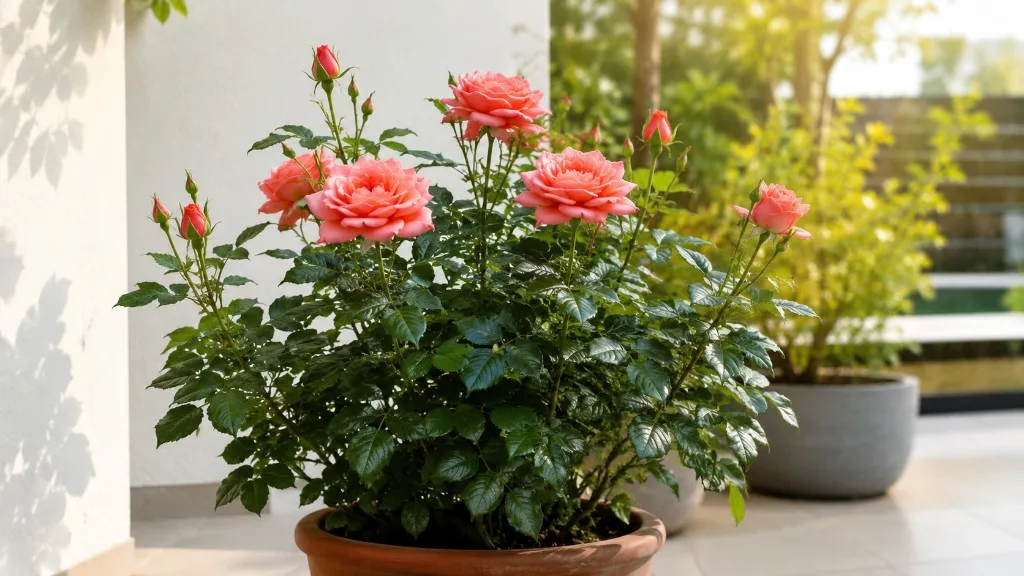
Repeat-blooming roses may continue flowering well into fall, so a severe trim can remove buds you would otherwise enjoy and can stimulate soft growth. In cold climates, that new growth is particularly vulnerable to winter injury. In warmer climates, or with a specific rose and a local schedule, a more substantial seasonal prune may be appropriate; the right answer depends on rose type, climate, and whether the goal is shaping, renovation, or winter protection.
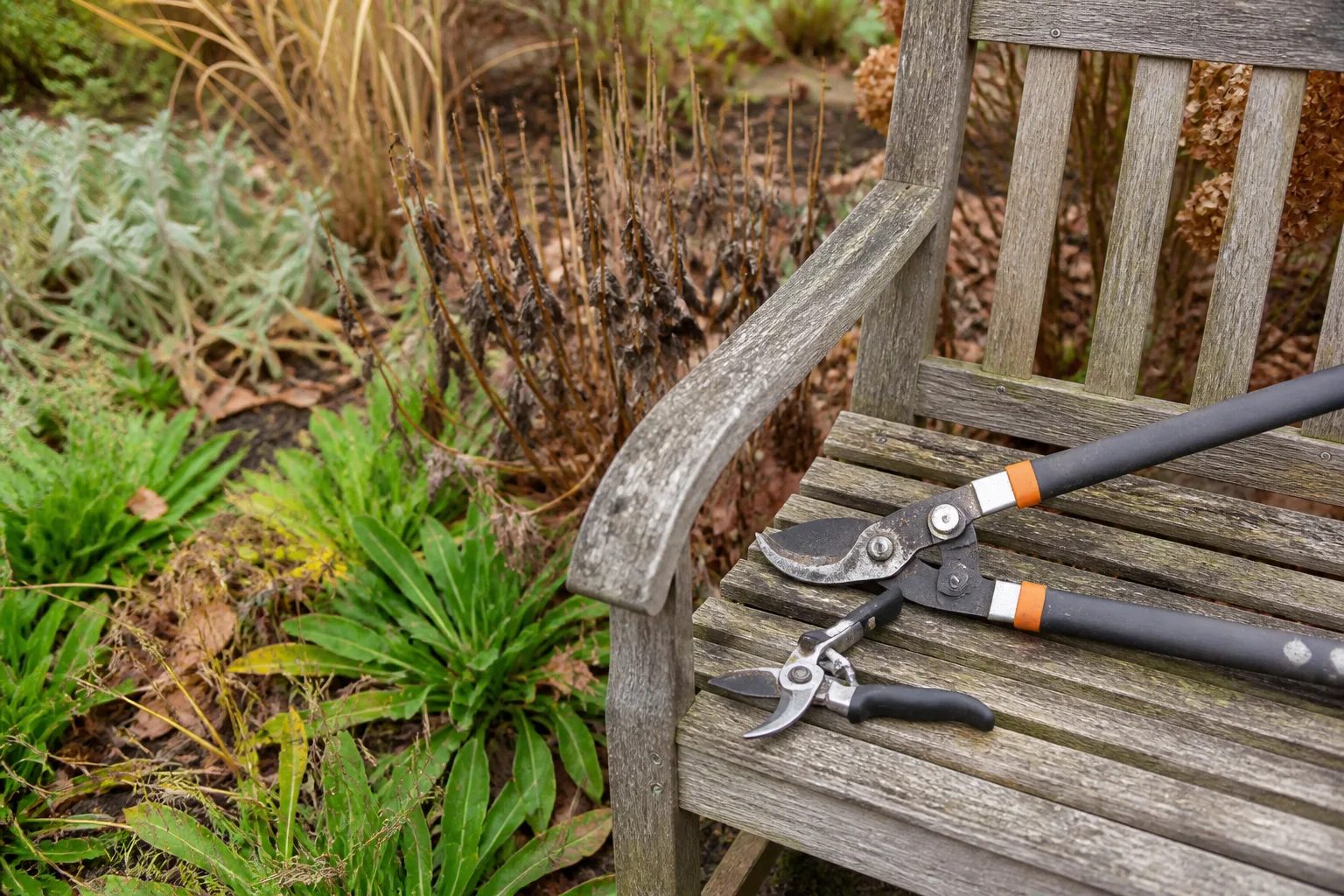
Use sharp bypass pruners for small canes and a saw or loppers for wood too large for the blades. Make a clean cut just above a healthy outward-facing bud, with the angle sloping away from the bud. The American Rose Society’s pruning principles also emphasize removing damaged or diseased wood and keeping the center open enough for air movement.
Do not paint every rose cut with household glue or sealant. A clean, properly placed cut and removal of infected debris are more useful than a cosmetic coating. Wear thorn-resistant gloves, disinfect tools when moving from a visibly diseased plant to a healthy one, and collect black-spot or mildew-covered leaves rather than leaving them under the bush.
3. Lavender Can Be Shaped, but Never Cut Into Old Wood
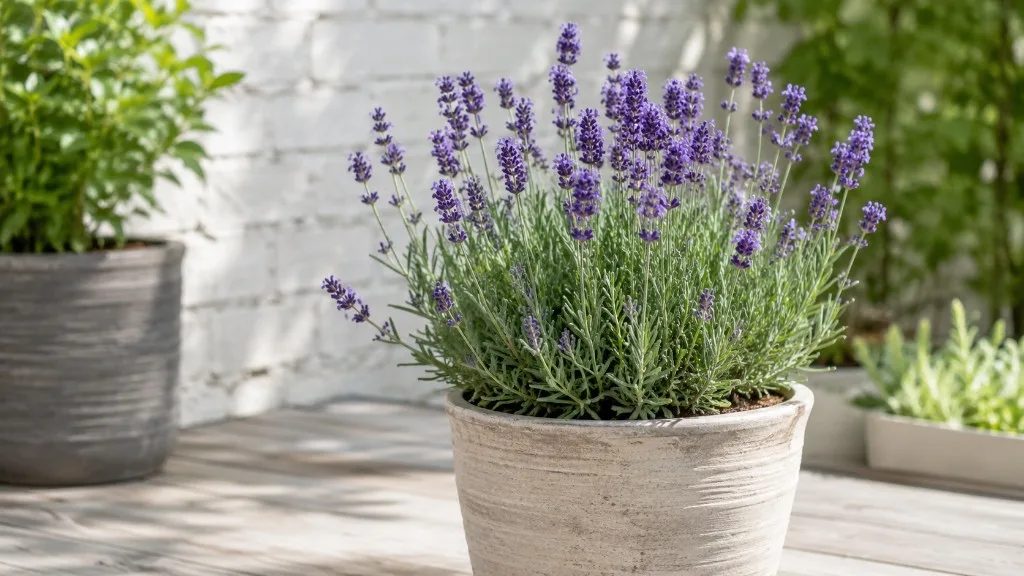
Lavender is the most delicate pruning decision on this list because it is a woody Mediterranean subshrub, not a soft perennial that reliably regrows from every bare stem. In a mild climate with plenty of time before frost, you can deadhead and lightly shape it after flowering. A practical limit is to remove about one-third of the green, leafy growth, preserving a rounded mound and plenty of foliage below the cut.
Stop when your shears reach gray, leafless wood. Old lavender wood often has few viable buds, so cutting deeply into it can leave a permanently bare patch. Do not turn September pruning into a ground-level cutback, and do not make a hard cut when cold, wet weather is only weeks away.
The RHS page retrieved for lavender had moved, so the stronger practical comparison comes from the current Epic Gardening September pruning guide, which limits fall work by climate and says spring is the best general pruning season. That climate nuance is important: a light September tidy may make sense in a mild Zone 8 garden with a long autumn, while a cold-climate gardener should prioritize drainage, airflow, and winter protection rather than fresh pruning wounds.
If the plant is already declining, do not assume pruning is the cure. Check for wet soil, poor drainage, root or crown rot, and shade. A healthy lavender plant should not need a dramatic rescue cut in September; a dramatic cut can make the underlying problem harder to recover from.
4. Bearded Iris Foliage Is a Fall Cleanup Job
Bearded iris (Iris germanica) is different from lavender and wisteria: the September task is less about shaping and more about removing foliage that is collapsing around an exposed rhizome. Let healthy leaves finish their work as long as they remain green and upright. Once they yellow, brown, flop, or are damaged by frost, cut them into a short fan about 4 to 6 inches tall, with the center leaves slightly higher than the sides.
Do not cut into the rhizome, and do not bury it while you clean the bed. Bearded iris rhizomes need to sit at or very near the soil surface; covering them with a thick layer of soil or wet mulch can encourage rot and suppress flowering. Pull away dead leaves and weeds so air can move around the rhizome, but avoid turning the task into a deep excavation.
The sanitation benefit is worth the effort. Old iris leaves and nearby debris can shelter iris borer eggs and fungal inoculum. Remove suspicious leaves, soft rhizome tissue, and all cut foliage from the bed. The existing iris fall-cleanup image shows the goal: a defined fan and an open bed, not a shaved crown with the rhizome buried.
If you see a foul smell, mushy rhizome, or a tunnel in the base, stop treating the plant as a routine pruning job. Cut away affected tissue with a clean knife, improve drainage, and separate severely rotted pieces from healthy divisions. Diseased material belongs in the trash unless your municipal system specifically accepts it through a hot, managed compost process.
5. Blanket Flower Responds to Deadheading and Selective Refreshing
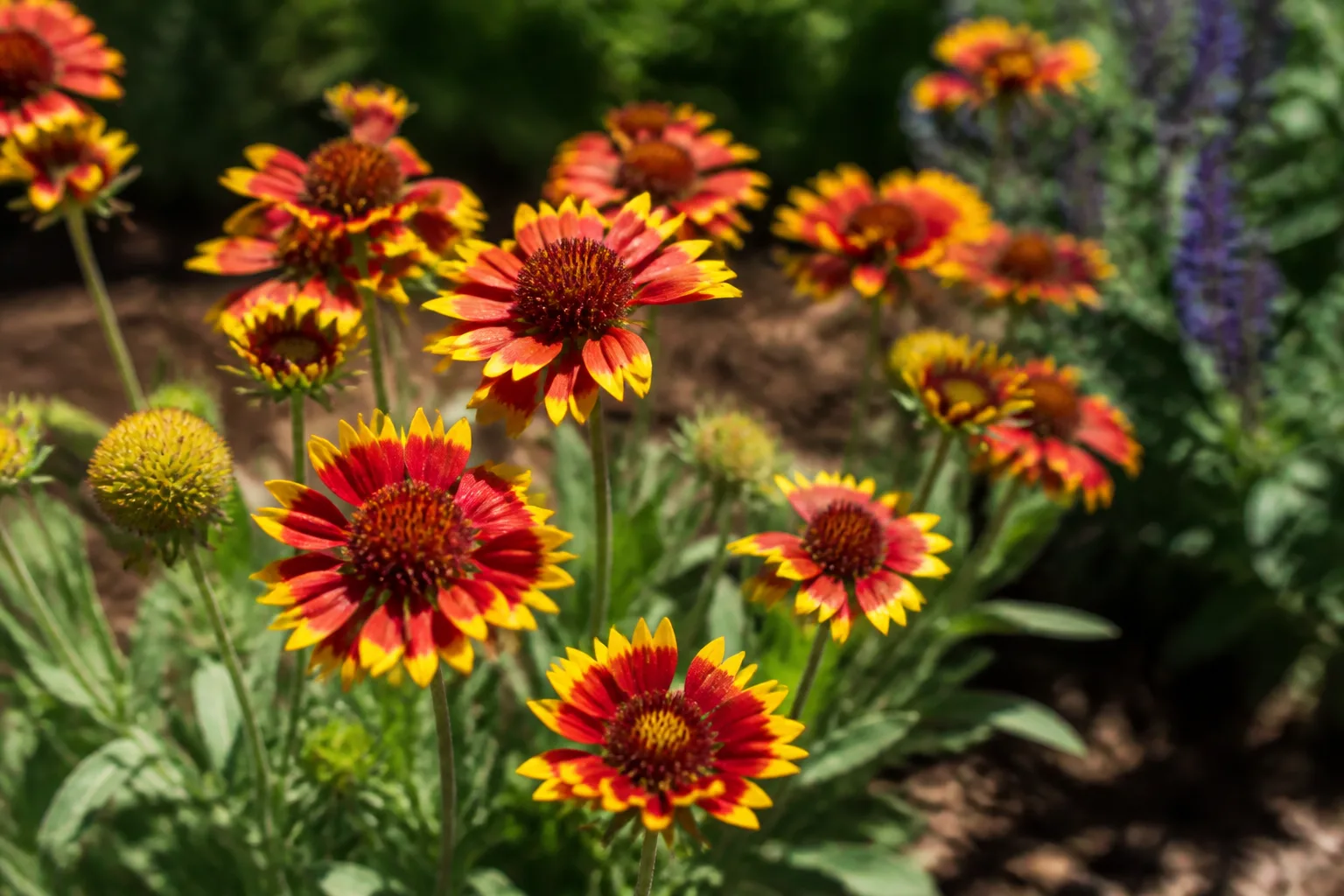
Blanket flower (Gaillardia) is a long-blooming, sun-loving perennial that can look tired after a hot summer. In September, start with deadheading: remove faded flower heads and their stalks back to a healthy set of leaves. This keeps the plant from spending all its remaining energy on seed production and may allow a final flush in regions with a long autumn.
If the entire clump is floppy, brown, or crowded, cut the tired stems back by roughly one-third to one-half, leaving the lower leafy growth in place. Do not automatically cut every stem to the crown. Blanket flower can be short-lived in wet winter conditions, and preserving a healthy basal rosette is more useful than forcing a perfectly bare bed.
Leave a few mature seedheads if your garden feeds birds, if you want some self-sowing, or if the stems provide winter texture. That is a design and habitat choice, not a sign that you failed to clean up. Remove only diseased material promptly, especially if leaves show spreading spots or rot.
6. Daylily Cleanup Depends on the Foliage, Not the Calendar
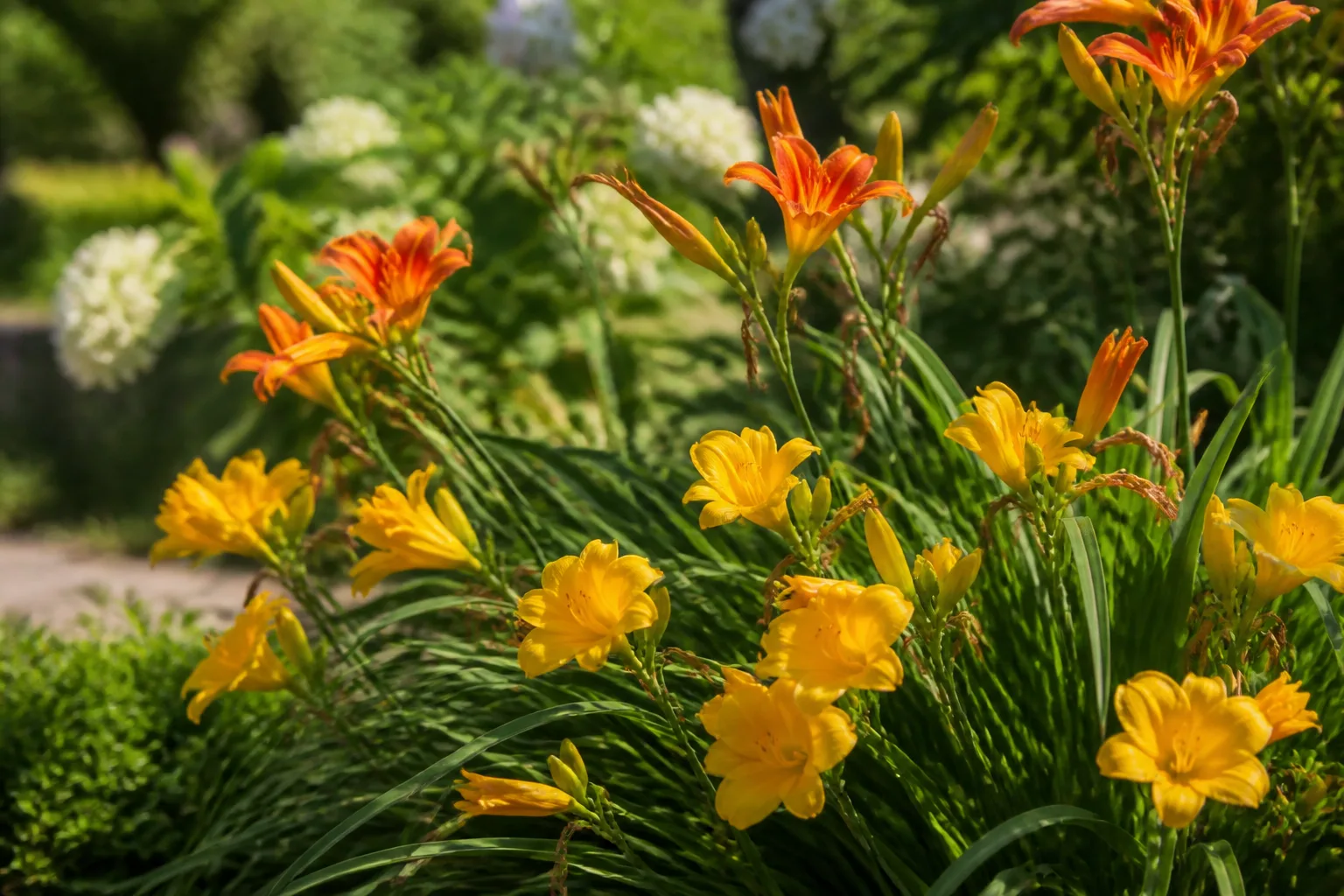
Daylilies (Hemerocallis) need two separate jobs. Remove spent flower scapes once the last buds have finished, cutting the stalk near the base. Then wait for the strap-like foliage to yellow, brown, or collapse. Green leaves are still contributing energy to the crown, so stripping them in early September can reduce the plant’s reserves before winter.
When the foliage is fully spent, gather it in one hand and cut close to the crown without nicking new growth. In a cold garden, this may happen after a hard frost; in a mild garden, the same plant may stay green longer. A few brown leaves are enough reason to remove damaged material, but not enough reason to scalp a mostly healthy clump.
Daylilies are also a pet-safety exception worth taking seriously. The Pet Poison Helpline daylily profile identifies the leaves, stems, flowers, pollen, vase water, and rhizomes as toxic to cats, with exposure requiring prompt veterinary attention. Bag the trimmings securely if cats can reach the garden, and do not bring daylily flowers indoors in a cat household.
7. Clematis Must Be Identified by Pruning Group First
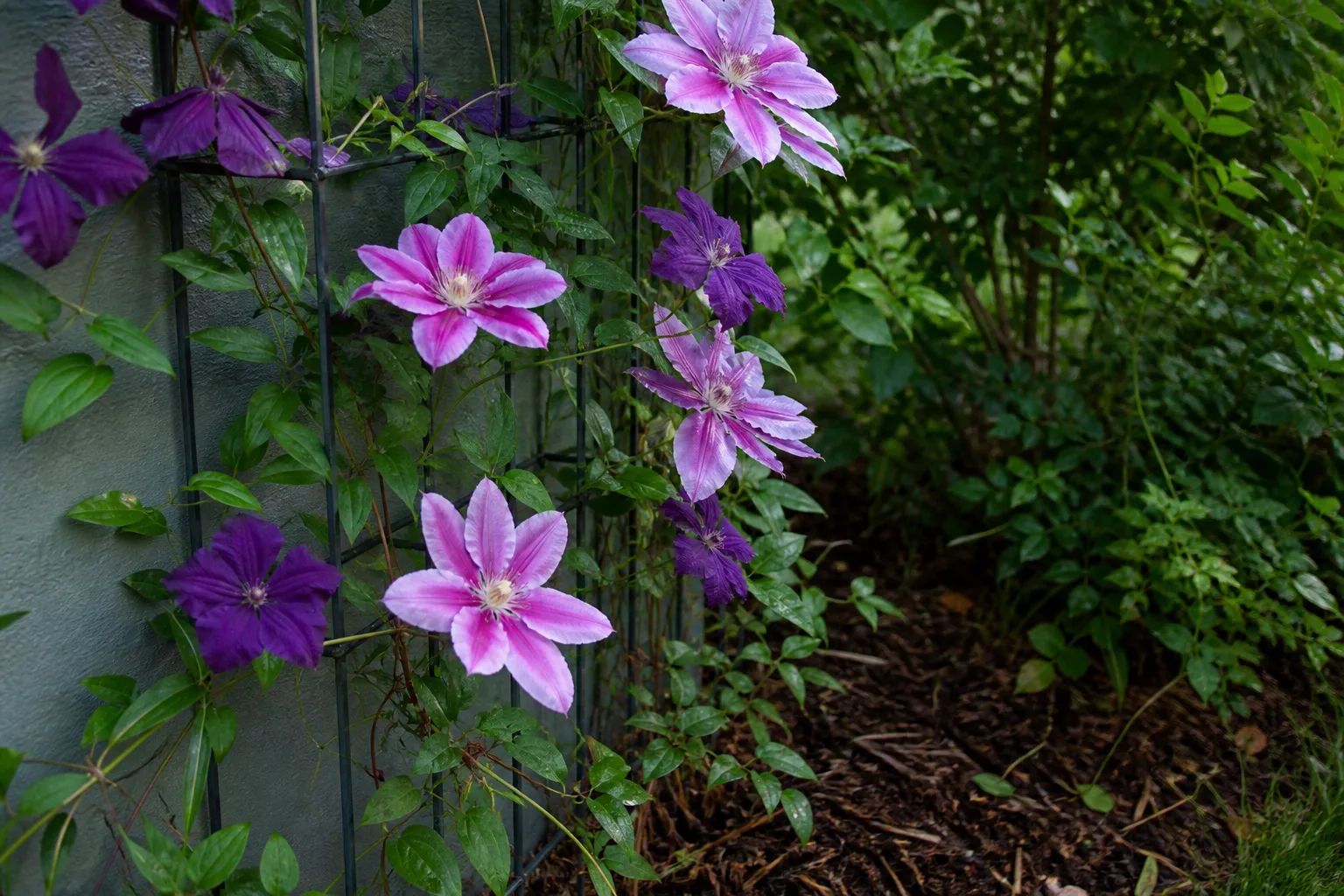
Clematis is the plant most likely to punish a one-size-fits-all September rule. The Royal Horticultural Society divides established clematis into three pruning groups according to when it flowers and how old the flowering wood is. The RHS clematis pruning guide is the reference to use when a plant tag or cultivar name is available.
Group 1 clematis flowers early on last season’s growth. It generally needs little routine pruning beyond removing faded flowers and occasional thinning after flowering. Do not hard-cut it in September unless you are deliberately renovating an overgrown plant and accept that you may lose a flowering season.
Group 2 includes many large-flowered hybrids that bloom on older growth and may repeat on new shoots. Remove spent flowers and dead ends, but avoid a blanket fall cut. If the vine is tangled, thin selected stems rather than shortening every branch.
Group 3 flowers from mid- to late summer on the current season’s growth. It is normally cut hard in late winter to the lowest healthy pair of buds, not automatically in September. A September tidy can remove spent flowers or damaged vines, but wait for the recommended dormant window for the main cut.
There is an exception: some herbaceous clematis, including Clematis heracleifolia, C. integrifolia, and C. recta, can be cut near ground level in late autumn or early spring. If you are unsure of the group, use flowering time only as a clue—early summer bloomers are usually left alone, while late-summer bloomers are often pruned in late winter—and make only sanitation cuts until you can confirm the cultivar.
How to Make Every September Cut Cleanly
The safest sequence is simple: inspect first, remove the obvious problems, then decide whether the plant needs anything more. Start at the base and look for new shoots, healthy crowns, old-wood stems, disease, and crossing branches. Photograph the plant before cutting if you are unsure; the image can help you compare the framework in spring.
The Five-Minute Tool and Sanitation Setup
Use bypass pruners for flexible stems, loppers for branches that are too thick for a clean hand cut, and a pruning saw for large woody canes. Blades should be sharp enough to slice rather than crush. Dull tools leave ragged wounds and make it harder to place a cut above a bud or crown.
Clean soil from the blades before disinfecting them. Wipe or dip the cutting surfaces with a suitable household disinfectant according to its label, or use rubbing alcohol where appropriate, then let the blades dry. Sanitize between visibly diseased plants and at the end of the job. Gloves are not a substitute for clean tools: they protect your hands, but they do not stop sap and spores moving from one stem to the next.
Keep a bucket or tarp beside you for questionable debris. Healthy, dry herbaceous trimmings can often be composted, but mildew-covered rose leaves, borer-prone iris foliage, rotting crowns, and visibly diseased material should leave the bed. Do not shred infected leaves into mulch and do not assume a small backyard pile reaches the temperature needed to destroy every pathogen or insect stage.
Cut Height, Angle, and Amount
For deadheading, cut just below the spent flower or back to a healthy leaf node. For a woody stem, make the final cut just above a healthy outward-facing bud, leaving no long stub. For a crown-forming perennial, keep the blade above the crown and preserve a short marker rather than cutting into the growing point.
The amount matters more than the exact number. A useful September rule is to remove no more than one-third of healthy green growth unless the plant has naturally gone dormant or the species-specific instructions call for a lower cut. That rule protects against the most common error—taking a tired-looking plant down too far while it is still actively storing energy.
What to Leave Standing Until Spring
Leave spring-flowering shrubs and vines alone if their buds sit on this year’s wood. Leave healthy green foliage on daylilies and iris until it naturally declines. Leave strong seedheads on blanket flower or other wildlife-friendly plants when they are dry, disease-free, and providing food or shelter. A garden that stays a little untidy can be healthier and more useful through winter than one stripped bare in September.
Also postpone major renovation cuts on roses, wisteria, and clematis when a hard freeze is close. Remove hazards and diseased wood now, then mark the plant for a late-winter pruning appointment. The exception is a branch that is broken, rubbing, dead, or a danger to people or structures; those problems do not improve by waiting.
If you already pruned too hard, do not fertilize heavily or keep cutting to “correct” the mistake. Water normally when the plant is dry, keep the crown well-drained, and protect tender plants from an early freeze according to local practice. Wait to see which buds remain alive in spring before making another major cut.
A September-to-Frost Pruning Checklist
- Identify the plant and its flowering habit. Do not rely on a generic fall-pruning label.
- Check the plant’s condition. Green, actively growing tissue gets a lighter touch than brown, collapsed, or diseased growth.
- Check the frost window. Avoid hard pruning when winter is only a few weeks away.
- Make sanitation cuts first. Remove dead, broken, diseased, crossing, or obstructive stems.
- Stay within the plant’s limit. Green lavender gets a light trim; iris and daylily wait for declining foliage; clematis needs a group-specific plan.
- Clear the bed thoughtfully. Trash diseased debris, compost healthy material, and leave some clean seedheads when they serve wildlife or winter structure.
- Schedule the next cut. Mark late winter for wisteria structure, rose shaping, and the main clematis cut where appropriate.
Conclusion
The strongest September pruning plan is selective. Lightly shape an overgrown wisteria, clean roses without forcing tender regrowth, keep lavender cuts in green wood, and wait for declining foliage before tidying iris and daylily. Deadhead or refresh blanket flower according to the look and habitat you want, while clematis deserves an identification check before any major cut.
Use frost, flowering wood, and plant condition together. That small pause before you cut is what protects next year’s buds, reduces disease pressure, and leaves the garden ready for winter without sacrificing everything that still has a job to do.