How to Propagate Roses in Winter From Hardwood Cuttings
Learn how to propagate roses in winter with hardwood cuttings: timing, trench vs pot methods, rooting hormone, and when to transplant for spring blooms.
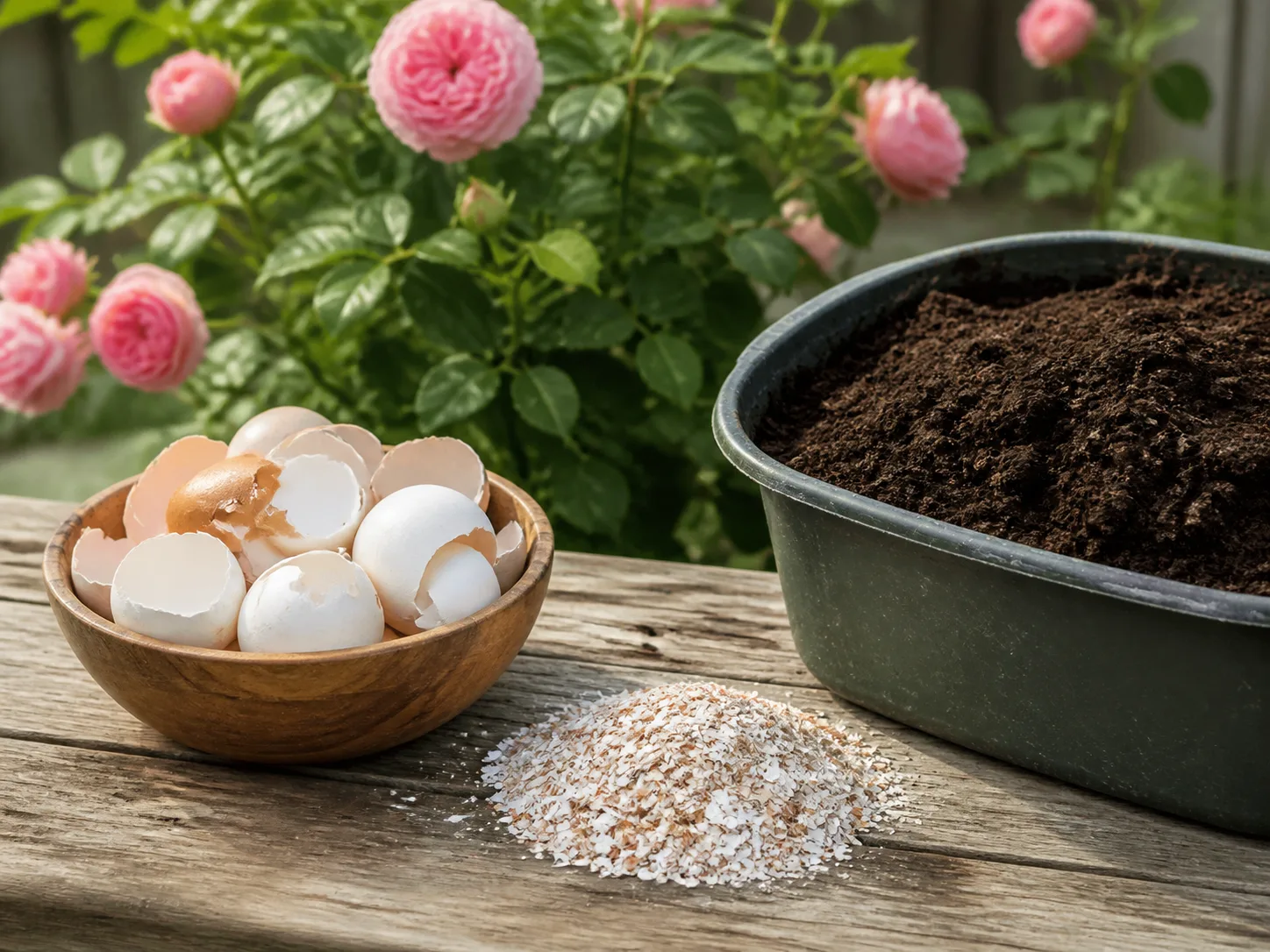
A single favorite rose—an heirloom climber on the fence, a fragrant shrub by the walk, a tough own-root landscape rose that sailed through last summer—can be copied for the cost of a sharp pair of pruners and a bag of grit. Winter propagation uses hardwood cuttings: mature, dormant stems taken after leaves drop and before spring buds swell. The process is slower than summer softwood rooting, but hardwood cuttings often produce sturdier own-root plants and fit naturally into the quiet garden weeks when there is little else to do outdoors.
This guide covers which roses are worth propagating, how to take and prepare cuttings, whether to use a trench, pots, or a cold frame, and what to expect from stick to first bloom. If you already root other shrubs, rose hardwood cuttings follow the same logic with a few rose-specific wrinkles: thorns, graft unions, and a long establishment clock before the showy flowers return.
Why Winter Hardwood Cuttings Work for Roses
Roses can be propagated from stem cuttings in spring and summer, but hardwood cuttings taken during dormancy exploit a plant that has stopped pushing soft new growth and is storing energy in mature wood. With leaves gone and sap movement slowed, the cutting loses less moisture while it forms a callus at the base—the thickened tissue that precedes root initiation. That callus phase can take most of the winter; visible roots and new leaves often appear in spring.
Dormancy Reduces Stress on the Cutting
Active-growing softwood stems root quickly because cells are dividing, but they also wilt fast if humidity drops. Dormant hardwood is the opposite trade-off: slower, but more forgiving of the open air while you work. Better Homes & Gardens notes that hardwood cuttings from fully mature stems taken in late fall or early winter can be slower to root than semi-hardwood or softwood, which is exactly why winter timing pairs well with patience and outdoor trench culture rather than heated propagators.
The practical window runs from mid-fall through late winter: ideally just after leaf drop or immediately before flower buds break in late winter. You can take cuttings anytime the plant is dormant and the ground is workable, but avoid deep freezes when stems are brittle and soil cannot be firmed around new sticks.
More Time to Build a Sturdy Root System
Hardwood rose cuttings commonly need several months to a year before they are ready for a permanent bed—not the six-to-eight-week turnaround of summer softwood in a humid pot. Epic Gardening emphasizes that softwood and semi-hardwood cuttings root faster during the growing season, while winter hardwood is a longer game that can still reward you with vigorous own-root plants. Starting in winter gives roots all of spring and summer to develop before you decide whether to lift and transplant in late summer or fall.
Hardwood, Semi-Hardwood, and Softwood: Which Cutting to Take
Rose propagation is one job with three seasonal tools. Matching the wood type to the calendar prevents the most common beginner mistake: taking soft, flexible stems in January or trying to stick frozen hardwood in July.
When to Take Each Type
Hardwood cuttings come from mature, brownish stems produced in the previous growing season. Take them in late fall through late winter while the plant is dormant. They are the focus of this guide.
Semi-hardwood cuttings are partly matured stems, often taken in late summer or early fall. Better Homes & Gardens calls this type the easiest for many home gardeners to root because the stem is firm enough to resist wilting but still willing to form roots before full dormancy.
Softwood cuttings use tender new growth in late spring through early summer. They root fastest under warm, humid conditions but dry out quickly if you miss a watering. Epic Gardening recommends softwood when you want speed during active growth—not when the garden is asleep.
Quick Decision Checklist
If leaves are off the rose and the stem snaps rather than bends, you are in hardwood territory. If you are reading this in winter, that is the right call. If you are in summer and staring at a perfect bloom you want to clone, switch to softwood or semi-hardwood methods instead; forcing summer technique onto dormant wood or vice versa is how trays full of sticks end up in the compost.
Which Roses You Can (and Should Not) Propagate
Not every rose in the yard is a good propagation candidate, even when the stem looks healthy.
Own-Root vs Grafted Roses
Many modern roses—especially hybrid teas and floribundas—are grafted onto a separate rootstock. A cutting taken from the flowering top will root as its own plant, but it grows on its own roots rather than the commercial rootstock. That can change winter hardiness, vigor, and sometimes flower character compared with the grafted bush you admired.
Own-root roses (common among many landscape, shrub, and heirloom types) are the safest targets: what you root is what you get. Look at the base of the plant. A grafted rose usually shows a knuckle or swollen union a few inches above ground where the scion meets rootstock. If you are unsure, propagate an own-root cultivar you know, or take cuttings only from stems clearly above any union.
Heirloom classes—albas, gallicas, bourbons, many climbers and old garden roses—are traditional hardwood-propagation favorites because they are often own-root or root reliably from mature wood.
Patent and Legal Limits on Propagation
Many newer named cultivars are sold under plant patents or breeder rights that prohibit asexual propagation for sale—and sometimes for any purpose beyond personal backup plants. If the label or catalog says PPAF, PP, or “propagation prohibited,” treat it as off limits unless you own a personal-use exception in your jurisdiction. When in doubt, propagate older, patent-free roses and swap with gardening friends rather than multiplying a protected supermarket rose.
Tools and Materials Before You Start
Gather everything before you cut so stems do not sit on the kitchen counter drying out.
- Sharp bypass secateurs or a knife, disinfected with rubbing alcohol or a 10% bleach solution. Epic Gardening and Missouri Botanical Garden both stress clean blades to limit disease spread.
- Leather gloves for thorns.
- Rooting hormone powder or gel labeled for hardwood cuttings (optional but strongly recommended for dormant wood).
- Small cup for hormone—never dip directly into the factory container; MOBOT warns that moisture on the cutting degrades the remaining product.
- Labels with variety name and date. You will forget by April.
- For trenches: spade, horticultural grit or sharp sand, compost.
- For pots: deep containers (at least 4–6 inches), gritty mix (equal parts compost and grit, perlite, or coarse sand), clear bags or a cold frame for wind protection.
Water the parent rose the day before if the ground is not frozen, so stems are fully hydrated when you cut.
How to Take Hardwood Rose Cuttings Step by Step
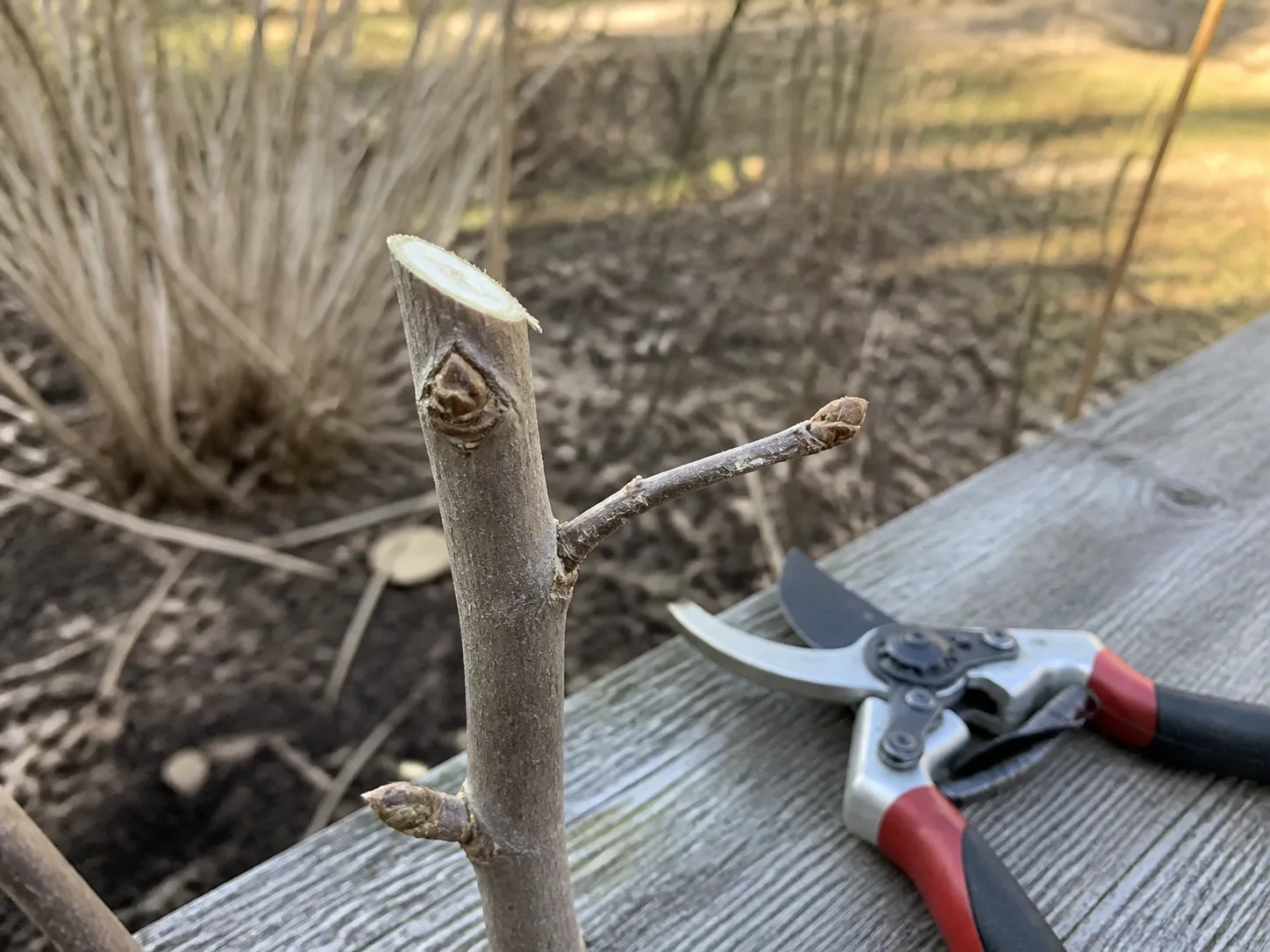
Work on a mild day when stems are not ice-coated. Morning is fine; there is no summer heat stress to dodge.
Choose the Right Stems
Select healthy pencil-thick stems from the most recent season’s growth—greenish when scraped, firm, not shriveled. Avoid diseased, insect-damaged, or heavily flowering shoots. Stems that bore flowers or rose hips are fine; they prove the cane matured. Skip the thinnest wispy growth; it rots before it roots.
Take more cuttings than you need. Hardwood rose batches commonly yield roughly half survivors; Garden Focused reports about a 50% success rate in typical trench culture, and even good home setups lose sticks to rot or desiccation.
Make the Cuts Correctly
Each hardwood cutting should be about 6 to 12 inches (15–30 cm) long with a bud just above the bottom cut and another near the top.
- Bottom cut: straight, just below a bud or node—the point roots will emerge.
- Top cut: angled about ¼ inch above a bud. The slant sheds rain off the upper bud and marks which end is up when you have a pile of sticks.
Remove all leaves. If you cannot take the cutting straight to soil, stand cuttings bottom-down in a few inches of water temporarily so the basal end does not dry.
Wound, Hormone, and Label the Bottom
Roses often root where the cambium is lightly injured. Better Homes & Gardens recommends two to four shallow vertical slices through the green outer layer on the bottom inch, or a thin heel of older wood where a side shoot joined the cane—without stripping bark all the way around.
Pour a small amount of rooting hormone into a cup. Moisten the basal inch, dip, tap off excess, and discard leftover hormone. Missouri Botanical Garden notes that hormone is not always required for easy plants but improves speed and uniformity; dormant rose hardwood is one of the cases where it pays.
Label each bundle now. “Red climber, north fence, Jan 2026” beats mystery sticks in June.
Rooting Options: Trench, Pots, and Cold Frames
Where you stick cuttings matters as much as how you cut them. Choose based on how many plants you want and how much outdoor soil you can spare for a year.
Outdoor Trench Method (Best for Batches)
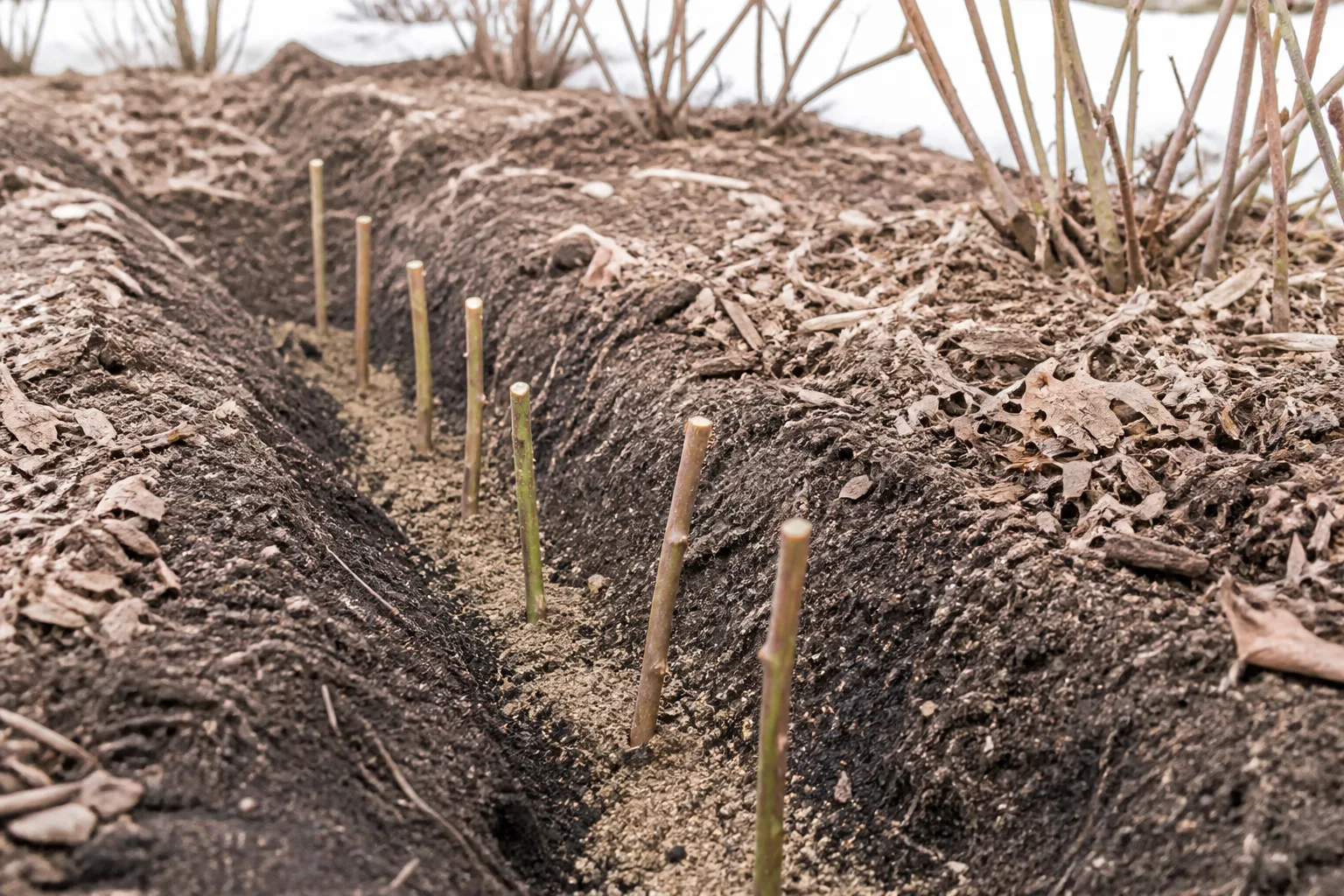
The classic trench method suits five to fifty cuttings and mimics what generations of rose growers have done in dormant beds.
- Pick a sheltered spot—out of blasting winter wind, with morning sun if possible, not a soggy low pocket.
- Dig a narrow trench about 3 inches (8 cm) deep. Line the bottom with 1 inch of grit or sharp sand for drainage (Garden Focused).
- Space cuttings 6 inches (15 cm) apart, burying roughly two-thirds of each stem so about 2 inches (5 cm) remain above soil.
- Backfill with excavated soil mixed with compost if your ground is very light. Firm gently with your hands or boot to remove air pockets.
- Water once if soil is dry, then mulch lightly in harsh climates.
Leave the trench alone through winter except to firm soil after frost heave and water during unusual dry spells. From April onward, check monthly: living cuttings stay green and eventually leaf out; brown, mushy sticks get pulled so rot does not spread.
Container Method for Small Batches
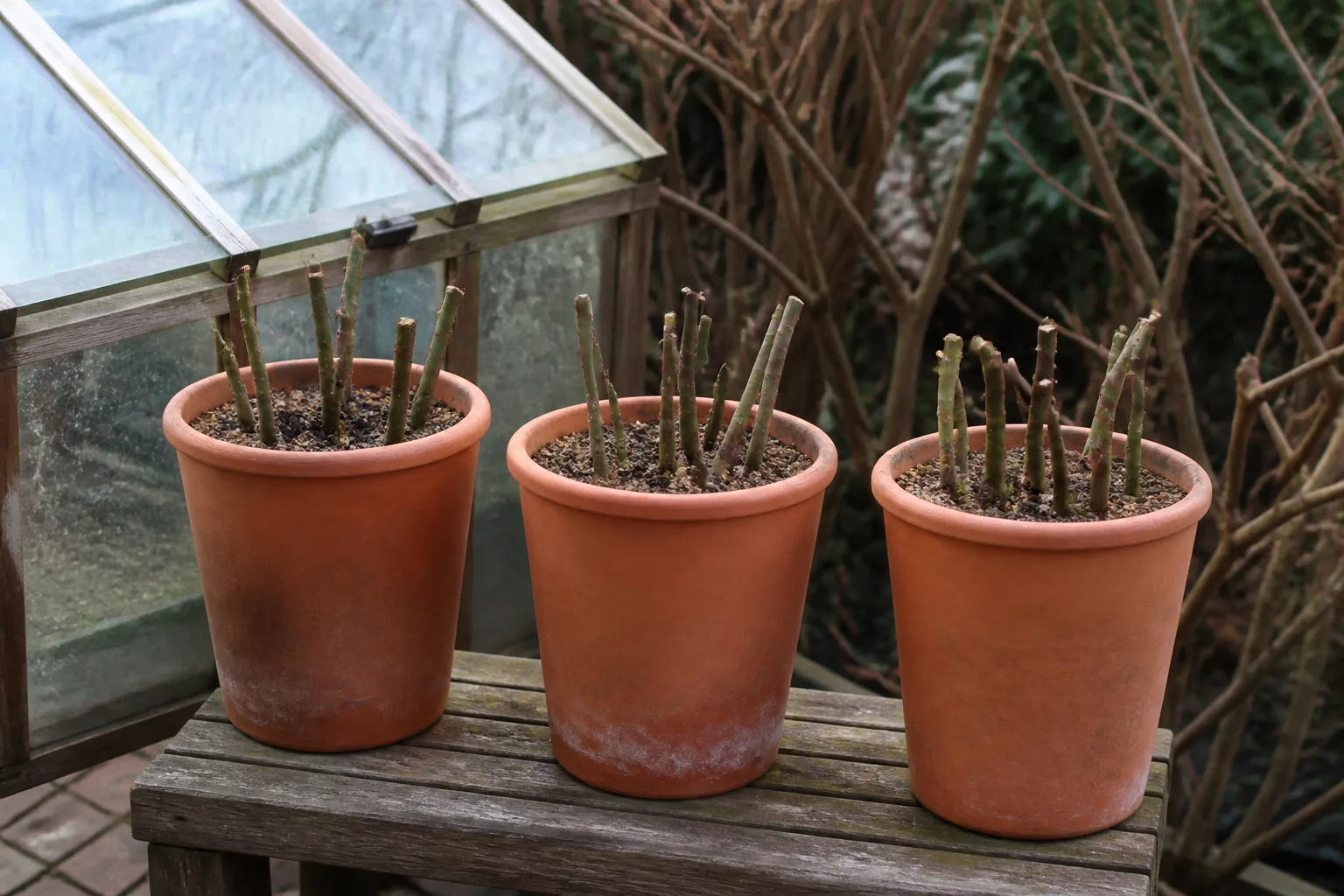
For three to eight cuttings, fill deep pots with a 50/50 gritty mix—compost plus horticultural sand, perlite, or grit (Better Homes & Gardens). Poke holes with a pencil so hormone is not scraped off. Insert cuttings two-thirds deep, water, and place pots in a cold frame, unheated greenhouse, or against a north-facing wall where they stay cool but not desiccated.
A loose clear bag over the pot can hold humidity, but vent on mild days—trapped condensation that rots the stem is a bigger risk than slow drying in winter. Do not put dormant hardwood on a heated windowsill; warmth without roots invites mold.
Winter and Spring Care While Cuttings Root
Hardwood rose cuttings are low maintenance, not no maintenance.
Through winter, the job is stability: keep labels readable, soil moderately moist but never waterlogged, and repair heaved soil after freezes. There is little visible action; roots and callus form underground.
In spring, once buds swell and leaves appear, shift to light even moisture. New top growth without roots still depends on the stored reserves in the cane—do not let pots bake dry on the first sunny week. Remove failed brown cuttings promptly.
Feeding is minimal the first year. A light sprinkle of balanced fertilizer in late spring on trench-grown cuttings in poor soil is enough; heavy nitrogen pushes weak top growth on a tiny root system. For broader rose nutrition context later, see our guide on eggshells and calcium for roses once plants are established in the ground.
When Cuttings Are Ready to Transplant
Patience is the skill here. Hardwood cuttings started in winter are often well rooted by late summer or fall of the same year, but many gardeners—and Garden Focused—leave them in place until the following fall or even year two when the root ball is substantial enough to survive transplant shock.
Test readiness in late summer by gently tugging a cutting or lifting one carefully with a fork. Resistance and white roots indicate it is time to pot up or move. If the plant is only a few inches tall with thin roots, give it another season in the trench or pot.
Transplanting Rooted Roses Into the Garden
Choose a permanent site with full sun (at least six hours), good air movement, and rich, well-drained soil—the same criteria the RHS rose growing guidance emphasizes for any new rose.
Dig a hole slightly wider than the root mass. Set the crown at the same depth it grew in the propagation bed; in very cold regions, some gardeners plant own-root roses 1 to 2 inches deeper for winter protection. Backfill with compost-amended native soil, water deeply, and mulch without piling mulch on the crown.
Space according to mature spread—roses crowded for air are roses waiting for black spot. If you are still learning seasonal rose maintenance, pairing this project with how to deadhead roses later will keep repeat bloomers tidy without confusing first-year establishment rules.
First-Year Care and Bloom Timeline
Propagated roses march to a slower drum than nursery grafted bushes wrapped in peat moss. Plan expectations and you will not talk yourself into over-pruning or over-feeding a baby plant.
Year One Through Maturity
Year 0–1 (establishment): Sparse flowers or none at all. Focus on roots: water every few days during dry spells the first summer, mulch before winter, and avoid hard pruning. Remove only dead or damaged wood. The plant is building the framework that will carry blooms later.
Years 1–3 (growth): Bloom becomes more reliable; canes thicken. Transition to deeper, less frequent watering, light fertilizer during the growing season, and routine dormant-season shaping once the plant is clearly established.
Year 3+ (maturity): Expect consistent flowering on healthy own-root plants, weekly watering in drought, annual mulch, and regular pruning appropriate to the rose type. Epic Gardening notes that a cutting-grown rose may take two to three years to reach a satisfying flowering size—faster than seed, slower than a large grafted nursery specimen.
Troubleshooting Failed Rose Cuttings
Brown, mushy base: rot from wet, airless soil or overdosing on humidity in pots. Improve drainage, pull failures, and do not reuse mix from rotted sticks without sterilizing.
Shriveled, dry stem: desiccation. Hardwood still loses moisture in warm, windy frames. Water lightly; shade pots on bright late-winter days.
Green top, no roots by fall: cutting was too thin, taken from grafted weak growth, or planted upside down. Check slanted top marks next time.
Heaved out of soil after freeze: press back in and firm soil; mulch after the ground settles.
Everything died: verify the parent was healthy, increase batch size, try trench culture outdoors instead of dry indoor pots, and confirm you propagated an own-root or known-reliable cultivar.
If you succeed with half your sticks, you are doing well. Propagation is a numbers game dressed up as gardening.
Conclusion
Propagating roses in winter turns dormant stems into future shrubs with little more than clean tools, gritty soil, and a labeled trench or pot row. Take hardwood cuttings after leaf fall, wound and hormone the base, plant deep in a drained trench or container, then let the cold season do the quiet work of callusing and rooting. Check for failures in spring, water through the first summer, and transplant when roots resist a gentle tug—often late that year or the next.
Choose own-root, patent-free roses for predictable results, start extra cuttings to offset natural losses, and treat the first year as root-building season rather than a bloom contest. Do that, and the roses you root this winter can be the ones filling your garden with flowers two or three seasons from now—copies of the plant you already know thrives in your soil, not a gamble from a generic label.



