Should You Deadhead Your Dahlias If Blooms Fade?
Should you deadhead dahlias? Learn when fading blooms are ready, where to cut, how to spot buds, and when leaving flowers on the plant makes sense.
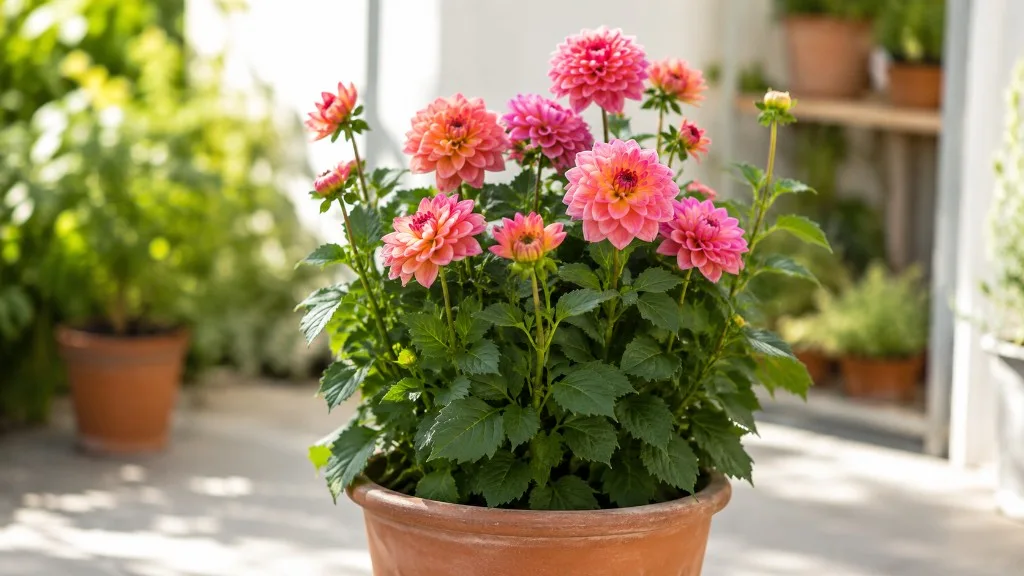
Yes—deadhead dahlias throughout their active flowering season if your goal is a tidy plant and more flowers before frost. Remove a fading head by following its stem down to a healthy leaf joint, then cut just above that joint. Do not stop immediately beneath the flower; the remaining bare stem is unattractive and may not produce a useful new branch.
There are two important exceptions. Leave a few flowers if you want to collect seed or provide late-season seed for wildlife, and stop treating every fading head as a problem when frost or severe growing stress is the real reason the plant has slowed. Deadheading supports a healthy, actively growing dahlia; it cannot out-prune drought, shade, waterlogged soil, or the end of the season.
The short answer: yes during active flowering, with exceptions
Deadheading means removing fading or spent flowers before they develop mature seed. The USDA National Agricultural Library defines it as removing dead flowers to encourage later flowering, prevent seed production, or improve appearance (USDA National Agricultural Library). For dahlias, that makes it a useful flowering-season task, not a compulsory haircut every time a petal looks less than perfect.
The best rule is simple: if the plant is green, growing, and still making buds, remove finished flowers promptly. That keeps the plant from spending as much of its remaining reproductive effort on seed formation and keeps the bed visually clean. The Royal Horticultural Society recommends regular dahlia deadheading, ideally weekly, by cutting spent flowers back to a lower leaf joint (RHS dahlia growing guide).
Why deadheading can extend a dahlia’s display
A dahlia flower is the plant’s reproductive structure. Once a bloom has been pollinated, the plant has a reason to keep that head attached while seeds develop. Removing it changes the plant’s immediate priorities, but it does not create energy from nowhere: the dahlia still needs light, water, functional leaves, and adequate roots to make another stem and bud.
That distinction matters. Deadheading can encourage continued flowering, but it is not a guarantee that every cut will be replaced instantly or that a struggling plant will suddenly bloom. Epic Gardening describes the practice as supporting faster reblooming during the growing season, while also noting that dahlias can grow and flower without it (Epic Gardening). Think of the cut as removing a drain on future flowering and making space for the plant’s next decision—not as a fertilizer substitute.
Deep cuts add a second benefit. New dahlia shoots emerge from growth points around leaves and nodes, so cutting down to a lower joint encourages a fuller plant with useful flowering stems rather than a thicket of tall, flowerless stubs. A deeper cut may feel severe when the foliage is dense, but it usually gives the plant a better place to branch.
How to tell a spent bloom from a new bud
This is the step that prevents the most frustrating deadheading mistake: cutting off tomorrow’s flower because it looks like yesterday’s flower after the petals disappear. Dahlia buds and spent flower bases can sit close together, especially on a crowded plant, and both may be green.
Use three clues together. A new bud is usually plump, rounded, and firm, with a fresh, symmetrical shape. A spent head becomes conical or pointed, often with a narrow tip where the petals used to be. It may feel softer, look dry or papery, or show a few remaining petals around the center. Gardening Know How and Gardeningetc both highlight the rounded-bud versus pointed-spent-head comparison (Gardening Know How, Gardeningetc).
When you are unsure, wait a day or two and watch the object rather than cutting on instinct. A living bud will swell and remain tight; a spent head will dry, angle downward, shed petals, or develop that unmistakable pointed silhouette. On a variety with unusual flower form, compare the questionable structure with a known unopened bud elsewhere on the same plant.
The best time to cut a fading dahlia
The ideal moment is when the flower has passed its best but before the head has dried into a bare seed-forming cone. Look for curling petals, browning edges, a drooping head, or a center that is opening and becoming visibly less full. You do not have to remove a bloom the instant one petal falls; a short delay will not ruin the plant. The RHS notes that a few days, or even about a week, of delay generally will not greatly affect flowering performance (RHS deadheading plants).
Inspect in the morning or evening when the plant is not limp from midday heat. Start with the most obviously finished heads, then trace each questionable stem downward so you do not cut a healthy bud hiding beneath the flower. If you grow for bouquets, harvesting open flowers is effectively a productive form of deadheading because the long stem is removed before it can continue toward seed.
Tools and a quick pre-cut inspection
For small, soft stems, you can pinch a fading flower off, but bypass pruners or sharp scissors give better control on thick, hollow dahlia stems. Clean blades make a smooth cut and reduce the chance of carrying plant pathogens between plants. Wipe soil and sap from the blades first, then disinfect them with a product or method appropriate for your tools; a 70% isopropyl alcohol wipe is a practical option for routine home pruning.
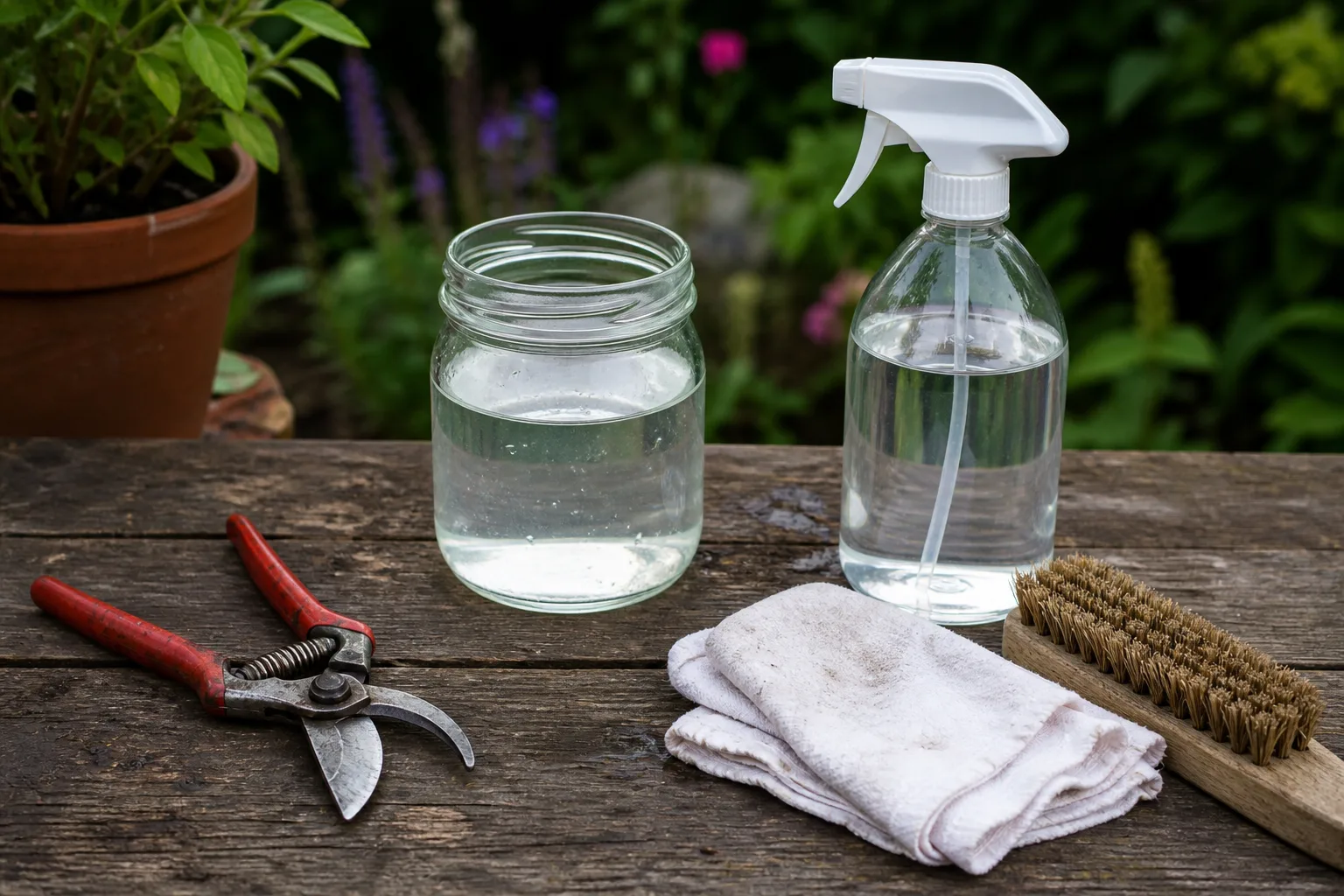
Before the first cut, scan the plant for more than flowers. Check whether a stem is supported, whether leaves are wilted from dry soil, and whether the faded head is actually moldy or pest-damaged. Remove diseased debris from the bed rather than dropping it beneath the canopy, and do not use a blunt blade that crushes the hollow stem.
How to deadhead dahlias step by step
- Choose the head. Confirm that petals are fading, curling, brown, or papery and that the structure is not a rounded unopened bud.
- Find the flower stem. Follow the stem down through the foliage instead of cutting at the flower’s base.
- Locate a strong lower joint. Look for a healthy pair of leaves, a side shoot, or a visible node where new growth can emerge.
- Make one clean cut. Cut just above that joint, with a slight angle so water is less likely to sit on the cut surface.
- Remove debris. Carry spent heads and visibly diseased leaves out of the bed, especially after wet weather.
- Recheck the plant. Look for another spent head and for newly exposed buds that need room to develop.
How deep to make the cut
The phrase “cut off the dead flower” is too vague for dahlias. If you cut only an inch below the head, you leave a tall, empty stick that may bend, hide new growth, and make the plant look increasingly untidy. Instead, follow the stem to the first useful lower leaf joint or farther if the stem is lanky and a healthy branching point sits below it.
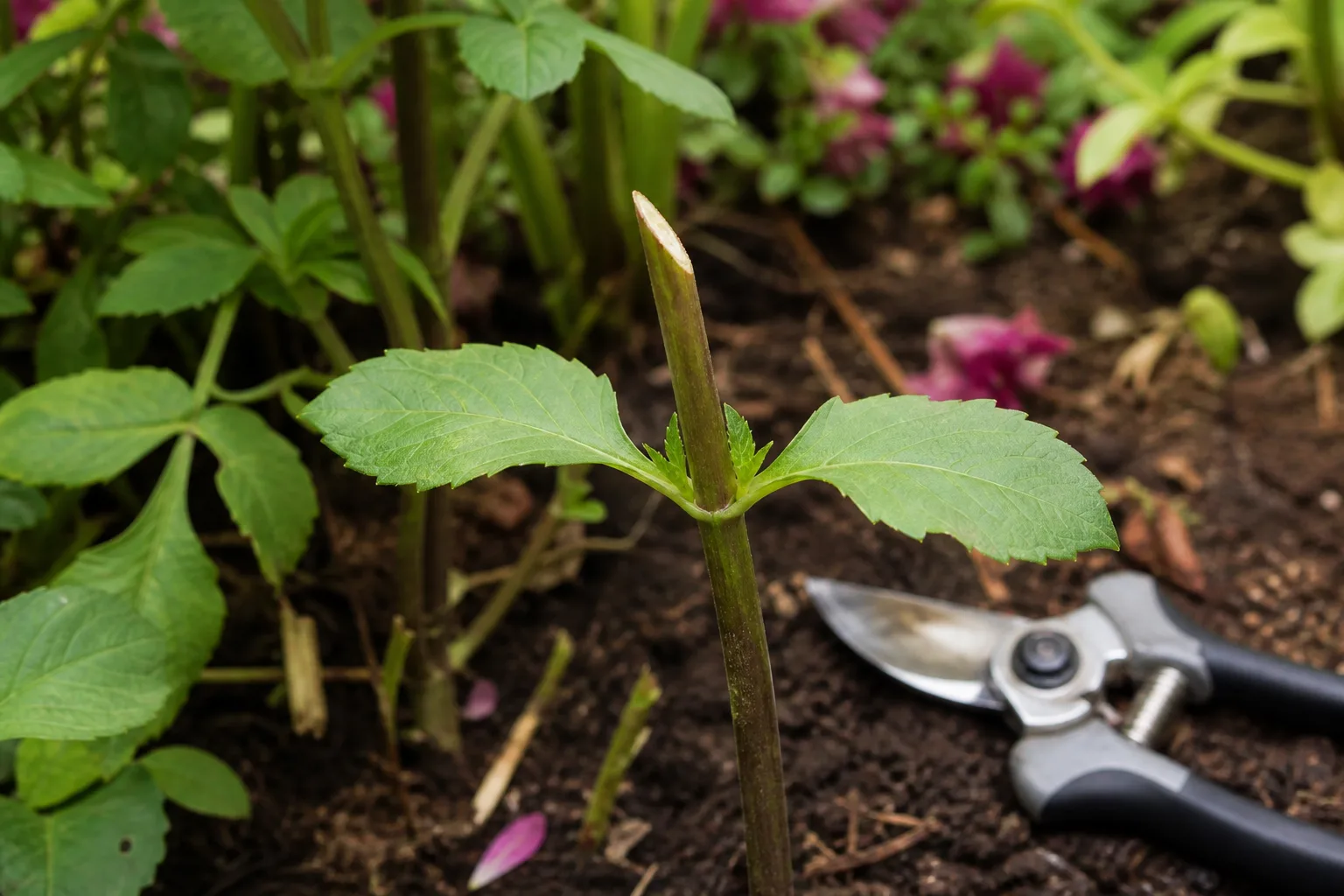
Do not cut into the crown or remove a whole leafy branch just because its flower is finished. The leaves are still making carbohydrates that support new growth and the underground tuber. The goal is a deliberate, targeted cut that removes the reproductive head and enough empty stem to leave a strong node—not a general reduction of the plant in midsummer.
What to do when several blooms share a stem
Some dahlias produce branching stems with several buds. If one flower is spent while two nearby buds are still swelling, remove only the finished head and follow its individual branch to a lower joint. Do not cut the main stem below the living buds or you will discard flowers that are not ready.
Once every flower on that branch has finished, cut the spent branch farther back to a healthy leaf joint. This two-stage approach keeps the plant flowering while the remaining buds open, then tidies the whole branch after its display is over. It is especially useful in compact container dahlias, where one careless cut can remove a large proportion of the plant’s potential flowers.
How often to deadhead dahlias
For most gardens, a weekly inspection is a good baseline. In cool, steady weather, that may be enough. During a heavy flush of flowers, after rain, or when you are picking bouquets every few days, inspect more often because dahlias can move from fresh to spent quickly.
Frequency should follow the plant, not a rigid calendar. A newly planted dahlia with only one flower does not need daily attention, while a mature plant covered in blooms may need a quick pass every two or three days. The RHS recommends regular weekly deadheading, and practical cut-flower guidance commonly suggests more frequent checks during peak production.
If you miss a week, do not compensate by shearing the plant indiscriminately. Identify each head, protect rounded buds, and make the same selective deep cuts. A late but accurate cut is safer than a rushed one that removes the next round of flowers.
Deadheading dahlias in containers
Potted dahlias are deadheaded exactly like those in the ground, but the consequences of neglect show faster. A container has less root-zone moisture and nutrient reserve, so a compact variety may cycle through flowers quickly while the foliage becomes stressed. Keep the pot where you can see it, and combine the deadheading check with a look at soil moisture and drainage.
Water thoroughly when the top layer is dry and the plant needs it, then let excess water drain freely. Do not keep a container sitting in a saucer of water; saturated roots can limit the flowering response that deadheading is meant to support. In hot weather, a pot may need checking more than once a week, while a large container in mild conditions may be steadier.
When you cut a container dahlia, choose the lower joint that improves the plant’s shape rather than leaving a long bare stem leaning over the rim. Rotate the pot occasionally so new stems receive even light, and remember that a compact plant may have fewer lower nodes than a tall border cultivar. Make the deepest sensible cut, not the deepest possible cut.
Deadheading versus cutting flowers for a vase
Cutting flowers for a vase and deadheading serve the same basic flowering goal: they remove a stem before it can remain attached long enough to form seed. In fact, harvesting is often the more enjoyable way to keep a cutting dahlia productive. Choose flowers that are fully open because many dahlia varieties do not continue opening after they are cut (Gardening Know How).
Use clean pruners and cut deeply enough to take a useful length of stem, ideally just above a lower leaf joint or side shoot. A short, flowerless stem left behind is not a reward for the plant; it is simply unfinished pruning. Bring the cut flowers indoors promptly, strip foliage that would sit in water, and return to the plant later to remove any remaining spent heads.
Do not confuse deadheading with pinching or disbudding. Pinching removes the growing tip of a young plant before flowering to encourage branching. Disbudding removes side buds when the plant is being grown for a larger show flower. Deadheading happens after a flower has finished and is aimed at continued display, not at changing the size of the next bloom.
When you should leave some flowers on the plant
Deadheading is a choice, not a moral obligation. Leave a few mature heads if you want to collect dahlia seed, observe seed development, or offer late-season food and structure for wildlife. Seed-grown dahlias may vary from the parent plant, especially when the parent is a named hybrid, so saving seed is an experiment rather than a reliable way to reproduce the same cultivar.
Leaving selected heads also makes sense if you are winding down the garden and do not need more flowers. You can let a small number mature while removing the rest, which gives you both a longer display and seed to test next year. Mark the chosen stems if the plant is crowded; otherwise, it is easy to cut them accidentally during a routine cleanup.
Once frost has blackened the foliage, there is little flowering benefit in continuing to deadhead. At that point, the plant is moving toward dormancy and the practical job changes from flower production to protecting or lifting the tubers according to your climate and soil.
Care that makes reblooming possible
Deadheading works best when it is part of basic dahlia care, not the only intervention. Dahlias are vigorous plants that perform best in a warm, sunny, sheltered site with fertile, free-draining soil. The RHS lists regular watering and feeding among the conditions that support the best flowering display (RHS dahlia plant guide).
Water and soil moisture
Water deeply when the root zone is drying, especially during hot or drought-prone weather, but avoid a constantly wet bed. Surface sprinkling that wets foliage without moistening the roots can leave the plant stressed while also creating a damp canopy. Mulch can reduce rapid evaporation, but keep it slightly away from the stem bases so the crown does not stay wet.
In a heat wave, flowers may fade quickly and new buds may pause even when you are deadheading correctly. Give the plant a stable moisture supply and time to recover rather than cutting harder. If the soil stays wet after rain, improve drainage and airflow; a dahlia with damaged roots cannot respond to pruning as a healthy plant does.
Feeding, sun, support, and airflow
Dahlias need enough light to build the energy behind repeated flowering. If foliage is lush but flowers are scarce, check whether nearby plants are shading the dahlia and whether you are overfeeding with nitrogen. The RHS recommends additional feeding for vigorous plants and notes that potassium-rich liquid fertilizer can boost flowering in containers, provided you follow the product label (RHS dahlia growing guide).
Support tall or large-flowered varieties before they flop. Staking is easier before a crowded plant needs rescuing, and keeping stems upright improves access for inspection and reduces flowers lying in damp foliage. Remove fallen petals and diseased material from the soil surface, and avoid crowding plants so leaves dry more quickly after rain.
When deadheading will not fix poor flowering
If a dahlia makes leaves but few flowers, do not keep cutting harder. First check the fundamentals: inadequate sun, drought, waterlogged soil, root or tuber damage, heavy nitrogen feeding, severe heat, and insect or disease pressure can all limit flowering. A plant that is short of light may produce a taller, weaker stem after every cut, not a better bloom.
Inspect the leaves and stems as well as the flowers. Powdery mildew, distorted new growth, stippling, chewing, or sudden wilting calls for diagnosis and care directed at that problem. Deadheading can remove damaged flower tissue and improve appearance, but it does not cure a root problem or replace a sound watering routine.
Also check the cut itself. If you repeatedly leave long stubs, cut into new buds, or strip away healthy leaves, the plant may look worse despite frequent attention. Step back after each pass and ask whether the plant has enough green foliage and strong nodes left to make the next stem.
What to do as frost approaches
Continue deadheading while the plant is actively flowering and the weather still supports new growth. Late-season flowers may be smaller or less perfectly formed as nights cool, but that alone is not a reason to stop. Remove only the heads that are finished and keep enjoying the blooms that remain.
After the first frost blackens the foliage, stop flower-by-flower pruning and move to end-of-season care. Dahlias are tender perennials grown from tubers; the RHS advises that gardeners in colder or wetter areas often lift and store those tubers in a frost-free place, while some gardeners in mild areas with light, well-drained soil leave them in the ground under protection (RHS dahlia growing guide).
If you are lifting, wait until frost has damaged the top growth, then cut the stems down as part of the cleanup rather than trying to preserve late flowers. Remove soft or diseased material, handle tubers carefully, and follow a storage method suited to your local winter. The important timing distinction is this: deadhead for continued flowering before frost; cut back for dormancy after frost.
Conclusion
Should you deadhead dahlias if the blooms fade? Yes, when the plant is still green and flowering. Cut each finished head down to a healthy lower leaf joint, protect rounded buds, and inspect weekly—more often during a heavy flush or wet weather.
Leave selected flowers for seed or wildlife if that is part of your garden’s purpose. If the plant still will not flower after accurate deadheading, look at sun, water, soil, feeding, pests, and frost instead of making deeper cuts. The best dahlia pruning is selective, timed to the plant’s growth, and finished when the season is truly over.



