How to Grow and Care for St. Augustine Grass
Learn how to plant, water, mow, fertilize, and troubleshoot St. Augustine grass, including shade, winter, pests, disease, and sod-plug timing.
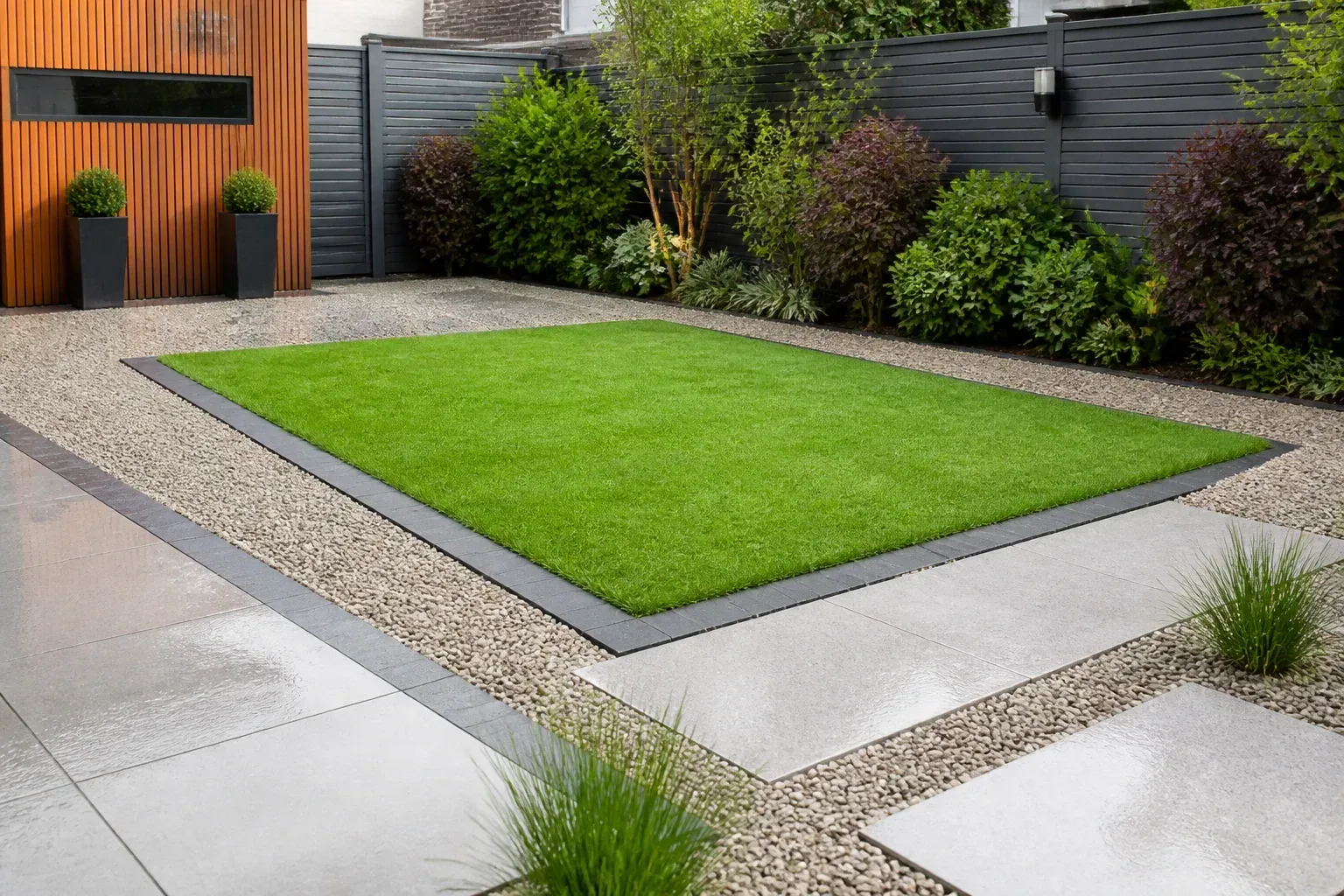
St. Augustine grass (Stenotaphrum secundatum) is a warm-season turfgrass for hot, humid regions, especially the southern United States and coastal areas. Its broad blue-green blades and above-ground runners, called stolons, knit into a dense lawn quickly when warmth, moisture, and fertility are in balance.
That density is its appeal—and the reason it can be frustrating. St. Augustine is not the best choice for a dry, cold, heavily trafficked, or poorly drained yard. Choose the site honestly, establish it during active growth, then manage water, mowing, and nitrogen as a system. The quickest way to lose this turf is to compensate for the wrong site with more fertilizer or more irrigation.
Is St. Augustine Grass Right for Your Yard?
How to identify it.
Look for a coarse, flat blade that is noticeably wider than the fine leaves of Bermuda grass. St. Augustine spreads horizontally through thick stolons rather than underground rhizomes. Those runners root at their nodes and gradually close gaps, creating a carpet-like surface instead of a clumping bunchgrass.
It is commonly sold as sod or as small plugs cut from sod. Commercial seed is not the normal route because most St. Augustine cultivars produce little viable seed. If a seller promises a standard bag of reliable St. Augustine seed, ask exactly what species and cultivar it contains; for most homeowners, sod or plugs are the practical choices.
The trade-offs that matter.
This grass earns its place in warm coastal and subtropical yards because it handles heat, humidity, and some salt exposure better than many alternatives. It also tolerates more shade than Bermuda grass, although “shade tolerant” does not mean “happy without sun.” Thin turf under dense trees often reflects a light and root-competition problem, not a fertilizer shortage.
The costs are real. St. Augustine generally needs more irrigation than drought-adapted turf, goes brown during cool dormancy outside the warmest climates, and does not like repeated heavy foot traffic. It is also susceptible to chinch bugs and several fungal diseases. Texas A&M AgriLife and university turf programs consistently frame St. Augustine as a grass that rewards good cultural care but is not a low-input lawn.
Choose the Site Before You Buy Sod
Sun, Shade, and Airflow
Aim for full sun where possible. A lightly shaded site can work if it still receives several hours of direct light and has enough airflow for the foliage to dry after irrigation or rain. The darker the shade, the more important it becomes to use a shade-tolerant cultivar and reduce expectations for density.
Do not install it against a solid fence, under a dense evergreen canopy, or in a narrow side yard simply because the area is bare. In those places, stolons may spread while the canopy stays thin. Prune selectively to improve light and airflow, but do not remove major limbs without considering tree health and local rules.
Soil, Drainage, and Compaction
St. Augustine needs soil that holds moisture but drains excess water. A lawn that stays saturated after rain develops shallow roots and disease pressure; a compacted lawn has poor infiltration and can look thirsty even when water is sitting just below the surface.
Before planting, remove construction debris, break up compacted layers, and correct obvious grading problems. A soil test is more useful than guessing from leaf color. Test pH and nutrient levels, then use the report to decide whether lime, sulfur, phosphorus, or another amendment is warranted. Yellow turf alone is not proof that it needs phosphorus.
Walk the site after a soaking rain. If water remains in low spots for a day, fix drainage or grading before installing turf. If water runs off hard soil instead of soaking in, core aeration and organic-matter management may help, but do not bury a drainage problem under a new layer of sod.
Plant St. Augustine Grass Successfully
Sod Versus Plugs
Sod gives immediate coverage and is the best choice when you need erosion control, quick visual improvement, or a lawn that can be established before weeds occupy bare soil. Plugs cost less and are useful for filling a small area, but the ground between them remains exposed while stolons spread.
Install during spring or summer when the grass is actively growing and allow roughly three months of favorable weather before the first hard freeze. Avoid planting into cold soil or during a heat wave when you cannot keep the new turf evenly moist.
A First-Week Establishment Sequence
Start with a level, firm seedbed—not a fluffy layer of loose topsoil that will settle unevenly. Lay sod pieces tightly together with staggered seams, or set plugs at consistent spacing according to the seller’s recommendations. Press out air pockets so roots contact soil, but do not compact the bed by repeatedly walking on saturated turf.
Water immediately after installation. For the first week, keep the root zone consistently moist without creating runoff. Check several locations by lifting a corner of sod or probing the soil; a timer running on one schedule is not proof that the whole lawn is receiving the same amount of water.
As roots anchor, lengthen the interval between waterings and wet the soil more deeply. New plugs need special attention at their edges because a small plug has little stored moisture and a large amount of exposed perimeter. Keep foot traffic light until the pieces resist a gentle tug.
Build a Reliable Care Routine
Water to the Root Zone
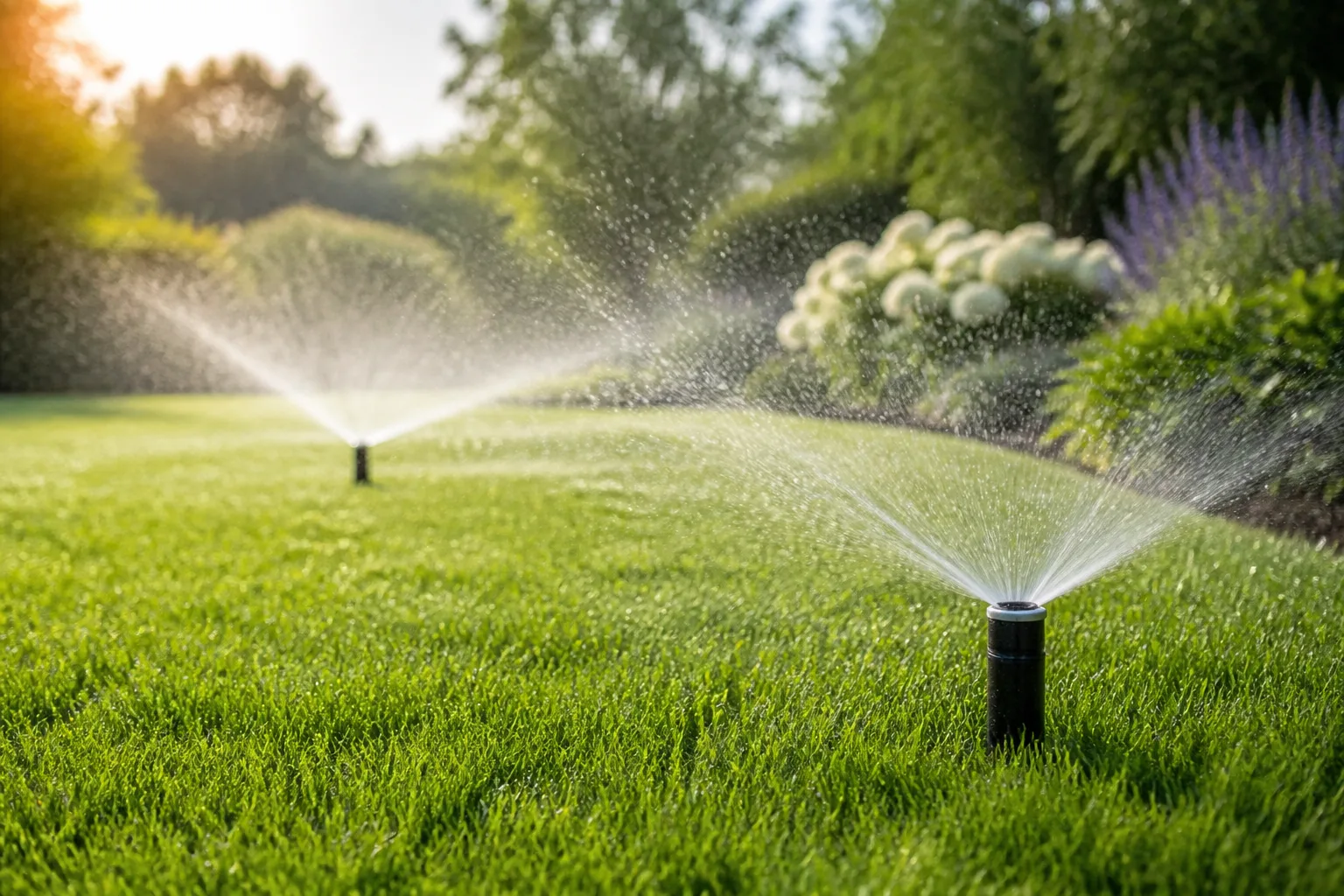
Established St. Augustine prefers deep, infrequent irrigation over a little water every day. The exact schedule depends on rainfall, soil, sun, slope, wind, and local restrictions, so use the lawn and soil as your gauge. Water when footprints remain visible, blades lose their normal lift, or the turf develops a dull blue-green cast—not simply because the calendar says it is watering day.
Apply water slowly enough that it infiltrates instead of running into the street. Set shallow straight-sided cans around a sprinkler zone to compare output; uneven coverage creates alternating drought and disease pockets that a single runtime adjustment cannot solve. Water early in the day so leaves dry before evening.
Reduce irrigation during cool dormancy, but do not let dormant turf desiccate during a prolonged dry spell. Conversely, do not keep brown winter grass constantly wet in an attempt to make it green. Dormancy is a seasonal state, not automatically a crisis.
Mow High and Often Enough
Set the mower high enough to leave a generous leaf surface; around 2.5 to 4 inches is a common extension-guided range, with the lower end used only where the cultivar, site, and mower support it. The practical rule is more important than a single number: never remove more than one-third of the blade at one mowing.
Raise the deck during heat, drought, and shade stress. Taller leaf tissue shades soil, supports photosynthesis, and gives shallow or stressed roots more canopy to work with. Mow when the lawn is dry enough to cut cleanly, keep the blade sharp, and alternate mowing direction to reduce compaction and wear.
If the mower tears rather than slices, the tips may turn white or brown even though the soil is moist. If the machine scalps one side of every pass, check deck level and tire pressure before adding water or fertilizer. Grass clumps left on the surface after mowing can mat down shaded turf, so mulch only when the clippings are short enough to fall between blades.
Fertilize From Soil-Test Results
Feed St. Augustine during active growth after the lawn has fully greened up. Clemson Cooperative Extension’s maintenance guidance uses split applications rather than one heavy dose, and that is a safer pattern for homeowners: smaller, timed applications reduce leaching and the flush of weak growth that can attract pests.
Use the fertilizer bag’s analysis and calculate actual nitrogen rather than applying by scoop. A soil test should decide whether phosphorus is needed; adding it “for greener grass” can pollute waterways and may not solve chlorosis caused by high pH, poor roots, or iron availability.
Do not fertilize drought-stressed, dormant, or newly scalped turf until it is actively growing and able to use the nutrients. Sweep granules off sidewalks and pavement, irrigate according to the label, and keep fertilizer out of drains and open water. A high-nitrogen lawn that grows faster than its roots can support is not necessarily healthier.
Keep the Lawn Healthy Through the Seasons
Summer heat and salt exposure.
Summer is the main growth season, but heat does not cancel the need for diagnosis. Inspect irrigation coverage, mower height, and soil moisture before increasing fertilizer. Along a coast, salt spray or salty irrigation water can cause edge browning; improve the water source if possible and flush salts through well-drained soil rather than repeatedly feeding the turf.
Heavy use is another summer limitation. St. Augustine can handle ordinary household traffic, but repeated play paths and turning points compact soil and wear through the canopy. Use stepping stones or rotate traffic where a lawn is expected to function as a sports surface.
Winter dormancy and cold damage.
Outside subtropical areas, St. Augustine commonly loses color as soil temperatures fall. Brown turf in winter does not need aggressive feeding or repeated mowing. Keep leaves and debris from smothering it, avoid traffic on frozen or waterlogged grass, and resume active care only when temperatures and growth return.
Cold injury is more likely in exposed sites, newly planted turf, and cultivars with lower cold tolerance. A patch that fails to green up in spring deserves inspection for crown damage, drainage, disease, or pests rather than an automatic fertilizer application.
Diagnose Thin, Yellow, or Brown Areas
Pests and Their Clues
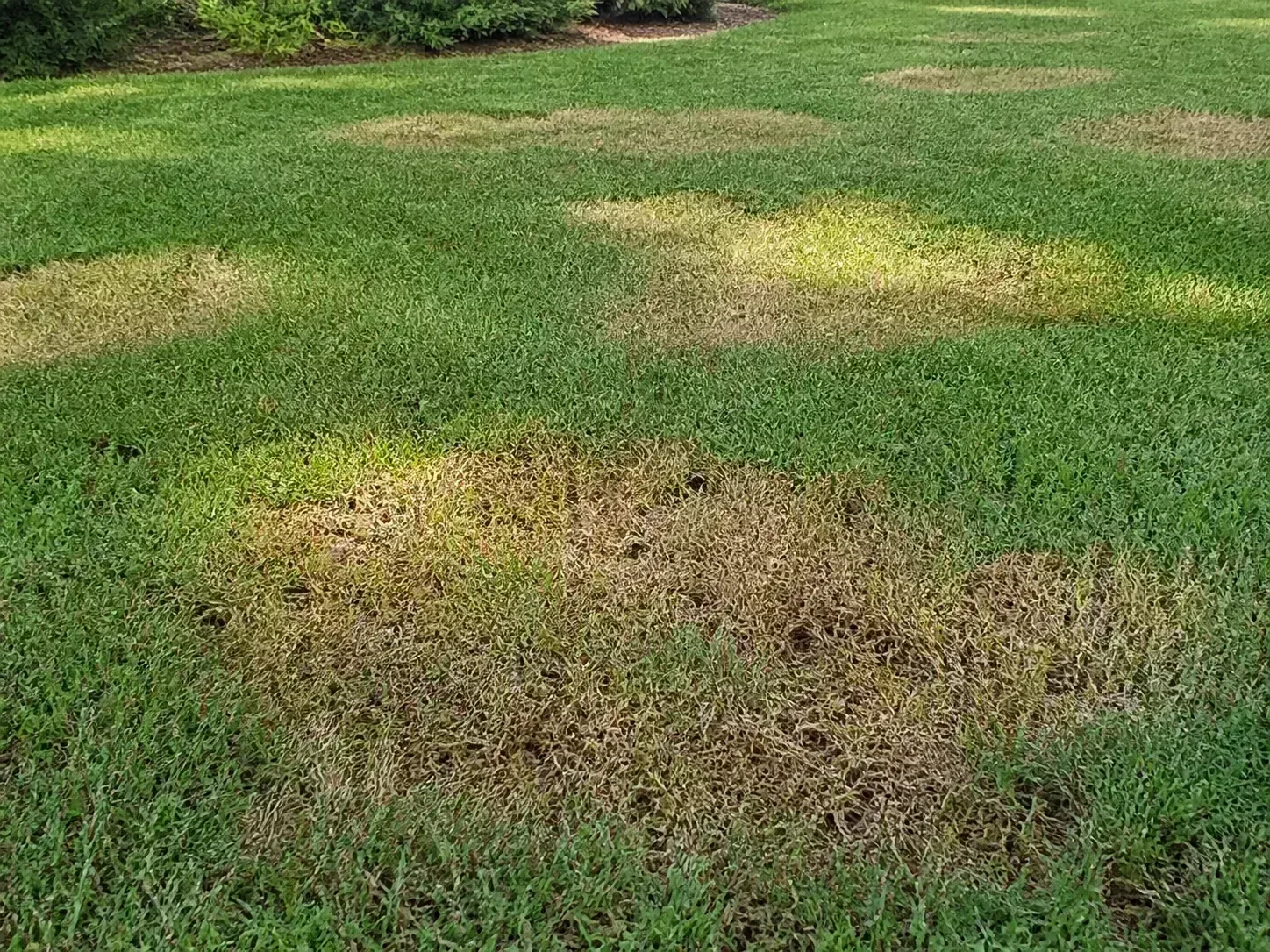
Chinch bugs are a signature St. Augustine problem. They feed on the plant and inject toxins that interfere with water movement, so damaged patches can look drought-stressed even when the soil is moist. Check the border between healthy and damaged grass by parting the blades and looking for tiny, fast-moving insects; do not spray based on brown color alone.
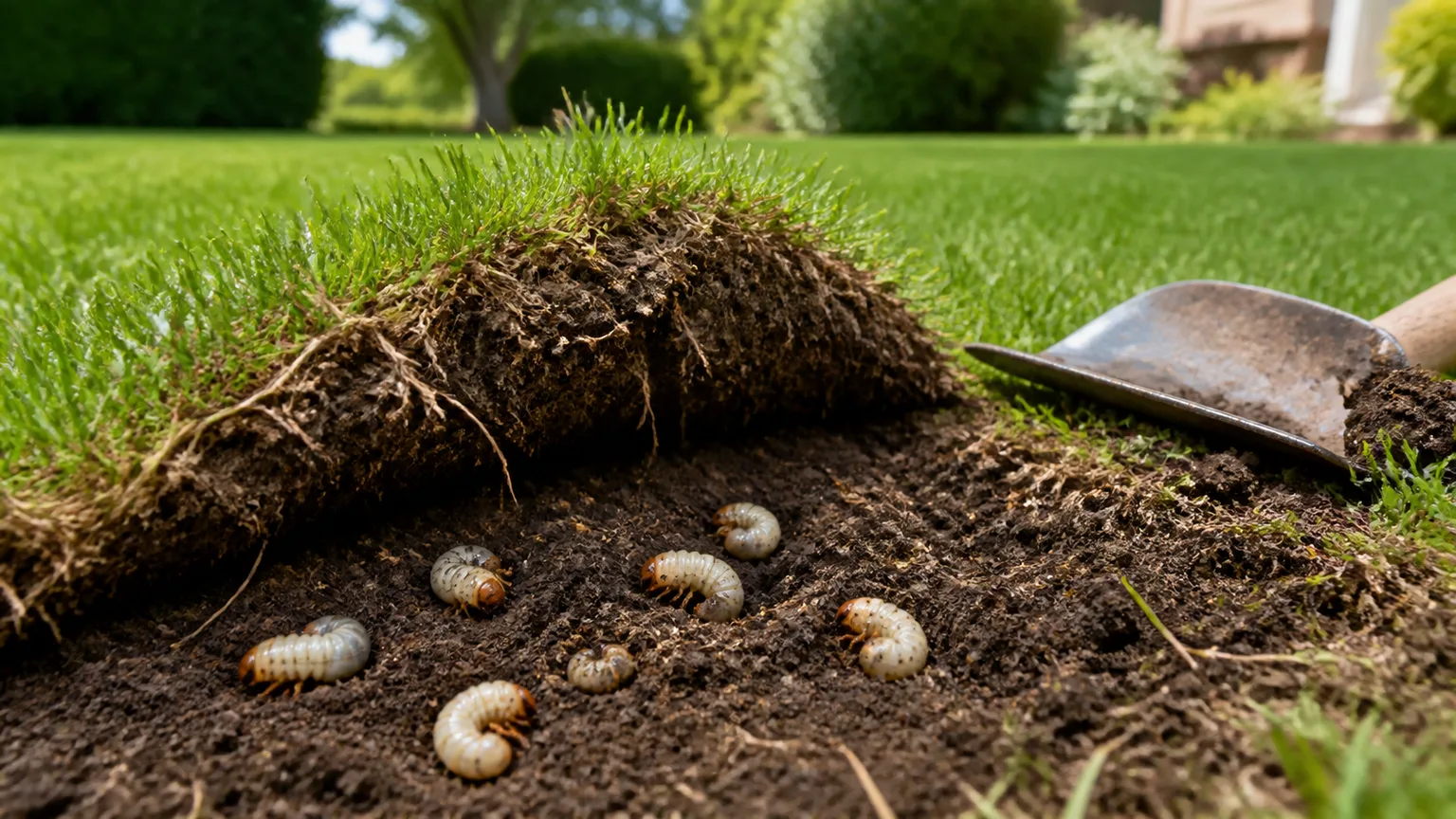
Spittlebugs are more common in humid, shaded conditions and leave foamy masses around stems. Mole crickets disturb roots and soil and can create irregular thinning; a soapy water flush is a useful diagnostic method, but treatment thresholds and products vary by location. Grubs feed below ground and may cause loose, spongy turf that lifts easily.
Scout first, identify second, and follow the pesticide label and local regulations if treatment is justified. Beneficial insects, pollinators, children, and pets are all reasons to avoid broad, calendar-based insecticide applications.
Diseases and Their Patterns
Gray leaf spot favors warm, wet conditions and can thin turf, especially in shade. Avoid pushing shaded grass with soluble nitrogen during humid summer weather, improve airflow, and water early. Large patch, a Rhizoctonia disease, tends to appear as expanding circular areas in cooler, wet seasons.
Take-all root rot produces weak, declining patches and is associated with stressed roots and thatch. It is not fixed by simply painting the lawn green. Correct drainage, mowing, irrigation, and thatch problems first, and use local extension diagnosis when the pattern returns every year.
The visual shortcut “brown equals fungus” is just as unreliable as “brown equals drought.” Disease often follows a pattern tied to moisture, shade, temperature, or mowing stress. Photograph the patch, mark its edge, inspect roots and thatch, and compare healthy and affected areas before deciding on a fungicide.
The Order of Operations for Recovery
When a patch appears, use this sequence:
- Check soil moisture at the patch and at a healthy reference area.
- Inspect sprinkler coverage, recent rainfall, mowing height, and blade condition.
- Look at the boundary for insects and lift a small piece to inspect roots and thatch.
- Compare the patch with shade, drainage, foot traffic, and nearby construction patterns.
- Send a sample or clear photographs to a county extension service if the cause remains uncertain.
- Correct the cultural cause before reseeding, re-sodding, or applying a pesticide.
Small bare areas can be repaired with matching sod or plugs during active growth. Do not plug into compacted, saturated soil and expect the new pieces to solve the original problem. Prepare the site, water the repair while roots establish, and keep traffic off it until it knits in.
St. Augustine Versus Bermuda Grass
Choose St. Augustine when your warm-season yard has some shade, needs a coarse dense carpet, or sits near the coast where salt tolerance matters. Choose Bermuda when drought efficiency, fine texture, strong sun, and heavy wear matter more and the site receives abundant direct light.
St. Augustine is normally established from sod or plugs, while Bermuda can be established from seed, sod, or vegetative material depending on the cultivar. Bermuda generally recovers from wear and drought more aggressively, but it is less forgiving in shade. St. Augustine can look fuller in a partly shaded yard, yet it usually asks more from the irrigation and fertilizer program.
Do not mix the grasses casually. Their textures, mowing heights, growth habits, and seasonal behavior differ, and one will often invade the other where conditions favor it. Decide which turf matches the site before you install a patch that will require constant correction.
Conclusion: Start With the Site, Then Tune the Routine
The best St. Augustine lawn is built before the first piece of sod touches the ground. Give it warmth, usable light, drainage, and soil that roots can occupy; then keep the canopy dense with deep irrigation, high mowing, measured fertility, and regular scouting.
If the lawn declines, resist the fastest-looking fix. Check moisture, mowing, light, roots, insects, and disease in that order. That diagnostic habit protects your budget, reduces unnecessary pesticide use, and gives St. Augustine the conditions it needs to spread into a durable lawn.