10 Types of Summer Squash to Grow in Your Garden
Compare 10 summer squash varieties by flavor, space, harvest size, and use. Find the right zucchini, pattypan, kousa, or tromboncino for your garden.
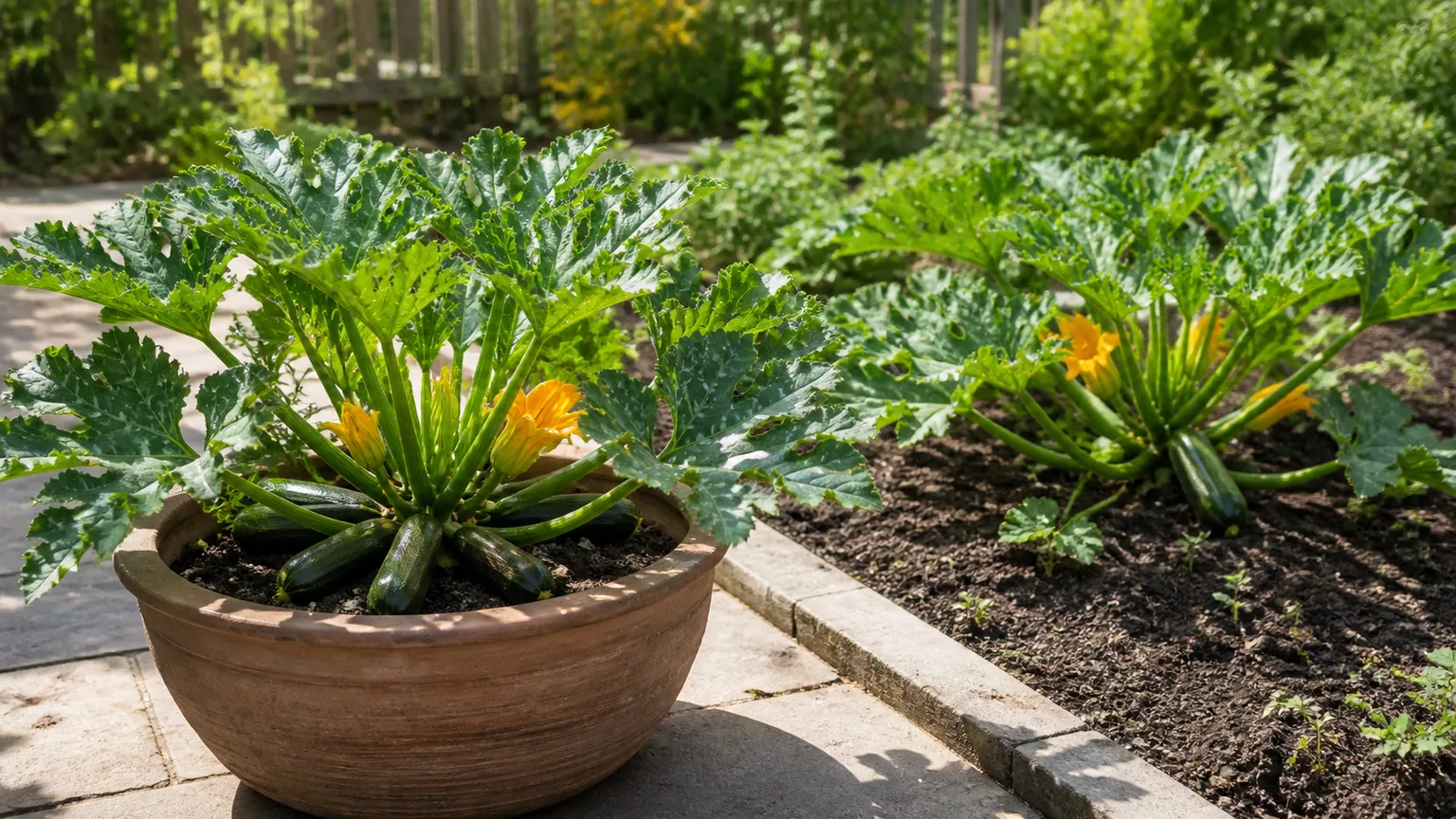
Summer squash is not one vegetable with a few paint colors. It is a useful group of tender, warm-season squashes harvested while the fruit is still immature, when the skin and seeds are soft enough to eat. Zucchini is the most familiar member, but the same garden can produce scalloped pattypans, pale kousa, striped Italian types, and long, trellis-friendly tromboncino.
The best choice depends on what you want to do with the harvest. A compact round zucchini suits a sunny patio; a ribbed heirloom rewards a cook who cares about texture; a yellow crookneck gives you classic squash flavor; and a tromboncino makes sense when vertical space is easier to find than bed width. The list below helps you choose by garden space, harvest size, flavor, and use, not by novelty alone.
Start with the gardener, not the seed packet
Summer squash and zucchini are often used as if they mean the same thing, and in everyday cooking that is usually fine. Botanically, many common summer squash belong to Cucurbita pepo, but “summer squash” describes the way the fruit is harvested, while “zucchini” describes one familiar group within it. A winter squash is left to mature with a hard rind for longer storage; a summer squash is picked young and used soon. The RHS guide to growing courgettes makes the same practical distinction: the fruit is tender, the plant is frost-sensitive, and frequent picking keeps production moving.
Choose with four questions. How much ground can the plant occupy? Most bush types look compact at first and then send leaves well beyond the crown, so allow roughly 3 feet (90 cm) or more unless the seed packet says the cultivar is especially compact. How will you cook it? Small round fruit and kousa are natural stuffers, while long zucchini and yellow squash are easier to slice, grill, sauté, or shred. How often can you harvest? These plants can swell fruit astonishingly fast in hot weather. What is your limiting condition? That might be a short season, reflected heat, a small container, humid foliage, or a lack of pollinators.
Hardiness zones are not the most useful way to choose an annual summer squash. Soil warmth, the last frost date, and the number of reliably warm weeks will tell you more. In a short-season garden, look for early maturity and consider starting seed indoors; in a hot, long-season garden, prioritize heat tolerance, disease resistance, and a planting date that avoids the worst pest pressure.
1. Classic green zucchini
Classic green zucchini is the dependable baseline: dark green, cylindrical fruit on a bushy plant that starts producing quickly when the soil is warm. It is the easiest choice if you want one variety that can become noodles, fritters, quick bread, grilled rounds, soup, or a simple skillet side. A single plant can produce more than a small household expects, so “abundant” is not always the same as “plant a whole row.”
Pick standard zucchini while it is firm and relatively small, often around 6 to 8 inches long for an all-purpose harvest, or earlier if you prefer very tender skin and seeds. Use a knife or pruners to cut the stem rather than wrenching the fruit from the plant. The RHS recommends harvesting courgettes at roughly 4 to 5 inches for especially tender texture and notes that regular picking extends the cropping period.
Choose classic zucchini when you value productivity and flexibility more than unusual shape. Its catch is that the leaves can hide fruit, and a missed zucchini can turn from dinner-sized to baseball-bat-sized in a day or two. If you want easier picking, look for an open-habit or spineless cultivar in the seed catalog rather than assuming every green zucchini grows the same way.
2. Yellow crookneck squash
Yellow crookneck is the old-fashioned summer squash many gardeners picture first: a bulbous blossom end with a curved, narrower neck. Fruits may be smooth or bumpy, and the deeper yellow color stands out under large leaves, which helps you find them before they become oversized. It brings a slightly firmer, more traditional squash texture to sautéing, steaming, frying, and grilling.
Harvest crooknecks around 4 to 6 inches long for the best balance of tender skin and substantial flesh. The Epic Gardening variety guide notes that classic yellow crookneck can take a little longer to begin fruiting than some newer selections, then continue cropping over a long period. That is useful context when a packet’s days-to-maturity number seems slower than a green zucchini’s: early fruit is not the only measure of a good garden variety.
This is a strong pick for a gardener who wants recognizable yellow squash and does not mind checking the plant frequently. Its curved neck can make it awkward to slice into uniform pieces, but that same shape is part of its appeal. Pick it before the skin becomes waxy or tough, and do not let one oversized fruit convince you that the whole cultivar is poor.
3. Yellow straightneck squash
Yellow straightneck gives you the bright color and tender summer harvest of yellow squash without the crookneck’s bend. The cylindrical shape is convenient for slicing into coins, halving for the grill, or cutting into even pieces for a sheet pan. It is also easy to spot against dark soil and green foliage, so it can be a practical choice for anyone who tends to miss green fruit.
Treat “yellow straightneck” and “yellow zucchini” as related but not identical shopping labels. A yellow zucchini is usually a yellow-skinned zucchini with the same cylindrical habit as its green cousins; straightneck is a traditional yellow-squash form. The seed packet’s plant habit, disease-resistance notes, and recommended harvest size matter more than the color name alone.
4. Patty pan or scallop squash
Patty pan squash looks as if a small flying saucer landed in the garden. The scalloped edges may be white, pale green, yellow, or striped depending on the cultivar, and the fruit is broad rather than long. It is one of the best summer squash choices for stuffing, roasting whole, or presenting as individual portions, but it is just as good cut into wedges for a skillet.
For tender skin and a pleasant seed-to-flesh ratio, pick patty pans at about 2 to 3 inches across. Growing in the Garden recommends that small size, while noting that the fruits hold up well to high-heat cooking. Larger patty pans are not automatically inedible, but the texture becomes less delicate and the scallops can be harder to cut.
Plant patty pan when you want a change in shape without taking on a completely different growing routine. It still needs sun, rich soil, room to spread, and pollinating insects. The common mistake is waiting for it to reach the size of a dinner plate because the plant looks healthy; by then you have traded the variety’s best tenderness for a tougher, seedier harvest.
5. Round zucchini
Round zucchini, including cultivars such as ‘Eight Ball’ and ‘Ronde de Nice,’ produces globe-shaped fruit rather than the familiar cylinder. That shape is more than a conversation piece. It gives you a natural cup for stuffing and a thick, even slice for roasting, while small fruits can be halved and cooked quickly.
Harvest round zucchini by diameter, not length. Many gardeners pick it at about 2 to 3 inches across for tender flesh; you can allow it to grow larger for a fuller stuffed serving, but do not wait for a giant globe if you want delicate skin. The Epic Gardening guide lists ‘Eight Ball’ as a compact, round option with that smaller harvest target.
This is a good candidate for a small raised bed or large container if the cultivar is described as compact. Do not interpret “round fruit” as “tiny plant”: read the mature width on the packet and leave the crown open to air. A round zucchini is worth growing when the kitchen use is genuinely different; if you only want sliced squash, a standard cylindrical type may use the same space more efficiently.
6. Kousa or Lebanese squash
Kousa—also spelled cousa or called Lebanese squash—is a short, thick zucchini type with pale green skin and a mild, sometimes lightly sweet flavor. The fruit is often harvested smaller than a standard zucchini and is especially good for the Middle Eastern preparation of stuffing it with rice, herbs, or meat. It also works raw, grilled, sautéed, or anywhere a recipe calls for zucchini.
The fruit’s squat shape gives you more interior volume for stuffing without requiring the large, mature size that makes many zucchini watery or seedy. The Epic Gardening coverage of cousa types describes them as tender and typically shorter and fatter than ordinary zucchini, while Growing in the Garden highlights small harvests for a firm, creamy texture.
Choose kousa if flavor and cooking variety matter more than finding the earliest possible fruit. Watch the plant’s mature width carefully: a compact-looking young plant may still spread several feet. Because the pale fruit can blend with soil and mulch, check beneath leaves every day or two once flowering begins.
7. Striped Italian zucchini
Striped Italian zucchini includes ribbed or mottled heirlooms such as ‘Costata Romanesco’ and ‘Cocozelle.’ Their dark-and-light striping makes them easy to recognize, but the more important difference is texture. Ribbing can give the flesh a firm, dense bite, and many cooks prefer the nutty flavor of a good Italian heirloom over a watery, overgrown supermarket zucchini.
‘Costata Romanesco’ is also a useful choice if you like harvesting squash blossoms. Growing in the Garden describes it as a semi-vining heirloom that produces abundant male flowers and is often picked very small in Italy, with the blossom still attached. That is a different harvest strategy from leaving every fruit to reach its maximum length.
Give striped types extra room if the seed packet calls them semi-vining, and harvest early enough to appreciate the texture. Heirlooms may not match the disease resistance or uniform yield of a modern hybrid, so they are best planted alongside—not instead of—a dependable variety if a reliable crop is important. The payoff is flavor, visual interest, and a better reason to eat the harvest immediately.
8. Zephyr squash
Zephyr is a two-toned summer squash with a pale yellow body that fades to green at the blossom end. Its unusual coloring makes it easy to find in a crowded plant, and the slender shape works well for quick grilling, roasting, or cutting into thin ribbons. The skin is notably delicate, which can be an advantage at the table and a liability in the harvest basket.
Handle Zephyr gently and harvest it before it becomes large. Epic Gardening notes that the thin skin can bruise or puncture, and that small fruits work well as baby squash. Use a shallow basket rather than piling it under heavier vegetables, and refrigerate it promptly if you are not cooking it the same day.
Pick Zephyr when you want visual variety or a tender, quick-cooking fruit. It is not the best option for a gardener who harvests once a week or transports produce roughly. Drought stress can also affect the intensity of the two-tone coloring, so treat appearance as a bonus, not a reason to let the plant dry out.
9. Tromboncino squash
Tromboncino is the space-saving paradox of summer squash: the fruit is long and dramatic, but the plant is a vigorous vine that makes more sense on a sturdy trellis than sprawled across a narrow bed. The curved neck and bulbous end are easy to spot, and the fruit can be harvested young as a summer squash. If left to mature longer, it develops a harder shell and can be used more like a winter squash, but that is a different harvest and storage decision.
Train tromboncino before the vine becomes heavy. Use a strong trellis, tie loosely, and check the fruit’s weight as it grows; a decorative fence is not automatically strong enough for a loaded vine. Garden.eco describes it as a vining type that can be harvested at about a foot long as summer squash or allowed to reach much larger sizes. The garden space you save on the ground becomes a support and training project.
Choose tromboncino when vertical growing is genuinely easier for you than giving a bush squash a broad patch of soil. It can be an excellent answer for a narrow bed, but it is not a compact plant. Keep the crown accessible for watering, scouting, and harvest, and do not confuse the long fruit with permission to postpone picking indefinitely.
10. Grey zucchini
Grey zucchini—also called gray or Mexican grey zucchini—has stocky, pale green to grey-green fruit with a firm texture. It is a useful hot-climate choice because many grey cultivars are selected for performance in warm, arid regions, and its thicker-looking shape holds up well in cooking. Harvest it young for a tender side dish, or let it grow somewhat larger than a delicate yellow squash without expecting it to become a storage squash.
The ideal size varies by cultivar, but around 6 to 7 inches is a sensible starting point; use the packet’s description as the final word. Growing in the Garden describes grey zucchini as a heavy producer with firm flesh and a harvest target around 6 inches, while Gardening Know How places it among flavorful choices for a home kitchen.
Pick grey zucchini if your summers are hot or you prefer a firm, mild fruit for roasting and frying. In a cool or damp garden, disease resistance and airflow may matter more than color, so compare the exact cultivar rather than relying on the common name. As always, a packet’s days-to-maturity number assumes favorable conditions; cold soil, transplant shock, or poor pollination can add weeks.
Plan the bed before you sow
Variety is only half the decision. Summer squash performs best in a warm, sunny, sheltered site with rich soil that drains well. The RHS recommends at least 90 cm (3 feet) between plants and notes that a compact type can work in a large container, while vigorous or climbing types need a different layout. If your garden is small, put the plant at the edge of a bed so leaves can spill into a path, or choose a cultivar specifically described as compact rather than hoping any zucchini will stay polite.
Choose seed-starting timing and spacing
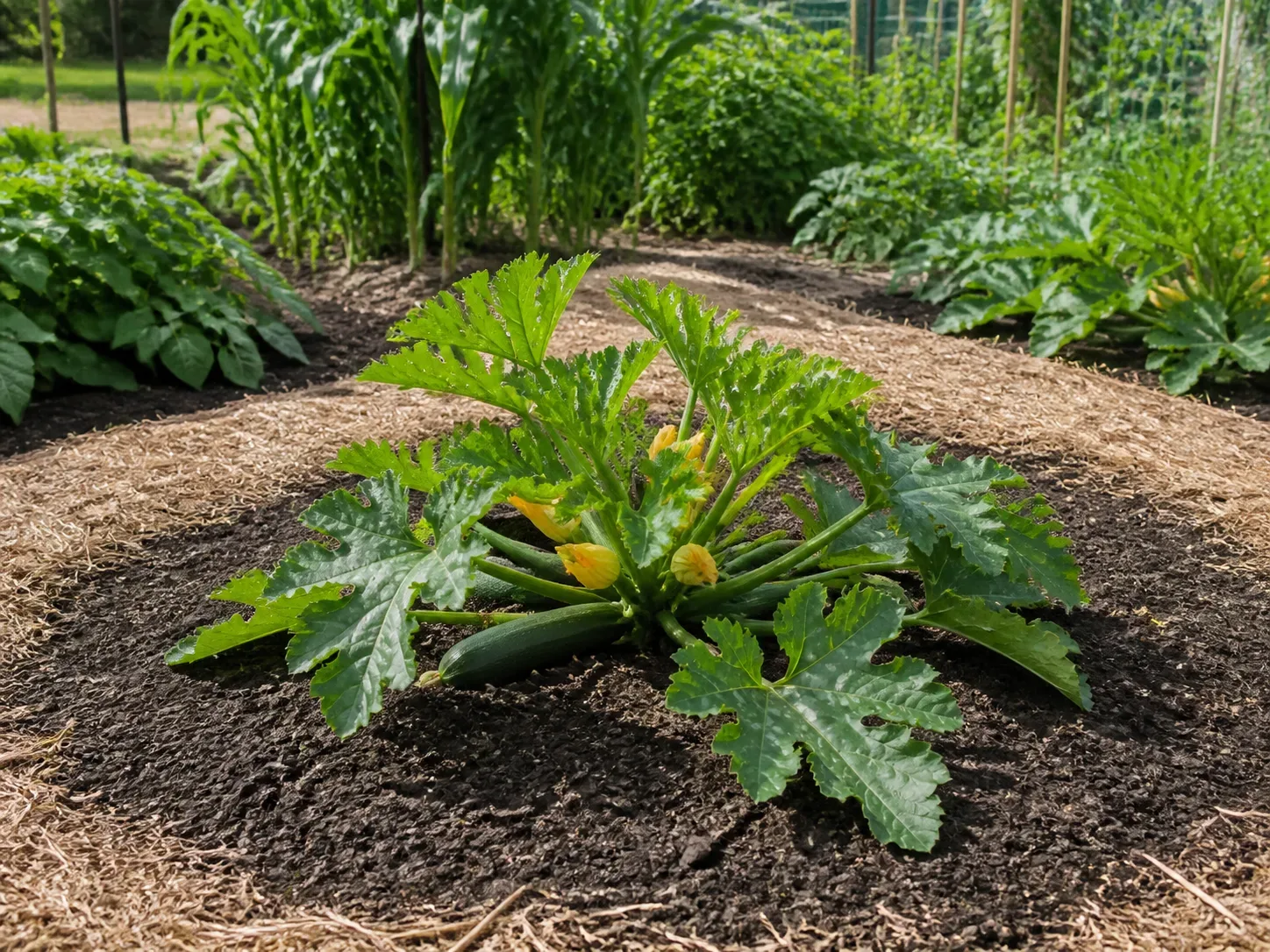
Wait until frost danger has passed and the soil is genuinely warm before moving seedlings outside. For an early start, sow one seed in a small pot indoors in mid- to late spring; the RHS guide gives about 18–21°C (65–70°F) as a suitable germination temperature. Harden seedlings gradually before planting them out. Direct-sow outdoors once the soil has warmed, thinning to the strongest seedling rather than crowding several plants into one station.
Use the packet’s spacing as the minimum, then add room if you have trouble reaching fruit or your summers are humid. A rough planning rule is one bush plant per 3-by-3-foot area, with extra room for a large heirloom; a compact container cultivar belongs in a container at least about 18 inches wide, with one plant per pot. Tromboncino needs a strong vertical support and enough clearance for fruit, not just a narrow line of soil.
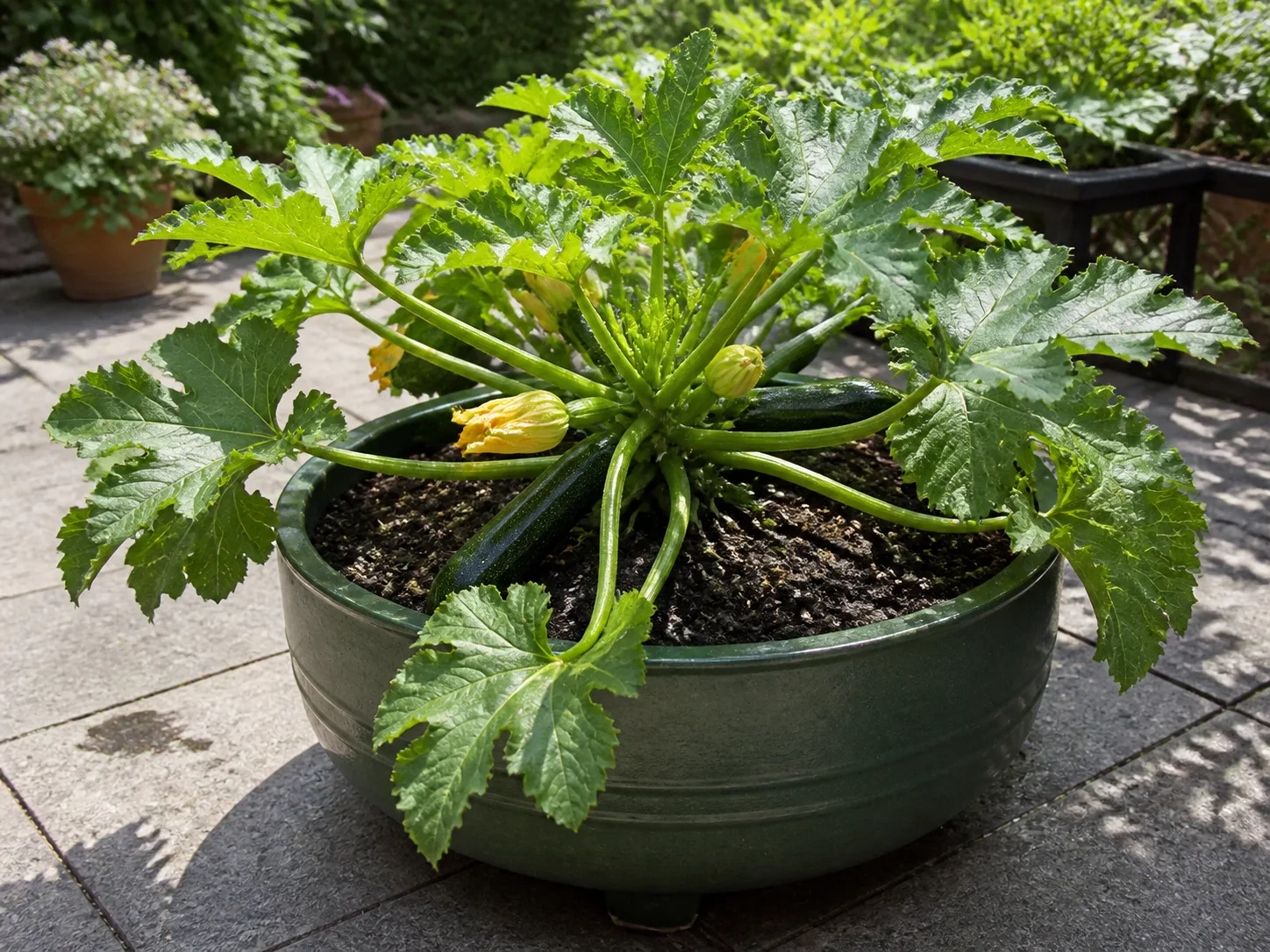
If your season is long, a second sowing several weeks after the first can replace plants lost to pests or disease and extend harvest. Do not automatically plant ten varieties at once. Two well-sited plants with different harvest roles—one reliable green zucchini and one pattypan, kousa, or striped type—often give more useful diversity than a crowded patch.
Water, mulch, and feed for even growth
Keep the root zone evenly moist, especially while flowers and fruit are developing. Water deeply at the base rather than sprinkling the leaves, and use mulch to slow evaporation while leaving a clear gap around the crown. The RHS specifically warns that wet foliage can encourage fungal problems and notes that container-grown plants may need daily watering in hot weather.
Avoid the cycle of bone-dry soil followed by a shallow drench. That stress can cause limp leaves, misshapen fruit, and a plant that spends more energy recovering than producing. Containers dry faster than garden beds, but they also become waterlogged more easily, so use a pot with drainage holes and check the mix below the surface before watering again.
In the ground, compost worked into poor soil is usually a better starting point than repeated high-nitrogen feeding. Too much nitrogen can produce a huge leaf canopy with fewer useful fruits. In a container, nutrients leach with frequent watering; once fruit begins to swell, the RHS recommends feeding every 10 to 14 days with a high-potash liquid fertilizer. Follow the product label rather than improvising a stronger mix.
Protect plants from common pests and diseases
Inspect the undersides of leaves, the crown, and the lower stems at least twice a week. Squash bugs, cucumber beetles, and squash vine borers can weaken a plant quickly, while powdery mildew often appears as pale dusting on older leaves when airflow is poor. A floating row cover can protect young plants from some early insect pressure, but remove it when flowers open so bees can reach them.
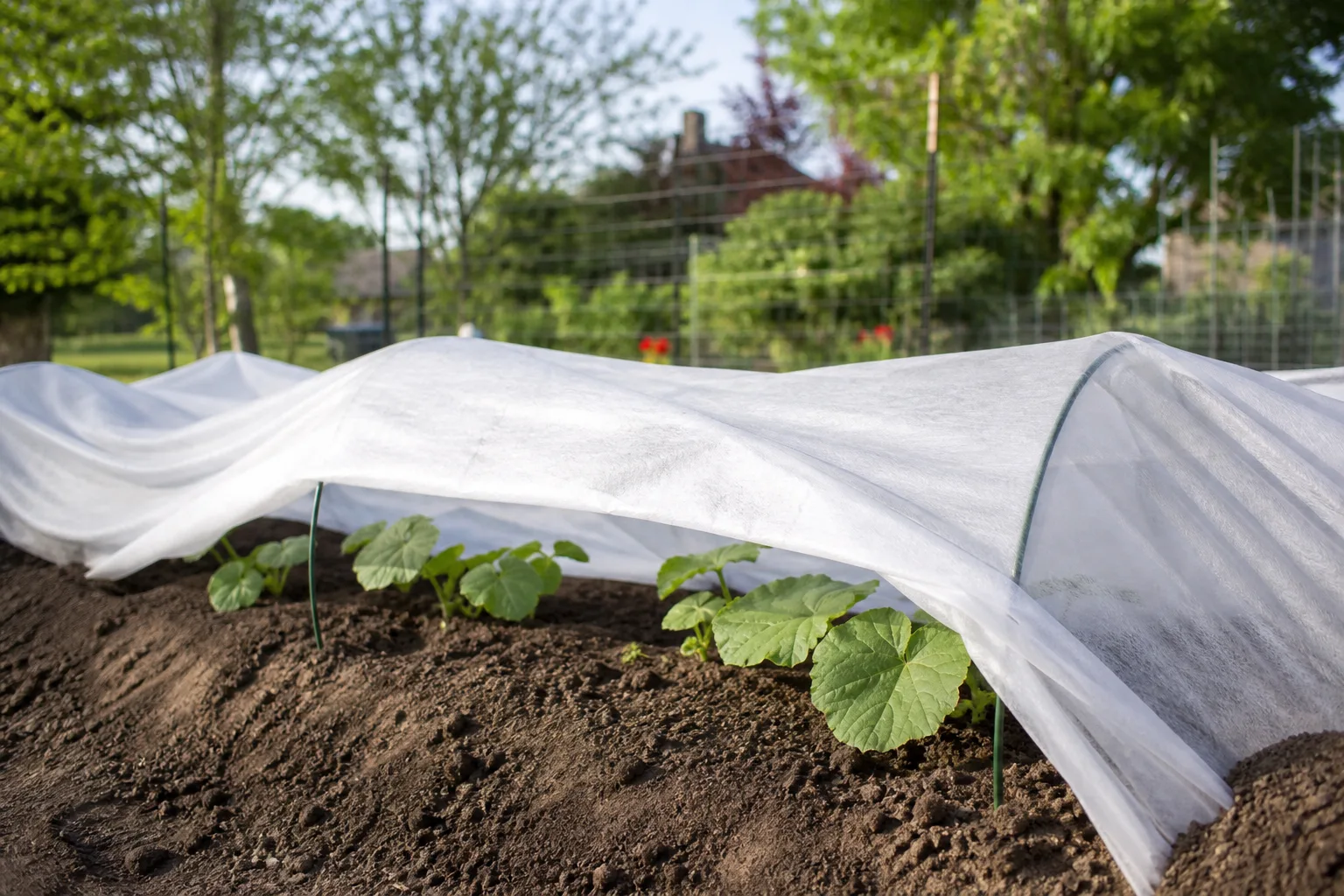
Start with the least disruptive response: remove visible egg masses, knock insects into soapy water, clear badly damaged leaves from the garden, and keep weeds from forming a hidden pest habitat. If a stem suddenly wilts while the leaves still look green, inspect the base for borer damage rather than watering endlessly. For any pesticide, use only a product labeled for the crop and pest in your location, and respect pollinator and harvest restrictions.
Do not strip every leaf at the first sign of mildew. Remove leaves that are badly affected or blocking airflow, water the soil, and keep healthy foliage working. If a plant is declining despite good moisture and light, pull it after harvest and avoid putting diseased debris in home compost. Crop rotation helps, but it cannot compensate for planting in cold, waterlogged soil or crowding plants so tightly that leaves stay wet.
Fix poor pollination before blaming the variety
Summer squash produces separate male and female flowers on the same plant. The male flower sits on a slender stem; the female flower has a small swollen ovary behind the petals. It is normal for a young plant to make male flowers first. The University of Maryland Extension’s summer-squash guidance notes that the male-flower phase can last one to two weeks before female flowers appear, depending on the cultivar.
When a female flower is not pollinated, the tiny fruit behind it may yellow, shrivel, and fall off. Cool weather, rain during bloom, very low bee activity, and insect damage can all reduce fruit set. That symptom does not automatically mean the variety is bad or that the plant needs more fertilizer. First check whether flowers are opening, whether bees are visiting, and whether the soil has stayed evenly moist.
Hand-pollinate only when the pattern points to a pollination problem. In the morning, when flowers are open, pick a fresh male flower, peel back its petals, and brush the pollen-covered anther onto the stigma inside a female flower. You can also use a small clean paintbrush, moving from a male flower to a female flower. Repeat with a fresh flower the next morning if needed, but do not treat hand pollination as a daily chore when bees are already doing the work.
If you garden under insect netting, remember that protection and pollination are competing needs once flowering begins. Open the cover for the morning bloom period or hand-pollinate while covered. Some seed catalogs also list parthenocarpic cultivars that can set fruit with little or no pollination, but that trait is cultivar-specific; read the packet rather than assuming every zucchini has it.
Harvest at the size each type wants
Check plants daily once the first female flowers appear. Cut the fruit with a knife or secateurs, leaving a short stem, and wear gloves if the plant has irritating prickles. Regular harvest tells the plant to keep making flowers and prevents one oversized fruit from diverting energy away from new production. The RHS recommends small, tender courgettes around 4 to 5 inches and notes that male flowers can be harvested for eating without removing a developing fruit.
Use these targets as a starting point, then adjust for the cultivar and your kitchen:
| Type | Start checking at | Best first use |
|---|---|---|
| Green zucchini | 4–8 inches long | Sautéing, grilling, shredding |
| Yellow crookneck | 4–6 inches long | Skillet dishes and grilling |
| Yellow straightneck | 4–6 inches long | Even slices and roasting |
| Patty pan | 2–3 inches across | Stuffing or roasting whole |
| Round zucchini | 2–3 inches across | Individual stuffed servings |
| Kousa | 3–5 inches long | Stuffing, grilling, fresh eating |
| Striped Italian | 4–8 inches long | Firm slices, blossoms, sautés |
| Zephyr | Small and slender | Quick cooking and baby squash |
| Tromboncino | About 8–12 inches for summer use | Long slices, grilling, sautéing |
| Grey zucchini | About 6 inches long | Roasting, frying, everyday cooking |
The table is a harvest guide, not a rule that overrides the seed packet. Thin-skinned Zephyr bruises before a thick-fleshed grey zucchini does; a ribbed heirloom may be valued at a smaller size than a hybrid bred for uniform 8-inch fruit. If the blossom is still attached and the fruit is firm, you are usually looking at peak tenderness rather than an unfinished vegetable.
Use and store the harvest
Summer squash is at its best soon after picking. Brush off soil, avoid washing until you are ready to cook, and refrigerate it in a breathable bag or loosely wrapped container. Use it within several days for the best texture. The University of Maryland Extension gives roughly four days in the refrigerator as a practical storage expectation, which is a useful reminder that summer squash is not a cellar crop like a mature winter squash.
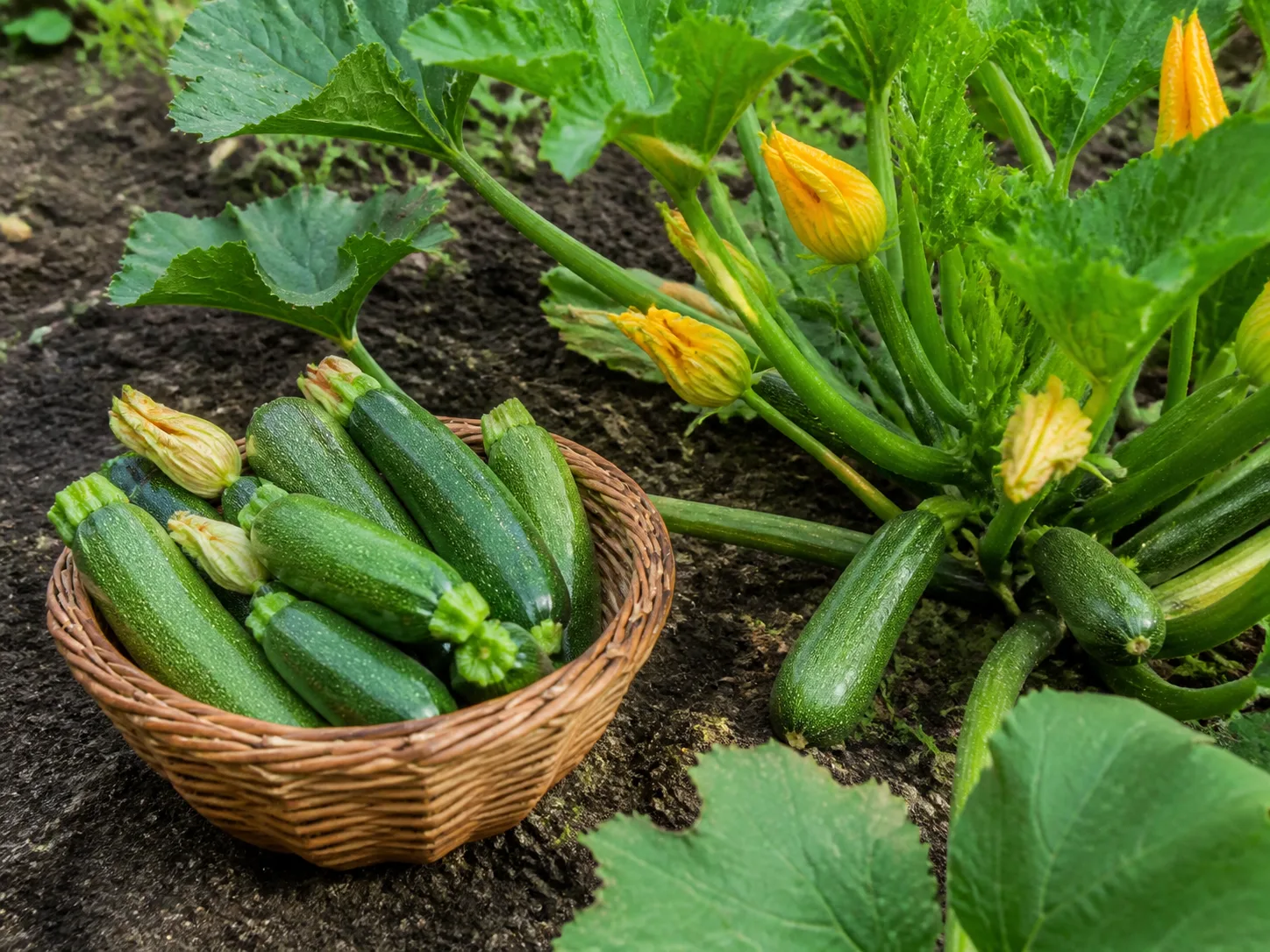
If your harvest exceeds the household’s appetite, pick smaller fruit and share it before it becomes oversized. Grate firm zucchini for fritters or quick bread, grill thick slices, roast pattypans whole, and stuff round zucchini or kousa. You can also harvest male flowers—identify them by the lack of a swollen baby fruit behind the bloom—while leaving female flowers to develop into squash.
At the end of the season, remove spent plants promptly, especially if pests or disease were severe. Do not save seed from a hybrid and expect identical offspring, and remember that different Cucurbita pepo varieties can cross-pollinate if you are trying to preserve a named open-pollinated line. For most home gardeners, the simple plan is better: buy fresh seed, rotate the crop when practical, and record which varieties actually earned their space.
Conclusion
The best summer squash variety is the one you can fit, reach, harvest, and cook at its best. Start with classic green zucchini for dependable versatility, add patty pan or round zucchini for stuffing, choose kousa or striped Italian types for flavor and texture, and reserve tromboncino for a sturdy trellis and a gardener who enjoys training vines.
Give every plant warm soil, full sun, steady moisture, room for airflow, and a quick harvest routine. If baby fruit shrivels, investigate pollination and weather before replacing the seed packet; if leaves mildew, improve airflow and watering before stripping the plant. With two well-matched varieties and a habit of checking the garden often, you can get the easy, abundant harvest promised by summer squash without growing more than your kitchen can use.