7 Plants Toxic to Dogs: What to Grow Instead
Learn which seven common garden plants can harm dogs, what symptoms to watch for, and the dog-friendlier flowers, shrubs, herbs, and vines to grow instead.
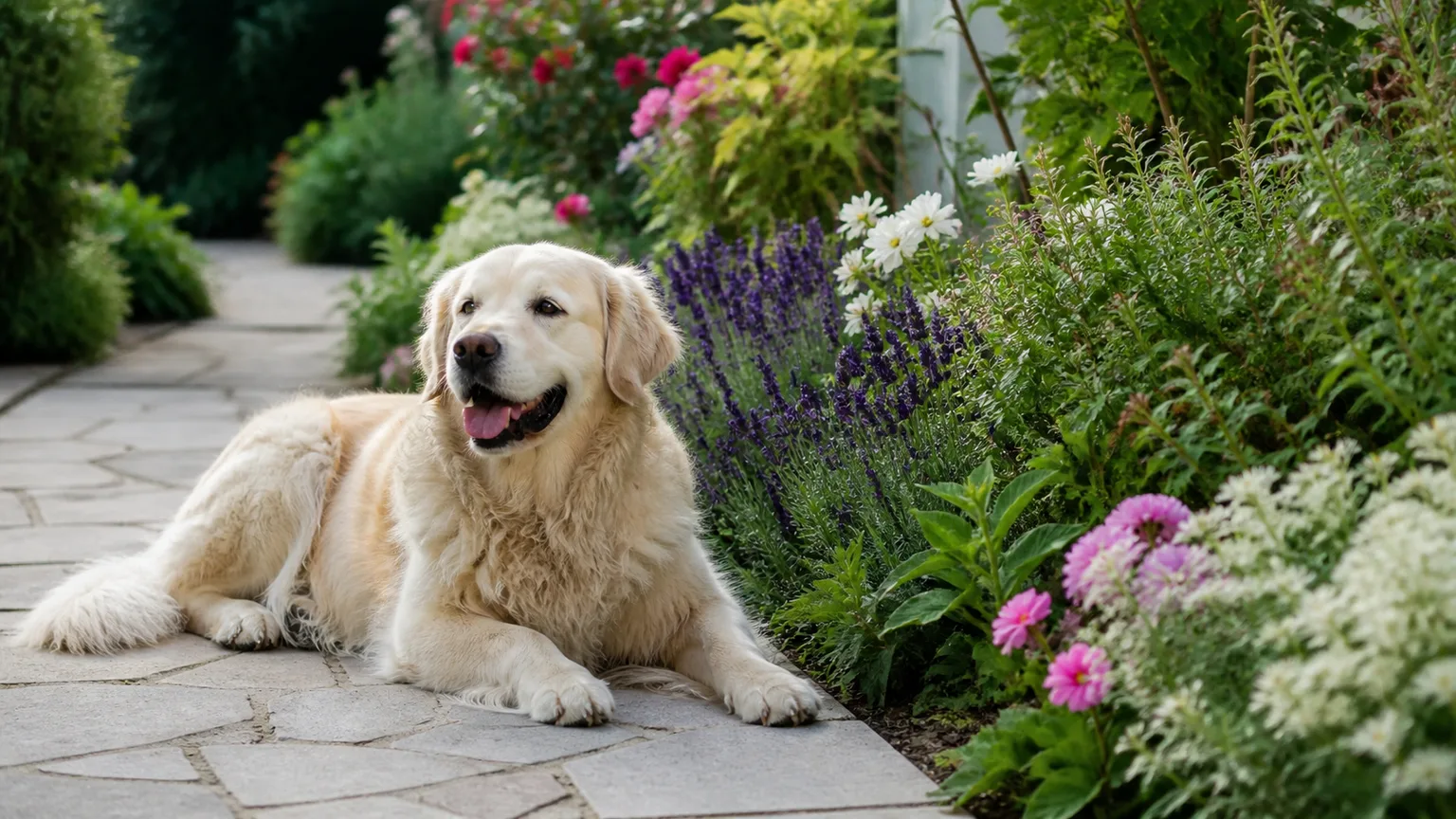
If your dog can reach the garden, a plant label that says “pretty,” “drought-tolerant,” or even “edible for people” is not enough. Foxglove, azalea, rhododendron, sago palm, oleander, onions, and potato plants can all create a serious risk for dogs, especially when fallen leaves, seeds, bulbs, or green plant parts are within easy reach.
The best replacement is not one universal “dog-safe” plant. It is a plant that is verified for dogs, suited to your light and climate, and positioned where your dog is unlikely to chew it. Use the list below as a practical redesign guide, then confirm every purchase by botanical name because common names can cover several different plants.
What “Toxic to Dogs” Means in a Garden
“Toxic” describes a potential hazard, not a guaranteed outcome from touching one leaf. The result depends on the species, plant part, amount eaten, the dog’s size and health, and how quickly treatment begins. Some plants mainly cause stomach upset; others can disrupt the heart, damage the liver, or destroy red blood cells.
The MSD Veterinary Manual’s overview of poisonous plants also explains why identification matters: common names vary, and a plant’s scientific name is the safer way to confirm what you have. A “non-toxic” listing is useful, but it does not mean a dog should graze on the plant. A large mouthful of ordinary plant material can still cause vomiting or diarrhea, and the soil, mulch, fertilizer, pesticide, or plant treatment may be a separate problem.
For a first-pass audit, look beyond the flower bed. Check seeds under a patio plant, dropped leaves along a fence, vegetable tops in a raised bed, clippings in a compost pile, and any houseplants that spend summer outdoors. If your dog is a persistent chewer, prioritize physical separation—fencing, raised containers, or a dog-only path—over relying on training alone.
The Seven Plants to Skip—and the Better Swap for Each
The swaps below are not one-for-one botanical equivalents. They preserve a garden function—height, evergreen shape, tropical texture, flowers, herbs, or trailing cover—while giving you a safer starting point. Confirm the replacement’s botanical name, local growing conditions, and current status in the ASPCA dog plant list before planting.
1. Foxglove: Use Snapdragons for Similar Height
Foxglove (Digitalis purpurea) contains cardiac glycosides. The ASPCA foxglove record lists vomiting, diarrhea, weakness, heart failure, abnormal heart rhythms, and death among possible signs. The risk is not limited to the flowers; do not assume that removing the spent blooms makes the rest of the plant safe.
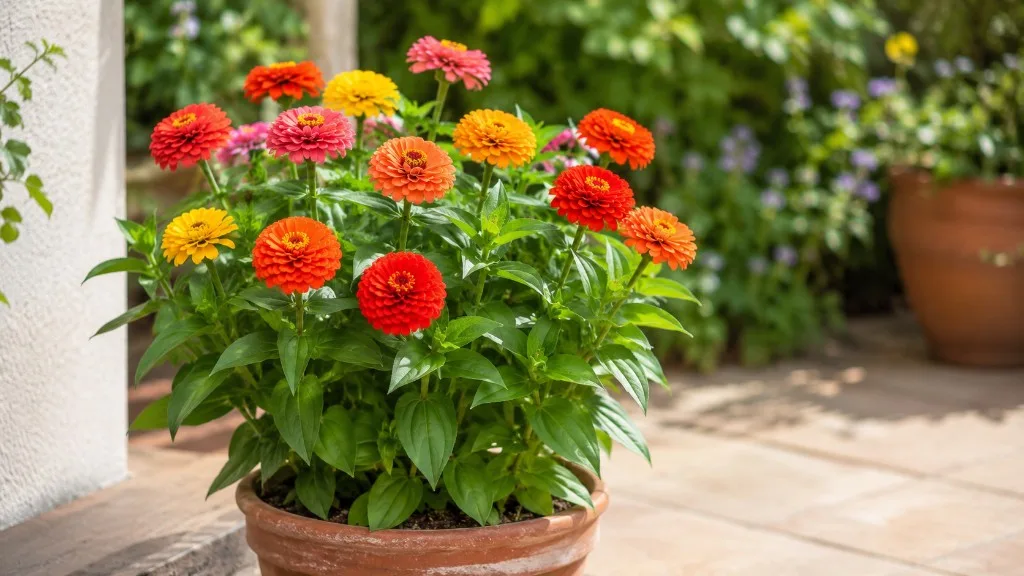
Grow snapdragons (Antirrhinum majus) instead when you want upright flower spikes in a sunny or partly shaded border. ASPCA lists common snapdragon as non-toxic to dogs, and the NCSU Extension profile gives it a similar cool-season, vertical-border role. Zinnias are another useful full-sun option when you want a bushier plant and a long run of color.
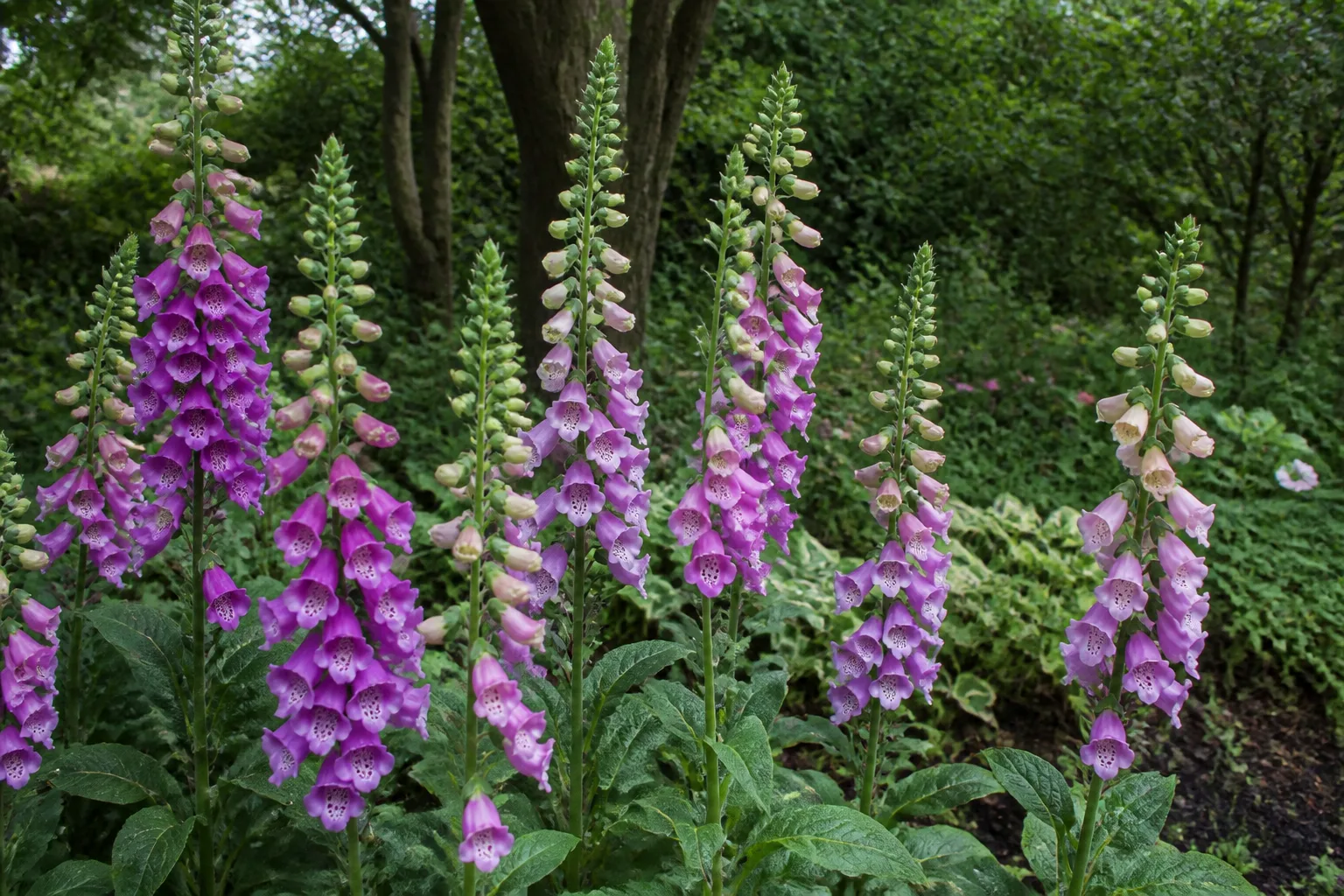
Snapdragons still belong where your dog is less likely to browse, and a non-toxic listing does not make them a chew toy. Remove fallen stems at the end of the season, especially if your dog mouths dry plant debris.
2. Azalea: Use Camellia for Glossy Evergreen Structure
Azaleas are Rhododendron species, and their grayanotoxins can affect the digestive, nervous, and cardiovascular systems. The ASPCA azalea record lists vomiting, diarrhea, weakness, and cardiac failure; a dog that has eaten an azalea should not be watched casually at home just because it appears normal at first.
Camellia (Camellia japonica) can supply glossy evergreen leaves and seasonal flowers in a similar part-shade garden role. ASPCA lists camellia as non-toxic to dogs, while NCSU Extension notes that it prefers well-drained, acidic soil and filtered light or shade. That soil and light requirement is the trade-off: camellia is a good replacement for the right site, not a universal azalea substitute.
Before buying, check the cultivar name and tag. If the label only says “azalea-like shrub” or gives no botanical name, pause and identify it through a local extension service or a reputable plant database.
3. Rhododendron: Choose Camellia or a Verified Native Shrub
Rhododendrons and azaleas are not two separate safety categories for a dog owner. They are closely related Rhododendron plants with the same grayanotoxin concern, and the ASPCA rhododendron listing includes gastrointestinal and cardiovascular signs.
If you want a broad-leaved evergreen, start with camellia where the site is suitable. If camellia will not handle your winter, soil, or drought pattern, ask a local extension office or native-plant nursery for a dog-safe shrub that fits your region instead of guessing from leaf shape. “Native” describes origin, not automatic safety, so verify the exact species.
The practical lesson is to replace the garden job, not just the plant name. Measure the mature width, note the hours of direct sun, and choose a shrub that can live behind a low barrier if your dog patrols the bed.
4. Sago Palm: Use a Dog-Safe Palm Instead
Sago palm is a cycad, not a true palm, and it is one of the plants that deserves the strongest access control. The MSD Veterinary Manual notes that all parts are toxic, with seeds especially dangerous; signs can progress from vomiting and diarrhea to weakness, bleeding, seizures, jaundice, and liver failure. The ASPCA sago-palm record likewise includes liver damage and death among serious outcomes.
For a palm-like silhouette, investigate an areca palm, parlor palm, or bamboo palm that is listed as non-toxic for dogs and suited to your climate. In a cool region, treat these as containers or indoor-outdoor seasonal plants rather than pretending a tropical palm is a hardy landscape replacement. Confirm the exact species before purchase; “palm” is a common name, not a safety guarantee.
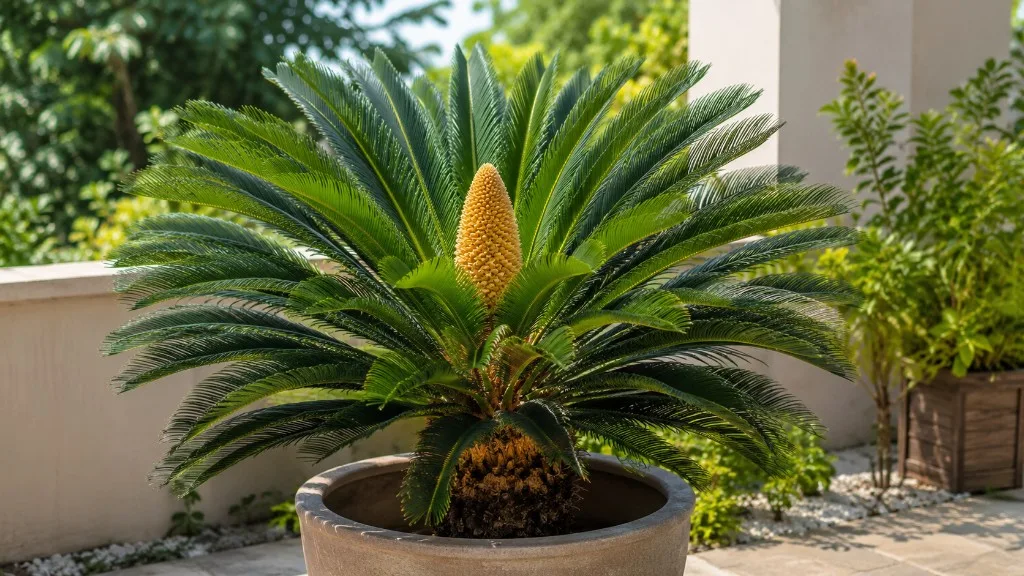
If a sago palm is already in the landscape, do not wait for your dog to show interest before planning removal. A seed cone that drops beyond the bed, or a pup dug up from the soil, can turn a contained plant into a reachable one.
5. Oleander: Choose Flowers for Your Light, Not a Risky Shrub
Oleander (Nerium oleander) contains cardiac glycosides and is dangerous throughout the plant. The ASPCA oleander record lists drooling, abdominal pain, diarrhea, depression, and death; the NCSU Extension profile also emphasizes its high toxicity and cardiac effects.
For a sunny border, zinnias, snapdragons, or other individually verified annuals can provide flowers without the woody shrub and its persistent leaves. In part shade, camellia may provide evergreen structure if your climate and soil suit it. Butterfly bush is sometimes suggested for a similar flowering-shrub role, but it can self-seed or be invasive in some regions; check local restrictions and do not call it a universally safe substitute without verifying the exact plant.
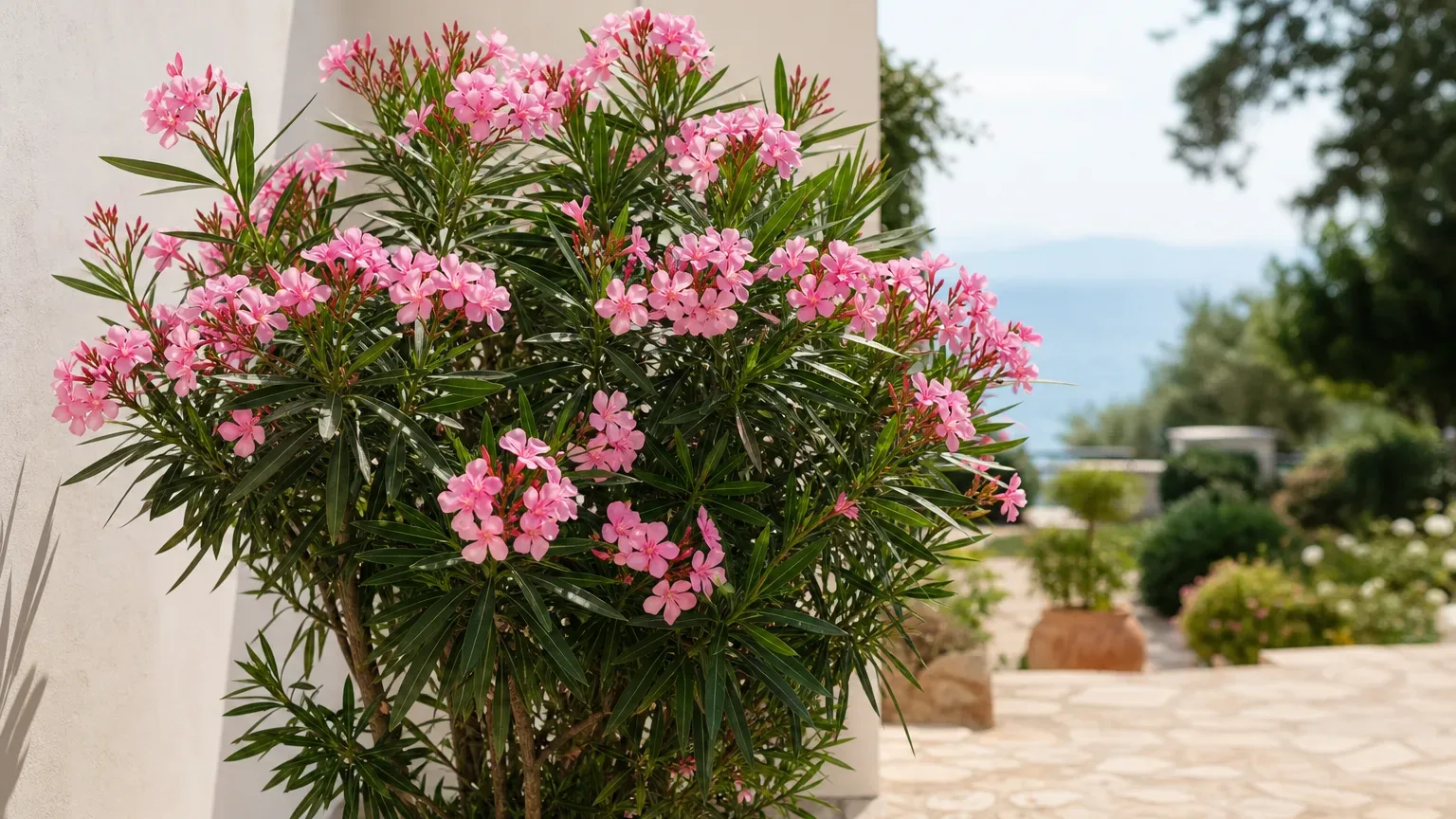
When removing oleander, wear gloves, keep children and pets out of the area, bag every cutting, and never burn or chip the material where a dog could encounter it. For a large established shrub, use a qualified landscaper and keep your dog away until the site has been cleared of leaves, roots, and debris.
6. Onions: Grow Thyme or Basil in the Herb Bed
Onion (Allium cepa) is a food crop for people but a poor choice for a dog-accessible bed. According to the ASPCA onion record, its compounds can cause vomiting and hemolytic or Heinz-body anemia, with signs such as weakness, panting, a fast heart rate, and blood in the urine. Dry skins, trimmings, and bulbs can all become tempting litter near a kitchen garden.
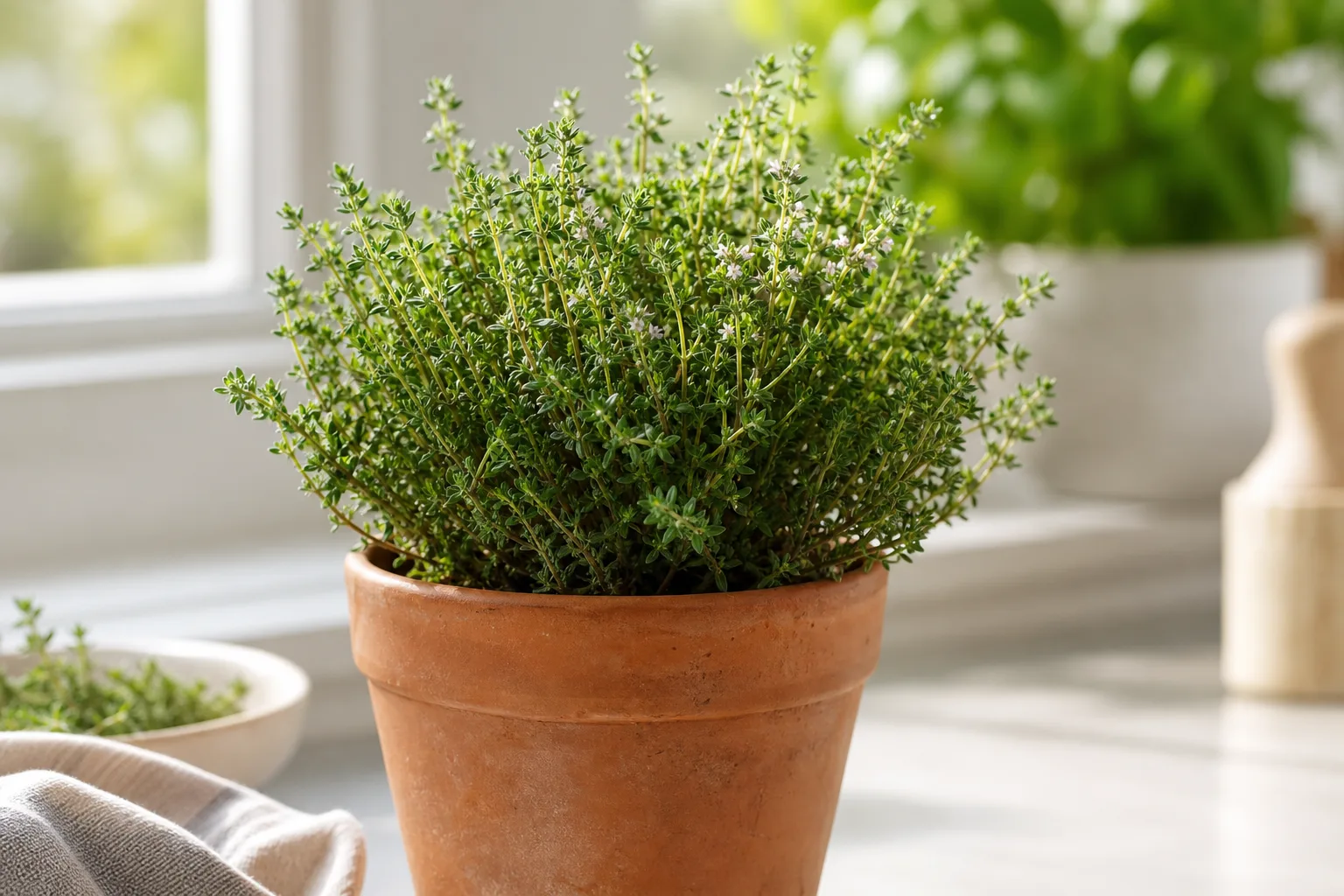
Use thyme (Thymus vulgaris) or basil in a culinary border instead. ASPCA lists thyme as non-toxic to dogs, and NCSU describes thyme as a sun-loving, well-drained herb that tolerates relatively dry conditions. Basil is another option when it is verified by botanical name and grown in a suitable warm, sunny spot.
Do not treat every herb as interchangeable. Parsley, for example, is not a blanket “safe” recommendation in large amounts; NCSU flags low-severity toxicity and photosensitization concerns. Chives and other Allium crops also belong on the keep-away side of a dog-accessible herb bed.
7. Potatoes: Grow Sweet Potato Vine Instead
The risk with potatoes is concentrated in green plant parts and damaged or sprouting tubers. NCSU’s potato profile notes that the sprouts, stems, leaves, berries, and green skin contain solanine and that green parts should not be eaten; a dog that digs in a potato bed can reach several of those parts at once.
If your goal is trailing foliage in a container or border, sweet potato vine (Ipomoea batatas) is a better starting point. ASPCA lists sweet potato vine as non-toxic to dogs, and it can spill over a pot or soften a bed edge in sun or partial shade. Ornamental sweet potato vine is not a promise that every plant in the genus is edible, so keep it out of the dog’s mouth and never use treated nursery plants as food.
If you grow edible potatoes, use a secure raised bed or fence, harvest promptly, and pick up green scraps. “Cooked potato is a human food” and “the live potato plant is safe to chew” are different questions.
A Quick Replacement Matrix by Garden Goal
| Garden job | Safer starting point | Site or safety check |
|---|---|---|
| Tall flower spikes | Common snapdragon | Sun to partial shade; verify the cultivar |
| Bushier full-sun color | Zinnia | Needs sun and room for airflow; remove trimmings |
| Glossy evergreen shrub | Camellia japonica | Acidic, well-drained soil and filtered light |
| Palm-like foliage | Areca, parlor, or bamboo palm | Verify species and use containers in cool climates |
| Sunny flowering border | Zinnia or snapdragon | Choose a plant that matches your season and mature size |
| Culinary herb edge | Thyme or basil | Full sun and drainage; keep all clippings picked up |
| Trailing container foliage | Sweet potato vine | Keep vines from becoming a grazing route |
The word “safer” matters here. These are starting points supported by non-toxic listings or trusted horticultural profiles, not a guarantee that any dog can consume unlimited plant material. Use barriers for a dog that actively eats greenery, and recheck a plant when the cultivar or growing region changes.
How to Check a Plant Before You Buy It
Match light, water, and mature size
Start with the job the plant must do: screen a view, fill a shady corner, trail from a pot, or supply flowers in a hot border. Then check mature height and width, hours of sun, drainage, frost tolerance, irrigation needs, and whether dropped fruit or seeds will land in your dog’s path. A plant that is technically non-toxic but dies in the site will create more pruning, fallen debris, and opportunities for chewing.
Treat “full sun” and “part shade” as design constraints rather than suggestions. Camellia in a baking, alkaline bed is a poor replacement for azalea even if both are shrubs; thyme in wet soil is a poor herb choice even if the light is right.
Confirm the botanical name and cultivar
Search the exact scientific name in the ASPCA Animal Poison Control plant database, then cross-check the plant’s growing needs with a university extension profile such as NCSU’s Plant Toolbox. Read the entire record, not only a nursery tag’s “pet-friendly” icon, and check whether the listing covers the plant you are buying rather than a similarly named species.
Photograph an unknown plant before removing it. Include the leaves, flowers, fruit, growth habit, and tag, and keep a sample sealed away from your dog if a veterinarian or poison-control specialist needs help identifying it. If the plant has no reliable identity, treat it as an unknown risk until verified.
Make the Whole Garden Safer
Remove toxic plants without creating more exposure
Take a photo and identify the plant before you start, then plan where every cutting will go. Wear gloves, keep your dog indoors or behind a closed barrier, cover the soil while you work, and bag leaves, seeds, roots, and prunings rather than leaving a pile beside the bed. A professional is sensible for a large oleander, sago palm, or any plant that is difficult to remove without scattering material.
Sweep the surrounding path after removal and check again after rain or wind. Do not put suspicious clippings in a dog-accessible compost bin, do not burn them, and do not assume mowing will make toxic debris disappear. If you cannot remove a plant immediately, fence it on all sides and pick up fallen material daily.
Treat mulch, fertilizer, and clippings as separate risks
A plant list cannot make a garden chemically risk-free. Keep fertilizer, herbicide, insecticide, slug bait, compost, and mulch products locked away; follow the label’s re-entry instructions; and do not use “natural” as shorthand for harmless. Cocoa-based mulch and concentrated organic products can be especially tempting to dogs, while treated leaves and grass clippings should not be left where a dog can eat them.
Create one closed disposal route from garden bed to bin. Clean tools after pruning, store bags off the ground, and prevent a dog from drinking fertilizer runoff or digging in freshly amended soil. These small systems often matter more than adding one more plant to a safe list.
What to Do If Your Dog Eats a Plant
Treat a suspected ingestion as a call-now problem, not a wait-and-see test. Remove the dog from the area, take a photo of the plant and any missing part, collect a sample only if you can do so safely, and contact your veterinarian or ASPCA Animal Poison Control at (888) 426-4435. PetMD’s veterinary overview of plants poisonous to dogs also advises contacting a veterinarian or poison service immediately.
Do not induce vomiting, give milk or oil, or use a home remedy unless a veterinarian or poison-control professional specifically tells you to. Have your dog’s weight, age, symptoms, approximate time, plant identity, and estimated amount ready. Bring the plant label or a sealed sample to the clinic, never a loose handful in the car.
Symptoms may include vomiting, diarrhea, drooling, weakness, unusual sleepiness, panting, tremors, seizures, collapse, irregular heartbeat, bloody stool or urine, or yellowing of the gums or eyes. Some serious plant toxins can cause delayed or worsening signs, so a normal first hour does not clear the dog. If your dog is struggling to breathe, collapsing, seizing, or showing severe weakness, go directly to an emergency veterinary hospital while someone calls ahead.
Conclusion
A dog-safe garden starts with verified plant identity and ends with good access control. Skip foxglove, azalea, rhododendron, sago palm, oleander, onions, and green potato plants in reachable beds; replace their height, evergreen form, tropical texture, flowers, herbs, or trailing habit with options such as snapdragons, camellia, thyme, zinnia, a verified palm, or sweet potato vine that fit your site.
Recheck the botanical name before every purchase, keep garden products and clippings secured, and save your veterinarian and poison-control numbers before an emergency. The goal is not a garden with zero biological risk; it is a garden designed so the likely risks are identified, separated, and easier to manage.



