14 Species of Viburnum Shrubs: Zones, Berries, and Care
Compare 14 viburnum shrub species by zone, size, fragrance, berries, and evergreen vs. deciduous habit—plus cross-pollination and invasive-plant warnings.
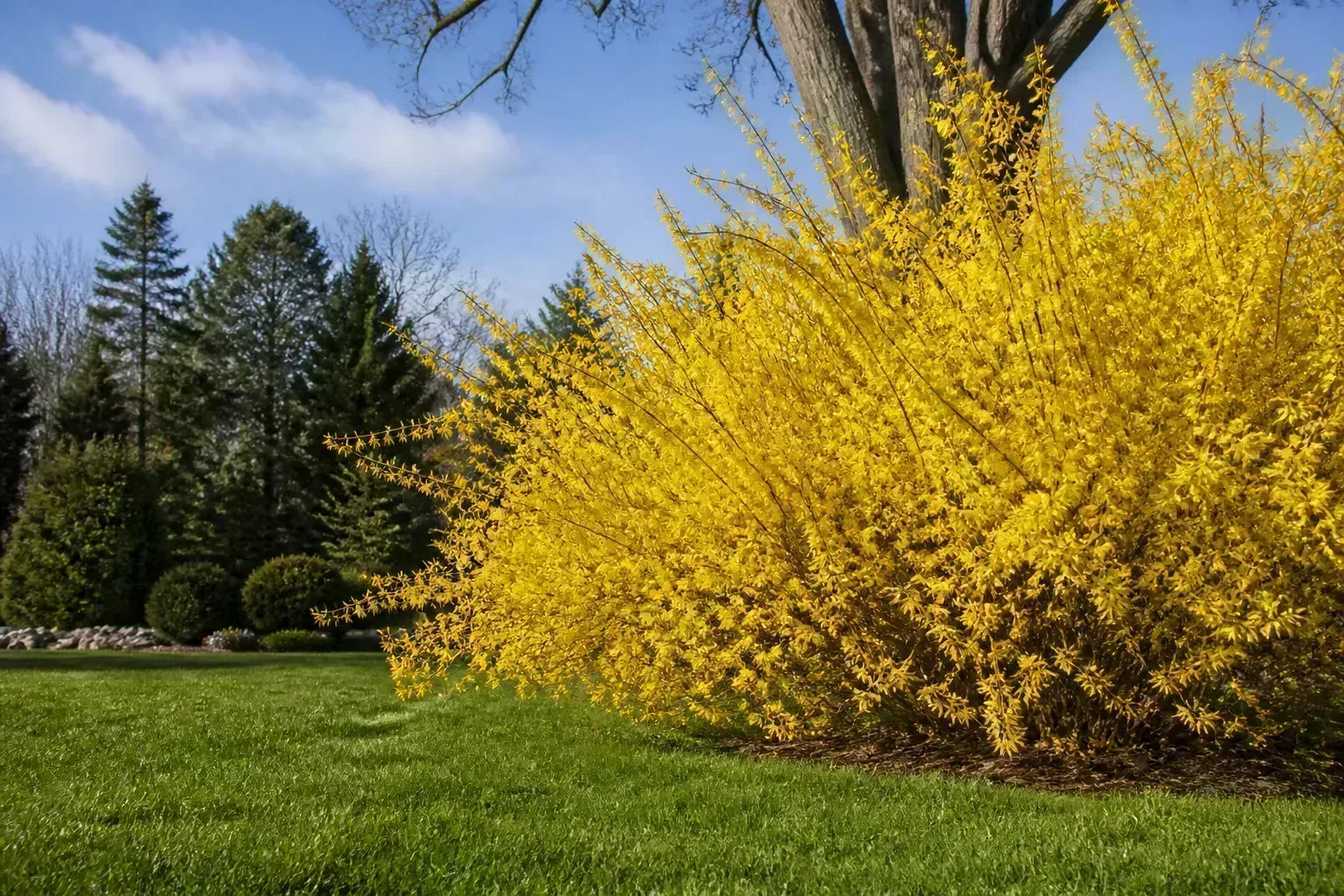
Viburnum shrubs sit in that sweet spot between low-maintenance backbone plant and genuine showpiece: spring flower clusters, summer foliage, fall color, and berry displays that birds actually use. With roughly 150 species in the genus and dozens of cultivars in trade, the hard part is not finding a viburnum—it is picking the one that fits your zone, your lot size, and whether you care more about fragrance, fruit, or evergreen structure.
This guide covers 14 species home gardeners encounter most often, with the decision filters generic listicles skip: cross-pollination rules, edible vs. ornamental fruit, invasive warnings, and viburnum leaf beetle susceptibility.
Why Viburnum Belongs on Your Shortlist
Viburnums belong to the Adoxaceae family and thrive across temperate gardens worldwide. Most produce flat or rounded clusters of white or pink-tinged flowers—botanically corymbs—that can look hydrangea-like from a distance. Many follow with drupes that shift from green to red, blue, or black, and deciduous types often finish the year with orange, red, or purple foliage.
Beyond looks, viburnums earn their space ecologically. Penn State Extension notes that native viburnums host spring azure butterfly and hummingbird clearwing moth larvae, feed pollinators including small bees and flies, and supply lipid-rich drupes to migrating and wintering birds such as cedar waxwings and eastern bluebirds. The RHS genus guide describes the group as versatile shrubs for sun or light shade in any reasonably fertile soil—though poor, dry ground and waterlogged clay are where projects go sideways.
If you are building a flowering hedge, a bird-friendly border, or a fragrant foundation planting, viburnum deserves a place on the shortlist beside lilac, hydrangea, and ninebark.
How to Choose a Viburnum Without Buyer’s Remorse
Start with the planting site, not the photo on the nursery tag. A shrub sold at three feet may want fifteen at maturity.
Zone, Mature Size, and Light
USDA zones for viburnum range from about 2 through 9, depending on species. Korean spice viburnum (Viburnum carlesii) handles cold down to zone 4; laurustinus (V. tinus) needs milder zone 7–9 winters. Match the species to your actual low temperatures, not your optimism.
Mature width matters as much as height. Nannyberry (V. lentago) and blackhaw (V. prunifolium) can reach 12–18 feet tall with spreads of 6–12 feet—fine for a property-line screen, overwhelming beside a front walk. David viburnum (V. davidii) stays near 2–3 feet tall and suits edging.
Light: Most viburnums flower best in full sun to partial shade. Arrowwood (V. dentatum) tolerates part shade better than many rivals. David viburnum scorches in hot southern exposures; Washington State University Extension recommends partial shade and protection from afternoon sun in warm climates.
Deciduous vs. Evergreen Forms
Deciduous viburnums deliver the strongest fall color and often the heaviest berry shows. Evergreen types—laurustinus, leatherleaf (V. rhytidophyllum), David, and cinnamon (V. cinnamomifolium) in mild zones—hold winter structure where winters stay above their hardiness floor. Leatherleaf is evergreen in warm climates and may behave semi-deciduous where winters are harsh.
Choose evergreen when you need year-round screening in zones 7–9; choose deciduous when fall foliage and native wildlife value rank higher.
Cross-Pollination: The Berry Secret Most Tags Skip
Here is the botany most tags gloss over: viburnums are monoecious—individual flowers carry both male and female parts—but many species are self-incompatible. Pollen from one flower often cannot fertilize ovules on the same plant, so a lone shrub may bloom heavily and set few berries.
The RHS recommends planting two or more similar viburnums close together for reliable fruiting. Penn State Extension goes further: the partners must bloom at overlapping times, and they should be genetically distinct—not clones from the same propagation batch. Buying two identical cultivars from one liner can leave you with flowers but almost no fruit.
Practical fixes: plant two different cultivars of the same species; add a second plant from a different nursery source; or choose combo liners bred for cross-pollination (arrowwood pairs like Proven Winners Glitters & Glows® are sold specifically for this reason). For hedges, mixed cultivars in one row often solve the problem while filling gaps faster.
14 Viburnum Species at a Glance
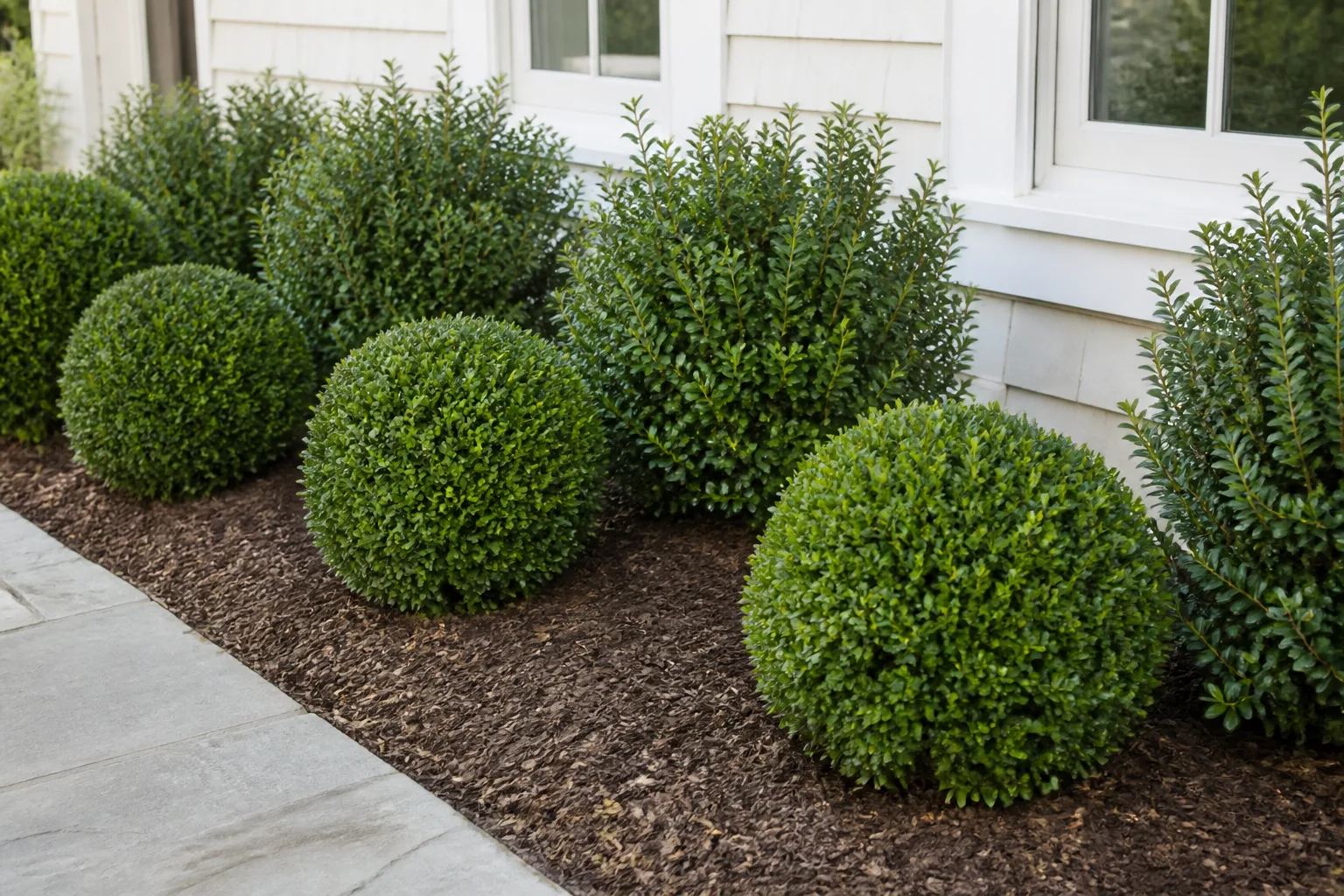
| Species | Common name(s) | Zones | Typical size | Evergreen? | Standout trait | Berry notes |
|---|---|---|---|---|---|---|
| V. carlesii | Korean spice | 4b–7 | 4–6 × 4–7 ft | No | Spicy fragrance | Ornamental drupes |
| V. × burkwoodii | Burkwood | 4a–8a | 6–10 ft | No | Fragrance, purple fall | Needs pollination partner |
| V. dentatum | Arrowwood | 2a–8a | 6–15 ft | No | Native, adaptable | Blue-black; bird food |
| V. lentago | Nannyberry | 3a–7 | 15–18 × 8–10 ft | No | Native, edible fruit | NC State: edible |
| V. prunifolium | Blackhaw | 3–9 | 12–15 × 6–12 ft | No | Heat/cold hardy | Edible when ripe |
| V. plicatum f. tomentosum | Doublefile | 5–8 | 8–16 × 12–15 ft | No | Tiered branches, lacecap blooms | Red to black drupes |
| V. opulus | European cranberry bush | 2b–8a | 6–12 ft | No | Snowball flowers | Invasive in many regions |
| V. tinus | Laurustinus | 7–9 | 6–12 ft | Yes | Winter bloom in mild climates | Metallic blue drupes |
| V. rhytidophyllum | Leatherleaf | 5b–8a | 10–15 ft | Yes* | Bold wrinkled leaves | Red aging to black |
| V. davidii | David | 7b–9a | 2–3 × 3–4 ft | Yes | Low evergreen groundcover | Metallic blue |
| V. lantana | Wayfaring tree | 4b–7a | 10–15 ft | No | Drought tolerant | Invasive risk; beetle host |
| V. cinnamomifolium | Cinnamon | 7a–9a | 10–20 ft | Yes | AGM winner; cinnamon-scented leaves | Blue-black |
| V. henryi | Henry’s | 7–10 | 7–15 ft | Yes | Fragrant; train as small tree | Black drupes |
| V. cylindricum | Tubeflower | 5–9 | 8–16 ft | Yes | Tubular fragrant flowers | Purple-black fruit |
*Leatherleaf evergreen in mild climates; semi-deciduous in cold winters.
Fragrant Spring Bloomers for Paths and Patios
Fragrance is the reason many gardeners fall for viburnum in the first place. Plant these where you walk past them daily—near a gate, patio, or kitchen window.
Korean Spice and Burkwood Viburnums
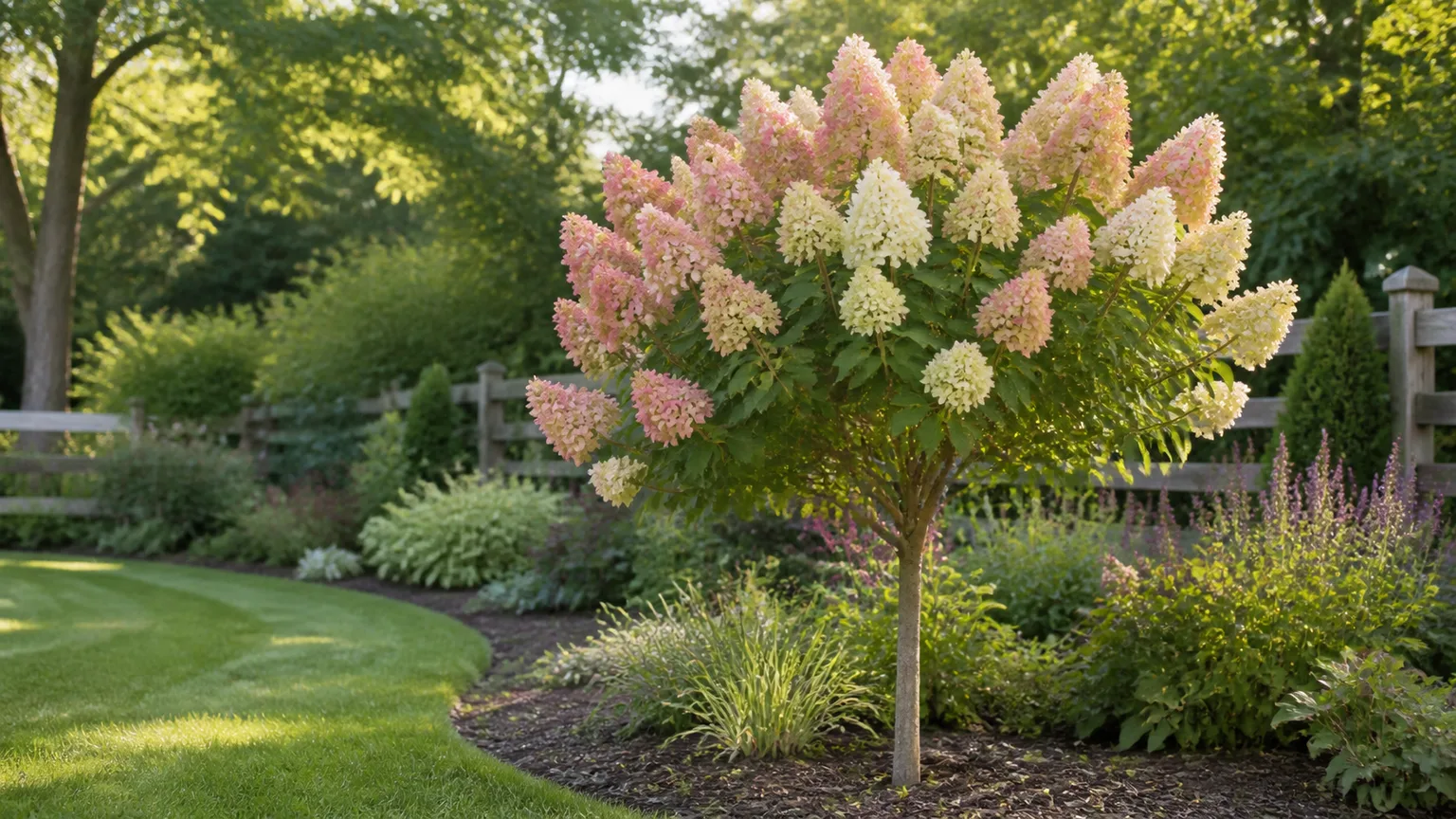
Korean spice viburnum (Viburnum carlesii) is the benchmark for scent: pink buds open to white, waxy flowers with a clove-like perfume in mid-spring. At 4–6 feet tall, it fits smaller beds without the scale problems of tree-form shrubs. Fall color runs burgundy to deep red. It appears on lists of the best white-flowering shrubs for a reason—fragrance plus manageable size.
Burkwood viburnum (V. × burkwoodii) is a hybrid of Korean spice and V. utile, reaching 6–10 feet with round, intensely fragrant snowball clusters. It makes an excellent informal hedge; plant several together for pollination and richer purple fall color. Zones 4a–8a.
Henry’s viburnum (V. henryi) adds evergreen fragrance in zones 7–10. Young leaves emerge reddish, mature to glossy green, and the shrub can be pruned to a single-trunk small tree or kept as a hedge. Bees and butterflies use the flowers heavily.
Native North American Viburnums for Wildlife
If your goal is birds, pollinators, and regional ecology, prioritize eastern North American natives. NC State Extension profiles document wildlife value, deer resistance, and fruit use for these three workhorses.
Arrowwood, Nannyberry, and Blackhaw
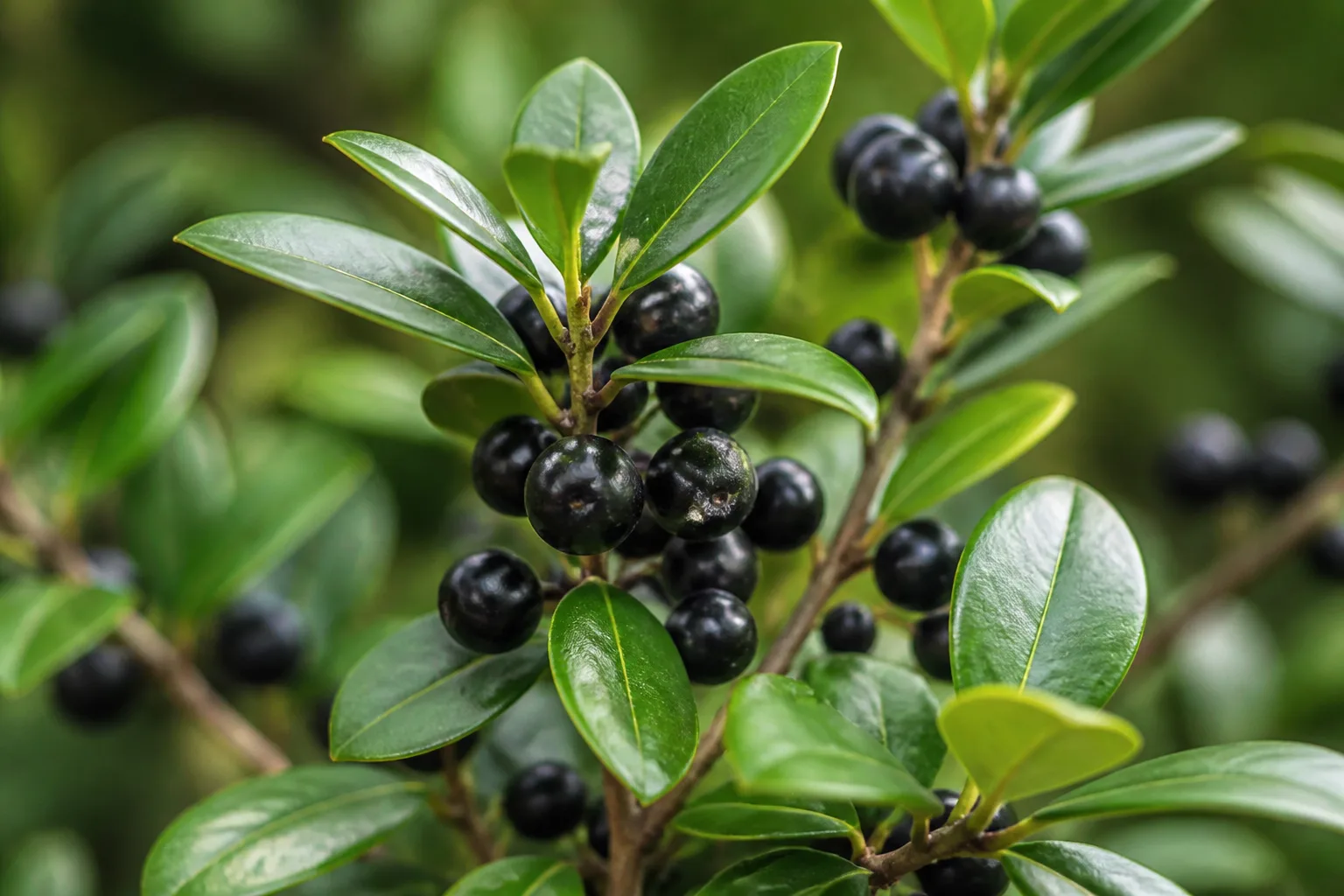
Arrowwood viburnum (V. dentatum) is the most adaptable native for many yards: creamy spring corymbs, blue-black summer fruit, and red fall foliage on a 6–15 foot frame. NC State Extension notes it attracts native bees, feeds songbirds and small mammals, and resists deer browsing better than many ornamentals. It tolerates moist to average soil and part shade—useful where fast-growing privacy shrubs need a native alternative to invasive buckthorn or privet.
Nannyberry (V. lentago) is a larger native (15–18 feet) that NC State Extension lists as edible and non-toxic to dogs, cats, and horses. Creamy flowers give way to sweet dark fruit you can eat fresh or cook into jam; the common name sheepberry references the odd scent some detect. It suckers into a thicket—great for wildlife edges, less ideal tight to a foundation. See our guide on plants to leave for birds for how berry shrubs fit a winter food strategy.
Blackhaw (V. prunifolium) handles heat, cold, and humidity across zones 3–9, reaching 12–15 feet with white spring flowers and edible blue-black drupes when fully ripe. Penn State Extension highlights its fruit for birds and its size as a small-tree candidate with selective pruning. Do not confuse it with doublefile viburnum—retail tags occasionally mix common names.
Doublefile and Snowball-Style Bloomers
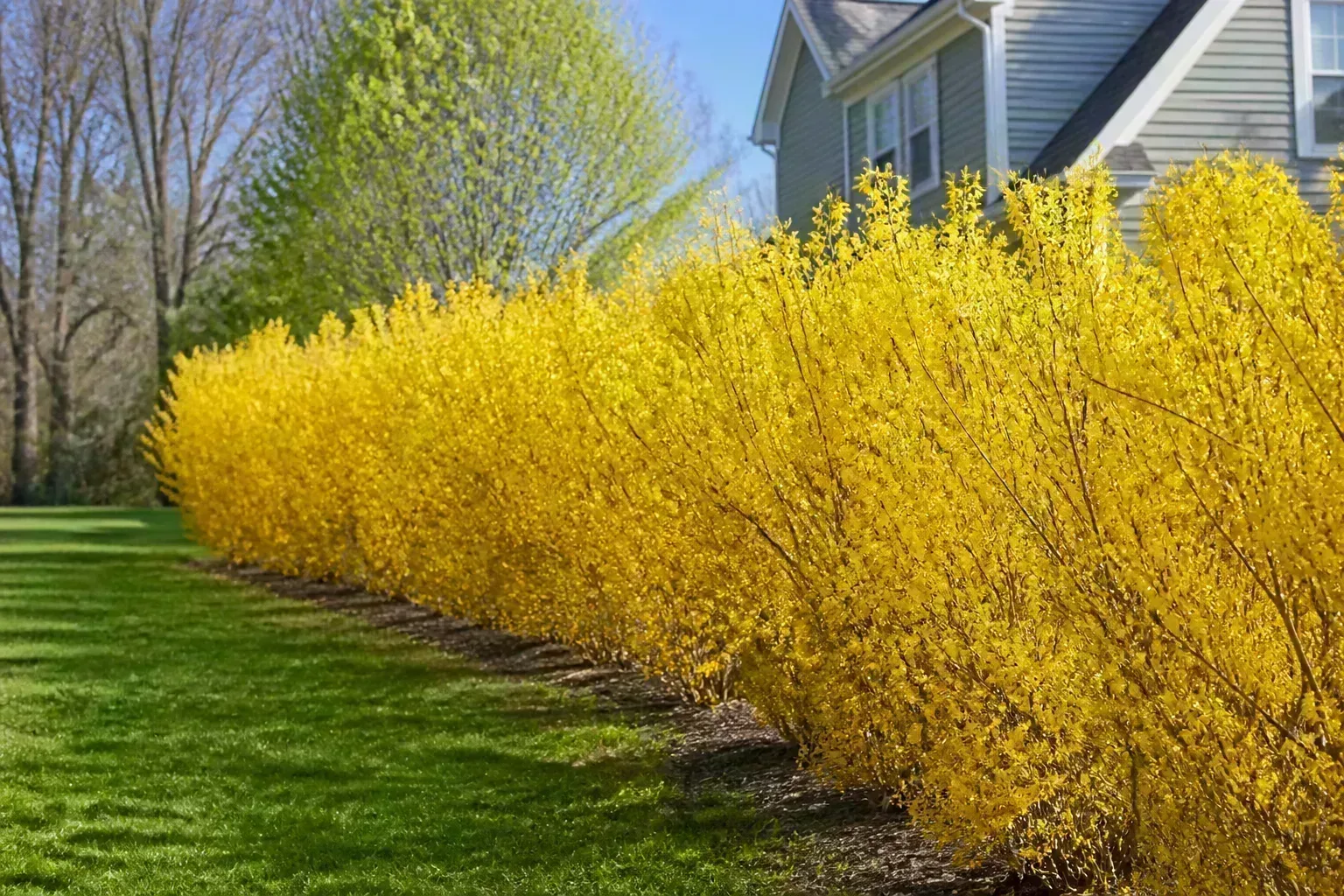
Doublefile viburnum (V. plicatum f. tomentosum, including ‘Mariesii’) is the tiered-branch showpiece: horizontal limbs carry lacecap flower rows in spring, then burgundy fall leaves. At 8–16 feet tall and up to 15 feet wide, it needs space. Unlike rounded Japanese snowball viburnum (V. plicatum f. plicatum), doublefile’s blossoms align along branches in flat layers—easy to tell apart once you have seen both.
European cranberry bush (V. opulus)—often sold as snowball bush—produces large round white clusters and scarlet fall fruit. It spreads aggressively in the Northeast and Upper Midwest and is widely treated as invasive; many states recommend against planting it. The native alternative is American highbush cranberry (V. opulus var. americanum), with lacecap flowers and better behaved habit. If you want cranberry-like fruit without the ecological liability, choose the native variety and confirm the Latin name on the tag. Our invasive plants guide explains why swapping species matters more than swapping brands.
Evergreen Structure for Mild Climates
Where winters stay mild (zones 7–9), evergreen viburnums provide hedge backbone when deciduous types go bare.
Laurustinus, Leatherleaf, and David Viburnum
Laurustinus (V. tinus) carries glossy, laurel-like leaves and pink-white winter-to-spring flowers in Mediterranean climates. At 6–12 feet, it screens well and produces metallic blue berries. It dislikes hard freezes outside zone 7.
Leatherleaf viburnum (V. rhytidophyllum) offers bold, wrinkled evergreen foliage on a 10–15 foot shrub, with creamy spring flowers and red fruit aging to black. It tolerates a range of soil pH levels and works as a wide hedge in zones 5b–8a.
David viburnum (V. davidii) is the low evergreen for borders: 2–3 feet tall, 3–4 feet wide, with white spring flowers and bright orange-to-blue fruit on female plants. Protect from harsh afternoon sun—leaf scorch is common on southern exposures.
Less Common Species Worth Knowing
Cinnamon viburnum (V. cinnamomifolium) is an RHS Award of Garden Merit winner with thick, dark, camphor-scented leaves and an upright 10–20 foot habit in zones 7a–9a. Blue-black berries follow open flower clusters. It suits collectors and mild-climate screens more than beginner foundation plantings.
Tubeflower viburnum (V. cylindricum) stands out for waxy evergreen leaves that mark if scratched, plus tubular fragrant flowers and purple-black fruit. At 8–16 feet, it needs mild winters (zones 5–9) and room to spread.
These are worth seeking at specialty nurseries if your zone and space allow—not first purchases for a single-shrub slot.
Invasive Risk and Viburnum Leaf Beetle
Two issues should filter your list before checkout: invasive spread and viburnum leaf beetle.
Viburnum opulus (European cranberry bush) and wayfaring tree (V. lantana) appear on invasive-plant lists in multiple U.S. regions. Wayfaring tree tolerates drought and poor soil, which helped it escape cultivation; it also attracts viburnum leaf beetle. Prefer native arrowwood, nannyberry, or blackhaw instead.
Viburnum leaf beetle (Pyrrhalta viburni) skeletonizes leaves on susceptible species—especially arrowwood, European cranberry bush, and wayfaring tree. NC State Extension lists beetle damage on arrowwood profiles. Inspect undersides of new leaves in spring for egg scars and treat early if your county reports outbreaks; your local extension office tracks regional spread.
Choosing resistant species or mixed native plantings reduces risk, but no viburnum is completely immune everywhere.
Planting and Care Basics
When to plant: Fall or early spring, while soil is workable and heat stress is low.
Soil: Moist, well-drained loam with slight acidity suits most species. Epic Gardening’s viburnum culture guide recommends amending heavy clay with compost at planting and avoiding buried root flares. Leatherleaf and arrowwood tolerate a wider pH range than blueberries, but constantly soggy roots kill any viburnum.
Water: Deep weekly watering the first year; established plants tolerate moderate drought except during fruit set on dry sites.
Fertilizer: A balanced slow-release feed in early spring is enough on decent soil. Over-fertilizing produces leaves at the expense of flowers.
Pruning: Bloom on old wood for many species—prune immediately after flowering if you need to shape or reduce size. Renewal pruning of oldest stems every few years keeps leggy hedges dense.
Companions: Match light and soil, not just flower color. Part-shade partners include hostas, ferns, and astilbe; sunnier beds pair well with coneflowers and black-eyed Susans. Broadleaf evergreen companions like camellia or gardenia work only where acidity and zone align.
Conclusion
The right viburnum is the one that matches your zone, mature size, and fruit goals—and, if you want berries, a second genetically distinct partner blooming at the same time. Korean spice and Burkwood deliver fragrance near paths; arrowwood, nannyberry, and blackhaw anchor native wildlife plantings; doublefile supplies architectural spring bloom; laurustinus and leatherleaf hold evergreen structure in mild climates.
Skip invasive V. opulus and wayfaring tree unless you have confirmed they are acceptable in your county, watch for viburnum leaf beetle on susceptible natives, and read the Latin name before you dig. Do that homework once and viburnum becomes one of the most rewarding shrub genera you can plant.