4 Ways to Reuse Pumpkins After Halloween
Reuse pumpkins after Halloween with four practical options: make a temporary planter, save seeds, compost clean fruit, or find a confirmed local collection.
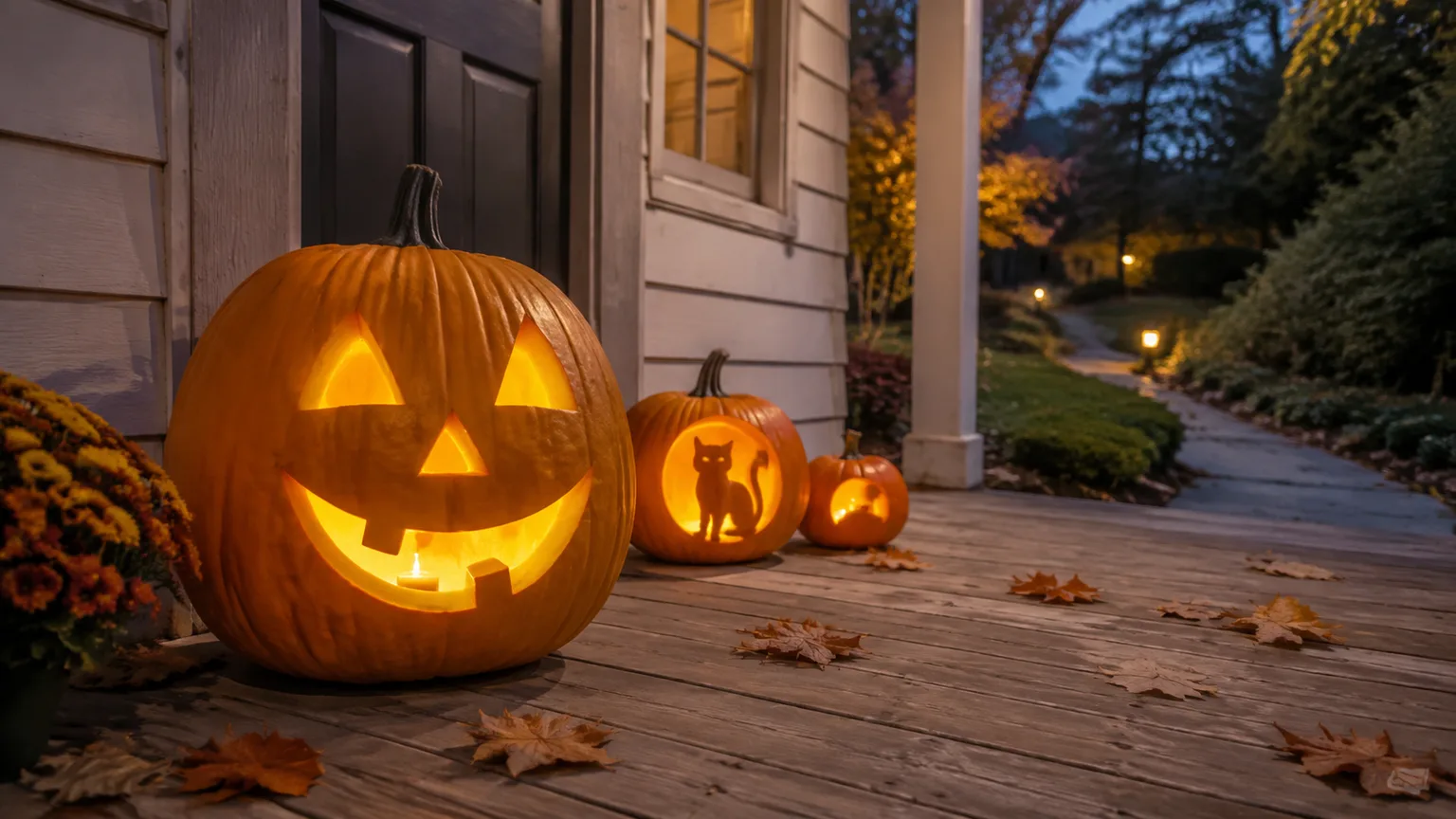
A pumpkin can look finished after Halloween while still being useful. The right second life depends on what happened to it: an intact, firm pumpkin can become a brief porch display or a source of seeds, while a clean carved pumpkin may be better suited to compost. A painted, waxed, or heavily decorated pumpkin needs a different plan because its coatings and add-ons can contaminate compost or make it unsuitable for donation.
Start by checking its surface and firmness, then choose one of four routes: use it as a temporary planter sleeve, save seeds, compost it, or take it to a farm or community collection that has agreed to accept it. These options turn a seasonal decoration into something useful without asking a soft, treated, or candle-exposed pumpkin to do a job it is no longer suited for.
Start by Sorting the Pumpkin You Have
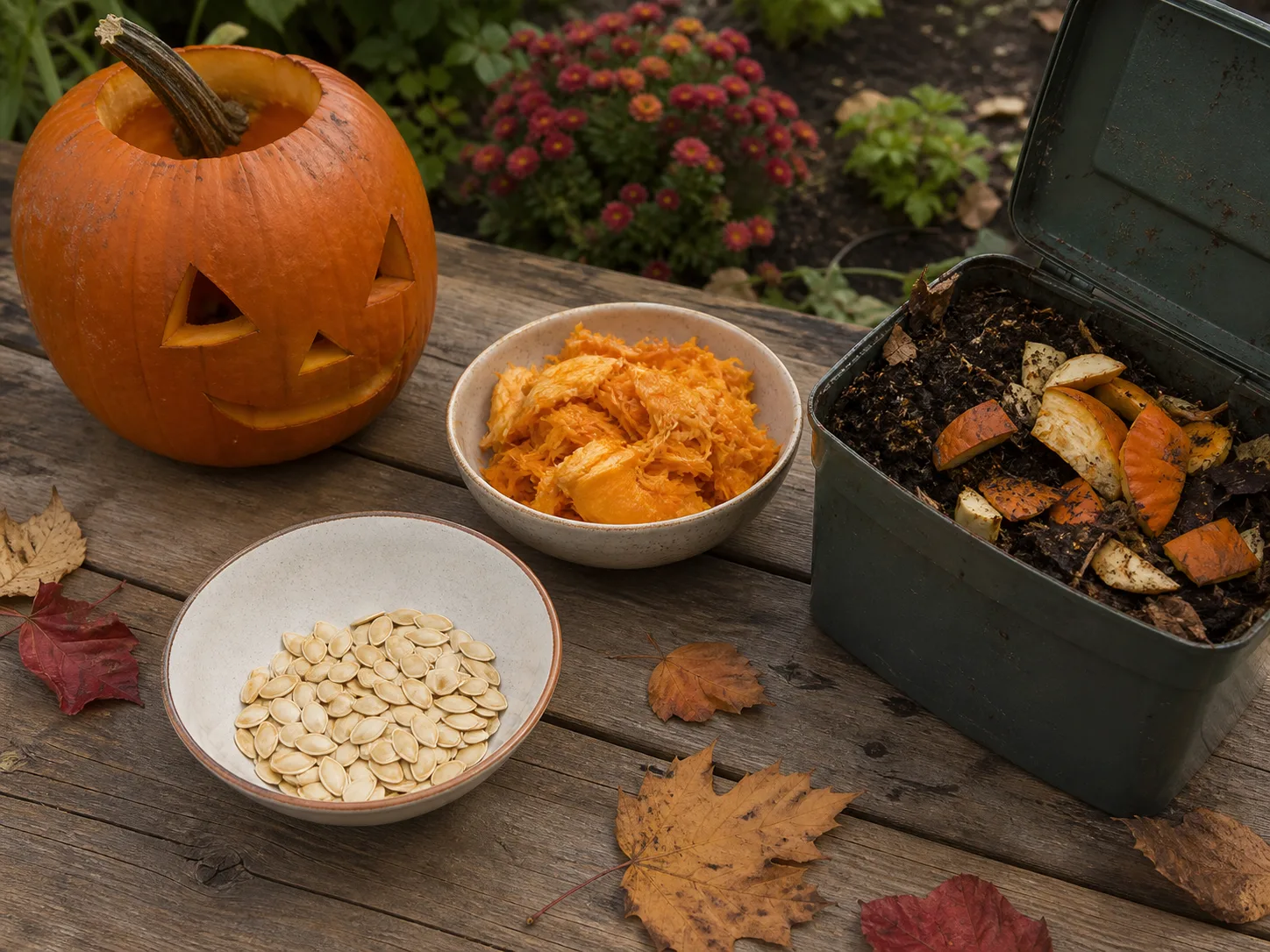
Before deciding what to do, remove accessories and inspect the pumpkin in good light. Look for a cracked or leaking base, extensive softness, mold, paint, glitter, wax, candle residue, stickers, and plastic decorations. A pumpkin may be firm enough to display but still unsuitable for compost or animal feed if its exterior has been treated or decorated with non-compostable materials.
A useful rule is to separate display, seed, and compost potential. A firm, uncarved, untreated pumpkin is the best candidate for a planter sleeve or seed saving. A clean carved pumpkin that has not been painted or coated can usually move directly to an appropriate compost option, provided it has not become contaminated by candle wax, a chemical, or a liner. A soft or moldy pumpkin is no longer a donation or porch-display candidate; if untreated, it may still be compostable. If its condition or coating is uncertain, ask the collection site before dropping it off.
A Quick Second-Life Test
Use this three-question check:
- Is it clean and untreated? If yes, consider seed saving, a short display, compost, or an approved donation. If no, keep it out of compost and animal feed unless the receiving program explicitly says it can process that material.
- Is it still firm and intact? If yes, it may support a brief planter display. If not, skip the display and choose compost or a collection that accepts it.
- Do you have an actual destination? Check your home compost setup, municipal organics rules, community event details, or a farm’s acceptance requirements. Do not assume that every compost cart or farm takes whole pumpkins.
1. Make an Intact Pumpkin a Temporary Planter
An intact pumpkin can make a warm-toned container for a fall porch, but it is best treated as a short-lived decorative sleeve, not a conventional planter. The shell has no dependable drainage system, and it begins to soften as it sits outdoors. Pouring potting mix straight into the cavity can trap water against the shell, speed up decay, and make the whole arrangement difficult to lift.
A more reliable setup is to leave the plant in the nursery pot it came in and set that pot inside a pumpkin with the top removed. Choose a compact fall mum or another small plant whose pot fits the opening without being wedged in. Place the arrangement on a saucer or waterproof tray, set it under cover where rain will not fill the cavity, and lift the plant out when it needs watering. The pumpkin adds color around the pot while the plant keeps its own drainage.
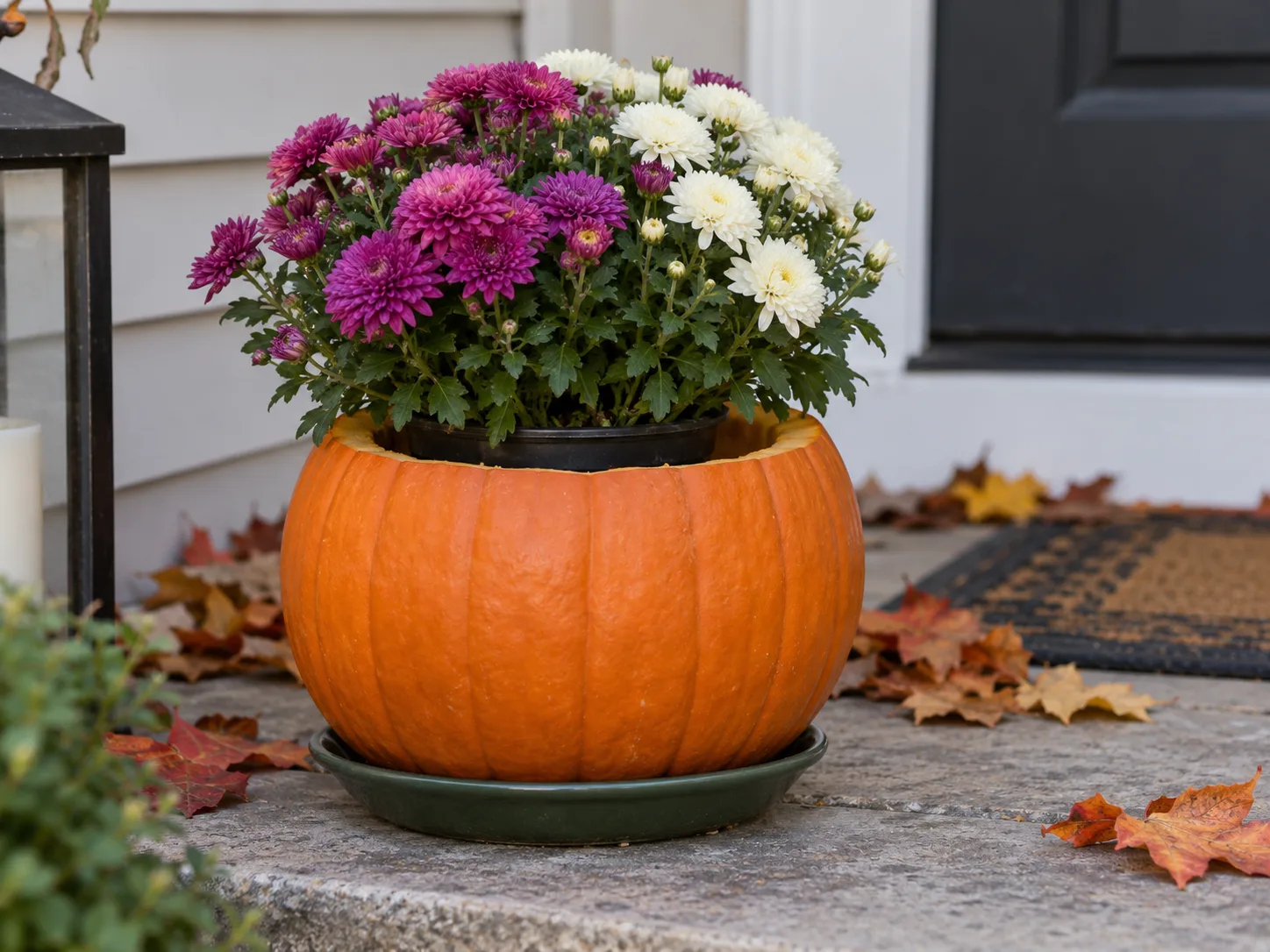
This is a display trick, not a way to plant a perennial for the winter. The plant’s roots need an adequately sized container with drainage, and the pumpkin is not engineered to provide either. A nursery pot also makes it easier to replace the pumpkin without disturbing the roots once the shell starts to weaken.
Keep the Roots in Their Own Pot
Pick a pumpkin with an opening wide enough to hold the nursery pot above the bottom of the cavity. The pot should sit securely but remain easy to remove. If it sinks into the shell, prop it up with a clean inverted saucer or another stable, non-absorbent support. Avoid adding loose soil around the pot to disguise gaps; soil can hold moisture against the pumpkin and makes it harder to monitor the shell.
Use a plant that is already growing well in its pot. Do not cut roots or repot a plant just to fit the pumpkin. Water according to the plant’s needs over a sink, let excess drain fully, and return the pot to the shell only when the base is no longer dripping. If the weather is rainy, move the display to a sheltered porch or bring the plant inside. This keeps excess water from collecting in the pumpkin cavity.
Know When to Retire the Shell
Inspect the shell every day or two, especially after rain or warm weather. If the base feels soft, the wall caves in when touched, liquid pools inside, or a sour odor develops, remove the nursery pot and compost the pumpkin only if it is untreated and your compost system can accept it. Clean the saucer before reuse.
The display may last several days or a few weeks depending on how mature the pumpkin was, the weather, and how much moisture reaches it. There is no dependable calendar date for retirement. Treat any estimate as a visual check, not a guarantee: once the shell begins to collapse or smell, the display is over. If the pumpkin was painted or coated, use the trash route allowed in your area rather than placing it in a compost stream.
2. Save Pumpkin Seeds for Next Season
Seed saving is a good option when the pumpkin is intact, healthy, and from a variety you would like to grow again. A jack-o’-lantern can contain mature seeds, but a store-bought pumpkin may be a hybrid or may have cross-pollinated with a nearby squash. Those seeds can germinate and produce a plant, yet the next generation may not look or taste like the parent fruit. Seed saving is an experiment unless you know the variety and its pollination history.
Do not try to rescue seeds from a pumpkin that is moldy inside, chemically treated, or contaminated by wax or candle residue. Choose plump, well-formed seeds from a clean pumpkin. Separate them from stringy pulp, rinse them in a strainer, and spread them in a single layer on a non-stick surface or screen in a dry, ventilated place. Drying takes time; seeds must be fully dry before storage or they may mold in the envelope.
Rinse, Dry, and Label the Seeds
Once dry, put seeds in a paper envelope labeled with the pumpkin’s source and the date. Store the envelope in a cool, dry, dark place away from heat and moisture. Avoid sealing damp seeds in a plastic bag. If you have seeds from several pumpkins, label each batch separately; a clear label is more useful next spring than a mystery envelope marked only “pumpkin.”
When planting time approaches, sow a few more seeds than the number of plants you need and keep the strongest seedlings. Seed viability varies with maturity and storage, so saving seeds does not guarantee a crop. If you plan to save a favorite cultivar faithfully, use seed from an open-pollinated variety and learn what other Cucurbita varieties were flowering nearby. The next generation is where any unexpected traits show up, not in the pumpkin you already harvested.
Expect Variation if Pollen Crossed
Pumpkins and many familiar squashes can cross-pollinate when compatible varieties flower at the same time. That pollen does not change the flesh of the pumpkin already growing on the vine. It can influence the genetics of the seed inside it, which may produce fruit with a different shape, size, color, or eating quality next season. Sandoval County Master Gardeners and New Mexico State University Extension explain that cross-pollination occurs among compatible plants in the gourd family and affects the offspring rather than the current fruit.
If you simply want a fun garden experiment, saved seeds are worthwhile. If you want predictable fruit, buy fresh seed from a reliable supplier or save seed only from a known open-pollinated variety with controlled pollination. Either way, label saved seed as “may vary” when the parent’s variety or pollination is unknown.
3. Compost Pumpkins Without Making a Sloppy Pile
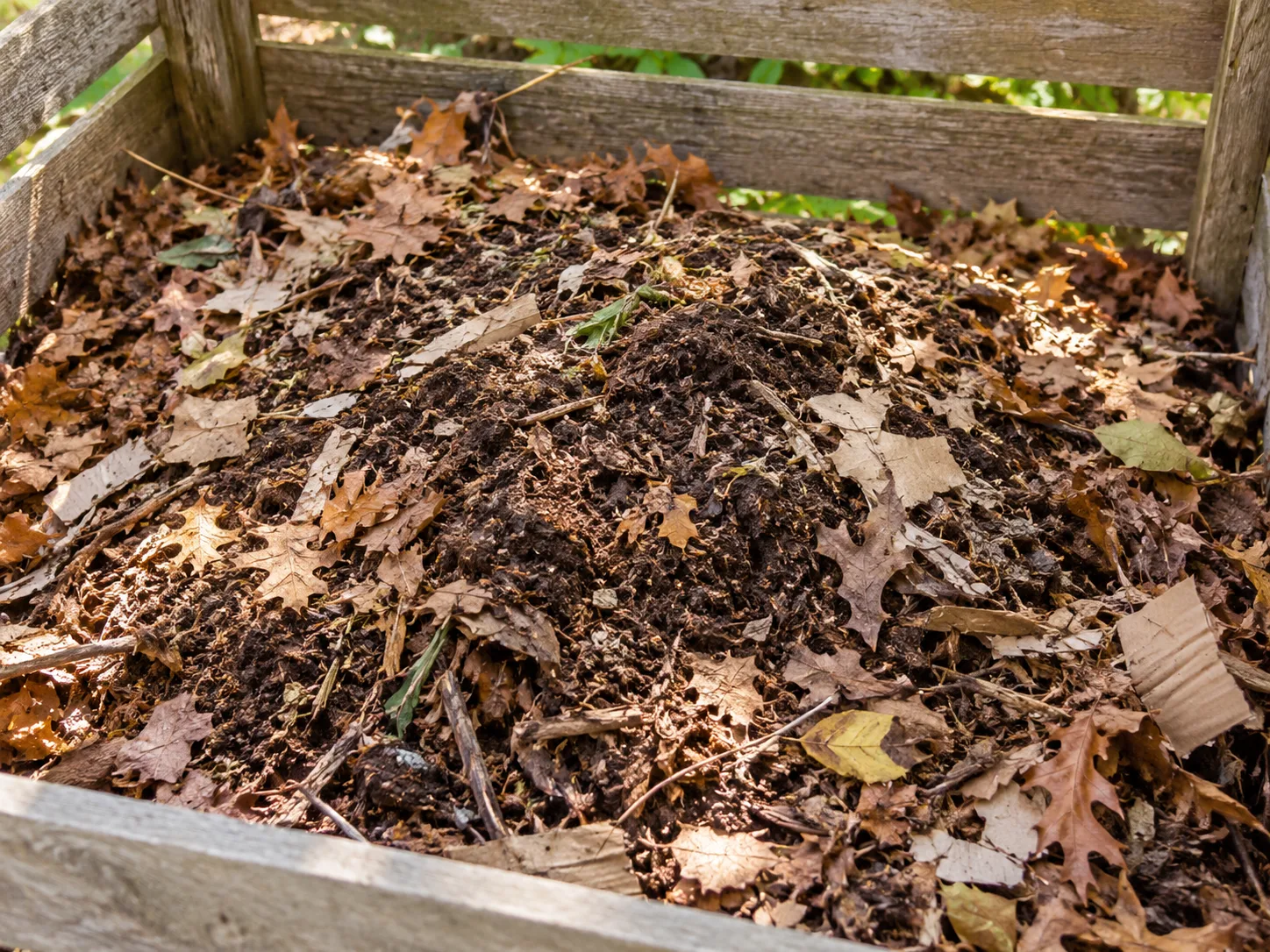
Pumpkins are compostable plant material when they are untreated, but a whole pumpkin can decompose slowly and form a wet pocket. Michigan EGLE recommends breaking pumpkins into smaller pieces and combining them with carbon-rich material such as dried leaves or straw; turning the pile adds air and helps decomposition. The goal is to distribute the fruit through the pile rather than burying one large, wet mass.
Remove candles, wax, plastic, wire, stickers, and any decorative coating first. If a pumpkin was painted, glittered, or treated with a preservative, do not assume the coating belongs in the compost. If it was carved, check the inside for candle wax, foil, or other residue before using it. The clean flesh and seeds can go into a suitable compost system, but your local service may set different rules for whole or cut pumpkins.
Chop and Balance the Wet Material
Cut the pumpkin into manageable chunks so more surfaces contact microbes and air. Scoop out the pulp and seeds if you want to save some seed or reduce volunteer seedlings; otherwise, they can be composted with the fruit. Mix pumpkin pieces through a generous amount of dry leaves, shredded plain cardboard, straw, or another dry brown material. Pumpkin is wet, so the dry material helps absorb moisture and keeps the pile from turning into a dense, sticky layer.
Place the pieces within the active pile rather than leaving them exposed on top. Cover them with browns and turn the pile when practical so the scraps do not stay packed in one spot. A balanced, aerated pile should be damp like a wrung-out sponge, not dripping. If liquid collects or the pile smells sour, add more dry browns and mix it through. A small household bin that is already wet or full may not have room for a whole pumpkin; in that case, use a municipal organics program or community collection if available.
Illinois communities sometimes hold “Pumpkin Smash” events that divert pumpkins into composting. The The Illinois Sustainable Technology Center describes seasonal pumpkin collections, but event schedules, accepted materials, and drop-off dates vary by place and year. Check current instructions before driving a pumpkin to an event.
Keep Pests and Volunteer Seedlings Manageable
A pumpkin left uncovered can attract animals and insects, especially if it is already splitting or sweet-smelling. Homes & Gardens notes that pumpkin seeds can survive composting and may sprout later, so remove the seed mass if you want to reduce volunteer seedlings. Bury or cover the pieces with browns, keep the pile enclosed if possible, and avoid placing scraps in an open heap where rodents can reach them. If your compost system does not deter pests, a municipal organics service may be the better choice.
Seeds that survive composting can sprout later. That is not a sign that the pile has failed; it just means a seed found conditions suitable for germination. Pull volunteer pumpkin seedlings when they appear in finished compost or in a garden bed where you do not want them. For a hot compost pile, chopping the fruit and turning the material helps expose scraps and seeds to more even decomposition, but home piles do not always heat uniformly. Do not promise yourself that every seed will be destroyed.
4. Pass Pumpkins to a Farm or Local Collection
A farm, animal sanctuary, community garden, or municipal program may be able to use clean pumpkins, but acceptance is never automatic. A recipient may have more pumpkins than it can handle, may not accept carved fruit, or may require pumpkins to be free of paint and decorations. Make the destination part of your plan before loading the car.
If no farm or event accepts the pumpkin, check your city or town’s organics service. Maine DEP explains food-scrap and organics options as part of waste reduction, but the specific materials accepted are set locally. Some services accept pumpkins only in pieces, only during a seasonal collection, or not at all in a curbside cart. The Illinois Sustainable Technology Center’s examples of community pumpkin collections show how local “smash” events can create a useful route, but dates and rules need to be checked each season.
Call Ahead Before Donating
Call or message the recipient and give a clear description: how many pumpkins you have, whether they are whole or carved, and whether they are painted, waxed, moldy, or decorated. Ask whether delivery is welcome, when to arrive, and whether the recipient has rules about size or condition. Homestead & Chill also advises checking with a farm before bringing pumpkins. If there is no clear yes, do not leave pumpkins at a gate, field, barn, or community garden.
Donate only pumpkins that the receiving organization says it can use. Keep painted, glittered, waxed, or candle-exposed pumpkins out of animal feed unless the recipient has a safe process for removing those materials. Do not assume an animal will safely eat a pumpkin just because it is a farm animal; a farm makes the decision based on its animals and handling practices.
Find a Municipal or Community Drop-Off
Search your city or county website for terms such as “pumpkin compost,” “food scraps,” “organics,” or “Pumpkin Smash.” Check the current year’s page or contact the program directly because drop-off dates can be brief. Ask whether pumpkins should be whole or chopped, whether decorated shells are excluded, and whether the site is open to residents outside the municipality.
If there is no collection near you, a home compost pile is a useful fallback for clean, untreated fruit. If you do not compost and cannot find a permitted program, follow your local waste rules. Maine DEP points residents toward food-scrap management as a waste-reduction option, but it does not mean every location has the same service. A short call or a quick check of your municipal waste page can save a wasted trip and keep the pumpkin out of an unauthorized drop-off.
What Not to Do With a Leftover Pumpkin
Do not put a painted, glittered, wax-covered, or chemically treated pumpkin into a compost pile or organics cart unless the program specifically accepts it. Small decorations are easy to miss, so inspect the stem and cavity before breaking the pumpkin up. Remove candles and all non-plant materials rather than chopping them into the compost by accident.
Do not leave an old pumpkin in a natural area or on someone else’s land as an assumed wildlife snack. A discarded pumpkin can rot, attract pests, or introduce seeds where they are not wanted. Do not deliver pumpkins to a farm or food-scrap site without permission, either; a recipient’s capacity and rules matter.
Finally, do not force a collapsing pumpkin to stay as a planter or assume that a donated pumpkin is automatically safe for animals. When the shell softens, smell appears, or a coating makes the material questionable, stop the decorative or donation plan and choose an approved disposal route.
Troubleshoot Your Reuse Plan
A reuse plan works best when it has a fallback. If the pumpkin starts to decay before you can use it, stop the project that depends on a clean, firm shell and move to compost or a confirmed collection if the fruit is untreated. If you discover paint, wax, or residue after cutting, remove what you can without spreading it; when you cannot separate the coating safely, follow local trash rules.
A too-small compost pile can become wet after adding pumpkin. Add dry leaves or shredded plain cardboard, mix the material, and hold off on adding more wet scraps until the pile has recovered. If the pile is open and pests are reaching it, cover the pumpkin pieces with browns or switch to a lidded municipal collection.
The Shell Softens Before the Plant Display Ends
Lift the nursery pot out as soon as the pumpkin becomes soft, leaks, or smells. Do not wait for it to collapse under the plant’s weight. If the shell is untreated, cut it up for compost; if it has paint, glitter, wax, or a chemical coating, use a local disposal route that permits it. Rinse the saucer and move the plant back to its normal pot or another stable container.
Seeds Sprout in the Compost
Pull volunteer seedlings if they are growing where you do not want pumpkins. They can be composted again or removed according to local weed and compost rules. If you want to grow one, transplant it only if you have room and accept that the fruit may not match the parent. A seedling from a compost pile is a bonus, not a reliable way to grow a named cultivar.
Conclusion
The best way to reuse a pumpkin after Halloween comes down to its condition and the destination you can confirm. Keep a firm, untreated pumpkin in service briefly as a cachepot, save clean seeds if you are willing to accept variation, compost untreated pieces with plenty of dry browns, or call a farm or local collection before donating. Remove paint, wax, candles, and plastic decorations before composting, and do not leave pumpkins in the woods or at an unapproved drop-off.
A quick inspection now can keep a useful decoration out of the trash while avoiding a wet compost mess or an unwanted delivery. Choose the route that fits the pumpkin you actually have, then retire it as soon as its condition changes.