What Is Deadheading? How to Remove Spent Flowers Correctly
Deadhead roses, annuals, perennials, bulbs, and containers with confidence. Get pro cut-point rules, timing, tools, exceptions, and common mistakes.
Deadheading means removing a flower after it has finished its show but before you let the plant invest heavily in seed. Done well, it can keep annuals, bedding plants, roses, and repeat-blooming perennials producing flowers instead of turning every stem into a seed stalk. Done carelessly, it can remove unopened buds, strip away leaves that are still feeding a bulb, or erase seed heads you wanted for birds.
The professional approach is simple: identify what has actually finished, trace its stem to useful growth, and make the smallest cut that accomplishes the job. The rules below cover the common cases, including when deadheading is optional and when leaving the flower alone is the healthier choice.
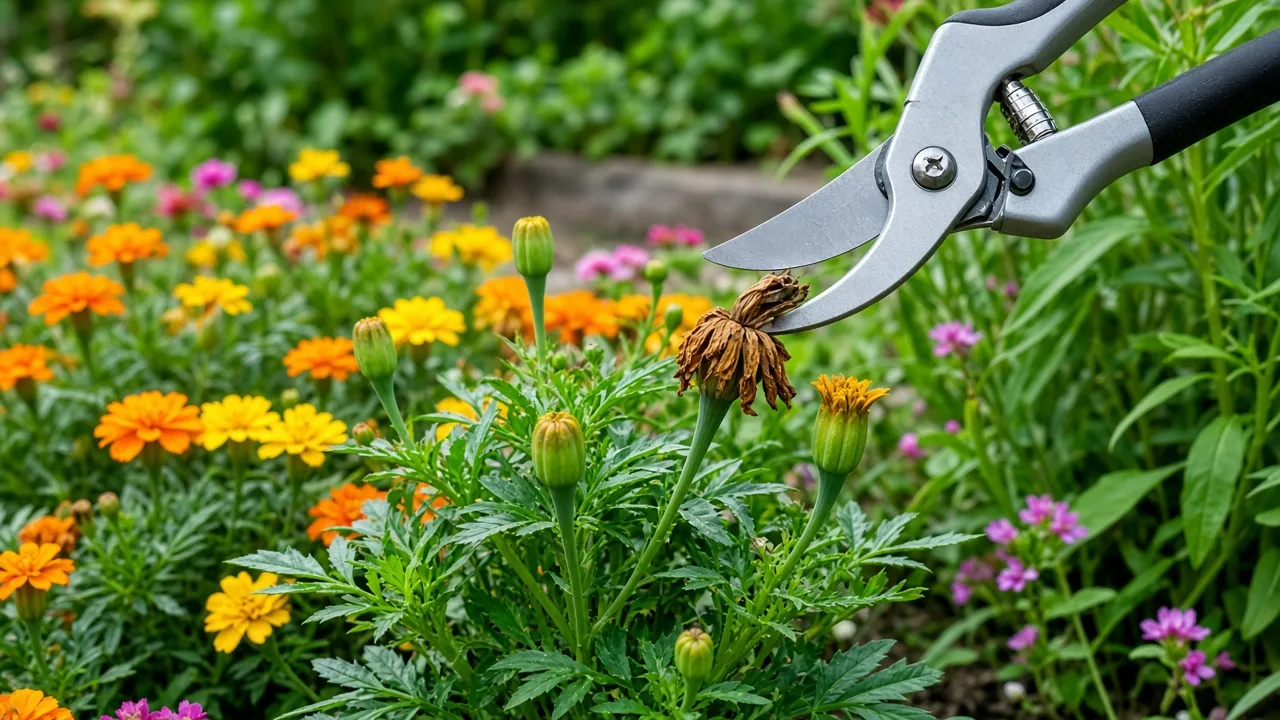
A mixed garden display shows the point of deadheading: remove the finished head while preserving the green plant that will support the next flush or next season’s growth.
Deadheading in Plain English
Deadheading is the removal of faded flowers, usually with a small piece of the flower stem attached. It is a form of light maintenance pruning, but it is not the same as reshaping a shrub, shortening a branch, or cutting a perennial to the ground. The target is the spent flower and, when needed, the seed-forming portion beneath it.
Flowers are reproductive structures. After pollination, many plants shift their resources toward fruit or seed production. Removing the fading flower interrupts that sequence and can preserve the plant’s energy for more buds, leaves, roots, or storage organs. Penn State Extension describes the basic method as pinching or cutting the stem below the spent bloom and just above healthy growth, while also emphasizing that the decision depends on the plant.
Deadheading can also be purely practical. Brown petals and seed capsules can make a border look tired, stick to foliage, or hold moisture against dense plant tissue after rain. The benefit is not identical for every species: a petunia may respond with more flowers, a peony may simply look cleaner, and a coneflower may be more valuable left standing for winter birds.
Why Deadheading Changes the Bloom Cycle
The most visible benefit is a longer display. Annuals such as marigolds, zinnias, cosmos, and snapdragons often keep producing while conditions are favorable, but they are also eager to complete their life cycle. Removing spent heads before mature seed forms can keep the plant in its flowering phase for longer.
The same logic applies to many repeat-blooming perennials and shrubs. A rose that is allowed to form hips may slow its next flush; a dahlia that keeps making pointed seed heads may stop presenting new rounded buds; a salvia with finished spikes can look dormant even though fresh side shoots are ready below. Kansas State University horticulture guidance makes the limitation clear: deadheading helps some plants bloom more profusely, but not every plant needs it, and some seed heads are useful food for birds.
Deadheading is not a fertilizer substitute or a cure for poor growing conditions. A plant that is shaded, drought-stressed, waterlogged, root-bound, diseased, or simply out of season may not rebloom after a perfect cut. Think of deadheading as removing one obstacle to flowering, not forcing a plant to do something its light, temperature, or genetics will not support.
The 30-Second Decision Rule Before You Cut
Before reaching for snips, ask three questions:
- Is the flower truly finished? A wilted, brown, papery, or collapsing bloom is ready. A flower with fresh petals, swelling buds nearby, or active pollinators is not.
- What do I want from this plant? Choose more flowers and a tidier display, or choose seed, berries, winter structure, bird food, or self-sown seedlings. You cannot maximize every goal on every stem.
- Where is the next useful growth? Look for a healthy leaf pair, a lateral branch, a lower bud, or the basal rosette. That is usually the destination for your cut.
The decision becomes easier if you treat a plant as a collection of stems rather than one all-or-nothing job. Deadhead the roses you want to repeat, leave a few coneflower heads for goldfinches, save seed from two zinnias, and remove the rest. Selective deadheading gives you flowers and habitat without making the whole garden look untidy.
Tools and a Clean Setup
Soft annual stems can often be pinched between finger and thumb. Use fine snips when the stem is crowded, the flower is sticky, or you want to avoid bruising nearby buds. Bypass pruners are better for thick rose stems, woody flowering shrubs, and tough flower stalks because they make a cleaner cut than blunt household scissors. Homestead and Chill’s practical deadheading guide also recommends clean, sharp snips for precise cuts and a quick inspection of the plant as you work.
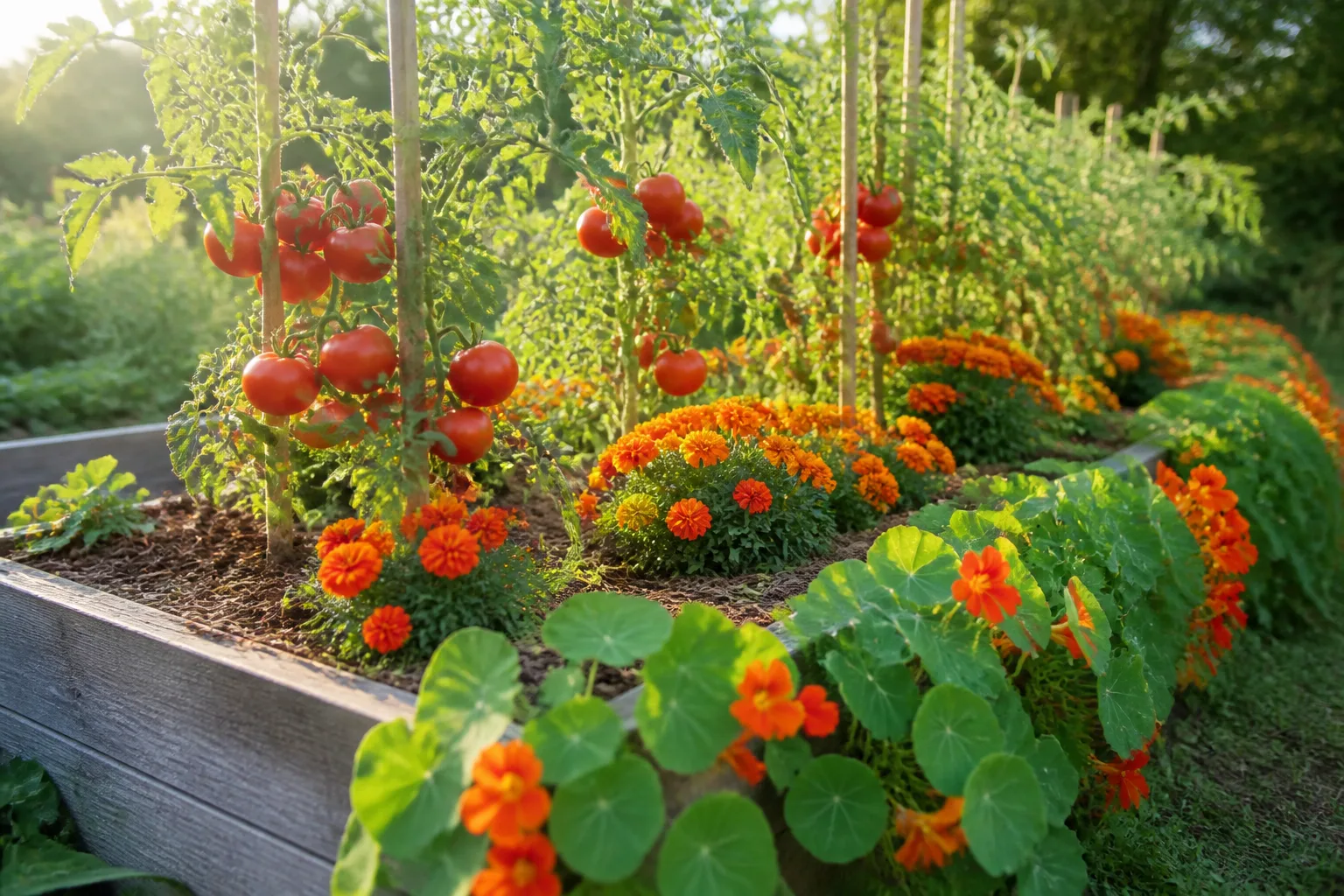
Start with a sharp blade and a small basket or bucket. A sharp tool makes a quick cut instead of crushing the stem, and a container keeps fallen petals from becoming wet debris in the center of a plant. Wear gloves when a plant has irritating sap, thorns, or rough stems.
Clean tools matter most when you see spotting, mould, wilt, or unexplained dieback. Brush away soil and plant residue, then wipe the blade before moving to a healthy plant; use the sanitation method recommended for your tool and local extension guidance. Tool cleaning cannot make infected material safe to compost, but it lowers the chance of dragging plant residue from one stem to another.
How to Deadhead Any Flower Step by Step
- Inspect the whole stem. Find the finished flower, then check below it for unopened buds, a side shoot, or a new leaf pair. Do not shear first and look later.
- Trace the stem downward. Follow the flower stalk until it meets healthy leaves or a branching point. On a leafless scape, follow it to the plant’s basal leaves.
- Remove the whole spent portion. Take the faded petals, sepals, and seed-forming base when they are part of the same stalk. Plucking loose petals alone often leaves the seed head behind.
- Cut just above useful growth. Leave a very short, clean stub above a node or bud. Avoid cutting into the new growth itself.
- Check for a second spent branch. Clustered flowers and spikes may need several small cuts, followed by one cut through the finished stalk after the last flower fades.
- Collect and reassess. Remove fallen debris, look for signs of disease, and stop if the plant is becoming bare or stressed. Deadheading is finished when the flower is gone—not when every green stem has been shortened.
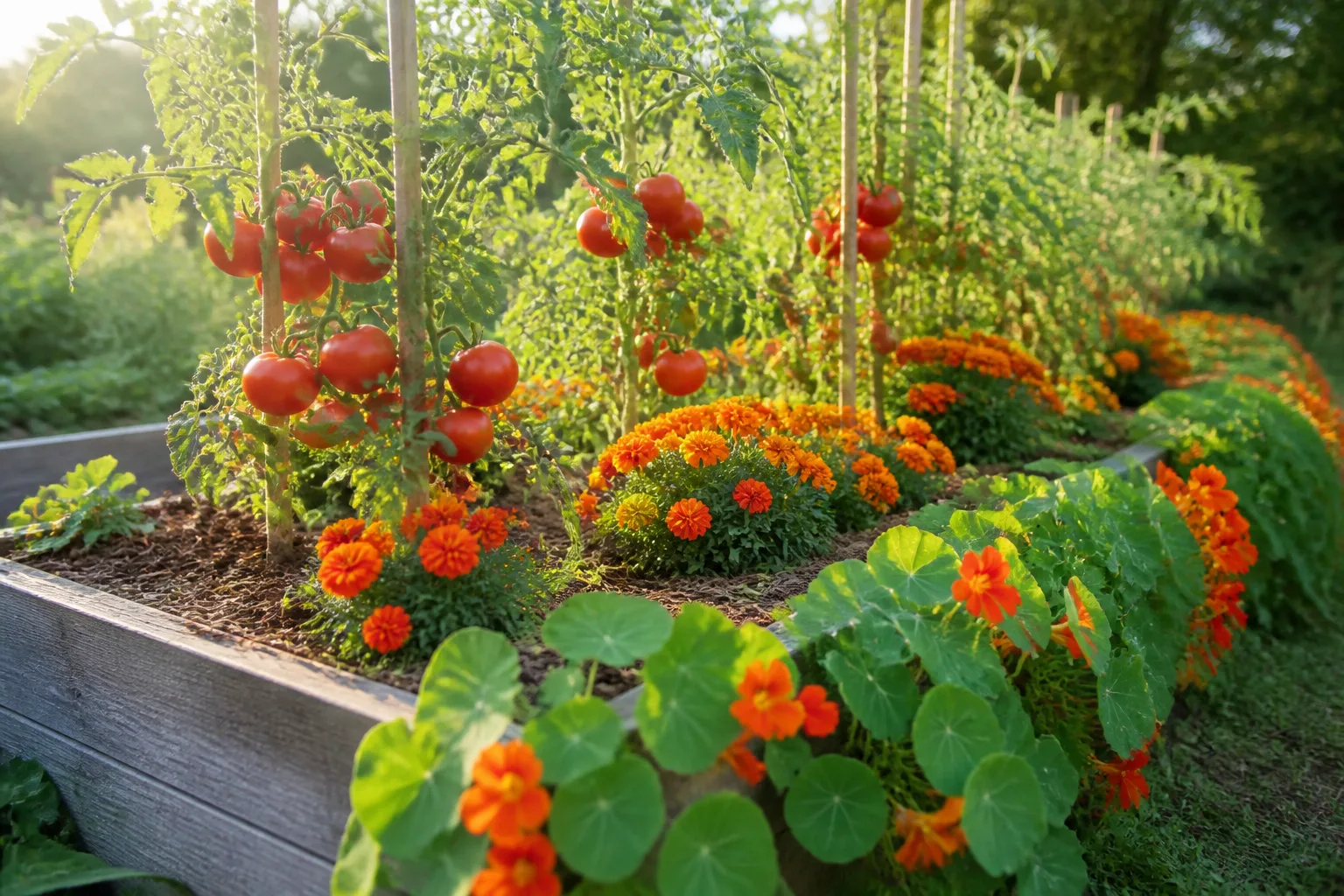
Match the Cut to the Flower Structure
A solitary bloom on a leafy stem, such as a zinnia, rose, or marigold, usually goes back to a leaf pair or side branch. A flower spike, such as salvia or snapdragon, is handled section by section while flowers are open; once the spike is finished, remove the whole stalk above live growth. A basal scape, such as a hosta or daylily flower stalk, has no useful leaves along its length, so cut the entire scape at its base after the flowers have finished.
Plants with flowers that open in succession need patience. Daylilies can be cleaned one flower at a time, then the empty scape can be removed. Gladiolus and similar spikes can be left until the last flower fades, then cut back to the leaves or the base according to the plant’s habit. Do not remove a green bulb leaf simply because it is attached to a finished flower stem.
Use the Cut-Above-a-Node Rule
In most cases, make the cut just above a healthy leaf, bud, or side shoot. The node is a useful landmark because it is where new growth can emerge; cutting in the middle of a long bare stem leaves an awkward stub and may sacrifice a branch that was ready to develop.
The nearest node is not always the best one. Choose a leaf pair that points outward if the plant is crowded, a lower branch if the top has become lanky, or the uppermost live bud if the stem is part of a formal display. Avoid burying a cut inside dense foliage where petals and moisture will collect.
The leaf-joint rule in practice: remove the spent head and leave the clean node that can support branching growth.
When to Deadhead for the Best Results
The best time is when the bloom begins to look spent, not weeks after it has become a hard seed capsule. That can mean every day for heavily planted bedding displays, every few days for productive annuals, or once a week for many perennials. RHS guidance notes that a delay of several days or even a week will not ruin flowering performance, so consistency matters more than obsessive precision.
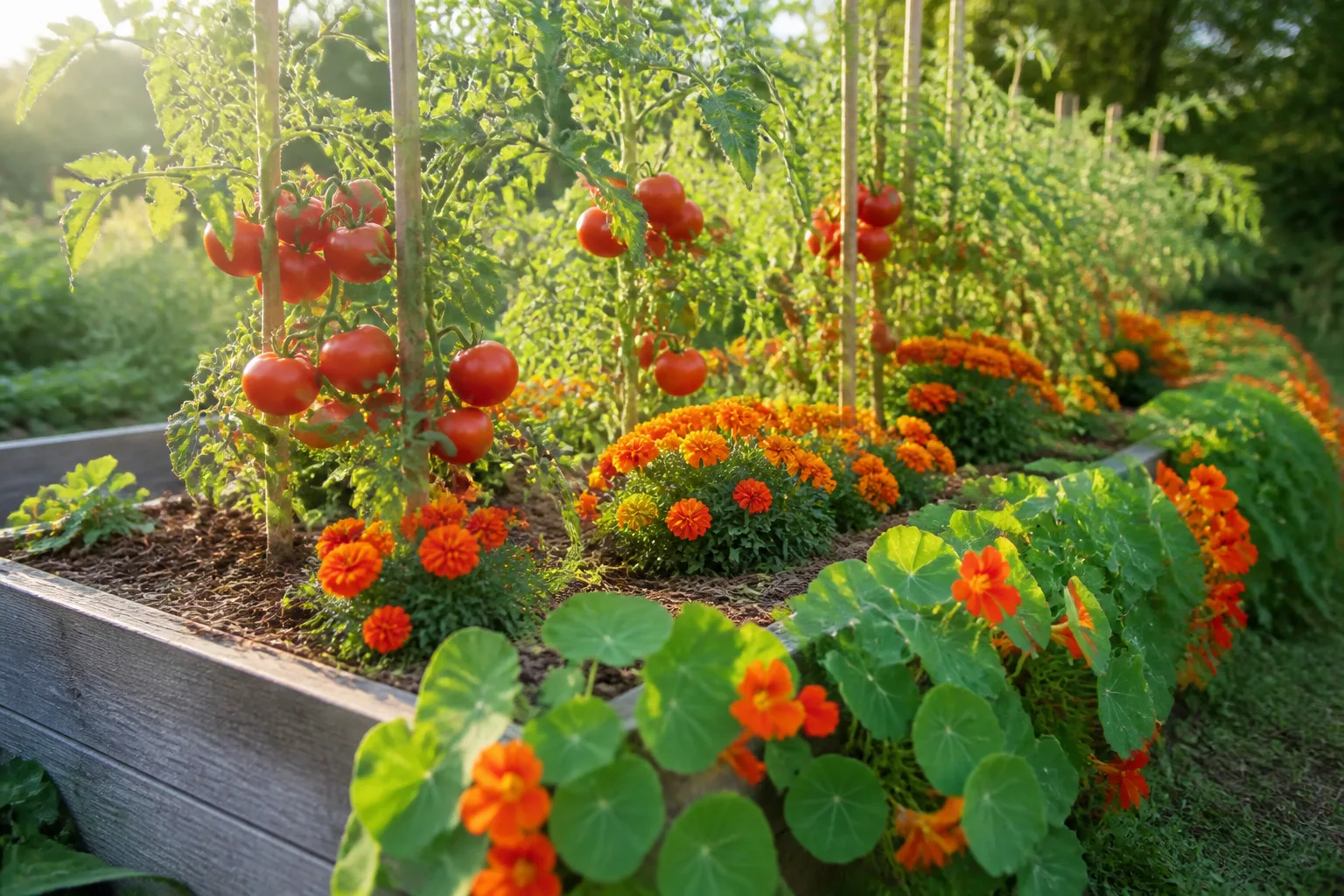
Weather changes the schedule. Heavy rain can flatten or rot a dense flower, while intense heat can shorten the life of a bloom before it has fully dried. Check the garden after weather shifts, but avoid making a major cut while a plant is visibly limp from heat or drought. Correct the stress, then remove the finished flowers when the plant is turgid enough to handle the work.
Deadhead through the active flowering season, then change your goal as the season winds down. Stop on stems you want for seed, winter structure, or bird food. In a cold climate, many perennials are better left standing through winter and cut back later; in a mild climate, grooming may continue longer. The plant’s next seasonal job matters more than a calendar date.
Plant-Specific Technique Guide
The universal method becomes much easier when you know what the plant is trying to do. The following groups cover the most common garden questions and the mistakes most likely to shorten the display.
Annuals and Bedding Plants
Petunias, marigolds, zinnias, cosmos, geraniums, snapdragons, and many bedding plants usually reward regular attention. Remove the flower, the sepals or seed capsule beneath it, and enough stem to reach a leaf pair or side branch. On a soft-stemmed annual, pinching works; on a thick or woody flower stem, use snips.
Check annuals every few days in peak bloom. A plant with dozens of flowers does not need every head removed the instant one petal falls, but it does benefit from short, frequent passes. If an annual has become a long tangle of bare stems, take a slightly longer cut to a leafy branch rather than trimming only the brown cap from every flower.
Petunias and million bells may be bred to shed spent flowers, so deadheading is optional when the plant looks clean and continues budding. Marigolds, dahlias, zinnias, and cosmos are more obvious candidates when you want a longer show. BBC Gardeners’ World’s plant-by-plant list highlights repeat-flowering roses, cosmos, dahlias, agapanthus, and daffodils while also showing why each plant needs a different cut. With seed-saving varieties, leave a few mature heads on strong, healthy stems and deadhead the rest.
Roses, Peonies, and Woody Flowering Stems
Repeat-flowering roses usually respond well to deadheading. Remove a faded bloom or cluster back to a strong leaf set or outward-facing bud, taking care not to cut away a fresh bud that is still developing. Single-flowered roses, species roses, and once-blooming types may be left to form hips if you value their autumn color or want food for wildlife.
Peonies are different. Their main display is generally a single seasonal flush, so removing spent flowers improves appearance and may reduce energy going into seed pods, but it does not create a second summer bloom. Cut the flower and any developing seed pod above healthy leaves, then leave the foliage intact until natural dieback.
Flowering shrubs such as camellias and lilacs can be cleaned for appearance, but height and structure make exhaustive deadheading impractical. Avoid damaging the new buds immediately below a faded flower. If the plant is a woody shrub and the proposed cut would leave bare wood with no live buds, stop and identify the species before cutting lower.
Perennials, Spikes, and Scapes
Salvias, delphiniums, lupines, phlox, yarrow, coreopsis, black-eyed Susans, and coneflowers all need slightly different handling. Remove individual faded flowers when they are easy to reach, then remove the finished spike or stalk to a lower bud, leaf, or the crown when the whole flush is over. Some soft-stemmed perennials can be cut back after flowering for fresh foliage and another flush; do not assume the same treatment works for a woody perennial.
For a dense mass of tiny flowers, hand-picking every head may take longer than the result justifies. If the plant is healthy and has finished a flush, a selective shear to the leafy mound can be more sensible. Leave enough green tissue to recover, and check first that the plant’s crown or basal shoots are not being cut.
Dahlias show why identification matters: a rounded green bud is still developing, while a pointed, papery head is a spent bloom ready to remove.
Bulbs: Remove Flowers, Keep the Leaves
Daffodils, tulips, lilies, and gladiolus often need flower removal for a different reason: you may want the underground bulb or corm to store energy for the next season. Remove the faded flower and seed-forming portion, but keep the green leaves. Those leaves photosynthesize and refill the storage organ; cutting them off early is a common way to weaken next year’s display.
For daffodils, cut or pinch through the flower stalk behind the swelling seed capsule while leaving the foliage. For lilies and other plants with multiple flowers on a stalk, remove each finished flower or wait until the entire stalk has finished, then follow the stalk down without stripping healthy leaves. The foliage can look untidy, but it is doing the work that a fertilizer promise cannot replace.
After bulb flowers fade, the green leaves stay in place so the plant can photosynthesize and rebuild its underground reserves.
Plants to Leave Alone or Deadhead Selectively
Some plants self-clean by dropping old flowers, so hunting for every petal adds work without much benefit. Others produce attractive seedheads or food for birds. RHS guidance specifically recommends leaving plants when the seed, hips, berries, or winter structure are part of the garden’s purpose, and when deadheading would be difficult or unsafe.
Leave or selectively groom coneflowers, black-eyed Susans, sunflowers, sedum, ornamental grasses, columbine, hollyhocks, foxgloves, and some hydrangeas when you want seed, winter interest, or wildlife value. Coreopsis and other heavy bloomers can be left until the end of their flush and then cut back in one manageable pass. Self-cleaning impatiens, some begonias, lantana, and many modern petunias usually do not require individual deadheading.
This is not a ban on cutting. Remove diseased, slimy, or storm-damaged material promptly, even on a plant you otherwise leave for birds. The useful distinction is between a healthy, finished seedhead that serves a purpose and a wet, decaying flower that is becoming a disease risk.
Deadheading Containers, Baskets, and Large Beds
Container plants often need more frequent checks because a small number of stems carry the whole display. Walk around the pot rather than looking only at the front, and inspect the underside of trailing growth. In a hanging basket, bring the basket down safely before cutting; do not stretch or twist to reach a flower.
Large beds are easier when divided into zones. Deadhead the plants at eye level first, then work through the high-value repeat bloomers, and leave wildlife or seed-saving stems marked in your mind. A weekly ten-minute pass is usually more effective than waiting for every bed to become a wall of brown heads.
Use the session as a plant-health check. Look beneath leaves for pests, find stems that collapsed after rain, and notice whether fresh buds are forming. If a container plant is limp, check its moisture and heat exposure before removing a lot of foliage; if soil stays soggy, improve drainage instead of expecting deadheading to restore vigor.
Common Mistakes That Reduce Blooms
Plucking petals instead of the spent structure is the most common mistake. The seed-forming base remains, so the plant still has a reason to finish the reproductive job. Take the flower and its short stalk, not just the loose color.
Cutting through a new bud wastes the next flower. Turn the stem in your fingers and look from both sides before you make the cut, especially on roses, dahlias, and flower spikes where buds can hide beneath fading petals.
Leaving a long bare stub makes the plant look untidy and can leave dead tissue inside the canopy. Trace farther down to a leaf, bud, branch, or basal rosette, but do not keep cutting once you reach useful green structure.
Removing all the foliage from a bulb confuses flower cleanup with end-of-season cutback. Take away the flower and keep the leaves until they yellow naturally. The same principle applies to peonies and other foliage-dependent perennials.
Cutting a woody plant to the ground is risky when you do not know the plant type. Soft-stemmed border salvias and woody shrubby salvias are not interchangeable. If a cut would land in bare wood without visible buds, pause and confirm the species.
Deadheading by calendar instead of by plant leads to missed buds in a heat wave and unnecessary cuts in autumn. Look at the bloom, the weather, the stage of the plant, and your intended outcome.
What to Do With Spent Flowers
Healthy, dry petals and spent flower heads can usually go into a home compost pile, where they become part of a balanced mix of green and brown materials. Break up bulky stalks so they decompose evenly. If the material is slimy, mouldy, or clearly diseased, do not assume a backyard compost pile will destroy the problem; bag it for disposal according to local rules.
You can also leave selected heads in place for seed collection. Choose open-pollinated plants when you want the next generation to resemble the parent, let the head dry fully on the plant, and label the seed before storage. On hybrid ornamentals, seedlings may not match the parent, so save seed as an experiment rather than a guarantee.
Wildlife changes the cleanup decision. Mature coneflower, rudbeckia, sunflower, and some rose hips can feed birds or provide winter structure. A garden that is deadheaded perfectly from spring through autumn may offer fewer resources than a garden where some finished flowers are deliberately left. A mixed strategy—tidy the foreground, keep selected seedheads in the back—works well for both people and wildlife.
Deadheading Versus Pruning Versus Cutting Back
Deadheading removes a spent flower or flower stalk while the plant is still actively growing. Pruning changes the plant’s structure, size, or branching. Cutting back is a larger seasonal operation, often done after a flush, after frost, or when a herbaceous perennial is ready to renew from its crown.
The difference matters because the smallest effective cut is usually the safest one. If one rose is finished, remove one rose. If a whole salvia spike is brown, remove the spike to live growth. If an herbaceous clump has finished and its species is known to tolerate a cutback, reduce the flower stems as a group. If a peony is finished but its leaves are green, remove the flowers only and wait for autumn.
When a plant is not reblooming, do not automatically cut harder. Check light, water, drainage, temperature, pests, and disease first. Deadheading can support a healthy plant’s next decision; it cannot replace the conditions that make new growth possible.
Conclusion
Deadheading is most useful when you treat it as a targeted conversation with the plant: remove the part that has finished, preserve the growth that can respond, and leave the stems that serve a purpose. The reliable cut is usually just above a healthy leaf, bud, side shoot, or basal rosette, but the best destination depends on the flower’s structure.
Start with repeat-blooming annuals, roses, dahlias, salvias, and bedding plants if your goal is more flowers. Keep bulb foliage, protect perennial leaves, identify woody stems before making a hard cut, and leave selected seedheads when birds, winter interest, or seed saving matter more than tidiness. A few short checks each week will give you a longer display and a better-informed garden without turning every faded bloom into a problem.