What Is Soil Conditioner? Benefits and How to Use It
Learn what soil conditioner is, which materials work, and how to match an amendment to clay, compacted, sandy, or tired garden soil.
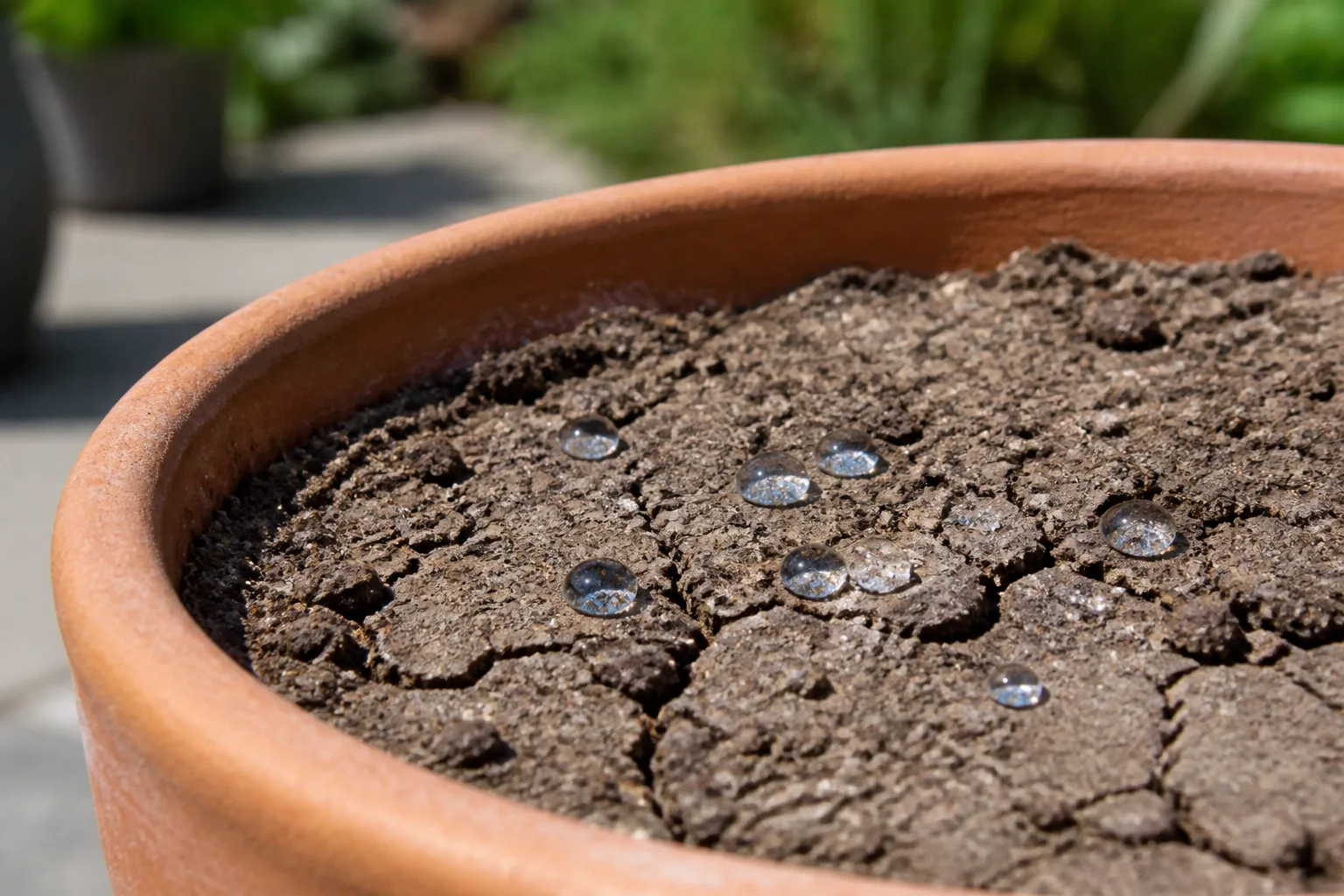
Soil conditioner is a material or blend mixed into existing soil to improve the way that soil holds air, water, roots, and nutrients. It is an amendment, not a replacement for the ground beneath it. Depending on the product, it may contain finished compost, aged bark, worm castings, mineral particles, or a combination of organic and mineral ingredients.
The useful question is not “Which soil conditioner is best?” It is “What is this soil doing badly?” Soil that stays sticky after rain needs a different intervention from soil that dries within hours. A compacted lawn may need aeration before any amendment. A pH problem may require a test and a specific material rather than a general-purpose blend.
Used thoughtfully, a conditioner can make a root zone easier to work, improve infiltration, reduce crusting, and give organic matter a place to keep working. Used as a cure-all, it can waste money, create a nutrient or salt imbalance, or bury a drainage problem under a thicker layer of material. This guide explains how to tell the difference.
Soil conditioner in one useful definition
Soil conditioner is an additive that changes soil’s physical condition and may also contribute organic matter or nutrients. Physical condition includes the size and continuity of pore spaces between particles. Those pores are where roots find oxygen and where water either enters, moves, or remains available.
A conditioner can work in several ways. Compost and aged plant material help form stable aggregates as they decompose. Bark-based products add coarse organic structure. Perlite and expanded clay create large, durable spaces in some container mixes. Vermiculite holds more water than perlite. Gypsum supplies calcium and sulfur but is useful for only certain soil conditions. Lime raises pH; it is not a universal loosener.
Because these materials behave differently, “soil conditioner” is a category rather than a single recipe. Read the ingredient panel and consider the application rate. A bag labeled conditioner may be mostly compost, mostly bark, mostly minerals, or a blended topsoil-like product. The name alone cannot tell you whether it fits your soil.
What changes when soil is conditioned
Good soil is not simply loose. It has a balance of small and large pores. Large pores drain excess water and carry air. Smaller pores hold a reserve of moisture that roots can access between waterings. A conditioner is valuable when it moves that balance toward what the plant’s root zone needs.
The most common improvements are:
- Better infiltration, so water enters instead of running off a hard surface.
- More oxygen around roots, especially after a compacted layer is opened.
- More even moisture, with fewer extremes between flooding and rapid drying.
- Easier root penetration and less resistance when planting.
- More organic matter to support aggregation and biological activity.
- A more workable surface for sowing, transplanting, or establishing turf.
These benefits are related but not identical. Adding compost may increase organic matter and improve aggregation over time, but it will not automatically repair a perched water table. Adding a coarse mineral may open pores, but it may not feed soil organisms. Adding fertilizer can make leaves greener while leaving a dense, airless root zone unchanged.
Signs your soil needs conditioning
Start with observation rather than a product. Dig a small hole when the soil is moist but not saturated. If a spade meets a hard horizontal layer, roots stop at the same depth, or water sits in the hole long after rain, compaction or drainage deserves attention. If the soil smears into a shiny ribbon when squeezed, it has a high clay component. If it falls apart like dry dust and the root ball dries immediately, it may be too sandy or low in organic matter.
Other clues include a crust that seedlings cannot break through, deep cracks during dry weather, runoff from a bed that was recently watered, and plants that wilt even though the surface looks wet. A lawn can show compaction through thin growth, puddles along walking routes, mossy patches, or soil that refuses a simple screwdriver test after rain.
Do not diagnose every weak plant as a soil problem. Poor light, root disease, incorrect planting depth, pests, and underwatering can look similar. Soil conditioning is most useful when the physical soil behavior is the problem you can actually observe.
Choose the material by soil problem
Clay and slow drainage
Clay soil contains many fine particles and can hold a great deal of water, but it may drain slowly when its structure is poor. Organic matter incorporated over time can help clay form more stable aggregates. Finished compost, aged leaf mold, and well-decomposed plant material are usually safer starting points than a random load of sand.
Avoid assuming that any sand will turn clay into loam. Small amounts of fine sand mixed into clay can produce a dense, concrete-like texture. If a mineral amendment is recommended, use a product and rate suited to the specific soil condition. Gypsum can help some sodic soils, but it does not fix every clay soil and will not correct compaction caused by traffic.
Compaction and poor pore space
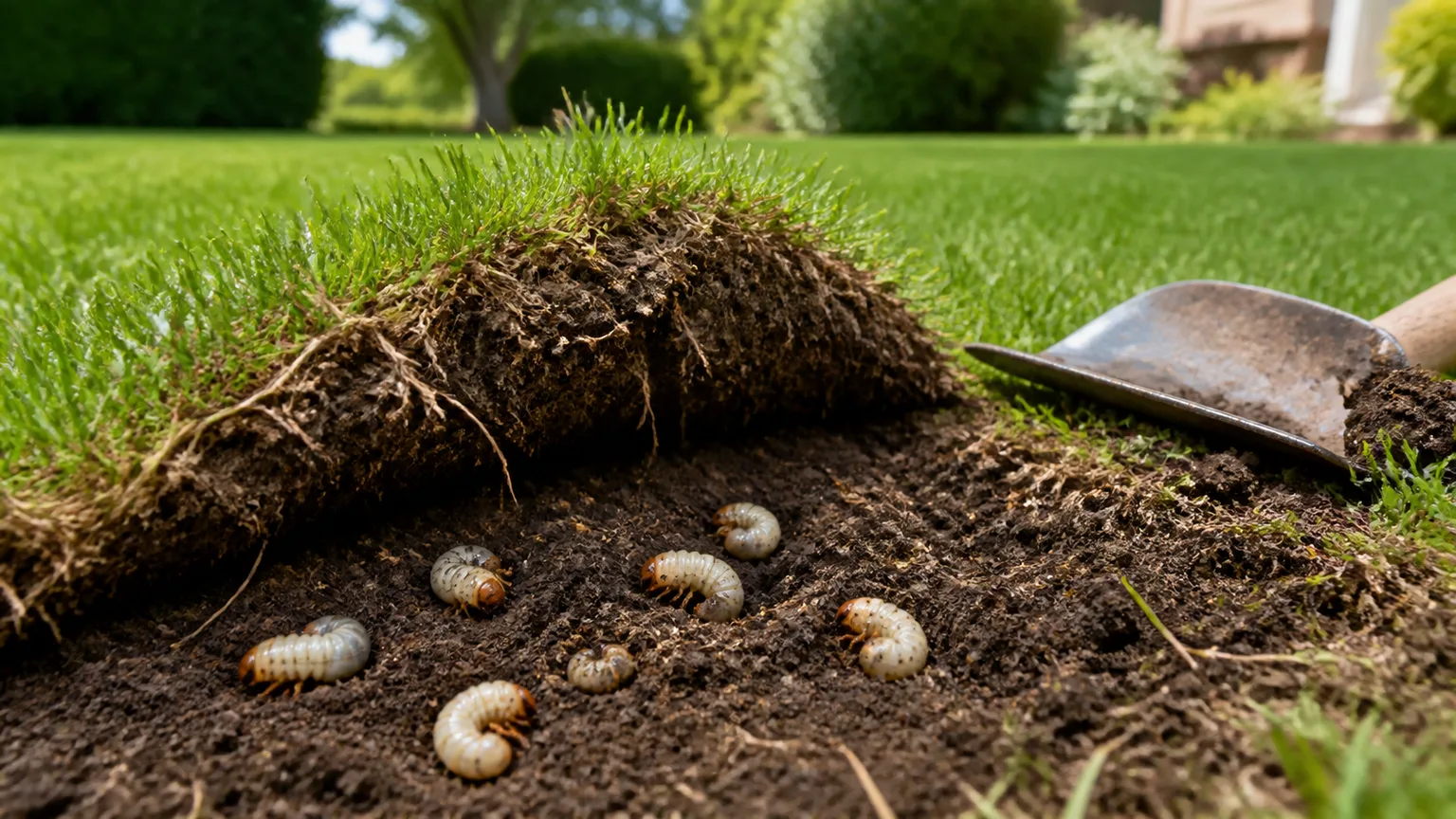
Compacted soil needs a physical opening before an amendment can be distributed through it. In a garden bed, use a garden fork to loosen the root-zone depth without pulverizing the soil. In a lawn, core aeration can remove plugs and create channels; topdressing with a compatible, finished material can then help those openings persist.
Do not till wet clay. Working soil while it is plastic smears the particles into dense plates that may be harder to repair. A simple test is to squeeze a handful. If it forms a ribbon or leaves a glossy smear, wait for a drier working window.
Sandy soil and fast drying
Sandy soil has large pores and often drains quickly. The goal is not to make it waterlogged; it is to add enough fine organic matter and aggregation to hold moisture and nutrients without removing its useful drainage. Finished compost, leaf mold, and well-rotted organic matter can help when added repeatedly in moderate amounts.
For containers, a conditioner containing compost is not automatically a substitute for a potting mix. Container plants need dependable drainage, low disease risk, and a structure that does not collapse quickly. Use a purpose-made potting mix for pots, then follow the plant’s needs rather than treating garden soil as a universal container ingredient.
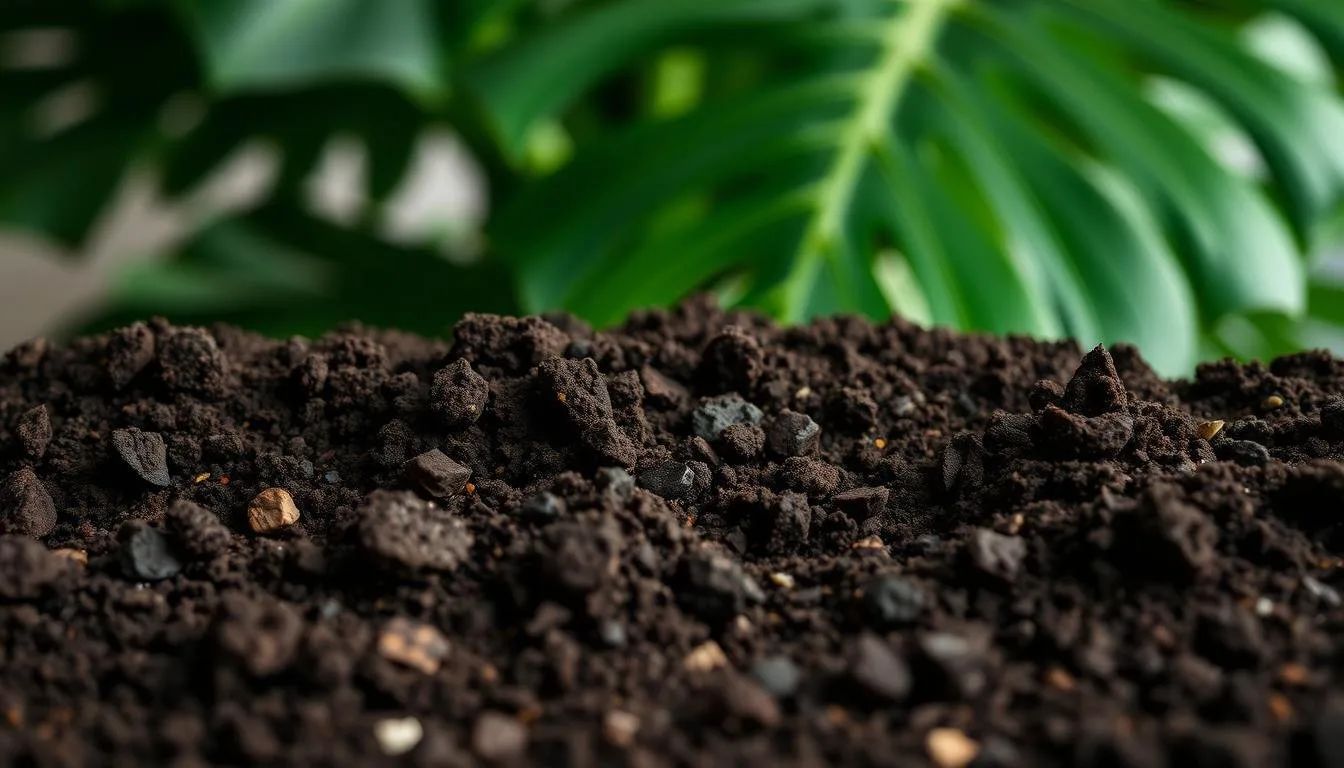
Organic and mineral conditioner ingredients
Organic ingredients come from once-living material. Finished compost, aged manure, leaf mold, aged bark, and worm castings can add carbon and support gradual changes in structure. They vary in maturity and salt content, so a finished, stable product is preferable to fresh manure or a half-decomposed pile around living roots.
Mineral ingredients are generally more durable. Perlite creates large air spaces in container mixes but can float or migrate in open beds. Vermiculite holds water and is more useful where moisture retention is needed. Expanded clay is lightweight and long-lasting, though it is not a source of fertility. Lime changes pH and supplies calcium; gypsum supplies calcium and sulfur without the same pH-raising effect. Neither should be added simply because a bag says “soil improvement.”
Wood chips can be useful on the soil surface as mulch, where decomposition is slower and cooler. Mixing large amounts of fresh, carbon-rich chips into the root zone can temporarily tie up available nitrogen as microbes break them down. Fresh grass clippings can also heat, mat, or smell if applied too thickly. Material choice includes placement and maturity, not just the ingredient name.
Soil conditioner vs compost vs fertilizer
Compost is a type of organic soil amendment made from decomposed plant and other approved organic materials. It can function as a conditioner when it improves aggregation and moisture behavior, but its main value is not identical to every product sold as soil conditioner. A commercial conditioner may include compost plus bark or minerals, while compost is entirely organic.
Fertilizer is formulated to supply plant nutrients, commonly nitrogen, phosphorus, and potassium, sometimes with secondary and micronutrients. Fertilizer does not usually repair a compacted structure. A plant can be surrounded by abundant nutrients and still have struggling roots if air cannot enter or water cannot leave.
Think of the roles this way:
| Material | Main job | What it cannot promise |
|---|---|---|
| Soil conditioner | Improve structure, moisture behavior, or organic matter | A cure for every pH or drainage problem |
| Finished compost | Add stable organic matter and some nutrients | Instant repair of deep compaction or waterlogging |
| Fertilizer | Supply concentrated plant nutrients | Better pore space or physical drainage |
| Mulch | Protect the surface and moderate evaporation | Correct a dense root zone when left on top |
Many gardens need more than one practice, but not all at once. Correct compaction, add appropriate organic matter, and fertilize only when the plant and soil test indicate a need.
Test before changing pH or minerals
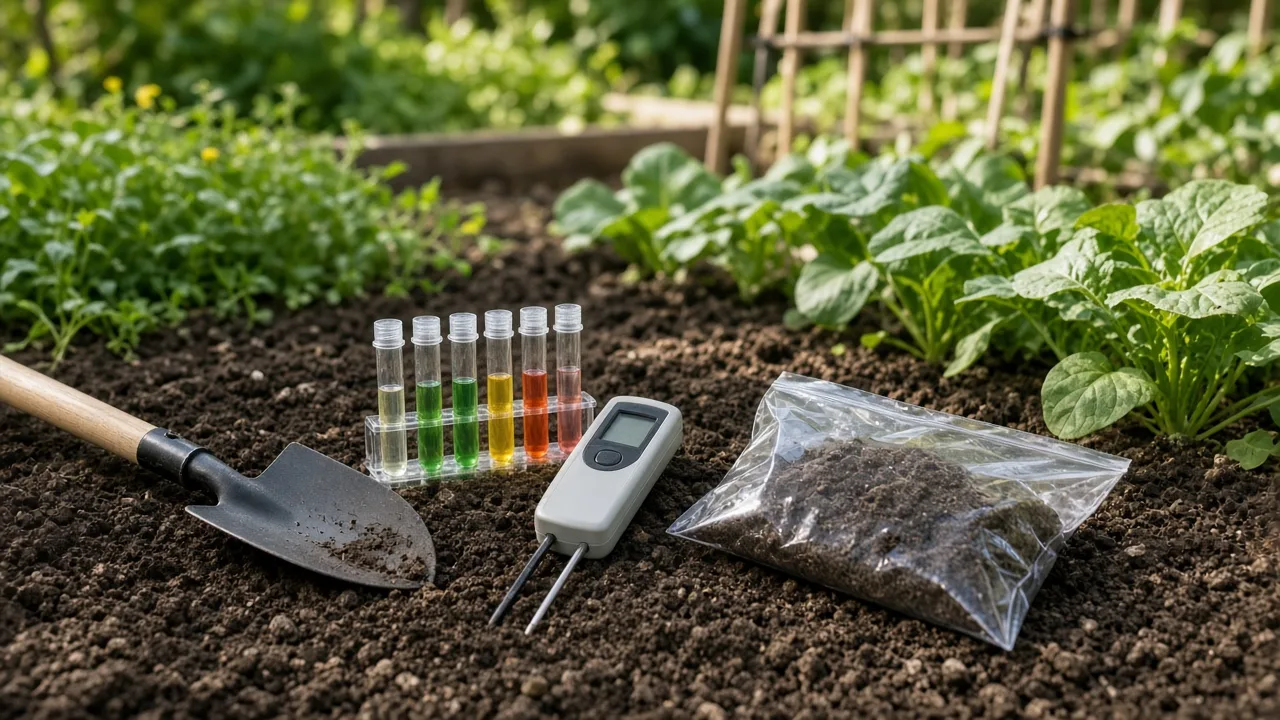
Soil tests are especially important before applying lime, sulfur, gypsum, or heavy nutrient-rich amendments. A pH test tells you whether acidity or alkalinity is outside the preferred range for the plants you intend to grow. A broader laboratory test can reveal nutrient levels, organic matter, soluble salts, and sometimes texture-related information. The University of Minnesota Extension soil-testing guide explains why a representative sample matters.
The test does not need to be perfect to be useful. Collect several cores from the same bed at a consistent depth, mix them in a clean container, and follow the laboratory’s sampling instructions. Keep samples from different beds separate if they have different histories. Avoid taking one sample from a compost pile, a bare patch, and a fertilized corner and calling it representative of the whole garden. For a broader explanation of building and maintaining garden soil, see Oregon State University Extension’s Improving Garden Soil.
Use the report’s recommended rate and the product label. More is not safer. Excess lime can make nutrients less available. Excess manure-based material can raise salts or phosphorus. Excess gypsum adds soluble salts without fixing the cause of poor drainage. When no test is available, start with finished compost or another gentle organic matter addition rather than making a major pH correction by guesswork.
How to use soil conditioner in a garden bed
Prepare, spread, and mix
Choose a period between major plantings when you can work the bed without damaging roots. Remove weeds and large debris. If plants must remain, work around their established root zones and use a surface application rather than deep tilling.
Loosen the top layer with a fork or broadfork when the moisture is right. The aim is to open the soil, not grind it into powder. Spread a measured layer of the chosen conditioner, then blend it through the upper root zone. In a new or empty bed, mixing several inches into the existing soil is often more useful than laying a thick, unblended cap on top. Follow the product label when it gives a different rate.
Finish with a gentle watering that settles material into contact with the soil. Do not flood a newly worked bed, and avoid walking across it. The next test is not whether the bed feels fluffy on day one; it is whether water enters evenly, roots explore the profile, and the structure holds after several wet-dry cycles.
Calculate the amount
Measure length and width, then decide the application depth. Multiply length by width by depth to get cubic volume. Convert all measurements to the same unit. For example, a 10-foot by 4-foot bed amended to a 2-inch depth is 40 square feet times one-sixth of a foot, or about 6.7 cubic feet of material. Buy a little extra for settling, but do not automatically increase the depth because extra bags are available.
For an established bed, a moderate surface layer repeated over seasons is often easier to manage than one dramatic application. For a new bed, the correct ratio depends on the existing soil, the material, and the plants. A conditioner should supplement native soil, not become an untested replacement that behaves differently from the surrounding ground.
Using conditioner in lawns and containers
Lawns need special care because a thick layer can smother grass blades and bury the crown. Address traffic and compaction first, often with core aeration when the turf is actively growing and the soil is at workable moisture. Then apply a thin, compatible topdressing and rake it into the openings. Seed, watering, and mowing timing matter as much as the amendment.
Do not spread a rich compost or manure product on a lawn without checking maturity, salt content, and screening. Coarse debris can interfere with mowing, while an excessively fine layer can seal the surface. If puddling comes from a grading issue or high water table, topdressing alone is not a drainage solution.
Containers are a smaller, more controlled system. Use a fresh or properly stored potting mix for most potted plants. If refreshing a large container, replace tired mix or blend a modest amount of mature compost only when the plant and mix can tolerate it. Never put a layer of gravel in the bottom to “improve drainage”; it can move the saturated zone upward instead of removing it. Choose a container with drainage holes and match the mix to the plant.
Common mistakes that make soil worse
The first mistake is treating a product label as a diagnosis. “All-purpose” does not mean suitable for every soil. Check the ingredients, maturity, intended use, and application rate.
The second is adding fresh organic material directly around roots. Fresh manure, unfinished compost, and thick layers of green clippings can heat, smell, attract pests, or compete for nitrogen. Let materials finish decomposing or use them where their stage of decomposition is appropriate.
The third is working soil at the wrong moisture. Wet clay smears; bone-dry ground resists mixing and can be damaged by aggressive tillage. Wait for a crumbly, workable condition.
The fourth is confusing surface protection with root-zone repair. Mulch is excellent for moderating the soil surface, reducing splash, and slowing evaporation. It does not automatically open a compacted layer beneath it. Keep mulch off stems and crowns.
The fifth is correcting pH without a test. Plants can show deficiencies when nutrients are present but chemically unavailable. A test and crop-appropriate target are more dependable than a calendar application of lime, ash, or sulfur.
The sixth is making the bed too different from its surroundings. A pocket of highly amended soil can hold water differently from native soil, especially in a hole surrounded by dense clay. Blend transitions and solve the drainage path, not just the planting hole.
What to do after the first application
Record what you added, how much, where, and when. After several irrigations or rains, inspect the surface and dig a small check. Is water entering rather than running off? Does the soil crumble without becoming powder? Are roots moving beyond the original planting pocket? Has the bed developed a crust, odor, or standing water?
Continue building soil gradually. Keep living roots in the ground when possible, return suitable plant residues as finished compost or mulch, and limit unnecessary traffic. Organic matter is not a one-time repair; it decomposes and needs replenishment. At the same time, avoid reflexively adding more every season without checking the soil. More organic matter is not always better if the bed becomes too rich, salty, or moisture-retentive.
If the problem persists, revisit the diagnosis. A downspout, compacted subgrade, leaking irrigation line, shallow bed over rock, or high water table may be responsible. Soil conditioner can improve a root zone, but it cannot change the slope of a yard or remove groundwater. Escalate from amendment to grading, drainage, or professional soil evaluation when the evidence points there.
Conclusion: condition soil with a diagnosis, not a guess
Soil conditioner helps when it is matched to a real soil problem. Organic matter can support aggregation and moisture balance, mineral materials can change pore space or chemistry, and aeration or cultivation may be needed before either can work. The best sequence is simple: observe the soil, test when pH or nutrients are involved, choose a mature material for the job, apply a measured amount, and reassess.
That approach is slower than scattering a mystery blend, but it is more economical and kinder to the garden. Healthy soil is not defined by one ingredient or a permanently fluffy surface. It is a functioning root environment that drains excess water, holds enough moisture, supplies air, and improves with careful management.