9 Smells Rats Hate—and What Actually Keeps Them Out
Scent can help with stray rats, but it will not cure an infestation. Get nine options, safety limits, and a practical seven-day prevention plan.
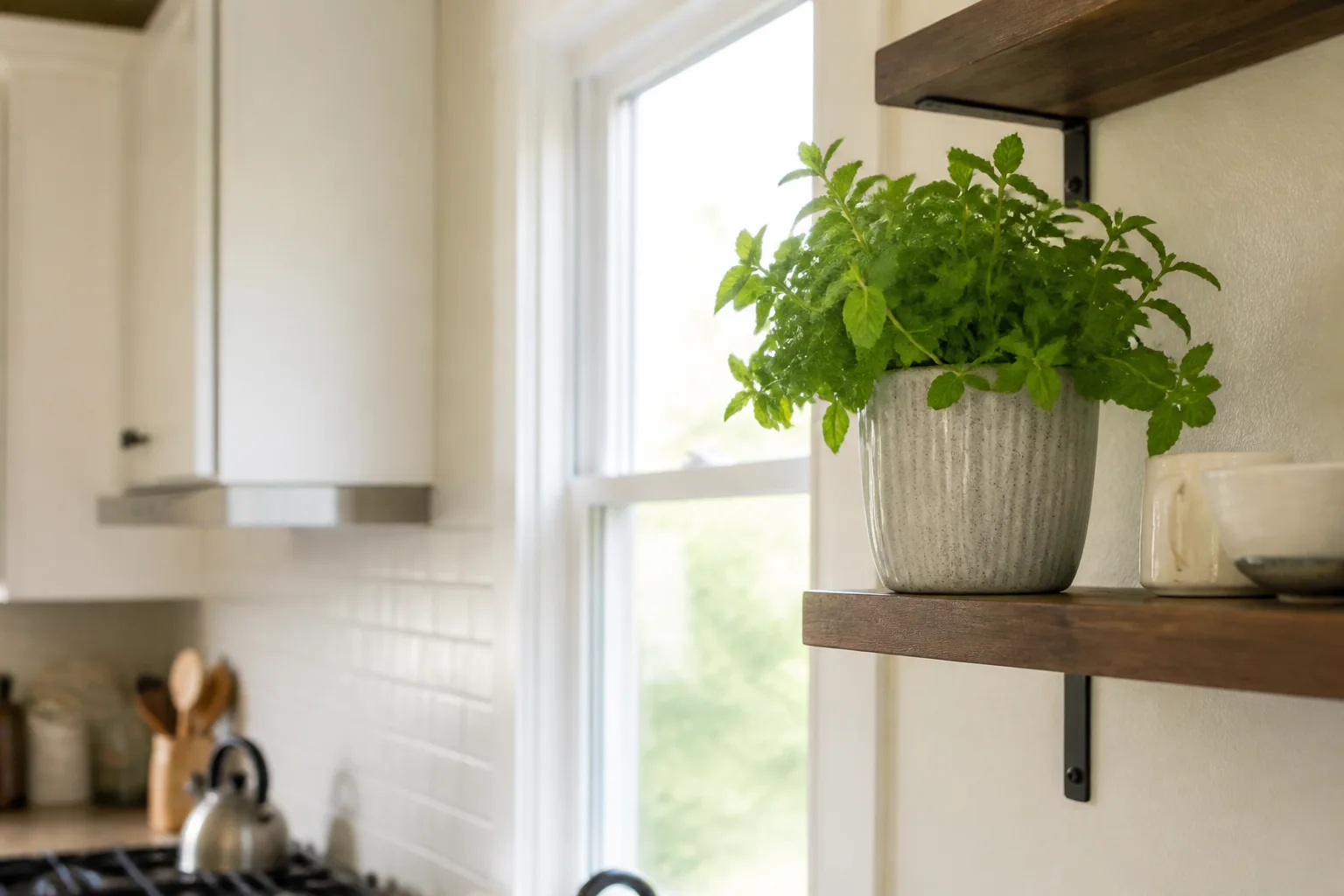
The smells rats may avoid can help make a doorway, patio, shed, or garden edge less inviting, but scent alone will not keep an established rat population out for good. The reliable long-term fix is to remove food, water, and shelter, close entry points, and monitor for new signs. Treat an aromatic spray or plant as a temporary supporting layer—not as a substitute for exclusion.
The Honest Answer: Scents Can Deter, but They Do Not Remove Rats
Rats use smell to investigate food, pathways, and danger, so a sudden, concentrated odor can make a location less comfortable for a while. That is different from removing the reason a rat keeps returning. If a garage offers birdseed, a crawl space offers warmth, or a wall has an open pipe chase, a fading scent is competing with a strong survival payoff.
The best evidence in this group is narrower than online lists often suggest. A PubMed-indexed study found that eucalyptus oil reduced food consumption on the treated side of laboratory pens for house rats over four days, but the authors also called for more work to improve how long the effect lasts (the eucalyptus-oil study). That is useful evidence for a possible short-term deterrent; it is not proof that a diffuser, plant, or homemade spray will clear a house.
Use scent when you are trying to discourage a stray visitor from a specific outdoor approach or freshly sealed area. If you have repeated sightings, fresh droppings, gnaw marks, urine odor, nesting material, or sounds inside walls, move immediately to inspection, exclusion, trapping, and safe cleanup.
How to Read the Nine Options: Evidence, Reach, and Risk
The nine entries below are not a ranking of guaranteed rat repellents. They are a practical sorting system:
- Best-supported trial: Eucalyptus oil has direct laboratory evidence against house rats, with an important limitation on duration and setting.
- Plausible but lightly evidenced: Peppermint, menthol, lemongrass, citronella, pine, cedar, thyme, basil, garlic, onion, hot pepper, and vinegar are commonly used because they are pungent or irritating, but home performance varies widely.
- Garden support, not a perimeter: A living herb releases much less volatile oil than a concentrated product, and wind quickly disperses outdoor scent.
- Temporary by design: Rain, irrigation, cleaning, ventilation, heat, and sun all change how long an odor remains detectable.
That evidence distinction matters for safety. Poison Control notes that relatively few essential-oil uses have been studied rigorously, product concentrations vary, and “natural” does not mean harmless (Poison Control’s essential-oil guidance). Choose the least hazardous option that fits the location, and never increase a dose just because the first application did not work.
1. Eucalyptus Oil Has the Best Direct Evidence
Eucalyptus has a sharp, camphor-like aroma and is the first scent I would trial when the goal is to discourage a rat from a defined, recently cleaned or sealed zone. In the laboratory study, sprays containing 5%, 10%, or 20% eucalyptus oil reduced feeding on the treated side, with stronger apparent repellency under some daily-application conditions (PubMed).
Do not turn those laboratory concentrations into a kitchen recipe. The study used controlled pens, a particular rat species, a short test period, and measured food choice—not whether rats left a building or stayed away for a season. At home, use a ready-to-use product only if its label allows the intended site and pest, or use a small amount in a contained, inaccessible placement where people and pets cannot contact it.
Eucalyptus is most sensible outdoors near a sealed bin enclosure, shed threshold, or patio edge, with reapplication only when the product label permits it. Indoors, avoid spraying food-contact surfaces, saturating porous materials, or filling a poorly ventilated room with oil vapor. If you smell the scent throughout the house, you have probably created more exposure than useful boundary control.
2. Peppermint, Wintergreen, and Menthol Are Strong but Short-Lived
Peppermint and menthol smell intense to people and are frequently used in commercial and homemade rodent-deterrent claims. A concentrated menthol-like odor may make a narrow route less appealing, especially after you have removed food and sealed a gap, but it should be treated as a low-confidence, short-lived experiment rather than a proven barrier.
Fresh mint leaves are not the same as peppermint oil. Living foliage releases volatile compounds gradually, while an oil is concentrated and carries a different exposure risk. If you grow mint for the aroma, keep it where you can harvest and replace a few bruised leaves outdoors; do not assume a row of plants will protect a foundation or block a rat from a wall void.
The plant itself also needs management. The RHS mint-growing guide recommends containers because many mints spread by underground stems, and BBC Gardeners’ World likewise warns that mint can compete with neighboring plants when planted in the ground. A contained pot is a useful herb garden choice, not a rat-proof fence.
3. Lemongrass and Citronella Fit Outdoor Scent Zones
Lemongrass and citronella have bright, lemony aromas that suit a patio, porch, or outdoor bin area better than a bedroom, pantry, or basement. They can add a temporary scent zone where you are already improving housekeeping, but a candle or a single potted clump cannot cover the ground-level routes a rat uses around a building.
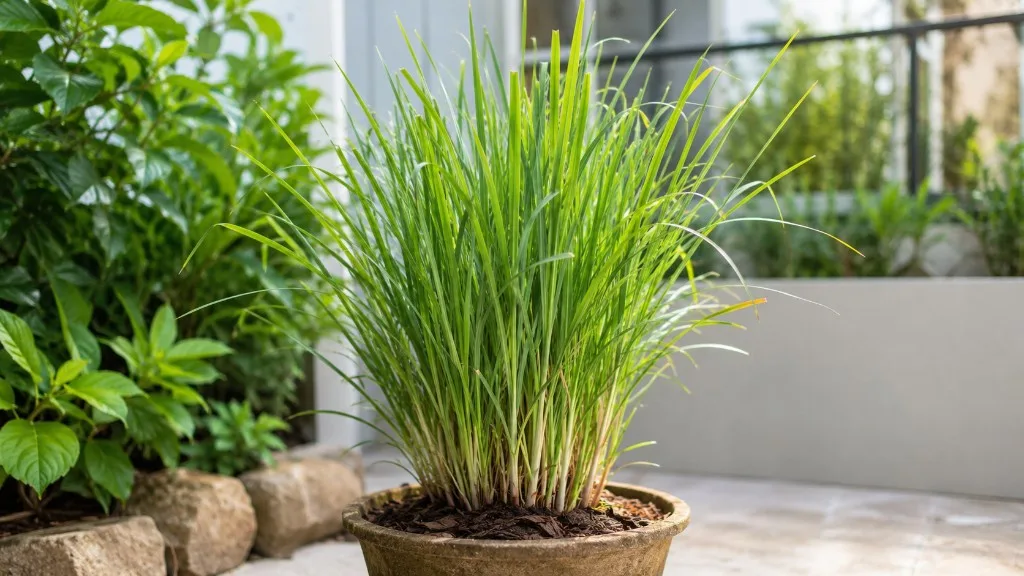
A potted lemongrass plant is a reasonable way to place an aromatic plant near a seating area without putting plant material on the ground. Its main value is the plant you can enjoy and maintain; its rat-deterrent value depends on how much aroma is released, wind direction, and whether the rat still has access to food or shelter. Citronella candles are especially limited because their scent is local, intermittent, and easily blown away.
If you use a citronella or lemongrass oil product, follow its label and keep it away from skin, food, children, and pets. Do not pour oil into soil, drains, or standing water, and do not use a diffuser as a way to treat a closed room with suspected rat activity.
4. Pine and Cedar Aromas Work Best as a Cleanup Cue
Pine and cedar scents are often associated with fresh wood, cleaners, or storage products, and their strong aroma may make a recently cleaned area less familiar to a rat. The more useful role is behavioral: clean the route, remove crumbs and nesting material safely, then use a permitted, mild scent product only as a temporary boundary while you finish the repair.
Do not place cedar chips, pine oil, or scented cleaner into a wall, attic, crawl space, or air duct. You could trap an odor without fixing the opening, contaminate insulation, or expose people and pets to a concentrated product. Use household cleaners only for the surfaces and dilution stated on the label, and never mix cleaners together.
Pine or cedar is a poor choice if the scent is being used to hide an ongoing urine odor. A persistent ammonia-like smell, new droppings, or fresh gnawing means the site needs inspection and sanitation, not another fragrance layered over it.
5. Thyme Adds an Aromatic Garden Layer, Not a Wall
Thyme has a strong herbal aroma, and a healthy pot can be a pleasant addition near a sunny garden entrance or patio. The plant is useful as part of a diverse, well-maintained planting scheme, but there is no good reason to expect a thyme border to stop a rat that is following a food trail or entering through a foundation gap.
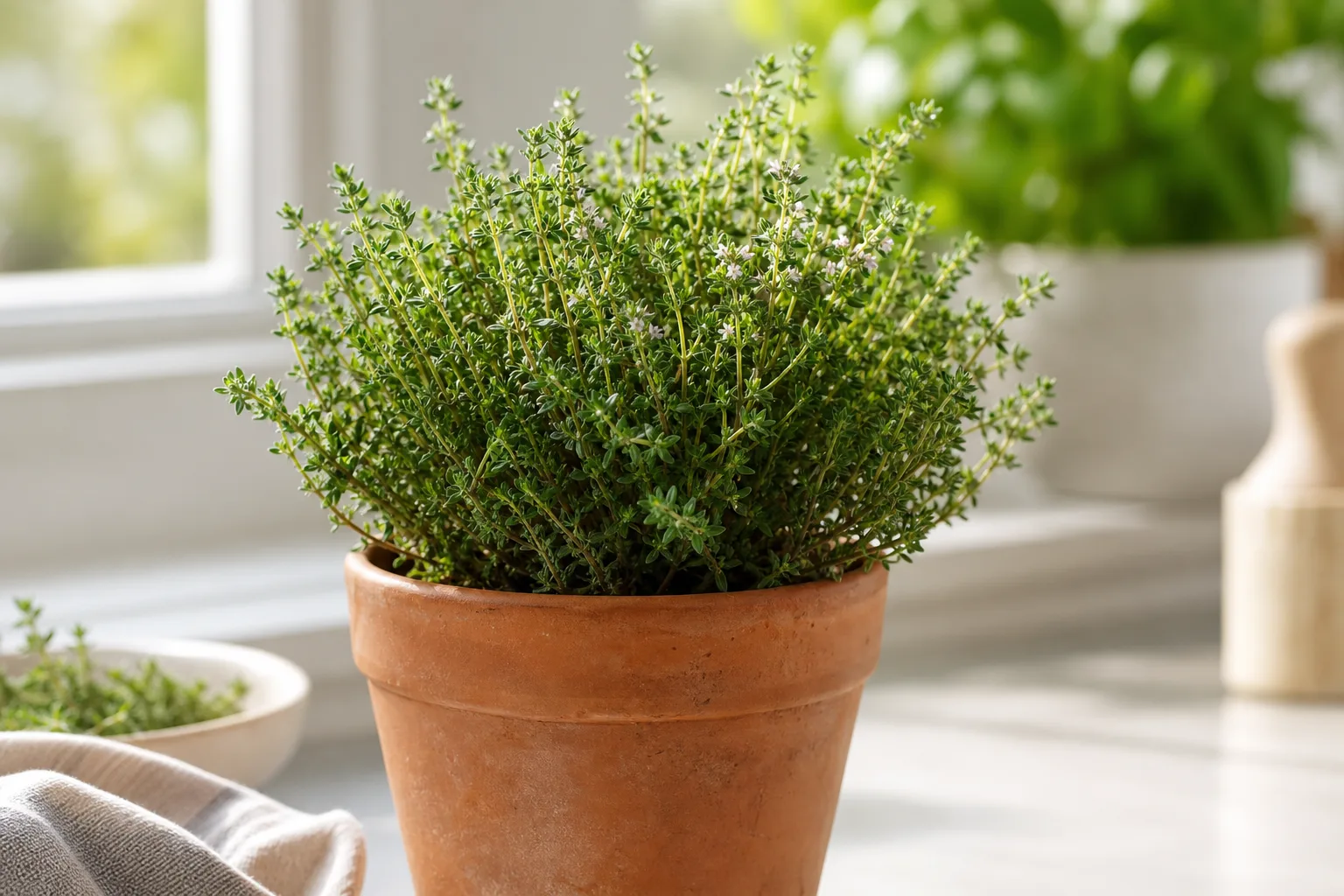
Use thyme as a low-risk landscape choice, not as your primary rodent control. Keep fallen seed, bird food, and compost from collecting around the pot, because an aromatic herb surrounded by spilled food is still an attractive feeding site. If you are considering thyme oil, handle it as a concentrated essential oil: keep it locked away, prevent skin and eye contact, and use it only as the product label directs.
This is the general rule for living aromatic plants: they can influence the immediate garden atmosphere, but they do not create a continuous, measured concentration around a home. Their best contribution is often indirect—making it easier to keep the entry area planted, visible, and free of debris.
6. Basil Is Pleasant to Grow but Not a Proven Rat Barrier
Basil’s warm, sweet, herbal aroma is sometimes described as unpleasant to rats. It is also a useful culinary plant, which makes it one of the more practical herbs to grow near a kitchen door or sunny patio. Still, a basil pot should be judged as a plant you want to grow, not as a tested rodent-exclusion device.
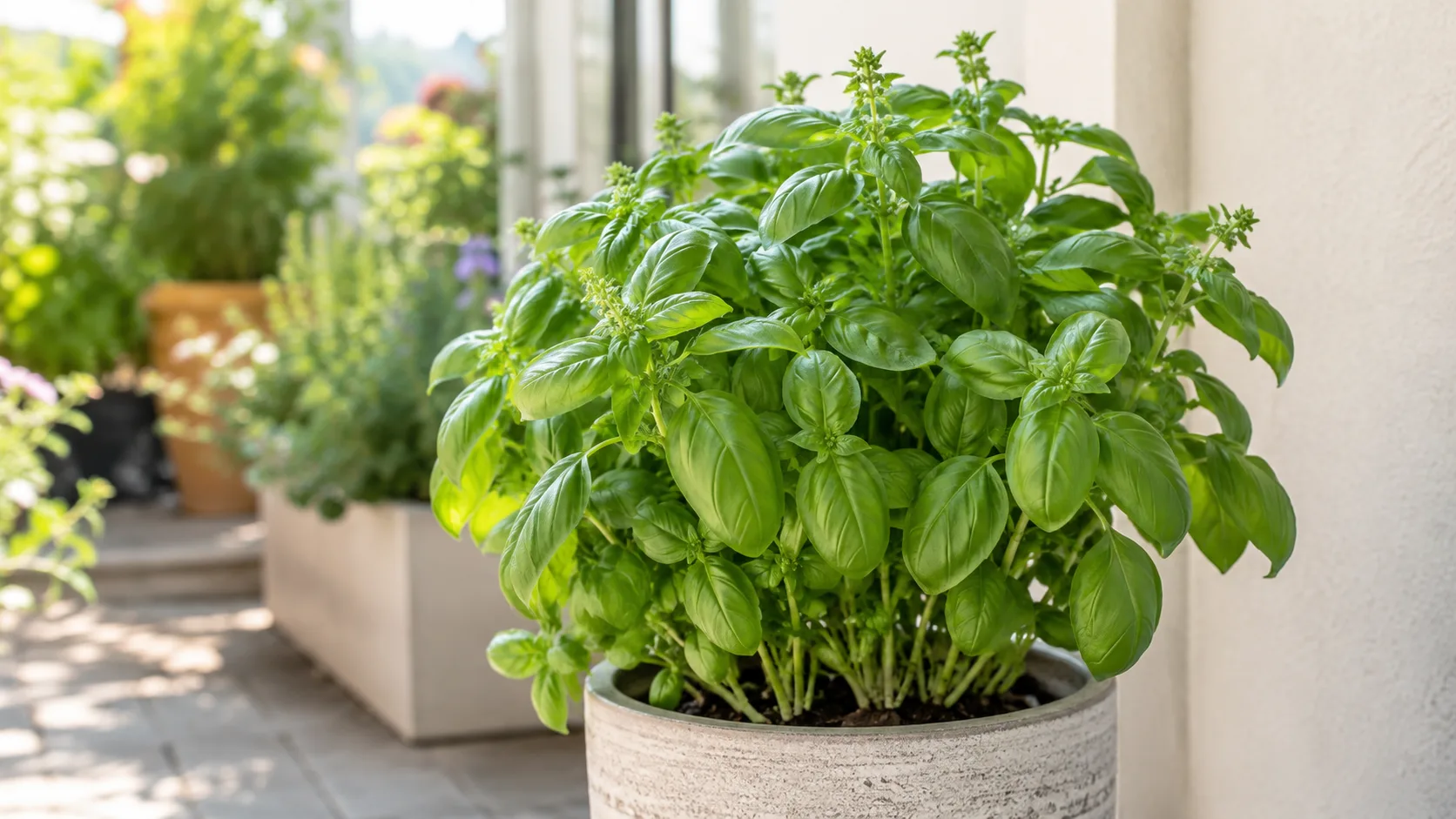
Keep basil near an area that is easy to inspect and clean rather than behind a bin or under dense shrubs. That placement makes spilled food, droppings, and gnaw marks easier to spot. If a rat is visiting the pot, do not add scraps, meat, or homemade bait to “make the smell stronger”; food rewards will overwhelm any hoped-for deterrent.
Do not confuse basil leaves with basil essential oil. Concentrated oils can irritate skin and may be poisonous if swallowed. Poison Control advises keeping essential oils out of the reach of children and pets and using products only as directed (essential-oil safety guidance).
7. Garlic and Onion Are Pungent, Weather-Sensitive Options
Fresh garlic and onion produce powerful odors after cutting or bruising, so gardeners often try them around beds, sheds, and bins. The sensible expectation is a brief odor change near the exact placement—not a lasting repellent field. Rain, watering, heat, and decomposition can remove or transform the smell quickly.
Never scatter garlic or onion scraps where rats can eat them. Food waste creates the attractant you are trying to eliminate, and it can draw insects or other wildlife. If you want to test a pungent plant-based scent outdoors, choose a labeled product or a contained, removable material and watch whether activity changes after you remove the food and seal the route.
Garlic and onion also make poor indoor treatments. Their smell can linger on fabrics and cabinets while doing nothing to stop a rat in a cavity. Indoors, prioritize the source of access and use scent only after the area has been safely cleaned and the opening has been repaired.
8. Hot Pepper and Capsaicin Need Extra Caution
Capsaicin, the compound that creates heat in hot peppers, can irritate the mouth, eyes, skin, and airways. That irritation is why pepper-based products are sometimes used as animal deterrents, but it is also why loose chili powder or a blown-in homemade spray is a bad choice around doorways, pets, children, edible crops, and ventilation intakes.
If you use a capsaicin product at all, select one labeled for the specific outdoor use and follow its re-entry, weather, and application directions. Do not apply it to a food-preparation area, bedding, pet route, or a surface that children will touch. Do not use it to flush rats from a wall or attic; driving an animal deeper into a building can make the problem harder to find.
Capsaicin also has a major practical limitation: an irritated rat may still cross the treated area if food or shelter is on the other side. Treat it as an optional outdoor supplement after exclusion, not as the first move.
9. Vinegar Can Mask Odors Briefly, but It Does Not Repel an Infestation
White vinegar has a sharp smell that can temporarily change the odor profile of a patio, bin area, or washable hard surface. It is sometimes useful for ordinary household cleaning where its label and the surface allow it, but vinegar is not a rodenticide, an entry-point sealant, or a solution for an active infestation.
Never mix vinegar with bleach, ammonia, or other cleaners. Use one product at a time, ventilate the space, and follow the product label. If you are cleaning rat urine or droppings, use the CDC process instead of improvising with a scented household ingredient: the contaminated material must be wetted with an appropriate disinfectant before removal.
Vinegar is also weak outdoors. Rain and irrigation dilute it, and a rat can ignore the odor when a reliable food source is nearby. If you try it as a temporary scent change, keep it on a washable, non-food-contact surface and use the disappearance of the smell as your signal to inspect the actual route again.
Use Any Scent Without Creating a New Hazard
Start with the location, not the ingredient. An outdoor threshold, garden edge, or shed doorway can sometimes tolerate a contained, label-approved deterrent; a nursery, pantry, bedroom, attic, or crawl space needs much more caution because people and pets breathe the air and touch the surfaces.
Follow these rules:
- Inspect first. Look for droppings, gnaw marks, nesting material, urine odor, and the opening the rat may be using.
- Remove attractants. Seal food, clean spills, put pet food away, close trash lids, and remove standing water.
- Use the least concentrated option. A living plant or a labeled ready-to-use product is safer than improvising with undiluted oil.
- Keep products inaccessible. Essential oils, sprays, and treated materials belong away from children, pets, food, and surfaces that are touched often.
- Do not spray into voids. Never flood a wall, attic, vent, drain, or crawl space with oil, ammonia, vinegar, or pepper spray.
- Reapply only after a real reset. Rain, watering, cleaning, strong ventilation, or the clear loss of odor can erase a temporary scent zone.
The point is not to make a house smell overpowering. A strong indoor odor that gives someone a headache or irritates breathing is a sign to remove the product and ventilate, not a sign that you have reached an effective rat dose.
Why Plants Alone Do Not Keep Rats Away
A living mint, basil, thyme, or lemongrass plant can release an appealing aroma, but it does not release a laboratory concentration evenly across a property. Outdoor air dilutes the scent, plants release more volatile oil at some times than others, and a rat can approach from the sheltered side of a bed.
Plants can still help in three practical ways. They make an entry area more visible than a pile of debris, they give you a reason to inspect and maintain a threshold, and they provide a removable scent layer without putting loose chemicals around the yard. Grow spreading mint in a pot or a bottomless container; the RHS and BBC Gardeners’ World both recommend containment because mint can spread aggressively (RHS, BBC Gardeners’ World).
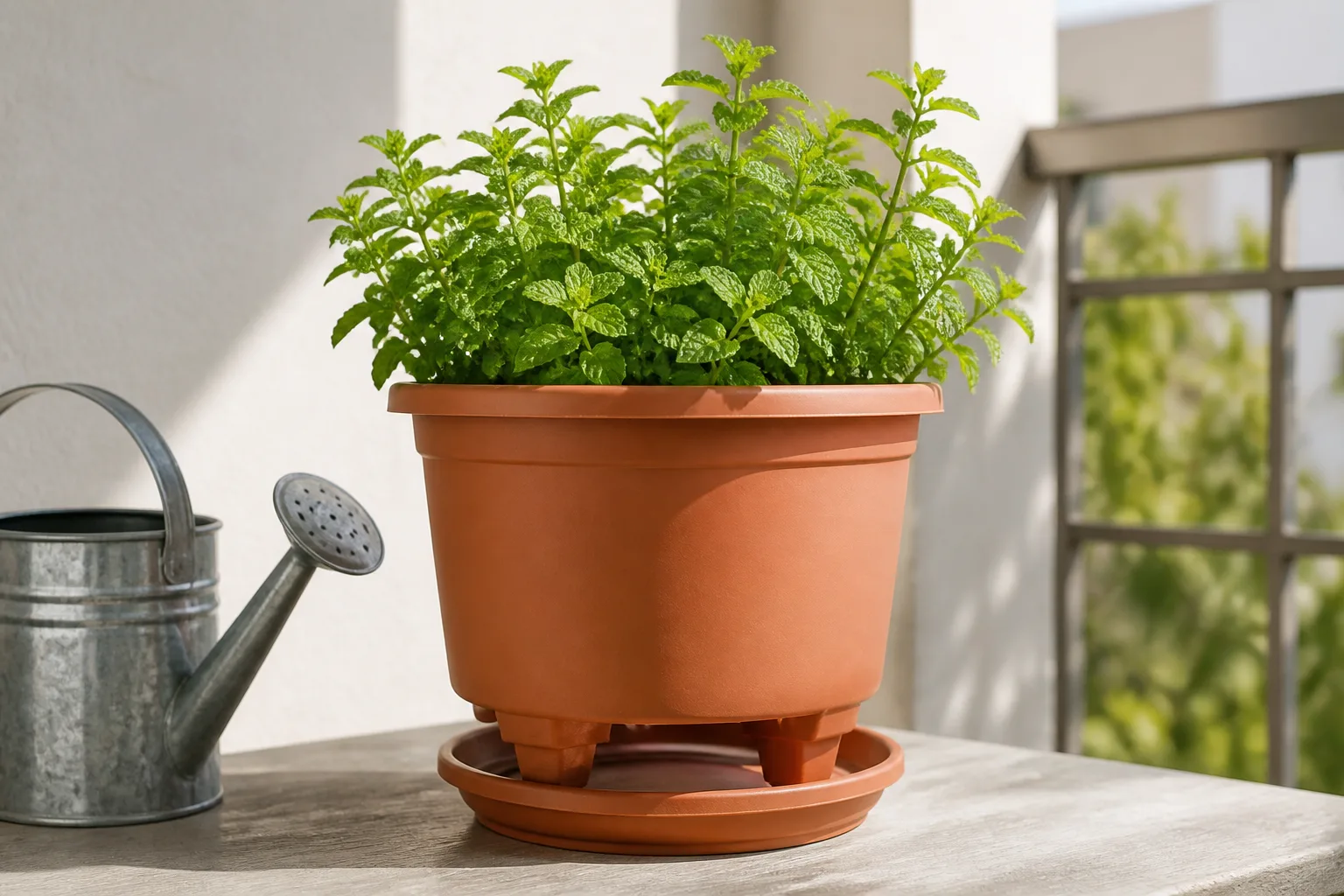
The most useful plant is one you can keep healthy, harvest, and place where it does not create cover. A neglected pot under a bench can become shelter; a neat container in a visible, clean location supports prevention.
Remove the Food, Water, and Shelter That Make a Yard Attractive
The CDC’s rodent-control guidance boils prevention down to removing food, water, and shelter, and that is the standard scent-based advice should support (CDC rodent control). Make the property boring to explore:
- Store grain, pet food, birdseed, and pantry items in thick plastic, metal, or glass containers with tight lids.
- Bring pet food and water bowls inside overnight, and clean crumbs as soon as they appear.
- Use thick garbage cans with tight lids, clean spills around them, and keep bags from sitting open beside the can.
- Move bird feeders away from the house and clean spilled seed beneath them.
- Empty standing water, repair dripping hoses, and avoid leaving watering cans full.
- Thin dense groundcover, stacked lumber, cardboard, and yard debris near the foundation.
- Keep grass and shrubs trimmed enough that you can see the foundation, vents, and door threshold.
Do this before judging whether a scent works. Otherwise, you are comparing an odor against a dependable meal and a safe nest, which is not a fair test.
Seal Entry Points and Use Traps When Activity Continues
Walk the outside of the building at dusk and inspect where pipes, cables, vents, doors, and foundations meet. Inside, check the basement, crawl space, attic, garage, under-sink cabinets, behind appliances, and any place where you have found droppings or gnaw marks. The CDC’s seal-up guide notes that mice can fit through a hole about the width of a pencil, so small gaps deserve attention even when you are looking for rats (CDC seal-up guidance).
Fill small openings with steel wool held in place with caulk, or use a repair material appropriate for the surface. Use hardware cloth, metal sheeting, lath screen, or cement for larger holes, and do not forget garages and outbuildings. Replace worn door sweeps and repair damaged vent screens; a scent cannot compensate for a gap that remains open every night.
If signs continue after access is reduced, use traps rather than waiting for the smell to solve the problem. CDC guidance recommends traditional snap traps placed where rodents travel, with the baited end against the wall, and says to keep traps and bait out of reach of children and pets. It also advises against glue and live traps and recommends professional help when trapping does not resolve the activity (CDC trapping guidance).
Treat Droppings and Nests as a Cleanup Problem, Not a Scent Problem
Do not sweep or vacuum dry rodent droppings, urine, or nesting material. The CDC warns that those actions can put contaminated particles into the air. Open doors and windows to ventilate a lightly affected space for 30 minutes, leave the area, then wear gloves and wet the material thoroughly with an appropriate disinfectant before wiping it up (CDC cleanup guidance).
For ordinary hard-surface cleanup, follow the disinfectant label and the CDC’s wet-contact time. Bag waste securely, wash gloved hands before removing the gloves, and wash bare hands afterward. Heavy infestations, contaminated insulation, inaccessible wall voids, and anyone who becomes ill after exposure are reasons to stop and contact a qualified professional or health department.
This is also when fragrance products become counterproductive. A pine, vinegar, or essential-oil smell can hide the odor that tells you whether activity is continuing. Clean and monitor first; add an optional scent only where it will not interfere with inspection.
Skip Mothballs, Indoor Ammonia, and Predator Urine
Several popular “rat smells” belong in a do-not-use section, not in a list of safe home remedies.
Mothballs are not a rat repellent. The National Pesticide Information Center identifies them as insecticides intended for clothes moths and says they are not wildlife repellents. Their fumes are meant to build up inside airtight containers; using them in an open attic, basement, or yard exposes people, pets, and wildlife to pesticide vapor (NPIC on mothballs). If mothballs are already loose in your home, follow the product label for removal and contact Poison Control or NPIC for exposure and disposal guidance.
Indoor ammonia is a bad trade. The smell may be irritating, but broadcasting ammonia around a home adds respiratory and eye exposure without closing a hole or removing a food source. Never mix ammonia with bleach or other cleaners.
Predator urine is not a dependable exclusion method. Cat urine or another animal’s waste can add contamination, strong odors, and a new cleanup problem. It does not guarantee that a rat will leave, and it is especially inappropriate around indoor living spaces, children, pets, food, and vegetable gardens.
When a product is sold as a pesticide or animal repellent, read the label. The label determines the allowed pest, site, concentration, and use pattern; a neighbor’s recipe does not.
A Seven-Day Plan for Testing a Scent While Closing the Route
If you have seen one rat outside but have no indoor signs, use this sequence:
Day 1: Inspect and photograph. Record where you saw the rat, then look for droppings, gnawing, burrows, spilled food, water, and shelter. Do not disturb droppings until you are ready to clean them safely.
Day 2: Remove the reward. Seal food and pet supplies, close trash, clean the feeder area, empty standing water, and clear the foundation edge. This is the step most likely to change repeat visits.
Day 3: Close obvious routes. Repair door gaps, screen vents, and seal holes around pipes and cables with suitable materials. Do not seal a hole while you can hear an animal trapped inside; get professional help if access is uncertain.
Day 4: Add one scent test. Choose one low-exposure, label-approved option for one defined outdoor zone. Do not combine eucalyptus, peppermint, ammonia, vinegar, and pepper in a stronger homemade mixture. One variable makes the result easier to interpret and safer to reverse.
Day 5: Check the reset triggers. Rain, irrigation, cleaning, and strong wind can erase the scent. Reapply only if the label allows it; otherwise, leave the area alone and check for new physical signs.
Day 6: Monitor, do not just smell. Look for fresh droppings, new gnaw marks, disturbed soil, tracks, or nighttime camera footage. A strong fragrance with fresh signs is a failed deterrent, not a success.
Day 7: Escalate if needed. If signs are new or continuing, set appropriate snap traps in protected locations or contact a licensed pest professional. If there are no new signs, keep the food, water, shelter, and exclusion routine in place; the scent was only a temporary assist.
Conclusion
Eucalyptus oil has the clearest direct evidence among these nine odors, while peppermint, lemongrass, pine, thyme, basil, garlic, onion, hot pepper, and vinegar are better treated as temporary, location-specific experiments with uneven support. Living herb plants can make a clean, visible entry area more pleasant, but they cannot seal a wall or outcompete an accessible food source.
For lasting control, remove food, water, and shelter, seal gaps with durable materials, monitor for fresh signs, and clean droppings safely. If rats are already inside or activity continues after exclusion, stop increasing the scent and move to traps or professional help.



