Hydrangeas Wilting in Heat? What to Do Next
Find out why hydrangeas wilt in summer heat, how to tell thirst from wet-soil stress, and what to do for containers, mulch, shade, and pruning.
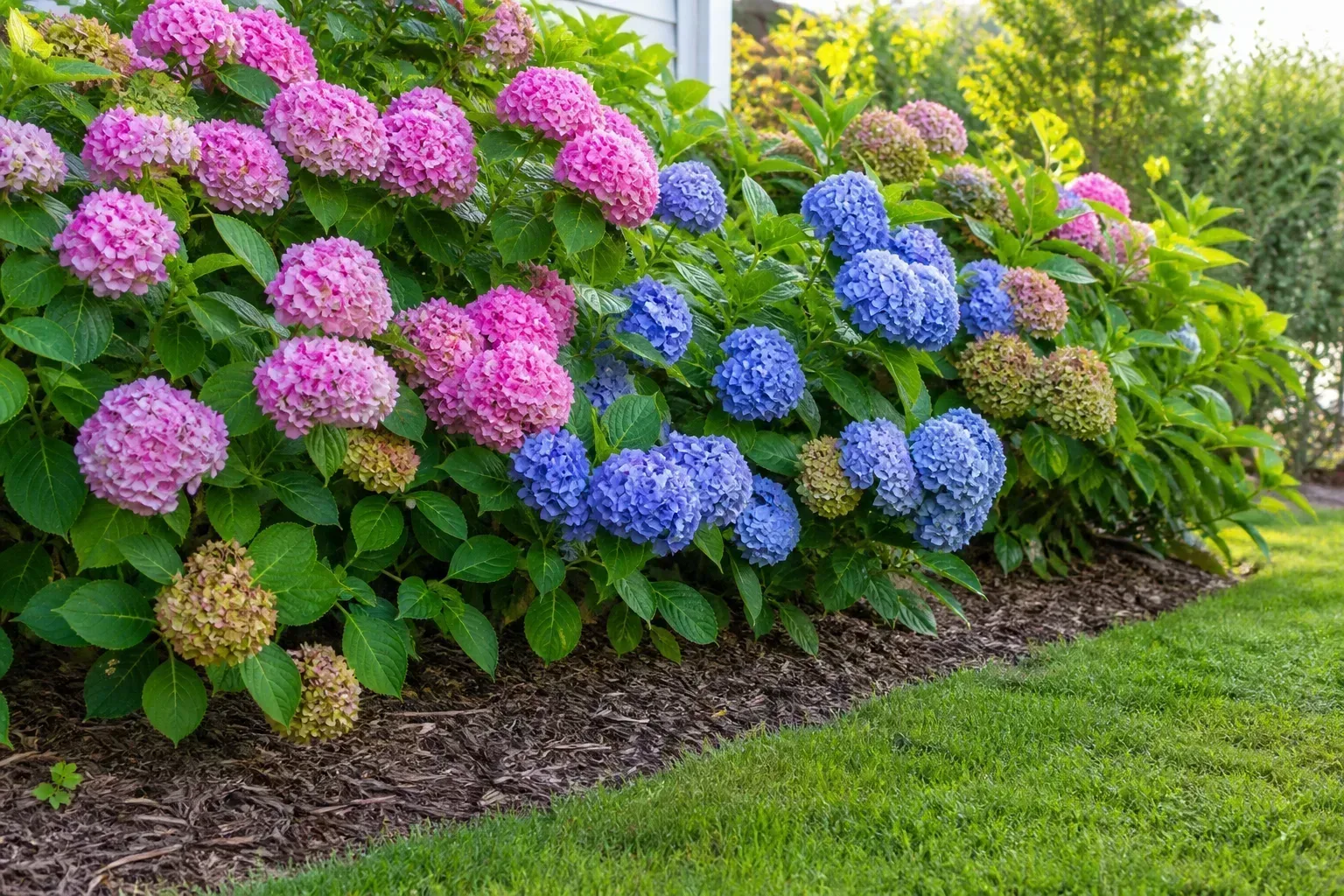
If your hydrangea looks dramatically droopy on a hot afternoon, resist the urge to water it on autopilot. Large hydrangea leaves lose moisture quickly in heat, and the plant may temporarily wilt to reduce that loss even when the soil around its roots is still damp.
The fastest way to make the right call is to check the root zone, not the leaves. If the soil is dry several inches down, water slowly and deeply. If it is cool and moist, give the shrub shade and time to recover instead of turning a heat problem into a drainage problem.
That distinction matters because hydrangeas prefer consistent moisture but not permanently saturated soil. The RHS growing guide for shrubby hydrangeas recommends moist soil that drains well, light shade where possible, and extra water during prolonged dry spells—not a permanently wet root ball.
Do This First: Check Soil Before You Water
Walk out to the plant and look at the time of day, the soil surface, and the newest leaves. A shrub that droops only during the hottest part of the afternoon but stands up again in the evening is often experiencing temporary heat stress. A shrub that stays limp overnight needs a closer diagnosis.
Push a finger, wooden plant label, or narrow trowel into the soil about 2 to 4 inches from the stems and several inches deep. The surface can look dry while the root zone is moist under mulch, so check below the crust. If the soil feels cool and holds together lightly, skip the extra watering for now; if it is dusty, loose, and dry at that depth, water.
Also check whether recent water actually reached the roots. Water running down a slope, beading on hydrophobic soil, or disappearing through a narrow channel beside the root ball can leave a plant thirsty despite a wet-looking surface. In that case, apply water in two or three slow passes, allowing each pass to soak in before adding the next.
This quick sequence keeps the decision simple:
- Dry root zone: water deeply at the soil line, then recheck later.
- Moist root zone and afternoon-only wilt: provide shade and reduce heat load.
- Wet soil and persistent wilt: stop adding water and inspect drainage, roots, or disease symptoms.
Do not use a fixed number of gallons or a calendar interval as your only rule. Soil type, root size, rainfall, wind, container material, mulch, and afternoon exposure can change how quickly a hydrangea uses water.
Why Heat Makes Hydrangeas Wilt Even in Damp Soil
Wilting is a water-balance symptom, not a diagnosis. In hot, bright, or windy weather, leaves can lose water faster than the roots can replace it for a few hours. The stems and leaves lose firmness, so the foliage hangs even though the ground has not dried out.
This is especially noticeable on bigleaf hydrangeas, including mopheads and lacecaps. Their broad leaves and large flower heads create a high moisture demand, while intense afternoon sun increases the heat load. The RHS notes that traditional mophead and lacecap types are among the hydrangeas most vulnerable to drought and heat, while panicle hydrangeas generally cope better when grown in moisture-retentive soil. Its recent guidance also emphasizes that shade, deep watering, and mulch work together during hotter, less predictable summers. See the RHS discussion of hydrangeas in hotter summers for the variety and placement context.
A plant can therefore be “hydrated” in the soil and still look wilted at 3 p.m. The roots may be supplying water as fast as they can, but the leaves are temporarily losing it faster. When the sun drops and the air cools, the balance improves and the leaves may lift without another drink.
Heat stress becomes more serious when the soil is actually dry, the plant is newly planted, the root ball is cramped in a pot, or a hot wind is stripping moisture from the leaves. It also becomes more damaging when the shrub is repeatedly exposed to heat long enough for leaf edges and flower heads to scorch. The goal is not to keep every leaf perfectly upright every hour; it is to keep the root zone evenly moist, cool, and well oxygenated.
How to Tell Heat Wilt from True Thirst
Look for a pattern over several hours rather than judging the shrub at one dramatic moment. Heat wilt, underwatering, and overwatering can all cause limp leaves, but the soil and the timing usually separate them.
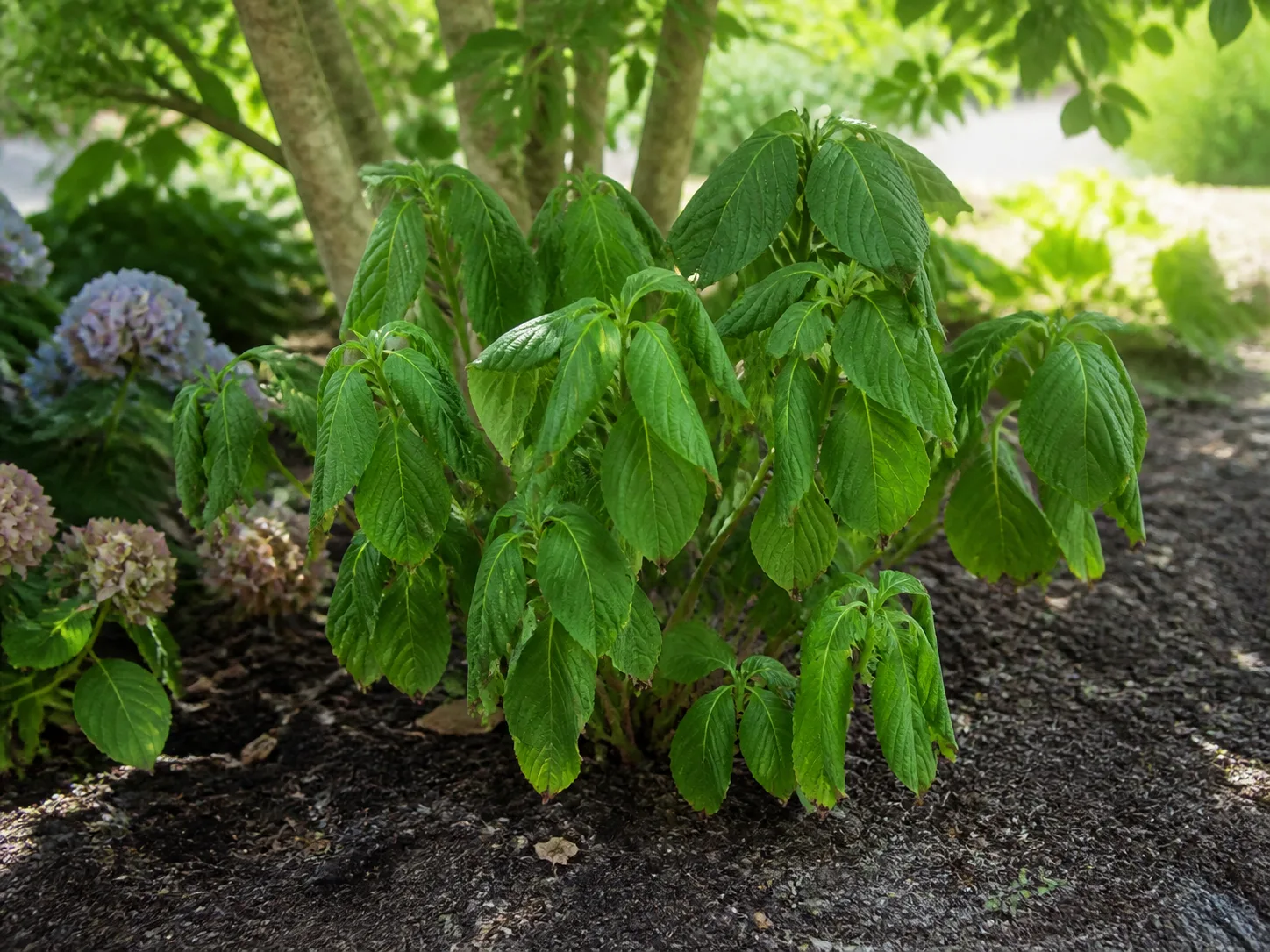
Signs of heat and sun stress
Heat stress usually appears during the hottest, brightest hours and is most obvious on the side facing the afternoon sun. Leaves may hang or curl slightly while remaining mostly green and flexible. The plant may look much better in the evening or the following morning, especially after a cooler night.
Brown, papery margins or patches on the sun-facing leaves point to leaf scorch layered on top of heat stress. Those damaged areas will not turn green again, but protecting the remaining foliage can keep the injury from spreading. Faded flower color, drooping flower heads, and a shrub that wilts beside a hot wall or paving are additional clues that heat load—not just thirst—is involved.
If the soil is moist and the plant recovers overnight, do not keep adding water to correct the afternoon appearance. Move a container to dappled shade, use temporary overhead shade for a vulnerable in-ground plant, or plan a future move to morning sun and afternoon protection.
Signs of underwatering
True thirst is more likely when the soil is dry below the surface, the pot feels unusually light, or water poured on top runs away without wetting the root ball. Leaves can become soft, curled, and less resilient, and the whole plant may remain wilted into the evening rather than recovering as the temperature falls.
A thirsty hydrangea often perks up after a thorough soak, but that response is not a reason to water shallowly every day. Water at the soil line until the root zone is thoroughly moistened, pause to let it absorb, and repeat if the soil is very dry. For a container, water until a little drains from the bottom, then empty any saucer so the pot is not left standing in water.
Newly planted shrubs deserve special attention because their roots have not yet explored the surrounding soil. A plant can have damp soil in the original root ball but dry soil just outside it, or the reverse. Check both areas during the first hot season instead of assuming the root ball and garden soil are behaving as one continuous reservoir.
Signs of overwatering or poor drainage
Overwatered hydrangeas may wilt even while the soil feels wet. Saturated pore spaces contain less air, and stressed roots cannot function normally. Brown leaf edges, yellowing or dropping leaves, a sour smell, algae on the soil, and water that remains in the planting hole long after irrigation all justify a pause before you water again.
Persistent wilt with wet soil is different from a brief afternoon droop. Check whether a downspout, low spot, compacted clay, or blocked container hole is keeping the root zone saturated. If the problem is in a pot, lift it to confirm that the drainage holes are open and that the container is not sitting in a full saucer.
Do not try to “flush out” a soggy hydrangea with more water. Improve drainage, let excess moisture leave, and watch the newest growth. If stems are collapsing, roots are dark and mushy, or the plant continues to decline after the soil drains, take a closer look for root damage and consider local extension advice.
A 30-Minute Rescue Sequence for a Wilted Hydrangea
The best rescue is controlled and reversible. Start with shade and a moisture check, then water only if the evidence points to a dry root zone. This approach protects a stressed plant from both heat and the common overcorrection of repeated shallow watering.
Move or shade the plant during the hottest hours
For a potted hydrangea, move the entire container into bright dappled shade, not a dark indoor room. A spot beneath a tree canopy, beside a north- or east-facing wall, or under a breathable shade structure can reduce afternoon heat without removing all useful light.
For a shrub planted in the ground, provide temporary overhead shade during an extreme heat spell if the plant is newly planted or visibly scorching. Keep the cover above the foliage so air can move around the leaves, and secure it against wind. Do not wrap the shrub tightly in plastic or drape heavy fabric directly on the leaves.
Shade is first aid, not a substitute for a suitable site. Once the heat wave passes, note where the afternoon sun reaches the plant. If it wilts repeatedly in the same location, the long-term fix is likely a better microclimate, more moisture-retentive soil, or a hydrangea type better matched to the site.
Water deeply only when the root zone is dry
Use a hose with a gentle flow, a watering wand, or drip irrigation aimed at the soil rather than the foliage. Start near the outer edge of the canopy and work around the plant so water reaches the area where active roots are growing, not just the base of the stems.
If the soil is very dry, water in stages. A fast flood can run off compacted or sloped ground, while a slow application lets water move into the root zone. After the first pass has soaked in, test the soil again several inches down. Stop when the root zone is evenly moist, not when the surface becomes muddy.
Morning is a practical time for routine watering because the plant has the day to use the moisture, but do not delay an urgently dry plant until the next morning. During a heat wave, the condition of the roots matters more than following a perfect clock. Avoid frequent light sprinkles that wet only the surface; they encourage a shallow moisture pattern and can leave deeper roots dry.
Cool the root zone with correctly applied mulch
Once the soil is moist but draining, apply a 2- to 3-inch layer of organic mulch such as shredded bark, arborist chips, or leaf mold over the root zone. Extend the ring beyond the stems but keep it several inches away from the base of the plant. A mulch volcano traps moisture against bark and creates a sheltered, humid surface where problems can multiply.
Mulch reduces evaporation and moderates swings between hot and cool soil. It is most helpful when paired with deep watering and good organic matter; it cannot repair a blocked drain or compensate for a hydrangea planted in a heat-reflecting pocket. The practical mulch guidance from Savvy Gardening also cautions that 2 to 3 inches is enough and that mulch should not be piled against the plant.
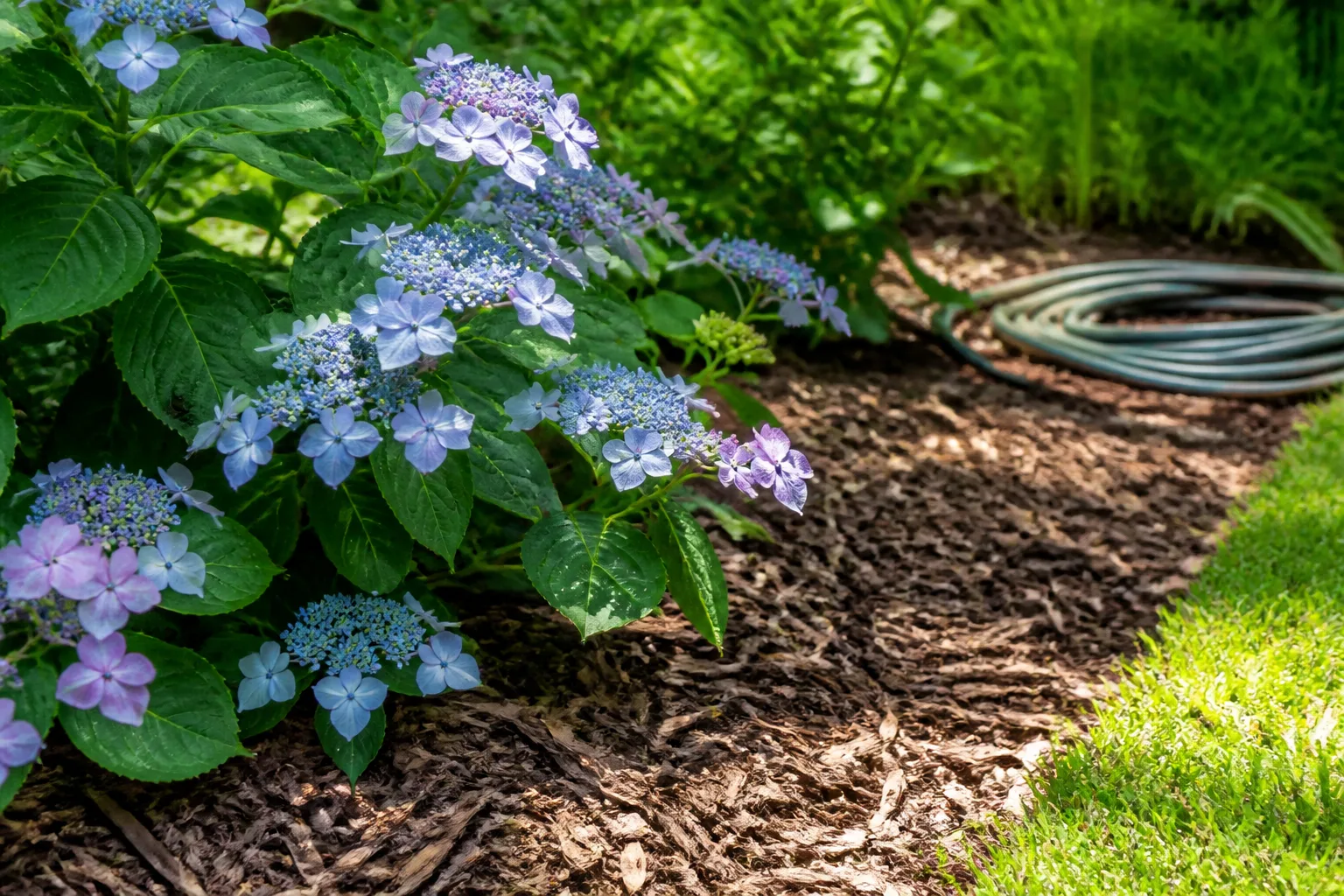
Adjust Care for Containers, New Plants, and Mature Shrubs
The same drooping leaves can mean different things depending on the plant’s root environment. A hydrangea in a black nursery pot on hot paving has a much smaller and hotter reservoir than a mature shrub planted in deep soil beneath a tree.
Container hydrangeas dry faster
Check containers at least once during a hot spell, and check small pots or exposed pots more often. Do not water just because the leaves droop; feel the mix several inches down and lift the pot if you can. A container that is light and dry needs a thorough soak, while a heavy pot with wet mix needs shade and drainage rather than more water.
Move the pot away from reflective walls, metal railings, and dark paving during the hottest part of the day. A larger container with drainage holes and a moisture-retentive but open potting mix is more forgiving than a cramped root ball in a small pot. If roots circle densely around the inside of the container or the mix has shrunk from the sides, plan repotting for a mild period rather than attempting it during the worst heat.
Never leave a potted hydrangea standing in water. Empty the saucer after irrigation, raise the pot on feet if the surface beneath it stays wet, and confirm that the drainage holes are not sealed by roots or compacted mix. The RHS specifically recommends moving container-grown hydrangeas to a shadier place in summer and checking their moisture regularly.
Newly planted shrubs need closer checks
A first-year hydrangea has a limited root system and can wilt much sooner than an established shrub. Water the root ball and the surrounding soil slowly, especially if the plant was installed during warm weather. Check beneath the mulch, but also feel the soil near the outside edge of the original root ball so you know whether water is spreading outward.
Keep a new plant shaded from the harshest afternoon sun while it establishes if the variety is a bigleaf, lacecap, or mountain hydrangea. Do not fertilize a heat-stressed new planting to force recovery; fertilizer does not replace water-absorbing roots and can add salt stress when the plant is already struggling.
Established shrubs may still need heat-wave irrigation
Mature roots make a hydrangea more resilient, but they do not make it drought-proof. Long dry spells, competition from lawn or tree roots, hot wind, and shallow soil can still push an established shrub past its water supply. The RHS advises watering mature hydrangeas during hot, dry spells and using organic mulch to help soil retain moisture.
Water the full root zone rather than placing a hose against the trunk. If the shrub improves after deep irrigation but wilts again every afternoon, solve the repeated heat load with shade or a site change instead of increasing the watering frequency indefinitely.
Should You Prune a Hydrangea That Wilts in Heat?
Usually, no. Heat wilt is not a pruning signal, and removing healthy stems during a hot spell reduces the leaf area that can support recovery. First provide the right moisture and temperature conditions, then remove only material that is clearly dead, broken, or a safety hazard.
The exception is a panicle or smooth hydrangea that has extensive, truly dead growth after the stress has passed and is being pruned in its normal seasonal window. Those types flower on new wood and tolerate harder spring pruning better than bigleaf, mountain, or oakleaf hydrangeas. Even then, pruning should be guided by the plant’s growth type and timing, not by a single afternoon of drooping.
Bigleaf, lacecap, mountain, and many oakleaf hydrangeas flower on old wood, so aggressive cutting can remove next year’s flower buds. The Savvy Gardening pruning overview explains the old-wood and new-wood distinction, while the RHS guide recommends light, correctly timed pruning for old-wood types and early-spring pruning for panicle and smooth hydrangeas.
If only a few leaves are scorched, leave them until the heat passes unless they are completely dead or interfering with inspection. The brown tissue will not recover, but it still contributes some energy while it remains partly green. Once new growth is stable, you can tidy dead leaves or spent flowers without turning a temporary weather problem into a bloom problem.
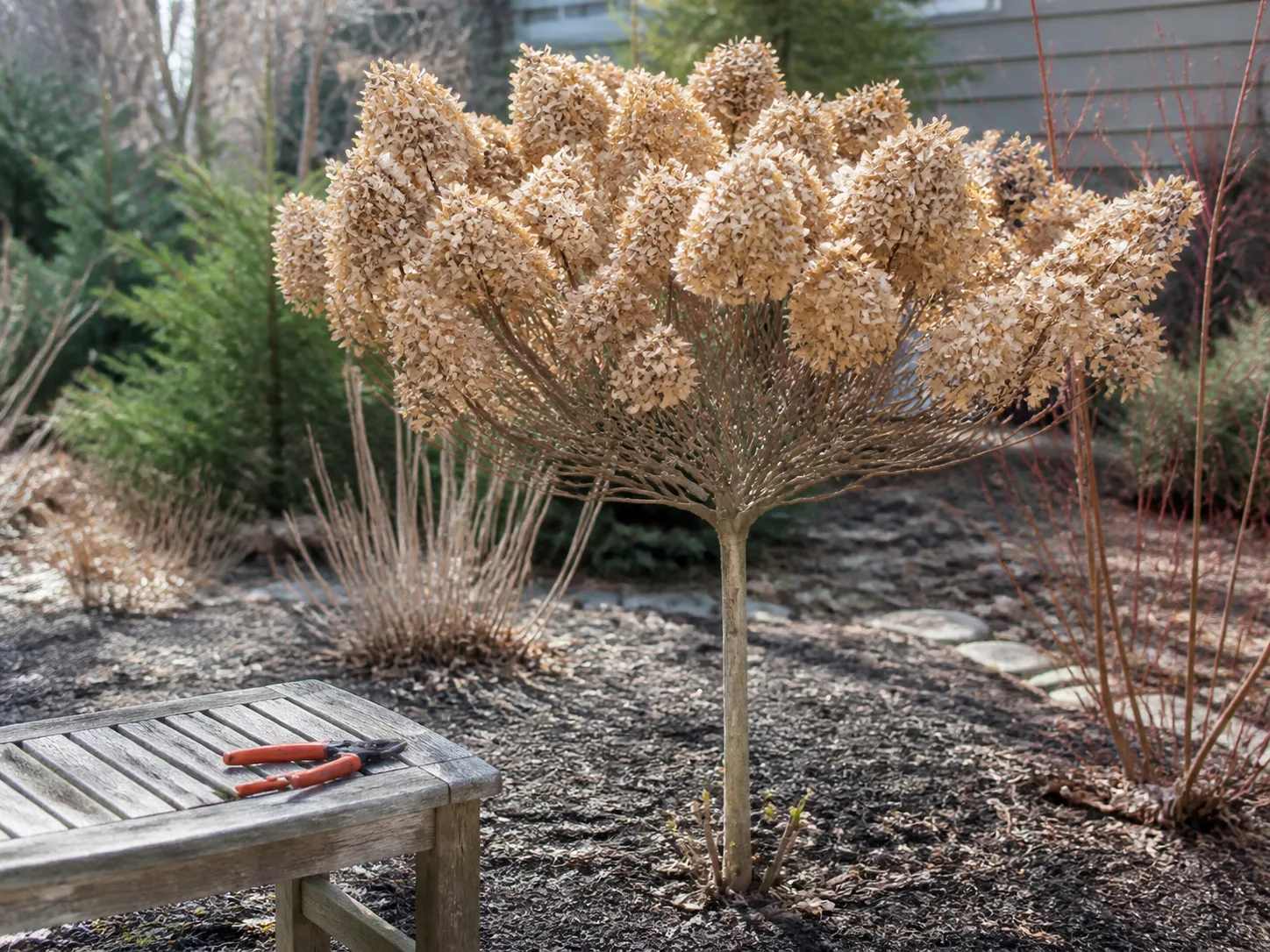
When Wilting Means a Root Problem or Disease
Heat is the most likely explanation when wilt is limited to hot afternoons and the plant improves overnight. Look beyond heat when the shrub stays wilted through cool hours, declines despite evenly moist soil, or develops symptoms that do not match sun exposure.
Poor drainage is the first check. Dig or probe near the root zone after irrigation to see whether water is sitting in a compacted layer. A hydrangea can have access to plenty of water and still wilt when its roots are damaged by prolonged saturation. Redirect downspouts, open blocked drainage, or move a container onto a surface where excess water can escape.
Next, inspect the stems and leaves. Leaf scorch is usually tan or brown and crisp at exposed edges. Spotting, fuzzy growth, rapidly expanding lesions, stem cankers, insect clusters, or a problem concentrated on only a few branches suggest a separate issue. Avoid treating a heat-wilted shrub with fungicide or fertilizer until you have a reason; unnecessary products can add stress and obscure the pattern.
Root loss, construction damage, girdling roots, or a recently disturbed root ball can also reduce water uptake. If the plant is valuable and the cause remains unclear, take photos of the whole shrub, a close-up of the leaves, and the soil condition to a local extension office or qualified horticulturist. A precise diagnosis is more useful than cycling through extra water, pruning, and sprays.
Choose Better Placement and Varieties for Future Heat
The most durable hydrangea is the one matched to the site. Light shade, morning sun with afternoon protection, deep organic soil, and a mulch ring create a wider margin for error than a south- or west-facing location beside pavement. The Gardeners World profile for bigleaf hydrangea describes the ideal balance as moist but well-drained soil with full sun to partial shade, but a hot climate can make that “full sun” exposure much harsher than the label suggests.
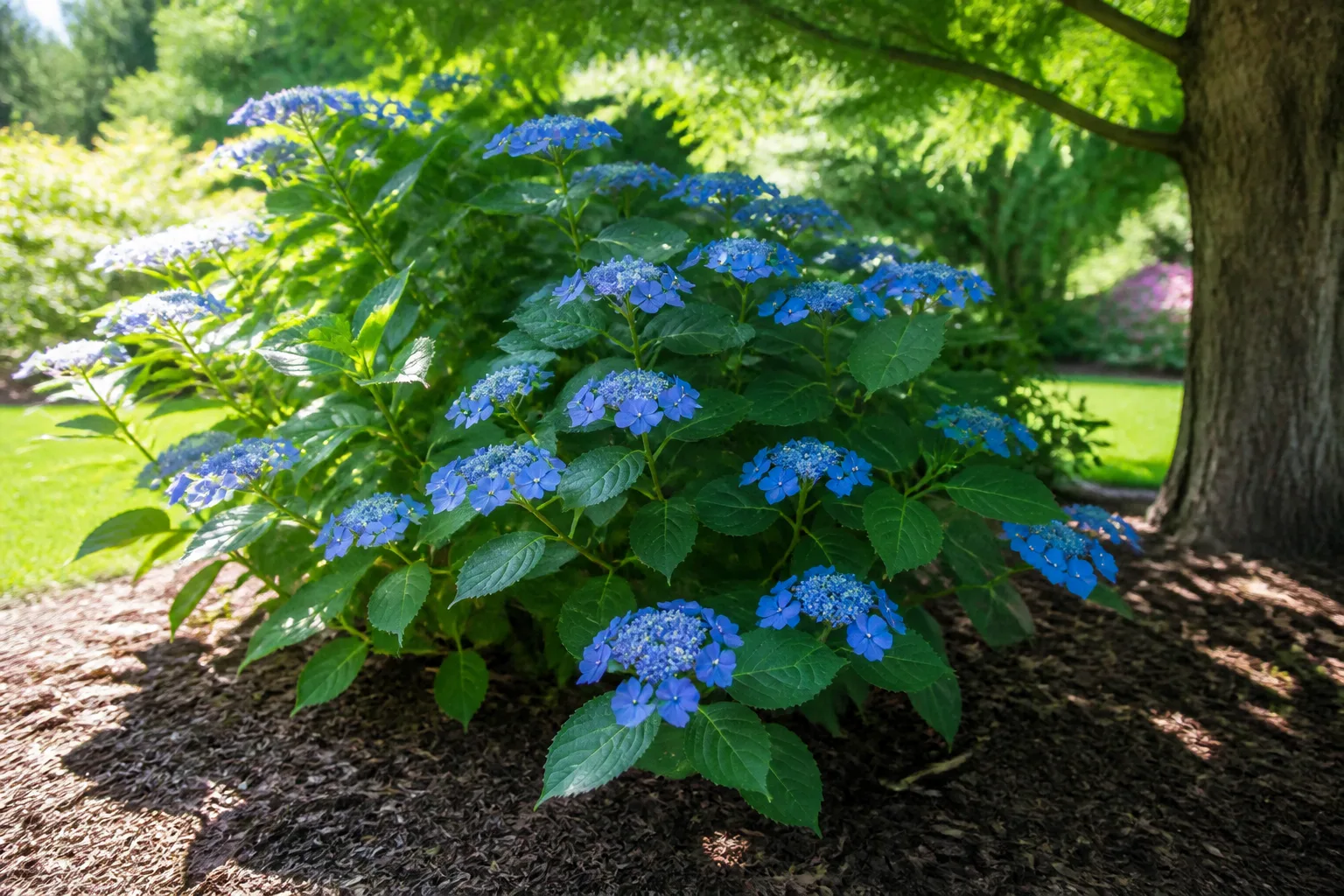
When choosing a hydrangea for a hot site, compare species rather than relying on the common name alone. Bigleaf and mountain hydrangeas are often the first to show stress in intense heat. Panicle, oakleaf, and smooth hydrangeas are generally more adaptable to sun or dry periods, but every plant still needs establishment water and soil that holds moisture without staying saturated. The Gardeners Path hydrangea guide is useful for comparing growth types and pruning categories, but local cultivar performance and your soil should make the final decision.
If a hydrangea wilts in the same place every summer despite sensible watering, treat that as site information. Move a container, transplant an in-ground shrub during a cool dormant period, add afternoon shade from a compatible tree or structure, or replace it with a type better suited to the exposure. A one-time site correction is often less work—and uses less water—than nursing a poorly matched shrub through repeated heat waves.
Conclusion: Aim for Cool Roots, Not Constantly Wet Soil
When hydrangeas wilt in hot weather, check the soil before you reach for the hose. Dry soil calls for a slow, deep soak; moist soil calls for shade and monitoring; wet soil calls for drainage troubleshooting. That three-way decision prevents the most common mistake: treating every wilt as thirst.
Protect the plant’s root zone with correctly applied mulch, give containers and new plantings more frequent checks, and delay pruning until you know the hydrangea’s type and season. The aim is consistent moisture, cool roots, and enough air around the roots—not a shrub that is kept constantly wet.



