How to Move Houseplants Safely to a New Home
Learn what to do with houseplants when moving: check state rules, pack pots, control temperature, transport them safely, and settle them after arrival.
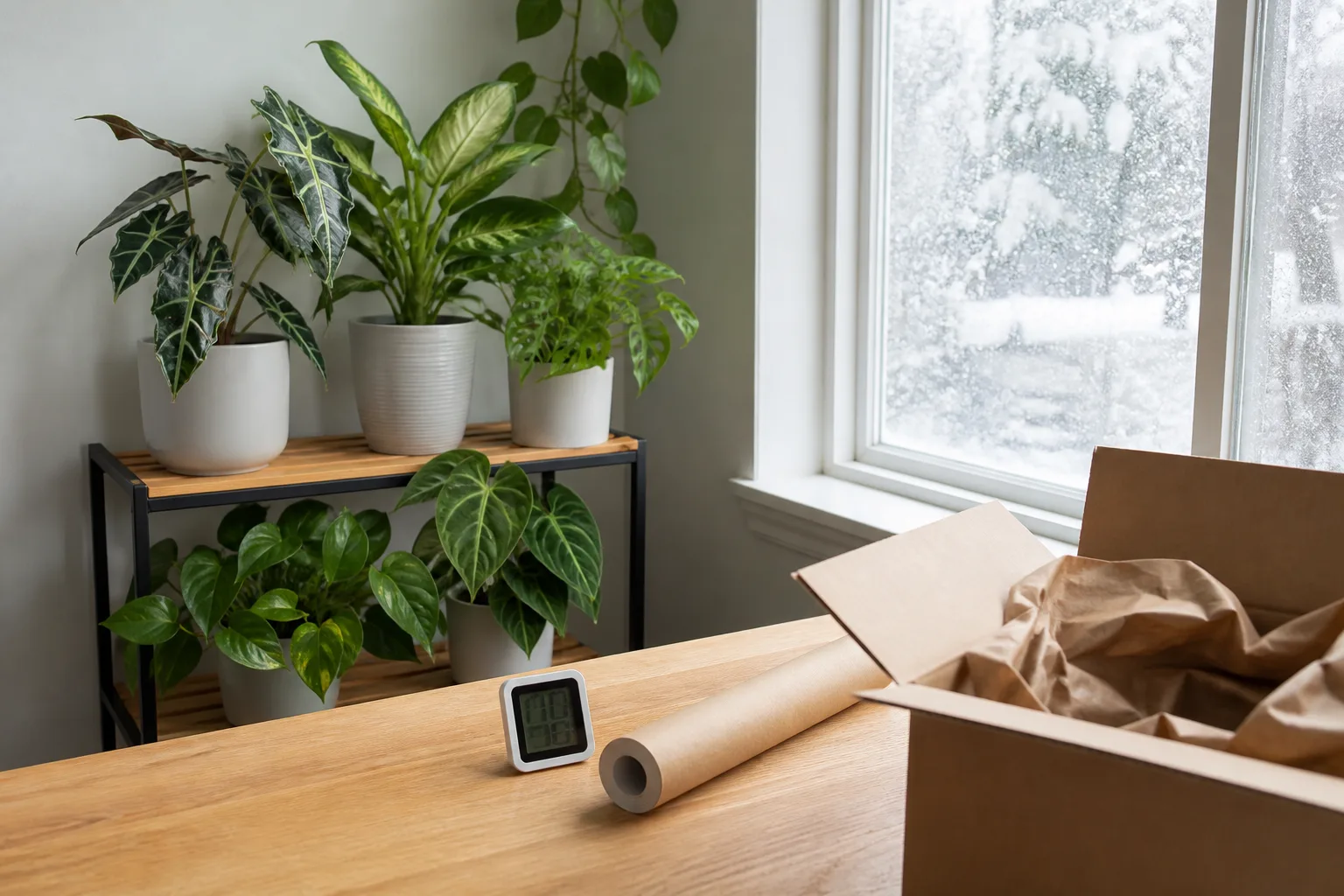
The safest answer to what to do with houseplants when moving is simple: keep them under your control, keep the root ball contained but not waterlogged, and make them the last thing loaded and the first thing unpacked. A personal vehicle is usually easier to manage than a moving truck because you can control temperature, airflow, stops, and handling.
The details matter, though. A two-day-old pothos in a plastic nursery pot has very different needs from a top-heavy fiddle-leaf fig in ceramic, a dormant cactus, or a plant crossing a state line. Use the plan below to decide what travels, how it is packed, and when a stressed plant needs help rather than another round of changes.
Start with a move-day triage
Before buying boxes, make a quick inventory. Record the plant’s name if you know it, pot diameter, approximate height, whether it is healthy, and whether it can fit in your vehicle without being crushed. Photograph valuable or sentimental plants before packing; the pictures help you compare damage after the move and give you a backup record if you decide to take a cutting.
The best order of decisions is legal, biological, logistical. First confirm the plant can enter the destination. Then check whether it is healthy enough to travel. Only after that should you choose a box, basket, vehicle space, or fallback plan.
Decide which plants make the trip
Divide the collection into four groups: definite keepers, easy-to-replace plants, plants needing special handling, and plants that should not travel as whole specimens. Make the decision before moving day, when sentiment and time pressure are most likely to turn a small collection into an unsafe load.
Healthy, compact houseplants in plastic pots are the easiest candidates. A large plant may still be worth moving if it fits securely in the passenger area, but a six-foot specimen that blocks the driver’s view, cannot stay upright, or must spend hours in an uncontrolled trailer is a poor transport candidate even if it is precious.
Put visibly infested, diseased, or severely declining plants in a separate “decide later” group. Do not use moving day to spread a pest from one room to another or to introduce it to a new collection. For a rare plant, a clean stem cutting can be a more realistic insurance policy than transporting a damaged root ball.
Check the rules before packing
Local moves within one state are mostly a handling problem. Interstate moves add a plant-health problem: destination states can restrict plant species, soil, pests, or outdoor-grown material, and the rule can change with the route and the type of plant.
The California Department of Food and Agriculture’s houseplant FAQ is a useful example of why a generic “just take your plants” answer is unsafe. Its guidance describes eligible houseplants as privately owned, indoor-grown plants in sterile, packaged commercial potting mix, and says plants should be free of visible pests and disease. It also specifically warns about citrus, pines, and fruit and nut trees, which can fall under separate quarantines.
Do not assume that a plant sold as a houseplant automatically meets every state’s entry requirements. Before packing, search the destination state’s agriculture or plant-health department for “bringing plants into [state]” and check any state you will cross if the route involves a regulated pest area. California’s plant transport page directs travelers to its Pest Exclusion Branch; for other destinations, locate the equivalent agency and ask about the exact species, soil, and pot.
If you are moving internationally, pause the plan until you have checked the destination country’s official plant-import authority. A plant that is easy to carry can still require inspection, a certificate, bare roots, or a permit. Never hide plants or soil from an inspector, and do not rely on a moving company to know the agricultural rules for your particular route.
Two to three weeks before moving
This is the time to reduce avoidable problems, not to force dramatic growth. A plant that is hydrated, pest-free, and in a stable container will handle a short period of dimness and movement better than one that is already swinging between drought and saturation.
Stabilize, prune, and pest-check
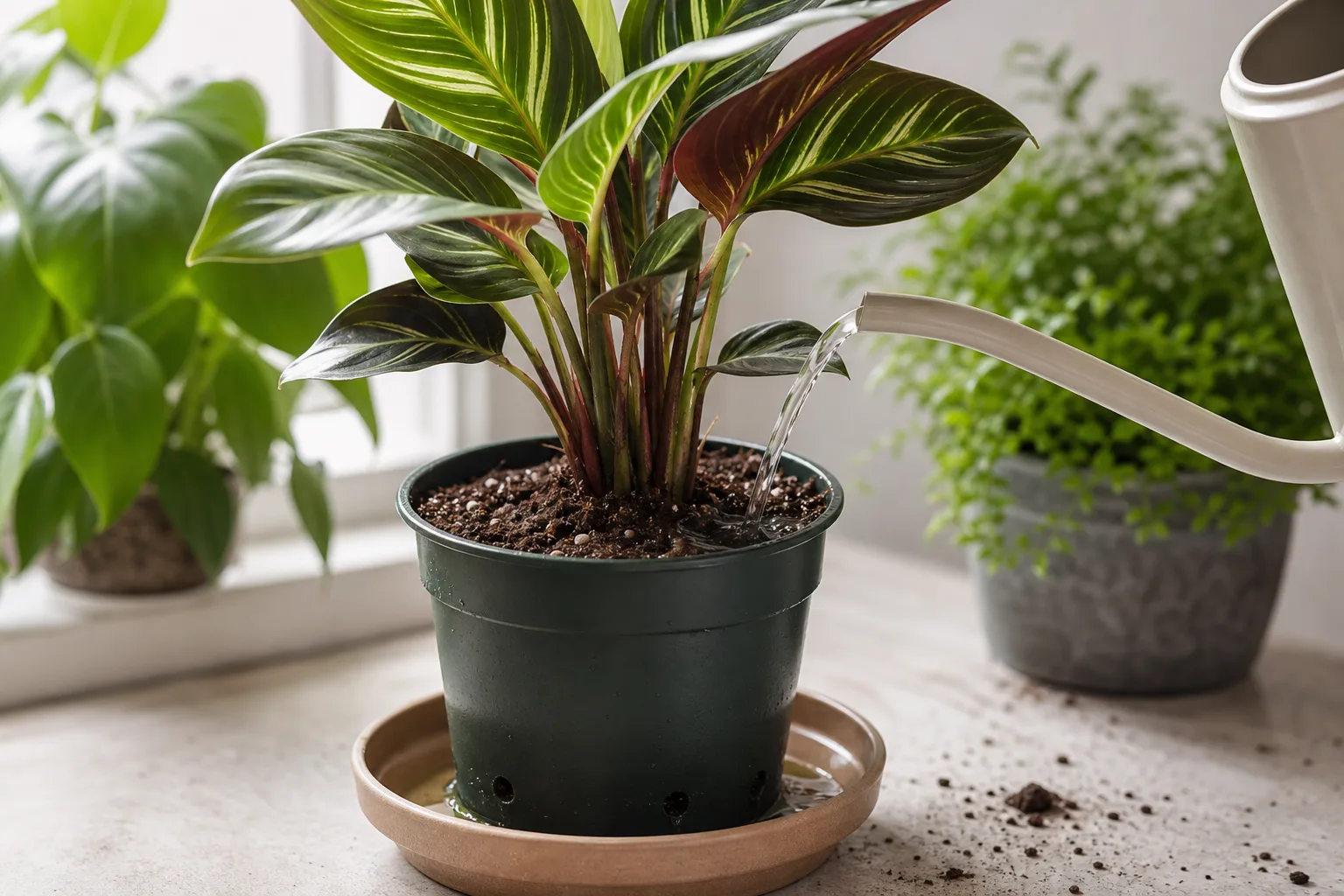
If a plant lives in a heavy ceramic or terracotta pot, consider moving the plant into a similar-sized plastic nursery pot and transporting the decorative container separately. Do this at least a couple of weeks before moving, not the night before; repotting breaks fine roots, and the plant needs time to settle. Keep the original soil depth and use a container with a drainage hole rather than placing the root ball in a sealed decorative pot.
Remove dead leaves, brittle stems, and growth that is already broken. Do not give a healthy plant a severe haircut just to make it smaller: removing a large amount of living foliage can add another stress at the same time as the move. For a tall plant, a loose support stake or a soft tie can keep stems from folding, while a light paper sleeve or clean sheet can keep branches together without sealing the foliage.
Inspect both sides of every leaf, the leaf axils, stems, pot rim, saucer, and soil surface. Look for webbing, stippling, sticky residue, cottony clusters, scale-like bumps, fungus gnats, or a musty root-zone smell. The Gardening Know How guide on taking plants to a new home makes the important broader point that pests and diseases can create legal as well as horticultural problems across state lines.
Treat an active infestation before travel if possible, following the product label for the plant and pest. If the problem is uncertain, isolate the plant and ask a local extension service, nursery, or plant-health office for identification. Do not spray an unknown product immediately before sealing leaves in a box; wet foliage, trapped residue, and poor airflow can create new damage.
Two to three days before moving
The goal is a root ball that is hydrated enough to tolerate the journey but not so wet that it leaks, adds unnecessary weight, or sits in low-oxygen soil. A fixed rule such as “water everything the day before” ignores the difference between a fern, a pothos, a cactus, and a plant whose mix is still damp.
Water for a moist—not soggy—root ball
Check the mix at the plant’s normal watering depth. If it is already damp, do not add water simply because the move is coming. If it is genuinely dry and the species is due for water, water thoroughly until excess drains, then empty the saucer and give the pot time to stop dripping before you pack it.
For many tropical foliage plants, watering two or three days before departure is a useful starting point. The timing comes from practical moving guidance such as Charleston Crafted’s packing method, but treat it as a starting point rather than a command. A large plastic pot may still be wet after several days; a small terracotta pot may be dry sooner.
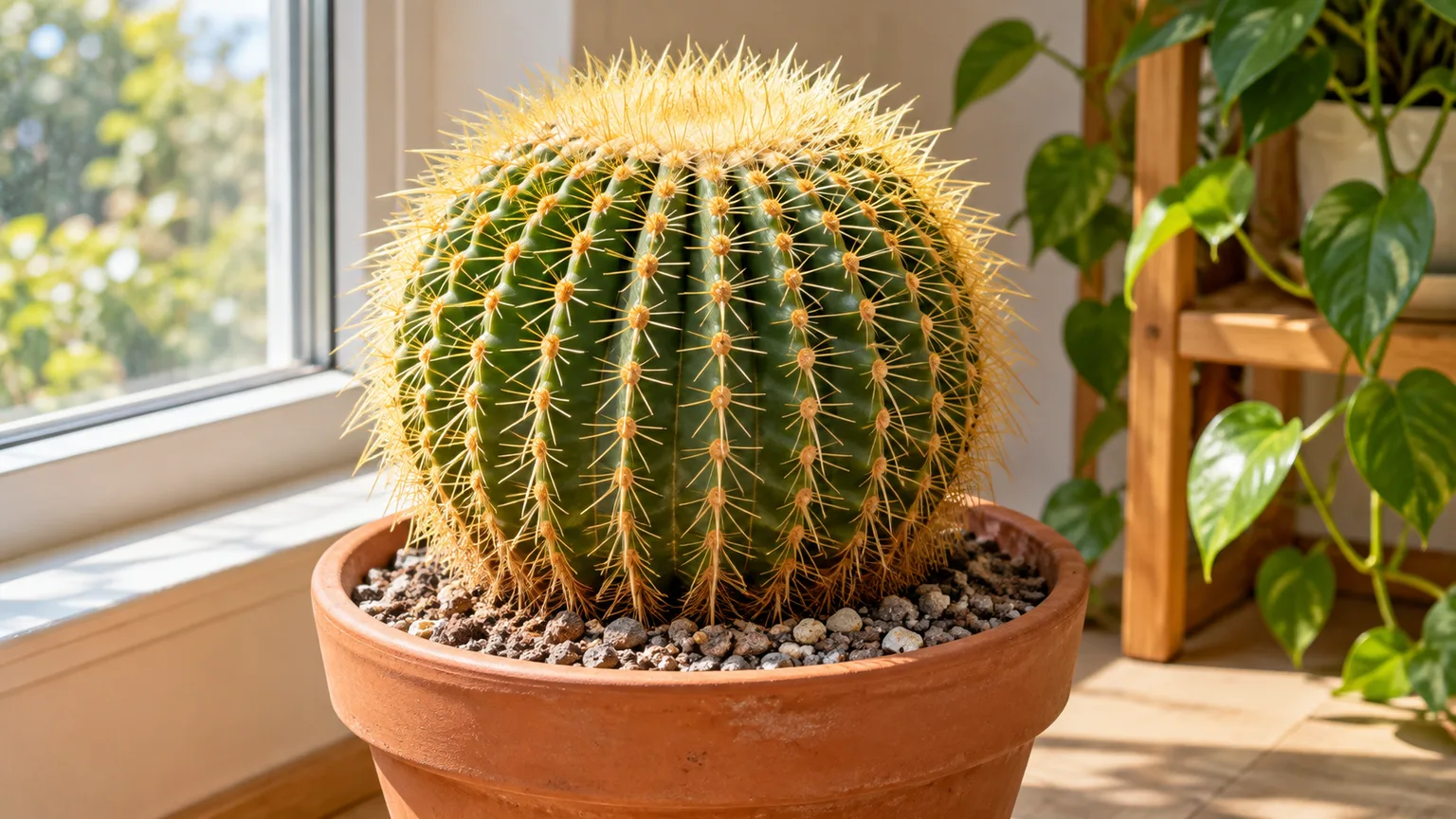
Succulents and cacti are the main reason not to water on autopilot. If a plant normally spends weeks between drinks, do not give it an emergency soaking that makes the pot heavy and vulnerable to cold, rot, and spills. Water according to the plant’s established cycle, and favor a dry, secure journey over a wet one.
Avoid fertilizer, rooting products, and “tonics” before departure. They do not protect a plant from a hot car or a broken stem, and concentrated salts in a wet root zone can make recovery harder. Moving day is for stability; feeding can wait until the plant has resumed active growth.
Pack pots so soil stays put
Packing has two separate jobs: contain the soil and protect the foliage. Plastic around the pot is useful for the first job, but plastic wrapped tightly around leaves is a humidity trap and a suffocation risk. Keep the root-zone cover low and leave the top of the plant open whenever possible.
Gather sturdy boxes or washable plastic crates, packing paper, towels, cardboard dividers, rubber bands or twine, painter’s tape, a marker, a hand truck for heavy pots, and a sheet or plant sleeve for tall foliage. Avoid loose shredded paper that can lodge in damp leaves, and do not use a box that is already soft, crushed, or too tall to carry safely.
Small and medium plants
For a plant in a light plastic pot, follow this sequence:
- Let the surface of the mix become stable and remove any water from the saucer.
- Place a loose plastic bag over the pot and soil, keeping the stem outside the bag. Secure the bag around the pot with a rubber band or twine; do not cinch it around the stem.
- Put the pot in a box or crate that is only slightly larger than the container. The pot should sit flat, not on a mound of paper.
- Fill the gaps around the pot with crumpled paper, towels, or cardboard dividers so the container cannot slide or tip.
- Keep leaves from being pressed against a neighboring plant. The pots can be close; the foliage still needs a little breathing room.
- Mark the container LIVE PLANTS — THIS SIDE UP and write the room or owner on the outside so it is not buried among household boxes.
Produce boxes, milk crates, and laundry baskets can work for local moves because they have rigid sides and handles. A cardboard box needs ventilation holes if it will be closed, but holes do not make a sealed carton safe for hours in a hot vehicle. Load it upright, keep the lid open when practical, and never stack a heavy box on top.
Small pots are often damaged by the empty space around them rather than by the journey itself. Use a shallow tray with dividers, a clean cake pan, or a compartmented bottle box to prevent a collection of tiny pots from knocking together. Wrap fragile ceramic separately; bubble wrap around a pot protects the container, but it should not be wrapped tightly around the plant.
Large or top-heavy plants
Large plants need a stable base, a protected canopy, and a route through doors before they need a box. Measure the plant and doorway, remove the decorative cachepot if possible, and decide where it will sit in the vehicle before you lift it. A top-heavy pot that looks secure on a living-room floor can tip on a ramp or during a hard turn.
Place the pot in a wide plastic tub, crate, or box with the base blocked on several sides. Pad around the container, not directly against delicate stems, and use a stake or soft ties to stop long stems from whipping around. For a broad canopy, loosely gather branches with a clean sheet or breathable sleeve; if leaves are bent against a roof or window, the package is too small.
Do not lay a plant sideways unless its structure and potting mix make that unavoidable. If it must travel on its side, secure the soil cover, protect the crown and stems, keep the canopy from carrying the pot’s weight, and return it upright as soon as possible. A plant that cannot fit without being crushed is a candidate for a cutting, a local gift, or a specialized plant mover—not an invitation to force it into a box.
Choose the safest transport plan
Treat live plants as a separate cargo category from furniture. The right vehicle is the one that gives you the most control over temperature, sun, vibration, timing, and access.
Car, moving truck, or shipping?
| Option | Best use | Main risk | Safer approach |
|---|---|---|---|
| Personal car or SUV | Local and long-distance moves where plants fit | Hot or cold cabin, falling pots, blocked visibility | Keep plants upright in the passenger area or climate-controlled cargo space, secured and accessible |
| Moving truck | Only if the company explicitly accepts live plants and conditions are suitable | Uncontrolled temperature, darkness, shifting cargo, delays | Get the policy in writing; load plants last and keep them protected from heavy items |
| Specialized plant mover | Large collections or difficult routes | Cost and availability | Confirm insurance, weather handling, and legal responsibility for the route |
| Shipping or air travel | Small valuable plants or cuttings when driving is impractical | Rough handling, delays, airline and destination rules | Verify carrier and destination requirements, use an appropriate package, and avoid extreme-weather windows |
Many ordinary moving companies will not carry houseplants in their truck, and policies differ by distance and season. Atlas Van Lines’ plant guidance illustrates that live-cargo limits can be specific to mileage and trip duration, not just whether the plant is in a box. Ask your mover what they will and will not accept, whether plants are covered for damage, and whether a crew will carry them to your personal vehicle.
For most household moves, the personal vehicle is the practical default. Keep the plants where you can see them, adjust the cabin temperature for people and plants, and reserve enough floor space that a suitcase cannot slide into a leaf. Never put plants in a closed sedan trunk or a separate trailer simply because that space is available.
Handle heat, cold, light, and stops
Temperature is often more dangerous than darkness during the actual drive. Tropical plants can be damaged by freezing exposure, while a parked car in direct summer sun can heat rapidly even when the outdoor temperature feels manageable. Garden.org’s houseplant guidance recommends warming the vehicle before a cold-weather transfer and moving plants quickly; it also cautions that brief freezing exposure can injure tropical plants.
In cold weather, warm the car first, group plants together, insulate pots with paper or a blanket, and move them through the outdoor air in one quick transfer. Do not leave them in a parked car overnight, even if the car is in a garage that is not heated. If a plant is visibly chilled, let it warm gradually indoors rather than placing it against a radiator or blasting it with a heater.
In hot weather, load plants away from direct sun through the glass, use air conditioning before the cabin becomes hot, and avoid parking in the sun. A cracked window is not climate control in a heat wave. If you must stop, keep the stop short, park in shade, and take plants indoors whenever you leave the vehicle for more than a brief errand.
Keep the trip as continuous as possible. For an overnight route, plants should come inside with you rather than stay in the car, truck, or sealed boxes. Open the cartons when you arrive at a hotel or temporary room, remove any trapped plastic from the foliage, and check that the root ball has not leaked or dried out.
Plants do not need bright direct sun during the drive. They need protection from scorching glass, broken branches, and extreme temperature. A dim but stable cabin for a day is generally less concerning than a sunny window that overheats one side of the leaves.
What to do on arrival
Tell helpers that the plant cartons are not ordinary boxes. Put them in a clean, temperature-stable room before you unpack furniture, and keep a towel, water, scissors, and a waste bag nearby. If the new home is not ready, use a temporary spot with light similar to the old one, away from heating and cooling vents.
Unpack plants first, remove the soil cover, and check for broken stems, collapsed leaves, tipped pots, and wet cardboard. If a stem is snapped, make a clean cut back to healthy tissue and keep the cutting only if it has a viable node. Do not make a full cosmetic pruning session while you are still discovering what happened.
Quarantine before joining your collection
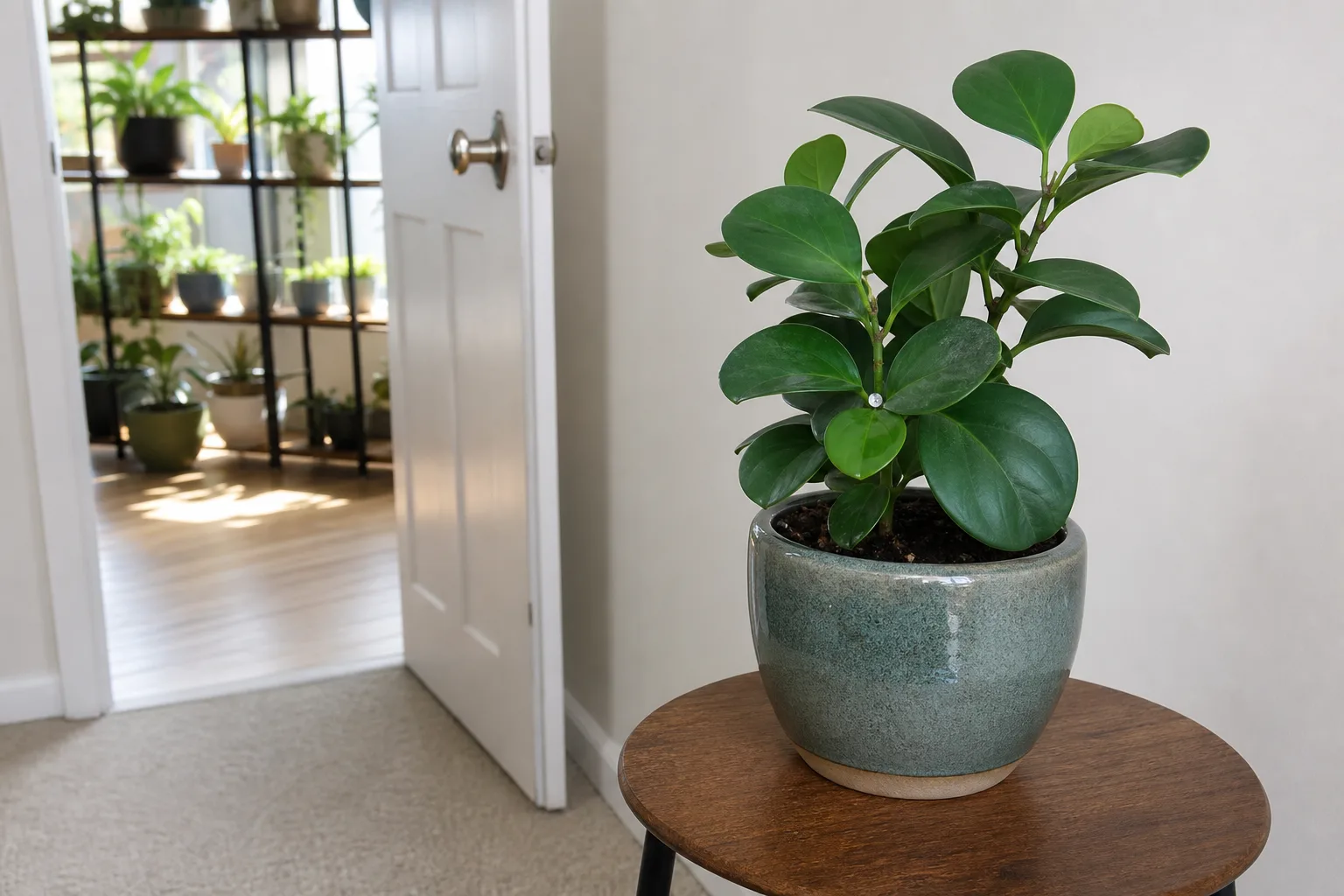
A moved plant is not automatically a pest-free plant. Boxes, outdoor staging areas, shared vehicles, and contact with other plants create opportunities for hitchhikers, especially when a plant was already stressed or spent time outside.
Keep newly arrived plants separated from the main collection while you inspect them. Look under leaves and around stems, wipe away visible insects when appropriate, and watch the soil surface for fungus gnats or unusual mold. If you brought plants from outdoors or across a state line, follow any inspection or cleaning requirements that apply; do not wash soil into a storm drain or discard regulated material casually.
Water only after checking the mix. A plant that traveled dry may need a thorough drink, but one sitting in a sealed plastic cover with wet soil may need airflow and time instead. The usual houseplant rule still applies: water until the root ball is evenly moistened when the plant is due, allow excess to drain, and empty the saucer.
Give the plants a quiet first night. Similar light is a better starting point than the brightest available window, especially if the plant was boxed or exposed to cold. A temporary position with bright indirect light makes it easier to tell whether drooping is travel stress or a new light problem.
Recover from moving stress
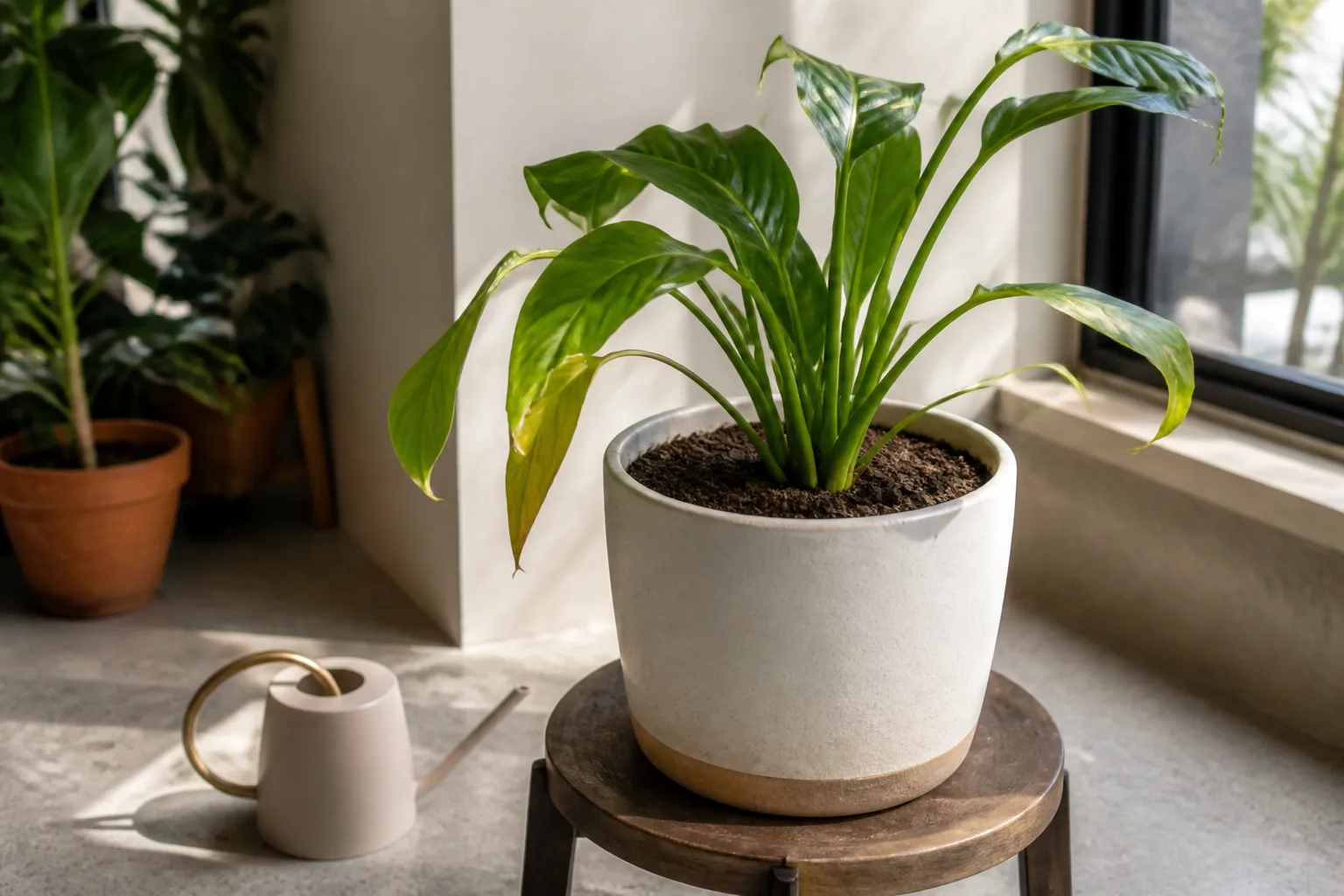
Leaf droop, a few yellow leaves, or some leaf drop can follow a move even when the roots and stems are fine. The plant has experienced a changed light angle, temperature, humidity, airflow, orientation, and watering pattern; some species also react to being turned or carried. The relocation guidance from Gardening Know How similarly recommends checking damage, pruning broken material, getting plants settled quickly, and allowing several weeks for adaptation.
Use a conservative first-month routine:
- Days 1–2: unpack, inspect, correct the temperature, check the mix, and restore the plant to stable light. Do not fertilize.
- Days 3–7: watch for new damage, pests, or a pot that stays unusually wet. Make one location or watering correction at a time.
- Week 2: compare the plant with your arrival photographs. Stable stems, normal soil drying, and no fresh damage are better signs than a perfect leaf display.
- Weeks 3–4: if the plant is stable and actively growing, return it gradually to its normal care routine. Delay repotting unless the container is broken, drainage has failed, the mix is contaminated, or roots are in immediate trouble.
Do not fertilize a plant merely because it looks tired. A stressed plant may have enough nutrients but lack functioning roots, suitable light, or a stable temperature. Feeding is reasonable after new growth resumes and the plant is cycling water normally; use the label rate rather than increasing the concentration to compensate for a lost week.
Repotting is also a diagnosis, not a welcome-home ritual. Repot when a pot is cracked, the plant has no working drainage, the root ball is severely compacted, or prohibited outdoor soil must be replaced according to the destination’s rules. Otherwise, leave healthy roots undisturbed until the plant has recovered from the journey.
Watch the direction of change. Older damage will not turn green again, but new leaves should stop developing fresh scorch, collapse, or spotting. If a plant continues to decline in wet soil, smells sour, has soft dark roots, or shows a spreading pest, investigate the root zone or pest identity instead of waiting indefinitely for “shock” to pass.
When to gift, propagate, or leave a plant
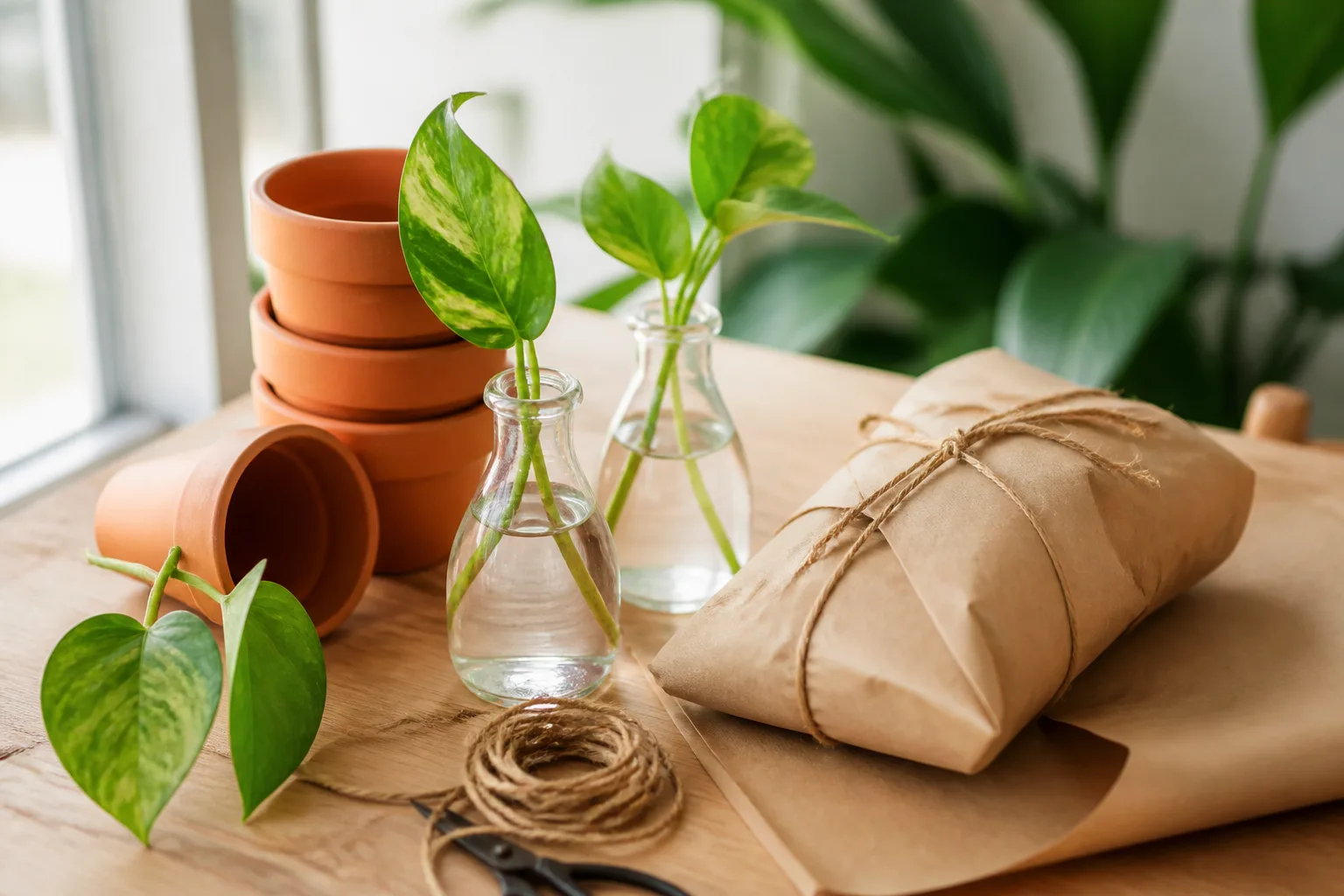
Not every plant has to make the trip to remain part of your life. If the destination rules are unclear, the plant is infested, the weather is unsafe, the collection will sit in storage, or the pot cannot be transported without injury, giving it a good home may be the responsible choice.
Offer healthy, pest-free plants to friends, neighbors, a community plant swap, a school, a library, a nursing home, or a local business that can care for them. Be honest about the plant’s light, watering, size, and any recent stress. A gift with a care note is more useful than a mystery pot handed over on the loading dock.
For a sentimental plant, take a cutting only when the species can be propagated that way and the parent is free of suspected disease. Use clean tools, choose healthy growth with a viable node, and transport the cutting in a labeled, breathable package suited to the species. A cutting is not a legal loophole: destination rules can still apply to plant material, soil, and pests.
Outdoor plants are a separate ownership question. If a shrub is rooted in a rented yard or was included with a home sale, do not dig it up without written permission or a contract exception. Gardening Know How’s plant-moving legal guidance explains why a plant attached to the land may belong to the property owner or transfer with the sale, even if you planted it.
Conclusion
Moving houseplants successfully is less about clever wrapping than about making the right decisions early. Check destination rules before packing, remove fragile pots from the journey when you can, inspect for pests, water according to the plant’s real moisture level, and keep live plants with you in a stable vehicle whenever possible.
Pack the pot firmly while leaving foliage room, protect plants from direct sun and freezing air, and make them the first cargo you release at the new home. Then give them similar light, a normal drainage cycle, temporary separation from the collection, and several weeks to show whether they are recovering. A few imperfect leaves are a manageable travel story; a hot trunk, soggy box, untreated pest, or rushed repot can turn the move into the problem.