When Do Sunflowers Bloom? Timing From Seed to Flower
When do sunflowers bloom? See how sowing date, variety, and weather shape the timeline, read the stages from bud to seed, and learn when to expect flowers.
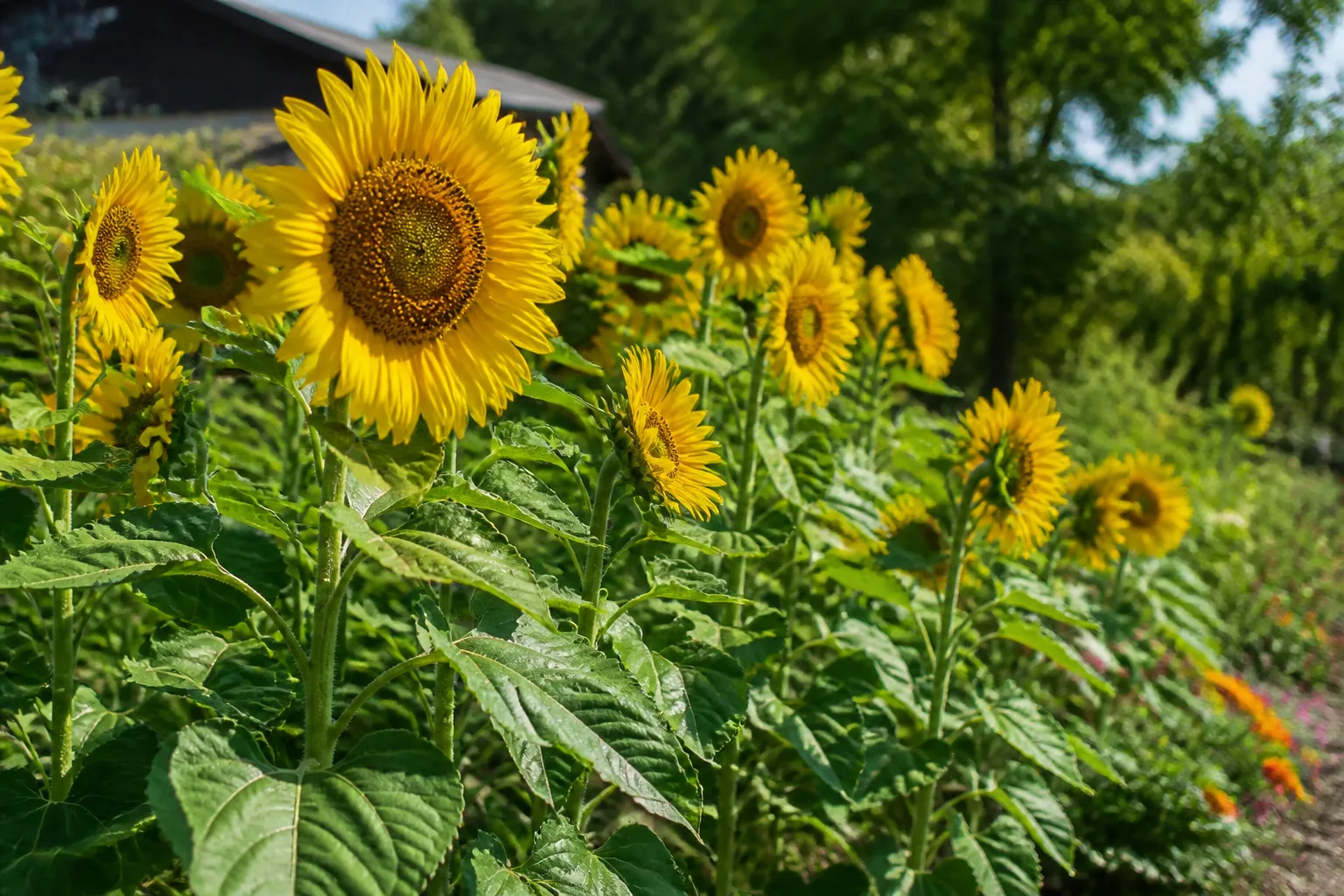
A spring-sown annual sunflower usually flowers in summer, often continuing into early fall in a long enough growing season. The useful estimate is not a month but a countdown: start with the sowing date, then use the variety’s days-to-maturity information as a guide and adjust for weather, light, and the plant’s progress.
Many garden varieties begin flowering roughly 50 to 95 days after sowing, but sources and seed packets do not always count the same endpoint. The University of Maine Cooperative Extension notes a 50-to-95-day range to maturity or bloom, while BBC Gardeners’ World gives 11 to 18 weeks from seed depending on variety. Those are planning windows, not promises; “first ray petals open,” “flower ready to cut,” and “seeds mature” are different dates.
The short answer: summer through fall, after the variety’s clock
In gardens with a temperate growing season, annual sunflowers sown after spring frost typically bloom during summer and may continue into autumn if you keep sowing and the weather stays suitable. A late-spring sowing of a quick cultivar can flower before a slower giant variety planted on the same day, while branching types can produce new heads after the first one opens.
Use the seed packet’s days-to-maturity figure as your starting point, but check what the seller means by maturity. If it is a cut-flower variety, the count may point to a harvest stage near the first petals opening; a seed-growing variety may be timed around seed development. The University of Maine Cooperative Extension recommends using the variety’s stated maturity time when planning for a target event, and notes that branching varieties flower over a longer period.
For a simple estimate, add the packet’s day count to your sowing date, then allow extra time if spring is cool, the bed is shaded, or your growing season is short. For example, a 65-day variety sown on May 20 might start opening in late July under good conditions; a cold, cloudy stretch can move that window later. Track the actual bud as the season progresses rather than treating the arithmetic as an appointment.
Why there isn’t one sunflower bloom month
“Sunflowers bloom in July” may fit one garden and miss another by weeks. Northern and southern parts of the same state can have different safe sowing windows; the University of Georgia’s home-garden guide describes sowing after frost with soil near 60°F, from March in south Georgia to early May in north Georgia. That difference in planting date shifts the bloom date, even before variety and weather enter the picture.
Latitude and hemisphere also change what “summer” means. If you garden in the Southern Hemisphere, read spring and summer guidance against your local calendar rather than copying Northern Hemisphere month names. In hot climates, a gardener may sow more than once in a year, but heat, rainfall, and a cultivar’s day-length response still determine whether a particular batch flowers well.
The easiest way to localize the answer is to work backward from the display you want. Note your typical last spring frost and first fall frost, choose a variety whose stated maturity fits between them, and sow when the soil is warm enough for reliable germination. A few days of difference can be normal; a packet that matures after the season’s likely end is a poor match no matter how sunny the calendar month sounds.
From seed to bloom: a realistic timeline
A sunflower does not go straight from a green shoot to an open yellow head. It spends weeks adding leaves and stem, then develops a terminal bud that may be visible well before the first florets open. This is why a healthy plant with a closed, green head is not necessarily “late.”
| Stage | What you can see | How to use the timing |
|---|---|---|
| Germination and emergence | A shoot breaks the soil surface | Warmth and moisture often produce emergence in about one to two weeks; cold or waterlogged soil can slow it. |
| Vegetative growth | More leaves and a taller stem | The plant is building the structure that supports the head; variety and light affect the pace. |
| Bud visible | A tight green head appears at the tip | Flowering is getting closer, but the bud may remain closed while it grows. |
| First bloom | Ray florets spread; disk florets begin opening | This is the beginning of flowering and may be the cut stage for some varieties. |
| Seed fill | Petals fade and the back of the head yellows or browns | The plant is shifting from display to seed development; harvest timing depends on your goal. |
Home-garden timelines vary, but a field-stage reference helps explain the gap between seedling and flower. In temperate crop conditions, the University of Wisconsin–Madison sunflower guide reports about 11 days from planting to emergence, 33 days from emergence to a visible head, and another 27 days from visible head to first pollen release. These are crop averages, not a cultivar-specific promise for a backyard bed, but they show why seeing a bud does not mean the flower is already at peak.
A helpful distinction is days to first bloom versus days to mature seed. The first visible yellow rays mark a new stage; the tiny disk florets then open progressively, and the seeds need additional time to fill and dry. If your goal is fresh color, follow the first-open-flower timing. If you want edible or saved seed, plan for the head to mature long after the petals have faded.
The five stages of a sunflower’s life cycle
The annual common sunflower (Helianthus annuus) completes its life from seed to seed in one growing season. Its stages overlap with the garden calendar, but watching the plant itself gives you better timing than trying to assign a fixed month to each one.
1. Germination and emergence
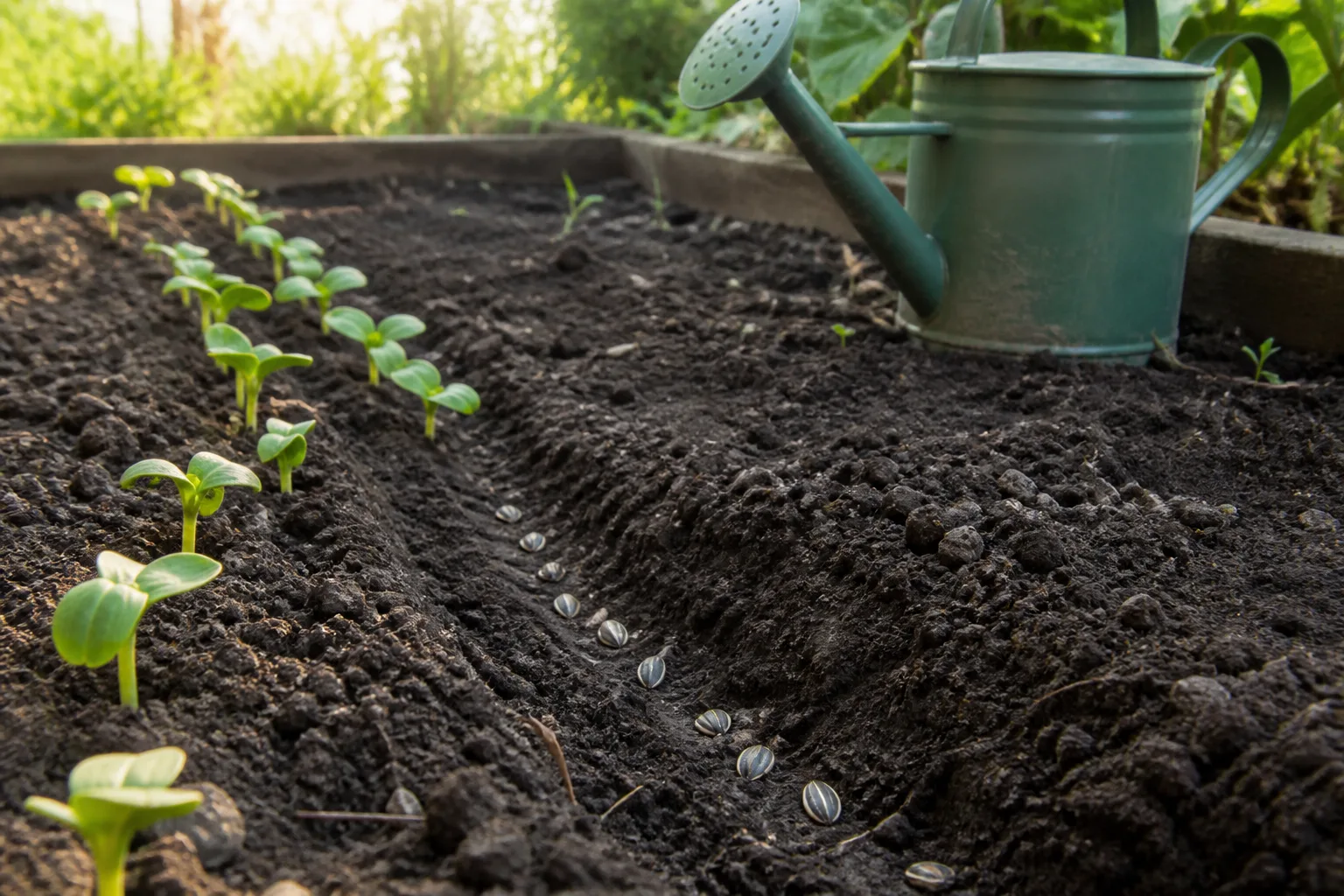
After sowing into warm, moist soil, the seed absorbs water and sends out a root before the shoot appears aboveground. Iowa State University Extension reports that sunflower seed commonly germinates within one to two weeks; cooler soil, excessive wetness, seed depth, or seed-eating wildlife can extend the wait or thin the stand.
Direct sowing avoids disturbing the young taproot and is usually the simplest approach. The University of Georgia Cooperative Extension recommends waiting until frost has passed and soil has warmed to about 60°F; it also gives practical sowing depths of 1 to 2 inches, with the deeper end for sandier soil. Follow your own seed packet for cultivar-specific spacing and depth rather than assuming every seed is identical.
2. Vegetative growth and sun tracking
Once the seedling has its first true leaves, it enters a vegetative stretch: leaves expand, the stem thickens, and the plant gains height before it invests in a flower head. Full sun matters here because a plant reaching through shade can become tall and weak without producing the sturdy stem and energy reserves a large head needs.
Young sunflower stems and immature heads can turn during the day, a behavior called heliotropism. This movement helps a developing plant follow the sun, but it does not continue in the same way forever. Research summarized by UC Davis shows that as the head matures and the stem stiffens, movement slows and mature heads commonly settle facing east; a flowering head that no longer tracks the sun is usually at a normal stage, not failing.
At this point, check spacing and support early rather than waiting until a heavy head leans. Crowded plants shade one another and may have smaller stems or flowers, while a windy, exposed bed can break a tall variety. Iowa State advises spacing tall cultivars broadly enough for airflow and notes that high-nitrogen fertilizer can favor leafy growth over flowers, so more feeding is not a shortcut to earlier bloom.
3. Bud formation and the wait before color
The first sign of reproductive growth is a small, compact head at the growing tip, often angled down while the stem and bud develop. The green outer bracts hold the head closed; what looks like a tight ball can take days or longer to expand, depending on variety and weather. Do not pull it open or remove it simply because it is not yellow yet.
A bud’s size is more informative than the calendar. When the bracts begin to loosen and the head broadens, flowering is approaching; a small firm bud still has development ahead. If the tip appears torn off, chewed, or brown while the rest of the plant is healthy, inspect for birds, deer, rabbits, or insects before blaming the sowing date.
Some varieties have one large terminal head, while branching types form several buds on side stems. Those side buds can make a plant look as though it is “reblooming,” but they are separate heads opening in sequence. That distinction determines how long the whole plant can add color after its first flower fades.
4. Flowering: the head opens in rings
What most people call a sunflower bloom is a flower head, or capitulum, made up of many individual florets. The showy outer ray florets look like petals, while the central disk contains the florets that open and produce pollen and seeds. A sunflower therefore does not open like one simple flower with a single moment when every part is equally mature.
During anthesis—the period when florets become reproductively active—new rings of disk florets mature from the outside of the disk toward its center. An eLife report on sunflower research describes this process continuing for roughly five to ten days, with a new band maturing in sequence. The University of Wisconsin–Madison guide likewise notes that pollen release advances from the head’s edge toward the center.
For a garden display, the most obvious “peak” is usually when the ray florets have opened and the outer and middle parts of the disk are active, with fresh pollen visible and pollinators visiting. The display then changes gradually as rays wilt and the center darkens. Rain, heat, wind, cultivar form, and whether you cut the stem affect how long the flower looks fresh, so a fixed number of days for every sunflower head is misleading.
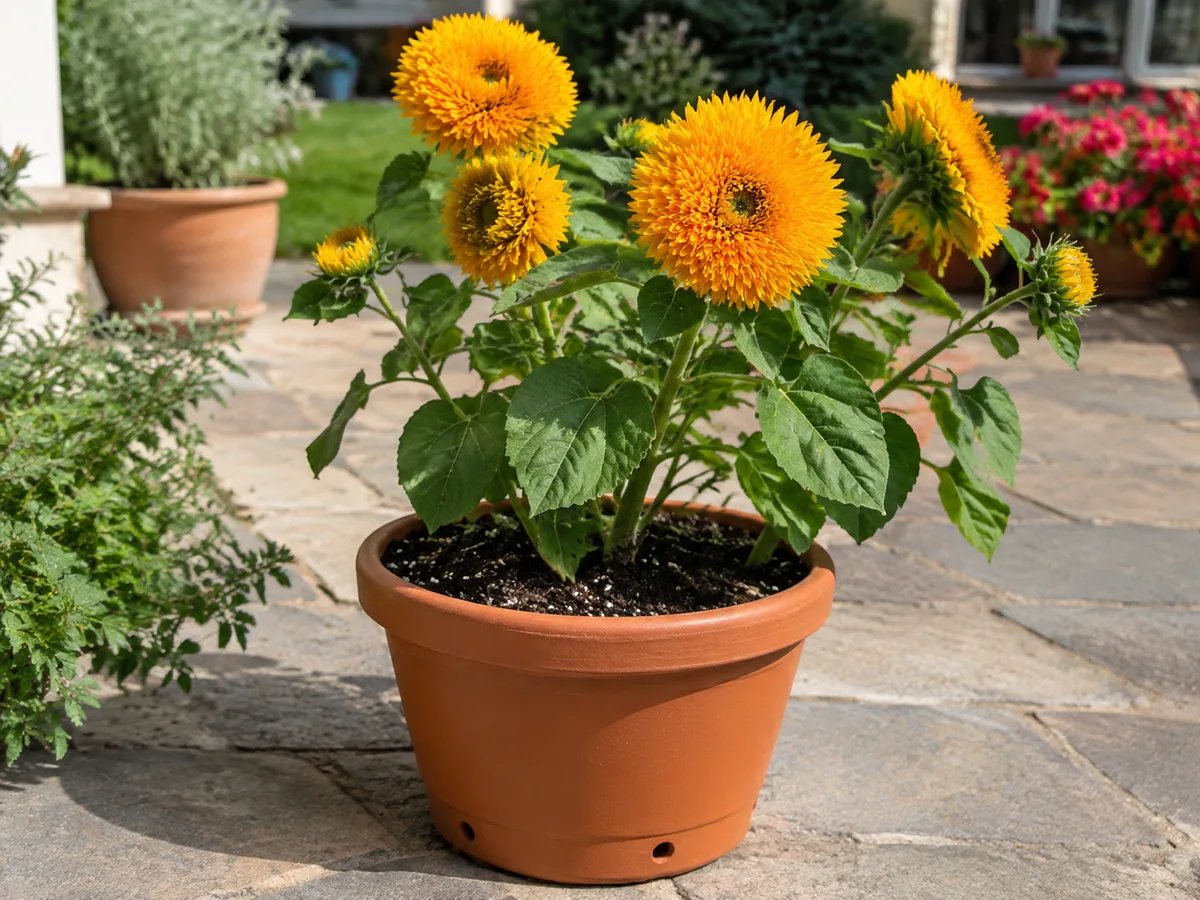
Sunflowers also change direction as they mature. It is normal for a blooming head to face east rather than pivot across the sky; morning warmth can attract pollinating insects, and the flower’s orientation changes as the stalk stiffens. For a vase, cut a flower when the outer petals have begun to lift if you want more time indoors; a head that is fully open in the garden will have a shorter remaining vase life, as Johnny’s Selected Seeds explains in its cut-flower guidance.
5. Seed filling, decline, and annual death
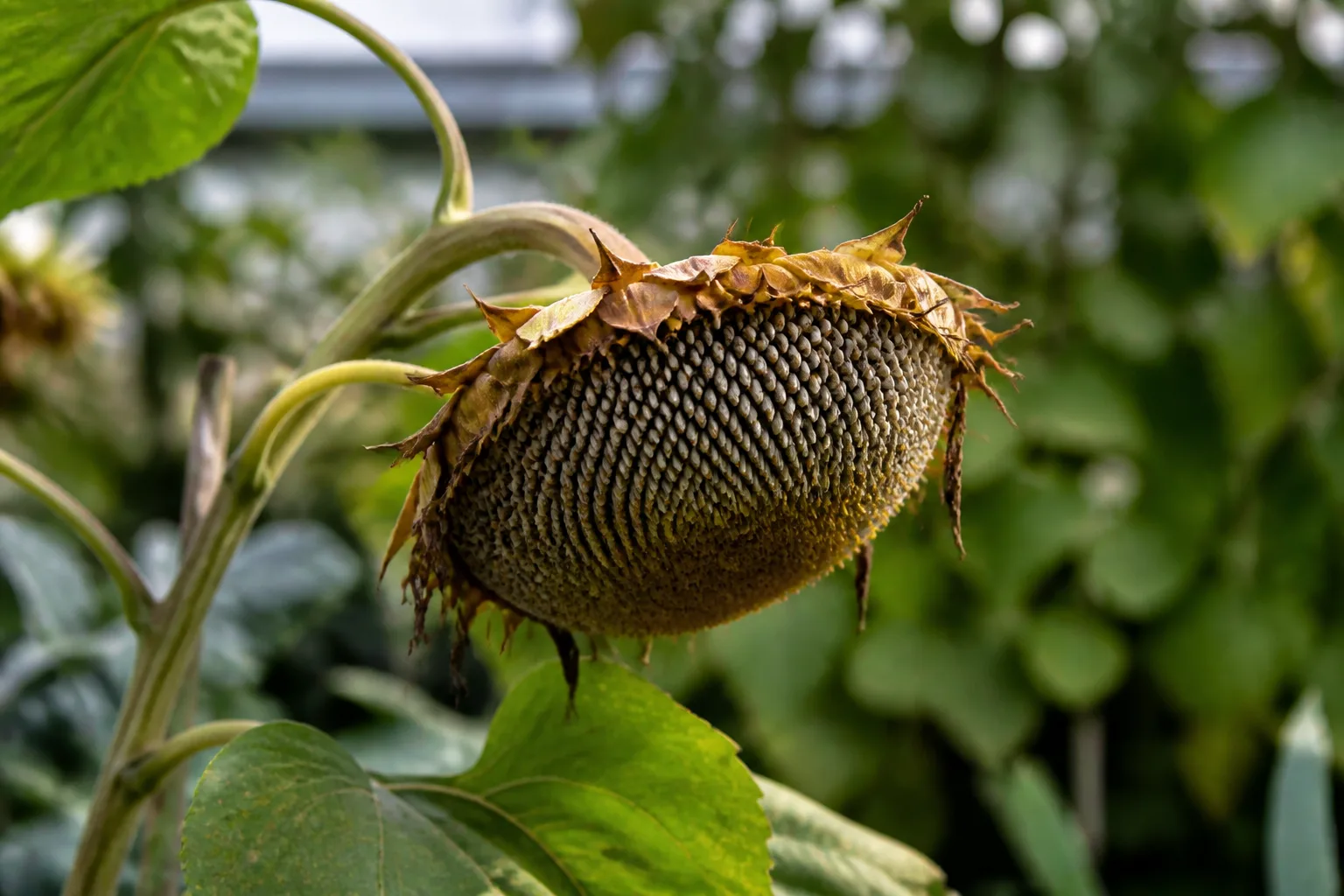
After the florets have finished, the center begins developing seeds and the head becomes heavier. Rays fade, lower leaves may yellow, and the back of the head shifts from green toward yellow or brown as seeds fill. This is not the plant starting another flowering cycle; it is the final reproductive stage of an annual.
Seed maturity arrives after the ornamental bloom has passed. A dry, drooping head with firm, plump seeds is a better harvest cue than the color of the petals alone. The UGA Cooperative Extension guide recommends cutting heads with a short length of stem and curing them in a warm, dry, well-ventilated place when you want to beat birds and squirrels to the seed.
If you are not harvesting, leaving some heads standing provides seed for birds and can allow self-sowing. Remove the plant when it is fully spent if you need the bed, but expect the stalk and root to be sturdy; pull carefully so nearby plants are not disturbed. A dry head can also be composted if it is free of serious disease, though any seed left in it may sprout in the compost or garden later.
What shifts a sunflower’s bloom date?
A late or early flower usually reflects several factors working together, not a single “sunflower month.” First compare the plant’s age and stage with the variety’s stated timing; then look at light, soil, moisture, space, and whether the bud is intact. This order prevents you from changing fertilizer or watering when the plant simply needs another week.
Variety, day length, and single-stem versus branching habit
Variety is the first variable to check. Dwarf and quick cut-flower selections can flower well before a giant seed type; branching cultivars may take longer to reach their first bloom but can keep producing side heads afterward. Iowa State Extension describes sunflowers across a wide range of heights and forms, while seed growers such as Johnny’s publish cultivar-specific maturity windows rather than one universal schedule.
Day length can also affect flowering, but the response depends on the cultivar. Some sunflower lines respond to day length, while others are selected to flower reliably across a wider range; research on wild sunflower populations shows that short-day and day-neutral responses vary geographically. The UF/IFAS Extension note on sunflower flowering triggers discusses long-day and day-neutral types, and the underlying implication for gardeners is simple: use a variety suited to your latitude and season instead of assuming every sunflower will respond to a late sowing the same way.
Also distinguish flowering from mature seed. A package may list days to maturity, harvest, or bloom, and those are not interchangeable across sellers. When the label is unclear, ask the supplier what stage its count ends at and leave a buffer before your area’s first fall frost.
Sun, warmth, water, crowding, and nutrients
Sunflowers need an open, bright site to perform well. Iowa State Extension recommends full sun and well-drained soil; shade can stretch stems and reduce the energy available for flowering. If a plant gets only a few hours of direct sun because a fence or taller crop blocks it, improve the next sowing’s location rather than expecting extra fertilizer to make up the difference.
Warmth controls the start of the clock. Seeds may sit in cold, wet ground, while spring-planted seedlings grow slowly during cool stretches; sowing after frost and once soil has warmed is more reliable than planting by a fixed calendar date. At the other extreme, prolonged heat combined with dry soil can stress plants and shorten the attractive part of bloom, so water the root zone during dry spells without keeping the bed waterlogged.
Spacing and nutrition influence the plant’s ability to carry a head. Follow the variety’s spacing instructions and thin seedlings before roots compete; a crowded stand may shade lower leaves and produce smaller heads. Avoid repeated high-nitrogen feeding unless a soil test or local recommendation calls for it: Iowa State Extension notes that excessive nitrogen can encourage vegetative growth and inhibit flowering.
Transplanting can add another delay if roots are disturbed. Sunflowers often establish best when direct-sown; if you start them indoors for an early display, use a biodegradable pot and move the seedling while it is young, keeping the root ball intact. A pause after transplanting is usually recovery, not proof that the plant will never bloom.
How to tell whether a flower is still developing or stalled
Read the plant, not just the calendar. A healthy, closed terminal bud that is increasing in size is still developing; a head with loosening bracts and first rays showing is close to opening. A plant that has not yet reached its packet’s expected window may need only time, particularly after cool weather or transplant shock.
If the plant is tall and leafy but has no visible bud after the expected window, check the conditions in a useful order: confirm the variety and sowing date, count the hours of direct sun, look for crowding, and review fertilizer use. High nitrogen, shade, or a short growing season can delay or reduce flowering. The seed packet’s number is a range anchor, not a guarantee, and field-crop timelines should not be used to diagnose every ornamental cultivar.
If buds appear but dry, deform, or disappear, inspect the head and stem for chewing or damage. Birds, deer, and rabbits can remove young growth; insects can damage developing heads, and wet conditions can encourage disease. Protect the plant with a suitable barrier and seek local extension help if you see repeated lesions, rot, or multiple affected plants rather than applying an unneeded pesticide.
A bud that opens but has few or no seeds is a different issue from a late bloom. Some ornamental varieties are bred for pollen-free cut flowers; they can still attract insects, but seed set may depend on pollen from nearby plants. If seed harvest is your goal, choose a pollen-producing seed variety and allow pollinators access during flowering.
How to keep sunflowers blooming for longer
Plan for a sequence, not an endlessly flowering plant. A single-stem sunflower usually gives one main head per plant; when it finishes, a succession of younger plants is what keeps the bed in color. Branching varieties make side heads and can stretch the display from one sowing, although their first flower may take longer to arrive.
For single-stem cultivars, stagger seedings every one to two weeks while your local season has enough time left for the selected variety to flower. Johnny’s Selected Seeds’ succession programs show three workable approaches: sow one variety repeatedly, plant several varieties with different maturity dates at once, or combine both methods. Home gardeners can use a wider interval if they prefer fewer waves; the point is to offset the bloom dates, not obey a rigid schedule.
Choose the final sowing by counting backward from the usual first fall frost and adding a buffer for cooler late-season growth. Do not keep sowing the same long-season variety just because it is still warm; shorter days, frost, or a cultivar’s photoperiod response may stop it from flowering before winter. If late color matters, select an early or day-neutral cultivar suited to your area and test a small sowing before planting a whole row.
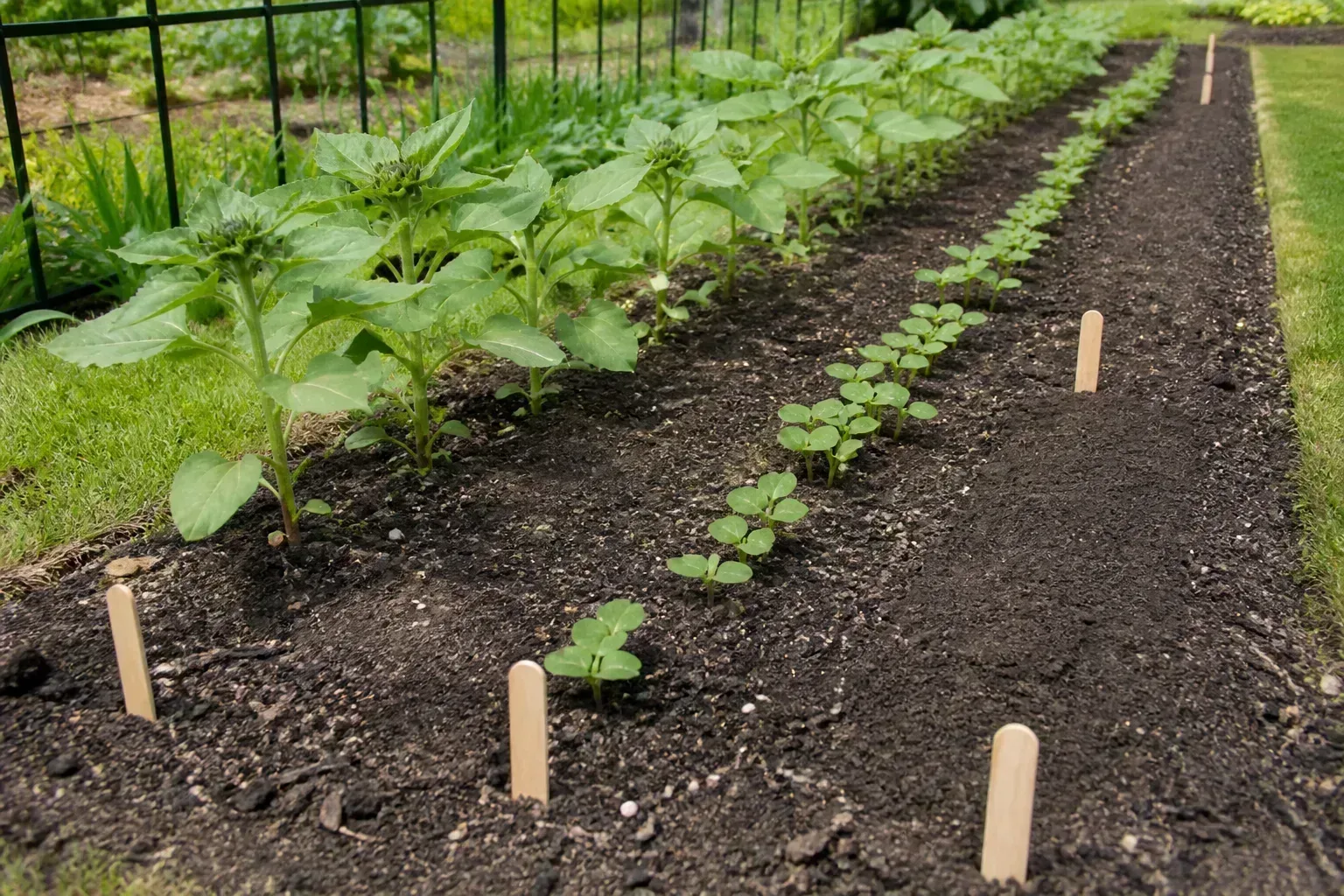
When your priority is a longer display rather than uniform cut stems, choose a branching type with several buds and avoid removing every spent head at once. Pinching is variety-dependent and changes the number, size, and timing of stems; follow the seed supplier’s instructions rather than pinching a single-stem cultivar that is bred to make one flower. Combining a few branching plants with staggered single-stem batches gives a more dependable sequence than relying on one giant sunflower to bloom for months.
What to do after a sunflower blooms
Decide whether you want another visible head, a bouquet, seed, or bird food before you cut. A spent flower on a branching plant can be trimmed back to a healthy side bud to keep the plant tidy and let remaining buds develop. A single-stem annual usually will not replace its main head with another large terminal flower; deadheading it mainly removes the fading head, not restart the plant’s cycle.
For seed, leave the head on the stalk until the back begins to dry and seeds feel firm. If birds are taking seed before it matures, cut the head with some stem and cure it somewhere warm, dry, and ventilated, then rub the seeds free when the head is dry. Save seed only from open-pollinated varieties if you want offspring similar to the parent; hybrids may not come true to type.
If your main goal is wildlife, leave at least some mature heads outdoors through fall and winter where they will not create a safety or maintenance problem. The Royal Horticultural Society advises leaving annual sunflower heads for birds and keeping seed you want to sow next year; its deadheading guide also lists sunflowers among plants whose seed heads can be valuable to birds. Cut down annual stalks when the seeds are gone or when you need to clear the bed.
Annual sunflowers and perennial Helianthus are different
Most familiar seed-packet sunflowers are annual Helianthus annuus: they germinate, grow, flower, set seed, and die in one season. A plant that appears in the same place next year may be a seedling from a fallen head, not the same annual plant returning from its roots. Let a few seeds drop if you want volunteers, but thin them the following spring so they do not crowd the garden.
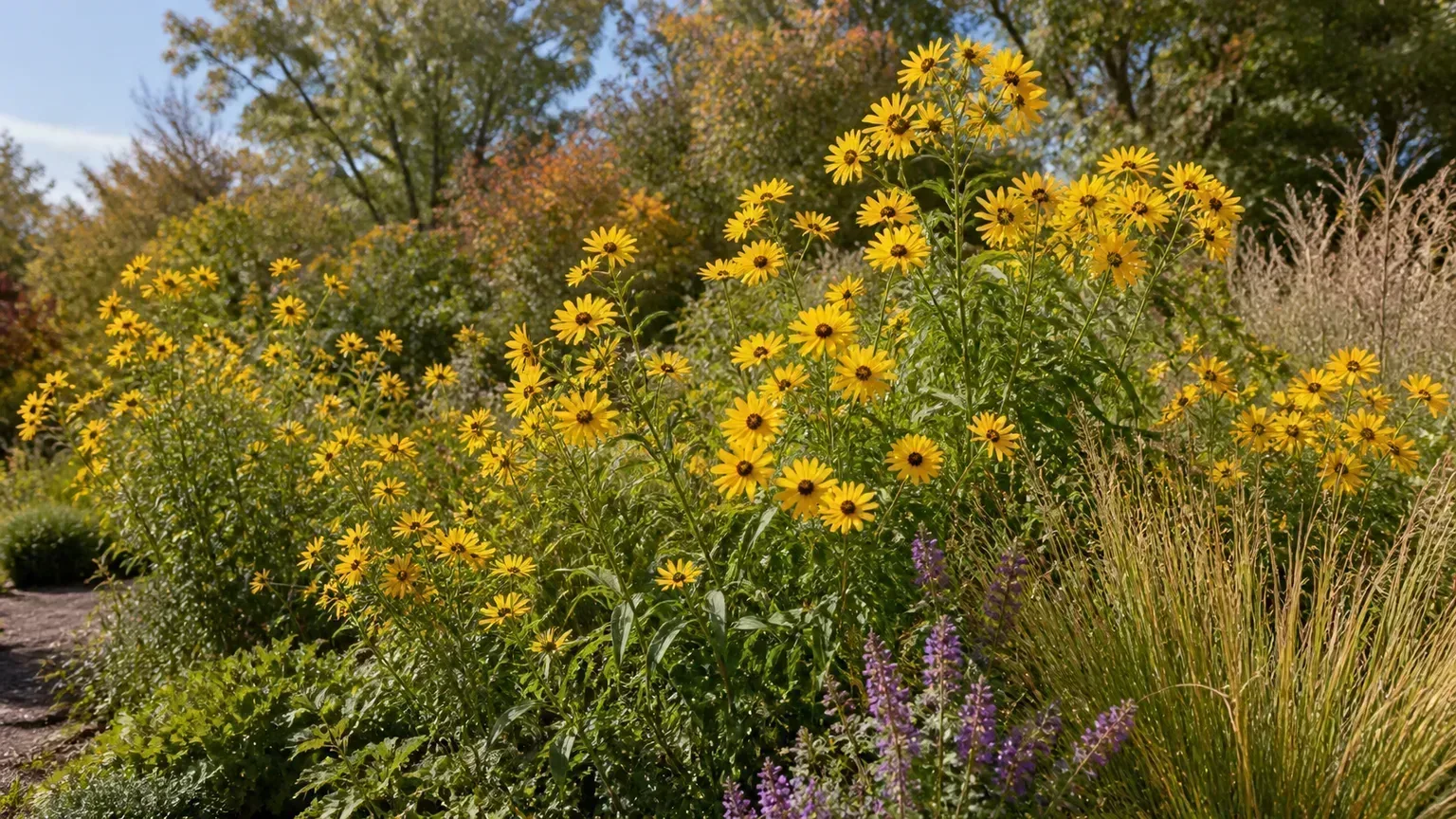
Other plants in the genus Helianthus are herbaceous perennials. Their tops die back in winter and clumps regrow from perennial roots, with flowering time varying by species and cultivar; some garden types flower in late summer or fall. The Royal Horticultural Society’s Helianthus guide distinguishes annual seed-grown plants from perennial clumps and recommends leaving stems over winter when they provide habitat. A perennial sunflower’s bloom schedule should therefore be checked by its botanical name, not inferred from an annual seed packet.
Conclusion
Expect most annual garden sunflowers to bloom in summer after a spring sowing, with the actual date set by variety, warmth, sunlight, and local season length. Count from the planting date using the seed packet, then watch for the terminal bud and the progressive opening of the disk florets rather than waiting for a universal calendar month.
If you want color over several weeks, mix branching cultivars with a few staggered sowings and stop sowing in time for flowers to mature before frost. After bloom, choose whether to cut, save seed, or leave heads for birds; that final choice determines how the sunflower’s one-season life cycle ends in your garden.



