When to Deadhead Sunflowers: A Simple Guide
Learn when to deadhead sunflowers, where to cut, and why branching types rebloom while single-stem varieties usually do not. Plus seed and bird tips.
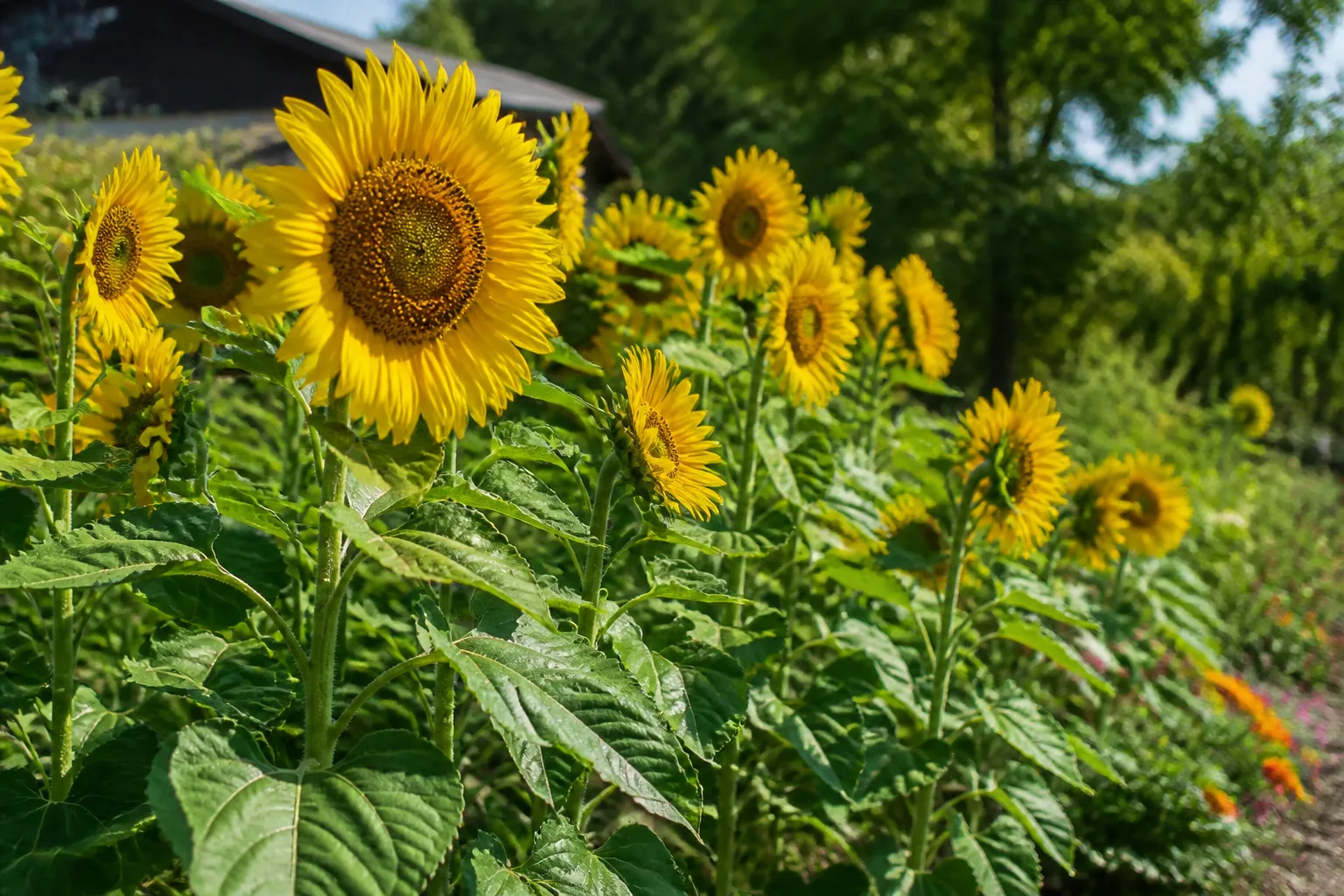
Deadhead a sunflower when the flower has finished its show but the plant still has healthy leaves, side shoots, or unopened buds to support. That usually means the petals have faded, drooped, or fallen, while the stem and foliage remain green. Do not use “late summer” as your only rule: the right moment depends on the flower’s stage, the sunflower’s growth habit, and whether you want more blooms, mature seeds, or food for birds.
The most important expectation comes first. A branching sunflower can produce a succession of side flowers, so removing a spent head may help it keep flowering. A single-stem annual, including many giant sunflower cultivars, normally gives you one main flower per plant; cutting that head improves appearance but will not manufacture another bloom. The RHS sunflower growing guide describes annual sunflowers as both single-stemmed and branching, and Johnny’s Selected Seeds notes that single-stem sunflowers provide one bloom per plant.
The Short Answer: Deadhead the Blooms With More to Give
If you want more flowers, remove a spent sunflower head as soon as it begins to look finished, then cut back to a healthy leaf, visible side shoot, or developing bud. This prevents the old head from continuing toward seed production and keeps the plant’s remaining flowering structures in the best position to develop. Penn State Extension explains that deadheading is most useful as a flower’s appearance begins to decline and that the cut should be made below the spent flower and above healthy leaves.
That is a useful general rule, not a promise of reblooming. Deadheading changes what you do with an existing plant; it does not change its genetics, create new growing points on a finished single-stem cultivar, or repair a plant that is short of water, light, or time. Think of it as choosing which potential the plant already has to keep: a new side bud, a seed crop, or a clean end to the season.
The best quick decision is this: see a spent head plus green growth or unopened side buds? Cut it. See a single tall stem with no side buds and want seed? Leave it. See a dry, diseased, or collapsing plant? Remove the affected material and focus on cleanup rather than chasing another flush of flowers.
First Identify Which Sunflower You Have
Sunflower names are confusing because “sunflower” can mean an annual Helianthus annuus, a perennial Helianthus species, or even a look-alike such as false sunflower. The NC State Extension plant database lists common sunflower, H. annuus, as an annual and distinguishes it from perennial members of the genus. That difference matters because an annual is completing its one-season life cycle, while a perennial has a crown that can return and flower again in future years.
Branching and single-stem plants need different expectations
A branching annual usually has a main stem with several side stems, or a bushier outline with flower heads at different heights. You may notice small buds where leaves meet stems, and flowers often open in waves rather than all at once. When one head fades, cutting it off leaves the plant with other active stems and gives you a reason to keep checking it every few days.
A single-stem annual looks more like one strong trunk topped by one dominant head. Some cultivars can make small secondary growth under particular conditions, but you should not plan on a second flush unless the seed packet or plant label specifically describes branching or multiple blooms. A giant “record” sunflower and many cut-flower types are grown for one large, reliable head; deadheading those plants is mainly cosmetic or a way to remove a failing head before cleanup.
The fastest way to check is to trace the stem below the faded flower. If you find side branches with leaves and buds, deadhead the old head and preserve those branches. If the stem stays single and ends at the spent flower, cutting will not give you a replacement flower on that same stem. The BBC Gardeners’ World Magazine sunflower guide also calls out multi-branching sunflowers as normal and notes that annual and perennial types behave differently.
Perennial sunflowers are a separate case
Perennial sunflowers such as ‘Lemon Queen’ form clumps and carry many smaller flowers over a longer late-season window. Deadheading individual spent heads can keep the clump looking tidy and may extend its display, but the bigger long-term task is protecting the crown and deciding how much winter habitat to leave standing.
Do not treat a perennial clump like a single annual stalk. Remove faded flowers and damaged stems as needed, but leave healthy basal growth alone. After the growing season, you can cut back dead stems once the plant has finished and the timing suits your climate, or leave some standing to shelter insects. The RHS guidance notes that perennial sunflowers can be cut to the base after dieback or left through winter before being removed ahead of new spring growth.
The Best Time to Deadhead Sunflowers
The best time is when the flower begins to fade, not when the entire plant is brown. Watch the flower rather than the calendar. A sunflower may fade quickly after heat, rain, or wind, while another may hold its petals for much longer; the RHS deadheading guide recommends removing spent flowers as soon as they look scruffy and points out that a delay of several days usually does not ruin flowering performance.
For a branching plant, checking every two or three days during peak bloom is practical. You are looking for a flower that has passed its useful display but has not yet become a heavy, fully developed seed head. Removing it at that stage leaves the plant’s later buds visible and reduces the chance that an old head will sag onto neighboring foliage.
What a truly spent bloom looks like
The outer petals may turn dull yellow, tan, or brown, then droop downward or fall away. The central disk loses the fresh, bright look it had when pollinators were visiting, and the flower head may begin to tilt under its own weight. A few wilted petals do not automatically mean “cut now”; inspect the center and the stem before you decide.
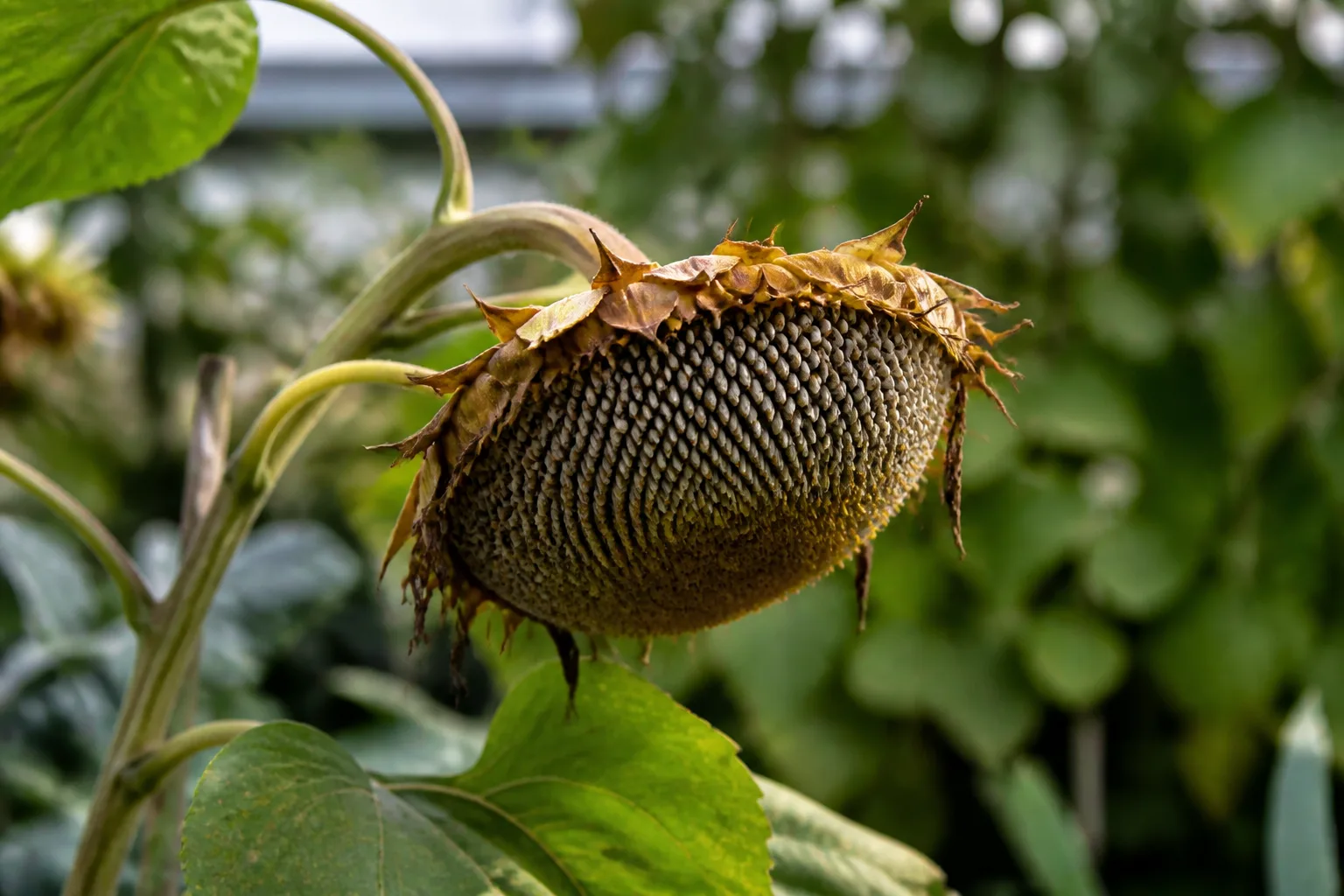
If the back of the head is still firm and green, the petals are mostly fresh, or the plant is covered with bees, wait. The head is still contributing to the garden’s pollinator display and may not yet be a spent flower. If the head is dry, the seeds are plump, and your goal is seed saving or bird food, it has moved into a different stage where leaving it is more useful than deadheading.
Use a bud-first inspection
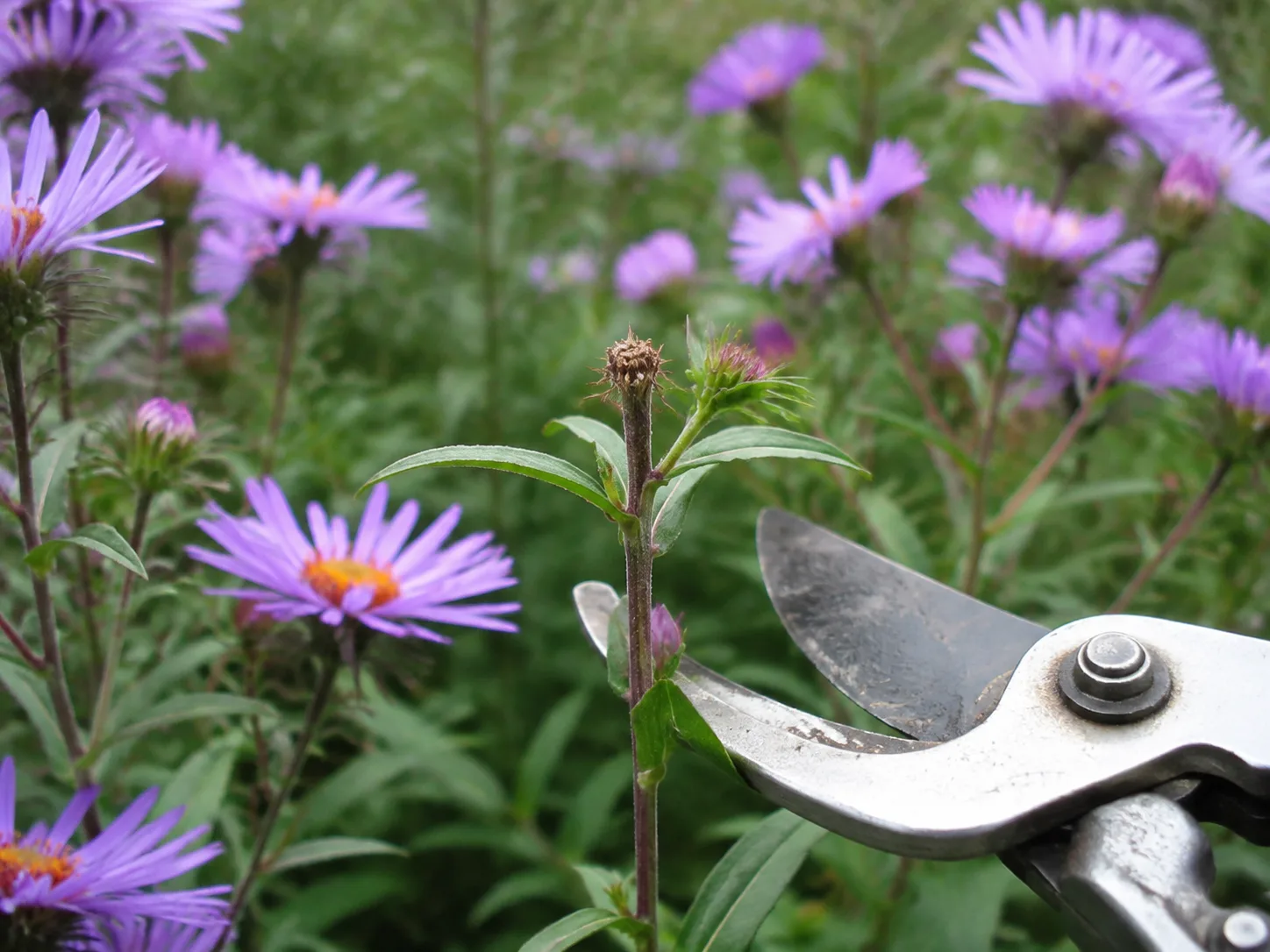
Before touching the pruners, follow the flower stem downward and look for a smaller bud at a leaf joint. This is the step that prevents the most frustrating mistake: removing the next flower along with the old one. New sunflower buds can be tucked close to the stem and may be easy to miss under broad leaves.
If a healthy bud sits immediately below the spent head, keep it and cut above it. If there is no bud but there is a full, green leaf, use that leaf as your cut-point landmark. If the stem is bare and the flower is clearly finished, remove only the flower stalk rather than taking a large section of the main plant.
How to Deadhead Sunflowers Without Sacrificing New Growth
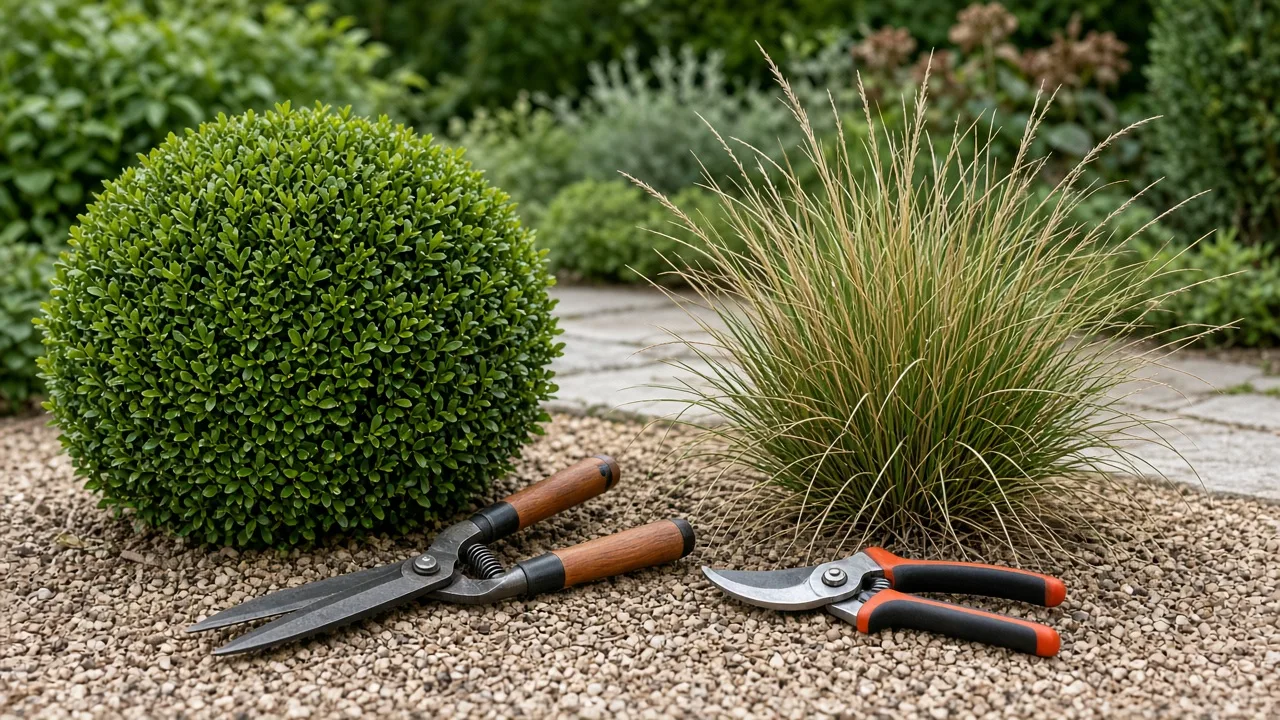
Deadheading a sunflower is a small pruning job, but the thick, rough stem deserves a deliberate cut. Wear gloves if the hairs irritate your skin, and use sharp bypass pruners or sturdy garden scissors for a clean cut. The RHS advises using secateurs, scissors, or a knife for thick stems and cutting above the next bud or leaf; for a sunflower, that same principle keeps the cut close to useful growth.
Find the right cut point
Start at the faded flower head and move down the stalk until you reach the first healthy leaf, side shoot, or visible bud. Choose the strongest-looking growth that will remain attached to the plant. Avoid cutting below several inches of green stem just because the head is unattractive; leaving a long, leafless stub creates a dead-looking section without improving the plant’s ability to flower.
The safest landmark is usually a leaf joint with a plump bud or side stem. Make your cut about a quarter to a half inch above that point. That small buffer protects the node from being crushed while avoiding a long stub that may die back. If the next leaf is yellow, torn, or diseased, move farther down to the next healthy set rather than cutting directly above damaged tissue.
Make a clean cut and recheck the plant
Hold the stem steady without bending the whole plant, then cut once with firm pressure. Do not saw repeatedly through a thick stem, because ragged tissue dries unevenly and is harder to inspect. If the cut surface is crushed, make one neat correction just above the damaged section.
Drop the flower head into a bucket as you work so seeds and petals do not scatter where you do not want them. Then look at the remaining stem from several angles. Confirm that no active bud was removed, the cut is not tearing the main stem, and the plant still has enough foliage to support its remaining flowers.
Clean pruners before moving from a visibly diseased plant to a healthy one. For ordinary deadheading, a clean tool and a dry working day are sensible precautions; sanitation matters more when you see powdery growth, soft rot, or suspicious spotting. Do not smear a questionable head across healthy leaves or stems.
How Far Down Should You Cut a Sunflower?
For most branching sunflowers, cut the spent flower stalk just above the next healthy leaf, side shoot, or bud. In practical terms, that is often a few inches below the head, but the plant—not a fixed measurement—should determine the depth. The goal is to remove the old flower while retaining the next productive growing point.
For a single-stem annual with no side growth, cut the flower stalk as far down as you need for appearance, but do not expect the cut to produce another flower. If the plant is still green and attractive, you can leave the stem and foliage in place while the head dries, especially if you want seeds. If the stem is collapsing, diseased, or blocking a path, cut it near the base and move it to the compost or waste stream appropriate for your garden.
For a perennial sunflower, take individual spent heads back to a leaf or side shoot during flowering. Save a more substantial cutback for the end of the season, after the stems have naturally declined. Cutting a living perennial to the ground in the middle of its flowering cycle sacrifices healthy foliage and can remove unopened flowers that would have finished the display.
Why Your Sunflower Is Not Reblooming
Deadheading is not always the missing ingredient. If you cut a sunflower correctly and no new flowers appear, the explanation is usually the plant’s type, a shortage of growing time, or stress that limits new growth.
Variety, stress, and season explain most failures
First, check the growth habit. A single-stem plant may have completed its only flowering assignment, so a clean cut is not a failure. Commercial grower guidance from Johnny’s describes single-stem sunflowers as one-bloom plants, while its branching guidance explains that branching types are the ones grown for multiple stems and a longer harvest window.
Next, look at the plant’s resources. Sunflowers grow quickly and can be thirsty, especially tall annuals and container plants. The RHS advises keeping annual sunflowers consistently moist, and Gardeners’ World notes that water, food, weather, and variety all affect their growth and eventual height. A plant that has wilted repeatedly, lost much of its foliage, or been damaged by wind may not have enough healthy tissue to make another flower.
Timing can also be the issue. A late-season cut made just before cool weather or the first frost may be perfectly reasonable for tidiness but too late for a new flower to open. A plant grown from a late sowing may still be young when neighboring sunflowers are fading, while a container sunflower can mature faster because its root zone heats and dries more quickly.
Finally, avoid overfeeding as a rescue plan. If the plant is already flowering, more fertilizer is not a substitute for light, moisture, or the right cultivar. The RHS recommends a potassium-rich feed for annual sunflowers when feeding is needed and says to follow the product label; apply only when the plant is actively growing and the soil is adequately moist.
When to Stop Deadheading
Stop deadheading when your goal changes from fresh flowers to mature seed, bird food, or end-of-season habitat. You can also stop when the plant has no viable buds left, its leaves are declining, or the weather has made another flush unrealistic. At that point, removing every head creates work without a meaningful flowering benefit.
Use a split approach if you want both flowers and wildlife. Deadhead the spent heads on the front or most visible side of a branching plant, but leave a few strong heads on the back side to ripen. That gives you a tidy display now and a supply of seed later. If you want to save seed, mark the heads you are leaving so you do not accidentally cut them during the next garden pass.
The RHS guidance on deadheading specifically lists sunflowers among plants that can be left for bird-friendly seed, while the NC State Extension Helianthus profile notes that sunflower flowers support pollinators and the seeds attract birds. Leaving a healthy head is not neglect; it is a different, often valuable garden choice.
What to Do With Spent Sunflower Heads
Once a head is cut, decide what it is before you throw it away. A soft, newly faded flower is useful for composting or garden cleanup; a dry, mature head may contain viable seed; and a clean, intact head can become a convenient bird-feeding station. The choice depends more on maturity and your purpose than on whether the flower looks pretty.
Save seed, feed birds, or compost
Save seed. Leave selected heads on the plant until the back begins to yellow or brown, the head droops, and the seeds feel firm and plump. Cut with a section of stem attached, then finish drying the head somewhere airy and protected from rodents and birds. Garden Design describes harvesting when the head dries, turns down, and the seeds are ripe; Gardeners’ World recommends drying seeds for several days before storing them in a paper envelope in a cool, dry place.
Do not assume every saved seed will produce an identical plant. Open-pollinated sunflowers can cross with other cultivars, and hybrid seed may not come true to the parent. Save only from healthy plants, label the cultivar and year, and grow a small test batch if the color or height matters to you. Garden Design’s sunflower guide also recommends choosing large Helianthus annuus types when your goal is a substantial seed crop.
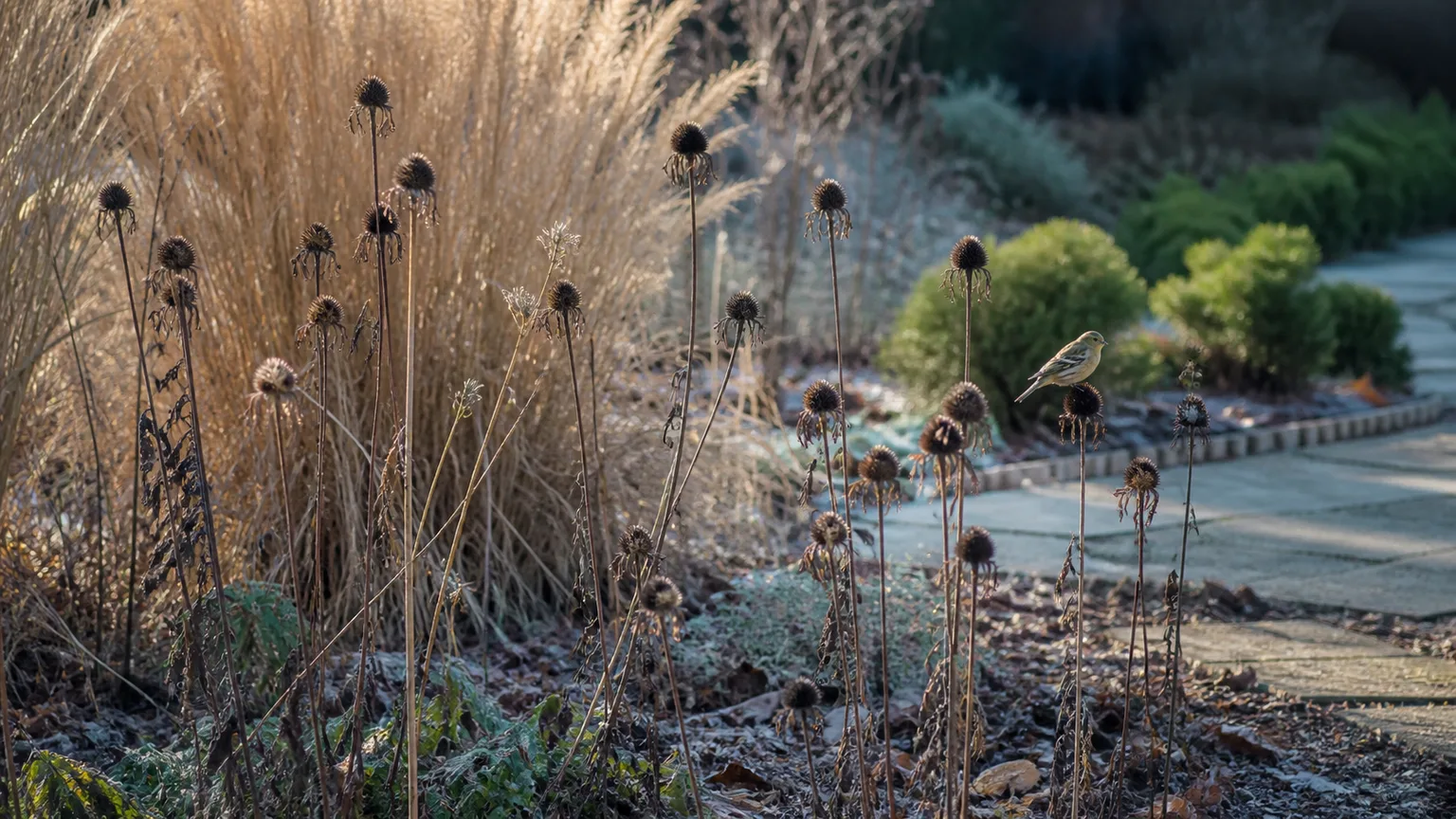
Feed birds. Leave a mature head standing if the stalk is healthy and stable, or cut it with a short section of stem and hang it where birds can reach it. Goldfinches and other seed-eating birds can use the head, but a heavy sunflower may pull down a weak stem after rain. Secure it before it becomes a hazard to neighboring plants or a walkway.
Compost or remove. Chop thick stalks into shorter lengths so they break down more readily, and compost only clean plant material. If a head or stem shows active rot, widespread fungal growth, or a pest problem, do not place it in a home compost pile that may not heat adequately; bag it or follow your local garden-waste rules. The BBC Gardeners’ World guide recommends chopping thick stems before composting once birds have finished feeding.
A Simple Sunflower Deadheading Routine
Build the job around a quick inspection rather than a major pruning session. Walk the bed every two or three days while flowers are opening, carrying clean pruners and a bucket. Start with the flowers that have visibly faded, then trace each stem down to its next healthy growth point.
Use this five-step sequence:
- Choose the goal. Decide whether this head is for another flower, seed, birds, or cleanup.
- Check the flower stage. Cut a truly spent head, not a fresh head that is still serving pollinators.
- Trace the stem. Find the next green leaf, side shoot, or unopened bud before positioning the pruners.
- Cut above that point. Leave a small buffer above healthy growth and make one clean cut.
- Recheck the plant. Confirm that the remaining buds, leaves, support, and neighboring stems are undamaged.
For a branching ornamental in a warm, long season, repeat the routine as new heads fade. For a giant single-stem annual, inspect once or twice, then leave the head to mature if you want seed or bird food. For a perennial clump, deadhead selectively through the bloom period and make the larger cleanup decision after the stems naturally decline.
This routine also keeps the article’s main promise honest. You are not forcing every sunflower to bloom again; you are giving each plant the care that fits its design. When a new side bud is present, the cut can help preserve a longer show. When it is absent, you can stop cutting and choose the seed, bird, or compost outcome that serves your garden best.
Conclusion
The best time to deadhead sunflowers is when a flower has clearly begun to fade and the plant still has healthy growth or unopened buds to support. Cut just above the next healthy leaf, side shoot, or bud, and keep the cut small and clean. Branching sunflowers are the strongest candidates for more blooms; single-stem annuals usually give one main flower, so deadheading them is mainly about appearance and cleanup.
Before you make every cut, decide what you want from the plant. Leave selected mature heads for seed or birds, compost clean spent material, and remove diseased or collapsing stems promptly. Once you start reading the plant’s branching habit and flower stage instead of following a calendar date, sunflower deadheading becomes a quick, useful choice rather than a gamble.