Does Hibiscus Come Back Every Year? A Zone-by-Zone Guide
Find out whether hibiscus comes back in your zone. Compare hardy rose mallow, Rose of Sharon, and tropical hibiscus, then plan the right winter protection.
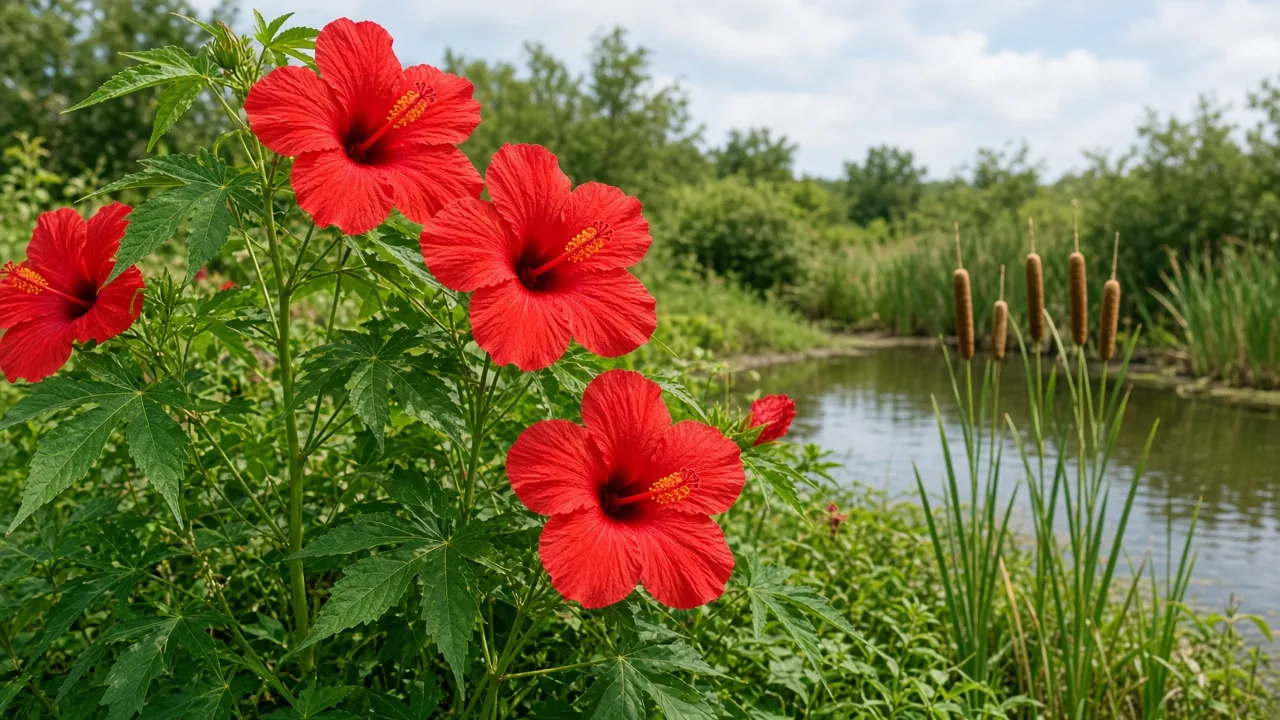
Sometimes yes—and sometimes the plant sold as “hibiscus” is a tender tropical that will not survive an ordinary winter outdoors. The answer depends first on the species, then on its cultivar’s cold rating, whether it grows in the ground or a pot, and how cold your particular site gets. Hardy rose mallow can return from dormant roots after its stems die back; Rose of Sharon keeps a woody framework; tropical Chinese hibiscus needs frost protection.
A USDA zone is a useful starting point, but it cannot identify the plant or guarantee that it will survive a specific cold snap. Before you cut, cover, or replace a hibiscus, check the plant tag or botanical name. A few minutes of identification can prevent you from treating healthy dormancy as a dead plant—or leaving a tropical specimen out until after the damage is done.
Identify the hibiscus before relying on a zone
Hibiscus is a large genus, not a single winter behavior. Three types most often cause confusion in home gardens: herbaceous hardy hibiscus such as rose mallow, the woody shrub Rose of Sharon, and tropical Chinese hibiscus. Their flowers can look similar, but their stems, leaves, and winter response are different.
If you still have the label, look for the botanical name rather than the common name alone. Hibiscus moscheutos (also called rose mallow or swamp hibiscus) and H. coccineus are cold-hardy herbaceous perennials; H. syriacus is Rose of Sharon, a deciduous woody shrub; and H. rosa-sinensis is tropical Chinese hibiscus. The Royal Horticultural Society describes H. moscheutos as a herbaceous perennial, while NC State Extension classifies Rose of Sharon as a deciduous shrub. (RHS rose mallow profile, NC State Extension Rose of Sharon profile)
Hardy rose mallow, Rose of Sharon, and tropical hibiscus are not interchangeable
Rose mallow usually loses its aboveground stems in late fall. That dieback is part of its perennial cycle: the crown and roots rest, then send up new shoots in spring. NC State Extension lists H. moscheutos as a perennial and gives a broad USDA hardiness range from 4a to 9b, but a particular hybrid may have a narrower rating. (NC State Extension rose mallow profile)
Rose of Sharon also drops its leaves, but the plant is a woody shrub with branches that remain through winter. Its bare stems do not mean it has frozen to the ground, and it should not be cut back like an herbaceous rose mallow. NC State lists H. syriacus for zones 5a through 9b and notes that spring pruning encourages flowers on new growth. (NC State Extension Rose of Sharon profile)
Tropical Chinese hibiscus is often sold in a pot as a patio plant. It generally keeps glossy leaves while warm, but it is sensitive to cold and can yellow or shed leaves during a cold wave; UF/IFAS notes that in North Florida it may freeze to the ground and sometimes return from its roots, a regional exception that should not be treated as dependable protection in colder climates. (UF/IFAS hibiscus guide)
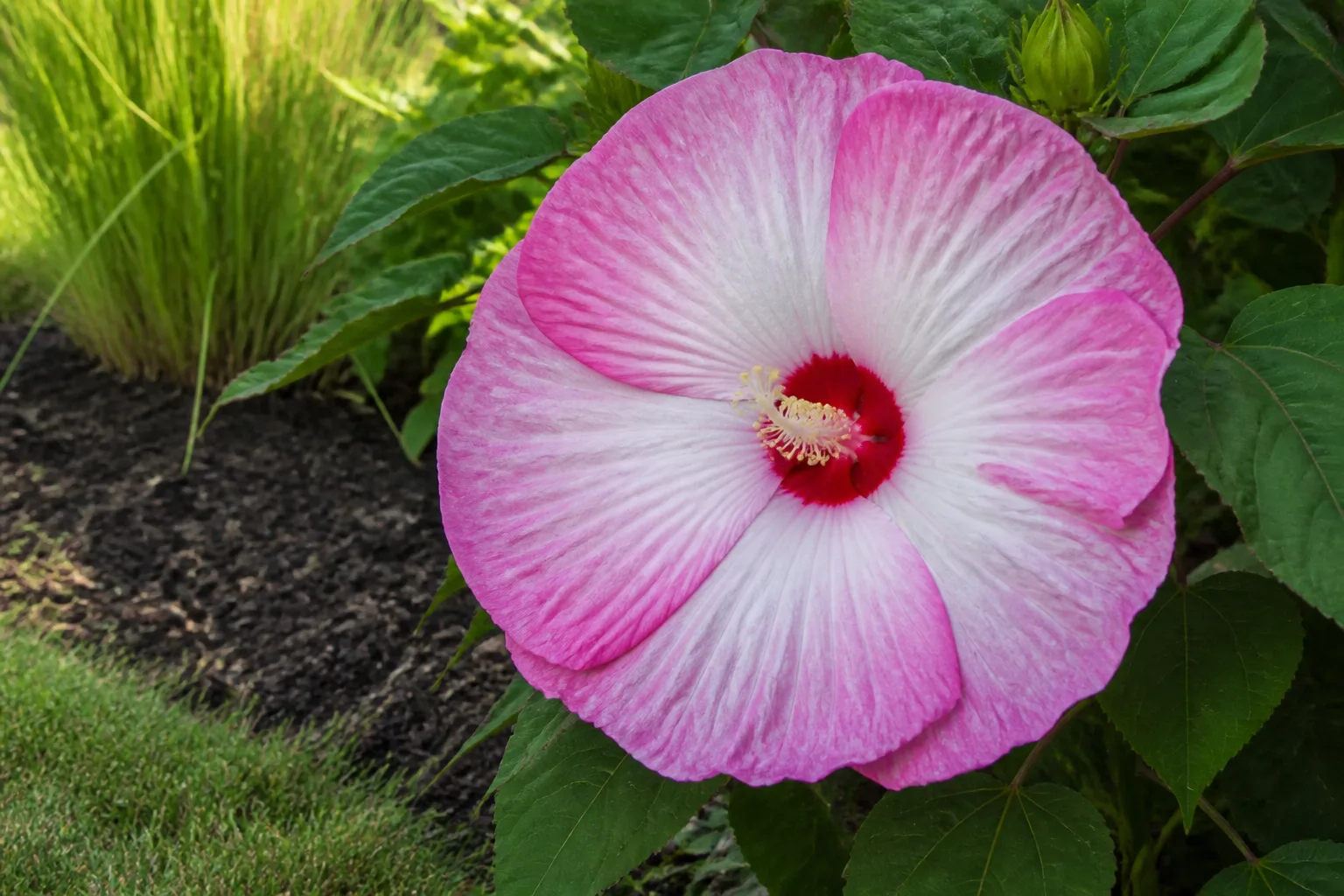
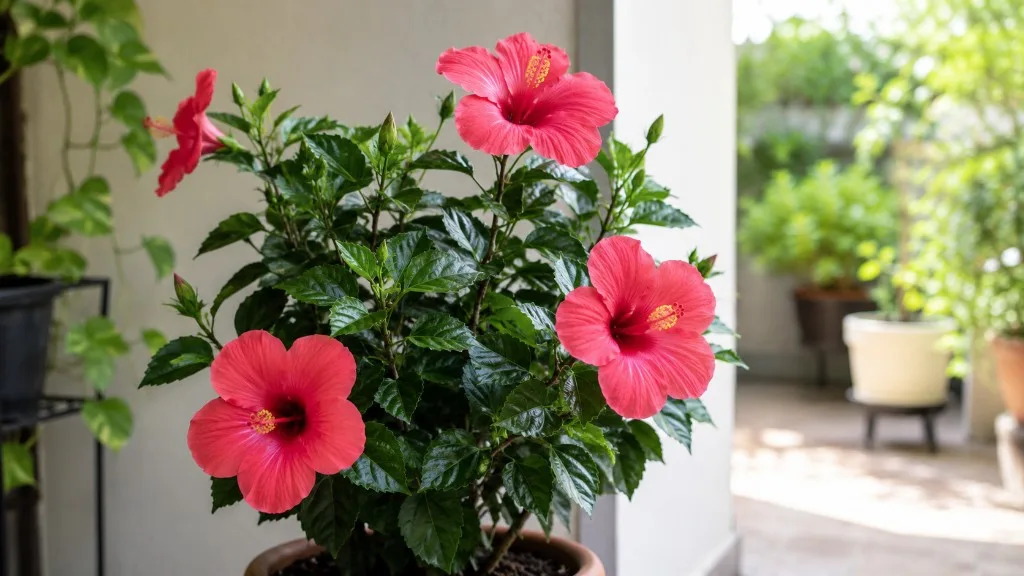
The simplest visual clue is what happens after the first cold weather. A soft-stemmed plant that disappears to the ground may be hardy rose mallow; a shrub with bare woody branches may be Rose of Sharon; and a potted plant that stays leafy until it is chilled is likely tropical. These clues help, but cultivar labels are more reliable than flower color or a single cold-weather reaction.
What a USDA zone can tell you—and what it cannot
The USDA Plant Hardiness Zone Map is based on the average annual extreme minimum winter temperature at a location, divided into 10-degree zones and 5-degree half-zones. It helps you compare a plant’s published hardiness rating with the cold a region typically experiences; it is not a forecast for this winter or a promise that a plant will survive every freeze. (USDA Plant Hardiness Zone Map)
A yard may be colder than its map color suggests. Wind-exposed slopes, low pockets where cold air settles, north-facing walls, wet soil, and repeated freeze-thaw cycles can all raise risk; a sheltered courtyard or south-facing wall can be milder. The map also says nothing about whether the plant is established, whether its crown is healthy, or whether its roots are insulated by the surrounding soil.
Use a cultivar’s zone range as a screening tool, not a binary verdict. If the nursery label says zones 5–9 and your garden is in zone 5, the plant may be hardy there, but it has little margin for a harsh site or a newly planted crown. Choosing a cultivar with a rating colder than your location gives you a more forgiving margin.
Hibiscus hardiness by USDA zone: a practical guide
As a broad comparison, many hardy rose mallows are listed for zones 4–9, Rose of Sharon for zones 5–8 or 5–9 depending on the cultivar, and tropical Chinese hibiscus for frost-free or near-frost-free regions, often zones 9–11. Those ranges are not interchangeable, and references may differ because one page describes a species while another describes a specific cultivar. Check the botanical name and the actual plant tag before using a range to decide whether to leave it outside. (Epic Gardening hibiscus guide, Gardenia hibiscus comparison)
| Your zone | Hardy rose mallow (H. moscheutos, H. coccineus) | Rose of Sharon (H. syriacus) | Tropical Chinese hibiscus (H. rosa-sinensis) |
|---|---|---|---|
| 4–5 | Many cultivars can return if the label includes your zone; mulch the root crown and avoid waterlogged soil. | Zone 5 cultivars may grow in the warmer part of this band; zone 4 is too cold for many. | Treat as a container plant to bring inside, or as a seasonal annual if you cannot overwinter it. |
| 6–8 | Usually a dependable perennial when established and planted in a suitable site. | Commonly hardy as a deciduous shrub; protect new plants and exposed containers. | Bring indoors before cold nights and frost. |
| 9–11 | Hardy perennials can still grow, though some need summer water and full sun to bloom well. | Usually remains a woody deciduous shrub. | Can often remain outdoors where winters are mild, but protect it during an unusual cold event. |
Zones 4–5: choose a hardy cultivar rated for your winter
In zones 4 and 5, look for a named hardy cultivar with an explicit local rating. NC State Extension includes H. moscheutos across zones 4a–9b, while its profile for Rose of Sharon starts at zone 5a; those broad species profiles make clear why it matters to distinguish the plant before planning winter care. A tropical hibiscus is not a substitute for either hardy type if it must remain outdoors all year. (NC State Extension rose mallow profile, NC State Extension Rose of Sharon profile)
Give a newly planted hardy hibiscus a full growing season to establish roots before expecting it to handle a severe winter. Water it during dry spells through fall, but do not keep the crown constantly saturated; cold, wet soil is harder on roots than cold, well-drained soil. After the ground cools, a loose mulch layer can buffer temperature swings, especially where snow cover is unreliable.
Zones 6–8: hardy types usually return; tropical types need shelter
This band suits many hardy rose mallows and Rose of Sharon, but you still need to know which one you own. Rose mallow can look completely dead after its stems are frosted, while Rose of Sharon may stand bare but alive with its branch structure intact. Neither should be judged by green leaves in January.
Tropical Chinese hibiscus is the plant that needs a plan in these zones. If it grows in a pot, move it indoors before cold nights; if it is planted in the ground, a cover may help through a brief, light chill, but it is not a reliable way to carry a frost-tender shrub through a typical winter. A protected, bright indoor space or replacing the plant in spring is more realistic than assuming it will return.
Zones 9–11: tropical hibiscus still needs a frost plan
In the warmest parts of this range, tropical hibiscus can often remain outdoors year-round. UF/IFAS notes that tropical hibiscus stays green in South and Central Florida, but that cold waves can yellow and drop its lower leaves; even a warm-zone garden can have an occasional cold event that damages new growth. (UF/IFAS hibiscus guide)
Zone 9 needs more caution than “tropical plants are safe here” suggests. A zone describes a typical annual extreme minimum, not a guarantee that frost never occurs, so use local forecasts and your site’s exposure. Keep a pot portable, or have frost cloth and a sheltered location ready if an unusual cold night is expected.
Decide what to do with hibiscus in a pot
A plant in the ground benefits from the thermal mass of the surrounding soil; a pot does not. Its root ball is exposed to cold air on all sides, and a container can freeze harder and faster than the same cultivar planted in a bed. That is why a hardy hibiscus rated for your garden zone may still need protection in a pot.
First decide whether the plant is meant to stay active or go dormant. Tropical hibiscus needs light and protection from cold while it remains evergreen; hardy hibiscus can rest in a cool protected place after its leaves and stems die back. Do not put a tropical plant in a dark unheated garage and expect it to keep growing, and do not keep a dormant hardy perennial in a warm room that encourages weak winter shoots.
Bring tropical hibiscus inside before cold nights
Move a potted tropical hibiscus indoors when nighttime temperatures are forecast to fall toward 50°F (10°C), rather than waiting for a frost warning. Epic Gardening’s winter guide uses that temperature as a practical cue and explains that the plant’s next-season survival depends on moving it before cold stress, not after leaves have already dropped. (Epic Gardening hibiscus winter guide)
Before bringing it inside, inspect leaf undersides and stems for aphids, whiteflies, mealybugs, and spider mites. Rinse the foliage and wipe the pot exterior, remove fallen debris, and isolate it from other houseplants for a short observation period if you can. This reduces the chance of carrying outdoor pests onto an indoor plant shelf.
Place it at the brightest window available, away from a cold draft, heater, or hot vent. Growth and flowering often slow when daylight declines, so let the potting mix dry slightly more between waterings than in summer and pause heavy feeding until active growth resumes. Some leaf drop after the move can reflect a sharp change in light and temperature; stabilize the conditions before pruning hard or repeatedly changing its location.
In spring, return the pot outdoors only after frost risk has passed and nights are reliably mild. Give it a week or two in bright shade, then increase direct sun gradually so the leaves adjust without scorching. Moving a plant straight from a dim room to hot afternoon sun can cause damage that looks like a winter-survival problem but is actually transition stress.
Protect hardy hibiscus roots without forcing active growth
A potted rose mallow or Rose of Sharon can winter in a sheltered, unheated space such as a garage, shed, or cold frame if the pot itself is protected from hard freezes. Cluster pots against a building, wrap the container with insulating material, or surround it with dry leaves; keep the drainage holes open and check occasionally that the root ball has not dried completely. The goal is to protect dormant roots, not to keep an outdoor perennial warm enough to leaf out in midwinter.
If the pot is too large to move, place it in the most sheltered spot you have and insulate the container rather than piling wet mulch against the crown. Avoid storing a hardy plant in a heated living room, where it may produce pale growth that cannot handle a sudden return outdoors. Epic Gardening notes that container roots need more protection than in-ground plants because they are more exposed to air temperatures. (Epic Gardening hibiscus winter guide)
Protect a hardy hibiscus planted in the ground
For an established hardy rose mallow, the main job is to protect the crown and avoid disturbing it while dormant. After hard frost, leave the stems until you can identify whether new shoots are coming from the crown, or cut them back as part of winter cleanup. If you mulch, use a loose layer of leaves or similar material over the root zone; do not pack a soggy mound tightly against the base.
Rose mallow likes moist soil during active growth, and H. moscheutos can tolerate wet sites, but winter puddling around a crown is still a risk. A low spot that stays saturated can stress roots even when the plant is listed for a cold zone. If the bed drains slowly, use less mulch and clear standing water instead of adding more insulation.
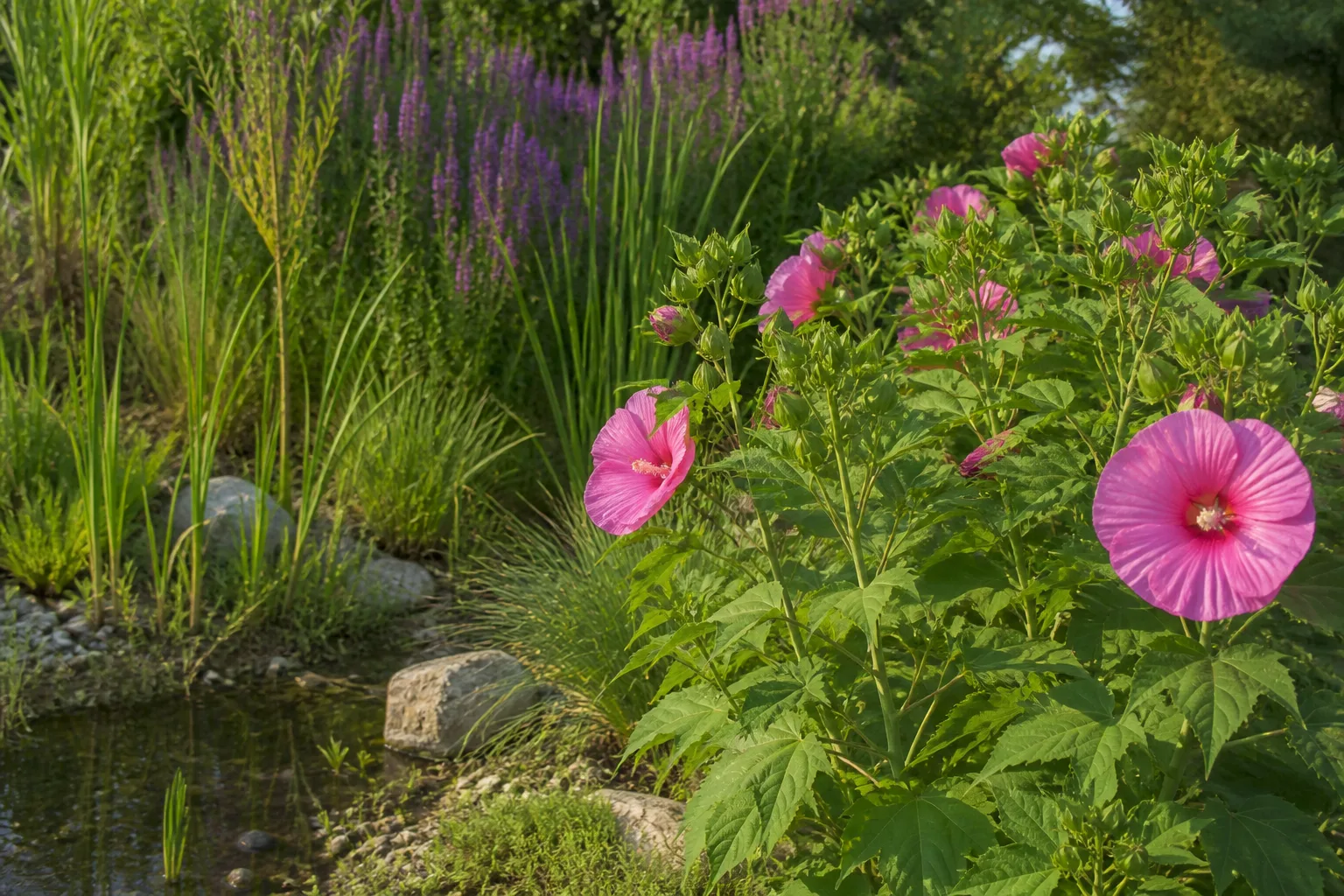
Do not pull up or divide the crown in fall just because the top has browned. If you need to move or divide a perennial hibiscus, spring is the safer time to see where healthy new growth is emerging. The RHS recommends spring division for rose mallow, and NC State Extension lists division as one of its propagation methods. (RHS rose mallow profile, NC State Extension rose mallow profile)
Diagnose a hibiscus that has not returned
Start by identifying the type and reviewing its winter exposure. A hardy rose mallow that has no leaves in February may be behaving normally; a tropical hibiscus left outside through a prolonged freeze may have suffered damage; and a bare Rose of Sharon may still have living branches. The same symptom—no leaves—can call for patience, protection, or a closer inspection depending on which plant you own.
Other reasons a hardy hibiscus may fail to return include a newly planted or weak crown, waterlogged soil, severe freeze-thaw cycles, rodent damage, and a container that froze through. Late-season planting can also leave roots too shallow to establish before winter. If the plant has been in the ground for several years and its site matches the cultivar’s zone rating, look at drainage and crown condition before assuming the zone is the cause.
A tropical hibiscus may drop foliage when it is moved indoors, especially if light falls sharply or a cold draft hits the plant. Check the stems for green tissue and look for firm branches before discarding it. A bare top does not mean the roots are dead, but if the crown is soft, blackened, or foul-smelling after wet cold weather, rot is more likely than ordinary dormancy.
When to wait and when to investigate
Hardy rose mallow is a warm-season perennial, so it may not show new shoots as early as spring bulbs or cool-season perennials. Mark the crown before winter and give it time as the soil warms; do not dig it up simply because it is still bare during the first mild days of spring. A nearby established hibiscus of the same type is a better timing comparison than a different perennial species.
If neighboring rose mallows are emerging and yours is still bare, check gently at the edge of the crown for firm tissue and a living root rather than cutting into the center. Firm roots and a sound crown justify more patience; a mushy crown or widespread soft rot points to failure. Once you are confident the plant is gone, replace it with a cultivar rated for your zone and choose a better-drained or more sheltered location if the previous site was exposed.
Prune according to the species and winter habit
Do not use one fall-pruning rule for every hibiscus. Hardy rose mallow has herbaceous stems that die back, while Rose of Sharon keeps woody branches and tropical Chinese hibiscus may remain evergreen. Identify the type first, then prune only what is dead, damaged, or in the way.
For Rose of Sharon, wait until late winter or early spring for shaping, before new growth is well underway. It flowers on new growth, and NC State Extension notes that spring pruning encourages flowering and can increase flower size; avoid shearing it to the ground as if it were a herbaceous perennial. Remove dead or crossing branches with clean tools and preserve the shrub’s natural framework. (NC State Extension Rose of Sharon profile)
For hardy rose mallow, dead stems can be cut back after frost or left standing temporarily. NC State Extension’s study found that first-winter stems were not occupied by bees, and that cutting dead stems in winter to leave 12–24 inches of stubble created openings for stem-nesting bees; this offers a practical middle ground between a tidy garden and pollinator habitat. The study was conducted in North Carolina, so follow local pollinator guidance where it differs. (NC State Extension pollinator-stem study)
For tropical hibiscus, prune mainly to remove damaged growth or to fit the plant indoors, and avoid a severe cut just as winter begins. A large cut can remove potential flowering growth, while repeated pruning and fertilizer cannot compensate for inadequate indoor light. If it has lost leaves, wait until it stabilizes and shows living buds before making a larger shaping cut.
Conclusion
Hibiscus can return every year, but the answer depends on its species and winter setup. Hardy rose mallow is a perennial that may die back to the ground; Rose of Sharon is a woody shrub that loses leaves; tropical Chinese hibiscus needs frost protection in colder zones. Match the plant tag to your USDA zone, treat pots as less protected than in-ground plants, and wait for the right signs of spring before replacing a dormant hibiscus.



