18 Zone 8b Perennials for Sun, Shade, and Moisture
Find Zone 8b perennials for hot, humid summers, afternoon shade, and dry soil, with cultivar notes and a practical plan for getting new plants established.
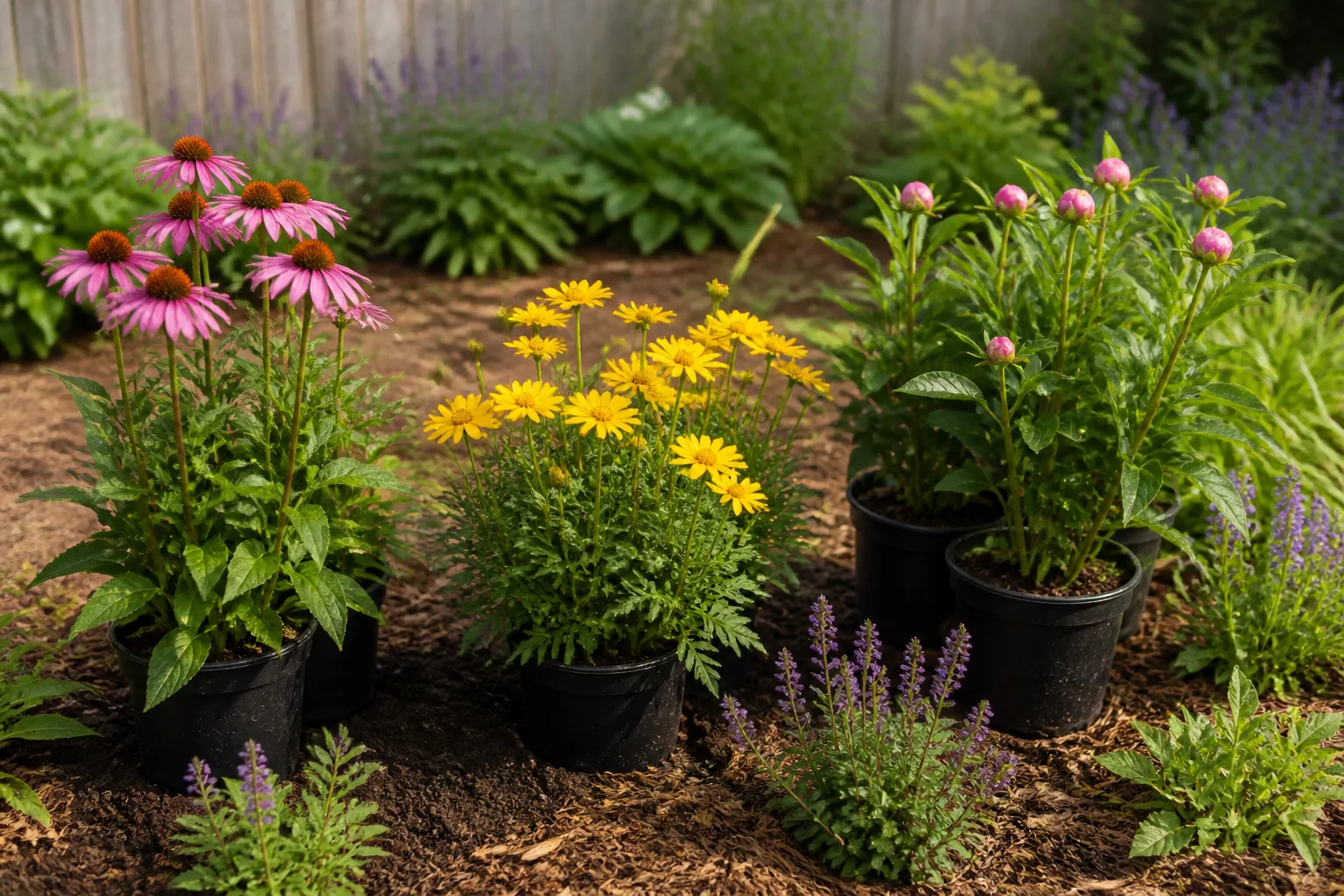
Zone 8b opens the door to many perennials, but “hardy” is only a first filter. The label says something about winter cold; it cannot tell you whether a plant will enjoy humid heat, afternoon sun against a wall, or clay that stays wet after rain.
These 18 choices are grouped by light and moisture, with the main trade-off for each. Check the exact species or cultivar on the plant tag, then compare it with your soil and summer exposure.
What Zone 8b tells you—and what it leaves out
The USDA Plant Hardiness Zone Map groups places by their average annual extreme minimum winter temperature. Zone 8b represents an average annual extreme minimum of 15°F to 20°F; Zone 8a is colder, at 10°F to 15°F.
Those are averages, not a promise against every freeze. Oregon State University explains that the map does not account for summer heat, humidity, soil moisture, spring frost, or snow cover. Its hardiness-zone guide is a starting point, not a complete planting prescription.
Zone 8b includes places with very different climates: a Pacific Northwest garden may have cool summers and wet winters, while a Gulf Coast garden may face hot, humid nights and intense storms. An inland yard can swing from a mild winter to prolonged heat and drought. The same plant may stay evergreen in one location, go dormant in another, or face disease pressure that its hardiness rating does not describe.
A zone label cannot tell you whether a plant likes heat, reflected sun from pavement, wind, a frost pocket, or your drainage. If a plant is rated to Zone 8, it generally meets the cold threshold for 8b, but heat tolerance, moisture needs, and cultivar range still matter. Check whether the tag describes the species or a named cultivar; varieties in one genus can differ in cold limits, mature size, and disease resistance.
Match plants to your garden before choosing flowers
Watch the site through a normal day and count sun at the planting spot, not in the open lawn. Morning light and afternoon light behave differently in a hot climate; a west-facing wall can make a bed much hotter than an open spot with similar sun hours.
After a heavy rain, check how quickly the soil drains. Lingering puddles point to a bed that needs better drainage or plants adapted to moisture; sandy soil under trees may dry so fast that new plants need extra water. A local soil test can clarify pH and nutrients before you amend.
Use this quick match as a filter:
| Your garden spot | Start with | Watch for |
|---|---|---|
| Hot sun and soil that dries between rains | Coneflower, blanket flower, yarrow, creeping thyme | Winter-wet crowns and overwatering |
| Sunny border with regular moisture | Phlox, daylily, Shasta daisy, canna | Airflow, mildew, and drainage |
| Dappled or afternoon shade | Hellebore, fringed bleeding heart, Brunnera | Dry tree roots and reflected heat |
| Heavy or slow-draining soil | Choose moisture-tolerant plants only after checking their ranges | Root and crown rot during wet spells |
18 perennials for different Zone 8b sites
These are typical hardiness ranges, not guarantees for every garden-center selection. Read the exact cultivar tag, and use local extension advice to resolve regional questions. For a practical cross-check on hot-summer choices, see Gardeners’ Path’s flowering perennials for hot, sunny gardens and Gardening Know How’s Zone 8 perennial overview.
Full-sun plants for drier, well-drained beds
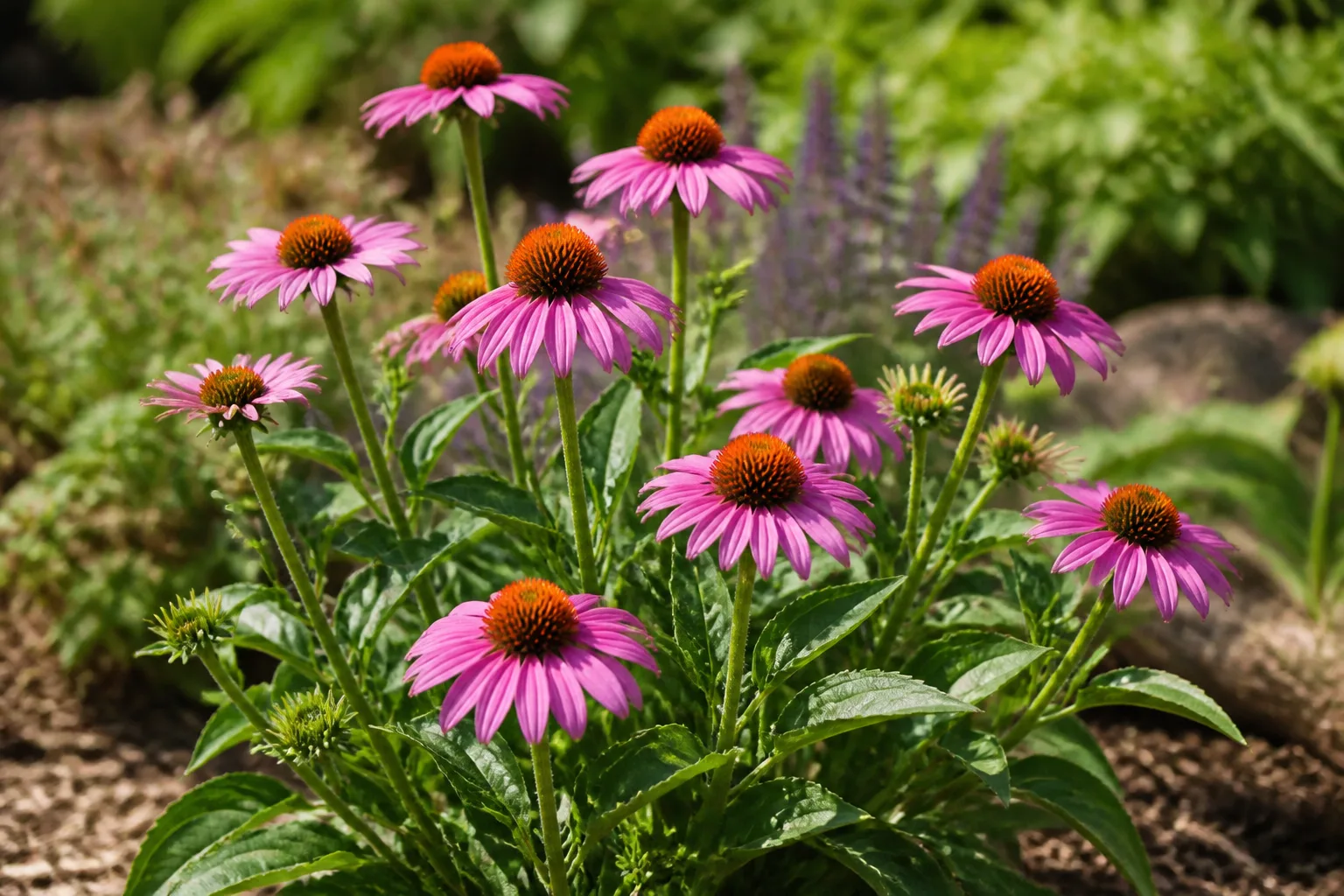
1. Purple coneflower (Echinacea purpurea). The species is commonly rated for Zones 3 to 8, so it fits the winter range of an 8b garden, and purple forms are generally a safer choice for hot sun than some novelty hybrids. Give it full sun or light afternoon shade in the hottest inland sites and soil that drains freely; established plants can handle dry spells better than a new transplant.
Leave a few seed heads standing if you want winter structure and seed for birds. New cultivars vary in vigor and hardiness, so choose one whose tag includes your local zone rather than assuming every Echinacea hybrid behaves like the species.
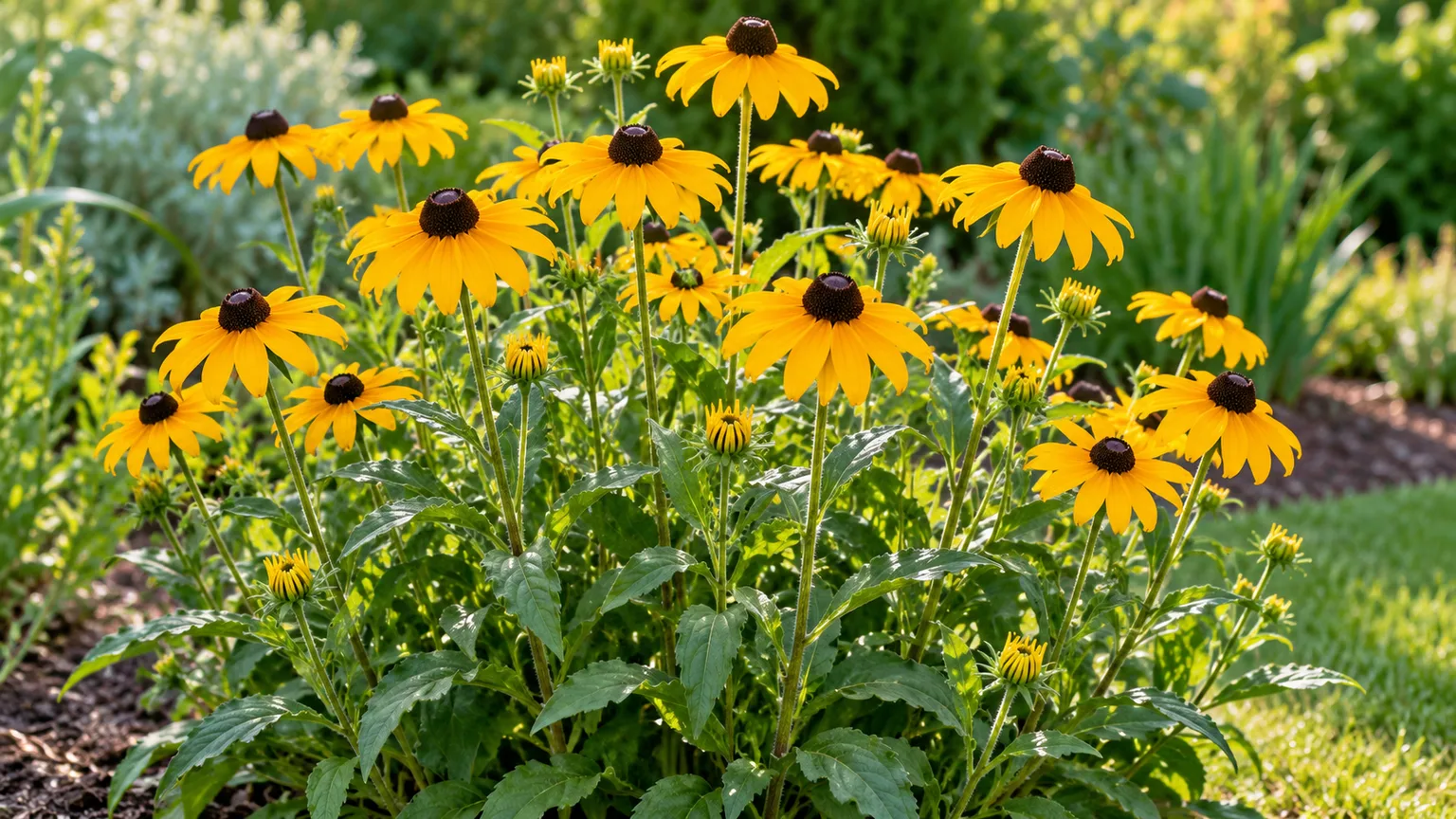
2. Black-eyed Susan (Rudbeckia fulgida). This eastern North American perennial is one of the more dependable choices for hot, humid summers when its soil is not waterlogged. NC State Extension describes it as thriving in full sun, tolerating partial shade, and bearing up under hot, humid conditions; it also notes that it spreads into clumps by underground stems.
A cultivar such as ‘Goldsturm’ gives a compact, familiar golden display, but leave room for the clump to widen and divide it if it crowds neighbors. It is a better pick for a bed that can accept a spreading clump than for a tiny, tightly edged pocket. NC State Extension’s Plant Toolbox documents the species’ growing conditions and regional character.
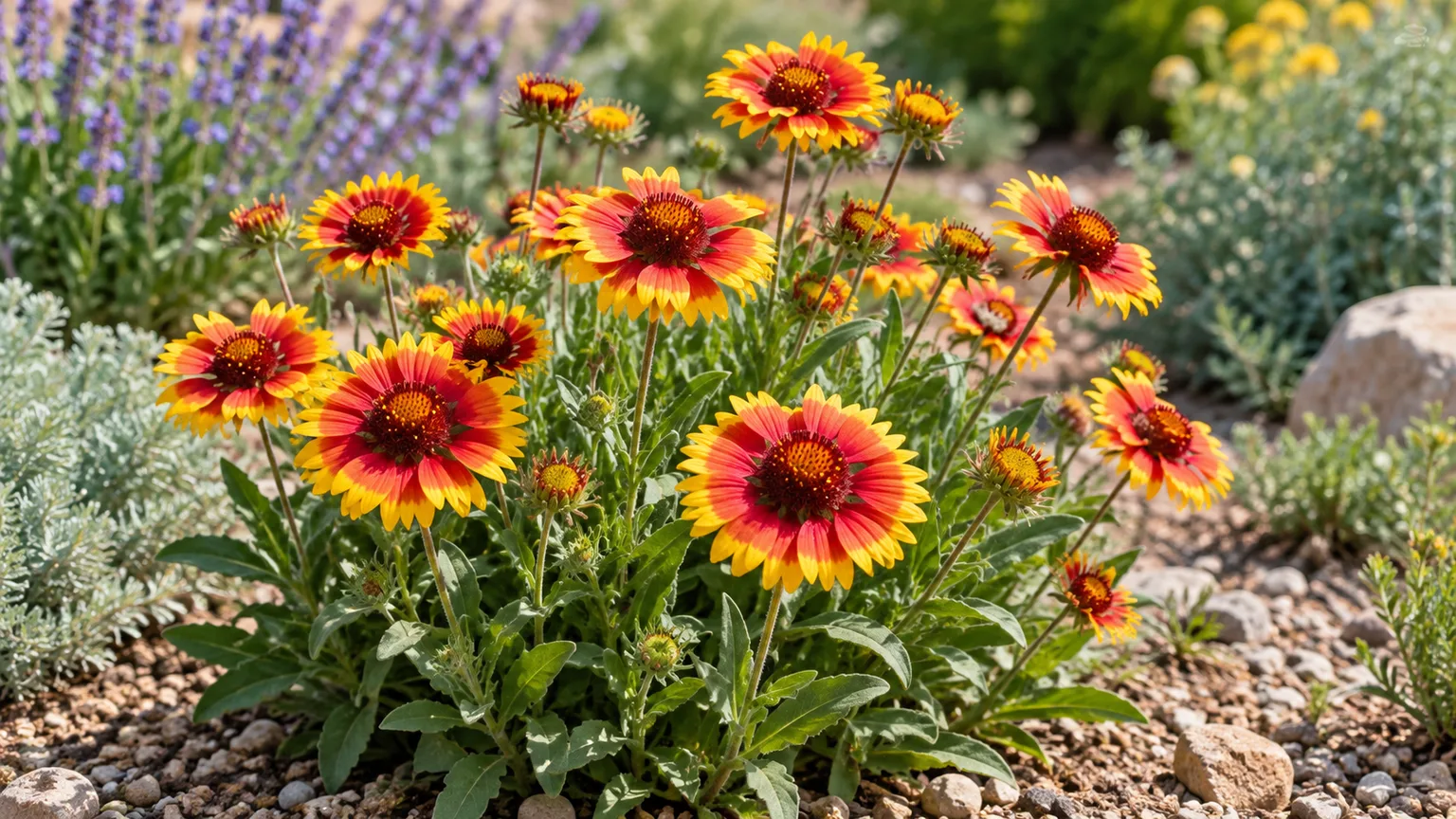
3. Blanket flower (Gaillardia × grandiflora). For a sunny bed that becomes dry between rains, blanket flower offers long-lasting red, orange, and yellow blooms and generally handles heat and lean soil. It is commonly listed across Zones 3 to 10, though cultivar labels should still be checked.
The detail that saves disappointment is drainage: a plant that tolerates drought can still rot in cold, saturated winter soil. Skip rich, frequently watered planting pockets, and do not crowd it into the wettest part of a clay bed. In a humid location, treat it as a short-lived perennial and let a few seedlings replace older plants if they come true enough for your garden.
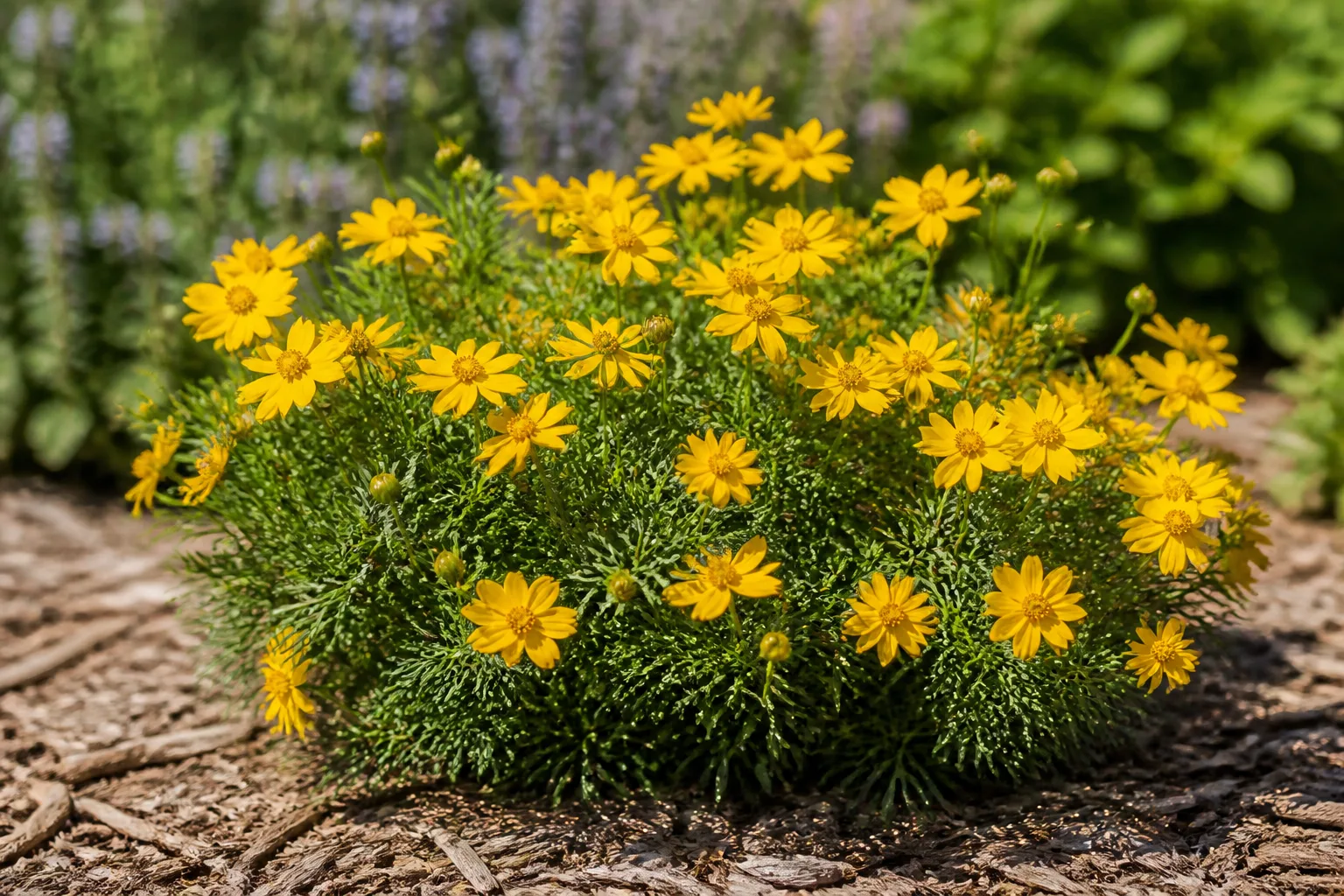
4. Threadleaf tickseed (Coreopsis verticillata). Fine, airy foliage and yellow flowers make this a useful middle-height plant along the front or center of a sunny border. Most threadleaf forms are hardy through Zone 8, and the species tolerates ordinary dry spells once its roots are established.
It flowers best with direct sun and soil that does not stay soggy; heavy feeding can produce more foliage than flowers and may leave stems floppy. Allow a little room around the clump, then shear it lightly after the first flush if it becomes untidy. Cultivars differ in height and spread, so a compact selection can fit a small bed better than the taller species form.
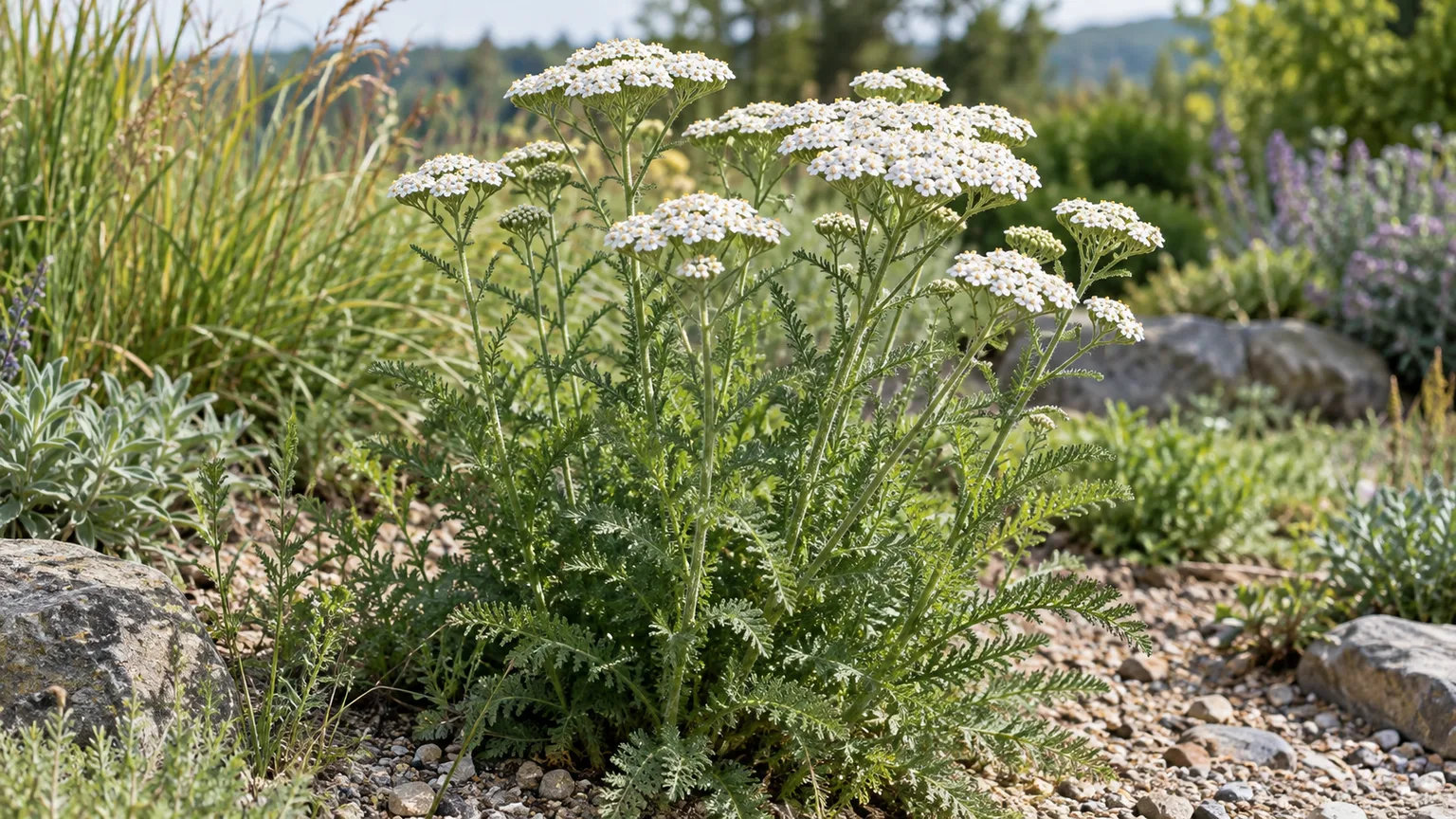
5. Yarrow (Achillea millefolium). Yarrow suits open, sunny ground where many moisture-loving perennials would wilt, and its flat flower clusters work well among grasses and other drought-tolerant plants. It is commonly listed for Zones 3 to 9 and prefers lean, well-drained soil; frequent irrigation and high fertility can make it flop.
Yarrow can spread by rhizomes and seedlings, so deadhead it before seed forms if you want to keep the patch within its allotted space. In a humid 8b garden, choose an airy location and avoid wetting the foliage late in the day. The leaves are aromatic, while the flowers hold their shape as they fade.
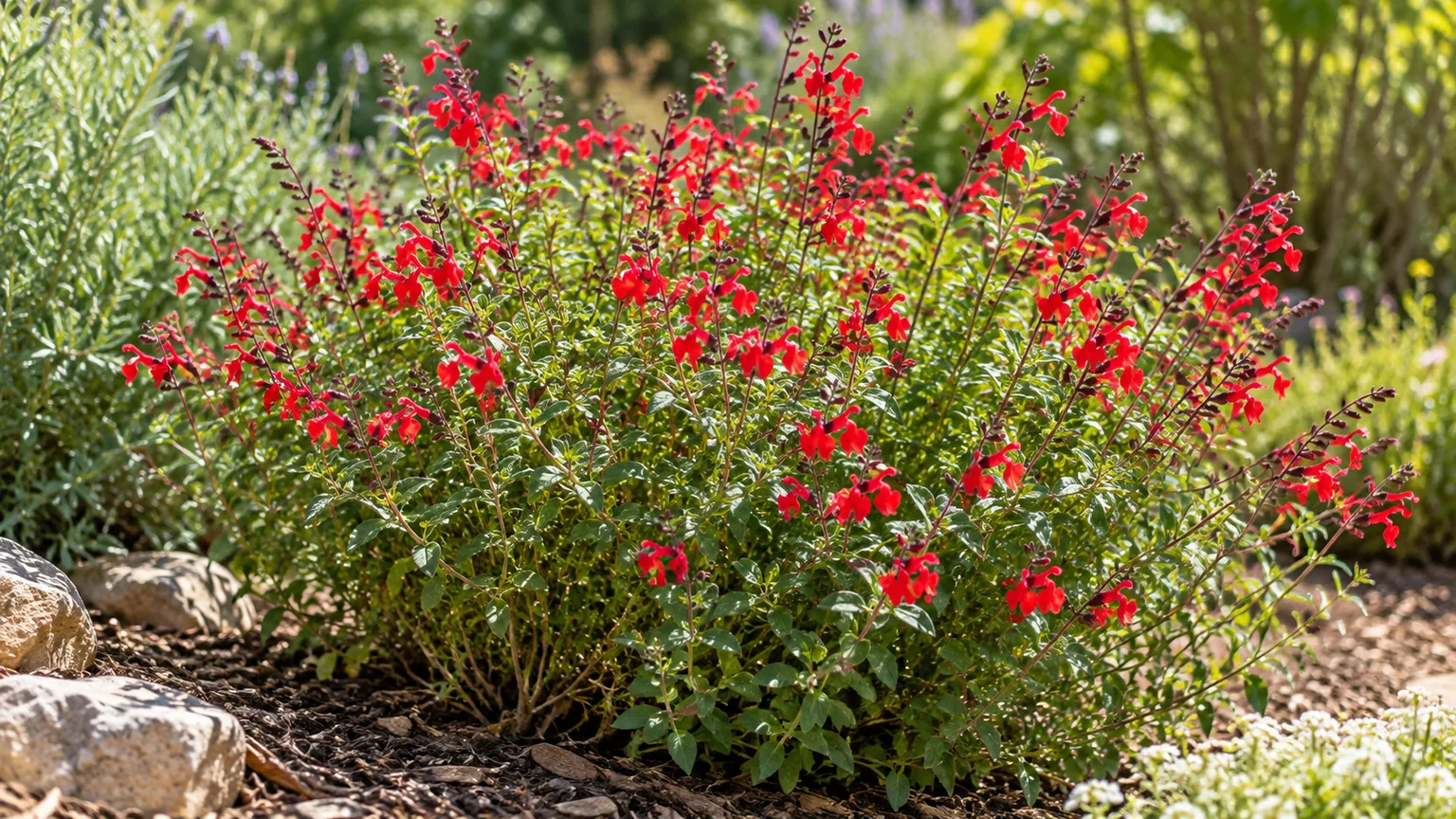
6. Autumn sage (Salvia greggii). This woody-based perennial or subshrub is a good fit for a sunny border that drains quickly and needs a long season of color. Many selections are rated for roughly Zones 6 to 9, but use the range printed for the cultivar you are buying, especially if the site gets winter wind or holds water.
Once established, autumn sage tolerates heat and short dry spells; it is less forgiving of heavy, cold, soggy soil. Give it enough room for air to move around the foliage, and wait until new growth shows in spring before deciding that winter has killed it. Prune lightly to shape rather than shearing hard into old wood.
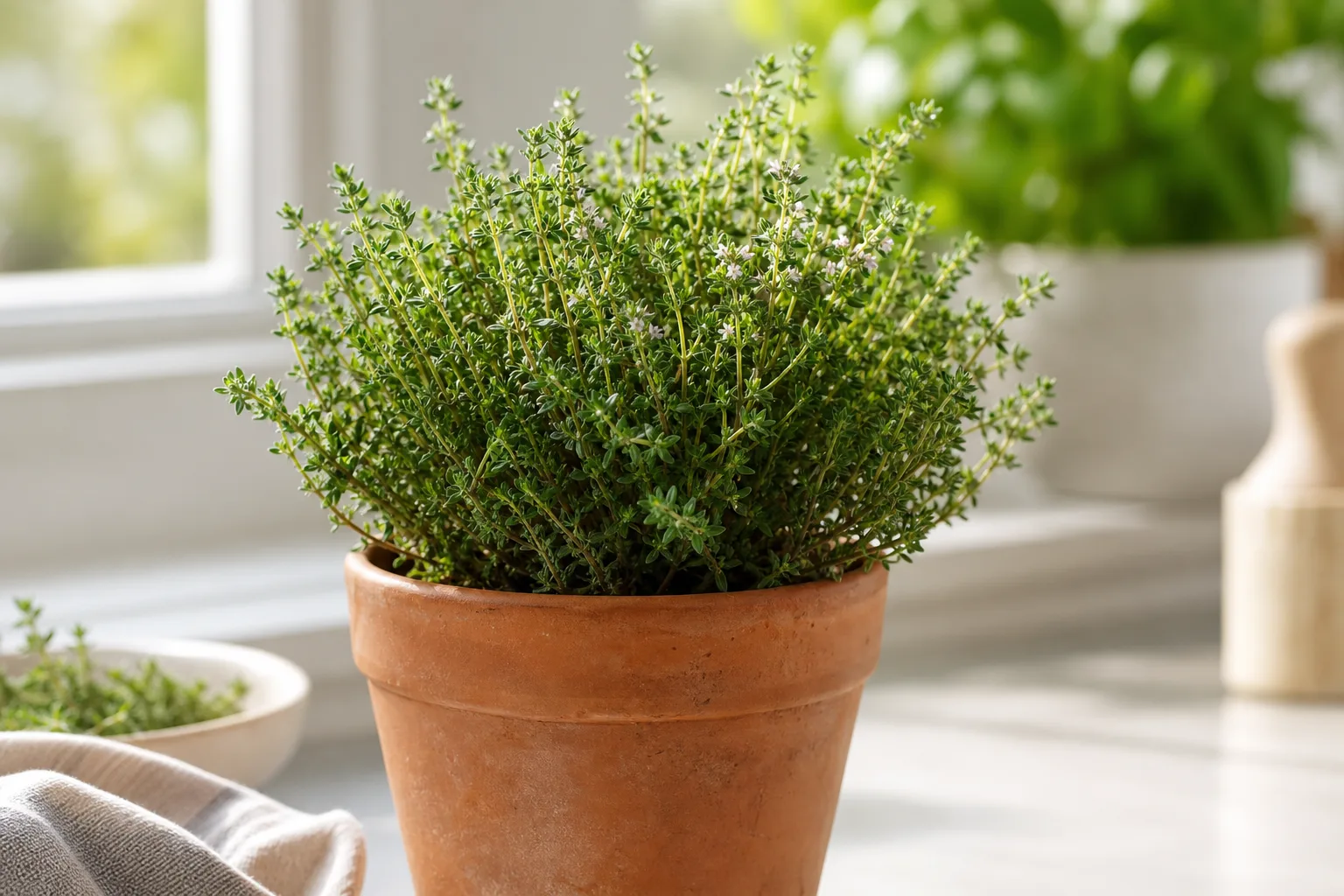
7. Creeping thyme (Thymus praecox or T. serpyllum). A low thyme can edge a path, soften a sunny stone border, or fill gaps where lawn grass is difficult to mow. Depending on the species and cultivar, creeping thymes are generally rated across Zones 4 to 9.
They need bright sun and excellent drainage; in a Zone 8b garden, the limiting factor is often summer soil moisture or heavy clay rather than winter cold. Use it between stepping stones or along a dry edge, not where people will walk over it constantly. Weed the patch while it is young, because once the stems knit together, removing established weeds without damaging the mat becomes tedious.
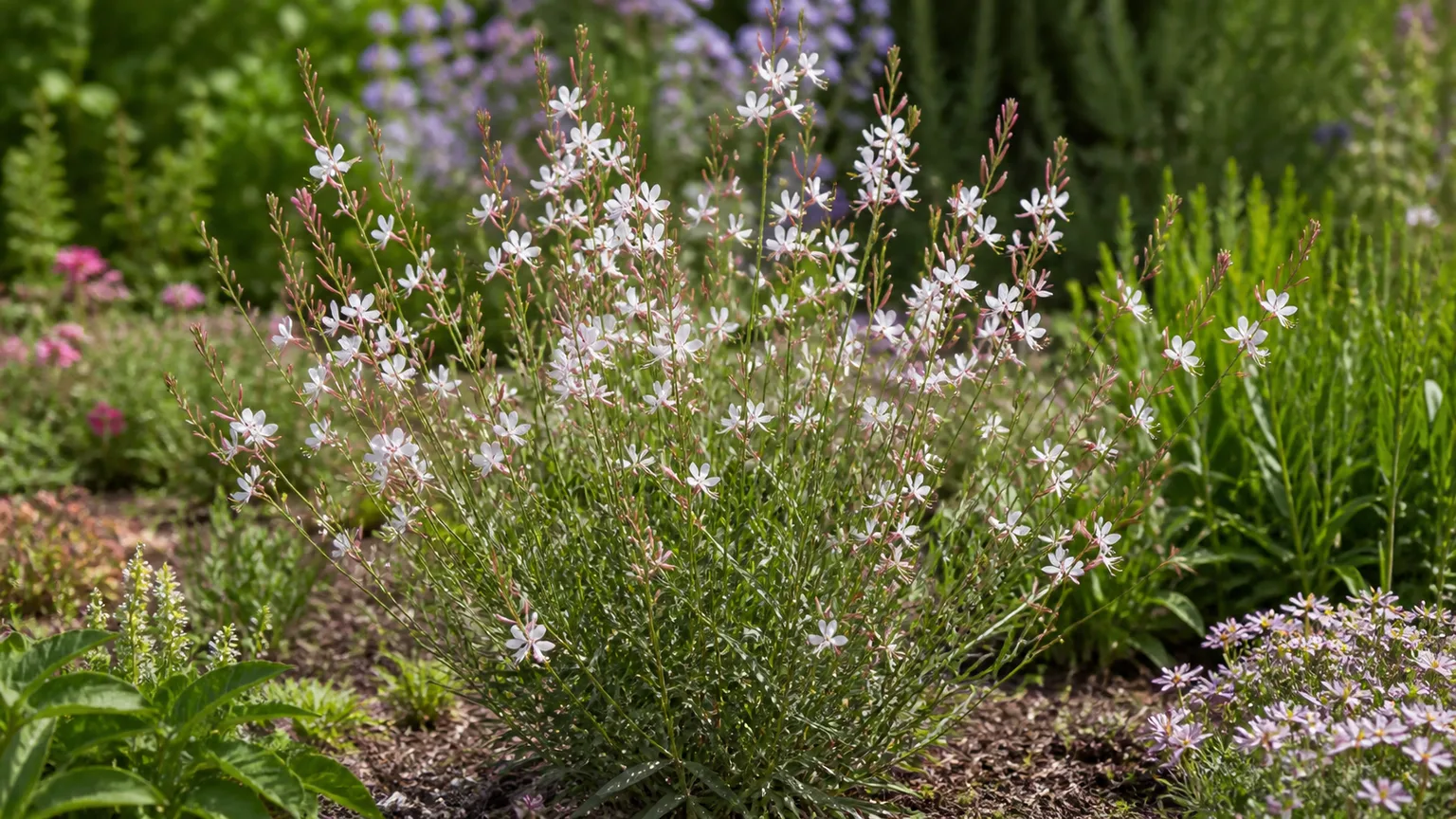
8. Gaura (Oenothera lindheimeri). Also sold as wand flower, gaura sends slender flower stems above a loose mound of foliage, giving a sunny bed movement without a dense wall of color. It is often rated for Zones 5 to 9 and is adapted to heat and periods of drought once established.
Plant it where rainwater does not collect around the crown; in rich, moist soil it can become lanky and may not return as reliably through a wet winter. The airy habit makes it a useful partner for coneflower or yarrow, but it can self-seed. Remove unwanted seedlings when small and retain the ones that land where you want another clump.
Colorful perennials for average, even moisture
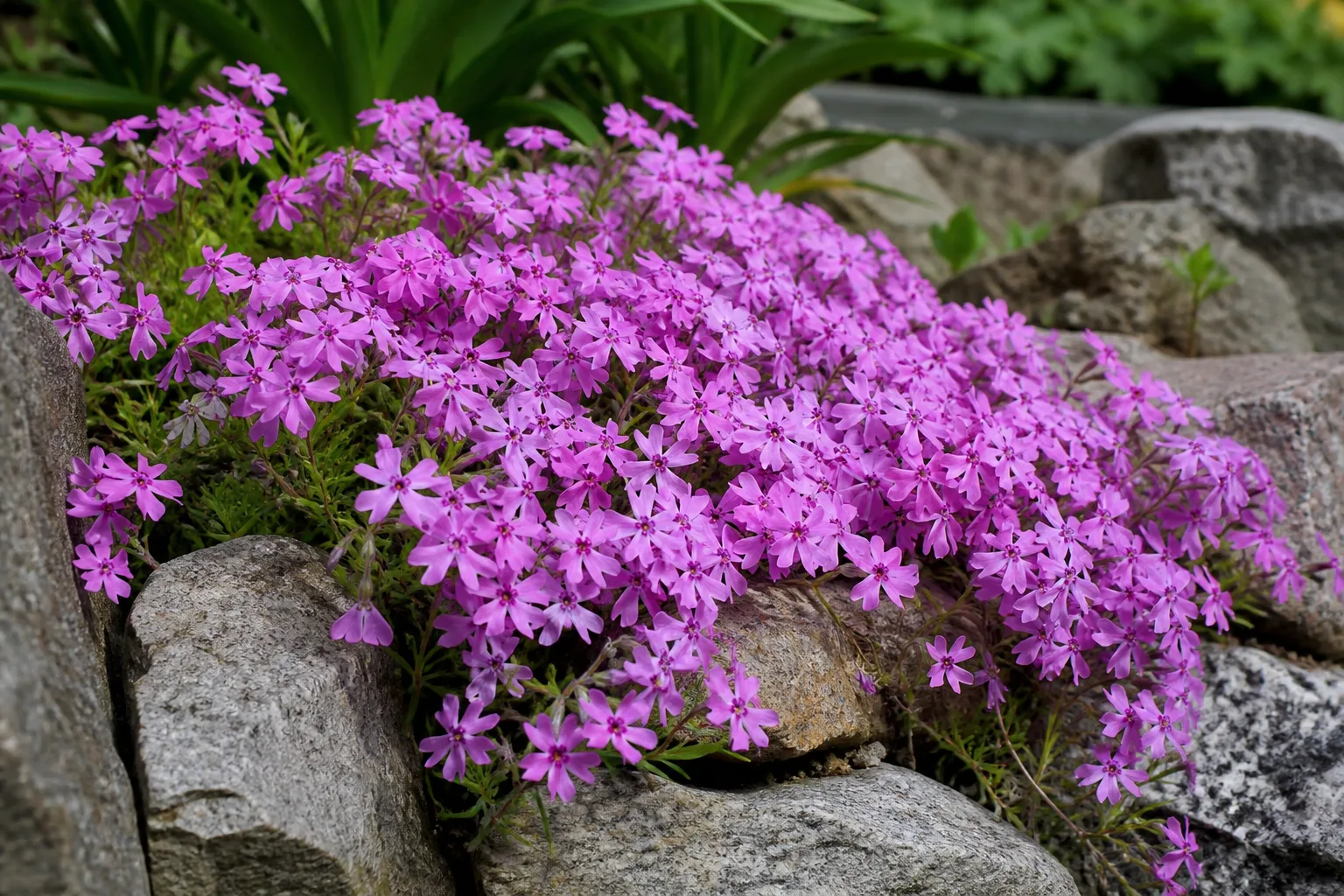
9. Garden phlox (Phlox paniculata). Garden phlox brings fragrant midsummer flower clusters and useful height to a mixed border, but humid summers can encourage powdery mildew. Choose a cultivar specifically described as mildew resistant, provide spacing based on its mature width, and water at soil level rather than keeping leaves wet overnight.
A site with morning sun and light afternoon shade can be a sensible compromise in a very hot inland garden. Most garden phlox is sold for Zones 4 to 8; compare the individual label and local extension recommendations, because performance depends on cultivar and air movement as well as winter hardiness. Do not crowd it behind a solid fence or a dense row of shrubs.
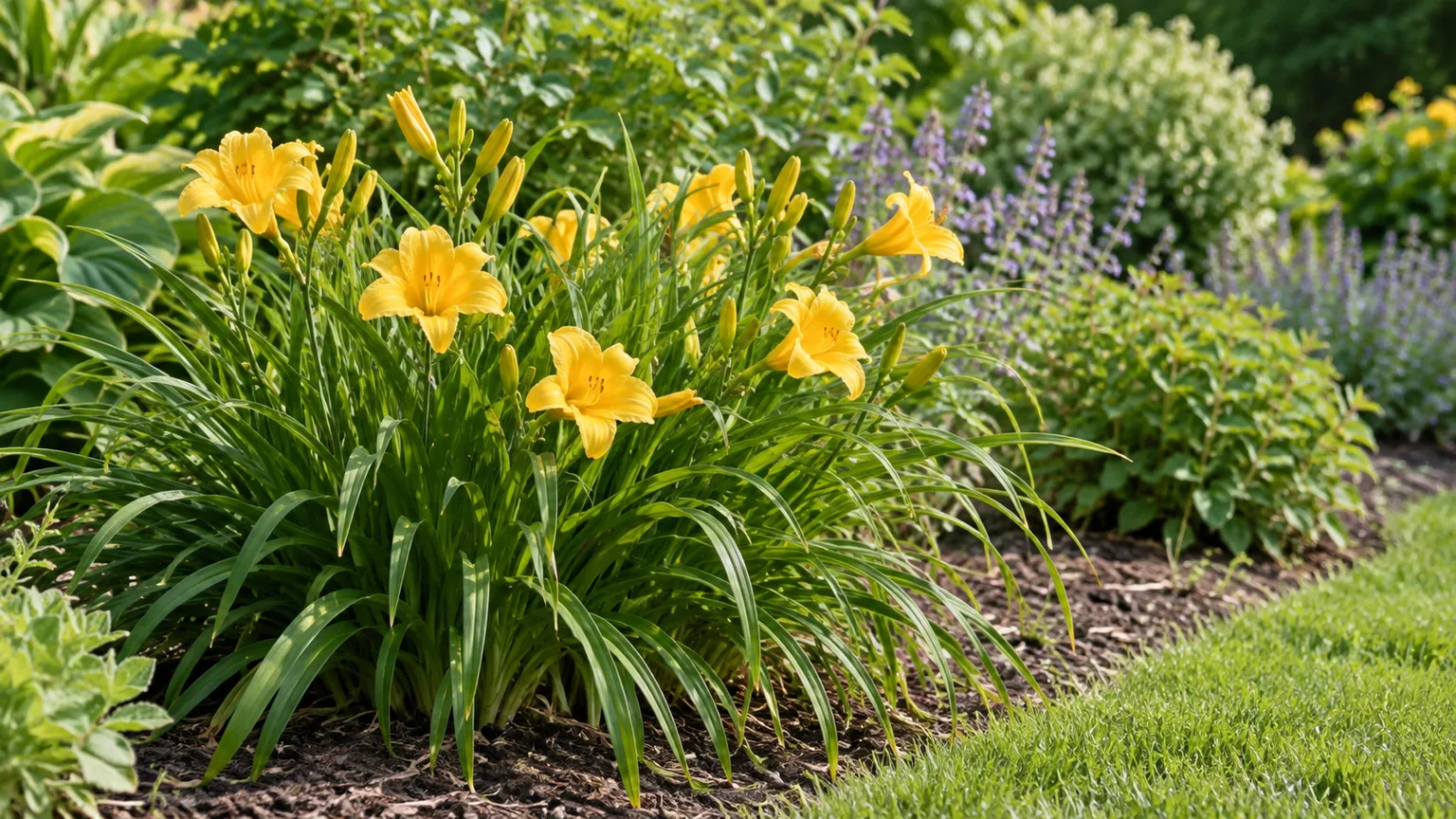
10. Daylily (Hemerocallis hybrids). Daylilies are clumping perennials with a wide range of heights, colors, and flowering windows, and many tolerate the ordinary summer heat of Zone 8. Individual flowers last one day, but each scape carries multiple buds; repeat bloom depends on the cultivar and growing conditions.
In very hot 8b sites, afternoon shade can help keep foliage and flowers presentable, while morning sun supports flowering. Most garden daylilies accept a range of soils if drainage is adequate, but a newly planted clump still needs consistent water as roots settle. ‘Stella de Oro’ is compact and reblooming; taller cultivars need more space behind edging plants. Divide congested clumps when flowering declines or the center thins.
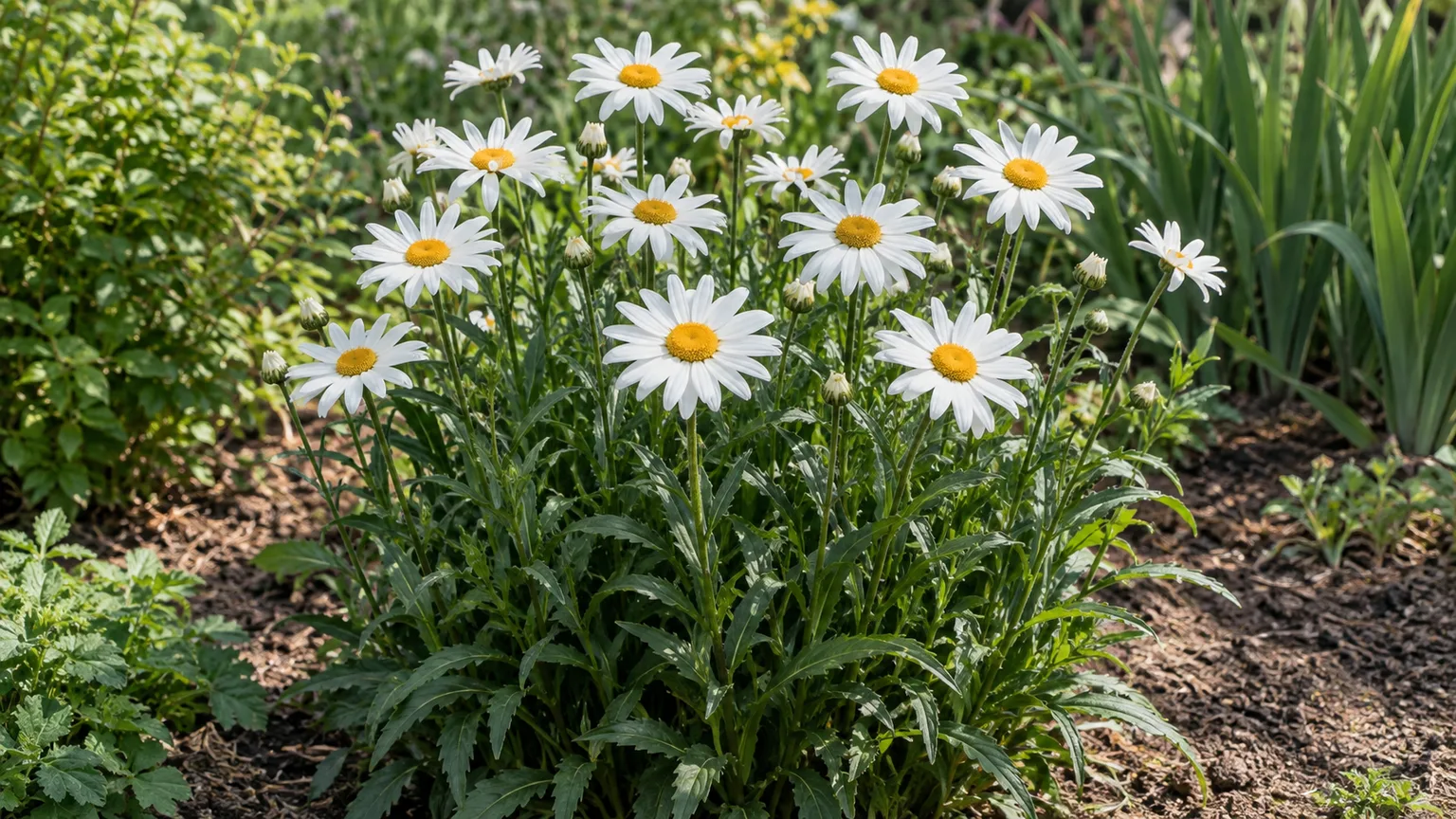
11. Shasta daisy (Leucanthemum × superbum). ‘Becky’ and similar hardy cultivars provide the classic white petals and yellow centers, generally in Zones 5 to 9. In cooler Zone 8b locations they can take more sun; in the hottest humid locations, morning sun and afternoon shade can reduce stress.
Drainage matters as much as irrigation: a plant that wilts in afternoon heat may need water, but soil that stays saturated can damage the crown. Deadhead to keep the border tidy and encourage additional flowers, then divide the clump if its middle becomes sparse. Check the cultivar’s mature height before planting it at the front of a bed, since some Shasta daisies grow tall enough to shade smaller edging plants.
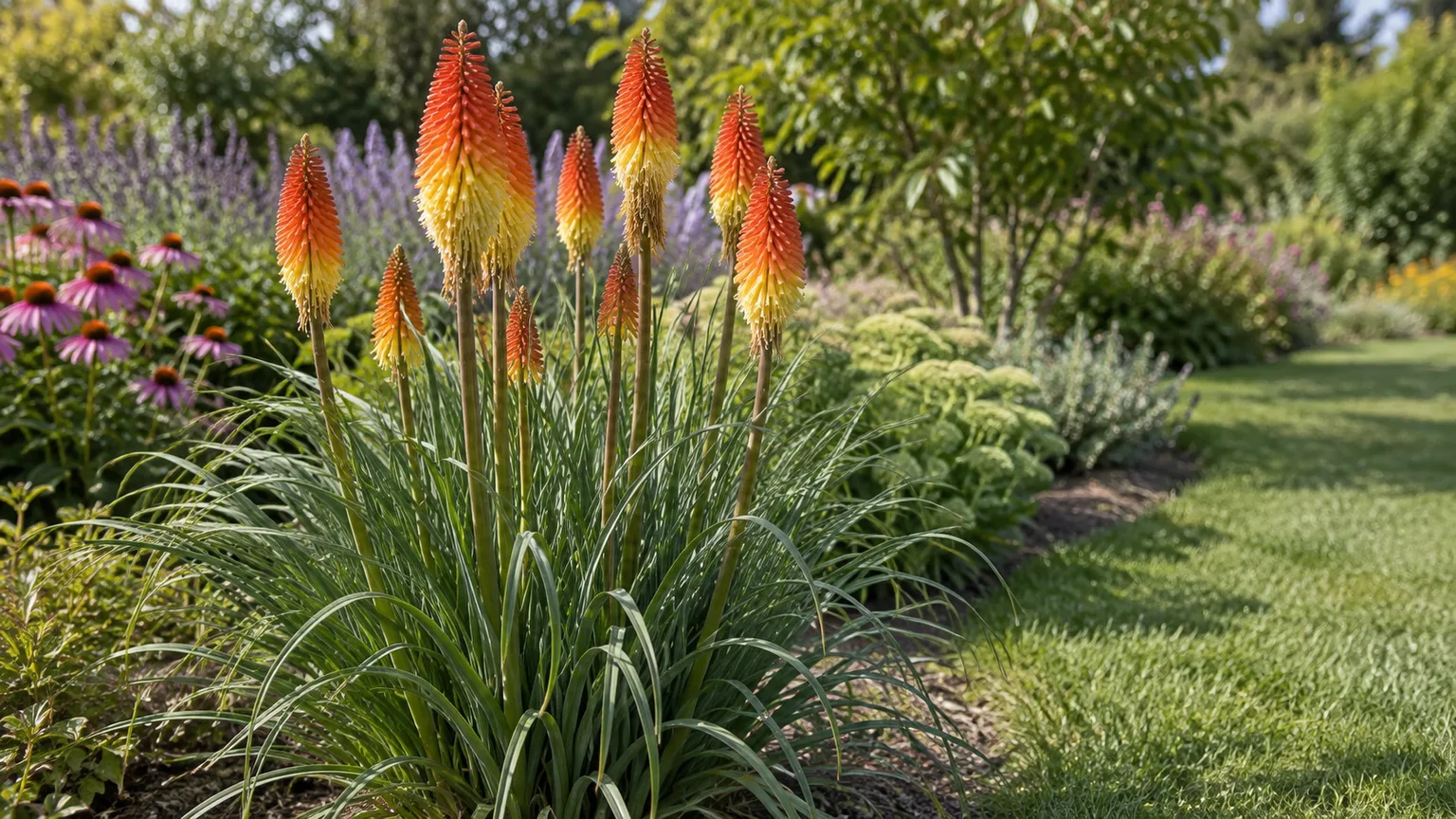
12. Red hot poker (Kniphofia hybrids). The upright flower spikes of red hot poker bring strong vertical color, while the strap-like leaves stay attractive between bloom cycles. Many commonly sold cultivars are hardy through Zone 8, though the species and named selections have different ranges.
Plant in full sun and freely draining soil; a crown that sits wet through winter is a greater risk than an ordinary 8b cold snap. Keep neighboring plants from smothering the evergreen or semi-evergreen foliage, and remove only dead leaves rather than cutting the whole clump to the ground. A compact cultivar is easier to place in a mixed border, while taller forms need room to stand without leaning into paths.
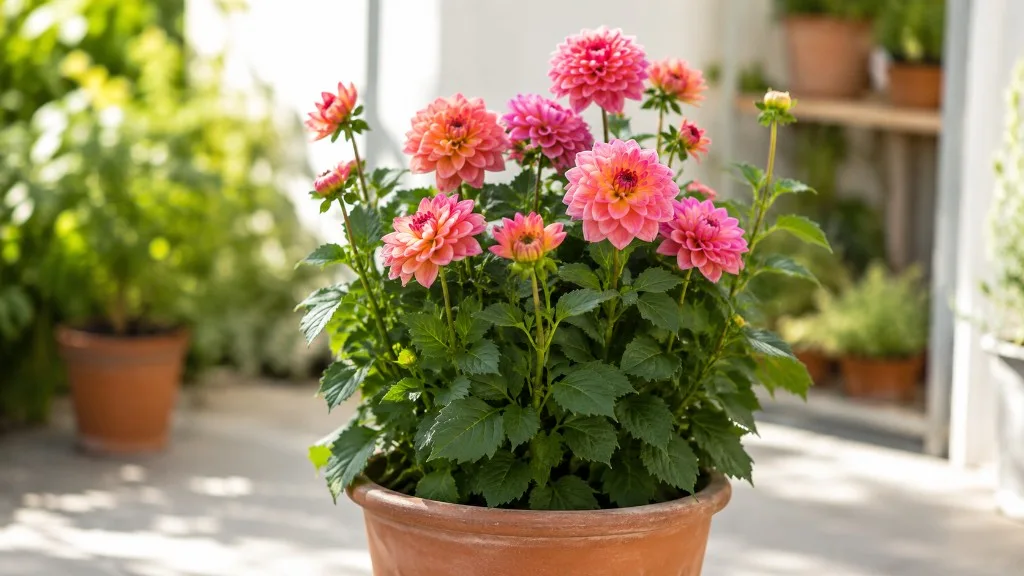
13. Dahlia (Dahlia cultivars). Dahlias are technically tuberous perennials and are often rated for Zones 8 to 11, but an 8b rating does not guarantee tubers will survive every wet winter outdoors. Choose a sunny spot with fertile, well-drained soil and keep moisture steady during active growth without leaving the crown waterlogged.
In a dry-winter inland yard, some gardeners leave established tubers in the ground under mulch; in heavy soil or a rainy winter climate, lifting and storing them is the more dependable option. Cultivars vary dramatically in mature size and flower form, so check the height and support needs before planting. Tall dinnerplate types may need staking; smaller varieties can fit containers or front borders.
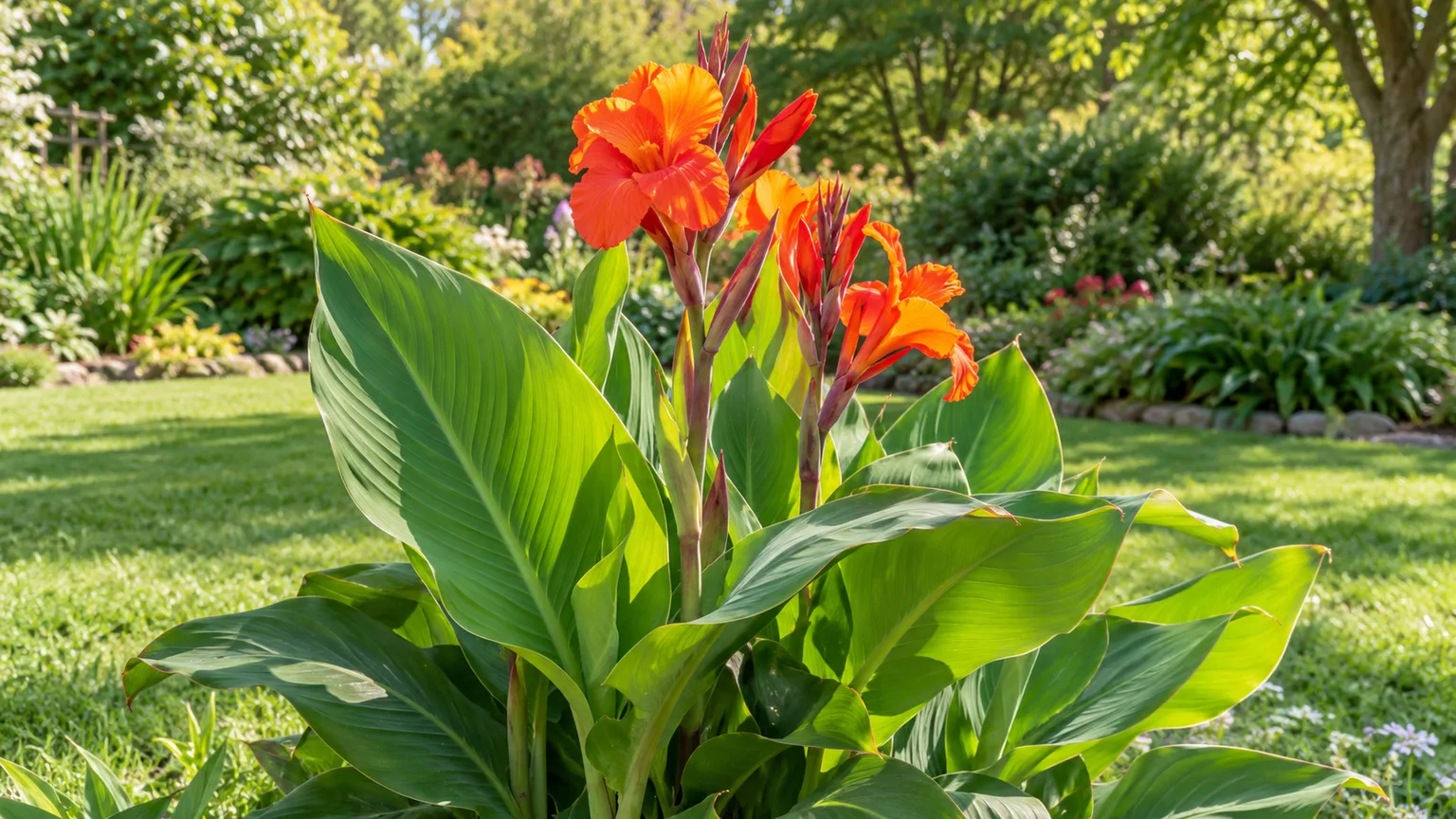
14. Canna (Canna hybrids). Cannas supply broad foliage and tropical-looking flowers through warm weather, and their rhizomes can remain perennial in much of Zone 8. They prefer warmth, full sun to part sun, and soil that stays evenly moist; they are useful near a rain garden or a consistently watered bed but are a poor match for a dry gravel border.
In 8b, the question is often winter drainage: cold, waterlogged rhizomes can rot even where the minimum temperature is within a plant’s listed range. Choose a cultivar whose size suits the space, and plan to divide crowded clumps when flowering or vigor declines. For exposed sites, add wind protection because large leaves can tear in strong gusts.
Reliable choices for shade and woodland edges
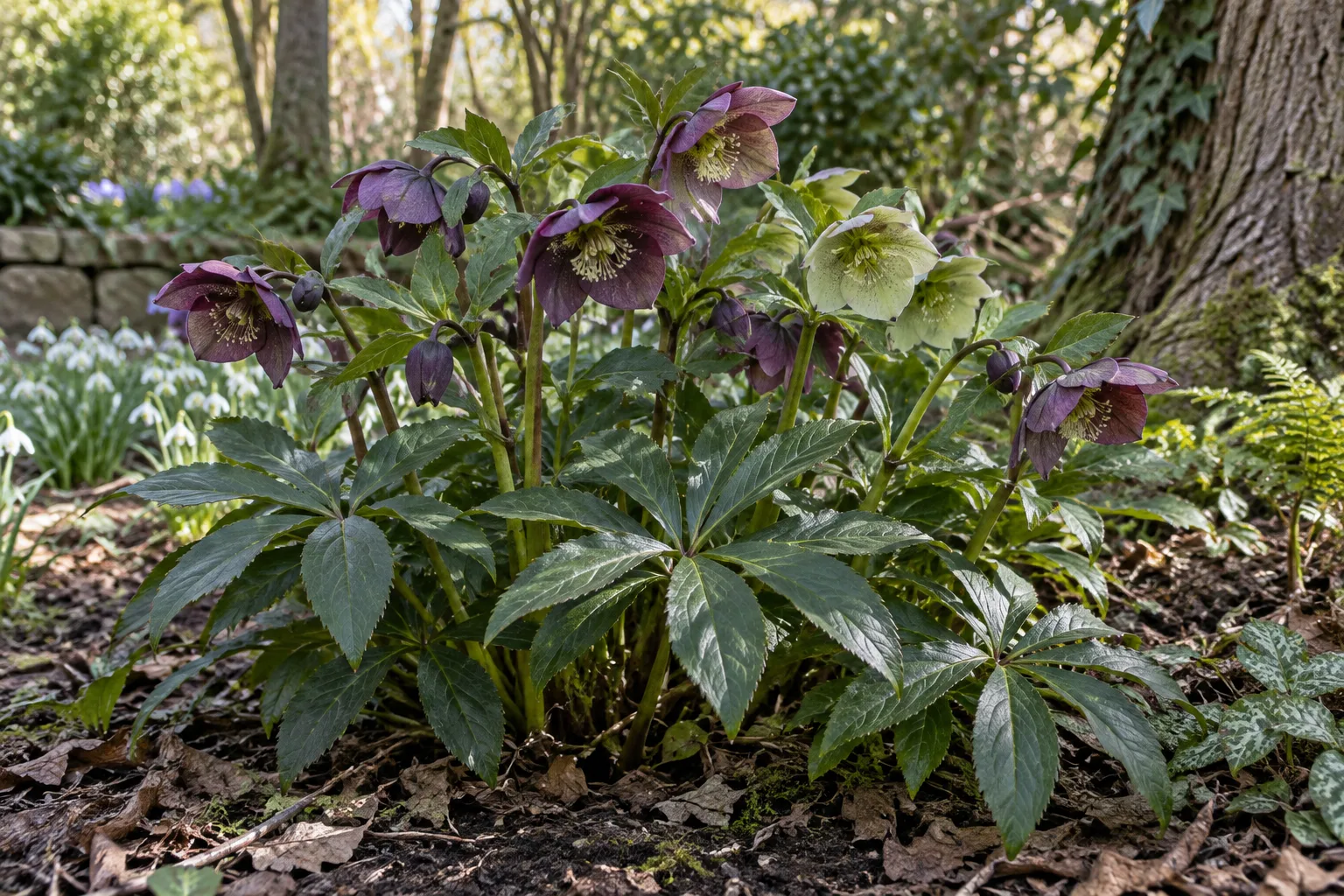
15. Hellebore (Helleborus × hybridus). Hellebores provide late-winter or early-spring flowers when many garden beds are still bare, then keep a mound of foliage through much of the year. They are generally hardy well beyond Zone 8, but they still need a site that suits their roots: bright shade, humus-rich soil, and drainage that prevents water from pooling around the crown.
In hot 8b climates, shade from afternoon sun helps prevent leaf scorch, while a dry spot beneath a dense tree can be too thirsty. Remove badly damaged older leaves as new flower stems emerge, but avoid cutting healthy foliage prematurely. Cultivar flower color and foliage vary, and seedlings may not match the parent plant exactly.
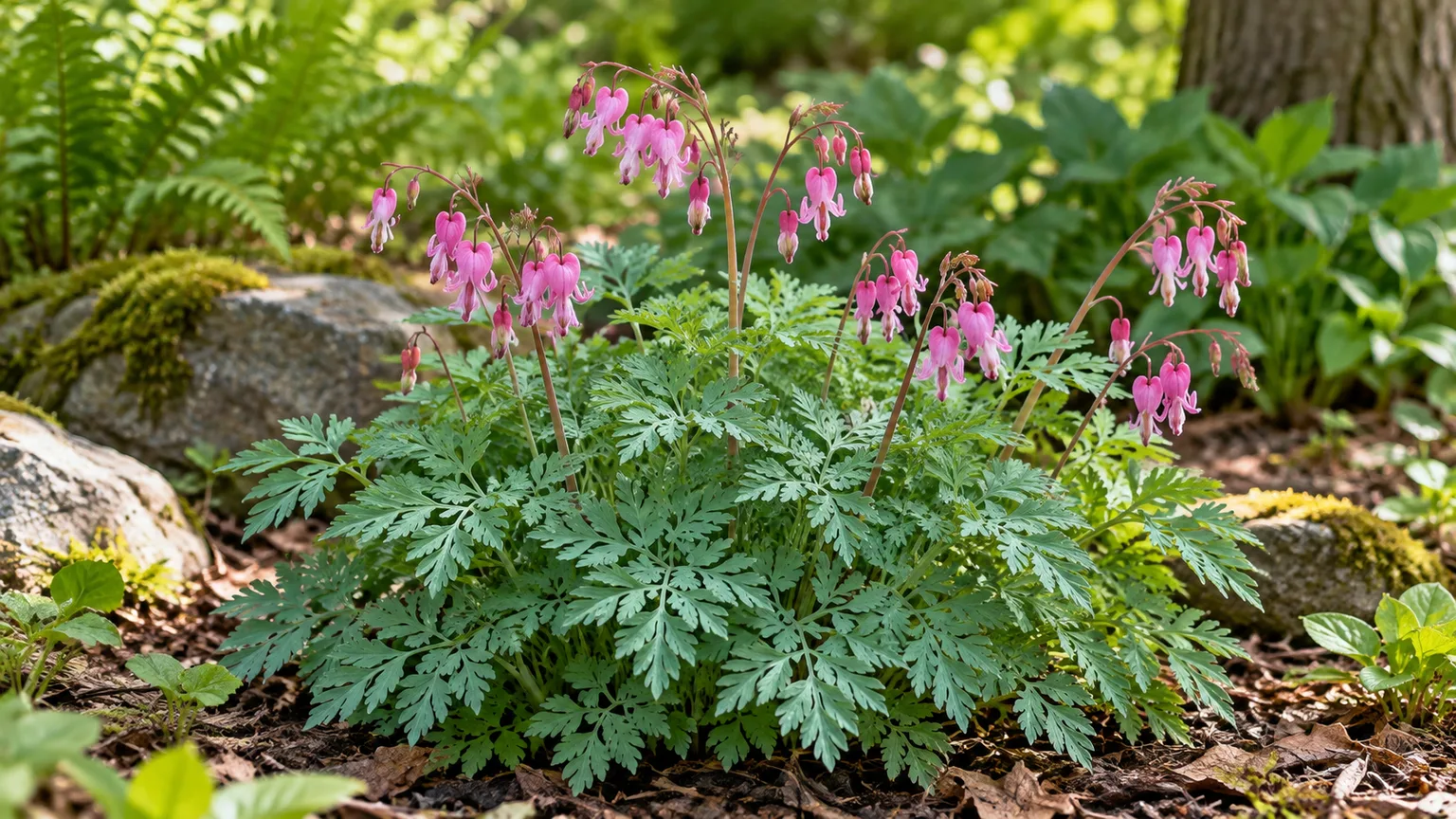
16. Fringed bleeding heart (Dicentra eximia). For a shaded border with moist, loose soil, fringed bleeding heart offers ferny foliage and dangling pink flowers in spring. It is a better summer choice for many eastern gardens than assuming every bleeding-heart type behaves alike: species and hybrid bleeding hearts differ in how long their foliage lasts, and heat or dry soil can prompt dormancy.
Give it afternoon shade and water during extended dry periods while it is actively growing; do not keep the crown wet in winter. Its lower, spreading habit works near a path or woodland edge, where taller shrubs filter light but do not compete too aggressively for root moisture. Allow the leaves to fade naturally before removing them.
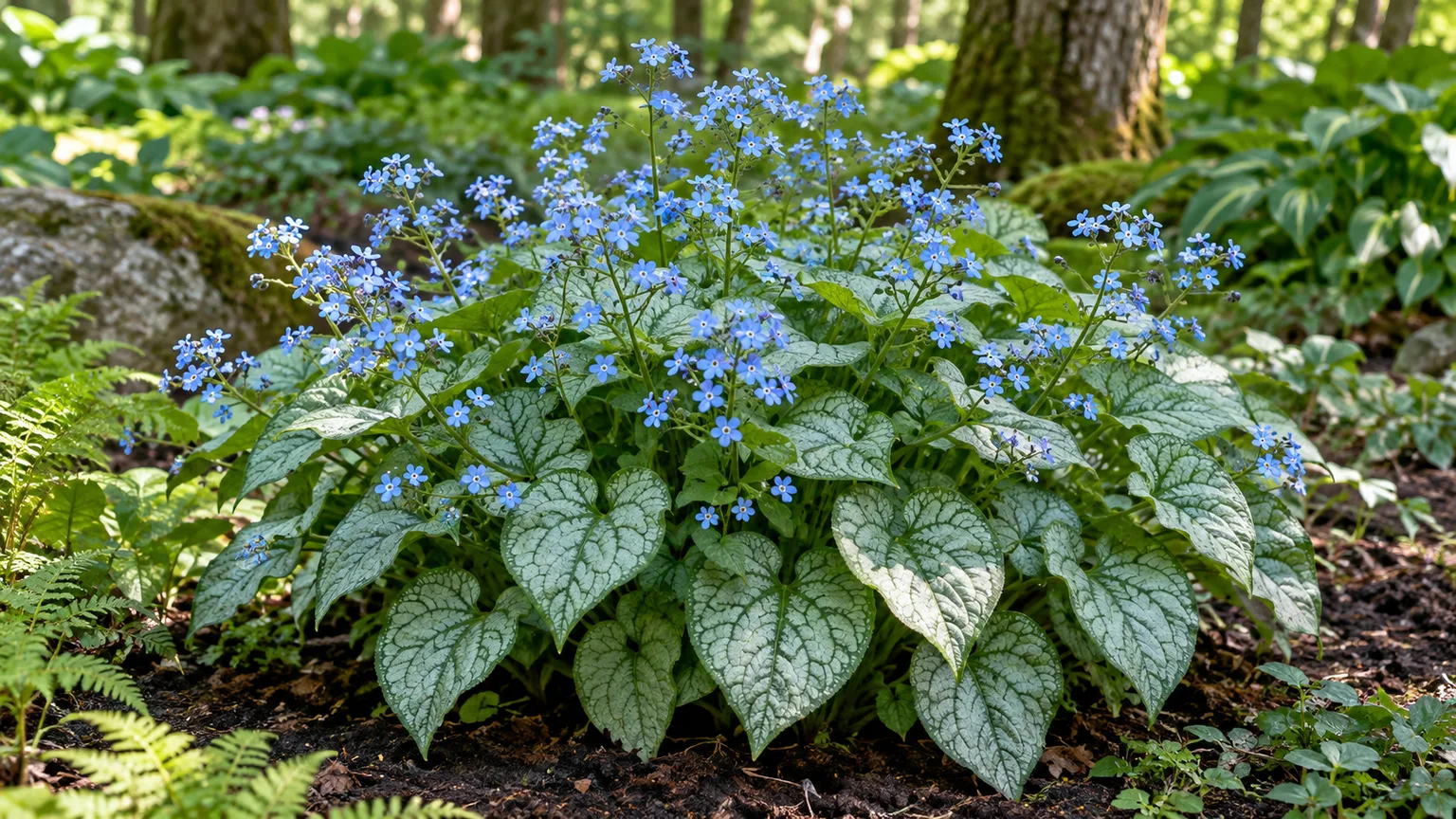
17. Siberian bugloss (Brunnera macrophylla). Brunnera is grown as much for its heart-shaped, often silver-marked leaves as for its small blue spring flowers. It is commonly listed for Zones 3 to 8, so Zone 8b can meet its winter requirement, but a hot, dry site is not a good match.
Reserve it for bright shade with organic matter and consistent, moderate soil moisture, particularly in regions with humid summers or intense afternoon heat. Cultivars such as ‘Jack Frost’ differ in foliage pattern and performance; check the specific label and avoid planting it where tree roots dry the soil quickly. If your shade bed bakes against a west wall, choose a tougher plant rather than trying to rescue Brunnera with constant watering.
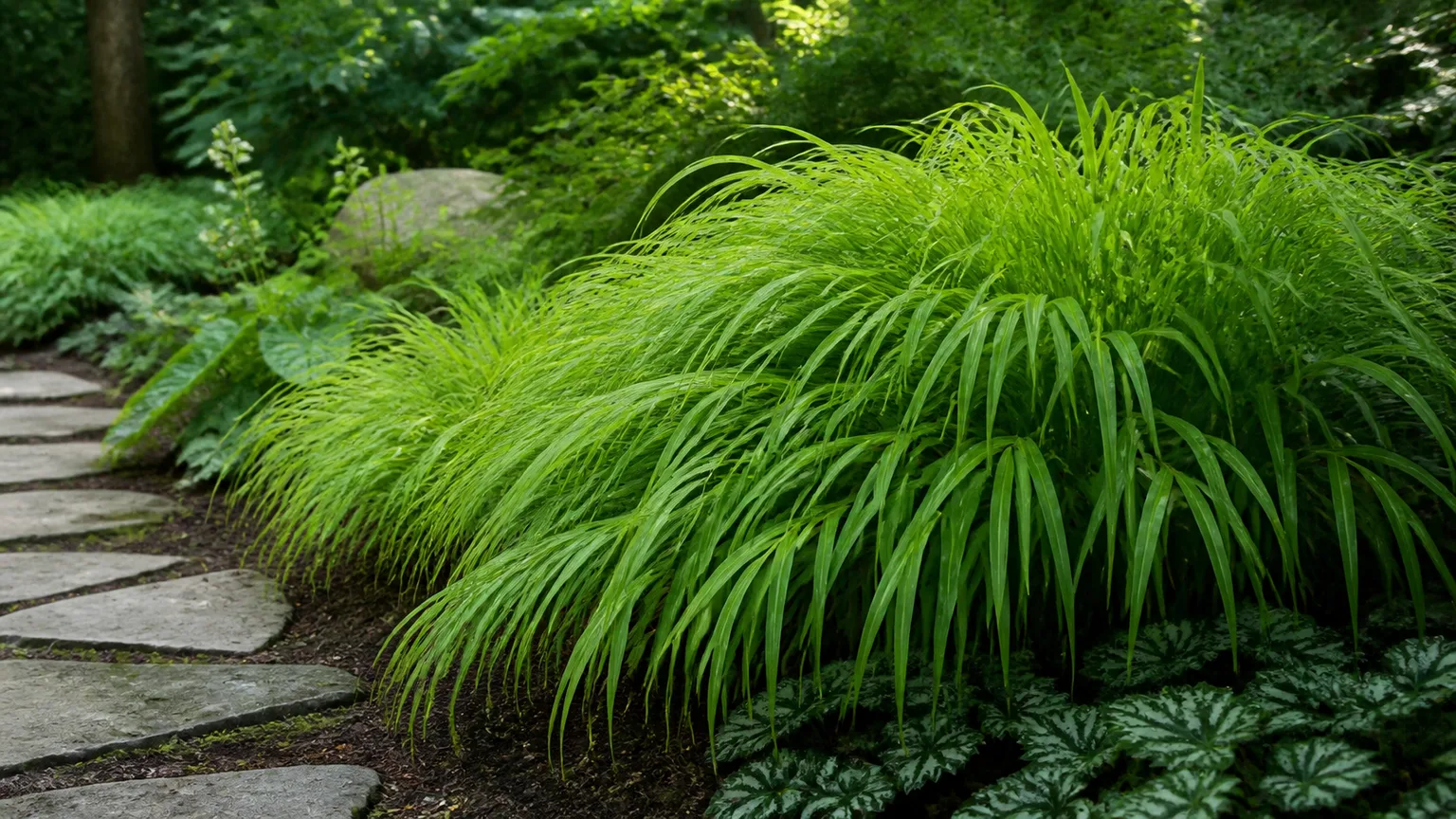
18. Japanese forest grass (Hakonechloa macra). This slow-growing ornamental grass is a useful edging plant in part shade, where its arching leaves add texture beneath shrubs or along a shaded path. ‘Aureola’ is valued for gold-striped foliage; the species and cultivars are often listed for Zones 5 to 9. Give it soil that stays lightly moist but drains after rain, and protect it from harsh afternoon sun in a hot 8b summer, which can scorch the leaves.
It grows in a clump rather than racing like a running grass, so it can soften an edge without quickly taking over. The plant may look tired after winter; wait for new shoots before clearing away old foliage.
Make the garden bloom in sequence
Plan for overlapping bloom rather than a single peak. Hellebore and bleeding heart can start the season, followed by daylily, Shasta daisy, and phlox; coneflower, black-eyed Susan, yarrow, salvia, gaura, and red hot poker can carry color into summer, depending on cultivar and weather.
Layer tall phlox and canna behind mid-height coneflower or daylily, with thyme or compact coreopsis near a path. Put shade plants where trees or a structure filter afternoon light, but account for root competition and airflow. Repeat small groups of plants instead of scattering 18 single specimens; repeated shapes are easier to care for and make weak performers easier to spot.
When to plant perennials in Zone 8b
Spring and fall planting windows
For most container-grown perennials, fall and early spring are easier than the hottest part of summer. Fall planting gives roots time to grow while air temperatures are lower, but the soil still needs to drain and remain workable.
Spring planting is a good choice for tender or borderline selections, and it leaves a full season to establish before the next winter. The ideal window varies across 8b, so follow local extension advice and avoid planting into frozen soil, a heat wave, or a saturated bed.
Bare-root plants have narrower planting windows than nursery containers. Follow the supplier’s directions for the specific plant, soak or hydrate roots only as recommended, and plant them promptly rather than letting them dry out in packaging. Bulb-like or tuberous perennials also have their own timing; for example, dahlias should go out after frost danger has passed and the soil has warmed enough for active growth.
When summer planting is worth the risk
A summer planting can succeed if you can water reliably and protect the new plant from severe afternoon heat while it establishes. It is less forgiving if you travel, use a sprinkler that wets foliage at night, or have sandy soil that dries within a day. If you must plant in summer, choose a cloudy or cooler stretch, water the root ball thoroughly, and check it daily for the first week rather than assuming yesterday’s rain reached the roots.
First-season care that helps roots settle in
Water to the root ball, not by the calendar
Watering “one inch per week” is a rough garden guideline, not a reliable dose for every perennial, soil, or container. During planting, water slowly until the original nursery root ball and surrounding soil are both moist.
For the next several weeks, check the soil a few inches down near the root ball; if it is dry at that depth, water deeply, then let excess drain. If it is still cool and damp, wait.
A common failure occurs when the surrounding bed is wet but the nursery root ball has dried into a peat-heavy plug. Water can run around that plug without soaking it.
Feel the root ball itself, and apply water slowly if it has become dry and hydrophobic. Once plants have rooted into the bed, lengthen the interval between watering and let the plant’s own drought tolerance guide supplemental irrigation. Water at the base in the morning when possible, especially for phlox and other mildew-prone foliage.
Mulch, drainage, and airflow
A thin, even layer of organic mulch can moderate soil temperature and reduce moisture swings, but keep it pulled back from plant crowns and stems. A deep, wet pile directly over the crown can invite rot, especially for dahlias, red hot pokers, and other plants that dislike winter saturation.
Avoid trying to fix drainage by amending only the planting hole; a small pocket of loose material inside dense clay can collect water. Improve a broad bed or choose a plant adapted to the actual soil.
Space plants for their mature width, not their size at purchase. In humid climates, overcrowding slows leaf drying and can turn a routine mildew problem into a persistent one. Garden phlox especially benefits from airflow; if it develops mildew despite good spacing, remove affected debris and consider a different cultivar or a more open position next season rather than applying fertilizer to force more growth.
Feed and divide only when the plant needs it
Many established perennials flower well with compost and a soil test rather than repeated high-nitrogen feeding. Too much nitrogen can produce soft growth that flops or suffers more in heat. If a bed performs poorly, test the soil and diagnose light, drainage, and water first; fertilizer does not correct a site mismatch.
Division is useful for clumping plants when the center thins, flowering declines, or the plant crowds its neighbors. Spring or fall is commonly suitable, but the best time depends on the species and local heat; avoid dividing during a heat wave or while a plant is in full bloom. Some perennials, such as daylilies and black-eyed Susans, tolerate division better than others, so check species-specific instructions before lifting a mature clump.
Common Zone 8b planting mistakes
Treating the map as a summer-climate forecast
The common mistake is choosing by the lowest temperature on the tag and ignoring the site. A Zone 8 plant may survive winter but flower poorly in intense heat, struggle with persistent humidity, or rot in wet clay.
A plant described as marginal elsewhere may succeed in a sheltered, sharply drained 8b microclimate. The label tells you what to investigate; it does not prescribe sun or water.
“Full sun” is not identical across 8b: an inland heat pocket may favor morning sun and filtered afternoon light. And “drought tolerant” usually describes an established plant, not a new transplant. Water while roots expand, then reduce irrigation as the plant settles in.
Before buying, check mature width, cultivar hardiness, local disease resistance, and whether the plant spreads by seed or rhizomes. Local extension offices and botanical gardens can clarify regional fit. Cornell Cooperative Extension’s perennial resources include starting points on soil preparation and division. Cornell Cooperative Extension’s perennial resource page is a good starting point for those fundamentals.
Conclusion
Zone 8b gives you a useful picture of average winter cold, but it cannot choose the right perennial for your yard by itself. Start with the site: note when it gets sun, how quickly soil drains, how hot the afternoon becomes, and whether summer humidity or winter wetness is a recurring problem.
Then choose among plants whose specific cultivar fits those conditions, and give new roots consistent water through establishment. That approach turns an 18-plant list into a garden that can return and bloom in your particular corner of Zone 8b.



