How to Prune Beetroot: Thinning, Greens, and Safe Harvest
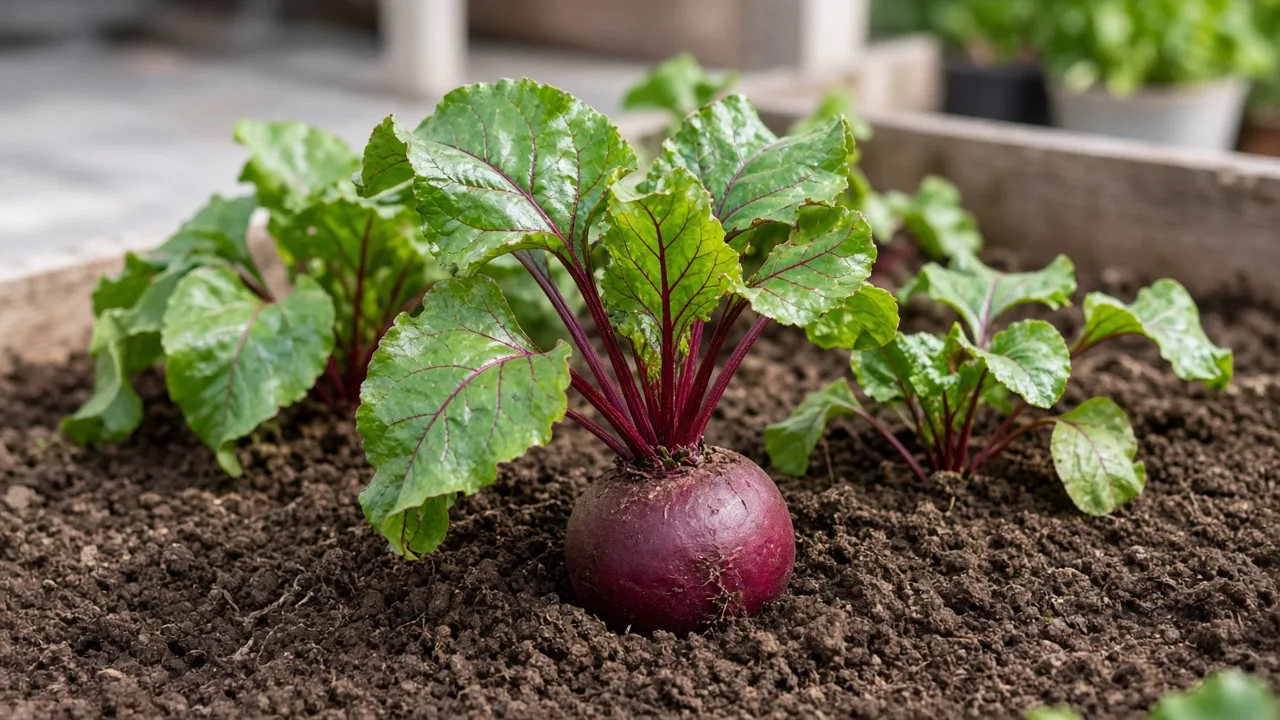
How to Prune Beetroot: Thinning, Greens, and Safe Harvest Cuts
How to Prune Beetroot: Thinning, Greens, and Safe Harvest Cuts
First, walk the row and snip only seedlings or leaves that are clearly dead, mushy, or diseased—cut them at soil level with clean scissors. Do not start spacing cuts until surviving seedlings are about 2.5 cm (1 in) tall and can handle thinning. For sowing depth, cluster seed behavior, and why beets hate root disturbance, start on the Beetroot overview.
Quick answer
Beetroot (Beta vulgaris Garden Beet Group) is pruned by thinning, foliage cleanup, and careful harvest cuts—not shaping a woody canopy. NC State Extension recommends direct sowing and thinning plants to 2–3 inches apart so each taproot can swell without crowding. RHS adds that for larger roots you should thin seedlings once they reach about 2.5 cm tall, spacing survivors 10 cm (4 in) apart and snipping the weaker ones (baby thinnings are edible in salads). Gardening Know How stresses snipping rather than pulling when thinning, because pulling disturbs the roots you intend to keep. Keep even moisture in the root zone, full sun or light shade on the rosette, and loose, stone-free soil so pruning steps actually improve harvest quality rather than compensating for drought or compaction.
What beetroot pruning actually means
A beet forms a low rosette of leaves above a single swelling taproot. Corky “seeds” are often clusters that sprout several seedlings in one spot, so overcrowding is normal unless you thin. There are no branches to rejuvenate from a hard shear—your scissors manage competition, hygiene, and harvest timing.
Home growers “prune” beetroot for four overlapping reasons:
Thinning opens space so roots reach golf-ball to cricket-ball size without forking against neighbors. Cleanup removes yellow, pest-damaged, or mildewed lower leaves so problems do not spread in a dense row. Bolting response means cutting or harvesting before a flower stalk steals energy from the root—unless you are deliberately saving seed (RHS bolting guidance). Harvest handling protects the crown so you lift intact roots and store them with a short stem stub.
Unlike leafy herbs, beets do not bush out from tip pinches on the crown. Gardening Know How notes that routine pruning is minimal and that you should avoid cutting healthy leaves while the root is actively sizing—those leaves feed underground growth. If tops are huge but roots stay small, fix nitrogen-heavy feeding and soil structure before expecting scissors to solve the problem.
Thinning vs foliage trim vs harvest
| Task | When | Tool | What you gain |
|---|---|---|---|
| Thinning | Seedlings ~2.5 cm tall | Scissors at soil line | Room for round roots |
| Disease cleanup | Whenever spotted | Snip affected leaves at base | Slower spread of leaf spots or miners |
| Greens pick | Mid-season, light passes | Pinch outer leaves sparingly | Kitchen greens without stripping one plant |
| Root harvest | Root at target size | Fork + lift; twist tops | Intact beet without broken shoulder |
RHS notes you can skip thinning if you want small roots in clumps, but larger beets need the wider spacing pass. Crowding is one of the most common reasons for stunted or misshapen roots in tight rows.
When to prune or thin beetroot
Best window for thinning
Germination often takes 1–2 weeks, and clusters can leave three or more seedlings competing in one hole. Plan the first real thinning once plants are about 2.5 cm (1 in) tall with true leaves—large enough to choose the strongest shoot, small enough that roots have not locked together.
For baby beets, leave two or three seedlings per station at 15 cm (6 in) between groups, as RHS describes for cluster sowing. For single large roots, thin to one strong plant per spot at roughly 10 cm (4 in) apart. Gardening Know How suggests thinning when plants are 5–7.5 cm tall to 7.5–10 cm apart—slightly later and wider than the earliest RHS pass, which suits fast-growing spring rows.
A second light cleanup can help if rain caused uneven germination or you sowed thickly for insurance.
What you can remove anytime
Fully dead seedlings, slime-coated stems, and leaves with obvious blight, cercospora spots, or miner trails can be snipped whenever you see them. That is sanitation, not a harvest. Bag heavily infected foliage in humid climates instead of composting it on-site.
When to delay cuts
Hold off on wide thinning when:
- Seedlings are still threadlike cotyledons only—wait for true leaves.
- Soil is baked dry and plants are wilting—water first, then thin the next day.
- Heat waves are pushing the crop toward bolting—gentle harvest may beat aggressive leaf stripping (RHS).
- Roots are within a week of target harvest size—lifting may be smarter than more leaf removal.
If foliage is pale and stretched rather than crowded, review Beetroot light before blaming spacing.
What to check before you cut
Run a quick inspection:
- Cluster count — how many seedlings share each station; mark the keeper before you snip.
- Root zone moisture — cracking soil after drought can split roots when you water; steady watering matters more than extra leaf cuts.
- Crown firmness — soft, sunken crowns near soil line suggest rot; remove those plants entirely.
- Bolting cues — upright flower stems, taller internodes, or smaller new leaves signal reproduction, not more root swell.
- Pest tunnels — winding trails on leaves mean miners; trim affected blades and improve airflow between plants.
The first cut to make
After removing only dead or diseased tissue, choose one obvious weak seedling in the densest cluster. Snip it flush with the soil surface, leaving the sturdiest neighbor untouched. Wait two or three days and confirm the survivor looks upright with new leaf color before you thin the rest of the row to final spacing.
This single snip tests whether roots are established enough to tolerate disturbance—if the keeper wilts badly, delay wider thinning and shade the bed briefly during hot afternoons.
How to thin and trim beetroot step by step
Thinning at soil level
- Moisten the row lightly if soil is dusty.
- Identify the strongest seedling in each cluster (upright, darkest green, least insect damage).
- Cut competing shoots at soil level with clean scissors—do not tug (Gardening Know How).
- Eat or compost thinnings; young beet leaves are mild in salads (RHS).
- Water gently after thinning so remaining roots re-anchor without a flood.
NC State Extension also warns that transplanting disturbs taproot development—another reason thinning cuts beat pulling and replanting extras.
Trimming damaged foliage only
Gardening Know How recommends snipping yellow, damaged, or diseased leaves at the base with clean pruners to tidy plants and improve air circulation. Remove the minimum tissue needed; do not strip healthy outer leaves during active root swell.
Light greens harvest during growth
RHS allows a few leaves from each plant through the season, or full tops at root harvest. Spread picks across the row—one or two outer leaves per plant per week is a safer kitchen rhythm than denuding a single beet. Greens wilt quickly; use them within a few days (NC State Extension storage notes).
Harvest cuts and top removal
When roots reach 4–7 cm (golf ball) up to about cricket-ball size, loosen soil and lift from below. Gardening Know How advises grasping the root at the crown, not wrenching leaves. For storage, RHS recommends twisting or cutting tops about 2.5 cm (1 in) above the root so leaves do not bleed sap in the fridge. NC State Extension similarly says to trim greens from the root for storage, leaving a short stem stub.
Oversize roots left too long often turn woody—harvest timing is a pruning decision as much as a calendar date (RHS).
How much you can safely remove
| Plant part | Safe limit per pass | Risk if exceeded |
|---|---|---|
| Extra seedlings | All but 1 per spot (or planned clump) | Crowded roots stay small and forked |
| Healthy leaves mid-season | ~1–2 outer leaves per plant | Slowed root growth, smaller beets |
| Diseased foliage | All visibly affected blades | Low risk if you bag debris |
| Whole tops at harvest | 100% once root is lifted | N/A—plant is finished unless saving seed |
Do not remove more than one-third of healthy leaf area on a plant you still want to size up—similar logic to leafy crops, but here the root is the crop.
What not to cut
- The central growing crown while the root is still in the ground—damaging the compressed stem stalls both leaves and root.
- Healthy foliage wholesale during the last third of root swell—roots need the solar panel.
- Neighbor roots by pulling thinnings—always snip.
- Flower stalks only if you still want maximum root on that plant—once bolting starts, prioritize harvest over leaf picks.
Pruning and bolting
Beets bolt when heat, drought, or day-length shifts trigger flowering (RHS bolting). Bolt-resistant cultivars help for early sowings (RHS). If a stalk appears on a plant you still need for roots, cut the stalk at its base as soon as you see it, then harvest roots within days—pruning cannot fully reverse bolting physiology.
For seed saving, let chosen plants flower and dry per Beetroot propagation—that is a different pruning goal from kitchen harvest.
Aftercare after pruning cuts
After thinning or leaf cleanup:
- Water lightly to settle soil around remaining crowns—avoid soaking that invites damping off on fresh cuts.
- Mulch thinly if weather turns hot and dry, keeping mulch off the crown itself.
- Pause nitrogen pushes if tops explode but roots lag—see Beetroot fertilizer.
- Scout for miners or leaf spots on the thinned row; open spacing makes damage easier to spot early.
Do not repot or transplant mature beets on pruning day unless you are finishing a failed container—Beetroot repotting guidance favors direct sow into final spacing.
Recovery timeline
- Thinning shock — survivors usually look perky again within 3–5 days in cool, moist weather.
- Light greens pick — new outer leaves visible in about a week if moisture and light stay steady.
- Post-harvest storage — trimmed roots keep weeks to months in cool, humid fridge conditions per NC State Extension edibility notes; greens stay only a few days.
Signs pruning worked
- Remaining seedlings darken in leaf color and sit upright without overlapping neighbors.
- Roots visible at the soil shoulder swell evenly without deep cracks from drought swings.
- Fewer disease spots on lower leaves after sanitation trims.
- Harvested roots lift without broken tops and store without excessive bleeding.
Signs pruning was too aggressive or mistimed
- Wilting survivors 24 hours after thinning—soil too dry or heat too high.
- Stalled root growth with lush new leaves only—often excess nitrogen, not scissors.
- Split roots after heavy leaf removal followed by a deep soak—fix watering rhythm.
- Bolting within days of a heat wave—replace with a cool-season succession sowing rather than harder cutting.
Mistakes to avoid
- Pulling thinnings instead of snipping—disturbs keeper taproots.
- Shearing the whole rosette like lettuce while expecting a large beet later.
- Harvesting by yanking leaves in dry, compacted soil—breaks crowns.
- Leaving oversized roots “one more week”—woodiness beats extra size.
- Composting miner-infested leaves in the same bed without hot composting.
Conclusion
Beetroot pruning is crowd control, leaf hygiene, and harvest discipline for a taproot crop. Your first move is snipping only dead or diseased tissue; your main structural task is thinning at soil level once seedlings are tall enough, always cutting—not pulling. Protect healthy foliage while roots swell, act fast on bolting, and twist tops short for storage. When survivors thicken to tender 4–7 cm roots without forking and leaves stay manageable through cool weather, you timed cuts correctly.
When to use this page vs other Beetroot guides
- Beetroot overview — Crop planning, chukandar timing, and cluster sowing before you thin.
- Beetroot soil — Escalate here when pruning cannot fix forked, stunted, or rocky-soil roots.
- Beetroot watering — Escalate here when wilting or splitting follows thinning stress.
- Beetroot light — Escalate here when pale, weak tops suggest stretch rather than crowding.
- Beetroot repotting — Clarifies why beets are direct-sown and thinned, not repeatedly transplanted.