How to Propagate Beetroot from Seed
How to Propagate Beetroot from Seed
How to Propagate Beetroot from Seed
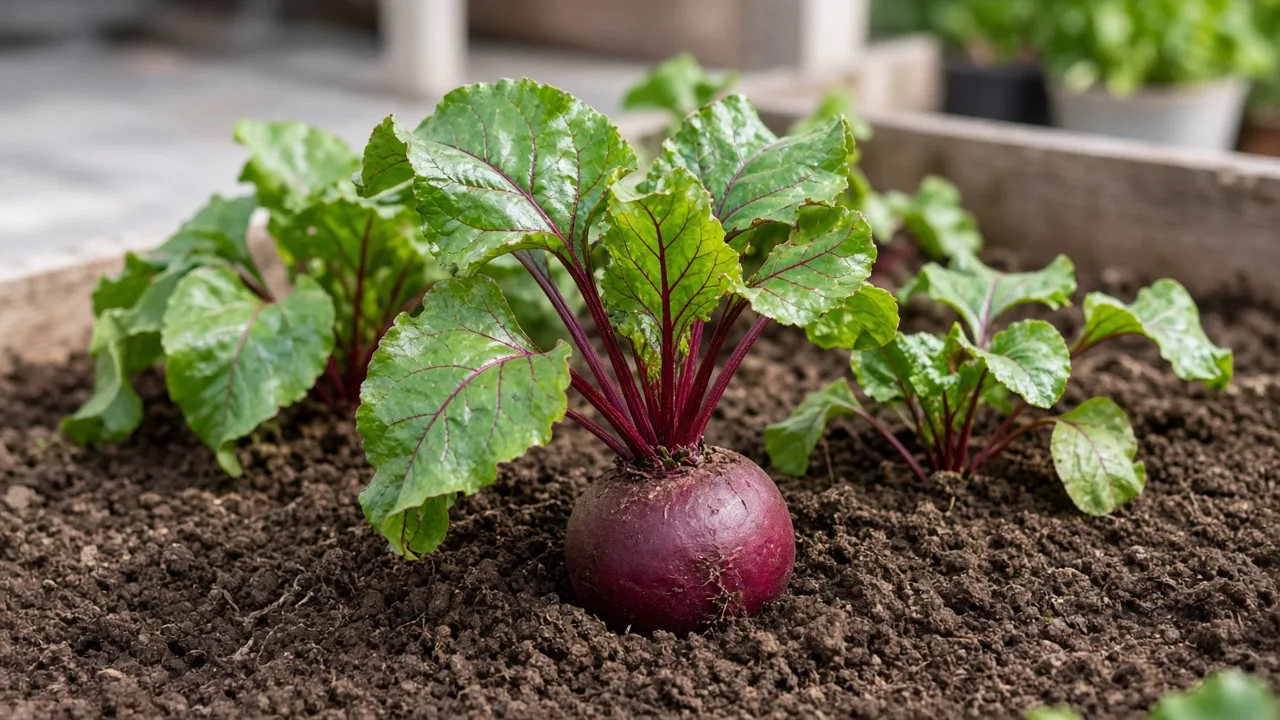
Garden beetroot (Beta vulgaris Garden Beet Group), widely called chukandar, is propagated almost exclusively from seed. Each corky “seed” you buy is usually a dried fruit cluster that can sprout more than one seedling, which changes how you sow, thin, and space plants compared with true single-seed crops like carrots. The RHS beetroot growing guide treats seed sowing—not cuttings or root division—as the standard path to harvestable roots. For how this species fits your garden, start with the beetroot overview.
Best propagation method for Beta vulgaris
Direct sowing into loose, fertile, stone-free soil is the most reliable way to establish beetroot. Roots swell from the taproot zone; anything that repeatedly disturbs that zone early in life encourages forking, slow recovery, or leafy tops without useful roots. NC State Extension recommends sowing directly in the ground when possible because transplanting can disturb root development. Propagation success here means getting from sound seed to evenly spaced, unstressed seedlings—not rooting stem pieces.
Why beet “seeds” are actually clusters
Botanically, what you sow is often a cluster of seeds enclosed in a corky fruit, not a single embryo. That is why you may see two or three seedlings emerge from one sowing station. The RHS describes beetroot seed as large, easy to handle clusters and suggests soaking them in warm water for about an hour before sowing when germination has been slow in past seasons. Plan thinning—or deliberate multi-plant clumps for baby beets—before you cover the row.
What cuttings and root pieces cannot do
Beetroot does not behave like a mint or coleus: stem cuttings and chunks of harvested root do not regenerate a full-sized taproot for kitchen harvest. Kitchen experiments that regrow beet tops in water may produce leaves, but they are not a practical substitute for sowing seed if you want tender chukandar roots. For predictable crops, buy fresh seed and sow in place.
When to sow beetroot seed
Beetroot is a cool-season crop that germinates once soil warms and stays moist, then grows most steadily in mild temperatures. Epic Gardening’s beet guide summarizes extension guidance that germination needs soil at roughly 50°F (10°C) or warmer, with faster emergence in the roughly 55–75°F (13–24°C) range and poorer results when soil stays hot. Air and soil heat well above the mid-20s °C push plants toward bolting and woody roots, as noted in the beetroot plant profile on LeafyPixels.
Cool-season windows in India and similar climates
In warm Indian lowlands, sow during cooler months when nights are mild and you can keep the seedbed evenly moist without baking the surface. At elevation or during a mild winter, your window widens; on hot terraces, use afternoon shade on containers and check moisture twice daily during the first three weeks after sowing. UF/IFAS Gardening Solutions staggers plantings across a long cool-season window in Florida—adapt that rhythm to your local cool slot rather than copying temperate spring calendars verbatim.
Succession sowing for steady harvests
Because individual roots mature over several weeks, sow small batches every two to three weeks during your cool season so harvests do not arrive all at once. The RHS recommends regular small sowings from spring through mid-summer in its climate; stop succession sowings once heat makes germination unreliable. NC State Extension suggests new beet plantings on three-week intervals for continuous harvest where seasons allow.
Direct sowing vs module starts
Direct sowing avoids root disturbance and suits in-ground beds, raised planters, and large containers. Module or tray starts are optional when you need earlier crops in cold regions or want to protect germination on a balcony. The RHS sows one seed cluster per cell at 2.5 cm depth, thins to the strongest seedling (or keeps up to four for baby-beet clumps), then transplants outdoors without splitting the module. UF/IFAS notes you may start in trays and transplant once seedlings are about 10 cm (4 in) tall, handling roots gently. Older, root-bound plants transplant poorly—treat late purchases as a rescue, not your main propagation plan. Container depth and mix are covered in the beetroot repotting guide and beetroot soil guide.
Prepare the seedbed before you sow
Work soil or potting mix loose and stone-free to the full depth roots will need—roughly 40 cm for round cultivars in pots per the RHS container guidance. Remove clods and gravel that fork taproots even when germination was perfect. Moisten the bed before sowing so irrigation does not wash clusters into deep cracks. Avoid fresh high-nitrogen manure that favors leafy tops over root swell; fertility timing lives in the beetroot fertilizer guide. Full sun supports stocky seedlings—see the beetroot light guide if shade is unavoidable.
Step-by-step: direct sow beetroot
- Choose the final site — beds, raised planters, or a container at least 40 cm wide in full sun.
- Optional soak — place seed clusters in warm water for about an hour if past sowings were slow to emerge (RHS).
- Open a shallow drill — about 2.5 cm (1 in) deep with 30 cm (1 ft) between rows in ground plantings (RHS).
- Space clusters — sow individual clusters about 10 cm (4 in) apart along the drill, or group two to three clusters every 15 cm (6 in) for baby-beet clumps (RHS). UF/IFAS suggests overseeding about 2.5 cm (1 in) apart in the row when you plan to thin hard later.
- Cover and firm lightly — backfill with fine soil or compost without sealing the surface into a crust.
- Water gently — keep the top few centimeters evenly damp, not flooded.
- Label sowing date and cultivar — emergence can take one to two weeks; slow rows are easy to forget.
Depth, spacing, and handling clusters
Depth and spacing matter more than brand of seed. Too shallow and clusters dry out; too deep and emergence stalls in cold soil. In containers, space clusters 10 cm apart on the surface and cover with about 2.5 cm of compost, then water well (RHS). Match round-rooted cultivars to pot size—long cylindrical types need deeper boxes than globe beets.
Germination timing, temperature, and moisture
Plan for roughly one to two weeks to seedling emergence in cool, moist soil, sometimes longer if the surface dries or temperatures swing. The RHS advises outdoor sowing once soil reaches at least 7°C (45°F). The critical propagation window is even surface moisture until seedlings appear—light irrigation every day or two may be needed on hot terraces. After emergence, shift to the deeper moisture checks in the beetroot watering guide rather than constant surface soaking.
Thin seedlings without stunting the crop
If you want golf-ball-sized roots, thin when seedlings are about 2.5 cm tall, leaving one strong plant every 10 cm (4 in) and using thinnings in salads (RHS). For deliberately small harvests, you can skip aggressive thinning and pull roots young. UF/IFAS thins established rows to about 5–10 cm (2–4 in) after overseeding. When neighbors are close, snip unwanted seedlings at soil level rather than yanking, which disturbs remaining roots less than a hard pull—especially compared with taproot crops like carrots.
Aftercare from emergence to harvest size
Keep moisture steady without wild wet–dry cycles that split maturing roots. Most cultivars reach useful size in about 50–70 days from sowing under good cool-season conditions (UF/IFAS; NC State Extension cites a similar 50–80 day range after germination). Weed while canopies are small; light mulch can hold moisture once leaves shade the row. “Hilling” soil lightly around young stems, as UF/IFAS describes, can protect developing roots from sun exposure on bare rows.
Saving beetroot seed at home (biennial flowering)
Beetroot is biennial in nature: it flowers and sets seed in a second growing season after vernalizing through cold. Leave selected healthy roots in the ground or store them cool and replant, then allow flower stalks to mature and dry on the plant. Home-saved seed is viable when fully dry, but open-pollinated and hybrid cultivars behave differently—hybrids may not match the parent roots. Isolate varieties if you need predictable types. Seed saving is an advanced sideline; most growers should propagate with fresh purchased seed each cool season.
Common propagation failures and first fixes
No emergence after two weeks: soil was too hot, too dry, or crusted. Gently scratch the row, resow soaked clusters, and cover with fine compost while keeping moisture even.
Seedlings collapsed at the soil line: suspect damping-off in wet, stagnant trays or beds—improve airflow and avoid saturating the surface. Extension resources on damping-off in vegetable seedlings describe fungi attacking overwatered starts at the hypocotyl.
Leafy tops, tiny roots: excess nitrogen or fresh manure bands—adjust feeding per the beetroot fertilizer guide before the next sowing.
Plants bolt in heat: roots stop filling usefully; sow bolt-resistant cultivars for early slots (RHS) and wait for your next cool window.
Forked or stunted roots after module starts: roots were disturbed or held too long—direct sow the next batch or transplant younger, before taproots bind the cell.
When to use this page vs other Beetroot guides
Use this propagation guide for seed sowing, cluster handling, germination moisture, thinning, succession timing, module starts, and seed-saving basics. Use the beetroot overview for identity, mature size, and seasonal expectations. After plants are established, move to watering, soil, light, and fertilizer for ongoing care. Use repotting to understand final container depth rather than repeatedly moving mature plants.
Related Beetroot guides
- Beetroot care overview — cool-season habit, chukandar basics, and harvest timing
- Beetroot light needs — full sun for stocky seedlings and steady root growth
- Beetroot watering — even moisture through germination and root swell
- Beetroot soil — stone-free depth and mixes for round roots
- Beetroot fertilizer — avoiding lush tops at the expense of roots
- Beetroot repotting — choosing a deep first container instead of shifting mature plants
Conclusion
Propagate beetroot by sowing sound seed clusters into loose, fertile soil during cool weather, keeping the seedbed evenly moist until seedlings emerge. Expect multiple sprouts from one cluster, then thin or plan clumps for baby roots. Direct sowing is simplest; young module transplants work when handled early and gently. Cuttings and kitchen-top regrowth do not replace seed for edible roots. When germination fails, fix moisture and temperature and resow in the next cool window rather than forcing stressed transplants.
Related tool
Try the Propagation Success Calculator with beetroot pre-selected to estimate needs for your setup.