Problems

Beetroot Problems: Causes & Quick Fixes

Quick answer

Browse general houseplant problems or use our diagnosis tool for Beetroot.
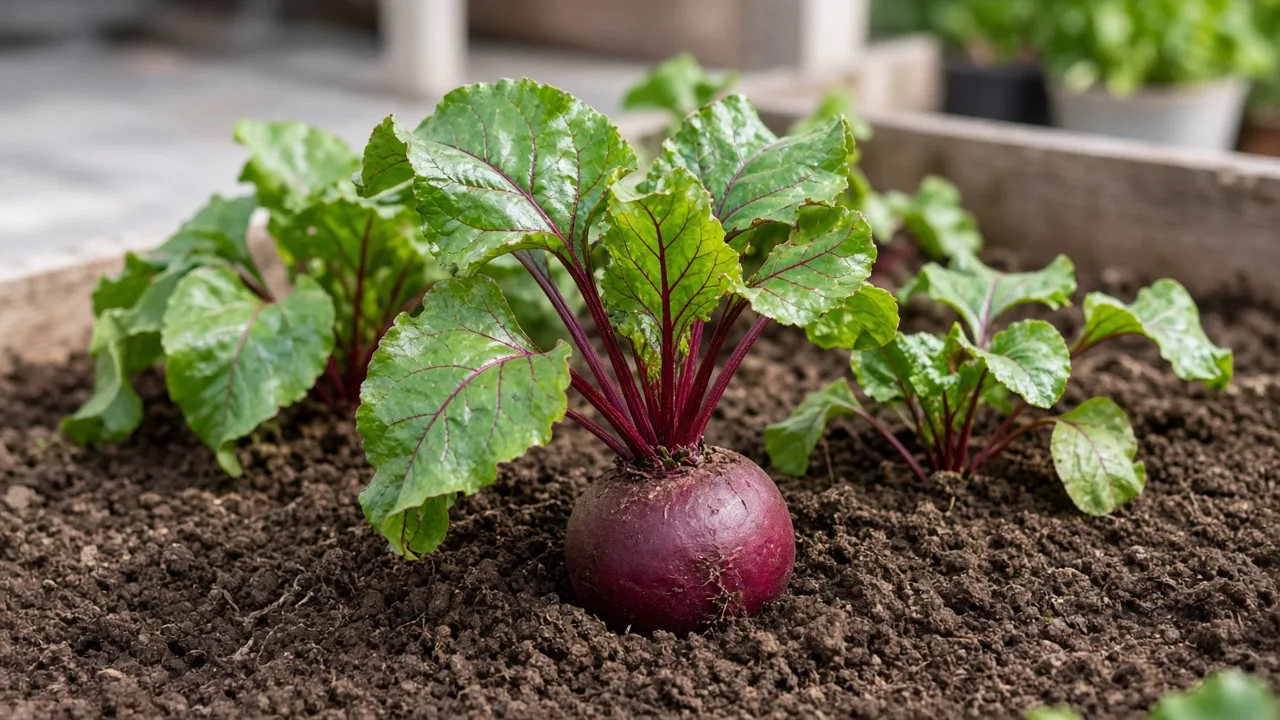
Beetroot houseplant

Beetroot problems

Use the guides below to diagnose and fix common issues on Beetroot. Each problem page explains why it happens on this species and what to do first.

Or use our problem diagnosis tool to narrow down symptoms.

Frequently asked questions

How often should I water Beetroot?

Keep the root zone evenly moist without saturation. Established plants tolerate some dry spells, but drought makes roots woody and uneven watering can cause splitting. In practice, water check containers every 1–2 days in warm weather; in beds, water every 10–14 days during dry spells once seedlings are established. Feel soil 5–8 cm below the surface; water when it is slightly dry but not dusty, before leaves wilt. Containers need the most attention in hot weather; reduce supplemental watering during cool, rainy seasons.

What light does Beetroot need?

Beetroot needs bright, indirect light for steady indoor growth.

Is Beetroot toxic to pets?

Beetroot is toxic to cats and dogs. Keep out of reach of curious pets and choose pet-safe alternatives for accessible spots.

How do I propagate Beetroot?

Propagate Beetroot from healthy stem or root divisions during active growth.

What soil is best for Beetroot?

Use fertile, organic-rich, well-drained loam or potting mix. Stones and compaction cause forked roots, so use deep, loose mix in containers. A good mix includes 50% quality potting mix or light garden loam, 30% mature compost, 20% coarse sand, perlite, or fine bark for aeration. Good drainage with steady moisture; avoid waterlogged beds or pots. Target soil pH around 6.0–7.5 (neutral to slightly alkaline).

When should I repot Beetroot?

Repot Beetroot usually direct-sown into final beds or containers; thin rather than repeatedly transplant mature plants, ideally in cool season — sow when soil is workable and temperatures are mild. Signs it needs a bigger pot: seedlings crowded enough that leaves overlap, roots circling a small nursery cell before final spacing, container mix drying out within a day in warm weather.